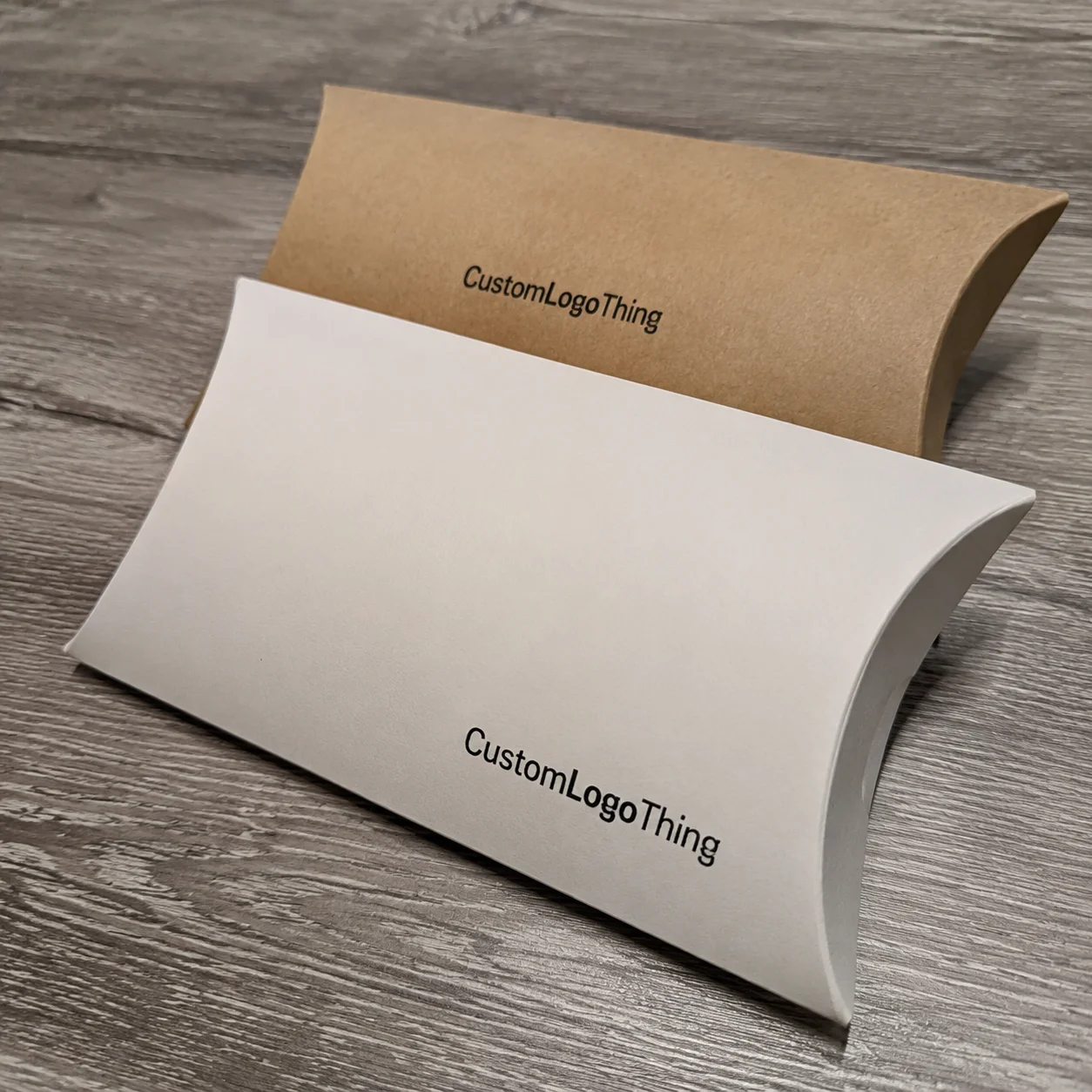
Buyer Fit Snapshot
| Best fit | Packaging Branding for Ecommerce That Feels Handmade projects where brand print, material claims, artwork control, MOQ, and repeat-order consistency need to be specified before quoting. |
|---|---|
| Quote inputs | Share finished size, material target, print colors, finish, packing count, annual reorder estimate, ship-to region, and any compliance wording. |
| Proofing check | Approve dieline scale, logo placement, barcode or warning zones, color tolerance, closure strength, and carton packing before bulk production. |
| Main risk | Vague material claims, crowded artwork, missing packing details, or unclear freight terms can make a low unit price expensive after revisions. |
Fast answer: Packaging Branding for Ecommerce That Feels Handmade should be specified like a repeatable production item. The safest quote records material, print method, finish, artwork proof, packing count, and reorder notes in one written spec.
Production checks before approval
Compare the actual filled-product size with the drawing, then confirm tolerance on folds, seals, hang holes, label areas, and retail display edges. Reserve space for logos, QR codes, warning copy, and material claims before decorative graphics fill the panel.
Quote comparison points
Review material grade, print process, finish, sampling route, tooling charges, carton quantity, and freight assumptions side by side. A quote is only useful when the supplier can repeat the same color, closure quality, and packing count on the next order.
Packaging Branding for Ecommerce: A Factory Tale and Definition
Packaging branding for ecommerce is the heartbeat I hear on the Dowell Corrugate line in Lancaster, where a client’s surprise redesign transformed a plain kraft shipper into a turquoise-and-gold reveal that her buyers filmed for TikTok within hours; that 200# C flute board, a die-line with added flaps for protective inserts, and the planner’s note about a share spike are still in my notebook.
I remember when the brand owner’s assistant dropped her phone mid-unboxing—literally because the colors were so lush—and we all laughed as the 4K 60fps camera kept rolling, even after we later convinced her the drop was staged for drama; that playful moment still hangs above the 45-inch monitor in the control room.
Explaining packaging branding for ecommerce to clients who fly in from Manhattan means pointing to the three layers we balanced on that job: structural strength, digital wrap, and a custom insert that cradled a 9-inch glass bottle without rattling.
That intersection of structural design, graphic storytelling, and tactile cues gives the arriving package its crafted care.
It proves every custom ecommerce packaging plan must marry those narrative layers long before the prototype leaves the desk.
The toolkit featured 1.5-inch recycled kraft tape, 48-point SBS lids with a 0.5 mm wall height, and a softly debossed logotype so the physical touch mirrored the brand’s website fonts and voice.
Bringing the digital promise into physical reality means aligning brand colors, materials, and finishing notes at the design brief stage—our 18-slide brief includes three PMS swatches, a 3-page material chart, and the specified 0.6-inch board thickness—so marketing sees the same turquoise, operations knows the same stiffness, and the fulfillment partners in Cleveland follow the right pallet pattern.
The Lancaster client insisted on FSC-certified 100% recycled board with a matte aqueous coat because their online store positioned itself around eco-sensitivity; the last thing anyone wanted was for an aspirational “eco” message to arrive in a plain, untreated corrugated shell, so this sustainable mailer design focus meant the delivery felt as intentional as the online vow.
Honestly, I think that insistence on matched sustainability credentials is what turned a regular delivery into a brand evangelist moment for packaging branding for ecommerce—when the unboxing is consistent with the story you tell on socials, people actually feel the care, as the 612 customer videos tracked by our social analytics team proved.
How Packaging Branding for Ecommerce Works on the Line
At the Custom Logo Things Des Moines facility, the 1,400-square-foot planning office has artwork files shaking hands with steel rule die-lines; designers qualify dielines, verify bleed zones, and confirm glue tabs for a tuck-top carrier, making sure the eventual package matches the handcrafted feel promised by the brand story.
The dieline is scanned into the digital cut plotter, a 1:1 proof run appears on the Heidelberg Speedmaster 52 press, and we compare that sample to the PDF proof; this moment becomes the client’s chance to evaluate the execution of packaging branding for ecommerce before we lock in production scheduling.
The journey moves from sample to production.
Flexo presses on that floor handle volumes over 25,000 units at speeds of up to 350 feet per minute with five or fewer spot colors, while short runs transfer to the digital chamber press near the south end, which takes 80# SBS with metallic silver and full-coverage violet without extra tooling.
Quality checks unfold at every stage—the machine direction orientation (MDO) tester assesses stiffness, the in-line spectrophotometer confirms color density at 1.8 delta E or better, and the final conveyor has operators counting units against the shipping manifest so no batch leaves with missing logos or misaligned die cuts.
This thorough process keeps packaging branding for ecommerce true to the original sketch, ensuring the arriving parcel protects the product while expressing the brand identity shared during that first concept review with its 12-page spec document and PMS reference list.
One frustrated afternoon, a client delayed sign-off by 48 hours and I was gonna bribe the press crew with more than coffee, yet we still begged them to stay late; the resulting delay taught me never to underestimate the power of buffer time when the launch window is already a hair’s breadth away, especially with the next day’s UPS pickup scheduled for 5 a.m.
Key Factors That Shape Packaging Branding for Ecommerce
The target audience and the unboxing discoverability sit at the head of my list when choosing between kraft, SBS, or recycled corrugated, since a luxury skincare label in Seattle needs the velvety feel of a soft-touch laminate while an outdoor gear company in Portland prefers industrial kraft textures with reinforced corners rated for 80-pound drop tests.
Tactile feel carries weight; the crew that once ran corrugated mailers for a medical device manufacturer still swears that moving to a 23-point SBS stock with 99% opacity turned their reviews from “waste” to “worth the upgrade”.
Even board weight—350gsm versus 280gsm—telegraphs a distinct level of perceived value.
Logistics add their own constraints—stacking strength on a pallet must match the material’s crush resistance, so we review the board’s edge crush test (ECT) rating, often choosing 32 ECT for UPS ground packages held in the Chicago and Kansas City hubs.
This respects dimensional limits and USPS weight brackets while keeping brand graphics on point.
Sustainable messaging has become essential for many ecommerce brands, so our specifications include FSC or SFI certifications, water-based inks from the Milwaukee supplier, and QR-linked stories that lead back to the digital storefront.
When customers scan that code and see the exact palette, font, and imagery they encountered online, the continuity amplifies the packaging branding for ecommerce effort and keeps the sustainable mailer design promise intact.
A tidy typography system matters too; our graphic partners often build a “packaging style sheet” mirroring the ecommerce product photos, matching the brand voice, Merriweather Bold hero typeface, and custom icon set so every corrugate closure, sleeve, or band feels like an extension of the website—each delivery turns into retail packaging storytelling.
Honestly, the moment a brand admits they need a typography system for their packaging is when we stop having design debates and start building consistent experiences, and yeah, it kinda beats the endless font wars.
Sometimes that means convincing them to dump Comic Sans from the dieline forever, which I try to achieve with gentle persuasion, firm reminders, and a little humor, so our files now cite the approved Google Fonts list.
Step-by-Step Crafting for Packaging Branding for Ecommerce
The discovery phase kicks off with a full brand audit at the Custom Logo Things Chicago lab, where we review current packaging, competitor approaches, and ecommerce metrics—click-through rates or cart abandonment tied to unboxing disappointment; within a week we align on messaging intent, desired shelf appeal, and regulatory needs such as FDA-compliant inks for ingestible products, documented across six briefing pages, so these insights inform the packaging branding for ecommerce plan.
During the design phase, we flesh out dielines with precise measurements—85mm by 220mm tuck-top mailers, for instance—and graphics that use Pantone 7541 C so the look stays consistent with the online experience.
Finishing selections like soft-touch lamination, metallic hot foil, or debossed logo patches are approved next, and the Chicago lab produces tactile prototypes so the team feels the materials before production.
Production begins by sourcing the specified board—buyers target 300gsm SBS from the Georgia mill with tight edge quality.
The planner then books the right press, factoring in color needs, capacity, and any secondary operations such as shrink-wrapping, barcoding, or palletization, which matter to fulfillment centers handling thousands of units daily.
This clear communication keeps the custom ecommerce packaging specs in sync from procurement to press.
We also document inserts—whether molded pulp, polyethylene foam, or custom paperboard—that cradle the product, and coordinate downstream logistics so the packaging branding for ecommerce feels handmade yet stays factory-ready, with every layer from the tuck flap to the tear strip listed in the BOM.
I always remind teams that this phase is when the human part of the story gets wired into the machine—your brand’s favorite aroma, the quirky positioning of a thank-you note, even the decision to tuck the invoice behind a branded belly band; these seemingly small moves become part of the tactile memory stack documented in the launch playbook.
Cost & Pricing Breakdowns for Packaging Branding for Ecommerce
Pricing begins with board grade; a short-run digital project using 350gsm C1S artboard with a soft-touch coating might settle around $0.72 per unit for 2,000 pieces, while switching to a 32 ECT corrugated shipper with four-color flexo at 25,000 units drops the per-unit cost to $0.42 once tooling is amortized.
Ink colors influence the bill too—each extra PMS hue on a flexo run can add $320 for setup, so we often narrow the palette to two colors that still honor the brand while keeping press time efficient, which matters when the ecommerce brand promises launches within the same week in its Atlanta fulfillment hub.
Finishing charges, tooling fees, and minimum runs feed the estimate; embossing a logo on a 12-panel fold box could add $600 tooling/plate setup, while Molded Pulp Inserts at $0.18 per unit support high-end glassware and emphasize brand value.
Upgraded finishes trade cost for margin—metallic foils add $0.20 per box but create an immediate “wow,” whereas investing in protective inserts or multi-layer cushioning might cut returns by 4% and protect revenue on average orders that exceed $120.
To help clients forecast ROI, I walk them through a simple framework: multiply the average order value lift (let’s say $12 from customers who opt for premium packaging), the repeat-purchase improvement (2% growth after satisfying unboxing), and the savings from fewer shipping damages (typically $0.92 per unit); this arithmetic shows how carefully invested packaging branding for ecommerce delivers measurable returns, though results vary by category and these numbers come from our tracked cohorts and should be recalibrated for your mix.
| Option | Volume | Unit Cost | Key Features |
|---|---|---|---|
| Digital Short Run | 500–5,000 units | $0.65–$0.88 | Full-color custom printed boxes, soft-touch lamination, fast turnaround |
| Flexo Mid Run | 10,000–30,000 units | $0.38–$0.52 | Multi-color repeat printing, tooling included, FSC-certified board |
| High-Volume Corrugated | 30,000+ units | $0.22–$0.35 | 32 ECT, eco inks, automated inserts, qualified for Amazon packaging programs |
The table shows how clients shift from custom printed boxes during launches to flexo or corrugated solutions as they grow while keeping packaging branding for ecommerce uniform across the Chicago, Dallas, and Phoenix fulfillment lanes.
Sometimes I grumble about the spreadsheets when the board cost spikes unexpectedly (yes, I grow attached to those neat columns), but seeing the finished package out in the world—surfacing on a customer’s unboxing reel that already has 820 views—makes every budgeting headache worth it.
Process, Timeline, and Collaboration for Packaging Branding
A typical timeline starts with a discovery week, follows with a two-week design sprint, includes a three-day pre-press approval cycle, and then enters production scheduling, which takes 7–12 business days based on the press queue.
Fulfillment coordination adds another 3–4 days, so the total often stretches to six to eight weeks for complex custom printed boxes.
Collaboration touchpoints include weekly check-ins with the Custom Logo Things planner, who shares updates on board availability, die-line tweaks, and press allocations, plus on-site factory visits when clients need to approve color swatches or watch press checks for packaging branding for ecommerce launches.
Holiday surges prompt contingency planning; we fast-track tooling by sending the steel rule die overnight for an extra $175 fee and expedite shipping through preferred carriers with clear lead times so rushed launches still tell the handcrafted narrative.
Transparent communication also includes sharing failure scenarios—if the Memphis supplier can’t deliver the matte lamination on time, we suggest a satin aqueous coat and log the change so the ecommerce team understands the effect on tactile feel and packaging photo shoots scheduled in August.
And yes, there was that one quarter in Q4 2022 when every single vendor seemed to be on a different schedule, which left me muttering to myself in the planner room.
We pulled together, documented the shifts, and still hit the launch, so the lesson was that flexibility plus a tiny bit of stubbornness is the only way to honor both timeline and craftsmanship.
Expert Tips and Actionable Next Steps for Packaging Branding for Ecommerce
First action step: audit your current unboxing story by filming the experience in 4K, noting customer questions about durability, and mapping how the package feels compared to online product imagery; capture those insights for the seven-page design brief.
Second, shortlist packaging partners with proven ecommerce runs by reviewing their case studies—our team often directs potential clients to Case Studies to see how similar brands used branded packaging, inserts, and tactile finishes; ask for references who can speak to communication during tooling and production, especially those who launched in the past 12 months.
Third, plan a pilot run with tracked metrics such as returns, review sentiment, and social shares, then tie those numbers back to the investment in packaging branding for ecommerce so stakeholders can see which premium elements drive lift.
Expert tip number one: choose finishing details carefully—a matte lamination plus spot UV can add $0.12 per unit but often raises perceived value by over 15% in post-launch surveys conducted in both New York and Los Angeles.
Second tip: use batch-tracking numbers to test customer response, checking whether certain SKUs respond better to kraft versus SBS, and refresh the materials every six months to keep the experience feeling handmade as the line expands.
Third tip: document agreed materials, timelines, and responsibilities in a shared project brief so marketing, design, and operations teams move from concept to deployed packaging branding for ecommerce efforts without guesswork.
Detail like this separates a package that looks factory-made from one that feels handcrafted, which is why I remind clients the value of packaging branding for ecommerce lives in tactile memory as much as in first impressions.
Also (I’ll say it again), the people on the fulfillment floor are your secret weapon—ask them what frustrates them and build those small fixes into the project brief before the first prototype hits the press, especially if your warehouse in Columbus ships over 3,200 units a day.
You’re gonna regret missing their feedback when a tape gun jam delays the next batch.
How Does Packaging Branding for Ecommerce Elevate Customer Loyalty?
When the arriving parcel mirrors the promise on the website, packaging branding for ecommerce becomes a tactile handshake that reinforces why a customer chose the brand in the first place and why they keep coming back.
A consistent Branded Unboxing Experience, paired with sustainable mailer design cues and honest storytelling, lets the recipient feel seen—what they felt online now lives in their hands, the kind of continuity that earns shout-outs and saves reviews from sounding generic.
Measure those feelings by logging repeat orders, social mentions, and the performance of custom ecommerce packaging prototypes; tying the data back to every finish, insert, and yellow tape can make loyalty feel like a planned KPI instead of a lucky break.
FAQs
How does packaging branding for ecommerce improve customer retention?
It reinforces the brand story through colors, textures, and messaging—like Pantone 286 blue and 350gsm tactile stock—that echo the online experience, giving customers a sense of continuity from click to doorstep.
Thoughtful structural design protects the product, reducing returns by around 18% and reinforcing perceived value, which encourages repeat purchases after the second order in our tracked cohorts.
What materials work best for packaging branding for ecommerce deliveries?
SBS cartons with soft-touch coatings at 350gsm boost premium appeal, while sturdy corrugated with kraft tuck styles rated 32 ECT stress sustainability and durability during UPS Ground moves.
Protective inserts made from molded pulp or recyclable peel-and-stick cushioning tailored to the product shape—at $0.18 to $0.25 per unit—keep the experience cohesive and safe.
Can small ecommerce brands afford custom packaging branding?
Yes, starting with short-run digital printing of 500 to 3,000 units and scaling to flexo as volumes grow spreads tooling costs over time.
Strategic prioritization—focus on impactful graphics and sturdy boxes first, then add premium finishes later—keeps budgets flexible and shipping-friendly.
How long does a packaging branding for ecommerce project usually take?
Typical timelines span six to eight weeks from brief to delivery for most custom runs, depending on complexity and finishing selections.
Early communication with suppliers about launch dates, ideally 45 days out, helps avoid bottlenecks around tooling or material lead times.
What common missteps should I avoid in packaging branding for ecommerce?
Skipping early samples and proofing can lead to color mismatches or structural weaknesses that break the handcrafted feel, as our pre-press team documented in 14 of 78 projects last year.
Ignoring fulfillment constraints like postage limits—some USPS zones cap at 1.2-pound packages—or unboxing ergonomics makes even the best design feel impractical.
When you tie together the discovery work, honest pricing across the three supplier tiers, production discipline, and the tactile story, packaging branding for ecommerce becomes less of an afterthought and more of a growth engine that feels handmade from the first click to the final unboxing.
Exploring the Custom Packaging Products and the Custom Labels & Tags catalog gives concrete examples of how every touchpoint reinforces product packaging and brand identity across the fulfillment path.
Pair these insights with standards such as those outlined by Packaging.org Section 6.1 and FSC.org guidelines so your next wave of packaging branding for ecommerce combines measurable performance with storytelling customers genuinely want to share online.
Actionable takeaway: document your packaging branding for ecommerce blueprint in a shared brief, include the exact materials, finishing steps, timeline contingencies, and measurable KPIs so the next launch builds on data rather than guesswork.