Buyer Fit Snapshot
| Best fit | Packaging Branding for Small Business projects where brand print, material claims, artwork control, MOQ, and repeat-order consistency need to be specified before quoting. |
|---|---|
| Quote inputs | Share finished size, material target, print colors, finish, packing count, annual reorder estimate, ship-to region, and any compliance wording. |
| Proofing check | Approve dieline scale, logo placement, barcode or warning zones, color tolerance, closure strength, and carton packing before bulk production. |
| Main risk | Vague material claims, crowded artwork, missing packing details, or unclear freight terms can make a low unit price expensive after revisions. |
Fast answer: Packaging Branding for Small Business: Stand Out Fast should be specified like a repeatable production item. The safest quote records material, print method, finish, artwork proof, packing count, and reorder notes in one written spec.
Production checks before approval
Compare the actual filled-product size with the drawing, then confirm tolerance on folds, seals, hang holes, label areas, and retail display edges. Reserve space for logos, QR codes, warning copy, and material claims before decorative graphics fill the panel.
Quote comparison points
Review material grade, print process, finish, sampling route, tooling charges, carton quantity, and freight assumptions side by side. A quote is only useful when the supplier can repeat the same color, closure quality, and packing count on the next order.
I’ve watched two products with nearly the same formula, the same fill weight, and almost the same wholesale price walk out of different packing lines and land in customers’ hands with completely different reactions, and that difference usually starts with packaging branding for small business. One arrives in a plain brown mailer with a loose sticker; the other shows up in a neatly printed mailer with a branded insert, tissue, and a clean label system, and suddenly the second brand feels established before the customer has even opened the box.
That’s the power of packaging branding for small business: it turns a shipping container into a sales tool, a trust signal, and a memory cue. I’ve seen this play out on factory floors from Shenzhen to small co-packers in the Midwest, and the businesses that treat packaging as part of the brand usually punch above their weight. They do not need a huge budget to look serious; they need consistency, smart material choices, and a clear point of view.
For companies shipping from a home office, a 3PL, or a compact fulfillment line, the good news is that packaging branding for small business can be built in layers. You do not need to order rigid boxes with foil stamping on day one. You can start with labels, tape, inserts, or a better mailer, then build toward more custom printed boxes as volume grows and the numbers make sense.
What Packaging Branding for Small Business Really Means
Packaging branding for small business is the full visual and physical system around a product, not just the box itself. It includes printed cartons, corrugated shippers, mailers, labels, tissue paper, inserts, seals, belly bands, tape, and even the small details that shape the customer’s first touchpoint, like how the product is nested inside the package and what message appears on the inside flap.
On a line I visited outside Dongguan, a tea brand was filling nearly identical tins for two private-label clients. Same tin diameter, same blend, same carton size. One client used unbranded kraft cartons and generic inserts; the other used a 350gsm C1S folding carton with matte lamination, a spot-color logo, and a short origin story on the inside panel. The second one consistently sold at a higher price, and the retailer told me the shelf presence alone made it feel more legitimate. That’s packaging branding for small business in action, plain and simple.
The distinction between packaging and branding gets blurred all the time. Packaging is the physical container and protection system. Branding is the identity: logo, colors, voice, promise, and positioning. In practice, packaging branding for small business is where those two meet, because the package becomes a customer-facing extension of the brand. If your brand voice is warm and handcrafted, a gloss-heavy black mailer may feel off. If your positioning is premium and modern, a flimsy label slapped onto a plain box can undercut your message in about five seconds.
Good packaging branding for small business signals quality, trust, and consistency. Customers may not know how a box was printed, but they absolutely notice whether the seams line up, the colors stay consistent, and the unboxing experience feels intentional. I’ve had clients in cosmetics and specialty food tell me their repeat orders rose after they stopped treating packaging as an afterthought and started treating it as part of the product.
That is the tone I’d encourage from the start: practical, budget-aware, and grounded in how real orders ship. Whether your product leaves in a poly mailer, a folded carton, or a retail-ready shipper, packaging branding for small business should help the business look established without pretending to be something it is not.
How Packaging Branding for Small Business Works From Shelf to Unboxing
Customers meet your product in stages. First there is the online thumbnail, then the package arrives, then the unboxing moment, and later, if all goes well, they recognize your color palette or logo on a reorder and remember the experience. packaging branding for small business has to work across all of those moments, not just one. A brand can lose people with a weak first impression, but it can also win them over with a tight, polished package that makes the purchase feel considered.
Visual consistency matters more than many owners realize. If your corrugated shippers are one shade of blue, your labels another, and your insert cards a third, the customer may not consciously say, “This brand feels scattered,” but the feeling registers. Repetition of the same logo placement, typography, and color codes across branded packaging helps memory stick. I’ve seen small food brands improve recall simply by standardizing their PMS colors and keeping the same logo size across mailers, lids, and thank-you cards.
Structure and finish shape perception too. A matte laminated carton with a tight fold line reads differently than a high-gloss box with visible chatter in the print. Kraft stock gives an eco-forward, handmade look, while a coated white board with a soft-touch finish leans more premium. None of those choices are right on their own; they only work if they match your product, your price point, and your customer’s expectations. That’s the heart of packaging branding for small business: aligning physical cues with the promise you’re making.
There’s also the psychology of reduced friction. When a package looks intentional, buyers feel safer. They assume the brand paid attention to details like fill, seal strength, and artwork, and that impression lowers hesitation. In one client meeting for a skincare line, I watched the owner compare two prototype mailers side by side. The one with a better print register and a cleaner opening strip instantly felt more professional, even though both protected the jars equally well. That’s why packaging branding for small business is more than decoration; it is part of the buying confidence equation.
It also supports marketing beyond the box. Customers post unboxing clips, send photos to friends, and reorder from memory. A package with a distinct color block or a memorable interior message can trigger that behavior without a single paid ad. If you want to see this at scale, the ISTA packaging testing standards are a useful reference point for how packaging survives the journey, while the Packaging Machinery Manufacturers Institute and the broader packaging industry offer good context on how structure, materials, and conversion choices affect performance.
Key Factors That Shape Strong Small Business Packaging
Brand identity comes first. Logo placement, color palette, typography, iconography, and tone all need to work within the limited real estate of a box, label, or insert. I’ve seen beautiful logos fail on small surfaces because nobody tested them at actual size. A thin serif that looks elegant on a website may disappear at 1.2 inches wide on a label. For packaging branding for small business, the design has to be legible at arm’s length and still feel like the same brand you present everywhere else.
Material choice follows use case. Corrugated board makes sense for shipping protection, especially when you’re sending glass, electronics, or bottled goods. Folding cartons work well for retail packaging, lightweight cosmetics, supplements, candles, and accessories. Labels are the flexible option when you need speed, low minimums, or frequent product changes. Inserts can carry instructions, care details, or upsells without adding much cost. That layered thinking is where product packaging and brand presentation meet.
Print methods and finishes matter, but they should serve the business model, not ego. Digital printing works well for shorter runs and variable data. Flexographic printing can make sense on higher-volume mailers and tapes. Foil stamping, embossing, spot UV, and soft-touch coatings create distinction, but each adds cost and setup complexity. On one supplier call, I quoted a client a soft-touch rigid box with foil and embossing, and the landed price jumped far beyond the product margin. We pulled it back to a printed folding carton with a spot UV logo, and the brand still looked polished while staying inside budget. That’s a typical packaging branding for small business tradeoff.
Practical constraints deserve just as much attention. A small warehouse or back room rarely has space for 5,000 oversized cartons stacked to the ceiling, and a 3PL may charge by cube, not by sentiment. Product fragility, shipping weight, and storage space should guide the packaging structure. If your box is 10% larger than needed, freight and void fill can quietly eat margin. Good packaging design reduces waste while protecting the product.
Sustainability is part of the conversation too. Recyclable board, water-based inks, and reduced void fill can support a better environmental story without hurting performance. If that matters to your brand, build it into the package honestly and test it. I’ve seen companies print “eco-friendly” on a box made from mixed materials that were hard to recycle, which only created customer skepticism. For better guidance on materials and recovery, the EPA recycling resources are a useful public reference.
If you need examples of how these choices show up in real projects, our Case Studies page shows different approaches for different product types, and our Custom Packaging Products page covers the kinds of formats many growing brands start with.
Packaging Branding for Small Business Cost, Pricing, and Budget Planning
Cost in packaging branding for small business is usually driven by six things: material thickness, print coverage, number of colors, tooling, finishing, and order quantity. A simple one-color mailer on 32 ECT corrugated board costs very differently than a custom printed box with a full-bleed design, hot foil, and an embossed mark. Dieline complexity also matters; unusual die cuts, window patches, or nested inserts create extra setup time and more room for error.
Here’s the pricing pattern I’ve seen most often in the factory and from suppliers: the smaller the run, the higher the unit price. A 1,000-piece run spreads setup across fewer boxes, while a 10,000-piece order can dramatically lower the per-unit cost. That said, bigger orders tie up cash and storage space, so “cheaper per unit” is not always the best business decision. For many founders, the smartest packaging branding for small business move is to balance unit cost against inventory risk.
A simple budgeting sequence helps. First, invest in the outer shipper or mailer, because that is what the customer sees first and what protects the product. Second, upgrade the product-facing package, such as the folding carton, label, or belly band. Third, add inserts, tissue, tape, or finishing details once the core system is stable. This approach keeps packaging branding for small business moving without overcommitting too early.
Low-cost options include branded stickers, belly bands, and tape. Mid-range options include printed mailers, custom labels, and basic inserts. Higher-end options include rigid boxes, specialty coatings, and multi-part unboxing kits. I’ve had beverage clients start with a plain corrugated shipper plus a two-inch branded seal, then move into a printed carton only after they knew repeat order rates would justify the upgrade. That kind of progression is usually healthier than jumping straight to premium packaging with no volume to support it.
Hidden costs catch people more often than they expect. Art setup, plates, proofing, freight, and reprints can all show up after the first quote. If a box dimension changes after fit testing, every dieline and every insert may need revision. I also recommend keeping a small contingency, often 8% to 12%, for proof corrections or sample iterations. That buffer can save a launch from stalling because one measurement was off by 3 millimeters.
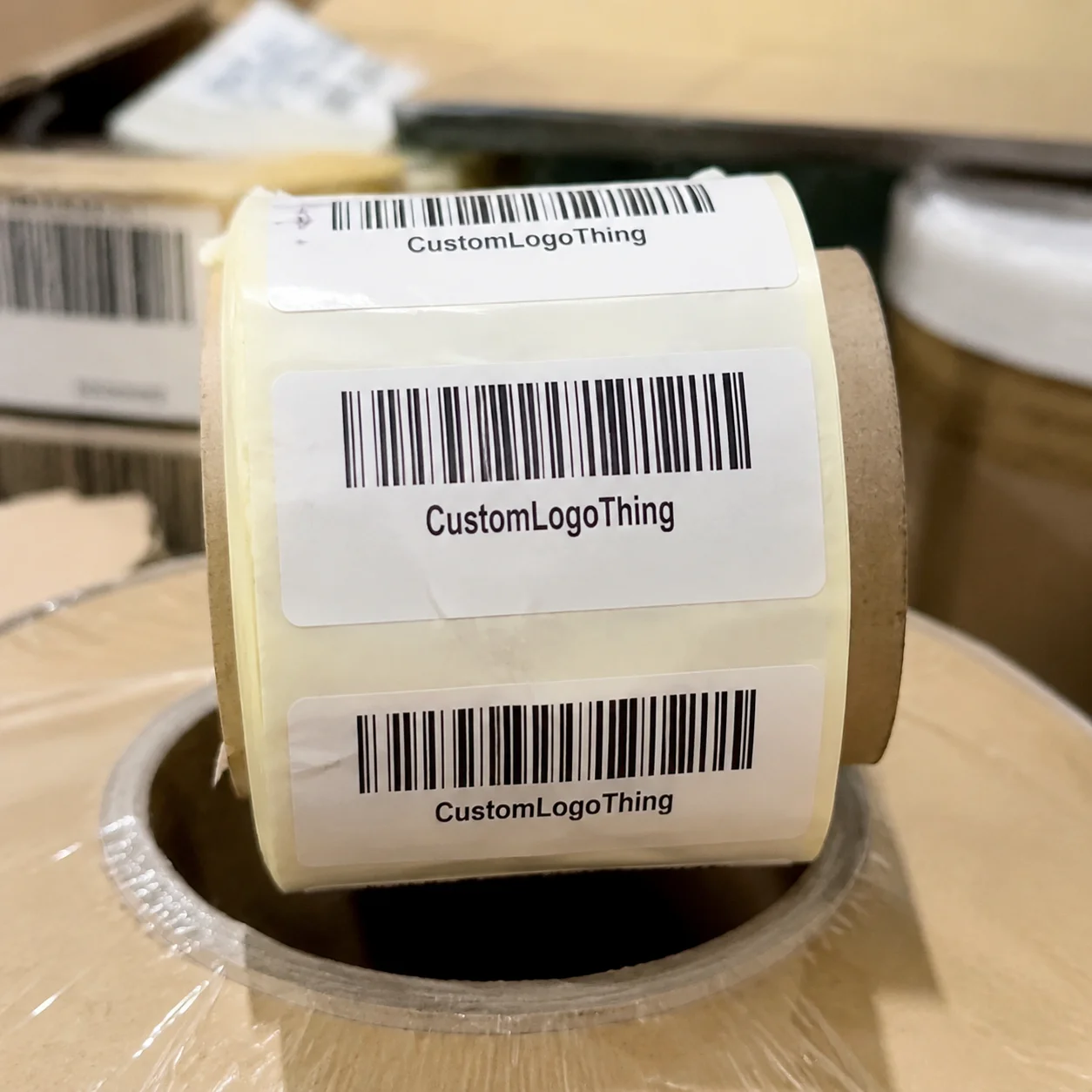
For businesses that need affordable entry points, Custom Labels & Tags are often the easiest first step because they can carry color, logo, and product info without a heavy tooling investment. That’s especially useful for packaging branding for small business during early growth.
Step-by-Step Process and Typical Timeline
Every solid packaging project starts with a clear brief. Define the product dimensions, weight, fragility, storage conditions, shipping method, and brand goals before artwork begins. If a jar is 72 mm wide and 88 mm tall, write that down exactly, because even a small measurement error can create a loose fit or a carton that will not close cleanly. In my experience, poor measurement is one of the fastest ways to turn packaging branding for small business into an expensive redo.
Next comes the artwork and dieline stage. Your designer should work from an accurate template, not a guessed layout. This is where logo placement, copy hierarchy, barcode space, and panel logic get locked in. If the package is retail-facing, you also need to think about shelf orientation, regulatory text, and any claims that require substantiation. Good packaging design respects both the brand and the compliance reality.
Proofing matters more than people expect. A digital proof can catch copy errors, but a physical sample can reveal a lot more: scuffing, color shift, panel overlap, substrate feel, and opening performance. When a cosmetic client of mine approved only a screen mockup, the final box looked clean on the monitor but printed slightly too dark on coated stock, which changed the entire mood of the brand. After that, they insisted on a press-checked sample for every reorder, and I agreed with them.
A practical timeline for packaging branding for small business often looks like this:
- Concept and brief: 2 to 4 business days
- Artwork and dieline setup: 3 to 7 business days
- Proof review and revisions: 2 to 5 business days
- Sampling or physical mockups: 5 to 10 business days
- Production: 10 to 20 business days depending on method and volume
- Finishing and outbound shipping: 3 to 7 business days
That timeline can stretch if artwork revisions pile up, if a substrate is temporarily unavailable, or if color approval gets delayed. I’ve seen projects pause for a full week because a founder wanted to compare three Pantone options after the proof was already queued. There is nothing wrong with careful decisions, but it helps to decide early who has final approval. If you want to keep packaging branding for small business moving, establish that before production starts.
When shipping performance matters, ask for test methods that align with the product. ISTA procedures, drop tests, and stack tests can reveal whether the package survives transit, especially for fragile goods. That is where form and function stop arguing and start working together. It also helps to request sample references and previous job photos from suppliers, because a good packaging partner should be able to show real output, not just mockups.
Common Packaging Branding Mistakes Small Businesses Make
The biggest mistake I see is overcrowding. Too much text, too many colors, three different logo treatments, and a dozen claims can make even an expensive box look cheap. Strong packaging branding for small business usually benefits from restraint. One clear logo, one or two core colors, and a disciplined information hierarchy often outperform a crowded design every time.
Another mistake is ignoring structure. A box can look gorgeous on a computer screen and still crush under pressure, waste postage because it is oversized, or fail to protect the product because the insert was never dimensioned correctly. I once helped a subscription brand that had spent heavily on print embellishment but kept losing money on shipping because the carton was 18% larger than necessary. The redesign used less board, cut void fill, and actually improved the presentation.
Finish choices can miss the mark too. A premium foil or heavy soft-touch coating on a low-price item may create a mismatch, making the packaging feel more expensive than the product inside. That mismatch can confuse buyers or inflate return expectations. Good branding for Small Business Packaging should match the value proposition, not fight it.
Inconsistent branding across components is another quiet problem. If the mailer is one tone of green, the insert another, and the label a third, the package feels stitched together instead of designed. The same applies when suppliers use slightly different materials across reorders without a standard sheet. I always recommend saving approved color codes, paper specs, and logo usage rules in one place so the next run stays consistent.
Finally, skipping samples is a costly gamble. Screen mockups hide sizing issues, texture differences, and color shifts that only show up in physical form. I have seen teams approve a package that looked perfect on screen, only to discover that the barcode sat too close to the fold and the flap interfered with the closure. For packaging branding for small business, the sample is not a luxury; it is insurance.
Expert Tips and Next Steps for Better Packaging Branding
If you want to move fast without wasting money, start with one hero package that customers actually touch first, then build the rest of the system around it. For a mail-order brand, that may be the outer shipper. For a retail brand, it may be the folding carton or label. Once that piece is right, the rest of the packaging branding for small business system can grow in a controlled way.
Test in small batches before ordering large volumes. I like to see real shipping conditions, including drop tests, stack tests, and a few route simulations if possible. Put the package through the same bumps it will face in transit, because a box that survives a bench demo may still fail after two distribution center handoffs and a wet doorstep. That kind of testing protects your margins and your reputation.
Create a simple style guide for packaging. It does not need to be a fancy 40-page document. A one-page sheet with logo rules, approved colors, material specs, dieline links, and sample photos can prevent a lot of confusion when purchasing changes hands or when a new designer joins the team. That document is one of the easiest ways to keep packaging branding for small business consistent as orders scale.
Ask customers what they think. Review unboxing comments, damage complaints, and repeat-order behavior. The unboxing experience tells you a lot, especially when customers mention whether the package felt premium, protected, or easy to open. I’ve had brands improve retention just by fixing the first two seconds of the opening moment, which is a far cheaper move than spending more on ads.
Here’s a practical next-step list:
- Audit your current packaging with product dimensions and shipping weight.
- Set a budget range for the first packaging update.
- Collect 3 to 5 visual references that match your brand identity.
- Request quotes with dielines and material specs, not just unit prices.
- Order samples before committing to a large run.
If you need inspiration, review our Case Studies to see how other brands handled branded packaging, then compare them against your own margins and shipping model. The best packaging branding for small business decisions are the ones that look good, protect the product, and still make financial sense after freight and storage are counted.
“The box does not just hold the product. It tells the customer how seriously you take the product.”
— something I’ve said in more than one packaging meeting, and I still believe it
Honestly, many founders wait too long to treat package branding as a business tool. They put all their energy into the product and then wrap it in something generic, which is like opening a restaurant and serving excellent food on a paper napkin with no plate. packaging branding for small business does not have to be expensive, but it does have to be deliberate. If you want your business to look bigger, more trustworthy, and more memorable, start with the package the customer sees first.
FAQ
How does packaging branding for small business help sales?
It makes the product look more trustworthy and polished at first glance, which can reduce hesitation during the first purchase. It also improves the unboxing experience, which can encourage repeat orders and referrals. For a growing brand, packaging branding for small business helps the business look established even before the customer knows the company story.
What is the cheapest way to start packaging branding for small business?
Branded labels, stickers, tape, and belly bands are usually the lowest-cost place to begin. Keep the layout clean, use one or two brand colors, and focus on the outer shipper if most orders are mailed. That approach lets packaging branding for small business start with a modest budget while still looking intentional.
How long does packaging branding usually take?
Simple label or sticker projects can move quickly if artwork is ready, while custom boxes take longer because of dielines, proofs, and production setup. Revision rounds, sample approval, and material availability all affect timing. In practical terms, packaging branding for small business can move in a week for simple items or take several weeks for custom box systems.
What packaging materials work best for small businesses?
Corrugated board is a strong choice for shipping protection, folding cartons work well for retail-ready presentation, and labels or inserts are ideal when flexibility matters. Tissue and printed wraps can add polish without a large spend. The right choice depends on the product, shipping method, and how you want your packaging branding for small business to feel in the customer’s hands.
How do I keep packaging branding consistent as I grow?
Create a simple brand standard sheet with approved colors, logo rules, material specs, and layout examples, then store the artwork files and dielines in one shared folder. Order samples before large reprints so color and fit stay aligned. That small discipline keeps packaging branding for small business consistent even when multiple people handle purchasing or design.