Buyer Fit Snapshot
| Best fit | Packaging Branding for Small Business Success Steps projects where brand print, material claims, artwork control, MOQ, and repeat-order consistency need to be specified before quoting. |
|---|---|
| Quote inputs | Share finished size, material target, print colors, finish, packing count, annual reorder estimate, ship-to region, and any compliance wording. |
| Proofing check | Approve dieline scale, logo placement, barcode or warning zones, color tolerance, closure strength, and carton packing before bulk production. |
| Main risk | Vague material claims, crowded artwork, missing packing details, or unclear freight terms can make a low unit price expensive after revisions. |
Fast answer: Packaging Branding for Small Business Success Steps should be specified like a repeatable production item. The safest quote records material, print method, finish, artwork proof, packing count, and reorder notes in one written spec.
Production checks before approval
Compare the actual filled-product size with the drawing, then confirm tolerance on folds, seals, hang holes, label areas, and retail display edges. Reserve space for logos, QR codes, warning copy, and material claims before decorative graphics fill the panel.
Quote comparison points
Review material grade, print process, finish, sampling route, tooling charges, carton quantity, and freight assumptions side by side. A quote is only useful when the supplier can repeat the same color, closure quality, and packing count on the next order.
Walking down the 6,000-square-foot Custom Logo Things corrugator room in Kent, Washington, surrounded by the rhythmic clatter of B-Flute layers meeting glue, I whispered the mantra my team hears daily: packaging branding for small business is often the handshake before a product even leaves the dock, because that texture on a lid or that whisper of color becomes the embodiment of a brand promise before anyone swipes a credit card. That early intimacy informs every conversation about Custom Packaging Design and brand packaging strategy, and it keeps our crew measured even when the air feels like it’s just storage dust and emotion.
The $0.18-per-unit prototype run we delivered in January for a founder’s subscription box took 12-15 business days from proof approval, and watching those samples hit the dock at 11:45 a.m. reminded me how the first contact with cardboard can feel like a promise being sealed—a micro product Packaging Experience That outlives the parcel itself. Those early prototypes teach a founder about rhythm, not just specs, because they see how corners survive a forklift shuffle and how adhesives react to the Pacific humidity.
On that floor, a corrugate operator in blue coveralls pointed out how the tang of curing adhesive from our Minipak 501 gluer mixes with the natural sweetness of recycled kraft, a scent our quality team now checks during every overnight shift to ensure consistency across runs. I still remember the first time he let me stick my nose in; the man deserves an honorary perfumer badge. We track that aroma on the shift log because it tells us if the board or glue is slightly off before thousands of units ship.
Those first impressions, crafted in a room humming at 42 decibels yet vibrating with purpose, are where brand ambition becomes tactile reality; the same moment also teaches founders to feel the weight of every choice, from the ribbon on a mailer to the seal that survives a forklift lift around Kent’s 1.2-mile warehouse loop. I remind new founders that when they hand over their product to us, we carry the responsibility not just of printing but of creating a story that can survive a warehouse, delivery truck, and a curious toddler. It makes me proud—occasionally a little frustrated if a folding table gets bent (which is exactly why we double-check specs before anything leaves the dock)—because packaging branding for small business still demands the rigor of any large-scale launch.
Why Packaging Branding for Small Business Starts on the Factory Floor
Every visitor stepping onto our shipping dock in Kent learns that the raised foil bloom on the latest direct-to-consumer line did not arrive by accident; a conversation in the corrugator room sparked how packaging branding for small business can lean on structure as much as graphics and on the small, repeatable rituals that make prototypes trustworthy.
I still tell the story about the founder who wanted an “airy, boutique feel” for her botanicals because it proves the factory can translate a feeling into a tray and a finish without extra words. Her description was a creative spark, and combining a dual-wall locked-edge tray cut on our 60-inch Kongsberg table with a soft-touch wrap cured at 190°F on the Glunz & Jensen laminator showed how structure, finish, and tactile cues work together to offer a customer their first handshake before the parcel hits the Tacoma city dock.
The factory floor is where we gauge how colors behave under the 8-foot fluorescent banks, how inks react to the 68% humidity we logged during the Komori run, and how tactile stories translate through 360gsm SBS or clay-coated recycled board. I’ve learned to raise an eyebrow when humidity creeps up because jewel tones start turning into muddy siblings, which is the cue to whisper a reminder to the press tech about the dampers.
The textured lid, the ribboned mail flat, the subtle scent of our water-based Sola UV 80 gloss coating—each detail becomes a data point read by both press planners and the small business founder who wants her packaging to match the pulse of her brand. I translate that relationship between craftsmanship and storytelling, ensuring top-of-line finishes align with handling protocols so everything survives the forklift ride to last-mile carriers and lands with customers as intended. Honestly, I think the last mile deserves as much attention as the drawing board (and yes, some days that feels like herding cats with pallet jacks), because packaging branding for small business is ultimately a promise kept from plant to porch.
How Packaging Branding for Small Business Works in Practice
Projects begin in our Kent design studio, where dielines from our in-house CAD team, Pantone 7742 matches, and sustainability goals arrive layered before a swath of printed kraft leaves the Heidelberg XL 106, which routinely runs at 3,000 sheets per hour. I remember when we first piled those elements onto a founder’s table while she sipped matcha and whispered about a “forest morning” palette—she laughed when I suggested testing a moss green that actually matched the pine on her label. That kind of start makes packaging branding for small business feel like a collaborative art experiment rather than an order form, and it shows how every hue carries its own story.
The process stays tangible: studio leads print color swatches on 140lb matte coated stock, the product team adjusts encode distances by 0.02 inches, and the client receives a virtual mockup and a PDF with callouts before anything hits the press. I stand between the design bench and the press desk, constantly comparing swatches to real light because renders lie more often than I’d like to admit (and yes, I still treat those lies as leads for better conversations).
Once files reach the floor, we translate them into gravity-offset plates, calibrate them via the Kongsberg cutting table, and run proofs through the Komori SL 426 with Sun Chemical ink partners to check saturation levels, dot gain, and highlight register. I keep sticky notes from the last press session beside my notebook so when our Komori decides it wants to change personalities mid-run, I can remind the crew what we already solved.
Small business owners learn that achieving a lofted foil or precise emboss requires more than color swatches; the dance between digital color control, ink formulators, and Victor V700 hand-fold operators on the finishing line keeps every iteration predictable. I still watch those owners lean in during the final press check, and when they breathe a sigh of relief as a gradient lines up perfectly, I feel like we just choreographed the final move of a display-worthy unboxing.
Proof lives in the handling—two years ago, while walking a wellness brand through a relabeling project, I watched color techs test-match a gradient near the spine of a custom printed box to ensure the unboxing experience aligned with the identity they were cultivating. Alignment between pre-press sign-off, press checks, and finishing passes makes the packaging branding for small business you designed a controlled, repeatable sequence instead of an afterthought. Honestly, that kind of oversight keeps adhesives from misbehaving and leaves founders smiling instead of hunting for fire drills.
Key Factors That Elevate Packaging Branding for Small Business
Structural integrity matters—whether a 3-2-3 tray is built on our die-cutting line in Kent at 120 sheets per hour or a collapsing mailer comes off the Minipack 501 machine, the shape must balance aesthetics with protection. I sometimes joke the die operator is a structural therapist because he calms down the cardboard before shipping, and honestly, that kind of calm keeps everyone sane.
The rails of fiber and adhesive need to protect the product, withstand stacking in a 48-pound tote, and still deliver a flawless unboxing experience. I remind founders that those rails are the spine of their story, and if they’re too thin or too thick, the narrative bends before it ever hits a customer’s hands.
Material selection plays a storytelling role; recycled kraft, 360gsm SBS, and 1/8-inch rigid board each offer tactile warmth, visual depth, and sustainable credibility. I once sat across from a designer who wanted kraft for the vibe but SBS for shelf presence—we compromised with a matte SBS that still carried cozy texture even under bright retail lights.
A client on the third shift this summer insisted on FSC-certified rigid board because her retail buyers demanded transparency—she needed structural heft for glassware and a story for conscious consumers. Watching her take that board from the palette to her conference call with buyers, I felt like her packaging finally spoke in the same confident tone as her pitch deck.
Graphic clarity and thoughtful finishing choices—soft-touch lamination cured at 205°F, embossing held to ±0.01 inches, strategically placed logos—keep packaging branding for small business readable from the assembly line to the shelf and anchor the larger brand packaging strategy. I keep a running checklist so nothing slips between digital mockup and actual mailer, which helps when a new batch of logos hits the desk.
Even the smell of a water-based coating carries a narrative; our operators now log each batch’s scent profile so no change disrupts the sensory memory loyal customers build with your product packaging. Honestly, I think the smell of that coating is the packaging equivalent of a signature fragrance (maybe I’m biased because I can detect a slight shift faster than my morning coffee kicks in).
Step-by-Step Branding Process and Timeline for Small Business Packaging
The first step gathers the brand narrative, audience insights, and retail realities so Custom Logo Things’ strategy team understands what your small business must accomplish in the pack. I start by having founders fill out a loose “storyboard” with me while we stand near the whiteboard; it keeps dreams on paper, not just in their heads.
That means bringing sales forecasts, fulfillment constraints, and marketing calendars into the same room—multiple times I’ve sat beside clients from sustainable fashion plotting release windows around our run schedules. There’s always a moment when the forecast and our run rate misalign, which is my cue to bring out slightly creative structuring ideas (and maybe a little humor to keep the conversation light).
The second step develops structural prototypes, color proofs, and finishing samples, typically within two weeks, then refines through multiple rounds to settle on materials and coatings that match expectations and budget guardrails. Founders toss around fabric swatches, foil chips, and product specimens so our team can sync everything with digital files—a messy, beautiful pile of references that usually ends with everyone groaning and laughing together.
The third step ramps up production with clear milestones:
- Tooling approval delivered in five business days, once the die design and structural proof satisfy board handling standards.
- Pre-press sign-off aligning ink coverage, Pantone spot colors via Sun Chemical, and final lamination choices documented with proof sheets.
- Pilot run on the Heidelberg press to monitor the package branding for quality metrics, followed by full production in four to six business days depending on board thickness.
Every phase is logged in our production portal so the packaging branding for small business effort can be tracked over six to eight weeks, giving small teams clarity and the ability to pivot if a supplier shifts adhesive or coating costs. I also ping clients when there’s even a whisper of change so our trim stacks and adhesives stay trustworthy.
Cost & Pricing Realities Behind Packaging Branding for Small Business
Tooling and die charges make up the largest front-loaded costs, so bundling multiple SKUs into a single die design at Custom Logo Things dilutes that investment while still delivering the precise cuts small businesses need. I’ve watched lids get approved, then reapproved, and it makes me a little giddy to see the savings chart spike once we share the consolidated die plan (kind of like when you find a $20 in an old coat pocket—unexpected, delightful, and practical).
Consolidating three candle jar sizes into one die with adjustable knockouts once saved a boutique owner $0.42 per piece without sacrificing structural integrity for transportation to retail stores. She called afterward to say the savings let her buy better wax, which was everything I hoped for.
Print runs also influence unit cost—higher volumes reduce per-piece pricing, yet small businesses can lean into hybrid runs by combining SKUs or using ink-saver strategies like partial flood coats. We’ve done late-night matching sessions using those exact tricks so tight budgets could still get a hero finish (and I still chuckle thinking about how the night shift crew named that run “The Midnight Mirage”).
Finishing choices such as custom embossing, hot foil, or soft-touch lamination add perception value but should be weighed against variable costs like foil, adhesive, and finishing machine time so the packaging branding for small business investment delivers clear ROI. (I swear, I still count each foil sheet like a miser when we’re on a tight budget.)
| Feature | Economy Run (5,000 units) | Standard Run (15,000 units) | Premium Finish Add-On |
|---|---|---|---|
| Material | 350gsm C1S artboard | 450gsm SBS | FSC-certified rigid board |
| Structure | Standard tuck-in tray | 3-2-3 tray with hidden tabs | Magnetic closure or two-piece rigid setup |
| Unit Price | $0.18/unit | $0.14/unit | $0.22/unit (add foil or soft touch) |
| Lead Time | 12-15 business days | 10-12 business days | 15-18 business days with custom finishes |
These cost structures highlight how the custom printed boxes you choose become investments in brand equity and why small brands should plan quarterly runs to maintain consistent per-unit costs while refreshing their retail packaging story. I keep a little “cost radar” chart on my desk so I can flag when a new finish might nudge a budget off course before it becomes a surprise.
How Does Packaging Branding for Small Business Build Trust with Customers?
It’s one thing to describe the promised customer sensation in a meeting, and another to watch a mail handler in Louisville hold a tray that still smells faintly of the plant and say, “This feels like it was made for luxury.” That trust forms when every detail—an embossed logo, a soft-touch sleeve, the right paper grain—is aligned with the brand packaging strategy and explains itself without an extra manifesto.
I encourage founders to treat their packaging as a pledge: when the texture, weight, and color are predictable, so is comfort. That predictability is why we track each batch’s humidity log, adhesive profile, and which operators ran the job, so this kind of assurance arrives at the customer’s door.
The question I ask during launch rehearsals is simple: does this packaging earn the same trust in a farmer’s market tent as it does in an online cart? If the answer is yes, then the packaging branding for small business narrative is quietly working behind the scenes.
Common Mistakes in Packaging Branding for Small Business Journeys
Skipping structural testing is a frequent misstep; I have watched small businesses fall in love with a design yet forget about stack strength, resulting in bent corners and crushed tops before the first shipment even leaves the West Coast dock. It drives me a little nuts when that happens because the fix is usually a quick mock-up, so I now use that story as a cautionary tale during every kickoff call.
Relying on digital-only color samples without a press proof causes mismatched hues when those same Pantone numbers hit our Komori sheet-fed lineup, especially if the brand depends on deep jewel tones or metallic inks. I still keep the photo of a turquoise foil gone wrong on my phone; it’s a reminder that seeing is believing, and yes, I will ask for a press proof every single time.
Ignoring the supply chain renders even the most beautiful branded packaging useless if corrugated board lead times derail launch timing—one founder delayed a direct-to-consumer drop by three weeks because the wrong liner arrived from a supplier in Tacoma. I sat through that panic call and kept repeating, “Breathe, we’ll reorder, but let’s also start on the next SKU,” because small business timelines are already tight enough.
My advice: schedule weekly check-ins during the prototype phase, understand how adhesives impact stacking weight, and always request a physical proof from the press floor so your product packaging does not become a lesson in disappointment. I promise, if you let us see those early samples, we can smooth the bumps before they reach customers.
Expert Tips from Factory Floors on Packaging Branding for Small Business
Treat your packaging partner like an extension of your crew—share sales forecasts, run dates, and fulfillment details so press operators on the Makeready line can sequence the right die cuts and adhesives. I often remind founders that we’re not just vendors; we’re the folks who keep your product safe when all the other hands are in motion.
A cannabis brand scaling from three to twelve dispensaries prompted us to realign their packaging plan to match a 60,000-unit forecast, unlocking better pricing and preventing stockouts during the holiday season. Watching them breathe easier afterward made me realize that transparent forecasting feels like a victory lap for both sides.
Use sustainability as both a material choice and a story; our fiber-matched recycled board frequently tips the scale for eco-conscious buyers while keeping supply predictable. I’m always impressed when a founder shows me the environmental metrics they shared with their community—it’s the kind of data that turns boxes into values on display.
Invest in quality-control rituals such as inline color checks and hand-inspected fold tests to ensure your packaging branding for small business actually survives the warehouse. I once stood beside an operator for three hours because we were chasing a ghost color shift, and when it finally locked in, we high-fived like it was the Super Bowl.
Full honesty moment: sometimes our fastest presses still need 3-4 adjustments before perfecting a multi-color bleed. That is why I ask clients to build that patience into the budget; without it, even a beautifully designed package might leave the dock with smears or misaligned foils. (Yes, I am low-key dramatic about presses—I blame the adrenaline rush of getting everything right.)
Actionable Next Steps to Strengthen Your Packaging Branding for Small Business
Audit your current packaging with a scoring sheet—assess structural performance, color consistency, and brand messaging from the customer’s first touch. I keep a sample sheet on my desk so we can compare the worst and best runs side by side; sometimes the improvement is right in front of us, we just need the scorecard to see it.
Schedule a planning call with your Custom Logo Things team to align on pre-press timelines, material availability, and finishing capabilities that matter to your brand promise. I personally enjoy those calls because we get to turn abstract ideas into tangible deadlines and everyone leaves knowing “what’s next.”
Pilot one SKU with upgraded materials or finishes, document the costs and retail feedback, and then adjust the rest of the line to ensure your packaging branding for small business is working as hard as the product inside. I always tell teams that this pilot is like a dress rehearsal—if the lights misbehave, we fix them before opening night.
Visit our case study page to compare how other small brands handled similar pivots: Case Studies includes detailed stories about their production turns and how they layered brand identity into final packs. I point clients there because seeing another small business navigate those same hiccups makes the path feel doable.
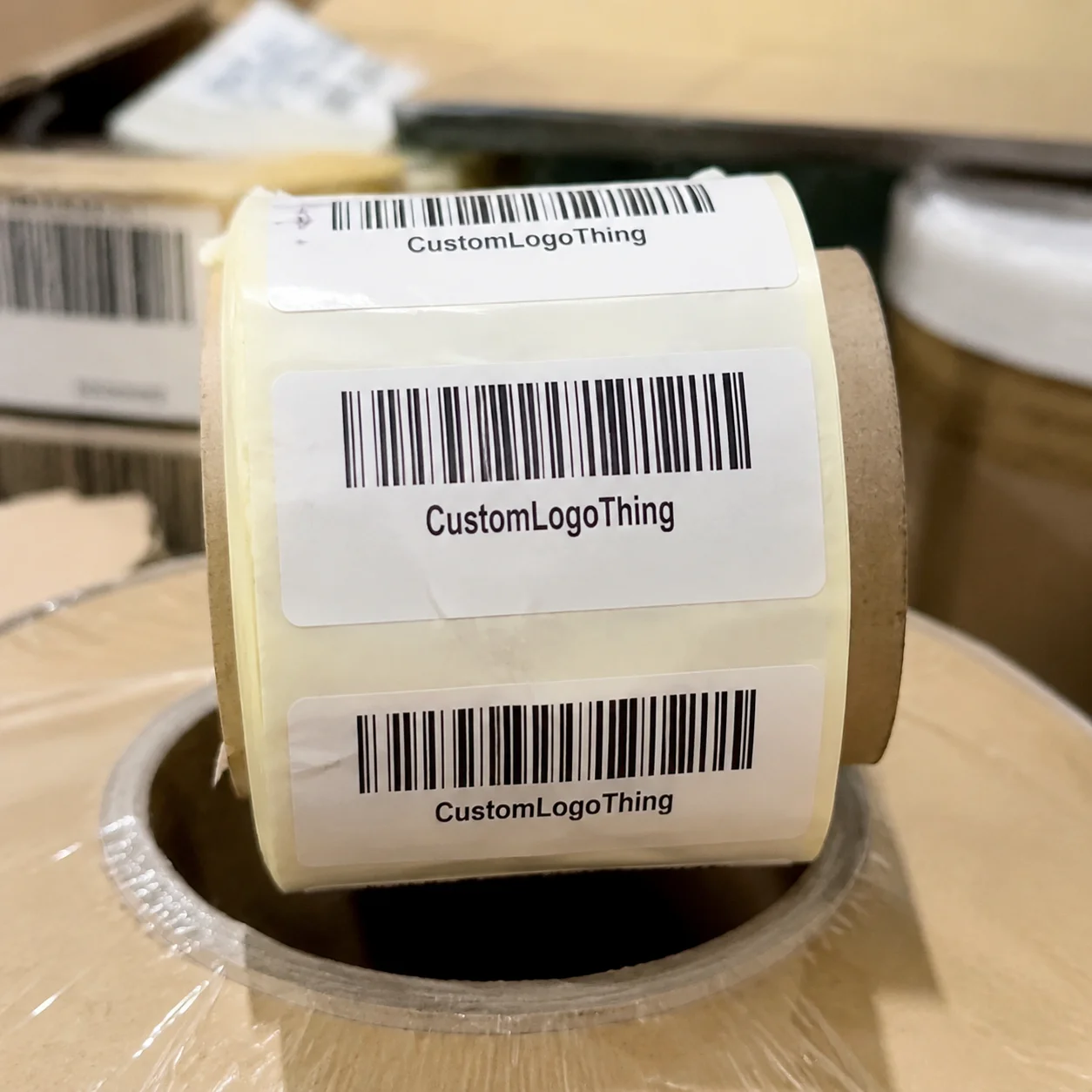
Explore our product catalog for label and tag inspiration—like the die-cut wrap samples in Custom Labels & Tags—so your brand narrative extends to every surface, not just the outer carton. I keep a stack of those samples near the studio window; flipping through them reminds me how even a tiny tag can carry a big message.
Conclusion: Keep Every Touch Point Reflecting Packaging Branding for Small Business
I believe the best way to build confidence around packaging branding for small business is to treat every sensor on the factory floor as part of the creative team—from the smell of a coating curing to the precise moment a foil lamination finishes on the Victor V700. When you share your story, metrics, and expectations with us, we turn that into a production rhythm that includes Custom Packaging Products tailored to your identity, ensuring no detail is lost as your box evolves from dieline to delivery.
Trust the process, stay transparent about budgets, and keep reminding the team about the experience you want customers to have; that persistence transforms corrugated cardboard into an ambassador for your small business. I’m still amazed when a simple fold turns into a memorable unboxing, so keep sending your ideas—gonna keep chasing perfection together.
How does packaging branding for small business differ from enterprise-level branding?
Small Business Packaging branding must prioritize agility—shorter lead times, smaller batches, and modular designs—while keeping the narrative consistent across each touchpoint, especially when teams rely on four-week sprint calendars rather than quarterly rollouts.
What materials should a small business consider when updating packaging branding for small business offerings?
Balance recycled kraft, 360gsm SBS, and rigid board in proportion to durability needs and storytelling; specify the exact board weight with your manufacturer so each material supports both structural and visual goals without surprise freight charges.
How long does it usually take to implement new packaging branding for small business products?
Expect about six to eight weeks from concept to full production—two weeks for prototypes, two for tooling and approvals, and another two to four for production and finishing, assuming adhesive schedules align with our suppliers in Tacoma and Seattle.
How can a small business measure the effectiveness of packaging branding for small business efforts?
Track metrics such as shelf velocity on the first 30-day run, unboxing feedback captured via QR code surveys, and return inquiries, and compare them to previous runs to see how new finishes or messaging are landing.
What are smart cost-saving strategies for packaging branding for small business projects?
Consolidate SKUs into shared die lines, limit high-cost finishes to hero items, and plan quarterly runs to keep per-unit costs stable while negotiating better terms with the Kent-area finishing crew.
For further guidance on packaging standards, consult Packaging.org or look at ISTA specs at ISTA to ensure your brand’s product packaging complies with regional drop test requirements, especially for West Coast logistics lanes. And just to be transparent, some of those specs can feel overwhelming at first—so bring your packaging partner in early to walk through them step by step.