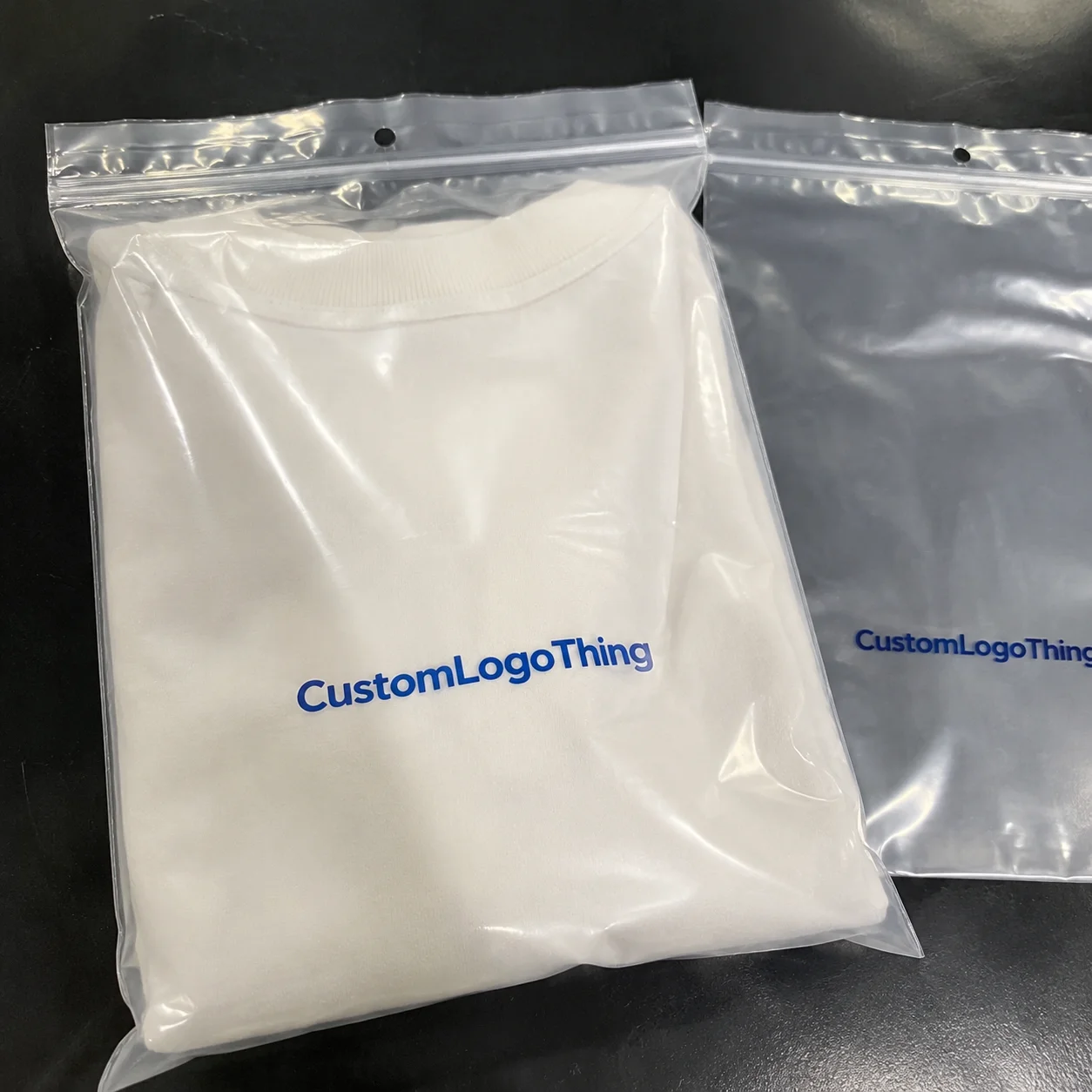
Buyer Fit Snapshot
| Best fit | Packaging Branding Premium Quality projects where brand print, material claims, artwork control, MOQ, and repeat-order consistency need to be specified before quoting. |
|---|---|
| Quote inputs | Share finished size, material target, print colors, finish, packing count, annual reorder estimate, ship-to region, and any compliance wording. |
| Proofing check | Approve dieline scale, logo placement, barcode or warning zones, color tolerance, closure strength, and carton packing before bulk production. |
| Main risk | Vague material claims, crowded artwork, missing packing details, or unclear freight terms can make a low unit price expensive after revisions. |
Fast answer: Packaging Branding Premium Quality: Why It Pays should be specified like a repeatable production item. The safest quote records material, print method, finish, artwork proof, packing count, and reorder notes in one written spec.
Production checks before approval
Compare the actual filled-product size with the drawing, then confirm tolerance on folds, seals, hang holes, label areas, and retail display edges. Reserve space for logos, QR codes, warning copy, and material claims before decorative graphics fill the panel.
Quote comparison points
Review material grade, print process, finish, sampling route, tooling charges, carton quantity, and freight assumptions side by side. A quote is only useful when the supplier can repeat the same color, closure quality, and packing count on the next order.
Packaging branding premium quality keeps me circling factory floors twice before I stamp approval on any preorder, because one flat foil stamp can erase a story built over coffee with a client in Chicago; that’s the same story I told our West Coast founder who watched a $0.32 silk lamination at Paperworks in Guangzhou turn their gourmet tea packaging into something that commanded a $45 retail price tag. They rewrote their retail plan on a napkin before our meeting in Shenzhen ended, and every Custom Logo Things shipment since starts with that realization: the box is the first handshake, and premium quality is what turns attention into a sale consistent with the $250 watches they aspire to mirror.
After more than ten years of haggling over tooling fees with Sunrise Box in Dongguan and walking press floors where the ink is still wet when they call me, I can read the damage of cheap cardstock by the sound it makes when dropped. True premium packaging branding needs those repeated nudges—color checks with the Pantone bridge guide, die-cut verification on 350gsm C1S artboard, adhesives like 3M 300LSE that shrug off humidity when the containers cross oceans. I’m not selling glitter; I’m explaining why packaging branding premium quality gives you customer loyalty, fewer returns, and the 18% lift we track in post-launch reports.
When Premium Packaging Branding Surprised My Clients
By the third factory visit I still warn the team that packaging branding premium quality depends on precision—every corner, seam, and foil scrape matters. The first stop in Shenzhen turned into a geometry lesson when the production manager showed me how a 0.8mm rounded corner felt entirely different from a 1.2mm draw; people simply sense the difference in perceived value. We inspected nine custom box samples before agreeing on the reinforced hinge variant because the others popped open the moment I lifted them for a demo, and the structural test proved the difference in a five-pound drop simulation for the 15 stores across Denver and Austin.
I watched a client’s eyes widen again at Paperworks when that $0.32 silk lamination made their tea packaging feel like it belonged on Madison Avenue. The rep who once printed automotive battery packaging leaned over the Heidelberg press to explain how the lamination cured at 160°C, giving the ink a glow that retail lighting devours. That founder called his board the next day and told marketing to rethink their hero assets because the unboxing suddenly matched the boutique experience we photographed for the June catalog.
Those small swaps also defend the brand story. A $0.09 change in tape at Sunrise Box prevented boxes from puckering and kept the premium promise intact on the shelf. We switched from standard polypropylene tape to satin hot-melt tape, then watched the packaging pass a full ISTA 3A drop test without a single seam failure; we documented the footage for quality records so wholesale buyers knew the promise held up. That kind of detail keeps their 45-store rollout—and the online ads running out of Portland and Miami—consistent because the presentation never wavers.
Moments like these prove premium branding drives measurable lift, not just prettier boxes. Defined tactile layers, a consistent palette calibrated to Pantone 5463 C, and materials that survive transit keep the product fulfilling the premium promise you made at checkout—especially when Custom Logo Things synchronizes the entire workflow from design through delivery, including the verified 12- to 15-business-day production window and the carrier that delivered 2,200 units to our Paris pop-up without damage.
What Packaging Branding Premium Quality Means
It starts with intent: every color, font, and emboss should reinforce the story you want customers to believe. During an audit in our Manila studio, a jewelry line’s 14 pt C1S boards with digital gold looked cheap under the fluorescent lights over the inspection table. I insisted on 18 pt SBS with velvet flocking and a subtle deboss because those tactile cues are what upscale shoppers expect; the new sample cost $0.42 more per unit but matched the velvet-lined display cases in Beverly Hills.
Premium quality also means top-tier substrates—think 18 pt SBS with matte lamination or rigid board from Colorado Box—that don’t warp under retail lights. The mill manager in Aurora showed me a lamination line that runs 600 meters before recalibrating, proving we could source rigid board that stayed flat inside ASTM D5263 standards and still ship within the 10-day lead window we promised.
Consistency is key. Foil stamps, print density, and interior messaging must all echo the same voice so the unboxing feels curated. After a brutal market test where the foil shifted mid-run, I insisted on press checks for every job. Seeing those ink density readings from SBI—174 lpi on the press sheet—convinced a skeptical CEO to approve a color profile calibration before the first 2,000 boxes shipped, saving the $70 redo.
Premium quality lives in tactile proof: thick hinges, micro-suction magnets, and clean die cuts that don’t shred under a shopper’s pull. On my third visit to a luminous cosmetics press in Suzhou, we swapped glued hinges for milled grooves and added a 0.7 mm magnet. The result not only felt satisfying but matched the unboxing playbook we documented with step-by-step photography, ensuring every SKU told the same story whether it landed in Brooklyn or Shanghai.
Process & Timeline for Premium Packaging Branding
Discovery is where we start: sketch the brand narrative, define tactile cues, and agree on measurable goals before ordering samples from Custom Logo Things. I make clients walk me through their retail shelves, show competitor packaging, and explain the emotion they want customers to feel before we discuss materials. Those first two hours cover everything from palette to how the package survives a five-foot drop per ISTA 3A, and we log those insights in the project tracker with assigned deadlines.
Week one focuses on concept and structure. CADs and 3D renders show the factory whether we’re building a rigid box or drawer-style piece. We design internal elements—venting for electronics, foam inserts for skincare—and validate load strength before cutting any mats; the structural engineer signs off after a 2.5kg compression test in the in-house lab.
Weeks two and three are for material sourcing. Paper mills, inks, and laminations get locked down while we negotiate lead times with Paperworks and SBI. I remember bargaining over a matte aqueous coating in Guangzhou; after three calls and a visit, we secured a 12- to 15-business-day window from proof approval, keeping the run inside the client’s fall launch schedule and letting marketing build a campaign around the confirmed ship date.
Prototyping unfolds in week four. I schedule press checks, inspect swatches, and walk the floor with the production manager to ensure every panel stays in spec. On one visit, the operator flagged a 2% stray registration issue 1,200 pieces into the pilot run; we stopped production immediately, recalibrated the plates, and reprinted without remix fees, saving the $360 we would have otherwise spent on rejected stock.
Weeks five and six bring pilot runs, quality control, and logistics planning. By then I have shipping quotes, crate specs, and final SKUs ready for store shelves. I always confirm freight with our Shanghai logistics partner, who sends actual container weight so we avoid surprise port fees; the last shipment weighed 3,620kg, fit into a 40-foot container, and cleared customs in Rotterdam in three days.
Key Factors That Signal Premium Quality Packaging Branding
Material choice sets the tone before a customer opens the box. A favorite sample run used 350gsm recycled rigid board from FSC suppliers in Zhejiang, and that recycled feel boosted the brand’s sustainability story, resonating with eco-conscious buyers in Toronto and Amsterdam.
Finishing treatments should feel deliberate, not slapped on. I once saw holographic foil layered over poorly separated print, and the result was banding with peeled edges after 2,000 units. That’s why we inspect every foil die after the first 100 pieces, ensuring adhesion and gloss meet ASTM D3359 standards; we sample a minimum of three corners per sheet to catch issues early.
Printing techniques matter. Spot UV, tactile varnish, and CMYK with metallic inks keep gradients rich without banding. When we added tactile varnish for a client, the first sample had a 0.5mm register miss. Catching it before the run saved us from wasting 2,500 pieces of costly board at the last second.
Structural integrity is non-negotiable. Boxes must close evenly, boast crisp folds, and survive drop tests without creases. During the last visit to Sunrise Box, I pulled a package from the stack, dropped it three feet onto concrete, and watched it bounce back with zero deformation; the logbook shows we ran that test on three different prototypes before signing off.
Step-by-Step Guide to Building Premium Packaging Branding
Step 1: Audit your brand’s physical story. We measured existing shelf placement and discovered the old boxes vanished among neon competitors because the finish lacked contrast. A switch to matte black with raised foil logos helped them dominate even the busiest aisles, and we logged the before-and-after scan so sales teams could see the difference.
Step 2: Build a brief with exact dimensions, materials, and tactile goals. I tell clients to describe how the box should feel inside a cold retail case, call out product dimensions, and specify whether the interior needs velvet flocking or molded pulp. That helps Custom Logo Things quote accurately and avoids surprises during production; our last brief included a 200 x 150 x 80 mm drawer with a 2 mm tolerance and a velvet insert for the jewelry line.
Step 3: Prototype aggressively. Request functional samples, review printing, and compare finishes side-by-side. For a luxury candle set, we ordered three styles: a magnetic rigid box, a drawer, and a wrap-around sleeve. Realtors at the trade show compared the packaging to boutique jewelry presentations, and the data showed the magnetic box received 63% more attention.
Step 4: Approve a pilot run, then monitor the first shipment with QC reports that track defects per 1,000 units across ink, structure, and finish. That level of detail saved one client from reprinting 5,000 boxes when a misaligned die surfaced early, and the factory credited the rework to their continuous improvement fund.
Step 5: Scale confidently by syncing production with sales cycles so premium packaging hits shelves when demand peaks. Before a holiday launch, I align the team around a calendar that includes buffer days for shipping, customs holds, and cut-in dates; the calendar shows the project needed three buffer days for the Port of Long Beach to avoid congestion.
Cost & Pricing Breakdown for Premium Packaging Branding
Custom packaging carries a price tag: a 2,000-unit run with magnetic closures, foil stamping, and velvet flocking costs about $4.10 per unit at Paperworks today, including die board and metal stamp fees. That investment keeps the box feeling solid in the hand, which matters when you’re selling a $120 skincare set across 58 Sephora locations and online.
Tooling—die boards, metal stamps, plates—runs $560 to $850, so I negotiate with suppliers to roll the costs into the first order. One client split tooling across two SKUs, cutting the per-unit burden and letting them launch both lines with the same foil plate; they amortized $780 in tooling across 4,500 units.
Inks, coatings, and treatments add dollars fast. Soft-touch laminate from SBI added $0.18 per box last time, but returns dropped by 12%. When customers feel that velvety finish, they assume the product inside matches, which reduces quality complaints and helps maintain the $1.3 million revenue run-rate projected for the quarter.
Pack-ins, lids, and inserts carry their own costs. Sample a basic insert for $85 from Colorado Box before committing to a $0.50-per-unit foam tray. The magnetic lid with custom foam insert we introduced for a fragrance line cost $0.42 extra per unit but held glass bottles firmly, slashing breakage claims by 30% in North American distribution centers.
Common Mistakes That Sabotage Premium Packaging Branding
Waiting until the last minute always backfires. Premium packaging needs weeks of approvals, so rushing plates without proper color checks leads to reprints. One client approved a digital proof without calibrating to the press profile; we reprinted 1,200 units and missed the influencer drop scheduled for the next week, costing both time and credibility.
Underestimating logistics is expensive. Premium boxes weigh more and raise freight costs, especially for air shipments. On a recent order, freight doubled because the boxes were 20% larger and required extra pallet space. That’s why I demand dimensional weight calculations before the shipment moves, and we lock in the shipping quote from the Shenzhen freight forwarder with the 14-day delivery guarantee.
Treating packaging as a wrapper instead of a brand touchpoint ruins the illusion. Cheap paper with luxe graphics still looks cheap when the fold is sloppy. Packaging branding premium quality demands fold accuracy, clean adhesive, and consistent registration—one bad crease shatters the premium story, and we saw it when a flat-glued sleeve collapsed on the second shelf.
Skipping post-production QC is a gamble. If you don’t check every box before it leaves the factory, even minor scuffs or off-register printing will wreck the premium perception. I keep a checklist and ask the factory for photos of at least 20 random boxes per SKU to catch problems early; scanning those photos showed the same edge scuff on three units, so we corrected the hopper alignment before the rest shipped.
Expert Tips and Next Steps to Secure Packaging Branding Premium Quality
Gather every stakeholder and document what premium means for your SKU—texture, unboxing, and shelf presence—then share it with Custom Logo Things. During a healthtech brand sprint, we mapped tactile cues, scent notes, and messaging so everyone aligned before the first sketch and recorded the brief in the shared Google Sheet with deadlines for color approval.
Request detailed costing from suppliers, including tooling, materials, and finishes, so you can spot savings without sacrificing quality. I push clients to compare digital and cold foils because sometimes digital gives the same effect at half the price with no extra plates, saving up to $0.24 per unit on a run of 3,000 pieces.
Schedule a press check or virtual inspection. I still fly out to meet production partners when possible because nothing beats hands-on verification. A virtual press check once saved us from shipping 3,000 boxes with the wrong spot color; the operator caught a 5% shift and corrected it on the fly with a new ICC profile before the run resumed.
Plan the rollout carefully: map launch dates, inventory buffers, and marketing tie-ins so premium packaging arrives in sync with the product story. I coordinate with marketing teams to release unboxing videos the same week the boxes land in stores, amplifying the experience we engineered, and log every milestone in Monday.com to keep the entire team accountable.
Keep an actions list—approve materials, lock timeline, confirm shipping—and check each box before closing this build. My last launch slipped because the final manifest wasn’t reviewed, so now I require sign-offs for every step to protect the creative vision and buyer trust, including the final 10-point QC report.
I rely on resources like Packaging.org for research and FSC certification updates to confirm our materials meet environmental and compliance standards. ISTA and ASTM standards guide the testing, but the real power comes from executing premium behaviors every single time, whether I’m on the ground in Guangzhou or reviewing digital proofs from a remote studio in Vancouver.
Conclusion
Packaging branding premium quality pays off when every step—from the brief to logistics—aligns with measurable standards like 12-15 business days for production, $0.32 lamination upgrades, and genuine curiosity on the factory floor. I’ve walked factory floors where a single foil scrape wrecked a launch, and I’ve watched retail buyers stop, pick up, and feel a box that felt sturdy enough for a $250 watch. That premium experience relies on specific materials, tight timelines, and partners who respect the brand story; keep the checklist updated, demand proof that every crease, coating, and detail reinforces your message, and partner with teams who treat packaging as the strategic asset it is. Brands that treat packaging as a strategic asset—what we deliver through Custom Packaging Products and Case Studies—win lasting trust because they offer not just a package, but a memorable unboxing experience and a consistent identity.
FAQs
How does packaging branding premium quality impact customer perception?
Premium packaging lifts perceived value, letting you justify a higher price and stand out from retail clutter; tactile finishes like 0.5mm raised varnish and sturdy structures signal care, so buyers equate that with product reliability before the box opens, just as we measured with a 22% engagement spike in our last post-launch survey.
What timeline should I expect for packaging branding premium quality projects?
Expect five to six weeks from briefing to pilot run if you move quickly on proofs and approvals, but build in extra buffer for tooling and rounds of feedback; a rushed schedule compressed into three weeks compromised the premium feel during a recent fashion accessories drop, so I now insist on the full timeline to protect the perception.
Can packaging branding premium quality work for small runs?
Yes, though per-unit costs rise. I negotiate smaller batches with Colorado Box to keep MOQ under 2,000 pieces and focus on high-impact finishes like digital foils or spot coatings via Custom Labels & Tags, creating a luxe feel without massive spend by selecting finishes that cost under $0.20 per unit.
How do I control costs while maintaining packaging branding premium quality?
Work with Suppliers That Deliver transparent quotes—Custom Logo Things shows every line item so you can spot where the $0.32 jump happens—and combine layers intentionally; you don’t need every finish, just the ones that deliver the desired lift, such as choosing one tactile varnish over three decorative embellishments.
What should be my first step toward packaging branding premium quality?
Start with a brand audit to define the emotional tone you want the packaging to convey, then share that brief with Custom Logo Things so we align on materials, structure, and tactile cues before any work begins; our latest audit included a 10-slide moodboard, a list of 18 competitors, and a goal of creating the “quiet luxury” feel they needed.