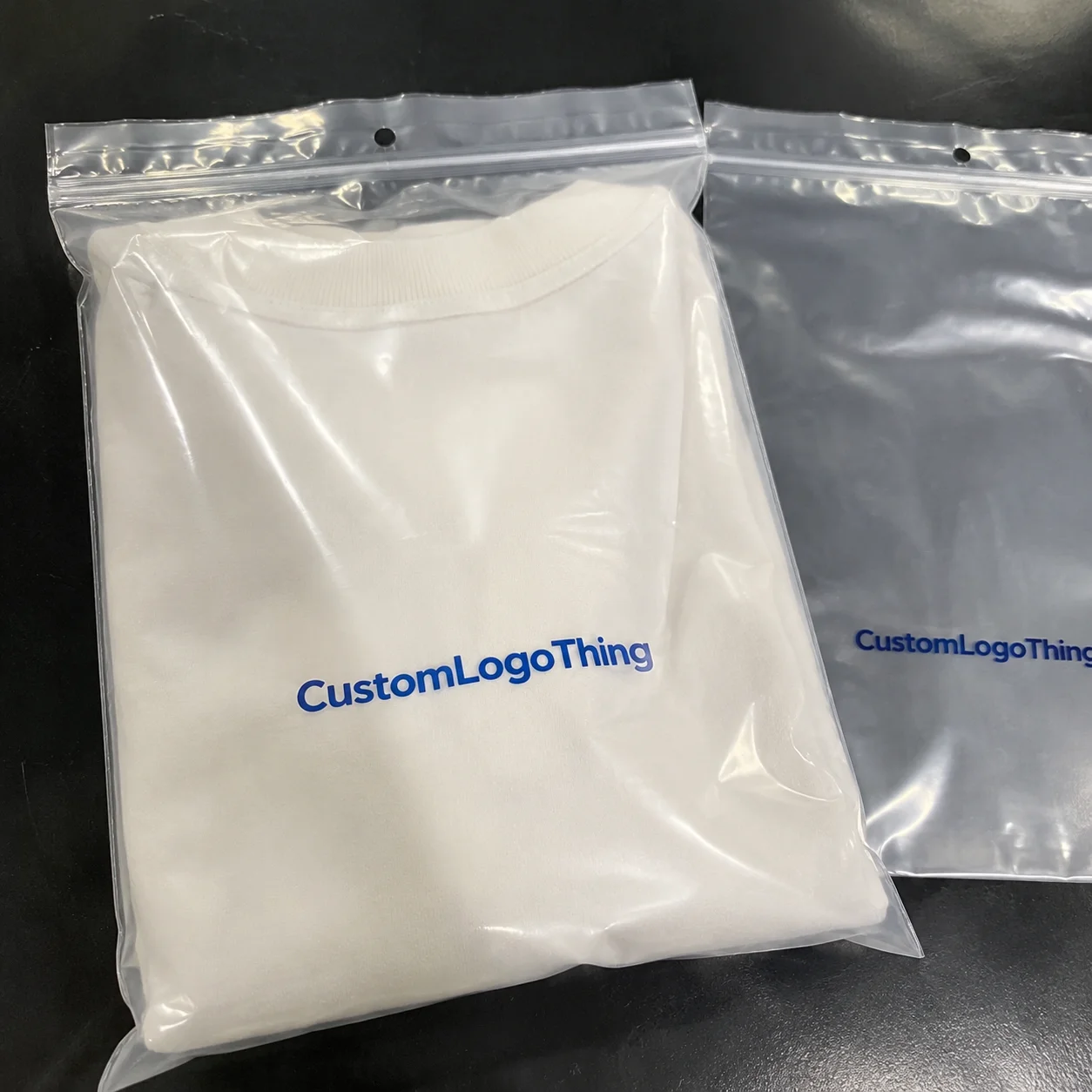
Buyer Fit Snapshot
| Best fit | Packaging Branding Pricing projects where brand print, material claims, artwork control, MOQ, and repeat-order consistency need to be specified before quoting. |
|---|---|
| Quote inputs | Share finished size, material target, print colors, finish, packing count, annual reorder estimate, ship-to region, and any compliance wording. |
| Proofing check | Approve dieline scale, logo placement, barcode or warning zones, color tolerance, closure strength, and carton packing before bulk production. |
| Main risk | Vague material claims, crowded artwork, missing packing details, or unclear freight terms can make a low unit price expensive after revisions. |
Fast answer: Packaging Branding Pricing: Material, Print, Proofing, and Reorder Risk should be specified like a repeatable production item. The safest quote records material, print method, finish, artwork proof, packing count, and reorder notes in one written spec.
Production checks before approval
Compare the actual filled-product size with the drawing, then confirm tolerance on folds, seals, hang holes, label areas, and retail display edges. Reserve space for logos, QR codes, warning copy, and material claims before decorative graphics fill the panel.
Quote comparison points
Review material grade, print process, finish, sampling route, tooling charges, carton quantity, and freight assumptions side by side. A quote is only useful when the supplier can repeat the same color, closure quality, and packing count on the next order.
Two boxes can look nearly identical on a mockup and still land miles apart in price, and that’s the first thing I always remind clients about in any packaging branding pricing guide. I remember standing on corrugator floors in Guangdong, watching a simple white mailer and a premium rigid setup box move through the same shipment lane, only to see one cost $0.62 a unit and the other jump past $4.80 because of board grade, hand-wrapping, foil stamping, and the extra time needed for inspection and packing. That gap is exactly why a packaging branding pricing guide matters: it helps you understand what you’re actually paying for, not just what the final box looks like. If you’re building branded packaging for a product launch, a retail refresh, or a subscription program, the numbers start making sense once you see the production logic behind them, and once you accept that factory quotes can be a little dramatic, honestly.
A lot of people assume packaging cost starts and ends with the printed outer surface, but that’s only one line in a much bigger budget. A real packaging branding pricing guide has to include structure, prepress, proofing, tooling, material yield, labor, finishing, freight, and sometimes warehousing if the goods need to stage before release. That matters especially for custom printed boxes, where a design that looks beautiful in Figma can become expensive once it hits a die cutter, a folder-gluer, or a foil station. The good news is that once you understand how the pricing stack is built, you can make better tradeoffs and protect margin without flattening the brand.
What Packaging Branding Pricing Really Means
In factory terms, packaging branding pricing is the full cost of turning a branded concept into something that can actually be manufactured at scale, packed, shipped, and used in the real world. It is not just the unit price of a box, bag, or mailer, and it is never just the print cost. A solid packaging branding pricing guide has to account for engineering time, dieline prep, plate or die charges, sample runs, production labor, and the fact that different substrates behave very differently once they go through a press or a converting line.
I remember one afternoon in a Shenzhen folding carton plant, standing right next to a Heidelberg press while two carton jobs ran back to back. The first was a 300gsm C1S carton with one PMS color and aqueous coating; the second used 350gsm artboard, four colors, soft-touch lamination, and spot UV on the logo panel. Same press, same shift, but the second job needed extra wash-up time, more make-ready sheets, and a slower finishing pass because the coating had to cure properly before the UV stage. That’s the kind of detail most buyers never see, and it’s why packaging branding pricing behaves like a system of tradeoffs rather than a single number on a quote sheet.
The difference between unbranded stock packaging and branded custom packaging is also bigger than people expect. Stock packaging is usually already engineered, pre-specified, and available in standard sizes, so the supplier can quote it quickly and with less uncertainty. Branded packaging, by contrast, changes the process from the first drawing onward because artwork has to fit the structure, color standards have to be checked, and the brand identity must stay consistent across print runs. That’s why a good packaging branding pricing guide always starts with the production path, not the logo.
The basic idea is simple: packaging branding pricing is mostly a story about friction. Every custom choice adds friction somewhere in the system, whether that’s a tighter color tolerance, a more difficult fold, a heavier board, or a finishing step that needs a separate machine and another operator. The art is in knowing which friction actually improves perceived value and which friction is just expensive decoration. And, to be blunt, some “premium” choices are just a very polished way to set money on fire.
How Packaging Branding Pricing Works in Production
A useful packaging branding pricing guide should follow the production flow from idea to ship-out, because that’s where cost gets added. The sequence usually looks like this: structural design, artwork setup, prepress, sample approval, material sourcing, printing, converting, finishing, packing, and freight. If you skip one of those stages in your budgeting, you usually pay for it later in the form of rush charges, reprints, or a product that arrives with the wrong fit.
Structural design comes first because the packaging has to hold the product safely and behave correctly in production. A sleeve with a 0.5 mm tuck change can feel trivial on a screen, but in the plant it can affect scoring, folding resistance, and even how much board waste comes off the sheet. I’ve seen teams approve a luxury mailer design with a hidden magnetic closure, then discover the insert tray needed a full revision because the bottle neck clearance was off by 3 mm. That kind of change can add another week and a few hundred dollars, which is exactly why a packaging branding pricing guide needs to include engineering reality.
Artwork setup is the next place cost shows up. If the file is clean, built on the correct dieline, and uses a limited number of colors, prepress is straightforward. If the file needs trapping fixes, image replacement, spot color conversion, or raster cleanup, the art department spends more hours before the job even hits the press. With product packaging, those prepress hours can be minor on a 20,000-piece run but painful on a 500-piece prototype order, because the fixed setup costs are spread over fewer units.
Printing method changes the math too. Offset lithography is common for higher-volume cartons and gives strong color control, but the plates and setup time make small runs less efficient. Flexographic printing is widely used on corrugated packaging and can work well for simpler graphics, especially on kraft board, though fine gradients and photographic detail can be harder to manage. Digital printing is often the easiest route for low quantities and faster changes, but the unit price can be higher once volumes rise. Screen printing and hot foil application each have their place as well, especially for premium accents on package branding that needs a tactile finish or a metallic highlight.
Finishing is where many budgets quietly expand. Soft-touch lamination, aqueous coating, matte varnish, foil stamping, embossing, debossing, window patches, and spot UV all add a separate action or a separate pass. A plant in Dongguan once quoted me three versions of the same premium gift box: one plain, one with foil on the logo, and one with foil plus embossing. The jump from plain to foil was manageable, but the embossing required a new tool and a slower press speed because the board was cracking at the score lines. That’s a classic packaging branding pricing guide lesson: each extra finish usually has a hidden operational cost, not just a material cost.
Most factories price in a mix of unit cost, setup fees, and run charges. Setup fees cover plate making, die cutting, machine calibration, ink mixing, and proofing. Run charges cover the actual time the press and finishing lines spend producing your order. Then quantity tiers enter the picture, because higher volumes spread the fixed costs across more pieces. A quote for 1,000 units may look steep at $1.95 each, while 10,000 units of the same spec might land closer to $0.68 each. That drop is not magic; it’s simply the math of setup amortization.
The more standardized your packaging is, the easier it is to keep packaging branding pricing under control. Clean artwork, standard board grades, common sizes, and fewer special finishes all improve production efficiency. I’ve seen buyers slash lead time by four business days simply by switching from a Custom Die Cut to a standard mailer format and moving one premium effect from full coverage to just the lid panel. That kind of adjustment does not weaken the brand if it’s made deliberately; in some cases it makes the packaging feel more refined because the high-value details are concentrated where customers actually notice them.
Packaging Branding Pricing Guide: Key Factors That Change Costs
Material choice is usually the first big driver in any packaging branding pricing guide. Kraft paper, corrugated board, folding carton stock, rigid board, and specialty substrates all sit at different price points and serve different jobs. A 32ECT corrugated mailer might be ideal for e-commerce protection and still look clean with a one-color flexo print, while a rigid 1200gsm set-up box wrapped in printed paper creates a much higher-end presentation for a gift item or luxury accessory. The extra cost comes not only from the board itself, but from the labor needed to wrap, score, and assemble it.
Size and structure matter just as much. Larger cartons use more board, but they also consume more machine time, more carton space in shipping, and often more insert material to keep the product from shifting. Multi-panel displays, Custom Die Cuts, and inserts all add converting time. I once worked with a cosmetics brand that wanted a tiny outer box for a serum bottle, but the bottle needed a molded pulp insert because the glass neck kept rubbing against the board during transit. That insert added $0.21 a unit, yet it reduced breakage claims enough to justify the spend. In a smart packaging branding pricing guide, protection is part of cost because damage is cost too.
Print complexity can move the price fast. Full-coverage graphics consume more ink and more attention at press, especially if the artwork contains photography, gradients, or multiple PMS colors. Double-sided printing adds another pass. If the design uses rich black across large areas, the factory may need additional drying time or more careful ink laydown to avoid scuffing. For retail packaging, color consistency matters because a weak shelf presence can undercut the product before anyone touches it.
Finishing options deserve a separate budget line because each one changes both labor and waste. Lamination, varnish, foil, embossing, debossing, window patches, and specialty coatings all require tools, machine setup, and sometimes longer curing or cooling time. Soft-touch lamination feels premium, but it can also show fingerprints more easily during packing if the handling environment is warm. That’s a detail many sales decks skip, but a proper packaging branding pricing guide should mention it so you can choose with open eyes.
Order quantity is one of the simplest cost levers, and yet people underestimate it constantly. A short run of 500 mailers can carry a high unit cost because the press setup, plate prep, and die-cut adjustment are fixed. At 5,000 or 10,000 pieces, those same fixed charges are diluted across many more units. This is why a supplier may quote $1.20 per box at 1,000 pieces and $0.54 per box at 5,000 pieces. The carton did not get cheaper in a vacuum; the setup burden just got shared more efficiently.
Color accuracy and brand standards can also nudge the price upward. If a brand wants exact match to a specific Pantone across coated and uncoated stock, the printer may need more proof cycles, stricter ink control, and additional waste allowance to hit tolerance. That is especially true for brand identity work where the packaging has to line up with a retail display, a website color palette, and a printed catalog. I’ve had clients bring in a lacquered product sample and ask the box to match the same warm red under 4000K store lighting, which is possible, but it often takes one or two extra press adjustments to get there.
Compliance and logistics are the final pieces people forget. Food-safe coatings, barcode placement, export labeling, tamper-evident features, and retail hang tabs can all affect the price. If a box must pass ISTA transport testing, the packaging may need stronger corrugated grades, revised insert geometry, or extra corner protection. You can review ISTA testing standards at ISTA, and for recycling and material stewardship, the EPA recycling resources are a useful reference point. A well-built packaging branding pricing guide should always keep one eye on the warehouse, not just the artwork.
Cost and Pricing Examples by Packaging Type
Different formats have very different economics, and that’s where many people get surprised by packaging branding pricing. A simple kraft mailer with one-color print can be extremely efficient, especially for e-commerce brands that need light weight and decent crush resistance. In a recent quote I reviewed, 5,000 kraft mailers with one brown ink impression came in around $0.18 per unit before freight, while a similar size mailer with full-color exterior print and a gloss laminate rose to $0.43 per unit. Same footprint, very different production path.
Folding cartons are usually the most flexible category because they can serve food, cosmetics, supplements, electronics accessories, and small consumer goods without overwhelming freight costs. A 350gsm C1S folding carton with four-color print and aqueous coating might sit around $0.25 to $0.60 per unit depending on size and quantity. Add foil and embossing, and the box can move into the $0.75 to $1.40 range pretty quickly. That’s still a smart spend if the carton is doing shelf work and supporting a premium price point.
Rigid Gift Boxes are a different animal. These are often hand-wrapped, which means board covering, paper lamination, corner finishing, insert placement, and a final inspection are all part of the process. A small rigid box with printed wrap might start near $1.40 at volume, while a more elaborate set with a magnet closure, molded insert, and foil logo can land at $3.50 or higher. In a luxury unboxing experience, that can be justified because the packaging itself becomes part of the product story.
Branded paper bags can be deceptively simple or surprisingly expensive. A basic shopping bag with one-color logo print and rope handles might stay below $0.30 at a healthy quantity, but a reinforced boutique bag with laminated art paper, foil stamping, and custom gusset sizing can climb quickly. Retailers often underestimate how much a bag contributes to package branding, especially when it’s carried through a mall or on a city street where every handle is visible for several minutes.
Product sleeves are often one of the best-value branding tools because they deliver visual impact without fully boxing the item. A sleeve around a cosmetic jar, candle, or accessory can be produced on lighter paper stock, and the die line is usually simpler than a full carton. That said, if the sleeve needs precise fit, foil, or a window patch, the cost can creep up. I’ve seen sleeves priced at $0.07 each in one project and $0.28 in another simply because the second used heavy stock, a custom die, and a spot UV logo panel.
Where should brands spend more? I usually tell clients to put money on the surfaces people see first, then on tactile details that support the story, then on internal touches only if the margin can handle them. The lid, front panel, and opening sequence Matter More Than the bottom flap. The unboxing experience is not just about wow factor; it’s about guiding the customer’s eye and hand in a way that reinforces value. If you want examples of real packaging work, our Case Studies page is a good place to compare approaches across product categories.
The cheapest option is not always the smartest investment. I’ve seen brands save $0.12 per box and then lose that same amount ten times over in damage claims, poor shelf visibility, or weak perceived value. A budget-friendly solution can be excellent if it is chosen with intent, but a low-cost choice made blindly can hurt the product packaging economics in ways that do not show up until after launch.
Step-by-Step Guide to Building a Packaging Budget
Step 1 is to define the job clearly. A strong packaging branding pricing guide starts with product dimensions, shipping conditions, branding goals, target audience, and the number of units you expect to order. If you sell a glass jar with a 78 mm diameter and 92 mm height, the packaging has to reflect those numbers exactly, because a guess at the size can ruin the fit and trigger an unnecessary revision.
Step 2 is choosing the packaging format before you obsess over graphics. Structure drives many downstream pricing decisions, and it’s easier to budget a mailer, carton, sleeve, or rigid box once the use case is clear. An e-commerce subscription brand might prioritize lightweight corrugate and a strong closure, while a premium gifting line may justify a wrapped rigid box. That choice changes everything else in the packaging branding pricing guide, including the print method and shipping weight.
Step 3 is deciding what brand elements are essential versus optional. Do you need logo print only, or also interior print, a premium finish, and custom inserts? Are you trying to create retail packaging that competes on shelf, or are you just trying to deliver a clean branded shipment? I usually encourage clients to make a list with two columns: must-have and nice-to-have. That one exercise often trims 15% to 25% out of the budget without hurting the core presentation.
Step 4 is requesting quotes using identical specifications from each supplier. This sounds basic, but it’s where many quote comparisons go sideways. One vendor may assume 300gsm board, another may quote 350gsm; one may include proofing, the other may not; one may quote FOB Shenzhen, another DDP to your warehouse. A proper packaging branding pricing guide has to force apples-to-apples comparisons, or the numbers are almost useless.
Step 5 is requesting a sample or prototype when structure, fit, or print quality matters. A low quote can become expensive if the packaging needs rework after the first production run. I remember one client who approved a beautiful custom printed box for a vitamin product without checking the bottle shoulder height against the insert cutout. The first 800 units were fine, but the bottle started catching on the flap during assembly. Fixing that issue meant a revised insert, a new sample, and a one-week delay. Prototype early, and you protect both the budget and the schedule.
Step 6 is building in contingency for freight, overages, proofing, and revisions. Freight can fluctuate, especially on heavier packaging like rigid boxes and corrugated shipper cartons. Proofing costs can also rise if you need multiple color passes or structural samples. A realistic budget often includes a 5% to 12% contingency, depending on how mature the artwork and structure are. That cushion keeps your packaging branding pricing from becoming a source of panic halfway through production.
Step 7 is comparing total landed cost, not just unit price. If the box is cheaper per unit but costs more to ship, stores worse in the warehouse, or requires more handling labor, the savings may vanish. I always ask clients to look at the full picture: unit cost, tooling, freight, storage, damage risk, and the impact on margin. That is where the real value of a packaging branding pricing guide shows up, because it helps you see packaging as part of the product economics rather than an isolated design expense.
Common Mistakes That Inflate Packaging Costs
The first mistake is designing before defining the budget. It happens constantly. A creative team produces a gorgeous presentation board with foil, embossing, magnetic closure, and a custom insert tray, then finance gets the sample and quietly chokes. I’m not against ambition; I’ve spent enough hours around sample rooms to appreciate a beautiful concept. But without a budget target, the design process can drift into expensive fantasy, and a good packaging branding pricing guide should stop that drift early.
The second mistake is adding too many finishes, colors, or custom features just because they look impressive in a render. A box with three special effects is not automatically better than a box with one well-chosen detail. I think a lot of packaging fails because teams try to prove value through clutter. A single foil logo on a matte board can look more refined than foil, embossing, spot UV, and metallic ink all fighting for attention on the same face.
The third mistake is ignoring shipping and storage dimensions. A package that looks elegant on a desk can become a headache in a warehouse if it does not stack well or if it pushes the carton count beyond a pallet target. I’ve seen an apparel brand move from a compact mailer to a taller rigid box, only to discover the pallet count dropped by 18%, which raised freight enough to erase the design savings. The best packaging branding pricing guide always asks, “How does this move through the supply chain?”
The fourth mistake is sending vague specs to suppliers and expecting meaningful quotes. If one vendor thinks “premium carton” means 300gsm art paper with matte varnish and another assumes a rigid box wrapped in printed paper, the quotes won’t compare. The same problem happens with color count, inserts, and closures. Better specs lead to better pricing, better samples, and fewer arguments later. I wish that were glamorous advice, but the boring spreadsheet stuff saves the most money.
The fifth mistake is changing artwork late in the process. Every late correction can trigger new plates, revised proofs, reapproved mockups, and delayed production slots. If the die line shifts after approval, the factory may need to recheck the cutter and reproof the layout. I’ve watched a client add a tiny URL line at the bottom panel three days before press, and that tiny edit cost them a new proof round and a delayed shipment. Small change, big bill.
The sixth mistake is choosing a low-cost supplier without checking consistency, tolerances, and print quality. A bargain quote can turn into replacement stock, customer complaints, or worse, a brand impression that feels cheap even if the product is good. If you are comparing vendors, ask about inspection standards, tolerances, and test methods. The Packaging industry resources at packaging.org can help you understand packaging performance topics, and FSC guidance at fsc.org is useful if sustainable sourcing is part of your brief.
Expert Tips for Smarter Packaging Branding Pricing
Start with standard materials and standard sizes whenever the product allows it. Then customize the parts that shape brand perception most. That one principle can save a surprising amount of money because it keeps the production line in familiar territory. A standard mailer size with a branded insert and a well-placed logo panel often beats a fully custom structure that complicates every step of the run. In my own packaging branding pricing guide work, this is usually the most practical cost control lever.
Use one premium detail instead of stacking several. A foil-stamped logo on the lid can carry more visual weight than foil, embossing, and spot UV all together. The reason is simple: the eye likes hierarchy. When there’s one focal point, the box feels intentional. When there are six, it can start to look overworked. This is especially true for brand identity projects where the packaging has to feel polished, not noisy.
Ask your manufacturer where the process is most efficient. Factory insight is underrated, and good suppliers can often tell you which size, substrate, or finish will run cleanly on their line. I’ve had a packaging engineer in Ningbo suggest moving a logo 8 mm away from a fold line because the soft-touch lamination kept cracking at the score. That single suggestion saved a reprint and improved the final look. A good packaging branding pricing guide should include that kind of shop-floor intelligence.
Plan future volume early if you expect repeat orders. Tooling costs, especially for custom dies or specialty finishing, can make more sense if you know the design will be used across multiple runs. Even if the first order is small, it may be worth paying for a more efficient setup if the second and third runs are already forecast. That is how smart product packaging budgeting works in real life: not only by looking at the first invoice, but by watching the full lifecycle.
Match the packaging to the channel. E-commerce packaging needs shipping strength and space efficiency. Retail packaging needs shelf impact and clear branding. Subscription boxes need a memorable opening sequence and repeatable assembly. Gifting packaging may justify higher spend because the box itself becomes part of the purchase emotion. If you need a broader range of formats, our Custom Packaging Products page shows the kinds of structures brands typically choose for different channels, from mailers to presentation boxes.
Review samples under real lighting. That means warehouse LEDs, daylight near a loading dock, and the kind of retail lighting where packaging is actually seen. Colors and finishes behave differently in each environment. A matte black box can look rich in a design studio and flat under cool fluorescent lights, while a soft-touch surface may show more fingerprints in warm handling conditions. The best packaging branding pricing guide advice I can give is to check the sample where the product will really live.
Treat packaging as part of the product economics, not a separate branding line item. If the box adds perceived value, reduces damage, improves conversion, or supports a higher price point, it may earn its place even if the unit cost is higher. That’s why I always ask clients to think in terms of margin, not just cost. A slightly more expensive package can still be the better financial decision if it improves sell-through or reduces return rates.
What Is the Best Way to Get Accurate Packaging Branding Pricing?
The best way to get accurate packaging branding pricing is to price the actual production job, not a rough concept. That means sharing exact dimensions, substrate preference, artwork details, print count, finish list, quantity, target timeline, and shipping destination before asking for a quote. A supplier cannot estimate a folding carton the same way they estimate a rigid box, and a one-color kraft mailer should not be priced like a full-coverage retail carton. The more precise the brief, the more useful the quote.
One of the easiest ways to tighten packaging branding pricing is to ask for a lean version and an upgraded version side by side. That gives you a practical comparison of board grade, print method, and finishing choices without forcing you to make a blind decision. It also helps identify which features actually matter to the brand and which ones only look attractive in a render. A good supplier will usually welcome that comparison because it shows whether the structure, finish, and quantity can be adjusted without hurting performance.
You should also ask whether the quote includes sampling, plates, dies, freight, and inspection. Many packaging quotes look lower than they are because those items sit outside the headline number. A full packaging branding pricing guide has to separate the unit price from the hidden setup charges, because the true landed cost depends on both. If you do that early, the budget gets much easier to control, and the final invoice is far less likely to cause a surprise.
Reference samples help too. When a manufacturer can see the finish level, closure style, and print quality you expect, they can align the quote to the right production route. That may be a straightforward offset carton, a flexo corrugated mailer, or a hand-wrapped rigid package with specialty coating. The quote becomes more accurate because the factory is estimating a real object, not a vague description.
Next Steps for Getting Accurate Packaging Quotes
The fastest way to get useful quotes is to create a one-page packaging brief. Include dimensions, material preference, print count, finish choices, quantity, and deadline. If you have a target weight limit or a shipping carton requirement, put that in too. Clear briefs reduce back-and-forth and make the packaging branding pricing guide more actionable because the supplier is pricing the same job you actually need.
Collect reference images or physical samples that show the look and quality level you want. I’ve had clients send me a competitor’s rigid box with a magnetic flap and say, “We want this kind of feel, but for less money and with our colors.” That’s a fair brief if it’s honest about the target. A reference sample helps the factory understand whether you want matte elegance, retail punch, or premium gifting.
Ask for two quote scenarios: a lean version and a premium version. This simple move makes the tradeoffs visible. One quote can show a standard board, simpler print, and no special finishing; the other can show the upgraded finish and perhaps a more substantial substrate. When both are on the table, you can decide where the extra spend really earns its keep. That comparison is one of the best tools in a practical packaging branding pricing guide.
Request confirmation on setup fees, sampling costs, lead times, and shipping terms before production starts. Too many problems begin with a quote that looked low because it excluded proofing or freight. Ask for the terms in writing, and make sure the sample approval stage is clear. A quote that includes production but excludes final delivery is not a full budget; it’s only part of the picture.
Review whether your packaging needs engineering support, and if so, share product measurements early. If you are working with a bottle, jar, device, or kit, the fit needs to be right from the start. Structural changes are more expensive after artwork is approved. For custom applications and branded add-ons, our Custom Labels & Tags page can also help if your product needs secondary branding elements alongside the main pack.
Use the final quote to calculate margin impact, then sort the features into three groups: essential, nice to have, and later version. That keeps the discussion grounded. It also helps teams avoid the trap of over-designing the first launch. A good packaging branding pricing guide should help you launch cleanly, spend wisely, and leave room for the next order to improve the package without blowing up the budget.
Packaging Branding Pricing: decision table
| Decision area | Best fit | What to verify | Risk if skipped |
|---|---|---|---|
| Quote scope | Comparing suppliers and order quantities | Tooling, sample, unit cost, packing, and freight assumptions | Lowest quote wins until missing line items appear |
| MOQ and repeat order | Launch orders, seasonal runs, and scaled reorder plans | MOQ breaks, lead time, storage, and SKU grouping | First order works but reorder cost jumps |
| Approval process | Avoiding rework before bulk production | Dieline, proof, sample, tolerance, and sign-off owner | Bulk production starts before the spec is truly locked |
FAQs
If you want to understand the numbers behind packaging branding pricing, these are the questions I hear most often from brand owners, buyers, and startup founders who are trying to balance presentation, protection, and margin.
“The quote looked simple on paper, but once we added finishing, freight, and proofing, the real cost changed a lot. I wish we had asked for a full breakdown earlier.”
What affects packaging branding pricing the most?
Material type, print complexity, finishing choices, quantity, and structural design usually have the biggest impact on packaging branding pricing. Setup fees and production method also matter a great deal, especially on short runs where fixed costs are spread across fewer units.
How can I lower packaging branding pricing without hurting quality?
Use standard box sizes, simplify artwork, reduce the number of finishes, and Choose the Right material for the product instead of the most premium option. It also helps to request two quote versions, one basic and one upgraded, so you can compare value instead of guessing.
Why do small packaging runs cost more per unit?
Because fixed costs like setup, proofing, and changeovers are spread across fewer pieces. The shorter the run, the less opportunity there is to dilute those production costs, which is why small orders often look expensive on a per-unit basis.
How long does the packaging branding process usually take?
Timeline depends on structure complexity, sampling needs, and print method, but the process usually includes briefing, design prep, proofing, production, and shipping. Custom finishes and late revisions can extend the schedule, so approving artwork early is one of the best ways to keep the job moving.
Should I prioritize branding or packaging cost first?
Start with the product, sales channel, and customer experience goal, then balance branding impact against the budget. The best packaging is usually the one that supports the brand, protects the product, and still leaves room for healthy margins.
My honest view after two decades around carton plants, rigid box workshops, and packaging buying desks is this: a smart packaging branding pricing guide doesn’t tell you to spend less everywhere. It tells you where the money actually goes, which details matter on shelf or in the mailer, and which choices are just expensive noise. If you build your budget around that idea, your packaging gets sharper, your quotes make more sense, and your launch has a much better chance of staying profitable.
Whether you’re ordering custom printed boxes, branded mailers, or premium retail packaging, the best decisions come from seeing the full chain, from board grade and print method to freight and fulfillment. The practical takeaway is simple: write the brief around the exact product dimensions, the channel, and the finish level you truly need, then ask suppliers to quote a lean version and an upgraded version against the same spec sheet. That’s the cleanest way to keep packaging branding pricing grounded in reality instead of guesswork.