Buyer Fit Snapshot
| Best fit | Packaging Branding Supplier projects where brand print, material claims, artwork control, MOQ, and repeat-order consistency need to be specified before quoting. |
|---|---|
| Quote inputs | Share finished size, material target, print colors, finish, packing count, annual reorder estimate, ship-to region, and any compliance wording. |
| Proofing check | Approve dieline scale, logo placement, barcode or warning zones, color tolerance, closure strength, and carton packing before bulk production. |
| Main risk | Vague material claims, crowded artwork, missing packing details, or unclear freight terms can make a low unit price expensive after revisions. |
Fast answer: Packaging Branding Supplier: Material, Print, Proofing, and Reorder Risk should be specified like a repeatable production item. The safest quote records material, print method, finish, artwork proof, packing count, and reorder notes in one written spec.
Production checks before approval
Compare the actual filled-product size with the drawing, then confirm tolerance on folds, seals, hang holes, label areas, and retail display edges. Reserve space for logos, QR codes, warning copy, and material claims before decorative graphics fill the panel.
Quote comparison points
Review material grade, print process, finish, sampling route, tooling charges, carton quantity, and freight assumptions side by side. A quote is only useful when the supplier can repeat the same color, closure quality, and packing count on the next order.
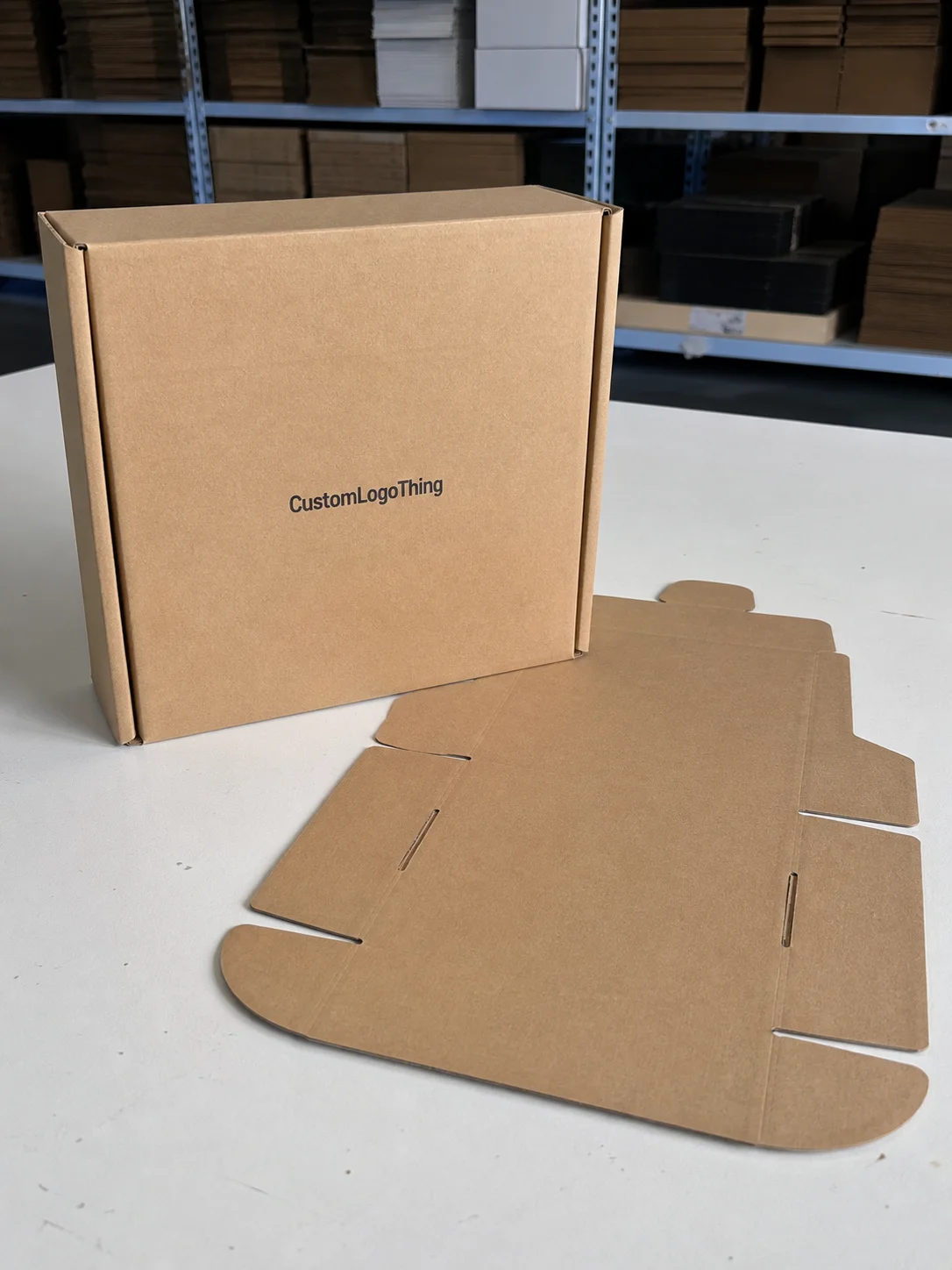
If you’ve ever watched a shopper pick up two nearly identical boxes and choose one in under five seconds, you already understand why a packaging branding supplier guide matters. I’ve stood on enough corrugate lines in Ohio, in enough folding carton plants outside Chicago, and beside enough loading docks in New Jersey to know this: packaging does not just hold a product, it speaks for the brand before anyone reads a single word. A strong packaging branding supplier guide helps you turn that first impression into something repeatable, measurable, and actually producible on real equipment, whether you are ordering 5,000 units or 50,000.
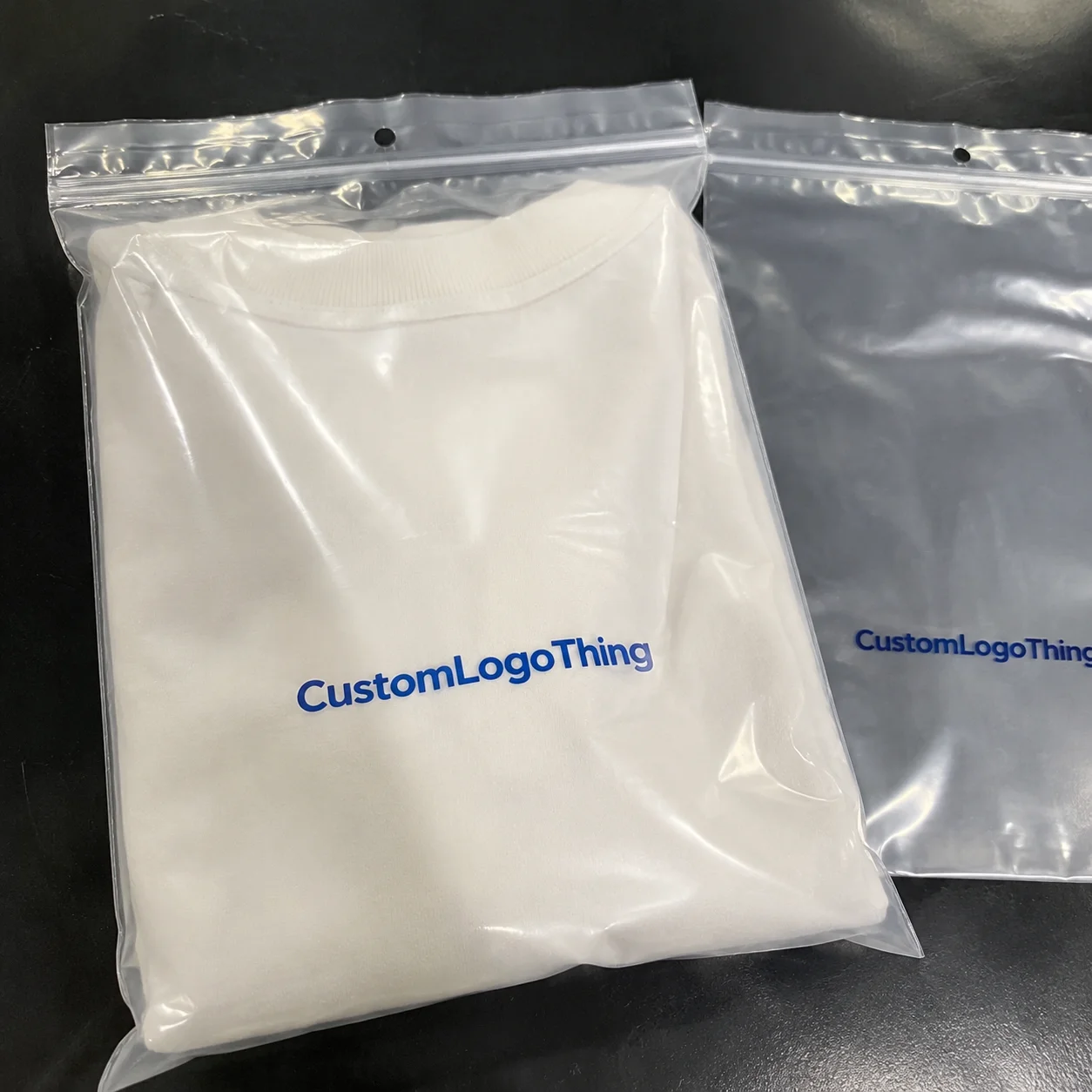
At Custom Logo Things, I think the smartest packaging conversations start with the physical object in the hand, not the marketing deck. A carton with a soft-touch lamination and crisp foil stamp feels different from a kraft mailer with a single-color flexo logo, and that difference shows up in trust, shelf impact, and repeat purchases. This packaging branding supplier guide walks through how suppliers think, what materials behave best, where budgets go, and how to avoid the classic mistakes that create reprints, delays, or a box that looks great online and disappointing in person. Honestly, I’ve had more than one client fall in love with a render and then stare at the actual sample like it betrayed them, usually after the proof was approved in Minneapolis on a Friday afternoon.
Why Packaging Branding Matters More Than Most Teams Realize
I still remember a cosmetics client visit in a suburban New Jersey finishing plant where the sales team was arguing over logo size, but the operators kept pointing at the same thing: the box structure and the tactile finish. The client had spent weeks debating a 3 mm logo shift, yet shoppers were reacting to the rigid box wall thickness, the magnetic closure snap, and the way the black matte wrap caught light under warehouse fluorescents at 6:30 a.m. That is the kind of real-world lesson a packaging branding supplier guide should force onto the table early, because shoppers often decide whether a brand feels premium, cheap, eco-forward, or forgettable in seconds. I’ve seen people pick up a package, nod once, and basically make a purchasing decision before the sales rep even finished their sentence.
In plain language, packaging branding is the combination of visual, tactile, and structural choices that make a box, mailer, pouch, sleeve, or insert feel unmistakably like your brand. That includes brand identity elements such as color, typography, icons, logo placement, and finish, but it also includes the way the package opens, what the inner tray feels like, and whether the product is presented with intention. A good packaging branding supplier guide does not treat these as decoration; it treats them as production decisions with cost, lead time, and durability attached, usually tied to a specific board grade like 350gsm C1S artboard or 32ECT corrugated.
There is a big difference between packaging that simply contains a product and packaging that communicates positioning. A plain corrugated mailer with a one-color stamp may be perfectly fine for spare parts or subscription inserts, while a rigid setup box with foil, embossing, and a printed insert tells a very different story for skincare, jewelry, or specialty food. I’ve seen brands spend $0.42 per unit on packaging and get a stronger response than another brand spending $1.90, because the first one matched the product and the audience while the second one only looked expensive on a sample table. That’s why a packaging branding supplier guide should focus on fit, message, and line efficiency, not just glossy looks, especially when a 5,000-piece run changes the economics dramatically compared with 25,000 units.
Here’s where the supplier fits in. A solid packaging branding partner takes brand assets and translates them into production-ready Packaging That Works on real machines, with real substrates, at real tolerances. That means accounting for glue flap dimensions, print bleed, board caliper, ink density, and how the package stacks in a carton shipper from a plant in Dongguan, Shenzhen, or Monterrey. A weak supplier sells pretty mockups; a strong one solves problems before the line starts moving. If you’re comparing options, our Custom Packaging Products page is a practical place to see how format choice shapes the final result, and our Case Studies page shows how different brands handled retail and e-commerce needs.
The main packaging categories usually covered in a packaging branding supplier guide include folding cartons, rigid boxes, corrugated mailers, retail bags, inserts, sleeves, and labels. In one distributor meeting I had in Illinois, the team kept saying they wanted “one package for everything,” but their SKU mix ranged from tiny glass vials to 2 lb jars. One format could not solve all of it. The right answer was a family of coordinated branded packaging pieces, not a one-size-fits-all box, and the production quote reflected that reality with three different die structures and two print processes. If only packaging were that cooperative, right? It would make my life a lot easier, and probably yours too.
“The package didn’t just protect the item. It changed how the customer described the brand to other people.” That was a line a client told me after switching from a plain mailer to a printed rigid box with a molded paper pulp insert, and honestly, that kind of reaction is exactly what good packaging should create.
How a Packaging Branding Supplier Process Actually Works
A practical packaging branding supplier guide should demystify the workflow, because the process is rarely as simple as “send art and get boxes.” It usually begins with discovery: product dimensions, shipping method, target quantity, brand goals, regulatory text, and finish preferences. From there, the supplier reviews the dieline, checks artwork placement, and starts matching the structure to a substrate such as SBS paperboard, kraft, CCNB, corrugated E-flute, or rigid chipboard. On a good project, these early steps save days later, and in a plant running three shifts near Guangzhou or Ho Chi Minh City, they can save an entire press window.
Then comes artwork prep and technical review. A Supplier with Real factory experience will look for safe zones, bleed, barcode contrast, seam placement, and any detail that crosses folds or glue tabs. I’ve watched prepress teams catch a logo sitting too close to a fold line by 1.5 mm, which seems tiny until the score eats the edge and the brand mark looks crooked on every box. A dependable packaging branding supplier guide should make it clear that print-ready files are not just about resolution; they are about how the design behaves once the sheet gets cut, creased, folded, and glued, especially on a 16 pt board with a 0.4 mm score depth.
Print methods matter just as much. Offset lithography is still the workhorse for high-quality folding cartons and rigid wraps, especially when color consistency matters across 5,000 or 50,000 units. Flexography is common for corrugated mailers, labels, and simpler graphics because it moves fast and performs well on rougher surfaces. Digital printing can be ideal for shorter runs or variable content, while foil stamping, embossing, debossing, spot UV, matte lamination, gloss lamination, and soft-touch finishes shape how the package feels in hand. A strong packaging branding supplier guide should help buyers understand that each finish changes both look and cost, and yes, sometimes the “one extra special effect” everyone wants turns into the line item that makes procurement squint at the quote, especially when foil dies add $85 to $140 per design.
Sampling is where many projects are won or lost. I’ve seen clients approve a digital mockup that looked elegant on screen, only to reject the first physical sample because the ink density was lighter on kraft board than expected. Real samples show how a branded packaging concept behaves on the actual substrate, under actual lighting, with actual glue and fold performance. That is why a packaging branding supplier guide should recommend physical approval whenever the design includes special folds, windows, inserts, or multi-part structures, and why many suppliers in Vietnam or Guangdong budget 3 to 5 business days just for sample making before mass production.
Quality control is its own world, and it deserves more attention than it usually gets. Good suppliers check folding tolerance, glue bond strength, board warp, color variance, lamination bubbles, corner alignment, and the way the finished package fits into master cartons. On a packaging line, a 2 mm error in one panel can become a pile of rejects once the cartons hit a packing station at 120 units per minute. That is not theory; I’ve watched it happen on a corrugated converting line in Ohio, and the cost of stopping the line for rework was far higher than the cost of getting the die corrected up front. There is a special kind of silence on a production floor when everyone realizes the stack is off by just enough to cause trouble. Not fun. Not even a little.
A basic timeline in a packaging branding supplier guide usually looks like this: brief and specs first, dieline review next, artwork prep and proofing after that, then sampling, approval, production scheduling, and final shipment. Simple projects can move from signed approval to shipment in roughly 12 to 18 business days if everything is locked early, with a typical carton run leaving a plant in 12-15 business days from proof approval when the board is already in stock. More complex work, such as Custom Rigid Boxes with inserts or specialty coatings, often takes longer because each stage adds a decision point. Rush orders can work, but they often remove flexibility on materials or finishing, and they usually increase freight costs by $150 to $400 if air shipping is required from Shenzhen or Dongguan.
Key Factors That Shape Packaging Branding Decisions
Material selection sits at the center of every serious packaging branding supplier guide. If the product weighs 4 oz, ships in a protective carton, and sits on a retail shelf, the right board choice may be very different from a 2 lb product that gets tossed into a fulfillment bin. SBS paperboard offers a clean print surface for premium visuals. Kraft can signal natural, recycled, or rustic positioning. CCNB is often used where cost and printability need balance. Corrugated E-flute brings better crush resistance for shipping. Rigid chipboard delivers a premium feel that supports higher perceived value. The right answer depends on product weight, fragility, shelf life, and shipping conditions, along with practical specs like 350gsm C1S artboard for folding cartons or 32# kraft liner for mailers.
Print quality is another major piece of package branding. Color matching can be tricky across board grades because a bright white SBS sheet accepts ink differently than a brown kraft liner. I’ve seen a deep navy logo shift toward purple on an uncoated surface, and the client thought the press was “wrong” when the problem was actually the substrate. A good packaging branding supplier guide should advise brand teams to approve Pantone references, request press checks when possible, and test how small text behaves on textured or absorbent stock. If your logo includes fine serifs or reverse type at 6 pt, don’t assume every substrate will reproduce it cleanly, especially on a 24 pt chipboard wrap with a matte aqueous coat.
Cost is never just the unit price, and that’s one of the biggest lessons in any packaging branding supplier guide. Tooling, plates, setup fees, minimum order quantities, finishing complexity, board caliper, and freight all change the final number. A simple one-color mailer with a single die can be economical at 10,000 units, while a rigid box with foil, embossing, and an insert can climb quickly even at moderate volume. I tell clients to ask for a full landed-cost breakdown, because $0.28/unit that becomes $0.41 after freight, assembly, and packaging of packaging is not actually cheap. For example, a 5,000-piece folding carton run might quote at $0.15 per unit for printing alone, then rise to $0.23 with coating and folding, before palletized freight from Xiamen or Ningbo is added.
Performance matters just as much as appearance. Crush resistance, moisture resistance, tamper evidence, and reclosability all affect whether the product arrives intact and the customer feels confident using it. A beauty brand I advised in Texas wanted a delicate matte sleeve over a folding carton, but the product was shipping through humid warehouses and short-cycle carrier handling. We tested the sleeve with a 72-hour humidity exposure and found edge curl at the flap. The final structure used a slightly heavier board and a different coating, which kept the look while reducing damage. That kind of choice belongs in a packaging branding supplier guide, because branding fails when the package fails, especially during July shipments across Phoenix, Atlanta, or Miami.
Customer experience is where all the technical pieces come together. The unboxing experience includes the sequence of reveal, the insert layout, the sound of the closure, the visibility of the product, and whether the package feels premium, practical, or eco-forward. A simple insert printed with a thank-you message can do more for retention than an expensive finish no one notices. If you need labels or tags to complete the system, our Custom Labels & Tags page is useful for coordinated package branding across SKUs, from a 1-inch round seal to a 4 x 6 inch shipping label.
From a sustainability standpoint, there is real movement toward recyclable board, FSC-certified paper, and reduced-use designs, but I always tell clients that sustainability claims must match the actual material and local recycling rules. Organizations like FSC and the EPA recycling guidance are useful references, especially if your packaging branding supplier guide needs to support environmental claims without drifting into marketing fluff. I’ve had more than one brand discover that “recyclable” sounds great until someone asks, “Recyclable where, exactly?” which is a very fair question and annoyingly difficult to answer if the paperwork is sloppy or the local curbside program in Portland, Toronto, or Austin handles mixed paper differently.
Packaging Branding Supplier Guide: How to Choose the Right Partner
The first step in any serious packaging branding supplier guide is clarifying the goal. Are you trying to lift shelf visibility, improve e-commerce protection, reduce freight damage, present a more premium image, or cut material waste? If you don’t define the goal, every supplier quote starts to look interchangeable when it really isn’t. I’ve sat in meetings where a brand asked for “better packaging,” and once we separated Retail Display Needs from shipping requirements, the project became far easier to specify and price. A project targeting 20,000 retail units in California will not behave the same as a 2,500-unit subscription launch in Massachusetts.
Next, audit your current packaging. Count the damage rate, note any crushed corners, inspect whether labels peel in cold storage, and record where your staff spends extra time folding, stuffing, or taping boxes. A packaging branding supplier guide is most useful when it starts from actual pain points. If your current mailer causes 4% leakage during transit, that is a structural problem. If your carton feels dull next to competitors, that is a branding problem. Sometimes it’s both, and sometimes the fix is as simple as changing from a 200gsm paper wrap to a 24 pt SBS box with a proper dust flap.
Then ask each supplier about capability, not just price. You want to know whether they have a sample library, structural engineering support, quality assurance checks, print finishing options, and experience with your product class. A supplier who has built custom printed boxes for cosmetics may not be the best fit for heavy hardware cartons, and vice versa. The best packaging branding supplier guide would insist that you ask for photos of similar jobs, not just polished sales decks. I’d rather see an ugly-but-honest factory sample from a plant in Guangzhou than a slick brochure that hides the messy parts.
Comparing quotes only works when specs are identical. This sounds obvious, but I’ve watched buying teams compare a 16 pt SBS folding carton with a 24 pt rigid wrap and call one supplier “expensive” because they didn’t realize they were not looking at the same format. A reliable packaging branding supplier guide says: compare substrate, print method, coating, quantity, assembly level, and delivery terms on the same line. If one quote includes spot UV and the other does not, the difference is not really the supplier; it’s the spec sheet. A $0.31 unit price on one sheet and $0.56 on another can be perfectly reasonable if the first omits hand assembly and the second includes a custom insert.
Physical prototyping is non-negotiable for complex work. Request samples, open them, stack them, ship them, and let real hands handle them. Test fit with the actual product, the actual filler, and the actual labels or inserts. If possible, run a small shipping trial to see whether the package survives corner drop, vibration, and compression. The ISTA testing standards are a useful benchmark here, especially for e-commerce and distribution-heavy brands. A packaging branding supplier guide that skips real testing is incomplete, and a 48-hour transit test on a route from Dallas to Denver can tell you more than a week of email comments.
Create a launch checklist before signing off. Include artwork approval, barcode verification, carton labels, internal inserts, lead times, storage space, reorder thresholds, and who signs off on color. In one client meeting for a subscription snack brand, the launch was delayed because the insert copy had not been legal-checked for allergen language. That was a painful lesson, but it saved a bigger problem later. A packaging branding supplier guide should help you prevent those last-minute surprises by making responsibilities visible before production starts, especially when QA, legal, and marketing all touch the same proof.
My honest advice: treat the supplier like a technical partner, not a vending machine. The best results come when buyers share constraints early and ask for honest feedback on structure, substrate, and finish. I’ve had suppliers save me money by recommending a lighter board, a smaller glue flap, or a simplified finish that preserved the look while improving throughput. That kind of collaboration is what a smart packaging branding supplier guide is meant to encourage, and it usually creates a better result than forcing every detail into the first rendering.
Pricing, Timelines, and What Affects Production Speed
Every packaging branding supplier guide should break pricing into visible buckets, because that is where buyers get clarity. Design and prepress are one part. Tooling and dielines are another. Materials, printing, finishing, assembly, and freight each add their own cost layer. If the project includes foil stamping, embossing, custom inserts, or manual assembly, the price can move quickly. When clients ask why a box changed from $0.36 to $0.61, I usually walk them through each line instead of quoting a headline number without context, especially when the difference comes from a magnetic closure or a window patch.
Simple packaging is often economical. A single-color corrugated mailer, a standard folding carton, or a basic label run can stay efficient when quantities are healthy and specs are restrained. The moment you add specialty coatings, soft-touch lamination, multi-piece inserts, or a low-volume custom structure, unit cost rises. That is not a sign of inefficiency; it is a reflection of setup and finishing complexity. A thoughtful packaging branding supplier guide explains that the most expensive package is not always the prettiest one, but the one that tries to do too many things at once. In many factories, a matte aqueous coating adds only $0.03 to $0.05 per unit, while soft-touch film plus foil can add $0.12 or more on a 10,000-piece run.
Timeline follows a predictable sequence. Specification review comes first, then dieline creation, proofing, sample approval, production scheduling, and final shipment. On straightforward jobs, proof approval may happen in a few days, while production might take 7 to 10 business days after the final sign-off. More complex jobs can require another week or two for sample iteration. A packaging branding supplier guide should prepare buyers for the fact that the fastest way to miss a launch is to change artwork after proof approval, especially when that change forces a new plate or die revision in a factory near Suzhou or Pune.
Delay usually comes from a small number of causes. Late artwork changes are the biggest one, especially when brand teams keep adjusting copy or colors after files are already in prepress. Missing brand assets create another problem, particularly when suppliers receive low-resolution logos or no Pantone references. Material shortages can slow a job if a specific board grade or specialty finish is temporarily unavailable. Revisions to structural dimensions can also reset the clock, because even a 2 mm change can alter the dieline and the sample. If a supplier has to re-cut tooling for a 4-panel carton, you may lose 3 to 5 business days immediately.
There are practical ways to shorten production time. Lock specs early. Approve one decision point at a time. Keep an organized artwork file set with outlined fonts, linked images, and final copy. Make sure the team knows who approves color, who approves structure, and who approves claims language. I’ve seen a brand save five business days simply by eliminating “floating feedback” from three departments. A good packaging branding supplier guide should encourage speed through discipline, not panic, and that discipline usually starts with a single sign-off sheet reviewed at 9:00 a.m. before production begins.
Freight matters too, especially for larger custom printed boxes or rigid box runs. A beautiful package that ships poorly can erode margin faster than a slightly more expensive board grade ever will. If your distribution center is 1,200 miles from the plant, ask how pallet patterns, master carton counts, and cube efficiency affect the landed cost. That’s the kind of detail buyers often miss until the pallets are already on the dock. Then everyone suddenly remembers they have opinions about pallet height, usually after a 48-inch pallet becomes a 72-inch problem in a warehouse in Atlanta or Memphis.
Common Mistakes Brands Make When Working With Packaging Suppliers
The first mistake is choosing a supplier based on price alone. I’ve seen that decision fail enough times to be confident about it. The cheapest quote can hide weak substrate quality, poor finishing control, or limited tolerance discipline. A low unit price means very little if the run creates 8% waste or the boxes arrive with color drift. A practical packaging branding supplier guide helps brands compare total value, not just the number at the top of the page, because a $0.22 piece that needs rework is rarely cheaper than a $0.29 piece That Ships Cleanly.
The second mistake is sending files that are not print-ready. Low-resolution logos, RGB colors that should have been CMYK or Pantone, missing fonts, and unlabeled artwork layers all add unnecessary prepress work. These problems can also cause color shifts or delayed proofs. A clean file set makes life easier for the supplier and reduces the chance that your brand identity gets interpreted differently from one print run to the next. If your file package is missing a 0.125-inch bleed or the logo is only 96 dpi, the factory in Shenzhen or Los Angeles will catch it faster than your internal team will.
The third mistake is ignoring factory-floor realities. Artwork that crosses seams can disappear into folds. Text placed too close to a glue flap can become unreadable. A glossy finish might look premium but show scuffs on a busy packing line. I remember one corrugated plant visit where the client loved a full-bleed dark blue mailer, but every test box showed white rub marks at the edge because the ink and coating combination was not tough enough for the actual handling path. A strong packaging branding supplier guide respects the machine, not just the mockup, and that usually means asking how the package behaves after 15 minutes on a conveyer and a 6-foot drop from a warehouse cart.
Overdesigning is another common problem. Too many finishes, too many textures, too many special openings, and too many layered inserts can make assembly expensive and distract from the message. Premium does not always mean complicated. Some of the strongest branded packaging I’ve seen used one board grade, one foil element, and one perfectly placed color. That restraint made the product look confident, and it kept the production quote under $0.78 per unit on a 10,000-piece run instead of pushing it north of a dollar.
Failing to test in shipping and retail environments is a mistake that should never survive a final approval meeting. A package that looks perfect on a table may fail when it hits vibration, stacking pressure, humidity, or the pace of a retail stockroom. If your product is going through carrier networks, ask for compression testing or a simple ISTA-inspired shipping trial. A packaging branding supplier guide that stops at visual approval is only half done, and a 72-hour warehouse dwell test in Houston, Toronto, or San Diego can reveal problems long before the launch date.
Expert Tips for Better Brand Packaging and a Stronger Supplier Partnership
Build one master spec sheet and keep it current. Include dimensions, board grade, paper finish, Pantone references, barcode rules, insert requirements, and approved artwork zones. That single document becomes your source of truth when marketing, operations, and procurement all want a say. In my experience, this one habit prevents more packaging mistakes than almost anything else in a packaging branding supplier guide, especially when the next reorder happens six months later and nobody remembers which proof was the final one.
Keep a sample archive. Save one approved box, one label set, one insert, and one master carton from every important production run. Put the date, supplier, and spec version on a shelf label or in a digital record. When reordering six months later, you will not rely on memory or a fuzzy photo from someone’s phone. It sounds small, but it keeps brand packaging consistent across lots and suppliers, whether the run was produced in Mexico City, Nashville, or Taichung.
Use the supplier early, especially if you are developing new rigid boxes, mailers, or retail packaging formats. A good supplier can recommend a different board grade, a stronger score pattern, or a smaller footprint that reduces freight without compromising presentation. I’ve had suppliers suggest moving from a deep lid to a shallower telescope box, which cut material use and made stacking easier. That kind of technical advice is exactly why a packaging branding supplier guide should frame suppliers as collaborators, not just order takers with a quotation form.
Ask for cost-saving substitutions. Sometimes a lighter board works fine. Sometimes one finishing step can be removed without hurting the brand message. Sometimes a dimension can be adjusted by 3 mm to improve pallet efficiency. The right partner will tell you where the money is going and where it can be saved without making the package feel cheap. That honesty matters more than a polished sales presentation, especially when a simple change from a 28 pt board to a 24 pt board saves 12% on freight cube and still passes drop testing.
Plan for brand consistency across channels. Retail packaging, subscription packaging, and e-commerce packaging should feel like part of one system even if the structures differ. A customer should recognize your brand from the color family, typography, icon placement, and tone of the experience. That is package branding at its best: not identical boxes everywhere, but a coordinated visual language that travels across formats. If you want to see that principle applied across different types of projects, our Case Studies page is a useful reference point.
I also recommend keeping an eye on the technical side of sustainability claims. If your packaging is FSC-certified, say so accurately. If the board is recyclable in most curbside systems, make sure the claim is defensible. If the package uses recycled content, document the percentage. This is not just about compliance; it is about trust. Suppliers who understand these details add real value to a packaging branding supplier guide, and they also help you avoid awkward questions from retailers in California, British Columbia, or the European Union.
Next Steps: Turn Your Packaging Branding Plan Into Action
The best way to use a packaging branding supplier guide is to turn it into action, not just a reference file sitting in a folder. Start with a packaging audit that compares your current packaging against brand goals, shipping needs, and budget limits. If your packaging looks good but fails in transit, the fix is different from a package that protects well but feels generic on shelf. Be specific about the problem, whether it is a 3% damage rate, a dull retail presence, or an assembly step that adds 40 seconds per unit.
Gather the inputs a supplier will need: product dimensions, target quantities, artwork files, finish preferences, delivery deadlines, and any regulatory text. If you have a dieline or past sample, include it. If you are still deciding between folding cartons and custom printed boxes, say that upfront. Clear inputs shorten quoting time and improve the accuracy of the first sample, and a good brief can save 2 to 4 days before the factory even starts prepress.
Request two or three quotes using identical specs. Compare them on material quality, process support, sample availability, and total landed cost, not only on per-unit price. If one supplier offers better proofing or stronger quality checks, that can be worth real money. A thoughtful packaging branding supplier guide should help you see beyond the unit cost and into the total business impact, especially if one quote includes free structural engineering and another charges $120 for every revision.
Approve a prototype or sample run before full production. Test it for fit, durability, and visual consistency in real use. Put the package on a packing bench. Stack it. Ship it. Let a customer handle it if possible. The factory floor tells the truth quickly, and so does the delivery route. That’s why I always trust physical samples more than digital mockups when the stakes are high, particularly when the product is moving through a 1,000-mile parcel network or stored in humidity above 65%.
Finally, set a reorder and inventory plan so packaging never becomes a bottleneck during launches or promotions. A beautiful package that arrives late can still hurt sales. Keep enough buffer stock for lead times, reprint windows, and seasonal demand spikes. If you do that, your packaging branding supplier guide becomes part of operations, not just design, and your team will thank you when a January launch does not get stuck waiting on a 7-day reprint from a factory in Ohio or Guangdong.
If you are choosing a path today, make the next move a practical one: write down your target quantity, ship method, product dimensions, and finish priorities, then send those four details to the Supplier You Trust most. That simple packet of information usually tells you more than a month of vague feedback, and it gives the packaging branding supplier guide real teeth instead of leaving it as theory.
Packaging Branding Supplier: decision table
| Decision area | Best fit | What to verify | Risk if skipped |
|---|---|---|---|
| Quote scope | Comparing suppliers and order quantities | Tooling, sample, unit cost, packing, and freight assumptions | Lowest quote wins until missing line items appear |
| MOQ and repeat order | Launch orders, seasonal runs, and scaled reorder plans | MOQ breaks, lead time, storage, and SKU grouping | First order works but reorder cost jumps |
| Approval process | Avoiding rework before bulk production | Dieline, proof, sample, tolerance, and sign-off owner | Bulk production starts before the spec is truly locked |
FAQs
What does a packaging branding supplier guide help me compare?
It helps you compare materials, print methods, finishing options, timeline expectations, and total cost, not just the headline unit price. It also shows whether a supplier can support your brand consistently across multiple packaging formats, from a 10,000-piece mailer run to a 2,500-piece rigid box order.
How much should packaging branding cost for a custom supplier order?
Cost depends on quantity, board or paper choice, printing method, and finishes like foil, embossing, or coatings. Setup fees, tooling, and freight can change the total landed cost, so always ask for a full breakdown. For example, a folding carton might land at $0.15 per unit for 5,000 pieces on a simple print spec, while a rigid box with inserts may run closer to $0.95 or more depending on labor and freight.
How long does custom branded packaging usually take?
A simple run can move quickly if artwork is ready and specs are locked. More complex packaging with custom structures, special finishes, or sample revisions usually takes longer because each approval step affects the schedule. In many factories, production is typically 12-15 business days from proof approval, while sample review and shipping can add another 3 to 7 business days depending on the region.
What files do I need before contacting a packaging branding supplier?
Have your logo files, brand colors, product dimensions, target quantity, packaging type, and any regulatory text ready. If possible, provide dielines, past samples, and reference packaging examples to speed up quoting and proofing. A PDF with outlined fonts, 0.125-inch bleed, and Pantone callouts will usually get you a cleaner first proof than a loose AI file.
How do I know if a supplier is good at packaging branding, not just printing?
Look for structural knowledge, sample support, quality control processes, and experience with real production constraints like folding, glue, and shipping durability. A strong supplier should help you improve both brand presentation and packaging performance, and they should be able to explain why a 24 pt board in one region performs differently than a 350gsm C1S artboard in another.