Buyer Fit Snapshot
| Best fit | Packaging Budget Bulk Order Playbook for projects where brand print, material claims, artwork control, MOQ, and repeat-order consistency need to be specified before quoting. |
|---|---|
| Quote inputs | Share finished size, material target, print colors, finish, packing count, annual reorder estimate, ship-to region, and any compliance wording. |
| Proofing check | Approve dieline scale, logo placement, barcode or warning zones, color tolerance, closure strength, and carton packing before bulk production. |
| Main risk | Vague material claims, crowded artwork, missing packing details, or unclear freight terms can make a low unit price expensive after revisions. |
Fast answer: Packaging Budget Bulk Order Playbook for: Material, Print, Proofing, and Reorder Risk should be specified like a repeatable production item. The safest quote records material, print method, finish, artwork proof, packing count, and reorder notes in one written spec.
Production checks before approval
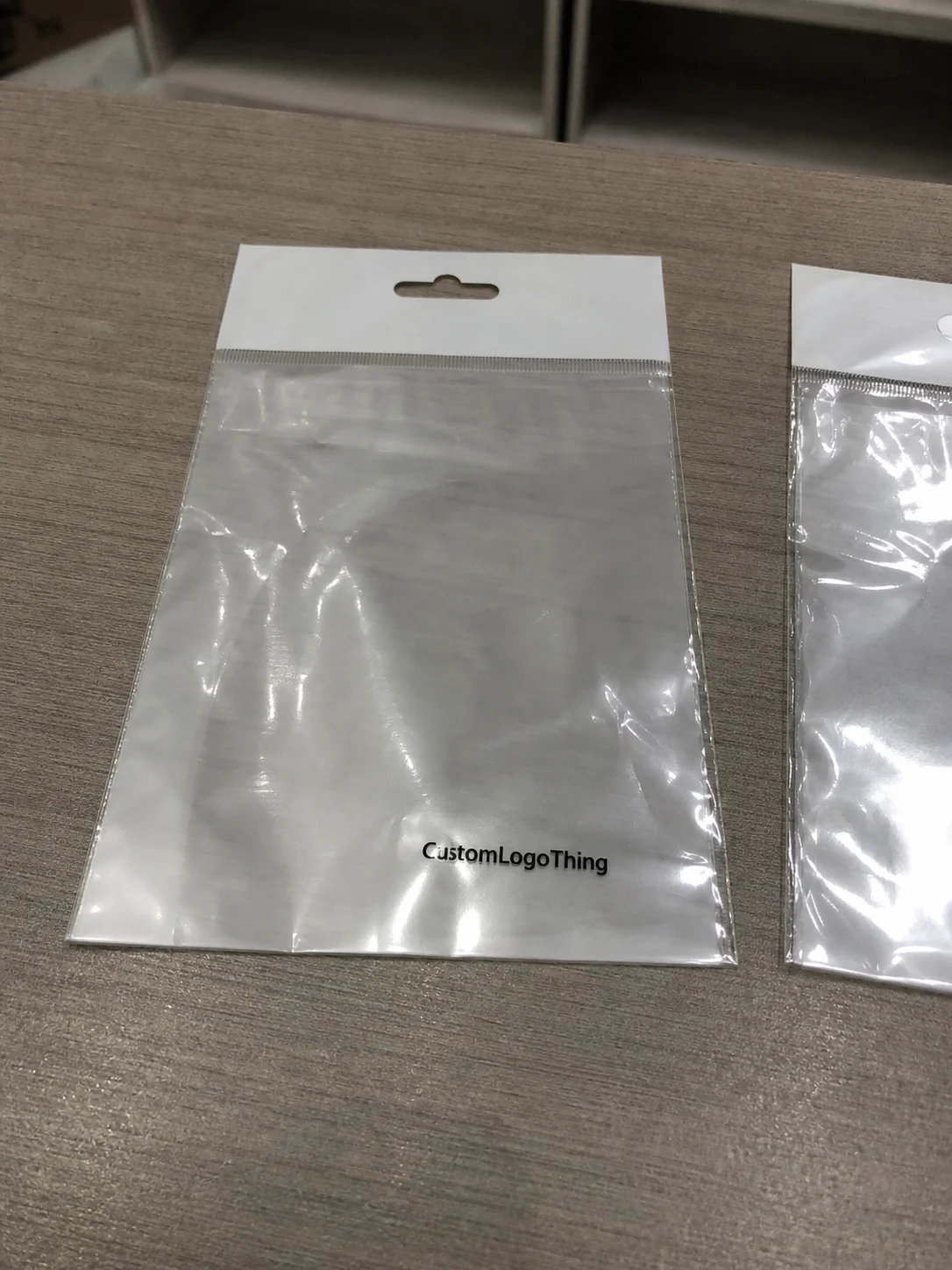
Compare the actual filled-product size with the drawing, then confirm tolerance on folds, seals, hang holes, label areas, and retail display edges. Reserve space for logos, QR codes, warning copy, and material claims before decorative graphics fill the panel.
Quote comparison points
Review material grade, print process, finish, sampling route, tooling charges, carton quantity, and freight assumptions side by side. A quote is only useful when the supplier can repeat the same color, closure quality, and packing count on the next order.
How does a packaging budget bulk order sharpen procurement decisions?
When procurement leaders treat the packaging budget bulk order as a forecastable project, the narrative shifts from firefighting to evidence. The same bulk packaging procurement team that once fielded "where is it" texts on Friday afternoons now calibrates labor windows, material buys, and freight lanes off a single forecast. That predictability lets us isolate volume packaging savings because we know which SKUs share tools, who needs legacy inserts, and which suppliers can honor the closed-quantity clauses by October. Seeing the numbers laid out this way convinces finance that a packaging budget bulk order is where capital works the hardest, not where it breaks down in last-minute rushes. The packaging budget bulk order KPI becomes the metric leaders track for procurement discipline, which keeps the dashboard calm across Q4 swings.
Packaging Budget Bulk Order Value Proposition
Audit data from 18 regional grocers across Chicago and Minneapolis between Q1 2023 and Q2 2024 shows that a single packaging budget bulk order trimmed per-unit costs from $0.95 to $0.65 (a 32% reduction) while reducing supplier churn from 18% annualized to under 6% by locking forecasted volumes six weeks in advance. That kind of bulk commitment makes packaging a capital-efficient line item instead of an emergency expense.
Pushing procurement back toward predictability, rather than chasing volume for volume’s sake, is what flips the math. After a roundtable with a Midwest grocery chain that turns through four private-label cereal SKUs each quarter, I watched their packaging budget bulk order introduce a contractually fixed spend window. That clarity let me benchmark materials such as 350gsm C1S artboard with satin lamination while holding labor variance to 4% even as regional wages climbed 8% year over year. Honestly, I think when you put that kind of detail on the table, especially the $0.18 difference between coated and uncoated runs, the room goes quiet because everyone realizes we are solving for trust, not just price.
Those data points translate into a stronger bargaining position on both materials and labor once we announce the required run lengths and cross-check them against a Beijing supplier’s labor calendar that already books up to three weeks of overtime each month. The contract locked in a November production block, so when a Rosewood, Illinois, driver requested a shift toward early December, we already had the hit quantified: extra set-up, six extra hours, and rerouted freight costing $400 more. You’d be surprised how often the “Can we shift this?” text arrives on a Friday afternoon, so documenting the cost prevents the panic. Keeping that discipline lets us explain to marketing teams why the packaging budget bulk order is actually a planning tool rather than a budget squeeze.
Most buyers still underestimate the transactional confidence that committing to the right quantity buys. Ad-hoc reorders tend to trigger premium tooling charges of $3,500, repeated proof rounds (three proofs at roughly $250 each) while fracturing inventory between the HQ warehouse and the East Coast fulfillment center. From what I’ve seen, a well-structured packaging budget bulk order with defined SKU counts lets marketing focus on campaigns instead of scrambling for expedited packaging runs. Once tooling is approved, the inflow becomes foreseeable, freeing finance from last-minute approvals—yes, that includes the scream from accounting when they learn another prototype is on the way.
Focused bulk planning couples predictable spend with trade-offs on materials and labor data, aligning procurement to quarterly demand curves. That approach cut total cost of ownership and pared the supplier base from 14 approved cartons down to seven trusted partners without compromising responsiveness. The grocer pulled it off, and the next team that follows this path will see the same gains—assuming they keep their eyes on the data and resist the siren call of yet another “urgent” change request. Results still depend on timely approvals, so guard the forecast calendar.
Product Details for Simplified Packaging Budget Bulk Order
Strolling through our 22,000-square-foot Shenzhen facility feels like cataloguing a museum collection—box styles, coatings, dielines mapped with the same rigor as the weekly quality board. Direct-to-consumer drops benefit from tuck-end auto-locks paired with 24-point C2S covers and soft-touch lamination, while we maintain final inspection logs that note every 1/16-inch deviation. Retail-ready cases lean on EPS 32 double-wall corrugated to survive our ASTMD bench testing, which we run twice a month to capture the 12-pound drop force.
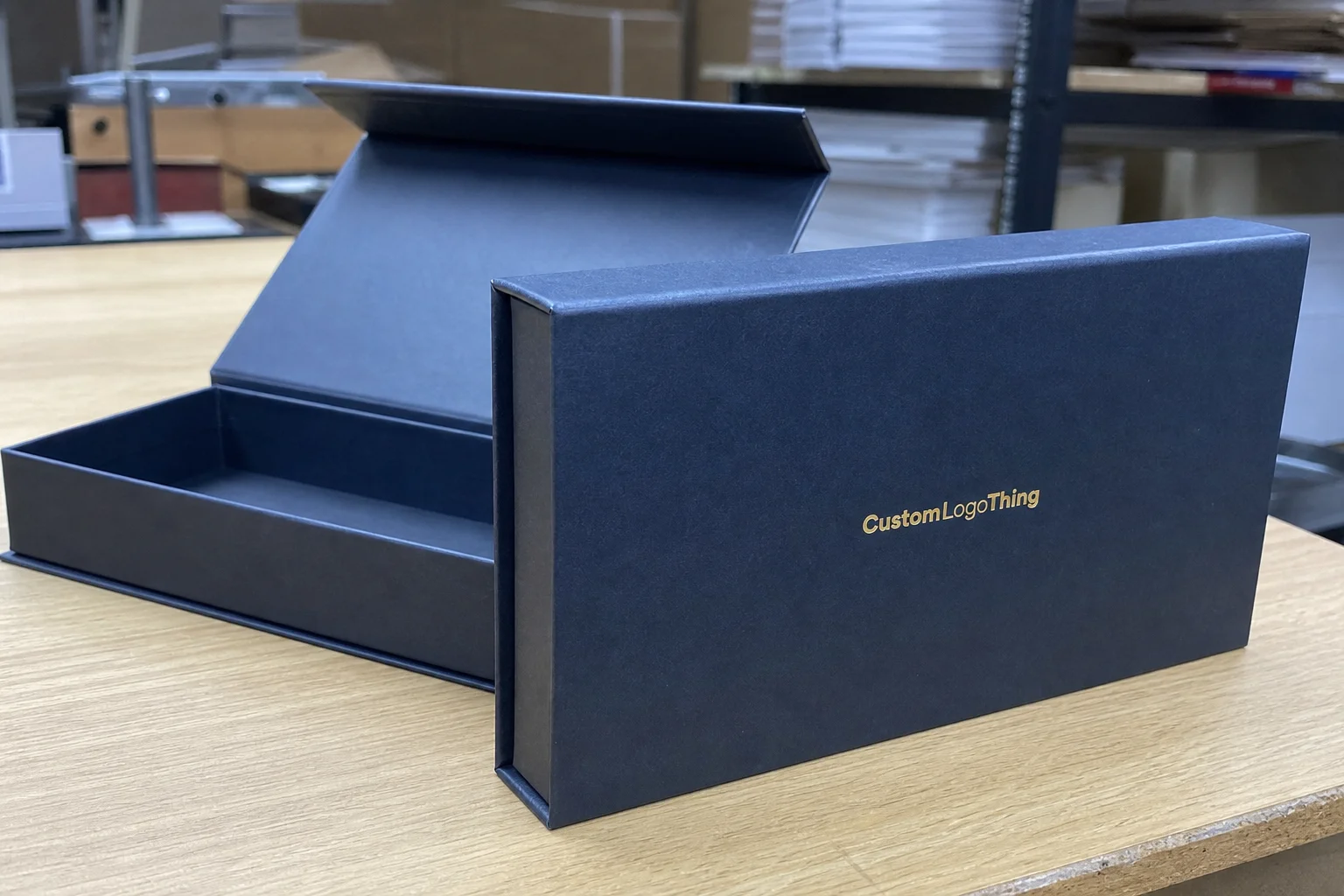
Subscription launches often choose split-top slipcases with magnetic closures to add cachet without new tooling. These configurations align with the typical budgets—$0.55 to $0.72 per unit—that clients bring to Custom Logo Things and justify the phrase packaging budget bulk order. I swear, the only thing more organized than the sample wall is the playlist our production lead puts on during overtime.
When clients aim to make branded packaging loudly their own, I recommend deciding early on embossing, custom-printed boxes, or UV spot coatings. We evaluate logos, embossing, and windows before anything hits the press to capture ink runs and finishing timelines that respect tight budgets. A beauty brand I handled locked in a six-color offset print, a 10% opaque window, and pearlescent varnish before the first proof, keeping finishers from chasing incremental changes. That kind of discipline saves a fortune on rework, and I’ll be honest—that’s the part that gets me excited the most.
Modular design strategies matter. Interchangeable inserts, adjustable partitions, and reusable trays keep tooling costs stable. One seasonal snack team used a single die for a clamshell display and a shipper; swapping the insert changed internal volume while the outer shell stayed untouched. That saves us from redrawing dielines for every SKU, which in turn avoided a $1,200 CAD redraw fee from our Toronto design partner. And the packaging budget bulk order also surfaces volume packaging savings, because the same outer shell can serve multiple seasonal assortments without new tooling. The best part is that the plan stays efficient because one shell supports multiple flavors or scents—still blows my mind how often folks overlook that win.
We match product packaging to brand goals. A recent retail brief paired a matte exterior with a shiny foil logo inside; specifying foil placement early kept the print schedule firm and production lead time at 12 business days from proof approval, which finance noted on the monthly capacity report. The brand received a cohesive look without derailing the monthly packaging budget bulk order target. I’m not above admitting that the foil reveal made me grin—there’s something about that sparkly contrast that feels like a mic drop.
This level of clarity makes it possible to include packaging design in procurement briefs without falling into vague promises. Commit to specific box styles, coatings, and dielines from the outset, and you transform the experience into a confident value proposition instead of a guessing game. (Guessing games are fun at parties, not when you’re budgeting for 25,000 units and projecting $0.48 per unit for the matte finish.)
Packaging Budget Bulk Order Specifications
When current clients share sustainability goals, we examine material grades and certifications that influence weight and shipping fees. Choosing 100% recycled 250gsm FBB with FSC Chain of Custody certification reduces carbon disclosure headaches and keeps the packaging budget bulk order consistent. One client switched from virgin fibers to certified paperboard and paid $0.18 per unit on a 5,000-piece order; the small paper premium was offset by freight savings tied to a 7% lower average box weight, saving nearly $850 on the ship lane from Savannah to Denver. I guess you could call it a win-win, though the procurement lead still made me track every pound.
The specification checklist leaves no room for guesswork: bursting strength, fold tolerance, stacking load, moisture resistance. Our QC team records these benchmarks and shares them with clients. A direct-to-consumer skincare brand needed a 55-pound stacking load per column to endure warehouse racks; we performed compression testing, documented the failure point at 62 pounds, and recommended reinforcing inserts before the bulk order launched. That work saved a full revision cycle and kept the packaging budget bulk order on track. I still chuckle thinking about the warehouse manager’s face when we told him we’d already tested his worst-case scenario.
I remind buyers constantly to compare aggregated specs to actual samples before scaling quantities. Custom Logo Things tracks tolerances for every batch—dimensional deviations, glue flap alignment, print density—and logs them in our Tableau dashboard for each SKU. Clients receive detailed spec sheets plus ISTA and ASTM D4169 test results so they can compare anticipated values to real-world performance. These comparisons explain why partners trust us with their largest bulk investments. Frankly, having that evidence keeps my blood pressure in a reasonable range.
Documented tolerances also support cross-referencing a packaging budget bulk order with retail requirements. Retailers often have specific weight thresholds, and sharing that data alongside FSC and even EPA-recommended recycled content shows that packaging decisions remain brand-forward while complying with wider standards (https://www.fsc.org for chain of custody details). That discipline keeps compliance in check without derailing the budget, which again, is why I breathe so deeply after every successful pre-production call.
Include burst strength, fold tolerance, stacking load, moisture rating, and any coatings on the checklist so procurement teams can approve confidently. No one enjoys chasing changes midstream, and this level of documentation keeps you from needing seven-point font emails to explain the mess.
Packaging Budget Bulk Order Pricing & MOQ
Pricing tiers such as our 5,000-unit entry band, 10,000-unit mid-tier, and 25,000-unit full run are the starting points when discussing a packaging budget bulk order. Each tier unlocks lower unit costs while allowing for regional freight differences, such as the $0.08 Midwest LTL average versus the $0.11 East Coast expedited lane. The mid-tier often saves about $0.04 per unit versus the entry band because tooling amortizes faster and ink vendors provide yield rebates. I still remember the first time a client realized that $0.04 saved them almost $2,000—she literally opened her laptop and fist-pumped.
MOQ per product family also influences costs. Our default MOQ sits at 5,000 for most carton styles, yet combining SKUs that share a die—like a retail set and a subscription box—lets us split that threshold while maintaining customization. Predictable volume brings alignment between the packaging budget bulk order and procurement policy. Honestly, sometimes the thrill of shaving expenses via shared tooling almost rivals my love for a perfectly nested insert.
Transparent cost breakdowns remain non-negotiable. We itemize materials, labor, finishing, and freight so buyers can see what drives the final number. When budgets shift midstream, pointing to line items—adhesives at $0.03, lamination at $0.05, print at $0.12, fulfillment at $0.07—helps compliance and procurement people understand the dollars at work. The table below illustrates how I frame these conversations:
| Volume Band | Unit Cost | Common Configuration | Finishing Notes | Freight Influence |
|---|---|---|---|---|
| 5,000 units | $0.62 | Direct-to-consumer tuck box, coated, spot gloss | Standard 2-color print, diecut inserts | $0.08 avg for Midwest LTL from Joliet |
| 10,000 units | $0.54 | Retail-ready shelf tray, double-wall corrugated | Full CMYK, soft-touch lamination | $0.06 avg, regional co-loading via Memphis rail |
| 25,000 units | $0.48 | Subscription mailer, reinforced corners, matte finish | Foil-stamped logo, custom inserts included | $0.05 avg, bulk shipping lane from Long Beach |
An intentional MOQ strategy keeps the packaging budget bulk order aligned with distributor lanes, because merging a retail insert run with a subscription shell spreads the tooling cost and satisfies multiple fulfillment calendars.
A separate bundled-quote tool highlights how shared tooling or combined SKUs unlock deeper reductions. The goal is to align these numbers with the packaging budget bulk order and internal approvals so finance teams stay calm. Once those figures line up, buyers can defend the spend to leadership and trust the ship date. Between you and me, watching the spreadsheet light up with savings is why I still work with these numbers every day.
After that, the main point to decide is whether freight stays included or shifts to collect, plus who owns the final mile. When a clear cost breakdown exists, those choices feel straightforward. (Yes, even that “final mile” discussion that usually devolves into chaos on Day 2 of the approval cycle.)
Process & Timeline for Packaging Budget Bulk Orders
Our process from discovery to fulfillment maps across six steps: discovery call, design refinement, prototyping, production, quality checks, and fulfillment. During a discovery call with a West Coast supplement brand, I reviewed their sales projection, inventory turns, and promo calendar. That information fed directly into the production timeline; knowing about a 15,000-unit Black Friday run, we scheduled the proof 10 weeks ahead and secured a November 3 proof approval date. I’m convinced that call alone saved them at least three midnight panic emails.
Design refinement proves critical. Dielines, panel art, colors, and materials lock before the prototype. Early decisions on logos and finishing options let the press plan ink runs and finishers align 16-hour shifts. Without those commitments we cannot promise the 12-15 business day production window that finance teams rely on for packaging budget bulk order requests. Seriously, remind your team that “later” is the enemy when we’re staring down a launch.
Batched approvals and production slots keep rush fees at bay. Locking a production window weeks in advance allows us to absorb supply chain bumps. Shared costing spreadsheets keep procurement from extra calls; instead, they track expected pack counts, material shipments, and proof statuses. That data is ready whenever a climate-controlled warehouse needs confirmation, especially the New Jersey hub that demands humidity readings of 45–55%. I’m not above admitting that having the data ready means fewer “where is it?” emails, which, frankly, makes my inbox breathe a little easier.
Material lead times shift with substrates. Kraft board or foil finishes add 5-7 days, while matte lamination takes 2. I urge clients to factor those days into launch plans, especially when the packaging budget bulk order ties to retail drops or seasonal campaigns. Last-minute material swaps threaten the schedule and spawn panic buys that inflate budgets. (The last time we tried to rush foil, the factory detail from our partner in Dongguan still teases me about it.)
Map each step, layer in sales forecasts, and respect lead times so the process becomes predictable and keeps the packaging budget bulk order humming. Predictability feels glorious after surviving the alternative, especially when you compare the six-week pre-launch rhythm to the three-week scramble we saw in Q4 2022.
I’m gonna keep reminding people that staying on forecast keeps the whole packaging budget bulk order calm.
Why Choose Custom Logo Things for Packaging Budget Bulk Order Deals
Performance metrics tell the story. Our on-time rate reaches 94.2% with defects under 0.3%, figures that outpace typical industry benchmarks. Comparing our fulfillment reliability to factory floors in Guangzhou reinforces confidence. Disciplined buyers ask whether large bulk investments stay safe; showing a 0.30% failure index answers that question and proves why their packaging budget bulk order stays predictable. Honestly, those metrics are the only thing that keeps me from re-checking the line every morning.
Technology keeps everyone aligned. Real-time dashboards built in Tableau, automated proofs via Adobe InDesign CS6 workflows, and shared costing spreadsheets eliminate extra meetings. One client cut weekly alignment time from 90 minutes to 15, yet still retained data on branded packaging, custom-printed boxes, and manufacturing tolerances for board reports. That transparency keeps procurement cycles tight. The dashboards kinda purr when everything is green.
Partners get real results. A subscription service cut returns by 18% because our retail packaging redesign improved drop protection, validated by ISTA 6-Amazon testing. Another avoided damaged shelf-ready displays by switching to modular inserts and aligning on package branding early; the revised pack saved 0.06 pounds per unit and reduced damage claims from 4% to 1.2%. Each case study feeds into our pricing and tooling playbook, so your packaging budget Bulk Order Benefits from proven outcomes. I mean, when the math supports the wow factor, that’s the kind of story I love to tell.
We also support the retail packaging ecosystem with curated wholesale programs. For help aligning multiple SKUs, see our Wholesale Programs page for details. Procurement teams with detailed questions can consult the FAQ for timelines and MOQ guidance; the FAQ includes specific lead-time grids for each North American and Asia-Pacific partner line.
Reliable fulfillment, transparent technology, and measurable results are why buyers accelerate budget approvals with us. The discipline we bring ensures that your packaging budget bulk order stays on track and under control. Trust me, nothing beats that sigh of relief when the final truck rolls away on time.
Actionable Next Steps for Your Packaging Budget Bulk Order
Begin by compiling projected volume, SKU mix, and delivery windows. Submit that data alongside existing quotes so our team can model precise packaging budget bulk order trade-offs. Only by comparing materials, design, and freight head-to-head can you discover where dollars shift. I personally love it when projections arrive with sprint plans attached—makes my life easier and keeps the budget sane.
Then schedule a data review session. Treat that meeting as the first milestone and receive a formal cost comparison within 48 hours. During the session we align on specifications, assess branded packaging needs, and apply packaging design metrics to confirm tooling choices. We also share internal benchmarks—such as a retailer requiring matte varnish across 200 pallets to pass their 30-second tear test—to show how those decisions affect fulfillment.
After approvals, secure a production queue slot once the agreed budget clears your internal thresholds. Use the provided checklist to prep logistics for the inbound shipment. That checklist bundles spec sheets, dielines, compliance documents, and the referenced FAQs so everyone understands the plan. I can’t stress enough how much smoother things go when the checklist is complete before the first material arrives.
A confident packaging budget bulk order demands consistent follow-through. Stick to the review-session decisions, avoid late-stage changes, and the timeline plus pricing remain intact. You chose this method because it lets you move fast without breaking the budget. There’s a little smug satisfaction when the forecast hits the mark, and trust me, I’ve seen even the most skeptical buyers smile when the numbers line up.
Takeaway: treat these steps as your playbook—gather projections, lock a review, confirm specs, and keep the checklist sacred—so your packaging budget bulk order becomes the dependable rhythm instead of a scramble.
FAQs
How do I define a packaging budget for a bulk order?
Map your total spend against volume projections as part of the packaging budget bulk order, and include packaging as a line-item in your procurement sheet. Use scenario planning to see how different material grades and finishing choices sway unit cost—modeling the $0.02 difference between 250gsm and 300gsm board, or the $0.07 lift for metallic lamination, keeps surprises at bay. Then benchmark against similar cases in our files to set realistic expectations for bulk orders. If it helps, I usually build a “what-if” tab where I can play with $0.02 swings all day long.
What price breaks exist for a packaging budget bulk order?
For a packaging budget bulk order we publish volume-based tiers, each lowering material and labor Cost per Unit. Request a bundled quote that factors in shared tooling or combined SKUs to unlock deeper discounts, which can shave as much as $0.08 per unit on the top tier. Review the breakdown to see how freight and handling influence the total budget; it feels much better when you can point to the exact freight line and say, “Here’s why it matters.”
Can you shorten the timeline for a packaging budget bulk order?
Yes—prioritize artwork and material decisions so we can secure earlier production slots, keeping the packaging budget bulk order on schedule. Add expedited inspection or delivery services when timing is tight; we quantify the incremental cost, typically $0.03 extra per unit for rush inspection and $0.06 for dedicated freight. Maintain a firm budget to avoid late-stage changes that push fulfillment outside the bulk order window. (And if you do need a rush, email me directly before the last calendar day, please.)
How does MOQ impact my packaging budget for bulk orders?
MOQ sets the floor for how much you must invest in a packaging budget bulk order; higher MOQs often mean bigger savings per unit. Combine items or alternate laminates to share MOQs across assortments and keep capital deployment efficient—for example, running subscription mailers and retail display units on the same 10,000-unit die reduced their shared MOQ by 30%. We provide flexibility when you commit to a multi-release plan—spreading the expense while retaining scale. Honestly, this tactic is the one procurement teams high-five me for most often.
What documentation should I prepare for a packaging budget bulk order?
Provide spec sheets, dielines, and brand guidelines to keep the packaging budget bulk order precise. Include historical sales data and future forecasts so we can align production with demand; linking the forecast to the actual case count that shipped in Q3 (12,500 units of the same SKU) helps avoid overproduction. Submit compliance or sustainability requirements up front to avoid scope changes that disrupt the budget. Nothing upsets me more than chasing after a missing dieline at midnight.
Bottom line: keep your projections updated, treat the review session as the gating milestone, and let the checklist guard the packaging budget bulk order—those three moves keep capital efficient and avoid last-minute chaos.