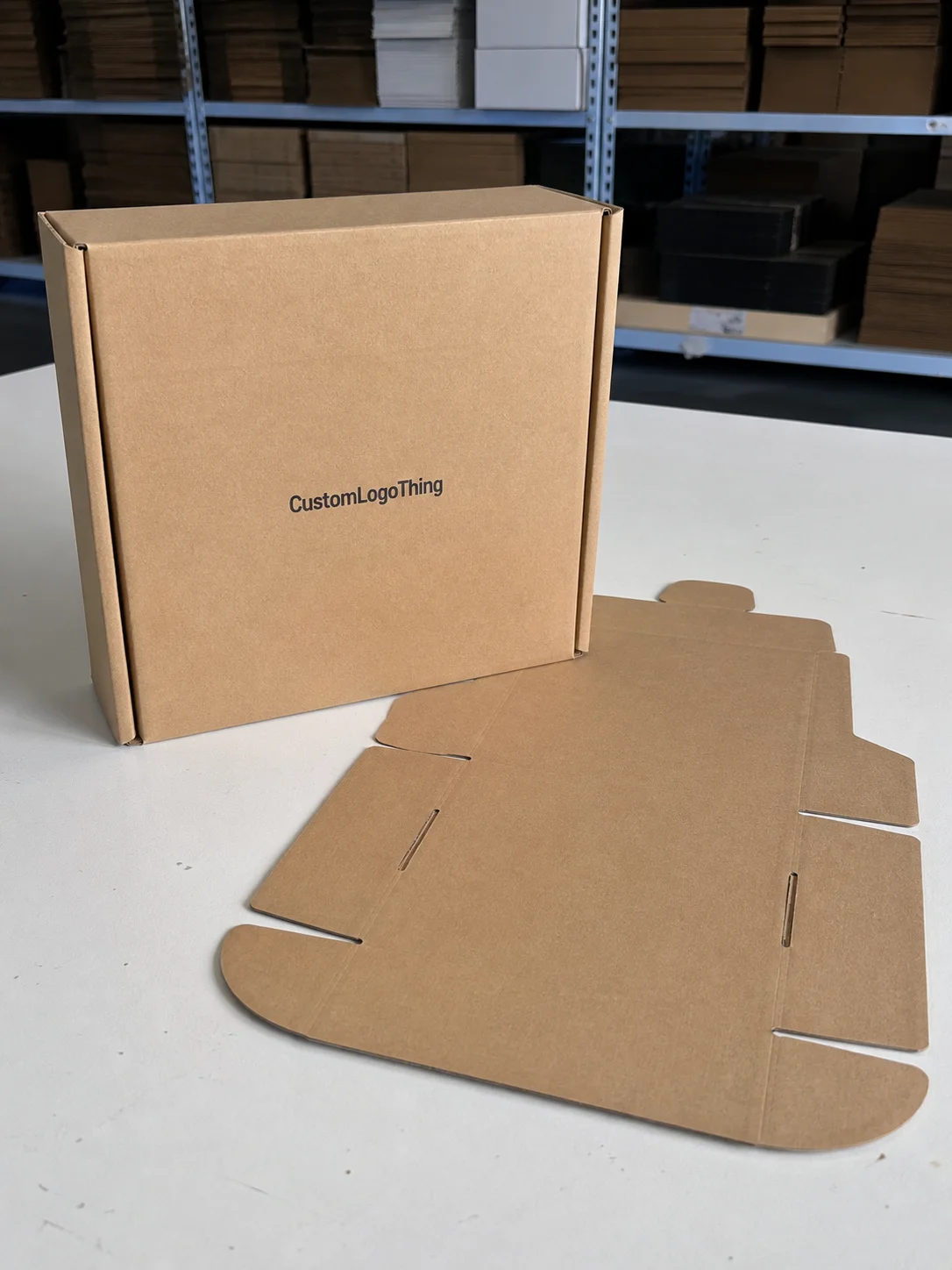
Buyer Fit Snapshot
| Best fit | Packaging Budget Supplier projects where brand print, material claims, artwork control, MOQ, and repeat-order consistency need to be specified before quoting. |
|---|---|
| Quote inputs | Share finished size, material target, print colors, finish, packing count, annual reorder estimate, ship-to region, and any compliance wording. |
| Proofing check | Approve dieline scale, logo placement, barcode or warning zones, color tolerance, closure strength, and carton packing before bulk production. |
| Main risk | Vague material claims, crowded artwork, missing packing details, or unclear freight terms can make a low unit price expensive after revisions. |
Fast answer: Packaging Budget Supplier: Material, Print, Proofing, and Reorder Risk should be specified like a repeatable production item. The safest quote records material, print method, finish, artwork proof, packing count, and reorder notes in one written spec.
Production checks before approval
Compare the actual filled-product size with the drawing, then confirm tolerance on folds, seals, hang holes, label areas, and retail display edges. Reserve space for logos, QR codes, warning copy, and material claims before decorative graphics fill the panel.
Quote comparison points
Review material grade, print process, finish, sampling route, tooling charges, carton quantity, and freight assumptions side by side. A quote is only useful when the supplier can repeat the same color, closure quality, and packing count on the next order.
If you’ve ever lined up three packaging quotes and felt your head start to spin, you’re in good company. The packaging budget supplier guide I keep coming back to in client conversations is simple at first glance and a little more complicated once the numbers start moving: the lowest sticker price seldom ends up being the lowest total cost after setup fees, freight, rejects, and schedule slip are counted properly. I watched a folding carton run at a converter outside Chicago come in $0.03 cheaper per unit, only for the buyer to lose the savings when 8,000 units had to be reordered after a board-strength issue showed up in transit.
That is why a strong packaging budget supplier guide is not about chasing bargain-bin pricing. It is about buying product packaging that protects what is inside, supports package branding, and stays inside a controlled spend. Whether you need custom printed boxes, corrugated mailers, rigid presentation boxes, or poly mailers, the right supplier should help trim waste without cutting away the parts that matter. A smart buyer is not hunting for the cheapest quote; they are hunting for the cleanest total outcome.
What a Packaging Budget Supplier Really Means
A true budget supplier in this packaging budget supplier guide sense is not a “cheap” supplier. It is a partner who can meet functional, branding, and delivery requirements at a controlled spend. In factory terms, that means the board caliper stays consistent, the print holds register across the sheet, the glue stands up under pressure, and the finished pack survives the actual shipping lane, whether that is parcel, pallet, or mixed freight. I have seen budget retail packaging for cosmetics look beautiful on a display table, then split at the seams after a humid ride through a non-conditioned warehouse because the adhesive choice was too light for the board.
People often mix up bargain sourcing with smart cost control, and the two are not the same. Bargain sourcing tends to strip away quality checks, choose thinner material than the application really needs, or bury charges in freight and tooling. Smart cost control, which is the real center of any packaging budget supplier guide, puts the savings where they belong: fewer print passes, simpler structure, standard sizes, and production locations that fit the volume. If you are ordering 2,500 units of a rigid box, a hand-finished foil pattern may look attractive, yet it can add labor minutes that stack up fast.
Budget suppliers usually save money in four main areas: material selection, print complexity, finishing, and run length. A 350gsm C1S artboard with a one-color black print will price differently from a 500gsm SBS carton with full-bleed CMYK, soft-touch lamination, and foil stamping. The same pattern shows up with corrugated: a B-flute mailer with single-color flexo is far easier to price than an E-flute mailer with interior print, spot UV, and custom inserts. A useful packaging budget supplier guide makes those tradeoffs visible instead of vague.
“The cheapest quote is often the most expensive lesson,” a plant manager told me during a corrugated run in Ohio, while we stood beside a die-cutter that had already sent 700 sheets into spoilage because the dieline had been approved with the wrong flap dimension.
That line stayed with me because it rings true every time. A supplier can be budget-friendly and still maintain consistent board caliper, print alignment, and glue integrity. They need a disciplined process and honest communication. That is the standard I look for every time I review a packaging budget supplier guide for a client.
How Budget Packaging Sourcing Works from Quote to Delivery
The sourcing flow is usually straightforward, and a good packaging budget supplier guide should lay it out clearly: request specs, receive quotes, review samples, approve dielines and artwork, enter production, then ship. It sounds simple because, on paper, it is. In practice, each step can move cost by dollars or stretch timing by weeks if the information is incomplete.
I remember a branded packaging project for a subscription beauty client where the first quote was built on estimated box dimensions. Once the actual product insert was measured, the carton needed an extra 4 mm in width and 2 mm in depth. That small change meant a new die, an adjusted carton layout, and a modest price increase. Not dramatic, but enough to change the margin calculation. A good packaging budget supplier guide helps buyers see that kind of domino effect before it lands in the budget.
MOQ, lead time, tooling, and setup charges all shape the final unit price. If you order 20,000 units, the plate charge and die charge get spread thin. If you order 1,000 units, those same fixed costs sit on a much smaller base and the unit cost climbs quickly. That is why digital printing can make sense for short runs of custom printed boxes, while offset printing usually becomes more attractive as volume rises. Flexographic printing is common for corrugated, especially when the graphics stay simple and the run is large enough to absorb setup time.
Production itself is rarely one single step. At a typical converter, I have watched printing, die-cutting, stripping, folding, gluing, and kitting happen in sequence, with quality checks at each handoff. A supplier may run offset sheets through a Heidelberg press, move them to a die-cutter, then send them through a folder-gluer line, and finish at a packing station. Every handoff creates room for either efficiency or error. That is why this packaging budget supplier guide keeps circling back to process discipline: one late approval can throw an entire production calendar off balance.
Changing a box size, board grade, or artwork after approval is one of the fastest ways to trigger rework. I have seen buyers approve a dieline before barcode placement was verified, only to discover the barcode sat too close to the fold and failed scan tests. That meant revised artwork, another prepress round, and extra time before shipment. If you want your packaging budget supplier guide to pay off, accuracy has to come before speed.
Key Cost Factors That Shape Supplier Pricing
Material cost is usually the first number buyers see, but it is only one slice of the price. Paperboard grade, flute type, recycled content, coating choice, inks, adhesives, and protective inserts all matter. A 32 ECT corrugated mailer with kraft linerboard will not price the same as a 44 ECT board with higher recycled content and a moisture-resistant coating. In a serious packaging budget supplier guide, that difference gets explained instead of buried behind the word “economy.”
Print complexity can move pricing faster than many buyers expect. Full-color coverage, metallic inks, spot colors, embossing, debossing, UV coating, and foil stamping each add labor, machine time, or materials. On a cosmetics line I reviewed in New Jersey, the client loved a gold foil accent on the lid of a rigid box, but the foil had to be run with tighter registration and extra inspection. That added cost was not huge per unit, yet on 15,000 boxes it became very visible. This is exactly the sort of thing a practical packaging budget supplier guide should flag early.
Labor and process costs sit in the background, though they are very real. Die-cutting, folding and gluing, quality checks, manual assembly, and shipment prep all require hands or machine time. Manual insertion of a paper tray or foam insert can add labor minutes that are easy to miss during quoting. The supplier who gives you a clean, itemized explanation is usually the one worth trusting. In my experience, transparent quoting is one of the clearest signs that your packaging budget supplier guide is on the right track.
Logistics Matter More Than many buyers think. Carton cube efficiency, pallet pattern, freight distance, import duties, and warehouse handling fees can reshape the landed cost. A box that nests badly on a pallet may cost more to ship than a slightly larger format that stacks efficiently. I have watched freight savings of 7% appear simply because a corrugated shipper was redesigned to fit 60 units per pallet layer instead of 52. If a supplier cannot separate unit price, tooling, and freight, your packaging budget supplier guide comparison will be distorted from the start.
For a useful external reference on sustainable material choices and environmental impact, the EPA’s packaging and waste resources are a solid starting point: EPA recycling and materials guidance. If your branded packaging is meant for retail shelves and end-of-life recovery matters, that context can shape material selection just as much as unit cost.
Step-by-Step: Choosing the Right Budget Supplier
Start with the requirements you control internally. What is the product weight, the packed dimensions, the shipping method, and the shelf presentation goal? A 200-gram supplement jar needs a different structure than a 1.5-kilogram candle set. I always tell buyers to write down the product size, tolerance range, target margin, and any retail packaging constraints before they request quotes. That one prep step makes the rest of the packaging budget supplier guide process much easier.
Then request samples or photo proof from at least three suppliers and inspect them with a real checklist. Look at print sharpness, board strength, glue line consistency, finish quality, and whether the box closes cleanly without bulging. If a sample carton has soft corners, weak joints, or color drift on one panel, that is useful information. I have rejected otherwise attractive custom printed boxes because the barcode area was smudged or the hinge score was too shallow for repeated opening. The sample tells you what the quote does not.
Next, compare total landed cost, not just unit price. Add freight, duties, sampling, remake risk, and packaging insert cost. I have seen a quote that looked 11% cheaper until the buyer added ocean freight, customs fees, and domestic transfer from port to warehouse. The savings vanished. A reliable packaging budget supplier guide should force apples-to-apples comparisons, because one supplier may quote FOB while another quotes delivered pricing.
Check production capability directly. Ask what equipment is in-house, what is outsourced, and what quality controls are used during each stage. A facility with its own prepress team, die shop, and folder-gluer line usually has better control over timing, though not always. Some smaller converters do excellent work with a tight partner network. The key is clarity. If they cannot explain whether they run offset, flexo, or digital in-house, your packaging budget supplier guide checklist should pause right there.
Communication is a real indicator of future performance. If revisions take two days now, they will probably take two days later. If artwork comments are vague or inconsistent, expect that to continue during production. I once worked with a supplier in Shenzhen that answered proof questions within four hours and caught a bleed issue before plates were made; that saved a client nearly a week. That kind of responsiveness is worth money, and a practical packaging budget supplier guide should treat it as a scoring factor, not a courtesy.
For packaging standards and qualification methods, the International Safe Transit Association is a good reference point, especially if you need shipping performance validated: ISTA testing standards. If the box has to survive parcel handling, vibration, compression, and drop conditions, that matters just as much as the design mockup.
You can also review compatible product options through Custom Packaging Products if you need to compare structures before you settle on a final spec. A smart packaging budget supplier guide is always grounded in a real package format, not just a price sheet.
Pricing, Lead Times, and the Tradeoffs You Should Expect
Run size drives pricing more than most buyers expect. Longer runs spread fixed costs across more units, which usually lowers unit price. Short runs are more flexible, especially for launches or seasonal branded packaging, but they cost more per piece because setup time does not shrink just because the order is smaller. That is a basic truth every packaging budget supplier guide should spell out plainly.
Lead times depend on where the bottleneck lives. Sample development can take 3 to 7 business days if the structure is simple, but custom inserts, complex finishes, or multiple proof revisions can stretch that. Prepress and plate creation may add another few days. Production might take 10 to 20 business days depending on print method and finishing steps. Shipping can be the wild card, especially on offshore orders where port congestion or customs holds add variability. I have had a corrugated program sit complete on the dock for six extra days because the booking rolled at the freight forwarder level. That kind of delay does not show up in the unit price, which is why the packaging budget supplier guide mindset matters so much.
Domestic and offshore production each have real tradeoffs. Domestic suppliers often offer shorter lead times, easier communication, and lower transit risk, but sometimes at a higher unit cost. Offshore sourcing can reduce piece price, especially for higher volumes, but it may involve more coordination, larger MOQs, and longer transit windows. Neither path is “better” by default. The best option depends on your launch date, cash flow, and inventory storage plan. A solid packaging budget supplier guide never treats one geography as automatically superior.
Rush orders are expensive for reasons that make sense on a shop floor. Overtime, expedited freight, limited material availability, and priority scheduling all add cost. A supplier may be able to turn a job in 5 business days instead of 15, but the premium can be meaningful. I have seen buyers pay a 22% rush surcharge because an e-commerce launch date was locked by marketing before production was confirmed. That is avoidable if the packaging budget supplier guide is used early, not after the campaign is already public.
Build a time buffer into both budget and schedule. A 5-day cushion sounds small, but it can protect you from one artwork correction, one freight delay, or one machine maintenance shutdown. In my experience, that buffer has saved more launches than any polished sales pitch ever has. Honestly, it’s kinda the difference between controlled spending and paying for panic.
Common Mistakes Buyers Make with Budget Suppliers
The biggest mistake is comparing quotes without matching specs. One supplier may quote thicker board, better print coverage, or more protective packaging, while another quotes a leaner build. If the dimensions, board grade, finishing, and delivery terms differ, the price comparison is misleading. I have seen procurement teams celebrate a lower quote only to discover the “savings” came from a reduced board caliper that increased denting in transit. A disciplined packaging budget supplier guide prevents that mistake.
Artwork approval is another common trap. Buyers sometimes approve the design before confirming dielines, bleed, glue flap placement, or barcode readability. That can create expensive rework. I once reviewed a set of custom printed boxes where the logo sat too close to a trim edge, and the cutter tolerance threatened to clip the brand mark on every 12th sheet. The fix was minor, but the delay was not. A strong packaging budget supplier guide always puts prepress before print.
Ignoring sample approval can lead to defects that are costly to correct later. Color-sensitive branding, tight-fitting inserts, and high-gloss finishes deserve physical approval whenever possible. Screens can hide subtle shifts in shade, texture, or reflection. I am a fan of signed samples because they create a clear point of reference if disputes arise. That small step is one of the most practical habits in any packaging budget supplier guide.
Transit performance gets overlooked far too often. A carton that looks good on a desk can fail under compression, vibration, or humidity. If your packaging collapses in the shipping lane, returns and damage claims can wipe out the low quote in a hurry. For companies running recycled or FSC-based programs, it is worth checking the Forest Stewardship Council’s material standards as well: FSC certification resources. That kind of material choice may support your sustainability goals while keeping your packaging budget supplier guide aligned with brand expectations.
Choosing solely by price can create hidden costs through slow communication, inconsistent quality, and late deliveries. I have had clients tell me they saved $0.02 per unit and then spent $1,800 on emergency freight because the cartons missed the launch window. That is not savings. That is a lesson. A real packaging budget supplier guide keeps the bigger picture visible.
Expert Tips for Saving Money Without Sacrificing Quality
Start by simplifying the structure where possible. Standard box sizes, fewer spot colors, and less labor-intensive finishing usually lower cost without hurting the customer experience. If your design team wants a soft-touch lamination, foil edge, and a custom insert, ask which one actually supports sales and which one merely looks nice on a sample table. In many cases, smart packaging design can save more than aggressive supplier haggling ever will. That is one of the clearest takeaways from any solid packaging budget supplier guide.
Optimize pack-out efficiency too. A carton that fits 48 units per master shipper instead of 40 can reduce freight cost, pallet count, and warehouse footprint. I have seen a move from one awkward carton dimension to a cleaner nested format cut annual freight spend by 6% on a mid-volume e-commerce line. That kind of change does not always require a new supplier, only a better spec. If your packaging budget supplier guide includes logistics math, you will spot those opportunities faster.
Consolidating SKUs or ordering in planned batches can also improve pricing. Suppliers like predictability because it helps them schedule materials and press time with fewer changeovers. If you can group multiple product packaging runs with similar board or print setups, you may gain better pricing power. I have negotiated with converters who dropped setup costs by 8% when two related SKUs were run back-to-back on the same sheet size. That is the kind of practical savings the packaging budget supplier guide should help unlock.
Use supplier prepress reviews early. Catching artwork mistakes before plates, dies, or digital proofing are finalized is much cheaper than fixing them after production starts. A misspelled claim, wrong barcode quiet zone, or off-center logo can cost far more than a careful 30-minute proof review. That review time is part of the smartest packaging budget supplier guide habits I know.
Here is the simple playbook I use with clients: gather current specs, request three apples-to-apples quotes, compare total landed cost, approve one physical sample, and build a reorder calendar so you never end up paying rush freight for avoidable delay. If you do those five things, you are already ahead of most buyers. If you need a starting point for formats and finishes, browse Custom Packaging Products while you define what belongs in your next packaging budget supplier guide.
My honest opinion? The best savings come from clarity, not pressure. When a buyer knows the board grade, print method, shipping lane, and timing window, the supplier can quote accurately and the relationship gets easier on both sides. That is the real payoff of a strong packaging budget supplier guide: fewer surprises, better boxes, and a budget that actually holds. Start with a matched spec sheet, insist on one signed sample, and compare landed cost instead of chasing the lowest line item.
FAQs
What should I ask in a packaging budget supplier guide comparison?
- Ask for material grade, print method, MOQ, tooling fees, lead time, freight terms, and whether samples are included.
- Request a full landed cost breakdown so you can compare suppliers on the same basis.
How do I know if a low packaging quote is actually a good deal?
- Check whether the quote includes the same board, finish, dimensions, and delivery terms as the other bids.
- Look for hidden costs like setup fees, remake charges, or expensive freight that can erase the savings.
What affects packaging supplier lead time the most?
- Artwork approval, die production, print method, finishing steps, and shipping distance are usually the biggest factors.
- Custom sizes, special coatings, and manual assembly can add extra days or weeks.
Can a budget packaging supplier still deliver premium-looking boxes?
- Yes, if the structure is efficient, the artwork is prepared correctly, and the finish choices are selected carefully.
- Smart material and print decisions often matter more than expensive decoration.
What is the safest way to reduce packaging costs?
- Standardize sizes, reduce unnecessary finishes, and compare total landed cost instead of unit price alone.
- Approve samples early and plan reorder timing so rush fees and preventable errors stay out of the budget.