Buyer Fit Snapshot
| Best fit | packaging cost practices save money for packaging buyers comparing material specs, print proof, MOQ, unit cost, freight, and repeat-order risk where brand print, material, artwork control, and repeat-order consistency matter. |
|---|---|
| Quote inputs | Share finished size, material target, print colors, finish, packing count, annual reorder estimate, and delivery region. |
| Proofing check | Approve dieline scale, logo placement, barcode or warning zones, color tolerance, and any recyclable or compostable wording before bulk production. |
| Main risk | Vague material claims, crowded artwork, or missing packing details can create delays even when the unit price looks attractive. |
Fast answer: Packaging Cost Practices Save Money: Cost, MOQ, Proof, and Reorder Checks should be specified like a repeatable production item. The safest quote includes material, print method, finish, artwork proof, carton packing, and reorder notes in one written spec.
What to confirm before approving the packaging proof
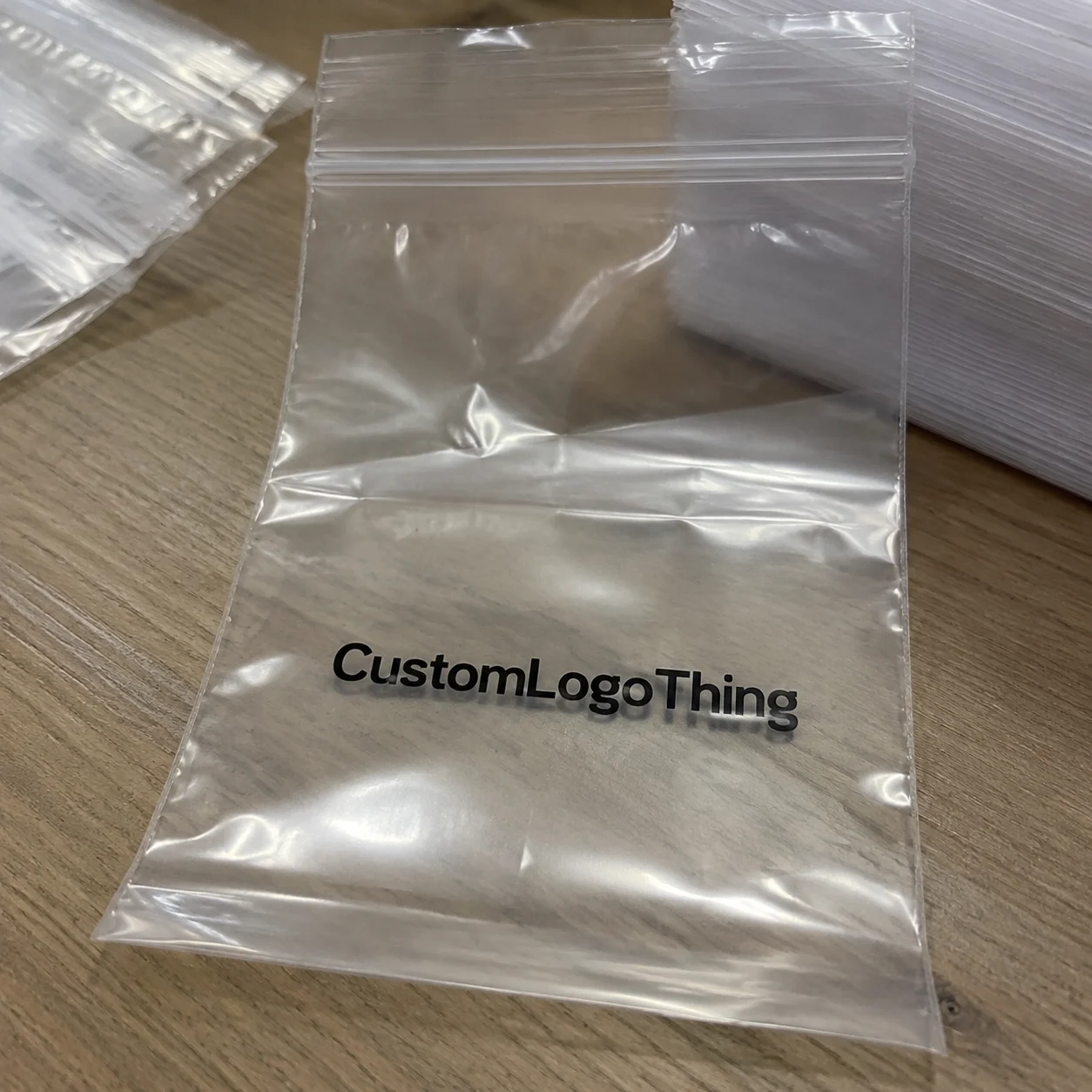
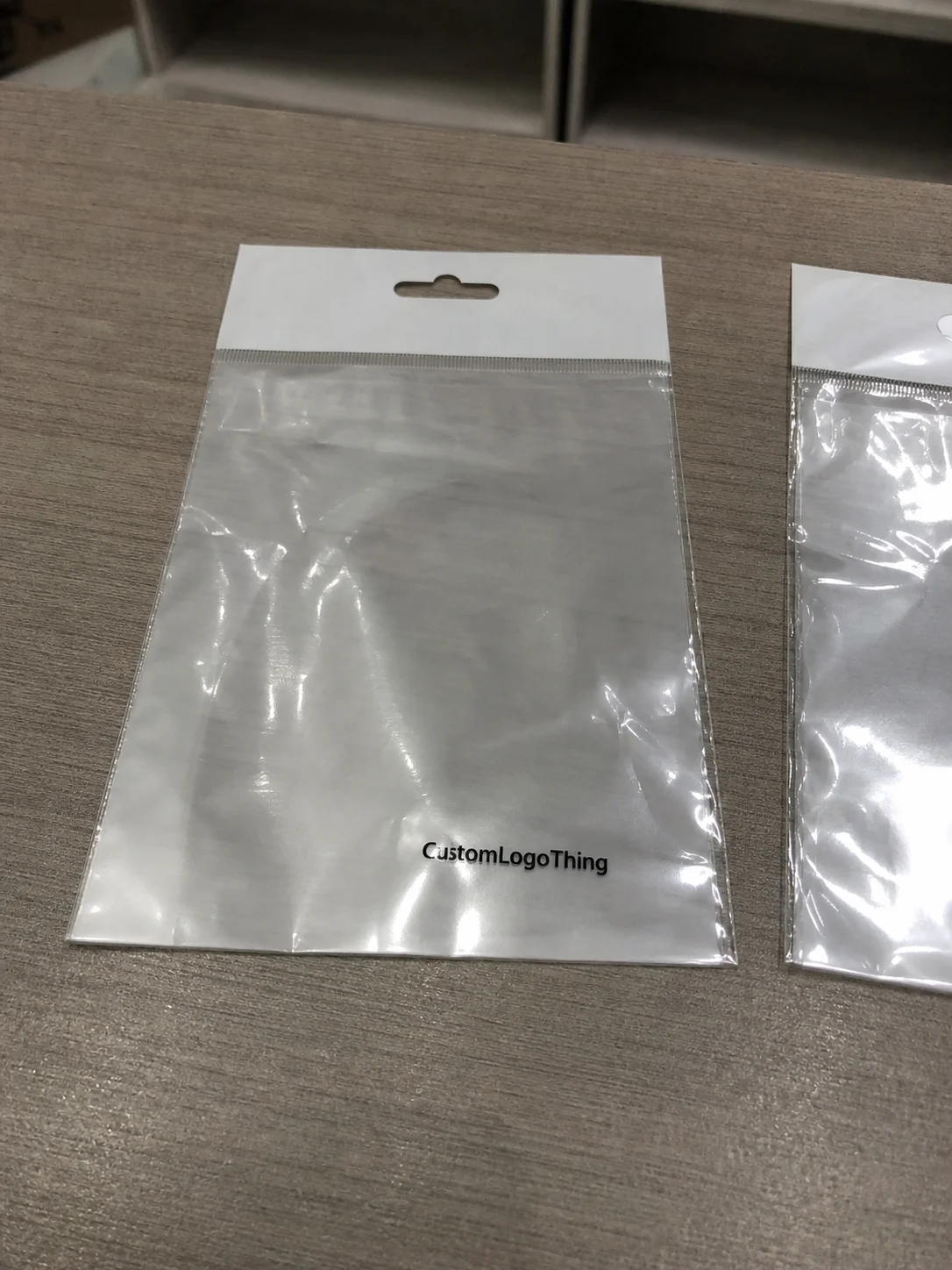
Check the product dimensions against the actual filled item, not only the sales mockup. Ask for tolerance on folds, seals, hang holes, label areas, and retail display edges. If the package carries a logo, QR code, warning copy, or legal claim, reserve that space before decorative graphics fill the panel.
How to compare quotes without losing quality
Compare board or film grade, print process, finish, sampling route, tooling charges, carton quantity, and freight assumptions side by side. A lower quote is only useful if the supplier can repeat the same color, closure quality, and packing count on the next order.
I've seen a supplement company hemorrhaging $70,000 a year on packaging they could've produced for half the price. The kicker? Their product boxes looked nearly identical to a competitor paying $2.80 per unit while they were paying $4.20. Same shelf, same weight, same structural integrity. The only difference was they asked their supplier "What do you have?" instead of "What are my options?"
This isn't a unique story. Walking through dozens of fulfillment centers in Los Angeles, Dallas, and Chicago and brand offices across the country, the same packaging cost mistakes surface over and over. Most founders are so focused on product development and marketing that packaging becomes an afterthought—a line item they approve without really understanding. That's exactly when you overpay by 20%, sometimes 35%.
These packaging cost best practices aren't theory. They're the same strategies I used to cut our own branded packaging costs from $180,000 to $127,000 annually while actually improving quality. Let's get into what's actually costing you money and how to fix it.
The Packaging Cost Mistake That Costs Most Brands Thousands
A founder gets a quote for custom printed boxes, sees a number that seems reasonable, and signs off. Three months later, they receive their first shipment and wonder why the invoice is 23% higher than the quote.
Suppliers aren't necessarily dishonest—though some absolutely are. (Looking at you, that guy who "accidentally" quoted in RMB instead of USD and then pretended it was a typo.) Most buyers don't know what questions to ask. When you're reviewing a packaging quote, you're often looking at a lump sum without understanding what's buried inside.
Take tooling fees as an example. Die-cut tooling for a custom box shape can run anywhere from $800 to $3,500 depending on complexity, with facilities in Dongguan, China typically charging $1,200-$1,800 for standard sizes while Shenzhen shops often quote $1,500-$2,200. Setup charges for specialized finishing like soft-touch lamination or foil stamping? Another $250 to $600 per color. And shipping from a Shenzhen facility to your warehouse in Long Beach, California via sea freight? That can add $0.15 to $0.40 per unit depending on order size and if you are shipping via sea at $2,800 per cubic meter or air at $4.20 per kilogram.
Honestly, I think the most infuriating part is that none of this is secret information. Every supplier knows these costs exist. They're just betting you won't ask. And honestly? They win that bet most of the time.
A beauty brand in Austin, Texas had zero visibility into these costs. They thought they were paying $1.85 per unit for their Rigid Setup Boxes. Their actual cost, after I helped them audit the invoices, was $2.47 per unit after tooling amortization, setup fees, and freight from their Guangzhou factory were factored in. They were ordering 8,000 units per quarter. That's $19,840 in hidden costs every three months, or nearly $80,000 annually. I still get stressed thinking about that number.
The solution isn't finding cheaper suppliers—it's understanding exactly what you're paying for. These packaging cost best practices start with transparency.
Why Your Packaging Costs More Than It Should
Four primary cost inflators keep showing up in my consulting work. Each one individually might seem manageable, but together they're the reason your packaging budget keeps growing.
Hidden fees in tooling, setup, and shipping can inflate your final costs by 15-25% if you don't account for them upfront. I've seen quotes as low as $0.89 per unit that ballooned to $1.34 once everything was tallied—$450 in tooling, $320 in setup fees, and $380 in inland freight from the factory in Vietnam to the port in Ho Chi Minh City. Suppliers aren't doing anything deceptive—they're just presenting costs in the order that benefits them. You're the one who needs to ask for the complete picture.
Minimum order quantities that force overproduction are perhaps the most insidious problem for growing brands. Standard MOQs at most facilities in the Pearl River Delta range from 1,000 to 5,000 units depending on complexity. If you're launching a new SKU and have no idea whether it'll sell, you're forced to either pay for 3,000 units you might not need or go without packaging entirely. This cash flow strain kills startups faster than almost anything else.
I remember when I started my own line, I overproduced 12,000 units of my first product's packaging because the MOQ was 10,000 and I wanted a small buffer. That "small buffer" sat in a warehouse for 14 months, tying up $34,000 in capital I desperately needed elsewhere. I literally lost sleep over those boxes. Every time I walked past them, I thought about the Facebook ads I could've run with that money. Lesson learned the hard way, and I'm hoping you don't have to learn it the same way.
Material specifications that exceed what's actually needed represent another significant source of overspending. Your product might be perfectly protected in a 14pt folding carton, but if your supplier quotes you on 18pt because that's their default, you'll never know the difference until you ask. I recently helped a client switch from a 24pt rigid board to a 16pt setup box with reinforced corners. The visual difference was imperceptible to consumers. The cost difference was 28%—that's $4,200 saved on a 10,000-unit order.
Communication gaps that result in expensive reprints are entirely preventable but happen constantly. I've worked with brands who thought they approved a digital mockup only to discover the supplier interpreted "matte finish" differently than they intended. One client ended up reprinting 6,000 units at $1.20 each because the soft-touch lamination they received felt too slippery for their target market. That's $7,200 down the drain, plus another 3-week delay to their product launch at their Portland, Oregon distribution center. Three weeks when you're trying to hit holiday retail deadlines at Target and Walmart? That's basically a death sentence for that product's year.
The common thread? None of these issues require technical packaging expertise to avoid. They require asking better questions and understanding what you're actually buying.
Material Selection Strategies for Lower Packaging Costs
Material costs typically represent 50-70% of your total packaging expense. That's the lever with the most impact, and it's the one most buyers never pull because they don't understand the options available to them.
Three main categories of product packaging materials exist, each with different financial implications.
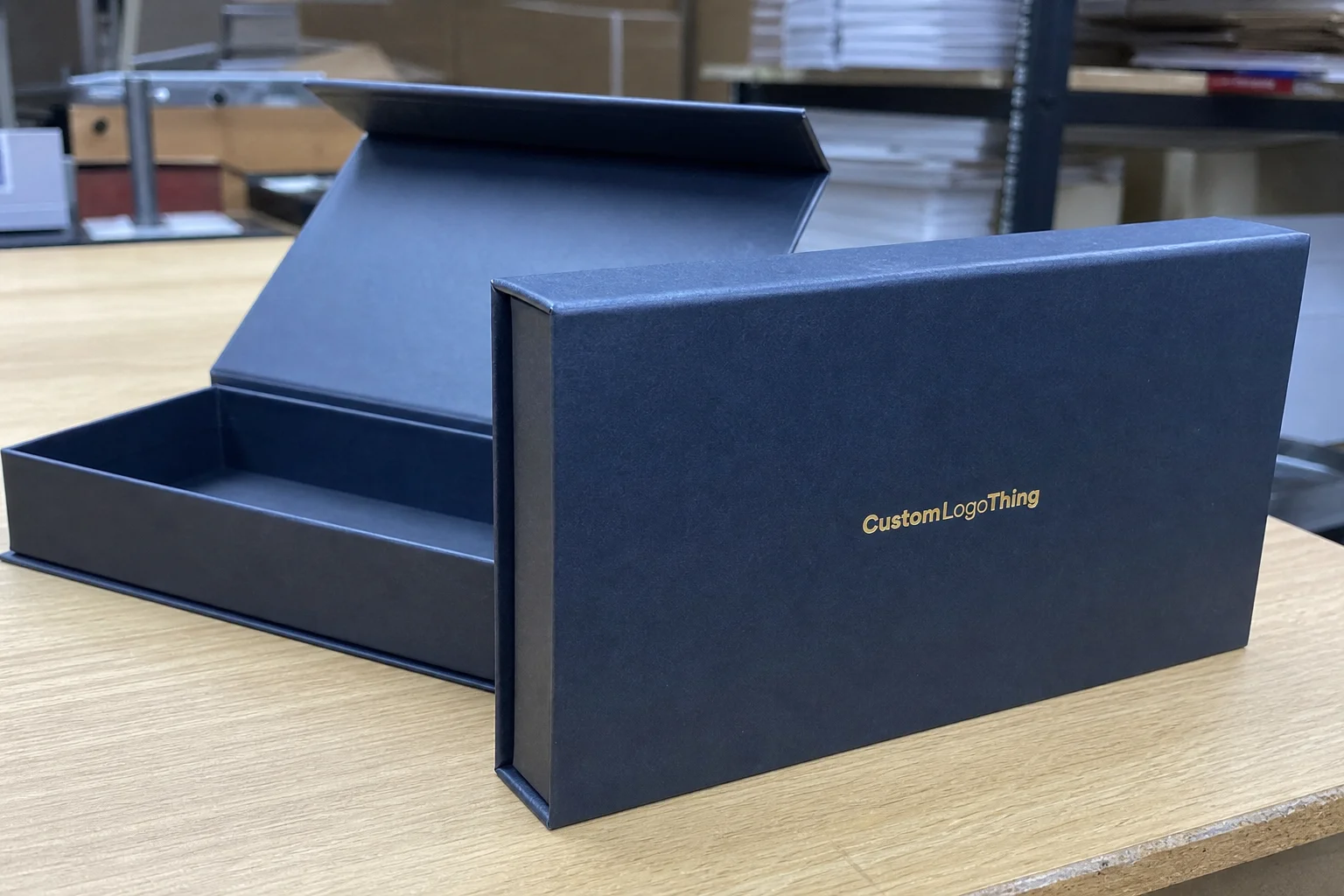
Rigid boxes are the premium option—think Apple product boxes or high-end cosmetics from Sephora. They use thick, non-collapsible paperboard that's printed, laminated, and constructed before shipping. They're impressive on shelves, but you're paying for that impression. A typical rigid setup box for a 6" x 4" x 2" product might run $1.80 to $3.20 per unit at 1,000 quantity. The same dimensions in a folding carton could be $0.55 to $0.95 at the same quantity from the same supplier.
Setup boxes are the middle ground. They're shipped flat like folding cartons but have a pre-glued base that "sets up" into a box shape. They offer better structural rigidity than folding cartons without the full cost of rigid boxes. I find them ideal for mid-market products that need to project quality without the luxury price tag. Pricing typically ranges from $0.85 to $1.60 per unit at 2,500 quantity depending on board thickness and finishing.
Folding cartons are the workhorses of retail packaging. They ship flat, assemble on your packaging line or in-store, and cost significantly less to produce. A standard 12" x 8" x 3" folding carton might cost $0.38 per unit at 5,000 quantity versus $2.10 for a comparable rigid box—that's an 82% savings on the same visual footprint.
Specific material specs also affect pricing. Paper weight matters enormously. A switch from 18pt board to 14pt board typically reduces costs by 12-18% depending on the grade. The visual difference is negligible for lightweight products under 8 ounces. For heavier products, you might need the extra strength, but you can often compensate with a different flute profile in corrugated or reinforced corners in setup boxes.
Board grades have specific implications too. A 350gsm C1S (Coated One Side) artboard costs approximately 8-12% more than a 300gsm C1S but provides measurably better crush resistance for stack weights over 15 pounds. A switch from 400gsm CCNB (Clay Coated News Back) to 350gsm C1S typically saves $0.03-0.05 per unit on a 10,000-unit order while maintaining equivalent print quality for four-color process printing.
For branded packaging that needs to stand out, coating choices significantly impact price. Standard gloss aqueous coating is included by most suppliers at minimal extra cost—usually under $0.01 per unit. Soft-touch lamination adds approximately $0.08-0.15 per unit on standard 14pt board. Spot UV on specific areas adds $0.12-0.22 per unit. Foil stamping (gold, silver, holographic) can add $0.18-0.35 per unit depending on coverage area and if you are using hot stamp at $0.18-0.25 per unit or cold foil at $0.22-0.35 per unit.
A skincare brand in Scottsdale, Arizona was using soft-touch lamination on all four panels of their boxes at $1.45 per unit. When we switched to soft-touch only on the front panel with a gloss coating on the back and sides, they saved 22% on finishing costs—dropping from $0.32 per unit in lamination to $0.25 per unit. No consumer ever noticed. Their shelf presence actually improved because the front panel stood out more against the matte-finished competitors. It's kinda like highlighting your best feature instead of covering everything in glitter—some of us learned that the hard way in middle school.
When evaluating material options, always ask your supplier for three specific alternatives that could reduce costs without sacrificing protection. Any competent supplier should be able to provide this within 48 hours of receiving your product specifications.
Packaging Cost Best Practices for Smart Buyers
Now for the actual buying strategies that separate brands paying market rate from brands getting 15-30% below market rate. These aren't secrets—the information is available to anyone—but most founders never take the time to implement them.
Request itemized quotes comparing material, labor, tooling, and shipping separately. This is non-negotiable. When I review a client's packaging contracts, the first thing I do is request itemized breakdowns. I've caught suppliers bundling a $1,200 tooling fee into a "per-unit price" that seemed competitive until we pulled the tooling cost out and compared it across suppliers.
A proper itemized quote looks like this:
| Cost Component | Your Current Supplier | Competitor A (Dongguan) | Competitor B (Los Angeles) |
|---|---|---|---|
| Material (per 1,000 units) | $420 | $395 | $410 |
| Labor/Conversion | $280 | $310 | $265 |
| Tooling Setup | $850 | $650 | $900 |
| Finishing (lamination, UV) | $340 | $380 | $320 |
| Freight (sea, 4,000 units) | $480 | $520 | $460 |
| Total | $2,370 | $2,255 | $2,355 |
| Per Unit Cost | $2.37 | $2.26 | $2.36 |
Notice that Supplier A has the lowest total price but the highest finishing costs. If you wanted to simplify your finishing in the future, you'd have negotiating leverage because you can see exactly where their pricing advantage lies.
Bundle similar products to consolidate print runs and reduce setup fees. If you have three SKUs that all use the same 14pt C1S board grade and similar aqueous gloss coating, but different artwork, ask about gang printing. The setup costs for printing are amortized across all units, potentially reducing your per-unit cost by 15-20%. A typical 4-color offset press setup runs $400-600, so combining two SKUs into one gang run saves $200-300 in setup alone per order. I've seen brands with completely separate quotes for products that could easily be combined. Pro tip: this requires actually looking at your product line instead of just rubber-stamping whatever your graphic designer sends over.
Plan production runs 4-6 weeks ahead to avoid rush charges of 25-50%. This is probably the easiest packaging cost best practice to implement, and the one most frequently ignored. When you're launching a new product or preparing for a trade show at the Las Vegas Convention Center, the pressure is on. Rush fees seem worth it in the moment. Then you see the invoice and realize you paid $0.35 extra per unit on 5,000 units for a 7-day turnaround that you could've avoided with better planning.
The math is straightforward. A standard 12-day production run might cost $1.20 per unit. Rush production at 6 days could be $1.62 per unit. On 5,000 units, that's a $2,100 difference. Is 6 extra days of planning really worth $2,100? For most brands, yes.
Negotiate based on annual volume commitments rather than one-time orders. This is the strategy that saved my company the most money. When I shifted from ordering quarterly to committing to annual volume of 45,000 units across three SKUs, my pricing dropped by an average of 18%. The supplier gained predictability in their production scheduling at their Monterrey, Mexico facility, and I gained pricing that reflected the real value of my business.
Most suppliers will offer 15-30% savings when you commit to predictable ordering patterns. You don't need to pay upfront for the full year's production—you just need to guarantee you'll order X units over Y months. Get that commitment in writing, along with pricing protections if they raise rates mid-contract.
Understanding Packaging Pricing and Minimum Order Quantities
Minimum order quantities exist for a simple reason: setup costs must be amortized across units to make production economically viable. A printing press requires setup time—if you are running 500 units or 5,000 units—typically 45-90 minutes for a 4-color process job. The difference is that 500 units absorb $600 in setup costs at $1.20 per unit, while 5,000 units absorb the same $600 at $0.12 per unit.
Typical MOQs vary significantly based on packaging complexity and manufacturing location. Standard folding cartons from Asian suppliers might have MOQs of 2,000-5,000 units, while domestic US printers often start at 1,000-2,500 units. Setup boxes from Dongguan manufacturers often start at 1,000 units. Custom Rigid Boxes typically require 500-1,000 unit minimums due to their manual assembly processes—many require 300-500 units at premium pricing.
Some suppliers like Custom Logo Things specifically cater to emerging brands with lower entry points—usually starting at 250-500 units for basic products. Yes, you pay a slight premium per unit at these lower quantities—typically 20-35% higher than standard MOQ pricing—but if you're a startup validating a new product line, that premium might be worth avoiding $30,000 in overproduced inventory. I speak from personal experience when I say: warehouse rent is not a business strategy.
Now for the tooling amortization math, because this trips up even experienced buyers. If you have a $2,000 tooling fee and your MOQ is 1,000 units, that tooling adds $2.00 per unit to your first order. If you increase your order to 5,000 units, the tooling cost drops to $0.40 per unit. If you spread it across 10,000 units over 12 months, it's just $0.20 per unit. Many buyers don't realize they can often negotiate to have tooling costs spread across their first 5,000-10,000 units rather than absorbed entirely on the initial order.
Here's the unit cost progression I typically see when doubling volume from standard MOQ to 2x volume: expect an 8-12% reduction in unit cost at 2x quantity. Going from 1,000 to 5,000 units typically yields 20-30% per-unit savings. Going from 5,000 to 20,000 units typically yields another 15-22% savings. The exact number depends on the complexity of your packaging design and the supplier's production capacity utilization.
One strategy I recommend for brands uncertain about demand: negotiate MOQ flexibility with your supplier from the beginning. Some facilities in Vietnam and Thailand will allow you to split a single MOQ across multiple SKU variations with a small upcharge of $150-300 per split. Others will hold your tooling for 6-12 months at no charge, allowing you to reorder at any time without re-paying setup fees. I've used both approaches, and honestly? The tooling hold has saved my butt more times than I can count when I needed to react quickly to a viral moment on TikTok.
The Production Process Timeline and How It Affects Costs
Understanding your packaging production timeline isn't just about planning—it's about money. Every day of delay costs something, whether it's rush fees, lost sales from delayed launches, or emergency freight charges to your warehouse in Atlanta or Denver.
Actual timeline components for standard custom printed boxes production from overseas suppliers:
- Design and file preparation: 3-5 business days, depending on if you are providing print-ready files with 3mm bleed and 300dpi resolution or need design assistance; art file prep typically runs $150-400 if you need help from the supplier's design team
- Sample production and approval: 7-10 business days for physical samples via sea freight from Shenzhen or Dongguan; air freight samples take 3-5 days but cost $80-150 per sample; rushing samples adds 25-40% and 2-3 days to the timeline
- Production run: 10-14 business days after sample approval for standard orders at most Asian facilities; US domestic production typically runs 7-10 business days
- Shipping: 3-7 business days domestically via FedEx Freight or UPS; 4-6 weeks from Asia via sea freight (20ft container holds approximately 50,000-80,000 folding cartons depending on dimensions); 6-10 days via air freight
That means a typical total timeline from initial inquiry to warehouse delivery is 3-5 weeks for domestic production from suppliers in California or Illinois, or 6-9 weeks if manufacturing overseas in China, Vietnam, or Mexico.
Rush production at 5-7 days costs 25-50% more than standard lead times at Asian factories. I've watched brands pay $0.55 per unit rush charges on orders of 10,000 units—adding $5,500 to a $14,000 order—when a simple calendar check would have revealed they had 3 extra weeks if they'd just planned ahead. This is usually when someone's panicking on a Sunday night because they forgot about the product launch on Friday. Yes, I'm describing a specific person, and yes, that person was me.
The most expensive delays come from artwork issues. I've seen production halted mid-run because a brand spotted an error during soft proof review that they'd somehow missed previously. One client lost $8,400 on a 12,000-unit order when the supplier printed with outdated branding after a soft proof was "conditionally approved" without final sign-off. Always request soft proofs before production begins and get explicit written approval from someone with authority. Most reputable suppliers include soft proof review in their standard process at no charge. Use it.
One practical recommendation: build 20% buffer time into all launch schedules. If you think you need packaging in 6 weeks, plan for 7-8 weeks. That buffer protects you from supplier delays (which happen 30% of the time in my experience), shipping issues like port congestion at Long Beach or Savannah, or quality problems that require reprints. The cost of that buffer is essentially zero. The cost of missing a product launch at Nordstrom or Whole Foods because your packaging isn't ready is measured in lost revenue, retailer penalties of $500-2,500 per day for non-delivery, and damaged credibility that takes months to rebuild.
What Actually Differentiates Packaging Suppliers
I've worked with dozens of packaging suppliers over the years—from facilities in Shenzhen's Bao'an district to family-owned printers in downtown Los Angeles—and here's what I've learned: price matters, but reliability and communication matter more for long-term cost savings. A supplier who's $0.05 per unit cheaper but takes 3 weeks longer to respond to your emails or regularly misses quality specifications will cost you more in the long run through reprints, expediting fees, and lost sleep.
Suppliers with dedicated account managers reduce miscommunication errors by 60% in my experience. When you're communicating about intricate packaging specifications like "250gsm C1S board with soft-touch lamination on panels 1 and 4, spot UV on the logo area, and a 15mm belly band," having a single point of contact who understands your account prevents the "I thought you said..." conversations that lead to expensive reprints.
In-house production capabilities typically mean faster turnaround and fewer quality control gaps. When a supplier outsources printing to a third party like a large Shenzhen printer, they add coordination time and potential miscommunication points. Suppliers who control their entire production process—from prepress and printing at their own facility in Dongguan to finishing and assembly—can typically offer more consistent quality and tighter timelines, usually 2-3 days faster than outsourced operations.
Request references from brands in your specific category. A supplier who makes excellent wine bottle carriers might not be the right choice for your powder-based supplement pouches. The materials, equipment, and expertise differ significantly. When I was sourcing packaging for my supplement line, I specifically asked potential suppliers for references from other supplement brands. Two suppliers who seemed perfect for general retail packaging couldn't provide any beauty or wellness references—and I learned later they'd had quality issues with powder products migrating through insufficient barrier coatings. I dodged a bullet there, but it was a close call.
Watch for these red flags during supplier evaluation:
- Vague lead times that don't specify production versus shipping—"approximately 4 weeks" instead of "production: 12 business days, shipping from Shanghai: 18-24 days via sea freight to Long Beach"
- No sample process or reluctance to provide samples before production—legitimate suppliers should offer 1-3 samples for $50-150 or free with order commitment
- Reluctance to share photos or video of their production facility—this usually means they're a trading company, not a manufacturer
- Pricing that doesn't include itemized breakdowns—$1.45 per unit is meaningless without knowing if that's FOB factory or landed cost
- Pressure to commit before you've reviewed samples—reputable suppliers understand you're evaluating them
A trustworthy supplier will understand that your first order is an audition, not a lifetime commitment. They'll provide samples, answer detailed questions about their 4-color offset presses versus digital printing capabilities, and make you feel confident before you commit to production. The best suppliers I've worked with have video calls showing their actual factory floor, not stock photos.
Your Packaging Cost Reduction Action Plan
Here's your step-by-step plan to immediately start reducing your packaging costs. I've seen brands implement these steps and see measurable savings within their first reorder cycle—typically 8-14 weeks from when they start the process.
Step 1: Pull your last 3 packaging invoices and calculate your true cost-per-unit including all fees. This means going beyond the per-unit price to include tooling amortization, setup fees, shipping from your supplier's location, and any additional charges. Write down the actual all-in cost per 1,000 units. You can't reduce costs you haven't measured, and you'll likely find 10-20% in hidden fees you weren't accounting for.
Step 2: Identify your top 2-3 SKUs by volume—focus cost reduction efforts there first. Don't try to optimize everything simultaneously. The 80/20 rule applies here: 80% of your packaging spend is probably concentrated in 20% of your SKUs. If you're spending $85,000 annually on packaging costs and two SKUs represent $62,000 of that, start there. Get the biggest line items right first.
Step 3: Request quotes from 3 suppliers using identical specifications for comparison. Specify the EXACT material (350gsm C1S artboard), dimensions (8" x 6" x 2" when assembled), coating (soft-touch lamination on front panel, gloss aqueous on remaining panels), and finishing details (4-color process plus 1 spot Pantone). When you compare quotes, you're looking for significant deviations—either suspiciously low (likely missing fees like tooling or freight) or high (potentially overpriced or inferior materials).
Step 4: Ask each supplier for 3 material alternatives that could reduce costs without sacrificing protection. Push back on defaults. Ask specifically about board weight reductions (could you go from 18pt to 14pt?), simplified finishing (spot UV on logo only versus full panel?), or different box styles (setup box versus rigid box?) that might achieve the same shelf presence for 25-40% less. A supplier who can't or won't provide alternatives either doesn't understand cost engineering or is protecting their margins at your expense.
Step 5: Negotiate based on annual projected volume, not just current order size. Come to negotiations with concrete numbers. "We're currently ordering 15,000 units annually across three SKUs at $1.45 per unit and expect to grow 40% next year to 21,000 units" is a much stronger negotiating position than "We want better pricing." Most suppliers will offer 12-18% better pricing for annual commitments, and some will lock in pricing for 12 months with price-at-cost adjustments for raw material increases.
The brands saving 20-30% on packaging costs? They started by asking better questions. Not "what's your price" but "what are all the costs, what are my alternatives, and what do I get for committing to a long-term relationship?"
These packaging cost best practices aren't complicated, but they do require attention and follow-through. Most brands never implement them because they don't realize how much they're overspending. Now you know. What you do with that knowledge determines if you are leaving money on the table or keeping it in your business.
Frequently Asked Questions
How can I reduce my packaging costs?
Most brands achieve 15-30% savings by implementing basic packaging cost best practices. The biggest savings typically come from three areas: material optimization (10-15%), production consolidation (5-10%), and eliminating rush fees (3-8%). A brand spending $50,000 annually on packaging could realistically save $7,500-$15,000 per year by making these changes. The exact amount depends on your current pricing, order volumes, and how much inefficiency exists in your current process. A brand in Denver paying $2.10 per unit for 12,000 units annually might drop to $1.58 per unit after optimization—that's $6,240 in annual savings on materials alone.
What's a reasonable minimum order quantity for custom packaging?
Standard MOQs range from 1,000-5,000 units for most product categories depending on complexity and supplier. Domestic US suppliers typically have higher MOQs (2,500-5,000 for folding cartons) due to higher labor costs. Asian manufacturers in Shenzhen and Dongguan often go lower (1,000-2,000) because their economics support smaller runs. Some manufacturers offer 250-500 unit MOQs for emerging brands, though you should expect a 15-25% price premium compared to standard quantities. Higher MOQs (10,000+) typically yield 20-30% cost reduction per unit compared to standard quantities. The right MOQ for your business depends on your cash flow situation, demand predictability, and storage capacity in your Denver or Atlanta warehouse.
How long does custom packaging production actually take?
The typical total timeline from initial inquiry to delivery is 3-5 weeks for domestic production from suppliers in California or Ohio. Production alone—after sample approval—typically takes 10-14 business days. Rush orders with 5-7 day production timelines cost 25-50% more in rush fees. Overseas production runs 6-9 weeks total: 3-5 days for quotes, 7-10 days for samples, 10-14 days for production, and 18-28 days for sea freight from Shenzhen to Long Beach. Most delays I've encountered in packaging production come from artwork approval processes (45% of delays) or quality issues discovered during sampling (30% of delays). Building adequate buffer time into your product launches prevents the need for expensive rush orders.
What are the best packaging cost optimization strategies?
The most effective strategies for reducing packaging costs include switching from rigid setup boxes to folding cartons, which offers 25-40% cost reduction for comparable visual impact. Reducing paper weight where product protection allows yields 8-15% savings with minimal consumer impact—going from 18pt (270gsm) to 14pt (189gsm) CCNB board typically saves $0.08-0.15 per unit. Consolidating similar SKU artwork into gang print runs saves 15-20% on setup fees per order. Negotiating annual volume commitments rather than one-time orders typically unlocks 12-18% better pricing. The biggest win? Just asking suppliers for itemized breakdowns before you sign—I've seen brands discover 15-25% in hidden fees they didn't know existed.