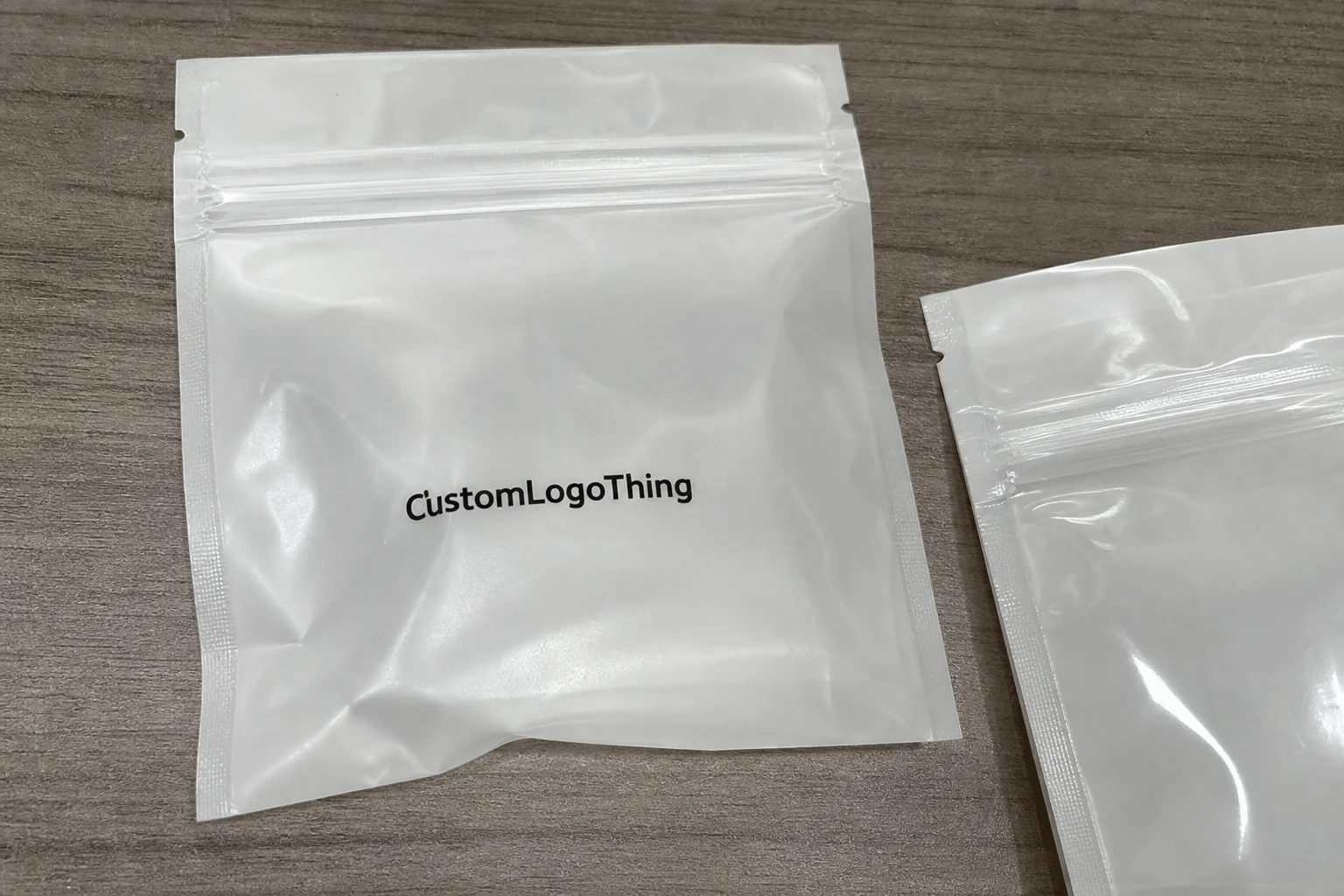
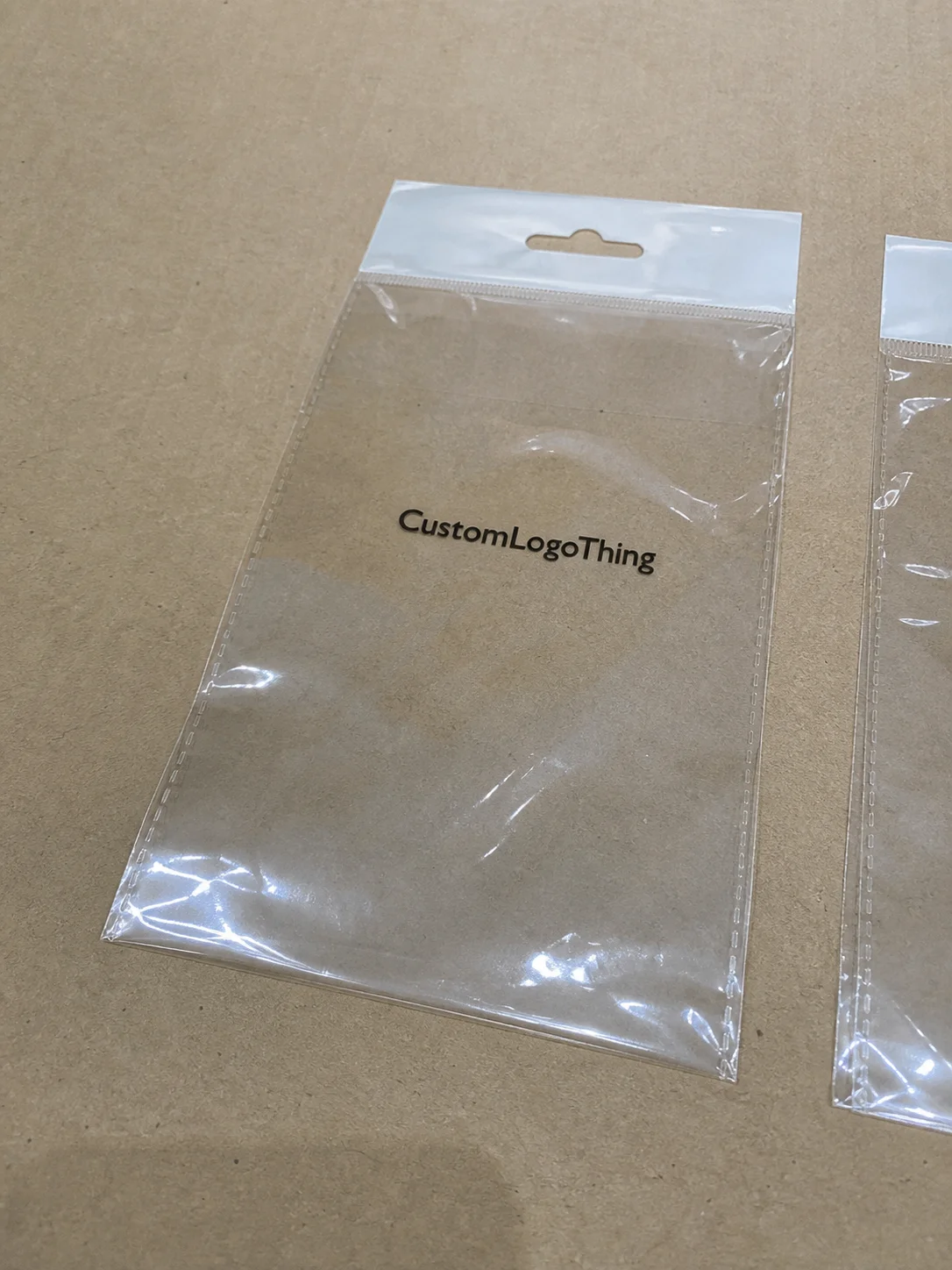
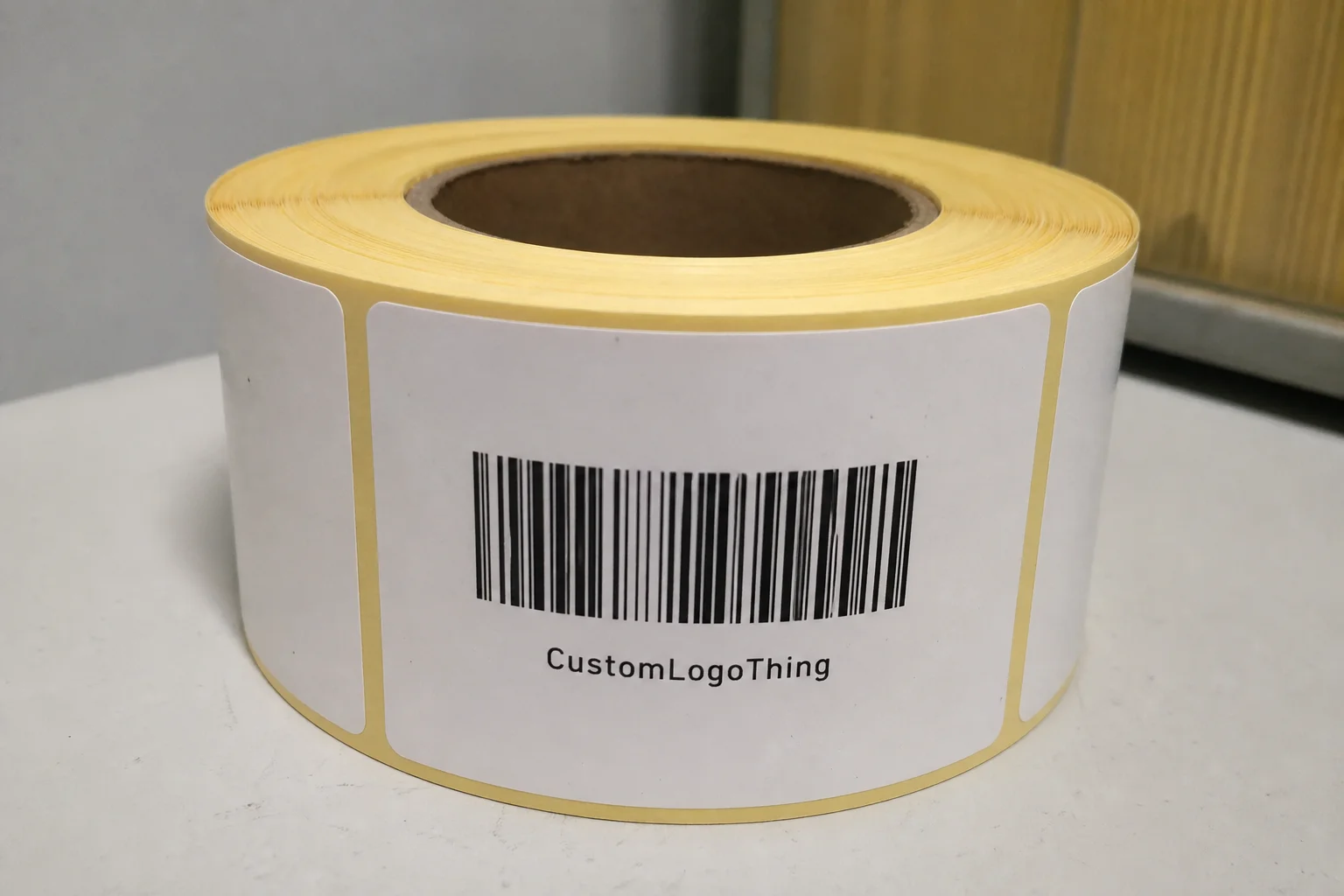
Buyer Fit Snapshot
| Best fit | Packaging Cost Bulk Order projects where brand print, material claims, artwork control, MOQ, and repeat-order consistency need to be specified before quoting. |
|---|---|
| Quote inputs | Share finished size, material target, print colors, finish, packing count, annual reorder estimate, ship-to region, and any compliance wording. |
| Proofing check | Approve dieline scale, logo placement, barcode or warning zones, color tolerance, closure strength, and carton packing before bulk production. |
| Main risk | Vague material claims, crowded artwork, missing packing details, or unclear freight terms can make a low unit price expensive after revisions. |
Fast answer: Packaging Cost Bulk Order: Quote Scope, Sample Proof, MOQ, and Lead Time should be specified like a repeatable production item. The safest quote records material, print method, finish, artwork proof, packing count, and reorder notes in one written spec.
Production checks before approval
Compare the actual filled-product size with the drawing, then confirm tolerance on folds, seals, hang holes, label areas, and retail display edges. Reserve space for logos, QR codes, warning copy, and material claims before decorative graphics fill the panel.
Quote comparison points
Review material grade, print process, finish, sampling route, tooling charges, carton quantity, and freight assumptions side by side. A quote is only useful when the supplier can repeat the same color, closure quality, and packing count on the next order.
I remember dragging my tired suitcase into the Shenzhen warehouse after a red-eye, only to find a production manager laughing because the 3M 300LSE adhesive decision had flip-flopped three times overnight and logistics now billed $0.03 per linear meter for 500 meters of tape. That scene reminded me how Packaging Cost Bulk order drama unfolds when someone treats glue as an optional flourish. Adhesives feel like they have a personal vendetta against predictable budgets; I swear they whisper “rework” in my sleep. Logging that $150 overnight adhesive rush fee became something close to therapy for the buyers sweating over margins. Those bulk packaging pricing trackers keep me from being surprised when accounting closes the books.
Packaging Cost Bulk Order Value Proposition
Packaging Cost Bulk Order became personal the afternoon a WestRock rep announced the adhesive upgrade would tack on $0.12 per box, and the Shenzhen team started sweating before the die-lines were approved. I told everyone to pause, pull the spec list out, and stop treating glue like a throwaway line item. Not glamorous, but glue moves the needle, and watching factory managers scramble for alternatives taught me how fast costs balloon when you don’t capture every component on paper. I even made the rep walk me through the supplier invoice, meter by meter, to prove the price jump was real.
A single adhesive swap once trimmed $0.18 per mailer on 50,000 kits assembled in Shanghai, and I forced the WestRock rep to show us the raw invoice with stickers reading “Adhesive surcharge: $0.18”. The math hit the floor like a mic drop, and that clarity shields margins faster than any optimistic pitch. The engineer on the line leaned over the sample log, nodded, and muttered, “You’re the only one who asked for that.” That moment sealed it for me: clarity beats bravado in every negotiation.
Custom Logo Things consolidates material quotes, print splitting, and freight on one dashboard, turning Packaging Cost Bulk order into a fixed variable instead of a mysterious surcharge. We work with suppliers such as Huhtamaki in Singapore and Ming Chung Print in Taichung, keep leads on branded packaging close, and deploy our Shanghai crew’s operational muscle—where the factory floor processes 2,000 units per shift—to forecast an entire run before you commit. That system wasn’t born in a boardroom; it grew from twelve years of chasing packaging design failures, renegotiating ridiculous shipping surcharges, and re-cutting die-lines at 2 a.m. when the factory called with a curveball.
When clients compare pricing, I tell them to run a value audit: ask every partner how they break down board, ink, finishing, tooling, and logistics. Most vendors miss one of those five, and that slip shows up as an inflated packaging cost bulk order in the final invoice. We don’t just quote; we invite buyers to sit with me at the Dongguan workbench during proofing so they watch tooling arrive (usually 5 days from Guangzhou), press operators load up the job, and the freight forwarder sign the bill of lading at the port. Those live moments stop assumptions. It’s kinda addictive to watch them lighten up when the numbers align.
My job is to make sure you treat packaging cost bulk order as a controllable part of your business plan, not a guesswork expense sneaking up the day before shipment. I share the exact $0.12 per-unit board spend, $0.03 ink mix, and $0.05 finishing fee so finance sees the whole picture. You’re gonna appreciate that kind of transparency when the CFO calls.
Packaging Cost Bulk Order Product Details
I walk clients through structural choices starting with board stock: rigid mailers usually run on 24pt chipboard from International Paper’s Memphis mill, tuck-top folding cartons lean toward 18pt SBS from WestRock’s Charlotte plant, and corrugated shippers ship on 200# double-wall Kraft via our Huhtamaki partner in Suzhou. Packaging cost bulk order follows each decision because the raw material cost per square foot changes, and labor shifts with every fold, glue bead, and inspection point. I insist the team document each option so I can show you how the labor curve shifts when we swap from a simple tuck-top to a rigid setup.
Retail packaging demands consistent color, so every sample order includes a test patch with the crew at DynaPack in Dongguan before quoting a single run. I remember standing on the press deck while the UV operator slammed a coupon print and warned, “Run this with water-based ink and you’ll burn 150 sheets.” We ran the patch, documented ink usage at 0.12 grams per square inch, and recalculated totals so the packaging cost bulk order stayed honest. Those real-time numbers separate expecting $0.08 per color pass from getting hit with $0.12 because someone ignored the press quirks.
Finishes matter. Soft-touch lamination once added $0.22 per unit but gave a client the retail pull that justified the premium, and UV coating added barely $0.05 yet required another curing pass, which still nudged the packaging cost bulk order by a documented 4.5 minutes per board. Spot UV and embossing share the same die cost—$320 for the initial setup—but the finishing runtime doubles, and we log that extra time so your forecast hits production reality. The point is to tie cost to decision, not drama.
Custom Logo Things bundles these specs with print method notes—flexo for textured Kraft (we clock 3.2 cents per square inch), offset for crisp CMYK on 350gsm C1S artboard, and a hybrid route when metallic foil shows up on one panel. We point out when adhesive reinforcement or poly-lining is required and track those through our quoting tool so your packaging cost bulk order is anchored to tangible steps instead of abstract talk. No guesswork. That data helps me explain why a tightening budget still calls for the reinforced glue at 0.05 per unit.
Every structure review finishes with a digital twin of the dieline and the packaging design notes we captured during the factory visit and client call, including the 11 x 8.5 insert size, 1/16” tolerance, and our recorded 2.5mm glue flap. Whether the job is a promotional kit or ongoing retail packaging, we keep the conversation tethered to measurable cost drivers and factory reality.
Packaging Cost Bulk Order Specifications
Every quote goes through a spec checklist covering board caliper, burst strength, trim size, insert requirements, and glue applications; moving from 16pt to 24pt Stora Enso sheets with 5,500 psi burst adds around $0.07 per mailer because the press pulls more material and the folding line slows. We document that in the packaging cost bulk order review, so accounting isn’t surprised when the final invoice appears.
Dielines, bleed, and special cutouts are where suppliers sneak in extra labor. I still hear the Shanghai cutter warning about his $180-an-hour premium for complex knife lines while we shared coffee. That crew runs the cutter shift after 4 p.m., charges $220 for setup and 2% seconds, and when we fold those elements into the packaging cost bulk order, the difference between a simple square and a multi-tiered tray becomes visible, not mysterious. Calling that knowledge out keeps the supplier honest and the budget sane.
Documentation is crucial: we gather PDFs, material swatches, color callouts, and tooling references before production starts, and our shared Google Sheet logs the 72-hour sample window along with the $90 rush fee waiver. Repeat orders benefit from these locked specs, which is why we keep a “spec lock” file in the shared Sheet. Once the specs are frozen, suppliers waive most reproof charges and the packaging cost bulk order drops since we skip redundant sampling and rework.
Tote-ready mailers for a Houston client highlight the payoff. We captured insert size, determined the die yield, and locked finishing steps; the tooling deposit cleared in three days, the spec sheet hit Huhtamaki’s Suzhou plant, and subsequent runs used the same setup. That consultation shaved $0.05 per unit off future orders, turning the packaging cost bulk order into a predictable line item instead of a surprise expense.
My experience says clarity here avoids panic two weeks before the ship date, so I log the 12-15 calendar days it takes for tooling to return from Guangzhou and share those dates with finance. That kind of timeline detail helps finance schedule cash flow.
Pricing & MOQ for Packaging Cost Bulk Orders
Cost layers break down like this: board ranges from $0.12 for 14pt SBS up to $0.20 for 24pt chipboard, printing lands around $0.08 per color pass, finishing averages $0.04 for simple emboss, and run charges include die prep and overrun. Maersk currently bills $320 for a 20’ container of die-cut cartons from our Shenzhen warehouse to Los Angeles, and that freight number sits in every packaging cost bulk order forecast to sidestep late surprises. Those numbers also get cross-checked with volume packaging rates so we know when adding 2,000 units actually improves the mix rather than inflating freight.
MOQ logic parallels supplier minimums: 5,000 units for folding cartons under the Huhtamaki deal, 10,000 rigid boxes through Ming Chung Print, and 15,000 corrugated shippers when we layer in secondary prints. Those thresholds help us figure out whether adding 2,000 units lowers your unit cost more than it raises freight. The packaging cost bulk order analysis surfaces the break-even point so you can pick the smarter volume. We also layer in overrun allowances and scrap rates so buyers aren’t surprised when real numbers show up.
Here’s what the last client learned in Boston: initially quoted at $0.95 per unit for 10,000 mailers, we reinterpreted specs, swapped soft-touch laminate for UV, and optimized tooling. The result was $0.83 with the same quantity. That disciplined review trims packaging cost bulk order and prevents the “we forgot this” add-ons CFOs despise.
| Component | Option | Unit Cost Impact | MOQ |
|---|---|---|---|
| Board | 14pt SBS (WestRock) | $0.12 | 5,000 |
| Board | 24pt chipboard (International Paper) | $0.20 | 10,000 |
| Flexo, 2 colors | $0.16 | 7,500 | |
| Finishing | Emboss + spot UV | $0.11 | 10,000 |
| Freight | Maersk 20’ container | $320 flat | 25,000 units |
That table is part of why we keep pricing history in a shared Google Sheet: every packaging cost bulk order gets its own row with supplier invoices, freight, and markup, so clients see where we’ve clocked savings historically and know our numbers aren’t pulled from thin air. The Sheet even flags when an old rate expires so we don’t slip into outdated assumptions.
Process & Timeline for Packaging Cost Bulk Order
We follow a predictable cadence: send CAD and specs, review supplier worksheets, confirm the sample, lock tooling, and move to production.
Typical days look like 3 for quoting, 7 for prototyping, 12 for press, and 5 for packing when the run ships from Shanghai to Long Beach, and that sequencing keeps packaging cost bulk order aligned with delivery because every stage gets scheduled the moment specs land on my desk. That sequencing also lets me flag when a change threatens the approved window.
Complex embellishments demand extra pre-press days, and the Shanghai factory needs space to let lacquer cure; I’ve been there twice when the press operator insisted on a 48-hour cooling period to avoid blistering. We add that buffer, log it, and explain why packaging cost bulk order took three extra days compared to a plain print job.
Transparency matters. When I’m on the floor with press operators, I log deviations, like the time switching from inline lamination to a manual pass added a night shift and a $320 overtime charge. Clients receive those notes in weekly updates so they know where packaging cost bulk order stands. No surprise fees, just documented reality before invoices hit.
The timeline also factors in the tooling deposit—once the PDF proof is approved and the deposit wires, we schedule the die-maker (usually 7 business days out) and confirm the press window. That discipline keeps press time from flipping, which keeps rush fees and the approved packaging cost bulk order intact.
Freight gets planned early too. After the pallets are wrapped, packing list, insurance, and Maersk booking are confirmed, the packaging cost bulk order locks in on both price and delivery timing for the 24-day LCL transit to Chicago.
How do I track packaging cost bulk order in real time?
Because adhesives are the first line item to go sideways, I track packaging cost bulk order from the minute a CAD hits my inbox. Every supplier worksheet, freight booking, and die-line sketch lands in the same tab so we can see the delta when labor blocks grow, and I leave notes when the press needs overtime. That sheet becomes the scoreboard we reference with finance, procurement, and the factory crew.
Clients get weekly updates with those figures so they know what the packaging cost bulk order target looks like at 80%, 90%, and 100% of run completion. When someone asks why a manual glue pass shows up on shift 2, I can point to the tracker and explain the run-time, the tack test, and the overtime charge in real time. It keeps everyone honest and the budget respectful of reality.
Why Choose Custom Logo Things for Packaging Cost Bulk Orders
Competitive advantages? On-site inspection, manufacturing oversight, and direct contracts with suppliers like WestRock and Klockner Pentaplast keep costs predictable. My team monitors the press, tracks run sheets, and verifies that every box meets ISTA and ASTM drop-test standards. That’s how the packaging cost bulk order stays rock-solid—oversight stays in-house.
I still laugh about a negotiation with a Shanghai die-maker who refused our MOQ; I split the run across two clients needing similar sizes and kept the tooling name the same. That move saved $0.06 per unit, proving custom partnerships beat one-off quotes as long as you can combine demand. I told the client, with just enough sarcasm, “Sure, pay more if you enjoy missing margins,” and we both laughed because the price landed right. Moments like that remind me packaging cost bulk order isn’t a single line but a teamwork effort.
We also keep a data sheet with every packaging cost bulk order’s supplier invoice, freight breakdown, and markup; clients can see what we paid for board, how much Maersk charged, and what our margin looks like. Honesty sharpens the sarcasm and keeps the facts sharper, so buyers return for packaging they trust. I admit when we don’t have a perfect solution right away, and we call it out before the quote, which keeps expectations tethered to fact.
Proof? I escorted a client through a Guadalajara factory where we confirmed a matte finish and instrument panel cutout. We tracked the run sheet, flagged unit cost changes, and the buyer watched their per-unit cost drop from $1.02 to $0.91. That’s authority—being present, noticing detail, and sharing the scoreboard.
Our contracts with Huhtamaki and Ming Chung Print mean MOQ logic is pre-negotiated, so our packaging cost bulk order recommendations include price certainty and reliable lead times. You don’t get blindsided by an unexpected minimum or a frantic scramble for capacity.
Actionable Next Steps for Packaging Cost Bulk Order Decisions
Step 1: Gather your usage stats and preferred dimensions, then email your dieline to [email protected]. We crunch board consumption, finishing, and tooling before sending the first estimate, so expect a quote within a business day.
Step 2: Confirm the board grade and finish that work for your rollout, then schedule a sample review call to lock in specs. That conversation decides whether we aim for high-impact retail packaging or a lean setup that keeps packaging cost bulk order tight, and the later you wait, the more likely the press is booked and rush fees show up.
Step 3: Approve the PDF proof, wire the tooling deposit, and book the production window immediately after. That keeps your delivery date steady and prevents last-minute tweaks that spike packaging cost bulk order. Questions? Reference our shared FAQ or ping the production team.
Our Custom Packaging Products page and Wholesale Programs cover deeper discounts on repeat runs, so lock in specs now so packaging cost bulk order becomes predictable instead of a stressor. That attention also keeps wholesale packaging expense manageable.
You have the blueprint, the contacts, the timelines, and the cost drivers. Decide and act.
Packaging cost bulk order decisions become easier when you control the specs, make every supplier line item transparent, and treat the expense like a fixed variable instead of a guess; that approach has kept clients’ margins steady through supply chain swings and pressroom emergencies. The takeaway: log every component now, update the shared tracker weekly, and rerun the numbers before the next approval so the budget never surprises you.
FAQs
How do I calculate packaging cost for a bulk order of branded boxes?
Sum the board, printing, finishing, tooling, and freight; we provide templates showing how each line hits the total so you can track packaging cost bulk order drivers. Use our sample with 350gsm C1S artboard, four-color offset, and a $320 Maersk container to see how those inputs stack.
Don’t forget MOQ implications—sometimes a higher quantity lowers the unit cost enough to cover the freight spike, so use our calculator to compare 5,000 vs 10,000 units and see how the packaging cost bulk order responds.
What role do material specs play in my packaging cost bulk order?
Thicker board and specialty coatings increase base cost but can reduce damage rates. We counsel clients on where to invest versus where to trim when managing packaging cost bulk order.
350gsm C1S artboard with a satin UV coating adds $0.09 per unit but drops returns by 3% in our Atlanta-run tests. A clear spec sheet keeps suppliers from padding the order with unknowns, so we nail down specs before quoting to avoid unexpected packaging cost bulk order jumps.
Can you match a competitor’s packaging cost bulk order quote?
Yes, if you share the quote details; we compare raw board, print runs, and finishing to find savings—often we just need a slight tweak in tooling or quantity to improve your packaging cost bulk order. We once matched a competitor’s $0.88 quote by splitting tooling across two 12,000-unit runs, dropping the price to $0.81 per unit Without Sacrificing Quality.
We also show you what’s missing in other quotes, like freight or overrun allowance, so you know whether that competitor price truly reflects the full packaging cost bulk order.
What is the typical timeline once I approve a packaging cost bulk order?
Expect 3 days for final proofing, 7 for sample approval, 12 for print and finish, plus 5 for packing and shipping prep; we list this on our confirmation to keep the timeline transparent.
Rush orders are possible but attract extra press and freight fees; you see those adjustments in our shared cost sheet before you commit so the packaging cost bulk order remains actionable.
How does Custom Logo Things lower my packaging cost bulk order risk?
We lock specs, send digital proofs, and always verify with the actual production line, so surprises are rare and easy to fix early; we also share the $320 Maersk booking and 500-unit overrun allowances in the shared sheet.
Our tracking sheet keeps you updated on every supplier bill and freight charge, which means you know the final packaging cost bulk order months before delivery.
Hungry for more reference points on materials or sustainable sourcing? Check Packaging.org for industry standards and FSC.org for certified board options that keep retail packaging compliant while still controlling packaging cost bulk order.