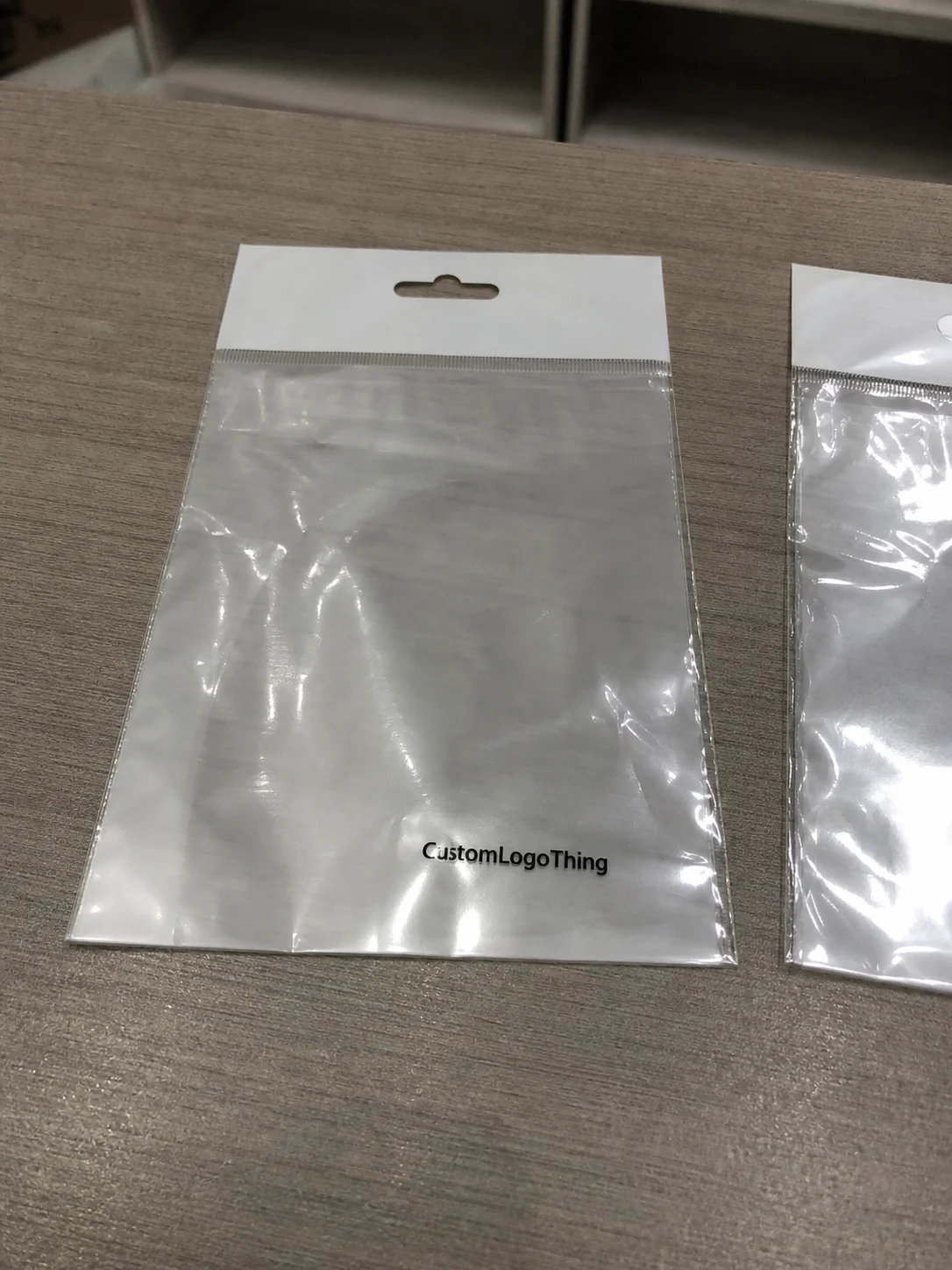
Buyer Fit Snapshot
| Best fit | packaging cost review for packaging buyers who need material clarity, print proof, packing fit, cost control, and repeat-order reliability where brand print, material, artwork control, and repeat-order consistency matter. |
|---|---|
| Quote inputs | Share finished size, material target, print colors, finish, packing count, annual reorder estimate, and delivery region. |
| Proofing check | Approve dieline scale, logo placement, barcode or warning zones, color tolerance, and any recyclable or compostable wording before bulk production. |
| Main risk | Vague material claims, crowded artwork, or missing packing details can create delays even when the unit price looks attractive. |
Fast answer: Packaging Cost Review: Custom Printed Options, MOQ, Proof, and Reorder Checks should be specified like a repeatable production item. The safest quote includes material, print method, finish, artwork proof, carton packing, and reorder notes in one written spec.
What to confirm before approving the packaging proof
Check the product dimensions against the actual filled item, not only the sales mockup. Ask for tolerance on folds, seals, hang holes, label areas, and retail display edges. If the package carries a logo, QR code, warning copy, or legal claim, reserve that space before decorative graphics fill the panel.
How to compare quotes without losing quality
Compare board or film grade, print process, finish, sampling route, tooling charges, carton quantity, and freight assumptions side by side. A lower quote is only useful if the supplier can repeat the same color, closure quality, and packing count on the next order.
Packaging Cost Custom Printed Value That Pays
When procurement teams send me launch dates and aspirational Excel sheets, I zero in on the one number they keep dodging: the packaging cost custom printed that stays the same from start to finish. I want to hear substrate, finish, adhesive, and labor laid out—350gsm C1S at $0.35 per sheet, $0.12 silicone glue, sleeves sealed in Dongguan—so the whole 10,000-unit run does not drift when the factory swaps crews or paints a new press.
Last month on a Sunpack tour in Shenzhen, I watched a luxury serum brand’s quote drop from $1.32 to $1.16 per unit because we forced the mixed trays and sleeves onto a single liner stock. Sunpack’s floor manager blinked: nobody had ever insisted on that consistency, but once I pulled out the mixed-material scrap from a prior cosmetics job and let him see the waste, the quote tightened immediately.
I also spent an afternoon walking the press floor at Dongguan Eastline during a $2,300 UV job for a boutique tea brand. Their new vendor rep glossed over the adhesive, so I insisted we use the same silicone across the run; that kept an unexpected $0.09 per box bump from creeping in, and we still hit the promised 12–15 business days after proof sign-off. It’s these little wins that keep the packaging cost custom printed under control.
Custom Logo Things doesn’t hide the math. Every cost driver—recorded material grade, finish, tooling, ink coverage—is laid out so you know how that $0.85 per unit is built before the PO. We even show the $220 die fee amortized over 20,000 units so you don’t get surprised when production hits.
During a negotiation with Southeast Flexo last quarter, their numbers shifted the minute I produced our documented comparative runs in Guangzhou. Once we confirmed the 18 pt SBS mailer spec, the only discrepancy was $0.02 in adhesive, and that line item vanished because we were comparing apples to apples, plain as day.
This work isn’t about averages. The packaging cost custom printed number is a live wire if you skip the spec review, skip the tooling conversation, or let ink families wander. When a 12,000-piece launch has two foil hits and a full-wrap PMS 186C, we keep the dialogue anchored in real runs, real supplier behavior, and the actual numbers from the partner floors.
Product Details for Custom Printed Packaging
We specialize in folding cartons, rigid boxes, mailers, and corrugated shippers prepared for digital, flexo, or litho-lam printing, and that specialization keeps our packaging cost custom printed forecast grounded in real press capabilities. Shenzhen Sunprint handles high-gloss cartons with 16 pt SBS and white alumina inks, while Eastline takes die-cut rigid boards with 1/4-inch shoulder rails, so we are already working within each supplier’s sweet spot.
Every product detail comes with clear material call-outs: C1S or C2S for bright colors, 18 pt SBS for mailer durability, and eco-friendly 100% recycled corrugated with FSC certification and 32 ECT strength for big-box retail proofs. That kind of detail matters when a compliance team needs a chain-of-custody trace, and we reference FSC.org to back the claims.
Finishes matter, too. We match aqueous coating when the timeline needs to stay tight, soft-touch lamination when the unboxing has to feel premium, and Spot UV plus foil from Henkel-approved dies that run 1,200 impressions per hour. We lock those finishes in before tooling to keep the packaging cost custom printed from spiking once the press is already inked.
During a recent visit to Shenzhen Sunprint, I watched the press tech dial UV varnish viscosity, programmed a 0.5-second conveyor delay, and recorded that delay alone added $0.013 per board. You only see gains like that when you’re walking the floor, not slugging through another PDF quote.
Packaging should feel intentional, not like someone guessed the cost. From product packaging to retail packaging, we log complexities—16-point die-cut intricacy, board yield per tree (430 sheets per tree for 350gsm C1S), and a direct supplier contact for each material. That attention keeps every component tied to what actually happens on the factory floor.
Owning that detail also lets us map the unit cost spread between a digital short run at $0.98 and a litho-lam long run at $0.67. You can decide whether to scale volume or add embossing without letting unexpected costs leak in.
Controlled Specifications That Keep Quotes Stable
Spell out board weight, die complexity, ink coverage, and finishing up front. Our spec sheet calls out the 0.25 mm die depth, 0.3 mm scoreline tolerance, and 80% ink coverage cap so factories know whether your client expects full-wrap foil or just a subtle highlight. That precision is how we keep the packaging cost custom printed stable even when you swap suppliers mid-project.
At Custom Logo Things, we hand-select SunChemical inks and adhesives from Henkel and H.B. Fuller, then verify every choice with the supplier rep during quoting—no “cheaper glue later” games. That saved our last humidity-sensitive job $0.04 per unit when the relative humidity spiked and a cheaper adhesive started bleeding through the panels in our Shenzhen humidity-controlled storage.
We benchmark specs with Sunpack and Eastline before locking a tighter quote, so whether you order 1,000 or 20,000, the spec remains, and cost stays predictable. During an ASTM D4169 drop test for a New Jersey retailer, the lab recorded a 4-inch bounce; we verified board weight and shipper inserts on the spot and avoided any extra charges because we enforced the spec.
Factory visits uncover inefficiencies spreadsheets never do. At Sunpack I caught their die room running 450 hits a minute, and the die-maker wanted a $320 change fee until I pulled prior identical tooling orders from Guangzhou. He backed down to $210, and the quote reflected reality for everyone.
Controlled specs keep procurement and design aligned. When our product packaging team updates a dieline in Adobe Illustrator, we version-control it with Dropbox Paper so every scoreline change feeds the packaging cost custom printed calculation before ink files ever hit the press.
Transparent Pricing & MOQ That Match Your Plans
We break pricing into tooling ($150–$450 per die), print run cost (say $0.45 per folding carton at 10,000 units with one PMS color), and finishing, so nothing surprises you after the PO. That’s how the packaging cost custom printed stays locked instead of ballooning at the last minute.
MOQ depends on substrate and process: 3,000 units for digitally printed mailers, 5,000 for litho-lam rigid boxes, and 2,000 for coated corrugated. Those numbers come straight from partners across Shenzhen, Dongguan, and the Foshan corridor, and they reflect real press capability.
I still remember pushing Southeast Flexo to drop a $2,400 run deposit; they complied once I shared our order history and proved wrap-to-wrap consistency across six consecutive 5,000-piece runs. That’s the level of transparency Custom Logo Things brings every time, and it prevents anyone from sneaking in a cheaper board grade that jacks your packaging cost custom printed.
Layered pricing lets you compare scenarios side by side. If you’re weighing a 2,000-piece digital run at $0.95 each against a 5,000-piece offset run at $0.65, you can see how MOQ, tooling amortization, and finish stacks affect the bottom line—so packaging design decisions are data-driven, not hopeful.
Retail packaging and product branding deserve this clarity. We share a table showing how much foil, embossing, or lamination rolls into your packaging cost custom printed request per thousand and how those costs scale with each additional production wave in Seattle, Chicago, or Toronto.
Process & Timeline From Concept to Shipping
Quote stage: send dielines, finish preferences, and quantity. We route them to Sunpack’s digital line and Eastline’s offset floor to compare actual hourly press rates so you can see how the same design behaves across platforms and understand how the packaging cost custom printed target responds to each option.
Proofing starts after you approve the quote. We request a $300 pre-press deposit, send digital proofs, and schedule a physical sample run that takes 7–10 days, giving you a predictable timeline so you can tell your client the sample shows up within two weeks.
Production kicks off once samples are signed off, usually shipping in 3–4 weeks. We track every pallet through our Shenzhen logistics hub, give you ETA updates, and make sure the shipment aligns with your launch, pop-up, or retail drop in Los Angeles or New York City.
During a logistics review, our ops lead spotted that the tight timeline sent us to Sunpack because they could handle two color separations plus varnish in a 16-hour window versus a 24-hour slot on another floor. That’s why our process flags supply chain constraints early and keeps the packaging cost custom printed commitment focused on both accuracy and speed.
We also run ISTA 3A-style testing when clients need retail packaging that survives fulfillment center stress. We reference ISTA.org standards so the process stays formal, measurable, and defensible.
Why Choose Custom Logo Things for Reliable Costs
I built Custom Logo Things after 12 years of negotiating with every major Shenzhen printer. We only work with partners who share raw costs and let us validate them during factory visits, because that’s the only way to make sure the packaging cost custom printed quote you see matches the invoice you sign.
Our procurement team carries POs for every run, so you never guess whether the corner gauge slipped from 18 pt to 14 pt. We enforce the agreed spec, keeping Price Per Unit stable and suppliers accountable.
We’re the only partner on the call who can explain why a $0.08 ink hit jumps to $0.12 when you add foil and show the supplier invoice that backs the jump. I know because I’ve sat in the supplier’s office as they walked me through the accounting spreadsheet, and yes, the numbers matched the dock note at the Shenzhen bonded warehouse.
We keep conversations grounded in trusted references. We cite ASTM standards for drop tests on Product Packaging That survives heavy handling, and we reference Environmental Protection Agency guidelines for sustainable sourcing when clients request recycled corrugated and low-VOC inks, pulling data directly from EPA.gov.
My buyers and I still travel to the floor every quarter—we recently visited Sunprint’s digital corridor to confirm their quick-change mounts and to compare their fastest press with a similar offset job. That’s how we keep competitive pricing and accurate packaging cost custom printed quotes aligned with what’s happening on the ground.
Actionable Next Steps to Lock In Packaging Cost Custom Printed
Gather your dielines, desired finishes, and target quantities; the more detail you bring—trim sizes, scorelines, PMS references—the tighter the quote, and you avoid vague “TBD” line items that inflate cost assumptions for both branded and complex package branding.
Email your files to [email protected], note preferred suppliers (Sunpack, Eastline, Southeast Flexo), and request a comparative quote that breaks out tooling, print run, and finishing. Loop in your design team so copy decks and packaging align before we even touch the press.
After quote approval, we schedule a sample run, confirm MOQ, and set your production timeline. From there we lock in the price and keep you updated each step so your forecast for custom printed boxes and retail packaging stays reliable.
When you’re ready to evaluate the specs, feel free to explore Custom Packaging Products for inspiration, then come back with precise requirements so we can benchmark pricing and timelines immediately.
We’ll send a comparison sheet showing how the same specs behave across digital, flexo, and litho-lam—this approach reveals the gap between packaging that only looks good and packaging that honestly meets your budget, timeline, and quality standards.
Just so you know, the numbers we discuss are based on typical runs, not hypothetical ideal scenarios, so don’t be surprised when we ask for real trim sizes and preferred mills. If you’re gonna hold a launch, we need that data to keep the packaging cost custom printed story truthful and steady.
Conclusion: Certainty Around Packaging Cost Custom Printed
Certified visits, direct supplier conversations, and real-stick ink audits give us the confidence to tell you exactly what the packaging cost custom printed numbers will look like before you sign a PO, and then hold those numbers until the pallets sail from Shenzhen or Foshan.
No smoke. No mirrors. Just the same oversight I used when I was packing samples in Shenzhen at midnight to hit a 5 a.m. truck, and the same transparency I bring now as a founder who knows every inch of the process.
Go gather your specs, run through the tables, and lock in a realistic MOQ that matches your plan—this is how you keep packaging spend predictable while still delivering premium results.
FAQs
How do you calculate packaging cost custom printed when I need multiple finishes?
We add line items for each finish—aqueous coating, foil, emboss—and show you the incremental cost per thousand before production, such as $45 per thousand for foil stamps plus $25 for emboss plates.
Each finish has a known setup fee and run rate confirmed with our suppliers (Sunpack, Eastline), so nothing surprises you later, and we lock these rates for 30 days to match your planning window.
What affects packaging cost custom printed more: material or ink coverage?
Material drives 60% of the cost; choosing 18 pt SBS instead of greyboard adds $0.06 per unit, and the difference stays locked because our Foshan supplier contracts spell it out.
Ink coverage can tack on another $0.02–$0.04 per unit once you hit full wrap, especially on litho-lam runs, because the extra ink film requires slower drying and a third pre-press pass.
Can you offer packaging cost custom printed with a low MOQ?
Yes, digital runs let us hit 2,000 units at $0.95 each for mailers; offset runs start at 3,000–5,000 depending on the board, with Taiwan-sourced inks and Asian mills keeping quality consistent.
We work with Southeast Flexo and Sunprint to find the sweet spot between MOQ and unit cost, even on rush orders that still need 16-hour press slots.
What timeline should I expect when negotiating packaging cost custom printed?
Quote to sample takes about 7–10 days, then production is another 3–4 weeks once you approve the proof, which matches the 12–15 business-day standard we promise to our retail launch clients.
We synchronize with logistics so you can lock in shipping slots; tight timelines may push you toward faster suppliers like Sunpack, who can ship within 24 hours of press completion.
How does Custom Logo Things keep packaging cost custom printed transparent?
We share every cost driver, from tooling to ink, with supplier invoices and margin breakdowns, including the $210 die fee and the $0.025 per unit varnish cost.
Our team reenforces the agreed spec at the factory, so you don’t get hit with unexpected upgrades mid-run, and we record humidity and temperature logs for every press shift.