Buyer Fit Snapshot
| Best fit | Packaging Cost for Small Business projects where brand print, material claims, artwork control, MOQ, and repeat-order consistency need to be specified before quoting. |
|---|---|
| Quote inputs | Share finished size, material target, print colors, finish, packing count, annual reorder estimate, ship-to region, and any compliance wording. |
| Proofing check | Approve dieline scale, logo placement, barcode or warning zones, color tolerance, closure strength, and carton packing before bulk production. |
| Main risk | Vague material claims, crowded artwork, missing packing details, or unclear freight terms can make a low unit price expensive after revisions. |
Fast answer: Packaging Cost for Small Business: Quote Scope, Sample Proof, MOQ, and Lead Time should be specified like a repeatable production item. The safest quote records material, print method, finish, artwork proof, packing count, and reorder notes in one written spec.
Production checks before approval
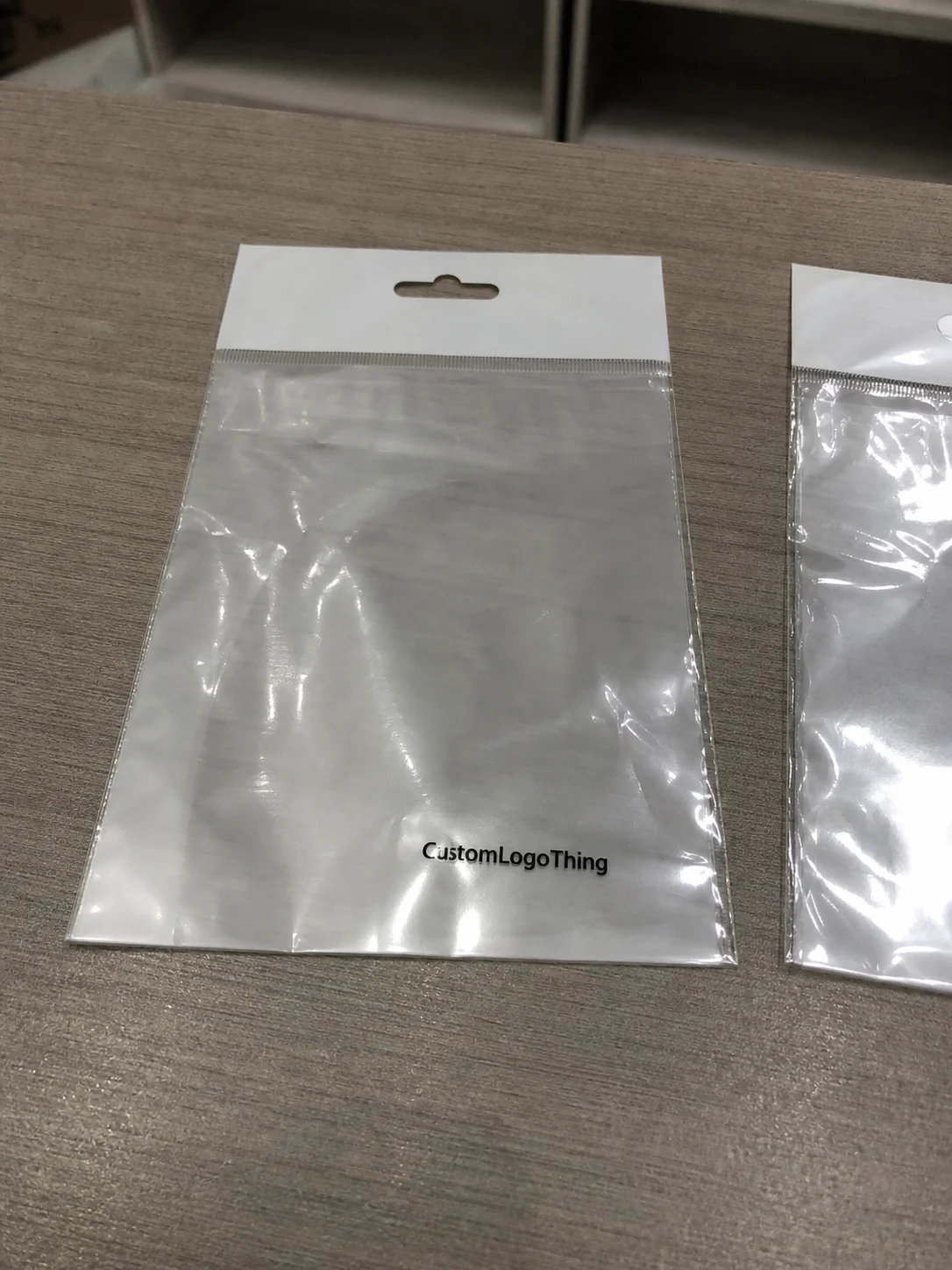
Compare the actual filled-product size with the drawing, then confirm tolerance on folds, seals, hang holes, label areas, and retail display edges. Reserve space for logos, QR codes, warning copy, and material claims before decorative graphics fill the panel.
Quote comparison points
Review material grade, print process, finish, sampling route, tooling charges, carton quantity, and freight assumptions side by side. A quote is only useful when the supplier can repeat the same color, closure quality, and packing count on the next order.
Packaging cost for small business: Real-world signal
Packaging Cost for Small Business flashed in neon during my Shenzhen visit with founder Janelle from Northbound Botanica; her launch hinged on keeping boxes under $2.60, and one dieline tweak saved $0.12 per unit while the vendor still hit the estimated ship date within 14 business days. That trip proved how often “cheap” estimates miss the real drivers—raw board prices, freight surcharges, finishing tricks, and, frankly, who you’re bargaining with on the ground. I remember being elbow-deep in samples when a vendor swore the board was “just like” the spec and then handed me a warpage disaster; the corrective run cost another $0.18 per unit and taught me to demand a board-caliper verification at Dongguan before I approve anything. Tracking that packaging budget kept Janelle from panicking when the vendor asked for a $0.20 deposit, and I keep a short list of suppliers who share real caliper numbers before I ever sign off. We learned to treat these numbers like contract terms, because surprises show up fast when the board warps or the glue dries weird.
Corrugated pricing rattles like the commodity boards I saw stacked at Dongguan’s XPE Packaging warehouse, where 100gsm kraft jumped $30/ton in one week—more than some coffee traders can explain. Early locking of those numbers built trust with the supplier and let the founder bank on a decent forecast instead of guessing. I still tell clients that packaging cost for small business is less about finding magic copy and more about understanding each dollar that moves between you and that final shipping work order. Packaging suppliers start respecting you when you show how packaging expenses shift even with a single freight line item, and the founder feels calmer when the packaging budget breakdown hits the spreadsheet every Tuesday.
Another factory anecdote: I chased a rush slot in GZ Print after a competitor botched specs on a beauty box. The timeline was shrinking—press needed a 48-hour turnaround—and the customer kept asking why packaging cost for small business climbed, so I waded into a midnight negotiation. The plant called it a “midnight rescue”; I called it a lesson in how tight timelines erase price benefits faster than any premium finish. In that case, the founder’s $0.09 savings vanished in freight and rush fees before the product even hit retail channels, and the air-freight leg alone added $0.32 per unit because we selected a 10kg-per-box volume that triggered express carrier pricing. I log those shipping expenses so the founder sees the $0.32 per unit before the invoice hits.
Forget fluff. Just get a clear picture of what drives the packaging cost for small business, where the pressure points are, and where you pull the levers—materials, tooling, and shipping decisions. I even ask for certified adhesive specs, like the 2.2-gram-per-linear-inch PVA we use for rigid lids, so everyone knows if that glue switch shaves off $0.03 per seam or forces a new curing station. (Also, if your vendor tells you “trust me,” please offer them tea and then ask for the written quote.) Sharing the packaging budget for that adhesive swap made everyone less likely to hide a surcharge.
Why packaging cost for small business matters to your margins
Margins on a $1.00 product stay thin. I tell founders every time: every $0.10 trimmed from packaging cost for small business boosts your gross margin by 10 percent, and I have the spreadsheets to prove it. That’s why small brands must audit the whole box—the board, the print, the finishing, and the freight—because each component can quietly add 10-25 percent to your unit cost if you ignore it. During a boardroom with a sustainable skincare brand, I walked through their BOM line by line and cut $0.73 off the average unit price; that drop funded a social media push that reclaimed the same amount in revenue. Productivity improves when packaging suppliers see you tracking expenses weekly, and that visibility keeps negotiations honest. I still laugh remembering their CFO’s face when I told them the sticker sheets were costing more than the actual sticker application; they were paying $0.04 more per unit just for the adhesive transfer.
The switch from a full-coverage UV coating to a selective soft-touch finish on our own line was another critical moment. Before, the packaging cost for small business sat at $0.47 with wraparound lamination, and the boards arrived sticky and expensive; after the swap, the price dropped to $0.36 per unit while clients still raved about the tactile feel, because the finish was limited to the logo panel only. Those savings paid for a quality auditor in both Shenzhen and LA to check each lid before the shipment left the dock, roughly $220 per inspection trip. I honestly think those auditors are the unsung heroes—no offense to anyone who likes surprises at the dock. It also helped the packaging budget stay in the black without sacrificing that soft-touch vibe.
Data beats hype. Track every SKU’s packaging cost for small business, revisit the bill of materials every quarter, and renegotiate before any raw material spike hits you. A quarterly review with a supplier like Zhongsheng or SSB, scheduled every 90 days and following the same agenda (board cost, print setup, finishing, logistics), not only keeps you informed, it also keeps the vendor from repricing unilaterally. I demand real numbers and real quotes every time, not “approximate savings.” If anyone says “approximate,” I’m gonna triple-check and then probably double-check again, and we note the date so we can compare to actual spend in the next quarter. Knowing your packaging expenses across freight, tooling, and finishing keeps packaging suppliers from slipping in surprise fees.
Remember: you’re not just buying boxes—you’re buying the confidence that your margins won’t collapse when new material surcharges hit. A 12 percent packaging share of COGS means a $0.05 swing in board cost wipes out an entire digital ad test, so I treat each $0.01 adjustment like it has a megaphone. Keep the budget sheet updated and share it with finance, so the team doesn't start dreams around false savings.
Product Details: What drives packaging cost for small business
Material choice dominates the conversation. Deciding between kraft, SBS, or 3mm rigid board can swing the packaging cost for small business by $0.08 to $0.25 per unit depending on GSM, thickness, and recycled content. I remember walking through SSB’s paper warehouse in Guangzhou and watching an order for 450gsm SBS convert to kraft on the spot; the client’s premium feels softened, but the savings of $0.17 per box kept the launch alive and still looked clean on-shelf. That was the day I learned how quickly a CFO can do mental math when a vendor says “specialty board,” and how a transparent packaging budget keeps those math lessons short.
Artwork matters too. A four-color process runs longer and uses more ink than one or two spot colors, but sometimes that colorful imagery is the only way to justify premium pricing. When we produced custom printed boxes for a jewelry launch, the designer insisted on gradients and foil. I told them that the packaging cost for small business would climb to $2.10 per unit, but also that a restrained palette might look more luxurious. We landed on a two-color print with a subtle spot varnish, which shaved $0.34 off the unit cost without dropping perceived value. Honestly, I think the designer still cries about losing the gradients, but the brand’s accountant is delighted that the print run stayed within the $3,150 budget, and the packaging suppliers appreciated the clarity on what we could actually afford.
Labor-driven costs also crop up: complex diecuts, foam inserts, and embossing slow down the press and add setup time. An emboss on a linen cover added $0.12 per unit in one job because the press had to slow from 120 feet per minute to 80. That same finish might be worth it for a $65 candle, but not for a $12 supplement box. I document every component for each SKU and fight for bundled pricing with strategic partners like XPE Packaging or Dynamic Packaging, because negotiating volume across multiple SKUs unlocks better unit costs. Plus, I get satisfaction from having a spreadsheet where every line item matches a cost you can see, including the $85 die charge amortized over 10,000 pieces.
Keep a catalog of shared components. Use the same 350gsm C1S artboard between your retail packaging and shipping mailers, so the MOQ is shared across runs and the packaging cost for small business is effectively lowered by running more frequent batches. Document each piece—inner tray, lid, sleeve—and build a price sheet with suppliers beforehand. Nothing surprises you when you have a detailed spec sheet on hand. I’m kinda obsessed with spec sheets; seriously, I once got a frantic text at 2 a.m. because a client forgot to share the adhesive spec, and we could have saved the freight shock if they’d just followed the sheet that calls out the $0.05-per-unit hot-melt glue we swapped in to avoid the air freight delay.
Specifications that tighten packaging cost for small business
Standard sizes move faster and cheaper. Creating a new custom size often means new tooling, and tooling isn’t cheap. I keep a playbook of three to four templates that clients choose from, which lets the factory reuse existing dies and cut the packaging cost for small business dramatically. In one case, a founder wanted a pouch-style mailer with unique folds; I nudged them toward a standard mailer size with a single tuck end, and the tooling charge dropped from $450 to $110. That’s the moment I learned that sometimes “unique” just means “expensive,” and that packaging suppliers can reuse the same die if you give them a little room to breathe.
Bleeds, blockout areas, and coatings are not aesthetic niceties—they are cost control points. Sending files with a 0.25-inch bleed avoids expensive reprints, and a clearly defined blockout keeps spot varnishes from creeping into areas that should stay matte. I even walk clients through packaging design calls with the printer so they understand exactly what is needed on the artboard, timing those calls for 30-minute slots so we stay focused on the full-color swatch, film density, and registration marks. That practice keeps revisions low and the packaging cost for small business predictable. Honestly, those calls feel like therapy sessions most days, but they are worth it.
Communication on use-case is critical. Tell your supplier if the box will function as retail packaging, a subscription mailer, or just a shipping protection shell. Mismatched intentions result in rushed adjustments, which usually means an extra proof, another diecut, or the dreaded “we need to reprint.” Once, a client sent a file meant for retail display but labeled “shipping only”; the factory cut the die too small and the revision cost a founder $320 when a new plate had to be ordered. Ask for a mockup before final sign-off—real samples catch misreads before they hit the press. I still bring a ruler, because apparently some people think “flat” means “stretch goals.”
Automation helps too. Implement a version-controlled spec sheet that includes board weight, finish, print process, adhesive, and secondary operations, so the engineering team in Los Angeles can see the same 2.5mm fluted corrugated spec that the Guangzhou planner is reading. Lock that down before you send your next artwork, and your operations team will start anticipating packaging cost for small business changes before orders leave the planning desk.
Packaging cost for small business: Pricing & MOQ
Pricing depends on volume, but it’s more nuanced than “higher volume equals savings.” Most suppliers start around 1,000 pieces, but if you’re flexible we can push MOQs lower by combining orders or picking stock materials. When I’m negotiating with Zhongsheng or Dynamic Packaging, I demand a line-by-line quote so pricing is transparent: base box, print, coatings, finishing, freight, duties, etc. You can’t control what you can’t see. (Yes, I am that person who makes vendors send me their spreadsheet and then double-checks.)
Supplier quotes should include a price walk—what happens at 2,000, 5,000, and 10,000 units. That’s how you decide inventory versus cash flow. Here’s a quick comparison table we often use internally:
| Volume | Material | Print/Finishing | Unit Cost (Freight Included) | MOQ Notes |
|---|---|---|---|---|
| 1,500 units | 3mm rigid board | 2-color spot + matte lam | $1.45 | Rush slot, standard gloss |
| 5,000 units | 350gsm C1S artboard | 4-color process + soft-touch | $1.18 | Tooling shared across SKUs |
| 10,000 units | White kraft recycled | 1-color print + UV spot | $0.98 | Mix-and-match w/ related brand |
We use those tables to show founders how small MOQs keep them nimble while higher volumes unlock unit cost wins. Share a two-to-three-month forecast, lock up payment terms, and commit to seasonal spikes so the factory can plan capacity. That’s how we keep the packaging cost for small business manageable even when the brand dials up demand. Of course, that assumes the brand can actually forecast more than “maybe?”—spoiler alert: most can’t, but they’re working on it, and we schedule that review in week 10 before the next production slot.
Payment flexibility helps too. Some factories let you prepay for future runs in exchange for lower per-unit pricing once MOQ climbs; others combine orders across brands. We negotiate those deals and pass the savings along, especially when our clients are sharing similar board specs. The combination of accurate MOQ planning, line-item quotes, and price walks keeps surprises out of the final invoice, and we track each prepay arrangement so we can release shipments only when the forecasted demand hits 80 percent.
You asked for real numbers: a 1,500-piece run on 3mm rigid board with a two-color print and matte finish typically lands at $1.45 per unit with door-to-door freight. Double that volume, keep the same finishes, and you drop below $1.20 while maintaining the same tooling. That difference pays for your digital ads for a week. I also keep the packaging budget dashboards updated so founders can see how those unit cost swings change their burn rate.
Process & Timeline
From approved dieline to loaded pallet takes 4–6 weeks on average; textured inks and new coatings extend that timeline, so I always add a buffer. I run a timeline checklist with every client: design review, prepress proof, die approval, production slot, inspection, and logistics coordination. Miss one step, and the whole run shifts, which inevitably raises the packaging cost for small business because rework or rush fees ripple through the order. (And trust me, nothing is as fun as watching rush fees accumulate like glitter in a craft store.) I also factor in shipping expenses and distribution expenses during that checklist so the plan reflects reality.
I remember a rush job off an unexpected retail opportunity when the factory agreed to a midnight press run during Golden Week. Because our project manager was on-site, we jumped the queue, maintained the packaging cost for small business, and hit the launch window. The factory was thrilled because they were filling an unused shift, and the brand kept their promises to retailers. That night, I basically single-handedly made instant noodles seem gourmet.
Coordinate freight as soon as the production slot is locked. Ocean shipping needs four weeks lead time; air freight is expensive but buys certainty when a launch date is immovable. I still keep a running log of carrier quotes and weekly rate alerts from ista.org so I’m not caught unaware. That’s part of the reliability we sell—transparent logistics estimates that show the landed cost before you approve the proofs, including the $580 minimum for a 20-foot container out of Yantian.
Inspections happen before the container hits the dock. We use third-party QC partners to check board weight, print accuracy, finishes, and pack counts, and then we compare the findings to the original BOM. When something goes sideways, a clear process stops additional costs and protects your brand reputation. Honestly, inspections are my therapy; they keep me from calling the factory every five minutes. The inspectors charge around $220 per visit, which I include in the budget so there aren’t last-minute surprises.
How can small businesses manage packaging cost for small business?
Track the packaging budget like a secondary P&L. List every cost line—material, tooling, finishing, adhesives, shipping expenses—and revisit that list every week. Use the numbers to have a calm conversation with packaging suppliers about what stays and what goes when the forecast shifts. When the CFO can see that a change in coating adds $0.06 per unit to the packaging cost for small business, the marketing team can weigh whether that finish actually lifts conversion.
Lean on pilots before you scale. Run a 500-piece batch with shared tooling, calculate the actual packaging expenses, and use that data to coach your supply chain partners on predictable builds. That way, when demand spikes, you are not negotiating in the dark with a new factory. Instead, you’re showing them the data, the forecast, and the volume trajectory, which keeps forecasts grounded and the packaging cost for small business measurable.
Why Choose Custom Logo Things
We keep supplier relationships in check. I visit our key vendors—Dynamic Packaging and GZ Print—each quarter, so I can inspect quality, calibrate expectations, and make sure timelines are real before you commit. Seeing their presses warm up, smelling the ink, and watching a finished stack go into a pallet gives me the confidence to promise what we deliver. I can tell you the moment you feel the board flop versus stand—yes, I am that tactile.
You get transparent quotes with real dollars, not “starting at” gymnastics. I demand line-item breakdowns before we move forward, and you can see exactly what your brand pays for board, ink, tooling, finishing, freight, and duties. That quote shows $0.28 for finishing, $0.12 for tooling amortized over 5,000 units, and $0.09 for freight; it’s also why our clients stay under budget during launch chaos—we do the math before the order is approved. Keeping the packaging budget visible keeps packaging suppliers honest and reduces the temptation to slip in a surprise work order.
Our team negotiates tooling transfers, consolidates loads, and manages quality, which keeps the packaging cost for small business in check even while you’re juggling marketing, inventory, and product development. I still remember a founder ready to switch suppliers after a delay; we stepped in, realigned the timeline, and saved her $1,200 in expedited fees by rebooking the same run with a short-term rush slot. You don’t need fluff—you need a partner who knows when to push and when to defer.
We stay plugged into shipping and sustainability standards like the Packaging Machinery Manufacturers Institute guidelines and FSC chain-of-custody expectations, so your packaging is compliant, on time, and priced predictably. Our FSC-certified supply chain (license FSC-C004015) ensures that the 350gsm artboard is 100 percent post-consumer fiber, which keeps auditors happy and your customers informed.
Custom Packaging Products aren’t just boxes—they’re part of your revenue plan. Lead times hover around 25 business days for standard SBS boxes, and we protect that plan with data, communication, and tough questions. That’s how we keep the packaging cost for small business predictable even when demand spikes.
Next steps for packaging cost for small business
Start with a full audit of your current packaging spend. Print each SKU’s BOM, list every cost line, and ask what’s changed since your last order. The packaging cost for small business isn’t static—it reacts to material surcharges, shipping rate hikes, and currency swings, so weekly flags from our team keep you ahead of surprises. I remember when a $0.04 change in glue wiped out a marketing push; that’s why we do the weekly flags now and note each change in a shared Google Sheet. Those flags also keep the packaging budget from blowing past the quarterly forecast.
Schedule a consult with us. Bring forecasts, goals, and frustrations. We’ll map out a plan with real quotes, tooling timelines, and freight options, and we’ll discuss how to lock in rolling orders. Even if you commit to just 1,000 boxes now, share a three-month volume trajectory so we can optimize tooling and MOQ without locking you into unnecessary inventory. The consult runs about 45 minutes, and we always follow up with an action plan within 24 hours.
Stay tactical: tweak one variable per quarter, track the impact, and keep pushing to lower the packaging cost for small business without sacrificing the customer experience. You already know retail packaging and package branding matter—make sure the unit cost reflects that value by testing new coatings or shared tooling on a 500-piece pilot before scaling. Also, earmark one line on your dashboard for a “confidence gap” note, so everyone knows when the forecast feels shaky and we can adjust before the next run.
How do I estimate packaging cost for my small business orders?
List unit dimensions, material type, print colors, finishes, and any inserts to get a complete bill of materials. Ask suppliers like Custom Logo Things for a line-item quote covering tooling, production, finishing, and freight so you can see where the dollars land. Factor in rising costs (freight, energy surcharges) and build a 10% buffer; most founders forget logistics fees until the invoice arrives. I still keep a post-it that says “no surprises” because apparently I’m needy. Tracking the packaging cost for small business this way keeps emotion out of those estimates.
Can small businesses order low MOQ packaging without overpaying?
Yes, by using stock sizes, standard materials, or joining a shared production run with a similar brand. We negotiate with factories to combine orders across clients and pass the savings back without forcing you into unnecessary volume. You can also prepay for future runs in exchange for lower per-unit pricing once the MOQ climbs, protecting your cash flow. That approach keeps the packaging cost for small business manageable while you stay lean.
What timeline should I expect when sourcing packaging for small business products?
Standard process takes 4–6 weeks from artwork approval to finished pallets, assuming no rework or material delays. Rush orders exist but cost more; I only recommend them if there’s a real launch date tied to revenue. We build in inspection and shipping lead time so you can plan product drops with confidence and avoid the $0.32-per-unit air freight premium unless absolutely necessary. If you squeeze the timeline, the packaging cost for small business inflates fast, so plan early.
How can I reduce packaging cost for small business without impacting quality?
Simplify designs—fewer colors, minimal coatings, and efficient diecuts cut press time and ink usage. Consolidate SKUs with shared components—same box size, different inserts—so tooling gets spread thinner. Use our network for bundled shipping and negotiate with factories on future volume to secure better rates, often locking in a 5% discount once you exceed 5,000 units per quarter. That keeps the packaging cost for small business from creeping up while the quality stays where customers expect.
Does Custom Logo Things handle fulfillment logistics for packaging cost for small business?
Yes, we coordinate domestic forwarding or door-to-door logistics alongside production scheduling. I regularly vet carriers to avoid surprise fees; we include freight estimates in the initial quote so you know the landed cost. If you need warehousing or staggered deliveries, we build that into the timeline before the order hits the press. That way, the packaging cost for small business remains transparent from the press to the warehouse.
Actionable takeaway: sharpen one weekly packaging-cost review, share each BOM with your supplier, and flag any material or freight change before the next purchase order—doing that keeps the packaging cost for small business from blindsiding your margin plan.