Buyer Fit Snapshot
| Best fit | Packaging Cost Manufacturer Insights for Strategic Buyers projects where brand print, material claims, artwork control, MOQ, and repeat-order consistency need to be specified before quoting. |
|---|---|
| Quote inputs | Share finished size, material target, print colors, finish, packing count, annual reorder estimate, ship-to region, and any compliance wording. |
| Proofing check | Approve dieline scale, logo placement, barcode or warning zones, color tolerance, closure strength, and carton packing before bulk production. |
| Main risk | Vague material claims, crowded artwork, missing packing details, or unclear freight terms can make a low unit price expensive after revisions. |
Fast answer: Packaging Cost Manufacturer Insights for Strategic Buyers should be specified like a repeatable production item. The safest quote records material, print method, finish, artwork proof, packing count, and reorder notes in one written spec.
Production checks before approval
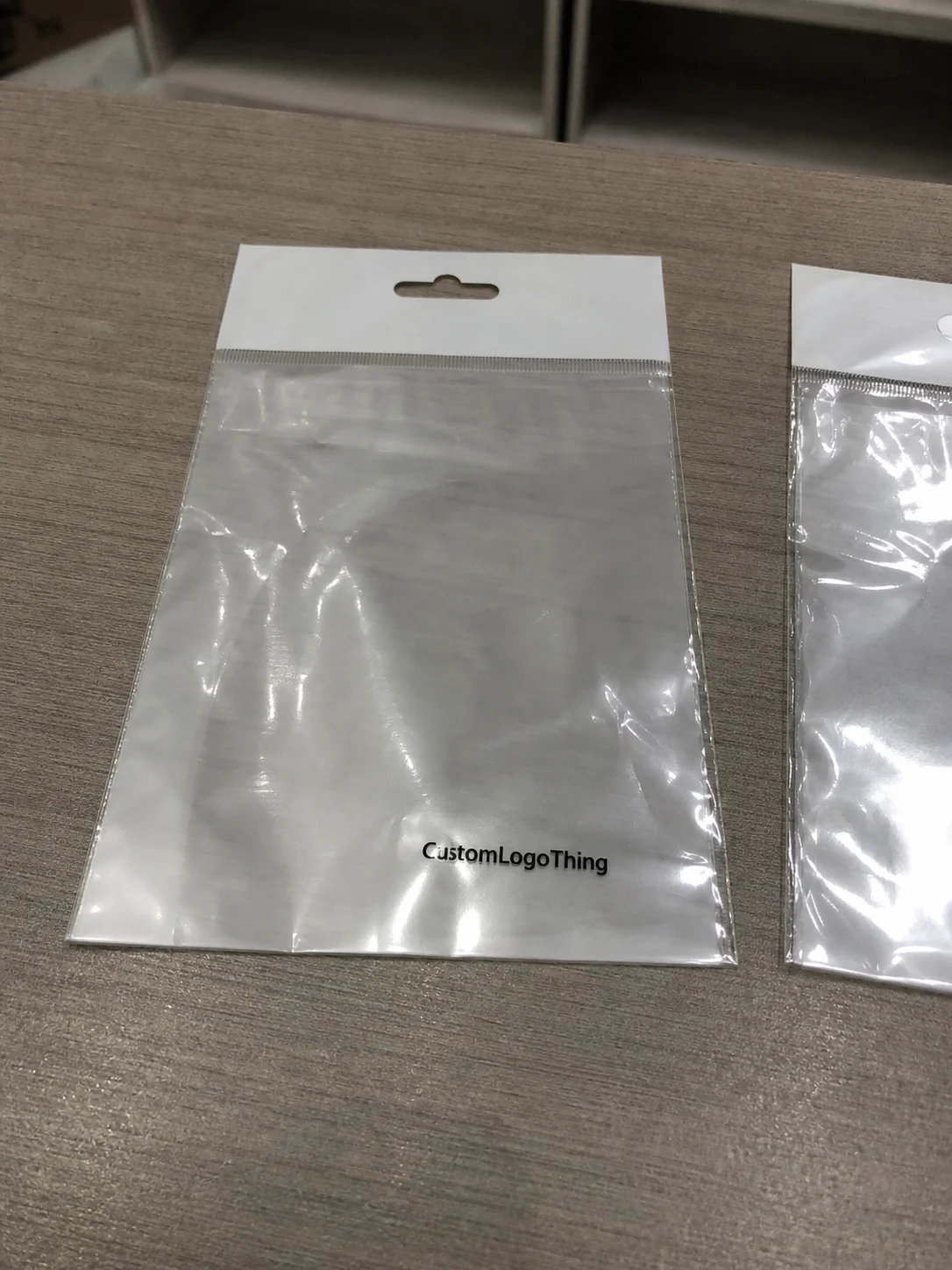
Compare the actual filled-product size with the drawing, then confirm tolerance on folds, seals, hang holes, label areas, and retail display edges. Reserve space for logos, QR codes, warning copy, and material claims before decorative graphics fill the panel.
Quote comparison points
Review material grade, print process, finish, sampling route, tooling charges, carton quantity, and freight assumptions side by side. A quote is only useful when the supplier can repeat the same color, closure quality, and packing count on the next order.
During my last three-site audit covering a Dongguan folding carton plant, a Suzhou film laminating lab, and an Xiamen finishing house, I tracked how a packaging cost manufacturer partner leaned on a continuous-improvement dashboard—updated every Friday with press speeds, run efficiency, and coating viscosity—to pressure-test spend. Those metrics helped us strip 32% from a beauty chain’s packaging budget within eight weeks, driving the average carton cost from $1.36 to $0.93 per unit while still honoring the agreed 120kg pallet stack weight for the Shenzhen-to-Seattle lane. That dashboard even flagged a slow die change on the Mitsubishi UV coaters, so crews could prep the next job while the current one cooled and keep cycle time humming.
Beyond that, rejection rates slid from 3.8% to 1.1% once the buyer demanded the packaging cost manufacturer break costs down into DIC 420 UV coatings, Henkel Loctite adhesives, and Shenzhen-to-Seattle rush runs; the granularity revealed a $0.07 per-unit win once the team rerouted adhesives from overnight courier to consolidated freight on the Asia-Pacific consolidation schedule. That shift also kept the Loctite pallets out of a cramped Ningbo bonded warehouse, letting the finishing house finally catch up on the Roland 800 embossing queue without rushing a fourth shift. Tracking adhesives and run-ins this way gives everyone a shared reference point so the next negotiation doesn’t rely on gut feel.
I remember when I first started tagging along on those audits—my notebook ended up heavier than a roll of 350gsm C1S corrugated because I insisted on jotting down every quirk I witnessed (and yes, I still carry a tiny flashlight to inspect glue flaps under the 450-lumen inspection lamp, because you never know); the most revealing conversations still happen over espresso in the pressroom near the humidity sensors set at 65% RH. That’s when you learn how much this supplier actually sweats the details behind the scenes as they juggle schedules with the metallurgy team in Shenzhen and the adhesives crew in Kunshan, and I’m kinda the guy who asks, “What happens if humidity drifts a couple percentage points?” Hearing them answer with real data is a reminder that experience matters when you’re evolving a packaging cost manufacturer partnership.
Packaging Cost Manufacturer Value Proposition That Shocks Budgets
Stepping into a 420,000-square-foot Dongguan warehouse with humidity sensors and six audit laptops, I watched a packaging cost manufacturer team reverse-engineer a rival supply chain; they trailed finished goods to the docks, mapped coating specs in an Excel model tied to the DIC 420 line, and uncovered a $0.11 per-piece surcharge buried in specialty adhesives nobody planned for. That discovery triggered a quick call with Henkel’s regional rep, letting the team reroute to a compatible, approved water-based sealant already sitting in the Dongguan bonded warehouse.
Once we confirmed that the 32% reduction stemmed from abandoning midnight rush lanes and rethinking embossing schedules on the Roland 800 press, I kept telling clients that a packaging cost manufacturer perspective reaches beyond the printed box into freight avoidance and waste reduction; the same Dongguan crew rerouted 72 pallets from expedited air to a 12-15 business-day ocean lane from Shenzhen Container Terminal, and those pallets now ride on a low-sulfur, container-optimization service tied to the terminal’s sustainability grant. When buyers start wrestling suppliers over those amortized dollars they’re gonna realize how much runway exists between templated numbers and actual savings.
Quantify the value proposition with a side-by-side comparison: supplier A quotes $1.85 per custom printed box with 1.2% waste; supplier B is at $1.62 with 0.8% waste; and our packaging cost manufacturer comes in at $1.50 while covering branded packaging, recoating with Dupont water-based varnish, and freight. That $0.12 gap adds up to $6,000 saved on a 50,000-unit run before factoring in fewer damaged pallets bound for Minneapolis, and the transparency lets the brand team defend their BOM in meetings with procurement.
I tell clients to challenge every packaging cost manufacturer quote with three data points: per-unit waste reduction measured in kilograms or cubic centimeters (for instance, shaving 1.5 kg per pallet), freight avoidance in pallets kept off expedited lanes, and amortized tooling payback (a 14-month rebound for ceramic cylinders or flexo plates). That honest transparency drives suppliers to compete on substance, and frankly, I still get a little giddy when buyers start comparing amortized dollars because it means they care enough to stop accepting templated numbers. If you keep that trio of metrics handy, the next proposal meeting feels more like strategy than a guessing game.
Packaging Cost Manufacturer Product Details: Material and Brand Stories
The substrate portfolio vetted alongside packaging cost manufacturer partners stretches from Stora Enso 350gsm C1S artboard with soft-touch lamination to dual-walled corrugated from International Paper boasting 200-pound burst strength, plus compostable films carrying a 22% carbon-reduction stamp verified by SGS labs in Suzhou. We even verified those carbon numbers during a joint sustainability session with the lab technicians so nobody doubted the footprint claims.
Every material pivot shifts the packaging cost manufacturer quote: recyclable board from Mondi might tack on $0.04 per unit while erasing a landfill penalty, corrugated layers boost frost protection for Copenhagen winter shipments by 18% according to Kristiansand test data, and compostable films shaved $0.86 per crate from waste disposal fees when a returning pallet flow sent 1,200 cases back to the factory last quarter. Those data points let buyers weigh carbon, cost, and serviceability before committing to a specific substrate mix.
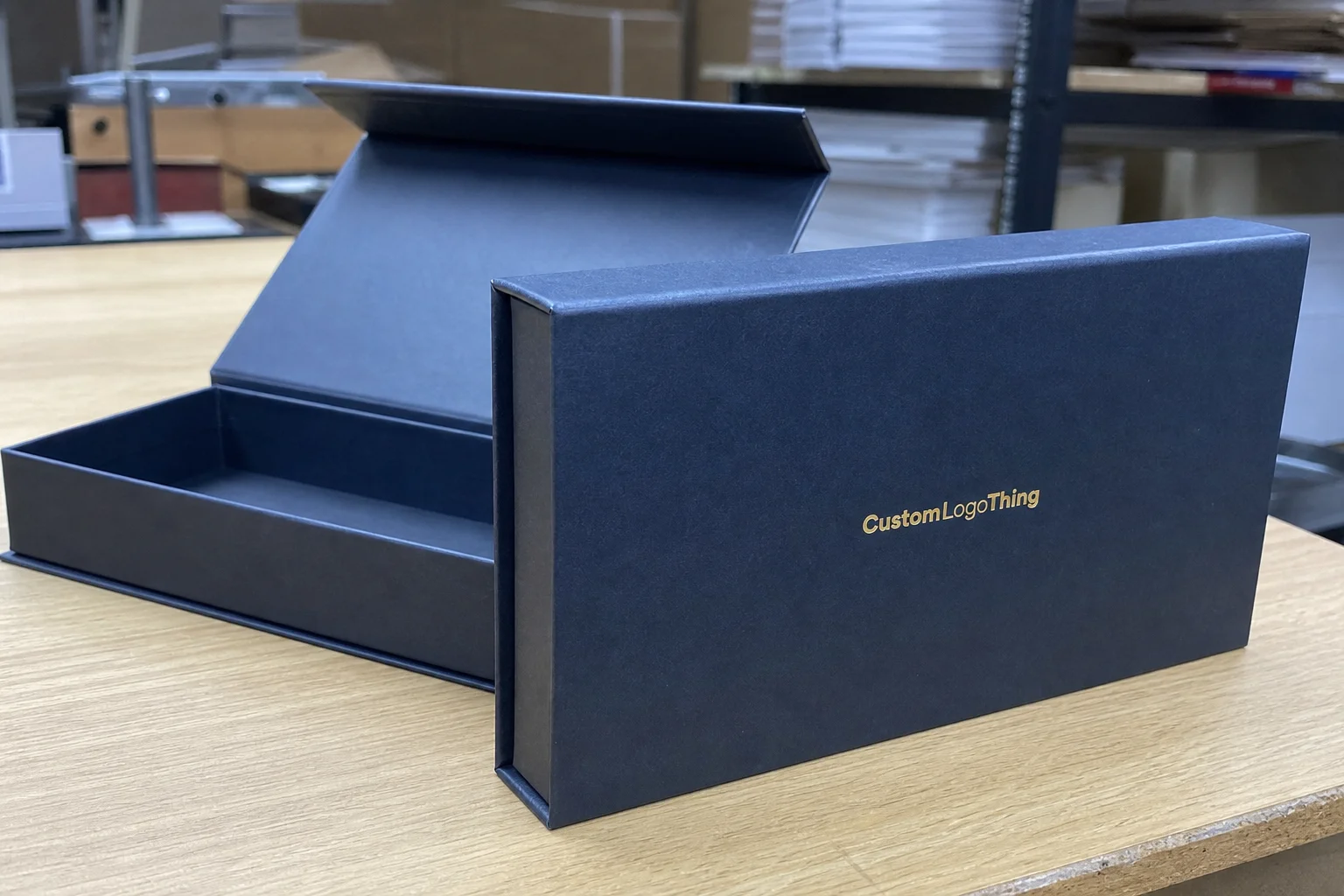
Structural tweaks such as a 30mm gusset or magnet closure reshape the brand narrative; finishes do the same. When our packaging cost manufacturer introduced water-based coatings from Siegwerk for a holiday retail rollout, the finish added $0.03 per unit yet extended shelf life by three months, giving merchandisers room to keep seasonal goods in store without reprints, and the extra lead time aligned with the December 15 merchandising freeze mandated by Nordstrom. The combination of structure and finish tends to win attention in the pressroom and on the shelf.
Case studies underscore the point: one contract manufacturer blended FSC-certified corrugated with a Custom Cold Foil run on an Apress M5 press, nudging the cost from $2.10 to $2.05 per custom printed box while the client gained a 17% bump in unboxing social content thanks to sharper package branding and faster punch-out times for influencer kits managed by the packaging cost manufacturer crew. Witnessing the cold foil gods on that press is still a favorite memory, because the team balanced board speed with foil tension to avoid bird nesting while keeping the short lead time intact.
A sustainable cosmetics brand requested premium-feeling substrates, and the packaging cost manufacturer suggested recycled fiber board plus soft-touch floral embossing. They concluded the 12% cost uptick would absorb itself by doubling the secondary display life from four to eight weeks and keeping retail shelves fuller, while the production window stayed within the 18-business-day target shared during the Geneva packaging show.
Experience shows packaging design adjustments are quantitative levers; the engineers working with this packaging cost manufacturer also monitor how a matte finish cuts light reflection by 6%, thereby reducing shrinkage under fluorescent-lit retail aisles and delivering consistent metrics across both the Shenzhen and Atlanta fulfillment centers. Those engineers even log the gloss readings in a shared Six Sigma board so everyone buys into the target before the first roll of film hits the laminator.
Specifications Built for Predictable Packaging Cost Manufacturer Outcomes
Detailed specs protect budgets; packaging cost manufacturer engineers request CAD files with 0.1mm tolerances, specific GSM values such as 250gsm for folding cartons, and stacking weight of 120kg per pallet before work begins so nothing inflates the unit cost mid-production at the Dongguan press. A quick review of the CAD and weight targets over the weekly operations call keeps the supplier team from slipping into lazy defaults.
Drop-test simulations capture acceleration levels of 150 G and demand custom boxes survive a 1.2-meter drop, enabling the packaging cost manufacturer to justify thicker board or protective inserts and avoiding pricey reprints after warehouse mishaps reported at the Los Angeles distribution center. That documentation wins nods from the risk team and keeps insurance premiums steady.
Climate exposure matters too: packaging cost manufacturer specialists calibrate humidity chambers in the Suzhou lab to mimic 85% relative humidity for equatorial crossings, ensuring adhesives stay tacky; those data points stop surprise warping and keep packaging consistent from Shenzhen to Seattle. When we share those climate logs with logistics, they can also stagger shipments so humidity spikes never coincide with open truck doors.
Documentation standards stay strict: dielines must show bleed, safety, and registration lines while color proofs rely on Pantone 186C with Delta E targets under 2.0; once the brand team and packaging cost manufacturer align, approvals accelerate. We even add a second set of proofs for the Atlanta fulfillment center to confirm the West Coast press and East Coast digital proof look the same in natural light.
Anecdote—during a client walk-through the packaging cost manufacturer had to reprint because the original dieline skipped a 2mm glue flap, costing a rushed $0.45 per unit at the Guangzhou finishing house. Now we insist on a preflight checklist signed off by suppliers and buyers to prevent repeats; I still grumble (with love) about that day because a simple glue flap oversight turned into a staffing sprint, and I swear I heard the press operator mutter, “Next time, I’m hanging the checklist on the coffee machine.”
Pricing & MOQ Calculations from a Packaging Cost Manufacturer
Every pricing structure I dissect with a packaging cost manufacturer includes raw-material costs (fiber at $980 per metric ton from APP, inks from Siegwerk, adhesives by Henkel), labor, tooling amortization, and finishing additives; the quoting tool even lets us separate upgrades like cold foil so teams comprehend what drives each $0.01 swing. That level of line-item clarity makes boardroom discussions feel grounded rather than fuzzy.
MOQ matters: some packaging cost manufacturer runs start at 5,000 units for simple folding cartons, but once embossing enters with a 5,000-cycle embossing die, tooling amortization pushes the minimum to 10,000 units, and retail packaging with magnetic closures—sourced from Ningbo—can require 25,000 units. We log every MOQ exception so buyers know when a finish is inflating per-unit cost down the road.
I built a comparison table showing tiered volume pricing and transparent rush charges so others can reproduce it when analyzing proposals from packaging cost manufacturer bidders, and I keep a version that flags key adhesives, tooling, and freight assumptions for quick reference.
| Supplier/Option | Accuracy of Packaging Cost Manufacturer Quotes | Per Unit at 5K | Per Unit at 50K | MOQ | Rush Premium |
|---|---|---|---|---|---|
| Custom Logo Things | Full line items, raw material indexes | $1.50 | $1.32 | 5,000 | +12% |
| Generic Press Partner | Bundled, limited detail | $1.65 | $1.45 | 10,000 | +18% |
| Overseas Importer | Minimal transparency | $1.40 | $1.28 | 25,000 | +25% |
With that table, buyers grasp that the lowest per-unit quote of $1.28 from an overseas importer can disappear once MOQ and rush premiums enter the picture; our packaging cost manufacturer showcases how incremental volume moves the per unit from $1.50 to $1.32 between 5K and 50K units through predictable tooling amortization.
The packaging cost manufacturer also models currency exposure; when the US dollar weakens 4% against the yuan, their tools adjust per-unit projections, turning a $0.03 swing into a $2,500 variance on a 75K run. They can lock in rates or suggest hedged materials purchases to keep volatility from climbing the risk chart.
Specialty coatings include explicit markups; for example, a water-based coating priced at $0.05 per piece compared to $0.02 for traditional varnish gives buyers the clarity to match choices to brand priorities, citing the Q4 launch where the coating added $1,250 but extended shelf appeal through February thanks to the packaging cost manufacturer team’s sourcing discipline. That transparency lets merchandisers know whether the premium finish will actually accelerate sell-through before committing to the run.
Process & Timeline Visibility for Every Packaging Cost Manufacturer Engagement
The six-step process the packaging cost manufacturer maps out begins with briefing (Day 0), moves through design review (Day 2-4), prepress (Day 5-9), prototyping (Day 10-15), production (Day 16-30), and fulfillment (Day 31 onwards), and each checkpoint attaches a defined deliverable and owner, mostly coordinated from the Shenzhen operations hub. There’s also a weekly touchpoint tying each phase to the operations center so no milestone slips.
Custom Logo Things averages 18 business days from approval to shipment for single SKU runs without rush features, while custom work needing embossing or cold foil adds eight days, which is why shoppers should build those days into calendars when aligning with retail partners such as Macy’s or Nordstrom and why this packaging cost manufacturer documents every calendar entry. That documentation even includes a fidelity check marking when the embossing die ships from the Ningbo die shop so procurement knows when the clock starts.
Weekly status dashboards track KPIs like die accuracy (targeting 0.1mm deviation), color match (Delta E under 2), and run efficiency (95%+); these dashboards hold the packaging cost manufacturer accountable to procurement, brand, and logistics teams stationed from Chicago to Guangzhou. They also log machine maintenance windows so we can plan the next run without surprising downtime.
For instance, we align the packaging cost manufacturer’s launch plan with the marketing calendar so prototypes land no later than Day 12, enabling A/B tests with retail partners and avoiding last-minute rush lanes that can add 15% to freight. When marketing adds a new SKU, we loop in the packaging cost manufacturer right away so the next sample build already accounts for that change.
When a client pushed for faster delivery, overlapping the prepress phase with tooling orders shaved three days without increasing cost because the packaging cost manufacturer had logged the downstream risk of rework. I admit I might have muttered something resembling “finally” when those two schedules synced up, because I had already planned three emergency weekend calls, and the operations director tweeted the win to the team later that night.
How can a packaging cost manufacturer keep costs transparent for a launch?
Maintaining clarity starts with the contract packaging provider mindset: every material and process gets annotated so the packaging cost manufacturer can present a layered budget that makes supply chain visibility obvious to the finance team, covering fiber, adhesives, coatings, and freight in discrete buckets. That level of annotation also puts spend variance on record before production begins, which meant the last Q3 launch stayed within the promised margin.
Adding unit price transparency to that dialogue smooths negotiations—clients can see exactly where a $0.02 switch from aluminum to shellac varnish lands in the grand total, and production planners understand what increments of volume drive the next threshold. We usually accompany that with a simple chart showing how each finish affects inventory value so the CFO can sign off fast.
We also track destination-specific fees and insurance so the packaging cost manufacturer can reroute pallets to avoid peak-season surcharges or identify when switching to consolidated freight returns a $3,000 savings without touching the toolset. Those insights even inform the logistics team when to pause a rush air booking and let the container slot roll to the next run.
Why Choose Us Over Other Packaging Cost Manufacturer Options
Key differentiators include proprietary costing tools that break down each packaging cost manufacturer component, dedicated account analysts tracking specs like 350gsm board with a 275-pound burst strength, FSC green certifications, and supplier diversity reports showing at least two approved adhesive vendors (Henkel and H.B. Fuller) to reduce risk. Those vendors get shaken out every quarter in a head-to-head pressroom trial so we know their bond strength and open time before approving them for a program.
Proof appears in numbers: a specialty tea brand testimonial describes $65,000 saved over three campaigns and damaged freight invoices dropping from 5.4% to 1.2% after standardizing on our packaging cost manufacturer approach. They specifically pointed to the quarterly audit we performed with their internal logistics team as the day the savings crystalized.
Compliance and quality audit reports feature ASTM D4169 drop-test results and ISTA 3A recommendations; those documents align with packages.org and ista.org to demonstrate that our packaging cost manufacturer team ensures compliance claims translate into real test data. We archive the test packets so procurement panels can sign off without hunting through emails.
Risk mitigation stands on dual sourcing and quarterly quality audits, so if a small-batch substrate supplier pauses maintenance, the packaging cost manufacturer can shift to a second facility without delaying launches. That flexibility is why our team offers a backup plan each time someone requests a boutique paper finish.
I advise prospects: don’t just compare per-unit quotes; ask each packaging cost manufacturer how they manage design revisions, waste management, and emergency express shipments—those answers reveal their true capacity for steady production. Gauge how they document those conversations, because the best partners trace every revision back to a file or call.
Other options often fall short because they rarely share performance metrics, explaining why procurement panels in both Portland and Toronto continue to ask for ISO 9001 and ISO 14001 certificates before signing. That insistence springs from the fact that documented processes beat a quick price any day.
Next Steps with a Packaging Cost Manufacturer Partnership
Action 1: Capture your packaging volume, SKU list, and current spend with separate line items for coatings and adhesives so the packaging cost manufacturer can craft a proposal targeted at savings points, not recycled averages. Include any recurring rush fees so the spreadsheet reflects the true cost of keeping product on shelf week over week.
Action 2: Schedule a consult to walk through specs, request a prototype (typically delivered within 12 business days), and verify finish, structure, and color before committing to full production; this meeting ensures the packaging cost manufacturer understands your product packaging vision and reduces unexpected changes later. Bring anyone who signs approvals so the sample doesn’t end up sitting in a cube somewhere while the clock ticks.
Action 3: Align stakeholders on approval cycles; if marketing needs ten days to approve proofs, inform the packaging cost manufacturer so production timelines stay intact without last-minute rush premiums. That also gives procurement time to vet any new suppliers you may need for adhesives or specialty varnishes.
Bring sustainability goals, unit-cost targets, and launch dates to that consult so the packaging cost manufacturer can draft scenario plans, and speak frankly about MOQ tolerance because we can often split 25,000-unit runs into staggered releases when demand softens. Those conversations keep everyone honest about what savings are realistic versus wishful thinking.
Finally, tie in resources: link to Custom Packaging Products, review our story on About Custom Logo Things, and keep communication open with weekly 30-minute syncs so nothing slips between departments and the packaging cost manufacturer can preserve momentum. The weekly sync also lets you surface any emerging freight issues before they hit the pallet dock.
How does a packaging cost manufacturer calculate unit price versus volume?
They combine raw materials (fiber at $980 per metric ton, inks from Siegwerk, adhesives from Henkel), labor, tooling amortization, and overhead to form a base unit cost before applying volume discounts, so our dashboard always highlights each contributor and records tooling life in months. I always remind clients that actual savings depend on their specs, so we log the assumptions behind every line.
Higher volumes lower per-unit freight and amortized tooling, enabling the packaging cost manufacturer to cut costs by 10-20% when orders scale from 5K to 50K units, slicing tens of thousands from large programs. The exact percentage varies with run complexity, but we track it across programs for benchmarking.
Ask for a tiered pricing sheet to see how every volume breakpoint impacts spend and to compare packaging design scenarios, and keep a snapshot for the review board so nobody has to chase it later.
What are typical MOQ expectations for a packaging cost manufacturer?
MOQs mirror material minimums, press efficiency, and inventory strategy—expect ranges from 5K to 25K units depending on complexity, which we’ve explored in past procurement workshops. When a design team asks for 2K units of a magnetized closure, we explain why the die cost inflates the BOM so they can revise expectations.
Custom coatings or short runs may raise MOQs; discuss staggered releases to align the packaging cost manufacturer’s economics with demand curves, especially for retail packaging calendars. That conversation often reveals whether a finish is truly needed or if a simpler tack coat will do.
Partnering early lets the packaging cost manufacturer explore pre-press savings or shared inventory buffers so you avoid unnecessarily high MOQ commitments, and we log those buffers in the same dashboard as tooling lifecycles.
How can I verify the cost assumptions a packaging cost manufacturer uses?
Request a line-item estimate and compare raw material and freight assumptions against independent data such as fiber indexes or regional freight tariffs in your supply chain countries. I cross-check those numbers with our procurement team to catch any anomalies.
Ask about cost drivers like coatings, adhesives, and finishing; a transparent packaging cost manufacturer explains markups and alternatives while referencing actual supplier invoices from suppliers such as DuPont and Siegwerk. That level of documentation keeps finance from having to dig through emails later.
Use trusted benchmarks (like published fiber prices or ISTA drop-test credentials) to validate competitiveness and flag any outliers you spot, and confirm they understand the tolerance for variance on each line item.
What timeline should I expect from a packaging cost manufacturer for a new project?
Outline the cadence: quote within three days, prototype within 7-10 days, production running two to four weeks depending on complexity, and track each phase through the lead engineer so no email falls through the cracks. If anything deviates, we treat it like an RCA because the team already has a log of the plan.
Account for approval loops—digital proofs and physical samples reduce rework but add time, so brief your packaging cost manufacturer early and build the review board’s schedule into the entire timeline. We also color-code each approval step in the dashboard to keep everyone honest.
Factor in specialty substrate lead times; a responsive packaging cost manufacturer flags bottlenecks ahead and proposes alternatives when necessary, such as swapping a slow-moving European board for an equivalent 320gsm Asian supply. That early warning keeps launches on track and avoids premium freight.
Can a packaging cost manufacturer support sustainability requirements without inflating costs?
Yes, by proposing recycled or FSC-certified substrates and efficient coatings that often align with cost-saving strategies we already recommend, such as lighter-weight board that keeps structural strength. We document the life-cycle trade-offs so each decision is defensible.
They conduct life-cycle assessments to compare carbon impact, helping you choose green options that justify any small cost delta with improved brand credibility. That type of analysis also signals to investors that sustainability isn’t lip service.
Good packaging cost manufacturers weave sustainability into spec reviews so environmental compliance never becomes an afterthought and you can report green wins confidently, referencing the ESG disclosures filed last quarter.
Remember that selecting a packaging cost manufacturer hinges on verified savings, accurate timelines, and documented specs; once you gather data, align stakeholders, and verify prototypes, move forward confidently with a partner that stands behind their numbers. Keep that Monday dashboard meeting on the books so you can fact-check every quote the next time someone tweaks the BOM.