Buyer Fit Snapshot
| Best fit | Packaging Cost Premium Quality projects where brand print, material claims, artwork control, MOQ, and repeat-order consistency need to be specified before quoting. |
|---|---|
| Quote inputs | Share finished size, material target, print colors, finish, packing count, annual reorder estimate, ship-to region, and any compliance wording. |
| Proofing check | Approve dieline scale, logo placement, barcode or warning zones, color tolerance, closure strength, and carton packing before bulk production. |
| Main risk | Vague material claims, crowded artwork, missing packing details, or unclear freight terms can make a low unit price expensive after revisions. |
Fast answer: Packaging Cost Premium Quality: Artwork Proof, Packing Count, and Landed Cost should be specified like a repeatable production item. The safest quote records material, print method, finish, artwork proof, packing count, and reorder notes in one written spec.
Production checks before approval
Compare the actual filled-product size with the drawing, then confirm tolerance on folds, seals, hang holes, label areas, and retail display edges. Reserve space for logos, QR codes, warning copy, and material claims before decorative graphics fill the panel.
Quote comparison points
Review material grade, print process, finish, sampling route, tooling charges, carton quantity, and freight assumptions side by side. A quote is only useful when the supplier can repeat the same color, closure quality, and packing count on the next order.
On a Tuesday morning in a Shenzhen packing line, I watched a buyer hold up a plain sample box and say he wanted packaging cost premium quality without paying “much more than stock.” Five minutes later, after we walked through 32pt board, foil stamping, and a soft-touch coating, the quote had doubled from his first estimate—not because the logo grew, but because the materials, finishing, and labor had changed the entire cost structure. I’ve seen that same look of disbelief in offset-print shops in Guangzhou, rigid-box rooms in Dongguan, and corrugated converting plants in Foshan more times than I can count, and honestly, the first time I saw it, I had to bite my tongue a little (because, well, cardboard is never “just cardboard” once you get into the weeds).
That gap catches a lot of people off guard. Packaging cost premium quality is rarely about one glamorous detail; it is usually the sum of paper grade, structure, print system, tolerance control, and how much hand work the line needs at the end. A beautiful box can be built from a very different set of decisions than a basic mailer, and those decisions show up in the unit cost, the MOQ, and the lead time whether the buyer expected them or not. I remember a procurement manager in Shenzhen telling me, with a very straight face, that “the box is the box,” and then staring at three sample builds like he had just discovered gravity.
Most buyers do not mind paying for premium presentation when the numbers make sense. What they dislike is vague pricing. If you know what really drives packaging cost premium quality, you can specify the right box, bag, sleeve, or insert for the product, protect your margin, and still give the customer that crisp first impression that says the brand cares. Honestly, that is the whole trick: spend where people can feel it, not where it just looks expensive in a sales deck.
Packaging Cost Premium Quality: Why the Gap Exists
The first time I saw a buyer genuinely understand packaging cost premium quality, he was standing beside a folder-gluer in Dongguan, watching cartons come off the line at 180 pieces per minute. He had come in thinking “premium” meant a bigger logo and a richer color. By the time we showed him the difference between a 250gsm CCNB folding carton and a 1.5mm greyboard rigid box wrapped in specialty paper from a supplier in Shanghai, he realized the price gap had nothing to do with the artwork alone. It was the board, the wrap, the finishing, and the assembly time.
That is the core truth here: premium packaging is a cost structure, not just a style choice. Packaging cost premium quality rises when you move from basic stock into heavier substrates, tighter fit tolerances, and more controlled print and finishing processes. A simple mailer might need one die-cut, one print pass, and one gluing stage. A luxury rigid box may need board lamination, corner wrapping, magnetic closure placement, insert fitting, and a final manual inspection before packing. Each step adds time, labor, and risk management, which is precisely why the quote starts climbing in ways that make non-technical buyers groan a little.
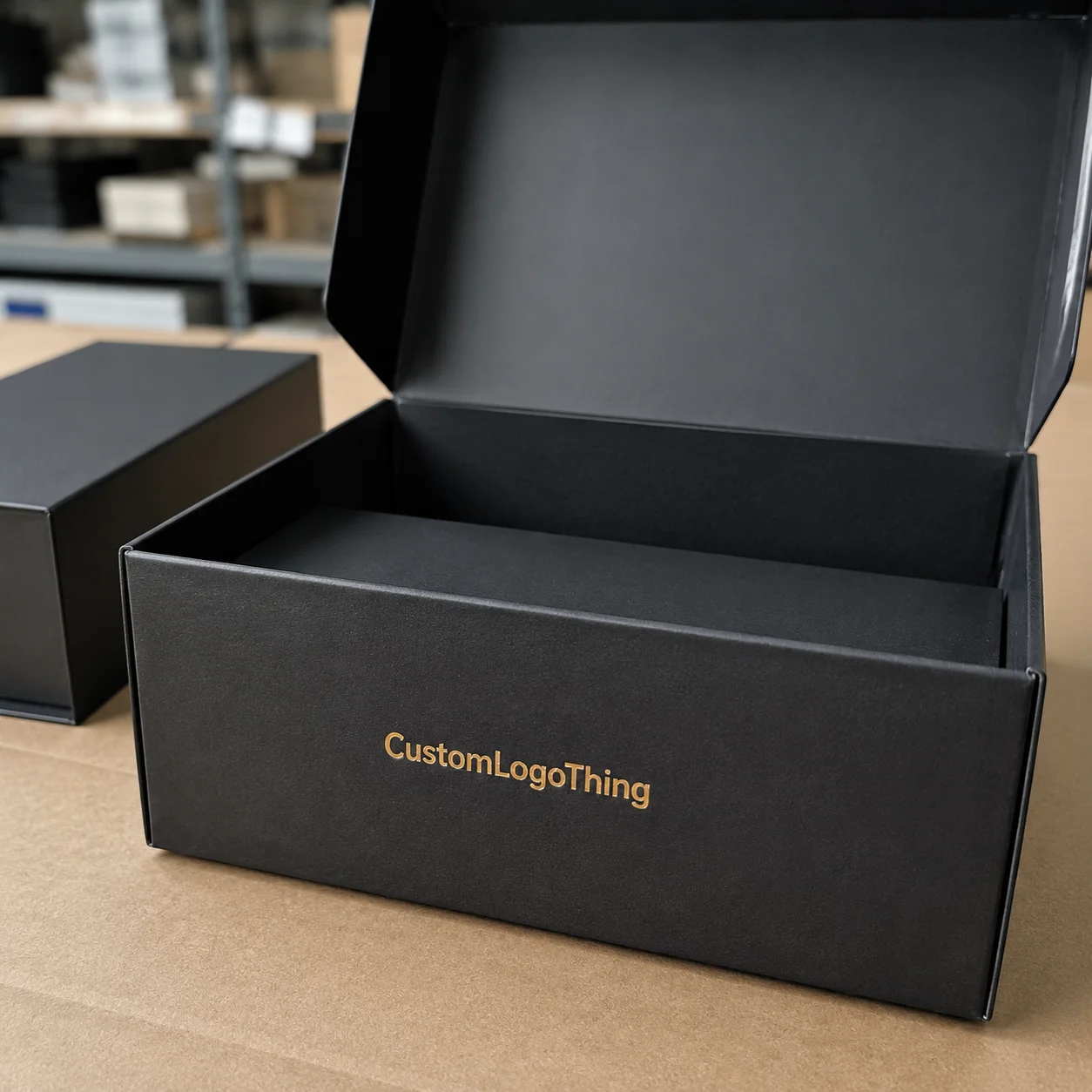
Buyers also perceive quality through touch and fit, not only through visual design. A box that feels stiff in the hand, closes with clean registration, and opens without scuffing tells the customer something about the product inside. That is why branded packaging, retail packaging, and product Packaging for Premium items often uses heavier board, sharper print resolution, and tactile coatings such as 12-18 micron soft-touch film. Those choices are not cosmetic extras; they are part of the package branding itself.
Many people treat the packaging quote like a print quote. Packaging cost premium quality depends just as much on structural engineering as it does on graphics. If the insert is too loose, the bottle shifts in transit. If the board is too light, the lid bows. If the coating is wrong, the surface scuffs in a shipping carton before it ever reaches the customer. Smart buying is about matching the package to the product and the channel, not just shopping for the lowest number. I’ve had to explain that to more than one buyer who thought a premium package should somehow be “sturdier, prettier, and cheaper” all at once. If only.
“A premium package is never one thing. It’s board, print, glue, tolerances, and finish all behaving properly at once.”
When I visited a cosmetics client’s assembly room in Guangzhou, their team had been losing money on returns because an elegant-looking folding carton failed during e-commerce transit. The fix was not more decoration; it was a stronger insert, a better outer shipper, and a coating that resisted scuffing. Their packaging cost premium quality went up a little, but their damage claims fell sharply, and the total landed cost improved. That is the kind of math buyers should care about, even if the prettier number on the first quote sheet feels emotionally satisfying for about ten minutes.
For more background on materials and packaging standards, I often point clients to the Packaging World / PMMI resources and to shipping performance guidance from the ISTA test standards organization. Those references help separate visual preference from actual performance, especially when a product has to survive a 1.2-meter drop test or a humid export route from Shenzhen to Los Angeles.
Product Details That Shape Premium Packaging Cost
The product format is the first major lever in packaging cost premium quality. Rigid boxes carry more labor than folding cartons because they are built from wrapped board and typically assembled by hand or semi-manual stations. Folding cartons can be efficient at scale, but when you add foil, embossing, or a window patch, the unit cost moves upward fast. Corrugated mailers can be cost-effective for shipping, yet when you step into custom printed boxes with premium graphics and a refined finish, you start paying for better board, tighter color control, and more careful conversion.
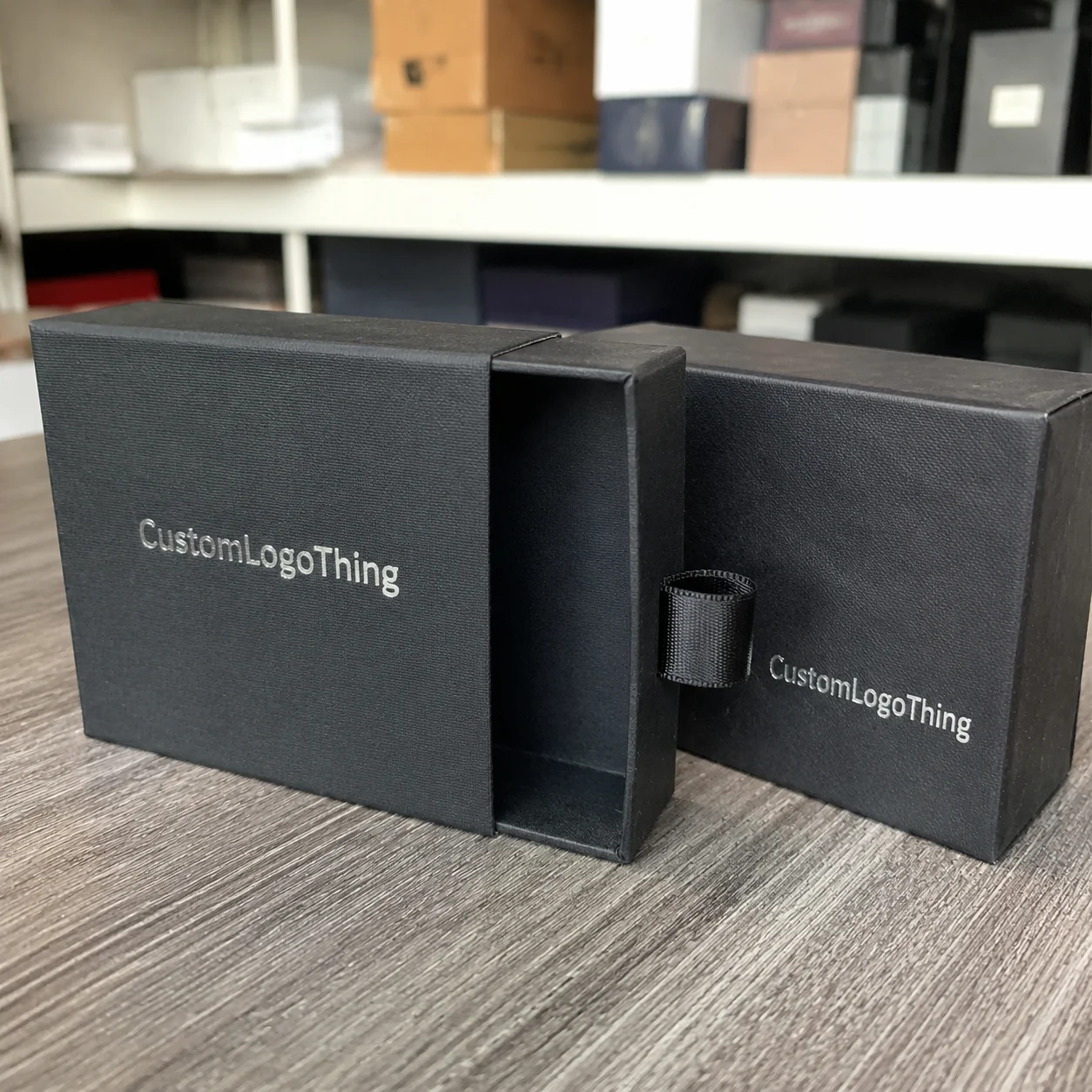
A paper bag with one-color print is a different animal from a magnetic rigid box with satin ribbon pulls. Even if both carry the same logo, the labor content is very different. In one plant I worked with in Foshan, a simple paper bag line could run 6,000 to 8,000 pieces per hour, while a gift box line with inserts and closure testing required multiple checkpoints and slower output. That difference is a major part of packaging cost premium quality.
Material selection also matters more than most people expect. SBS paperboard offers a cleaner print face and is popular for retail packaging because it takes ink well and feels refined. CCNB can be a cost-effective choice for certain cartons, especially where a white surface is needed on one side and a recycled fiber core makes sense. Greyboard, often used in rigid boxes, provides stiffness and structure, while E-flute corrugated helps where crush resistance is required. Specialty paper wraps, including 120gsm textured papers, 157gsm art paper, metallic wraps, and soft-touch laminated sheets, can elevate the perceived value but will increase raw material cost and handling sensitivity.
Print and finishing choices have a very direct effect on packaging cost premium quality. Offset printing usually gives the cleanest large-run color control, while digital printing can be smart for low-volume launches or multiple SKUs. Hot foil stamping adds a metallic or pigmented accent, embossing and debossing create tactile depth, matte lamination softens the look, soft-touch coating creates a velvety handfeel, and spot UV makes certain elements pop. None of these are free effects. Each requires setup, registration discipline, and in many cases an extra production pass. A 2-color offset job with one foil plate can look elegant at 5,000 pieces, while a 4-color plus foil plus emboss package can easily add 20% to 45% to the unit price depending on the factory in Dongguan or Yiwu.
Premium details add up quickly too. A ribbon pull in a rigid box looks simple to the customer, but on the line it means an extra part, a placement step, and another point of inspection. A magnetic closure requires alignment so the lid feels crisp rather than sloppy. A window patch adds adhesive control. Custom foam or molded pulp inserts must match the product shape closely, which can involve separate tooling, die cutting, or forming. Every one of those details influences packaging cost premium quality because they affect both material usage and assembly time.
One jewelry client I met in Shenzhen insisted on a tiny magnet closure because the lid “felt premium.” The first sample looked lovely, but the magnets were too strong and caused alignment headaches during assembly. We adjusted the magnet size and changed the wrap paper thickness by 20gsm, and the line stabilized. That is a perfect example of why premium packaging is not just about appearance; it is about manufacturability. If the package is hard to build, your unit cost goes up before the customer ever sees it, and the factory supervisor starts making that face I’ve seen a hundred times—the one that says, “Great, another tiny detail that will haunt us for three shifts.”
| Packaging format | Typical material | Production complexity | Indicative use case | Relative cost pressure |
|---|---|---|---|---|
| Folding carton | CCNB or SBS board | Moderate | Retail packaging, cosmetics, supplements | Medium |
| Rigid box | Greyboard with specialty wrap | High | Luxury gift sets, electronics, jewelry | High |
| Corrugated mailer | E-flute or B-flute corrugate | Low to moderate | E-commerce shipping, subscription boxes | Moderate |
| Paper bag | Art paper, kraft, or coated paper | Low to moderate | Retail carryout, brand events | Lower to medium |
| Custom insert | Foam, pulp, cardboard, molded tray | Moderate to high | Fragile products, premium presentation | Variable |
For buyers comparing options, the best question is not “What looks premium?” but “What gives the right protection and presentation at the lowest sensible unit cost?” That question keeps packaging cost premium quality grounded in the product’s actual needs. A hand cream in a light carton needs something different than a glass candle in a gift box, and a shipping box for a subscription set should be judged by transit performance as much as by shelf appeal.
Specifications That Control Packaging Cost Premium Quality
If you want clean quotes, the spec sheet has to do more than say “premium box.” Packaging cost premium quality depends on exact dimensions, board thickness, print coverage, insert style, and finishing requirements. A carton sized at 120 x 80 x 35 mm may look almost identical to one at 125 x 85 x 35 mm, but that 5 mm change can alter board yield, die layout, shipping carton packing density, and even whether the case stacks efficiently on a pallet. A factory in Dongguan can often show the difference in scrap rate within a single proof cycle.
I learned that lesson years ago during a folding carton run for a skincare brand in Guangzhou. Their design team changed the bottle neck height after we had already approved the sample. The carton still “fit” on paper, but the internal clearance became too tight after lamination and the top flaps started rubbing the cap. The rework cost more than the original packaging quote because the structural change cascaded through the whole workflow. That is why packaging cost premium quality should always be discussed with final product dimensions, not assumptions. I still remember the production manager rubbing his temples and muttering, “Why do dimensions always grow after approval?” Fair question. Never a fun Friday.
Strong specs usually include the following:
- Exact outer and inner dimensions in millimeters or inches.
- Board grade and thickness, such as 300gsm SBS, 350gsm C1S artboard, 32pt C1S, or 1.5mm greyboard.
- Print method, including offset, digital, flexo, or screen.
- Color count and whether the job uses full-coverage artwork or spot colors.
- Coating or lamination, such as matte, gloss, soft-touch, aqueous, or UV.
- Insert type, such as molded pulp, foam, cardboard divider, or thermoformed tray.
- Ship-ready requirement, including outer cartons, master packs, and palletization.
Tighter tolerances increase the cost as well. If the insert must hold a glass bottle with only 1 mm of movement, the tooling and QC have to be much better than on a loose promotional box. Clean registration matters too. On premium packaging, a foil panel that is off by even 0.5 mm can make the whole design look cheap, so the press operator needs better setup time, more careful calibration, and often slower run speed. That is pure packaging cost premium quality in action.
Buyers should also prepare their quotation request so suppliers can compare jobs apples-to-apples. Send vector artwork, a clear dieline, product photos, the finished product weight, the shipping environment, and the expected retail or e-commerce usage. If the item must survive drop testing, say so. If you need FSC paper, recycled content claims, or food-safe coating, put that in writing. Compliance requirements can alter sourcing and production methods, which changes both lead time and price. For sustainability standards, the FSC organization is a solid reference point for paper sourcing expectations.
A vendor cannot quote packaging cost premium quality accurately if the brief is loose. The better the spec, the more predictable the price, the fewer the surprises, and the more likely the first sample will be close to final approval. A 5,000-piece run with a full spec sheet and approved dieline in hand usually saves at least one round of correction, which can mean 2 to 4 business days less waiting before production.
Packaging Cost Premium Quality: Pricing, MOQ, and Unit Economics
Pricing for packaging cost premium quality usually follows a familiar curve: setup cost is high on short runs, and unit cost falls as quantity rises. That is because plates, dies, wrap setup, and finishing adjustments are fixed costs that need to be spread across the run. A 1,000-piece order for a rigid box may carry a much higher per-unit price than a 10,000-piece order, even if the materials are exactly the same, because the setup labor is divided by fewer units.
MOQ is often misunderstood as a sales tactic, but on the factory side it is mostly a production-efficiency reality. If a job needs a custom die, a specialty paper wrap, three finishing passes, and manual insert placement, the line cannot run profitably at very low volume. The minimum order quantity exists because the factory has to cover tooling, labor, spoilage, and scheduling. That is especially true for custom printed boxes and premium rigid setups, where one missed alignment can slow the entire line in a plant outside Shenzhen or Dongguan.
To help buyers see the cost logic clearly, I like to break packaging cost premium quality into three budget tiers.
| Budget tier | Typical features | Best for | Cost behavior |
|---|---|---|---|
| Brand-presentable | Single-color print, standard board, basic matte or gloss finish | Startups, promotions, value products | Lower setup, lower unit cost |
| Balanced premium | Heavier board, custom dieline, one premium effect, fitted insert | Most retail packaging, skincare, gift items | Moderate setup, balanced unit economics |
| Luxury presentation | Rigid box, specialty wrap, foil, emboss, magnetic closure, custom insert | High-value goods, gifting, prestige brands | High setup and higher labor content |
That tiering helps because a buyer can decide where the money should go. If the product is fragile, spend on the insert and outer shipper. If the product is a shelf item competing in retail, spend on print sharpness and surface finish. If the goal is luxury presentation, spend on the box structure, tactile feel, and closure mechanism. In other words, manage packaging cost premium quality by spending where the customer will notice it most.
Total landed cost matters more than ex-factory pricing alone. A package with a cheaper unit price can still be expensive if it damages more often, ships inefficiently, or takes up extra warehouse space. I’ve seen clients save $0.04 per unit on a carton and then lose much more through crushing, reprints, and returns. That is why packaging cost premium quality should always be evaluated against freight, storage, and damage rates, not just the invoice from the factory. I mean, if a “cheap” box costs you rework and customer complaints, that’s not cheap—that’s just paperwork wearing a disguise.
Here are the main cost multipliers I see repeatedly:
- Low volume that cannot absorb setup costs.
- Multiple SKUs requiring several artwork and plate changes.
- Hand assembly for rigid boxes, inserts, and ribbon elements.
- Multi-step finishing such as foil plus emboss plus spot UV.
- Complex outer shippers for e-commerce or export packing.
One beverage client I worked with in Guangzhou ordered three versions of the same gift box for different flavors. Their first idea was to split the artwork across many tiny versions, but that pushed MOQ pain through the roof. We simplified the structure, kept one master shell, and changed only the belly band. Their packaging cost premium quality stayed strong, but the inventory risk dropped and the unit cost became much easier to manage. The final run was 5,000 sets, and the change saved them two separate print setups.
If you are comparing suppliers, ask exactly what is included: shell only, insert included, packing included, inspection included, export carton included, and palletization included. Some quotes look lower because they exclude those items. A fair packaging cost premium quality comparison always starts with the same scope. On a 5,000-piece order, even a $0.08 difference per unit can become a $400 gap before freight, which is enough to distort a decision if the scopes are not identical.
How Do You Balance Packaging Cost Premium Quality With MOQ?
Balancing packaging cost premium quality with MOQ starts with a simple question: which premium elements truly influence the customer, and which ones only add cost? If the answer is unclear, the order tends to drift into over-specification, and the MOQ starts climbing because the factory has to absorb more setup, more material variation, and more hand work. A clean answer usually comes from ranking the package priorities in order—protection, presentation, and then decoration.
For example, a skincare brand launching into retail may not need a fully rigid box on day one. A well-built folding carton with matte lamination, sharp offset print, and a custom insert can create a polished shelf presence without pushing the order into a higher MOQ bracket. A luxury fragrance set, on the other hand, may justify the rigid construction and magnetic closure because the product value supports the added labor. That is how packaging cost premium quality stays commercially sensible rather than becoming a design wish list.
One useful method is to ask the supplier for a modular quote. Request the base shell price, then separate line items for foil, embossing, specialty wrap, insert upgrades, and packing. That makes it much easier to see which choices affect MOQ and which ones only change the finishing stack. A supplier in Shenzhen can usually show you very quickly whether a feature is a minor add-on or a production bottleneck, especially if the job involves custom printed boxes, paper bags, or folded cartons with multiple colors.
Another practical tactic is to standardize what you can. If your brand has three SKUs, a shared box structure with different belly bands or labels often reduces tooling complexity and supports better inventory planning. The same idea works for packaging inserts: one common cavity layout is usually cheaper than three separate molds. This is one of the most reliable ways to hold packaging cost premium quality at a manageable level without dulling the customer experience.
In short, MOQ becomes less painful when the packaging platform is smart. Use the box structure to do the heavy lifting, then reserve the more expensive finishes for the elements customers actually see first. That approach tends to keep production more stable in factories around Dongguan and Guangzhou, where efficient line balance can make a noticeable difference to both price and lead time.
Process and Timeline for Premium Packaging Orders
Premium packaging takes longer because more things can go wrong if the order is rushed. The workflow usually starts with inquiry review, then quoting, structural sampling, artwork proofing, prepress, production, finishing, quality control, and final packing. Packaging cost premium quality is shaped at every one of those stages, especially once the job involves custom dies or specialty finishing from a factory in Dongguan, Shenzhen, or Ningbo.
On the shop floor, sampling is often the step that saves the most money later. I remember a rigid box project for a candle brand in Guangzhou where the first sample looked perfect in photos but the lid edge rubbed the wrap after repeated opening. The buyer initially wanted to go straight to production, but we insisted on a revised sample. That extra week of refinement prevented a run of 8,000 boxes from being rejected later. Good premium packaging is built through controlled iteration, not optimism. And yes, the buyer was annoyed for a day, but he was a lot less annoyed than he would have been staring at a warehouse full of shiny boxes with scuffed corners.
Typical timing varies by product type, but a reasonable planning framework looks like this:
- Quotation and brief review: 1 to 3 business days.
- Structural sample or mockup: 3 to 7 business days, depending on complexity.
- Artwork proofing and revisions: 2 to 5 business days.
- Tooling and plates: 3 to 10 business days.
- Production and finishing: 10 to 20 business days for many premium jobs.
- QC, packing, and dispatch: 2 to 5 business days.
Those ranges are not fixed, and they can stretch when the order includes embossing, foil stamping, custom inserts, or hand assembly. Digital printing can help on short runs or urgent launches because it removes some plate setup, but it is not always the right answer for larger volumes or very specific color-matching needs. For many premium projects, offset still delivers a cleaner finish and better economics at scale. For a 5,000-piece launch, production is often 12-15 business days from proof approval, while a rigid gift box with full finishing can run closer to 18-22 business days once materials are in house. That is one more reason packaging cost premium quality should be planned from the launch calendar backward.
Rush orders almost always cost more because they compress multiple bottlenecks at once. If artwork is late, a dieline change arrives after proof approval, or a coating choice is changed midstream, the schedule can reset. I tell buyers the same thing I tell procurement teams in supplier meetings: sign-off discipline is worth real money. If you keep changing the spec, the factory has to keep reworking the job, and packaging cost premium quality rises with every restart. A revised proof after plate-making can add 2 to 4 extra business days and force re-approval of the color target.
For shipping-sensitive jobs, it also helps to think about outer protection, not only the finished retail package. E-commerce cartons often need drop performance, corner crush resistance, and clean stacking. That is where standards and test methods become practical tools rather than paperwork. A package that passes internal handling but fails transit is not premium—it is expensive. The best premium packaging protects the product through the actual route it will travel, whether that route goes from a factory in Shenzhen to a warehouse in California or from Guangzhou to a retail distributor in Singapore.
Why Choose Us for Packaging Cost Premium Quality
At Custom Logo Things, we approach packaging cost premium quality the way factory people do: by looking at the structure, the materials, the print path, and the handling steps before we talk about the quote. That matters because a packaging supplier who only sells on appearance can miss the practical details that protect your budget, your schedule, and your brand presentation. I have spent enough time in converting rooms and finishing bays in Shenzhen and Dongguan to know that the prettiest estimate on paper is not always the best package for the job.
Our value starts with practical product packaging advice. If a rigid box is the right call, we will say so. If a well-built folding carton or corrugated mailer will deliver the same retail impact with a lower unit cost, we will recommend that instead. Good packaging design is not about loading on extras; it is about getting the best result for the product and channel. That is how packaging cost premium quality stays aligned with margin. A packaging spec with a 350gsm C1S artboard, matte lamination, and one foil accent may be the right balance for a 5,000-piece skincare launch, while a 1.5mm greyboard rigid box is better reserved for a higher-value gift set.
We also pay close attention to the manufacturing chain. A premium job may move through print coordination, lamination, die cutting, foil, embossing, gluing, insert fitting, and final inspection, and each step needs a clear owner. We have handled custom printed boxes, inserts, sleeves, paper bags, and branded packaging projects where the difference between success and delay came down to whether every stage had the right material spec and approval path. When the chain is managed well, the result is consistent; when it is managed loosely, the buyer pays for mistakes. A well-run project might move from proof approval to finished cartons in 12-15 business days for a standard folding carton, or 18-25 business days for a fully finished rigid set with hand assembly.
One of the reasons buyers stay with us is that we are honest about tradeoffs. If you want a velvet-like soft-touch surface, we will tell you it is beautiful but also more sensitive to scuffing in dense shipment. If you want a foil logo and deep emboss, we will explain the extra setup and the possible effect on MOQ. If you need food-contact packaging or FSC paper, we will guide you on those sourcing decisions rather than guessing. That kind of clarity is what makes packaging cost premium quality manageable, especially when the run size is 3,000 or 10,000 pieces and every small decision affects the per-unit total.
We also help clients compare quote levels instead of chasing one mysterious number. A good buying process often starts with three scenarios: lean, balanced, and premium. That gives decision-makers a better view of how the unit cost changes when you add a magnet, a foil panel, or a custom insert. It also keeps package branding aligned with the brand story instead of forcing the team into a choice between “cheap” and “too expensive.” On a quote of 5,000 boxes, the difference between a basic tuck carton and a fully finished rigid setup can be as small as $0.15 per unit for one step and as large as $1.20 per unit once hand assembly and specialty wrap enter the picture.
From a practical standpoint, our internal process is built to reduce reprint risk, color mismatch, and assembly issues. That means more consistent proofing, more careful spec checking, and more disciplined QC on the jobs that matter most. If a buyer is spending real money on packaging cost premium quality, the package should arrive with the print sharp, the edges clean, and the fit exactly where the drawing says it should be. We inspect critical dimensions at the line, verify foil registration on press, and review packed cartons before dispatch so problems are caught in the factory, not in the customer’s warehouse.
For buyers reviewing broader packaging options, our Custom Packaging Products page is a useful place to compare formats before asking for a quote. It helps narrow the field before production conversations begin, especially if you are choosing between folding cartons, rigid boxes, sleeves, or paper bags for a 2025 launch in North America or Europe.
Next Steps to Buy Premium Packaging With Confidence
The fastest way to buy premium packaging well is to bring the right information to the first quote request. If you want packaging cost premium quality that fits your budget, gather the product dimensions, target quantity, preferred packaging type, print finish preferences, desired delivery date, and shipping method. The more complete the brief, the more accurate the price. A supplier quoting from a full spec sheet in Shenzhen or Guangzhou can usually respond with a far tighter range than one working from a one-line email.
I also recommend asking for a structural sample or flat mockup whenever the package protects a fragile, heavy, or high-value item. A sample can reveal weak points that a PDF never shows. A candle jar may rattle in a box that looked perfect digitally. A fragrance set may need a different insert depth. A supplement kit may require a tighter tuck flap. Small adjustments made early are far cheaper than correcting a full production run later, and that is the heart of managing packaging cost premium quality. In practical terms, a sample that costs $30 to $120 can save a $4,000 to $8,000 production mistake on a 5,000-piece order.
When you compare quotes, ask for three versions so the numbers tell a story:
- Lean: the simplest structure that still protects the product.
- Balanced: one or two premium features with solid presentation.
- Premium: the full finish set with luxury feel and display value.
That approach helps leadership teams see where the spend actually goes. A board upgrade might add more value than a second embellishment. A better insert may reduce damage more than a glossy coating. A slightly larger carton may save on packing labor if the product loads faster. These are the kinds of tradeoffs that make packaging cost premium quality feel less mysterious and more controllable. For example, changing from 300gsm board to 350gsm C1S artboard may add only $0.03 to $0.06 per unit at 5,000 pieces, while a move to rigid board with specialty wrap can shift the quote by $0.85 or more depending on the finishing stack.
Here is the simple action plan I give clients:
- Confirm final product dimensions and weight.
- Choose the packaging type that matches the channel.
- Request lean, balanced, and premium pricing.
- Review a sample or mockup before production.
- Approve artwork only after structural fit is confirmed.
- Lock the schedule and keep changes to a minimum.
That process works because it treats packaging as part of the product strategy, not as an afterthought. A strong package supports brand perception, product protection, and margin in the same build. The best packaging cost premium quality decisions are the ones that make the product look right, ship safely, and cost what the business can actually support. If your launch is tied to a trade show in Las Vegas, a retail rollout in London, or an e-commerce drop in California, the plan should already account for the factory calendar, transit time, and proof approval window.
In my experience, buyers who succeed with premium packaging are not the ones who hunt for the lowest quote; they are the ones who ask better questions, read the specs carefully, and respect the reality of materials and production. If you do that, packaging cost premium quality becomes a planning exercise instead of a surprise, and the final result looks as good in the warehouse as it does on the shelf. The clear takeaway is simple: lock the product dimensions first, choose only the premium features that earn their keep, and compare suppliers on identical scope so the quote reflects reality, not guesswork.
How does packaging cost premium quality change with different materials?
Premium materials like 1.5mm rigid board, specialty paper wraps, or thick SBS generally cost more than standard folding carton stock because of raw material weight and handling. A 350gsm C1S artboard carton may print beautifully at a 5,000-piece run, while a rigid box wrapped in textured paper from a supplier in Shanghai can cost far more because the board, wrap, and hand assembly all add labor and scrap risk. Higher-end materials may also require slower converting speeds, better finishing control, and more careful packing to prevent scuffing or edge damage.
What MOQ should I expect for premium custom packaging?
MOQ depends on format, print method, and finishing complexity, with rigid boxes and specialty finishes usually needing higher minimums than simple mailers. A folding carton job in Dongguan may start around 3,000 to 5,000 pieces, while a luxury rigid box with foil and insert fitting often sits closer to 1,000 to 3,000 pieces per style. Short-run digital projects can sometimes start lower, but the unit cost is usually higher because setup and labor are spread over fewer pieces.
Why does premium packaging pricing vary so much between suppliers?
Quotes differ because factories use different board grades, finishing equipment, labor structures, and quality standards. Some suppliers quote a basic shell price while others include inserts, packing, inspection, and export-ready shipper cartons, so line items must be compared carefully. A quote from Guangzhou that includes master cartons, pallet wrapping, and final QC may look higher than a bare shell price from another factory, but the true landed cost may be lower once all the missing items are added.
How long does it take to produce packaging with premium finishes?
Standard timelines can extend once embossing, foil stamping, spot UV, custom inserts, or rigid box hand assembly are included. A typical folding carton project can take 12-15 business days from proof approval, while a rigid box with specialty wrap and insert work may require 18-25 business days depending on the factory schedule in Shenzhen or Dongguan. Sampling, proof approval, and tooling creation are usually the time-sensitive steps, so early sign-off helps keep the schedule on track.
What is the best way to lower packaging cost premium quality without looking cheap?
Keep the structural design simple, choose one or two high-impact finishes, and avoid unnecessary multi-step decoration. Use the right material for the product weight and shipping method so you do not overspend on overbuilt packaging or lose money to damage claims. For many brands, a 350gsm board, matte lamination, and one foil accent in a 5,000-piece run offers a stronger balance than adding embossing, spot UV, and a custom ribbon just because the sample room can do it.