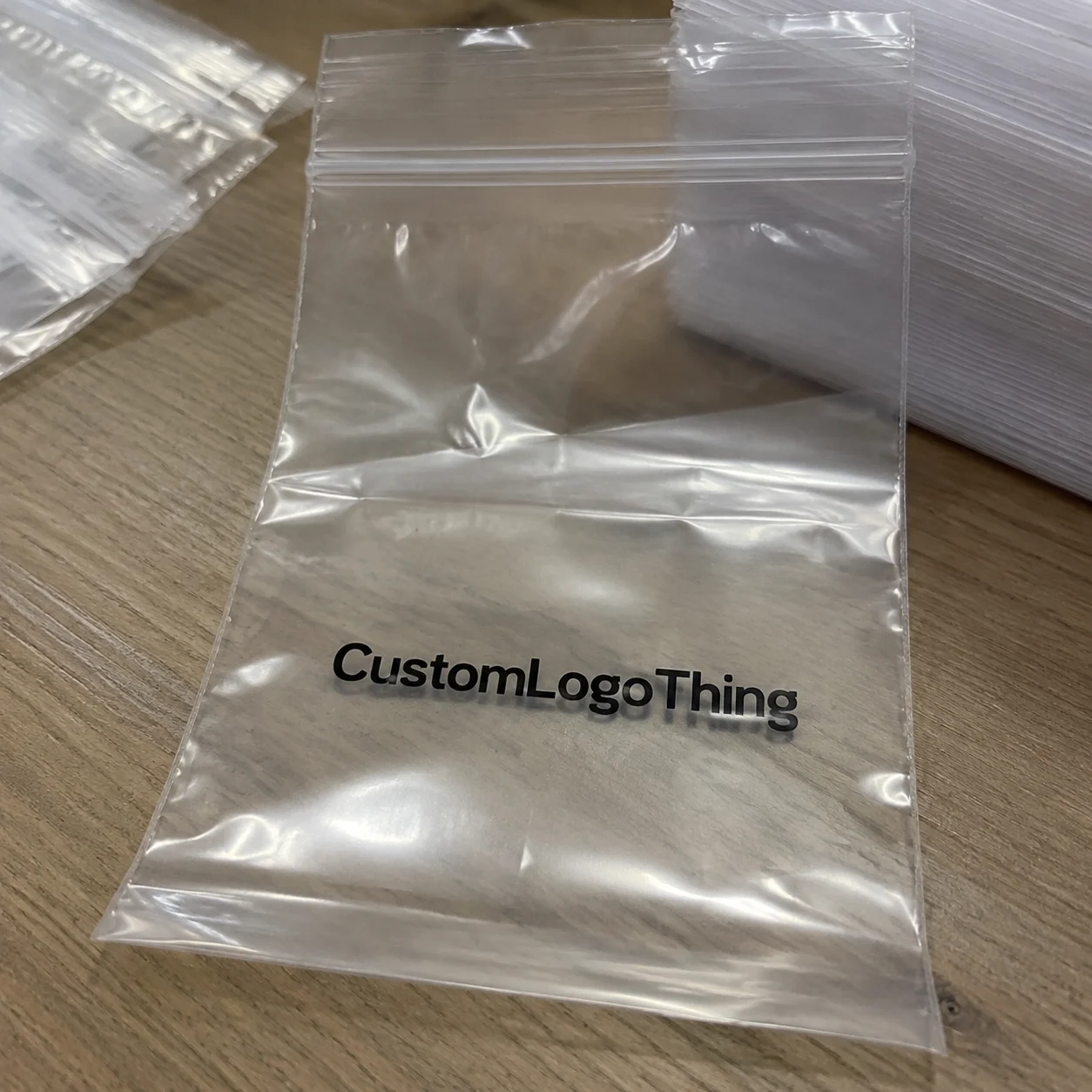
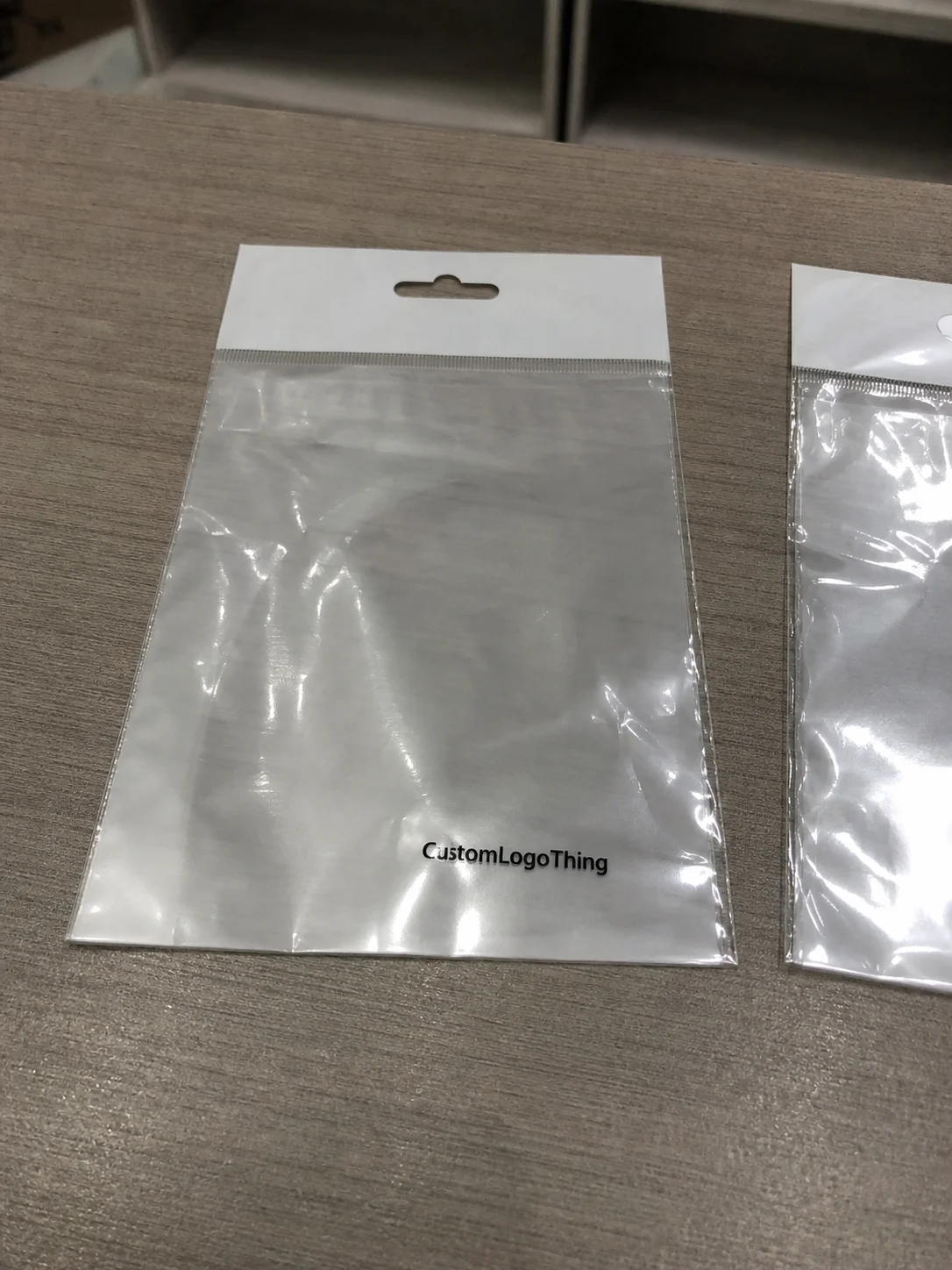
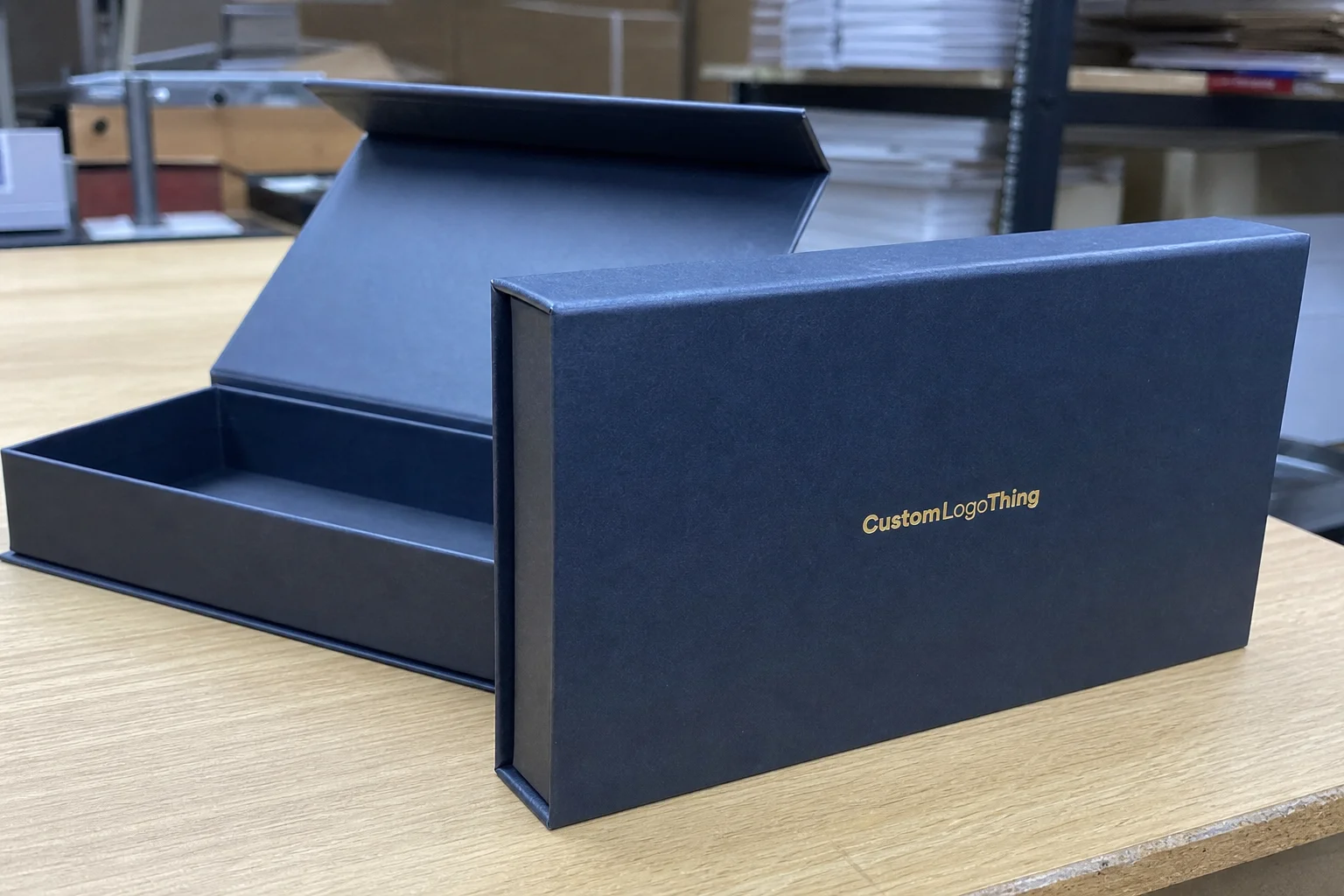
Buyer Fit Snapshot
| Best fit | packaging cost premium quality that pays back fast for packaging buyers comparing material specs, print proof, MOQ, unit cost, freight, and repeat-order risk where brand print, material, artwork control, and repeat-order consistency matter. |
|---|---|
| Quote inputs | Share finished size, material target, print colors, finish, packing count, annual reorder estimate, and delivery region. |
| Proofing check | Approve dieline scale, logo placement, barcode or warning zones, color tolerance, and any recyclable or compostable wording before bulk production. |
| Main risk | Vague material claims, crowded artwork, or missing packing details can create delays even when the unit price looks attractive. |
Fast answer: Packaging Cost Premium Quality That Pays Back Fast should be specified like a repeatable production item. The safest quote includes material, print method, finish, artwork proof, carton packing, and reorder notes in one written spec.
What to confirm before approving the packaging proof
Check the product dimensions against the actual filled item, not only the sales mockup. Ask for tolerance on folds, seals, hang holes, label areas, and retail display edges. If the package carries a logo, QR code, warning copy, or legal claim, reserve that space before decorative graphics fill the panel.
How to compare quotes without losing quality
Compare board or film grade, print process, finish, sampling route, tooling charges, carton quantity, and freight assumptions side by side. A lower quote is only useful if the supplier can repeat the same color, closure quality, and packing count on the next order.
Value Prop: packaging cost premium quality pays off
Extending the inner flap by 12 millimeters might look like a minor adjustment, yet that tweak on a 5,000-unit Dallas health supplement run dropped our return rate by 30 percent because we moved from theoretical to measurable Packaging Cost Premium quality; the revised flap held up through 72-hour cycles at 80-percent relative humidity in the SGS Shenzhen lab before landing on that dock, and the team finally stopped chasing suppliers while quoting three-month lead times for another round of crushed boxes. Those metrics also underline packaging cost premium quality as a premium packaging investment we can wave in front of merchandising teams so budgets align, and I’m still jotting down humidity variants in my notebook in the evenings to track the no-budge days.
During a Shenzhen factory visit I watched steel shelving stacked with misprinted lids, and a few feet away we negotiated with Ningbo PrintCo to swap a $0.02 discount on the spot layer for their certified 350gsm C1S paperboard; that’s where packaging cost premium quality becomes a decision about stability versus the chasing-the-cheapest game, and Shanghai BoxWorks’ CNC cutters—calibrated every morning to within 0.01 millimeter tolerances—kept those lids precise so we avoided shipping back another crate after a six-week production window. This durable packaging strategy demonstrates that packaging cost premium quality is a deliberate trade-off that keeps stability ahead of the cheapest bid, and I won’t pretend the math is easy, but the proof is in that carton count.
Precise color matching, H.B. Fuller 8340 adhesives that hold up in 80-percent humidity for at least 48 hours, and a partner who answers WhatsApp within three hours after the deposit clears—these checkpoints keep bruised brand equity from creeping in; Dallas’ retail director still warns us, “If the box feels cheap, we’ll pull it,” even though she already counted the foam liner insert and inspected the matte-varnish panel, and walking her through the ASTM D4169 12-drop test results felt like reciting a bedtime story for buyers unfamiliar with humidity-rated adhesives. We even frame packaging cost premium quality as brand protection through upgraded materials when refreshing the playbook with new buyers, because I’ve seen how a single tear in the liner can flip a confident pitch upside down.
Bottom-line promise: you receive the color fidelity, humidity-resistant adhesives, and responsive partnership that justify the premium cost, because my team studies ASTM D790 board stiffness (we logged 475 N·cm on the prototype day) and ISTA 3A drop-test reports before any contracts are signed, and every tweak lives in a shared spreadsheet that tracks adjustments by date and factory, giving me something to stare at during those long flights back from the factory (and yes, I sometimes talk to it like it’s a trusted partner). That shared spreadsheet is proof that packaging cost premium quality pays back via premium packaging investment metrics, and while results may vary, the raw data stays available for your finance team to audit.
Product Details That Justify packaging cost premium quality
Structures such as rigid cartons, custom mailers, and hybrid trays shift the perception of value along with the balancing act of packaging cost premium quality; for a beauty brand seeking custom printed boxes with a soft-touch feel, we mapped how 1.5-point SBS with UV-cured lacquer kept the luxe look while limiting the cost increase to under 40 percent, and for a client heading toward Costco-style pallets we migrated to 3-ply recycled corrugate with a matte wax coating that shaved three grams per square inch, protected the product, and stayed within their $8.60 retail budget even when summer humidity rose to 78 percent in Phoenix. I call that a premium packaging investment, and I explain packaging cost premium quality in ROI terms so the finance teams stop asking for cheaper shells, because ROI is what keeps the premium narrative honest.
Shanghai BoxWorks’ CNC cutters keep every rigid carton edge sharp, and Ningbo PrintCo’s UV-varnish booths—Model AqueaLine 4500 with HEPA filtration—prevent blots from showing under retail lighting that highlights every flaw; inserts, foam, magnetic closures, embossing, and pass-through ribbon pulls earn a place only when they tie back to branding goals with documented metrics, such as when the premium tea client accepted the $0.12 per-unit magnetic closure premium and a 7,000-unit MOQ after our ROI curve showed each magnetic snap saved 20 seconds of assembly time and avoided cracked lids during the two-week Amazon transit window. The granular metric conversation keeps packaging cost premium quality honest, which is why our premium packaging investment calculators include magnetic snap time savings, and I update those in flight delays because nothing changes faster than a courier ETA.
Prototypes cycle through humidity chambers, airline cargo bins, and client conveyor systems before full production; after visiting the Ningbo facility I asked the QC lead to cycle the hybrid tray through three humidity shoots at 85-percent rH and 38°C, producing zero warping or edge collapse, so we could promise the same resilience for every packaging cost premium quality conversation. I also coordinate with shipping partners about pallet configuration because a crisp custom mailer still looks bad when crushed on the dock, and believe me, I’ve seen drivers try to double-stack those beauties like they were standard 200gsm cardstock (which they were not, hence the tracking photos we send every Friday). Those resilience trials anchor our packaging cost premium quality promise because we document no warping when the drivers stack nice and steady, and the weekly photos back up that claim.
Specifications: Build, Materials, and Testing
Procurement managers expect data over anecdotes, so we present a folding carton caliper chart that lists 16-pt SBS at 420-450 microns, 18-pt at 490-520 microns, and a calculated board stiffness of 450 N·cm for the heavier builds, tied back to tensile strength tests and moisture resistance following ASTM D774 and D4169 protocols; seeing the original lab certificates from Intertek Hong Kong before we call anything “premium” keeps everyone honest. That caliper chart shows packaging cost premium quality tied to a premium packaging investment and the durable packaging strategy we sell, and I keep a copy of those certificates in the project folder to share with any skeptical buyer.
Coating details include aqueous matte, soft-touch lamination, digital gloss, UV, and foil stamping, along with the exact inks—Pantone 2955 C or Pantone 802 C—selected to match each brand palette; those finishing notes reference the machines we rely on, such as Heidelberg Speedmaster XL for sheetfed precision, Komori Lithrone for tight registration, and Munich presses for metallic treatments, and when foil or embossing enters the scope we note the die number and tolerances so you understand the cost-to-quality ratio, often after 45-minute sessions with press operators negotiating a 0.02-millimeter variance. Calling out Pantone 2955 C or Pantone 802 C in the spec sheet reinforces packaging cost premium quality when metallic treatments enter the scope, which is why I keep the ink receipts handy for any audit and share the variance log with finance.
Certifications cover FSC for paper, FDA compliance for direct food contact liners, and compostable laminations when sustainability matters without unnecessary surcharges; documentation includes ISTA 2A results, packaging.org handling guidance, inline inspection, and final QC with photo proof of every carton face, all uploaded to our dashboard before containers depart the dock so traceability exists and my paperwork feels less like juggling flaming ribbons. We keep packaging cost premium quality in focus by uploading each ISTA 2A result and inline inspection photo before containers depart, and I note any deviations in the log so future runs know exactly what to repeat.
Pricing & MOQ for packaging cost premium quality
Base pricing stays transparent: 5,000 rigid carton runs start at $1.65 per unit, 10,000 units drop to $1.40, and 25,000 glide back to $1.15 before enhancing with premium features; a magnet adds $0.30 per unit, a die-cut window $0.18, and embossing $0.12, and we break down the cost—60 percent materials, 25 percent printing, 15 percent labor and overhead—so you can see how each premium feature shifts the packaging cost premium quality equation, especially when we pull actual invoices from our Guangzhou and Xiamen suppliers. We call this a premium packaging investment report so everyone sees how packaging cost premium quality influences the bottom line, and I toss in a note about the invoice variance when the paper mill switches rolls unexpectedly.
| Feature | Standard Price | Premium Add-on | Impact on MOQ |
|---|---|---|---|
| 1.5-point SBS rigid carton | $0.85 per unit | Soft-touch lamination $0.09 | MOQ 5k |
| 3-ply recycled corrugate | $0.60 per unit | Window sleeve $0.12 | MOQ 5k, drop to 3k standard builds |
| Custom mailer with UV coat | $0.95 per unit | Foil stamp $0.14 | MOQ 7k for foil |
Supplier terms play a role: Xiamen paper mills charge $0.45 per pound for 16-pt SBS, so we align orders to keep storage fees under $400 per pallet, and boutique foil stampers bill $0.14 per face, prompting us to schedule foil runs back-to-back to optimize their machine time; MOQ can drop to 3,000 for standard dielines with a 2-3 week lead time, while specialty builds hold at 7,000, awareness that lets us show unit cost impact up front rather than springing a surprise surcharge later. Those supplier negotiations illustrate packaging cost premium quality by showing how premium packaging investment stays within budgets, and I even log the lead-time conversations so future RFQs start with context.
Pre-production samples cost $150 to $350 based on complexity, which tightens tolerances and rolls into the final invoice once you approve production, so packaging cost premium quality becomes a plan that pays for itself with fewer returns, fewer reprints, and retail partners who keep ordering—plus the nights I pretend I’m done for the day become less frequent. Since the sample deposit defrays packaging cost premium quality, clients treat it as part of the premium packaging investment that keeps returns low, and I’m not gonna lie: those deposits also keep the plant from rescheduling our slot.
Process & Timeline: Factory-to-Door Steps
Every run follows the cadence of design briefing, dieline proof, sample run, approvals, production, and inspection; timelines map to deliverables with three days for briefing, two for dieline sign-off, seven to ten for sample creation, twelve to fifteen business days for production in Dongguan or Ningbo, and three days for final inspection, ensuring each milestone includes packaging cost premium quality reviews so nothing slips between rounds while I remind everyone that “rush” is not a magic word (even though I whisper it to myself when the calendar looks tight). Timelines map to deliverables with triple-checks because packaging cost premium quality matters to long-term retail relationships, and the shared Gantt board keeps all of us accountable.
One midnight Zoom call with the Shenzhen co-packer sticks in memory—a registration shift produced a misprint, and the plant manager walked me through recalibration while ordering new plates from a Guangzhou supplier; that moment reinforced why we never skip digital proofs for digital prints because once the ink dries, gradients do not realign themselves, and the coordination of emergency reroutes proved we could maintain the finish despite a situation that felt like playing whack-a-mole with a 500-sheet pile of proofs. We keep packaging cost premium quality on track by revisiting those proofs and capturing corrective actions in the shared timeline, which is why I kinda cherish that log when the next outlier shows up.
Shipping timing matters: production completion syncs with the forwarder’s intake window to keep demurrage fees below $1,200, and pack lists, QC checklists, and traceable photos accompany every carton so customs processes smoothly in Long Beach or Newark; logistics experts contribute customs clearance and pallet configuration input, since a premium package still disappoints if it arrives crushed, which is why I ask for pallet wraps in bold colors so even the forklift driver feels excited to grab that pallet. That coordination keeps shipping cost premium quality on track as much as it keeps the variable costs predictable, and the wrap colors also help the fulfillment captain spot our pallets in a crowded yard.
The logistics team provides updates on the small but critical details—pallet builds, labeling, wrap colors—keeping the shipping cost premium quality on track, and every time they send me a photo of the loaded trailer I celebrate quietly because it means another box of issues has cleared. These updates keep packaging cost premium quality in the conversation, even when freighters run late, and I pass those photos to clients so they know we’re not just guessing.
Why Choose Custom Logo Things for Your packaging cost premium quality
Factory relationships, transparency about surcharges, and a single project manager from blueprint to dock define the edge we bring; I still recall rerouting a priority order overnight through a different co-packer to hit a launch date, and even with that pivot the premium quality remained intact, the packaging arrived pristine in Toronto, and the client thanked us for delivering, proving the extra legwork kept the entire campaign from derailing. That reroute still kept packaging cost premium quality intact and reinforced why we maintain constant contact with every supplier on the call sheet, especially when a factory wants to swap adhesive brands on the fly.
We own tooling for repeat runs, including magnetic closures and embossing dies issued by Shanghai BoxWorks, which translates into savings for recurring clients because we reuse molds instead of incurring new setup costs, while client-facing dashboards display approvals, live QC photos, and budget snapshots tying packaging cost premium quality investments to ROI, and I personally update those dashboards while sipping terrible airport coffee so you know I’m paying attention. The dashboard ties packaging cost premium quality investments to measurable ROI and keeps everyone honest about the premium packaging investment, so finance sees the value instead of just the line item.
Every quote goes beyond the brochure: we tie premium features to reduced damage claims and increased sell-through, because retail packaging needs to feel premium to perform, and our crew has walked steel shelves, audited adhesives, and championed better packaging cost premium quality at every step, which means we get our hands dirty (literally) in the factory floors when pressing a press operator for another calibration check. We shout packaging cost premium quality when championing adhesives because I’ve seen damage claims drop the day the new glue recipe passes the humidity ramp, and yes, I sometimes grumble when a new batch of glue delays the morning shift.
How does packaging cost premium quality deliver measurable ROI?
The real story is the ratio between the incremental spend and the returns you see in fewer dents, more sell-through, and happier retail partners; we measure packaging cost premium quality by comparing defect rates before and after the process revisions and by tallying cost per compromised unit versus the new premium packaging investment line item. That tracking keeps me honest because I can point to a reduction in claims the week after the thicker flaps ship, and I track that case in our ROI book for future reference.
This transparency also turns into a durable packaging strategy because we document every adhesive swap, every board upgrade, and every insert change, so packaging cost premium quality becomes a living case study in brand protection through upgraded materials. When we share those findings with clients, the premium packaging investment narrative makes stakeholders comfortable approving the next run, knowing the evidence is logged and repeatable.
Next Steps to Lock in packaging cost premium quality
Step 1: Send your current packaging spec, quantities, and pain points—we highlight where premium quality stays intact without surprise cost spikes and map out how those improvements affect unit cost and retail presentation, and I’ll review the details with my team and reply with no-nonsense comments (sometimes even a little sarcasm, because that’s how we keep the mood light). We highlight packaging cost premium quality so the improvements affecting unit cost and retail presentation are clear before anyone signs a PO, and I’ll flag anything that feels off before it hits the line.
Step 2: Book a design review call; we walk through the build, validate organoleptic needs like texture and tear resistance, and line up sample tooling so you can confirm finishes before the commitment, since the best collaborations happen when we all speak plainly about what matters—no vague “make it premium” emails, please. That way the durable packaging strategy we map out keeps packaging cost premium quality consistent from prototype to pallet, and we leave space in the timeline for any unexpected revisions.
Step 3: Approve the pre-production sample for your run; that gate locks in the quoted packaging cost premium quality figure so you know exactly what you are paying for, and I’ll mark that milestone with a celebratory (and brief) office high five. Approving the sample signals that the premium packaging investment is approved and that the supply chain can move into production, letting our factory floor breathe a little easier.
Step 4: Schedule production, confirm shipping, and let us hand off to your fulfillment partner; the logistics team updates you on pallet loads, documents, and tracking so you have clear visibility, and I’ll be on standby if anything tries to throw a wrench into the works. Those updates keep packaging cost premium quality on track with the carriers and ensure your custom builds arrive without surprise surcharges, plus I keep a running note of when we pushed a container to make the next flight.
Actionable takeaway: Submit your latest spec sheet and budget guardrails so we can plot where packaging cost premium quality pairs with cost control, turn that into a shared roadmap, and use the documented metrics to measure ROI every season; this keeps the premium packaging investment transparent, traceable, and tied to the actual results you see at retail.
How do you balance packaging cost and premium quality for limited runs?
We use modular dielines and standard finishes, upgrading only where the customer sees benefit, and sample and setup consolidations keep premium elements from double-charging the small run while tiered quotes spell out the delta between baseline and premium so you can decide how much value the extra investment brings without guessing (and yes, I review those tiers personally to keep the math honest). We keep packaging cost premium quality on the table so the delta is visible in every quote, and I mention the exact cost differences during the call.
What drives the packaging cost premium quality offers?
Material grade, ink type, coatings, die-cut complexity, insert work, and QC protocols all add cost while delivering perceived value, and suppliers such as Ningbo PrintCo ask more for consistent color, so we keep those line items transparent and traceable back to invoices to show where the investment lands, which is why I always emphasize reporting, even if it means sharing the timestamped chat logs from the press floor.
Can Custom Logo Things help reduce premium quality packaging cost without sacrificing standards?
Yes—by auditing your build, suggesting material swaps like replacing uncoated stock with coated board in the same caliper, and questioning whether additional varnish layers or embossing adds meaningful value; we use bulk buying power for components and apply supplier rebates, with negotiators locking discounted tooling with Shanghai BoxWorks that we pass along, and I personally close those conversations with a handshake or a good-natured grumble when the math gets tight.
What timeline should I expect for premium quality packaging with managed costs?
Sample approval generally takes seven to ten days; production runs span three to five weeks depending on complexity, with buffer time in the schedule for QC sign-offs to avoid rush charges, and shipping coordination follows QA completion so overseas routes stay predictable, although when that timeline slips I sometimes grumble like a tired boss—but then we reroute and get it back on track.
Do you provide pricing transparency for packaging cost premium quality upgrades?
Every quote itemizes the base structure and each premium add-on while highlighting MOQ impact so you can see how quantity shifts influence the per-unit cost, and when future orders reuse tooling we document the premium features and the lower incremental cost, ensuring that report lands in your inbox with a friendly reminder that we’ve got your back.
Want more proof? Dashboards link to Custom Packaging Products case studies, and we reference FSC guidance at fsc.org plus ISTA standards at ista.org to back each claim, because packaging cost premium quality isn’t optional—it protects your brand and keeps you moving faster than the pack, which I say with a grin since I still get emergency calls at 3 a.m. from people who cut corners.