Buyer Fit Snapshot
| Best fit | Packaging Cost Wholesale projects where brand print, material claims, artwork control, MOQ, and repeat-order consistency need to be specified before quoting. |
|---|---|
| Quote inputs | Share finished size, material target, print colors, finish, packing count, annual reorder estimate, ship-to region, and any compliance wording. |
| Proofing check | Approve dieline scale, logo placement, barcode or warning zones, color tolerance, closure strength, and carton packing before bulk production. |
| Main risk | Vague material claims, crowded artwork, missing packing details, or unclear freight terms can make a low unit price expensive after revisions. |
Fast answer: Packaging Cost Wholesale: Artwork Proof, Packing Count, and Landed Cost should be specified like a repeatable production item. The safest quote records material, print method, finish, artwork proof, packing count, and reorder notes in one written spec.
Production checks before approval
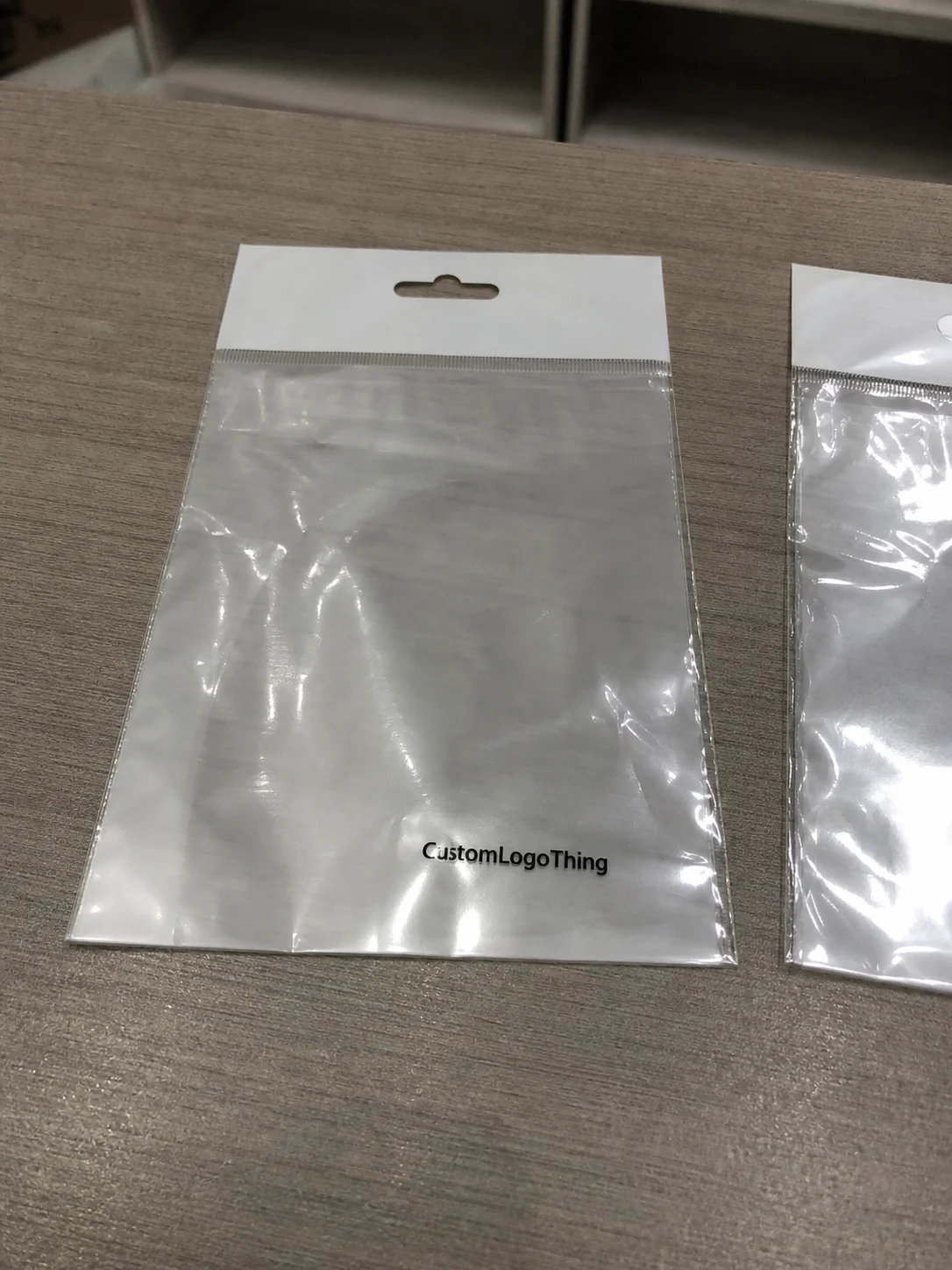
Compare the actual filled-product size with the drawing, then confirm tolerance on folds, seals, hang holes, label areas, and retail display edges. Reserve space for logos, QR codes, warning copy, and material claims before decorative graphics fill the panel.
Quote comparison points
Review material grade, print process, finish, sampling route, tooling charges, carton quantity, and freight assumptions side by side. A quote is only useful when the supplier can repeat the same color, closure quality, and packing count on the next order.
If you are comparing packaging cost wholesale across suppliers, the first thing I’d tell you is this: the number on the quote is usually less about “packaging” and more about a chain of decisions that starts with board grade, print coverage, and box style. I still remember a buyer in one of our Shenzhen facility reviews who expected a mailer box and a folding carton to be close in price, then watched the quote swing by nearly 38% once we changed the structure, added full-bleed art, and moved from 300gsm CCNB to 350gsm C1S artboard. That kind of surprise happens all the time in factories around Dongguan, Ningbo, and Shenzhen, and honestly, it is exactly why understanding packaging cost wholesale matters before you approve artwork or place a deposit.
Most buyers get tripped up because sample pricing looks like the real number, yet sample pricing is not wholesale manufacturing pricing. A single prototype may use hand-cutting, one-off lamination, and short-run digital output, while true packaging cost wholesale comes from press utilization, shared setup, efficient die cutting, and material bought in pallet or roll quantities. If you know where the cost sits, you can make smarter tradeoffs on custom printed boxes, product packaging, and retail packaging without sacrificing the look your customer expects, especially if your production schedule is built around a 12- to 15-business-day run after proof approval rather than a same-week sample mindset.
For buyers working through Custom Packaging Products or checking Wholesale Programs, the goal is not chasing the absolute lowest number on the page. The better move is protecting your landed cost, your defect rate, and your delivery schedule at the same time. That is where real packaging cost wholesale savings come from, not from a quote that looks cheap until freight, storage, and reprints show up later and turn a $0.19 box into a $0.31 landed expense.
Why Packaging Cost Wholesale Is Lower Than You Think
I’ve stood beside a KBA press at a carton plant in Shenzhen while a buyer from a mid-sized cosmetics brand stared at two nearly identical structures and asked why one quote was 11 cents higher. The answer was simple: the cheaper one had lighter ink coverage, a flatter layout that nested better on the sheet, and no spot UV. In other words, packaging cost wholesale is often lower than expected once the factory can run repeatable specs at volume, but it can also climb quickly when the structure or finishing gets even slightly more complex. I’ve seen people react to a finish change like they just got handed a parking ticket with glitter on it.
Wholesale pricing works because factories spread fixed costs across more units. Tooling, die making, plate setup, press calibration, and sampling all take time, whether you order 500 pieces or 50,000. Once those fixed steps are covered, packaging cost wholesale improves through larger runs, standardized production, and fewer stops on the line. A folding carton line running 18,000 units with a stable die line can move far faster than a one-off custom shape, and that speed lowers the unit cost in a very real way, often by $0.03 to $0.08 per unit between a 1,000-piece and a 10,000-piece run.
There is also the material side. When a packaging manufacturer buys 350gsm SBS board, E-flute corrugated, or 157gsm art paper in bulk, the mill price drops, freight per sheet improves, and waste becomes easier to control. I’ve watched a supplier negotiation in Dongguan where shifting an order from mixed board grades to one standardized stock saved almost 9% on the final packaging cost wholesale quote. That is not hype; it is what happens when the factory can buy smarter and run longer uninterrupted cycles, especially when the board is coming from mills in Foshan or Guangzhou rather than being split across multiple paper sources.
Retail-looking sample pricing can be misleading because the sample is often a hand-finished display piece. A rigid box with a ribbon pull, EVA insert, and foil logo may cost very little in prototype form, but a full production run includes machine setup, glue application, wrapping labor, and quality checks on every batch. If you want accurate packaging cost wholesale, ask for the manufacturing quote, not the presentation sample price, and make sure the supplier states whether the sample was made digitally in 2 to 4 business days or produced on the same offset line used for mass production.
One more thing buyers sometimes miss: the lowest quote is not always the best value. A box that saves 2 cents on paper but arrives with a 6% defect rate, a 10-day delay, and a freight class penalty can cost more than a cleaner, slightly higher quote. In my experience, the most reliable packaging cost wholesale decision weighs unit cost against freight, returns, damage risk, and the cost of missing a launch date by even a single week.
“The cheapest box on paper is rarely the cheapest box on the dock.” I’ve heard that from procurement teams in Chicago, Toronto, and Sydney, and after two decades around converting lines, I’d say they are usually right.
That is especially true for branded packaging where the box carries part of the sales job. A nicer structure may support better package branding and reduce shelf damage, while a stripped-down version may be fine for internal shipping. The trick is matching the packaging to the job so your packaging cost wholesale stays efficient without making the product look underdeveloped, whether the order is leaving a facility in Shenzhen or going direct from a converted carton plant near Suzhou.
Product Types That Affect Packaging Cost Wholesale
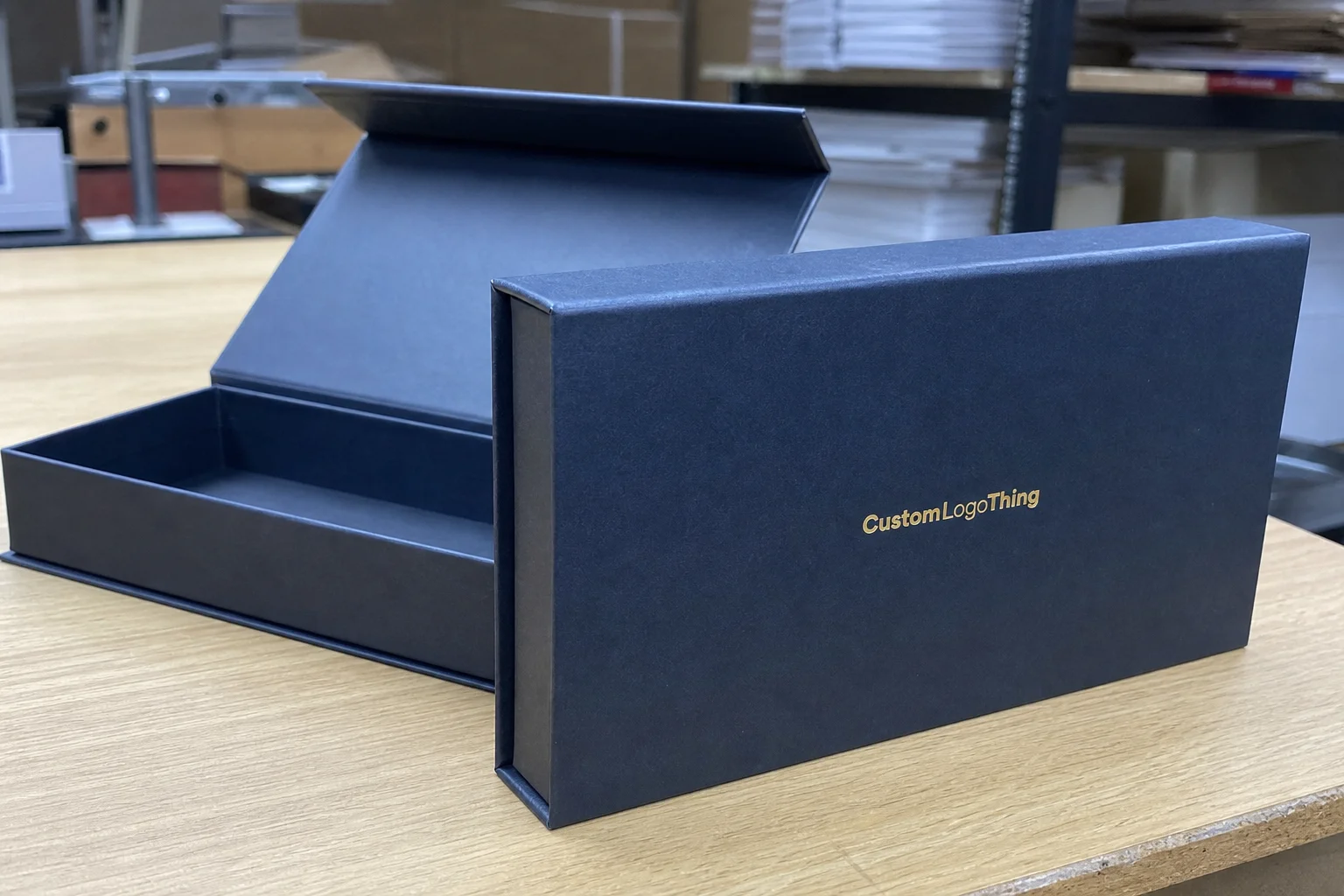
Different formats behave very differently on the factory floor, and that difference shows up immediately in packaging cost wholesale. Folding cartons are usually the lightest and most economical for retail presentation, rigid boxes bring a premium feel and much more labor, mailer boxes balance branding with shipping durability, corrugated shippers prioritize protection, and paper bags often sit somewhere between utility and presentation. A cosmetic serum in a folding carton might cost $0.18 to $0.29 per unit at 5,000 pieces, while a gift set in a rigid drawer box may sit closer to $1.60 to $3.80 per unit depending on the insert and finish stack.
For cosmetics, I usually see folding cartons with 300gsm to 350gsm SBS, soft-touch lamination, and one or two specialty finishes. That setup keeps packaging cost wholesale manageable while still looking polished under store lighting. If the product needs a luxe feel, a rigid box with foil stamping and an insert is common, but the labor rises fast because every rigid box involves more wrapping, corner work, and manual inspection. In one Toronto client meeting, a beauty brand cut their unit cost by nearly 14% simply by switching from a magnetic closure rigid box to a straight tuck carton with a premium coating.
Apparel brands usually prefer mailer boxes or printed folding cartons for accessories, socks, and small garments. These structures keep packaging cost wholesale stable because they use straightforward die lines and can be produced in large nests on the sheet. If the order needs a more giftable feel, a paper bag with rope handles or a printed sleeve can raise the perceived value without jumping into rigid-box labor, and a simple 250gsm coated art paper sleeve can sometimes do the job at a fraction of the cost of a two-piece box.
Food packaging is its own conversation. Dry food, tea, and snacks often use cartonboard with coatings that support food presentation, while direct-contact food applications require stricter material selection and compliance planning. In those jobs, packaging cost wholesale depends heavily on safety requirements, coating choice, and the exact print area. For anything food-related, I always advise buyers to confirm barrier needs, migration concerns, and regional requirements before approving a quote, especially if the product is destined for the EU, the United States, or the Middle East.
Electronics packaging often calls for corrugated shippers, inserts, and more protective structures. A small board change can matter a lot when protecting chargers, smart accessories, or devices with fragile corners. Here, packaging cost wholesale reflects not only the box itself but also insert material, compression strength, and transit testing. For shipping-sensitive products, I like to ask whether the pack needs to satisfy ISTA transport performance methods; you can read more at ISTA. A shift from a standard RSC to a crash-lock mailer can add $0.07 to $0.14 per unit, but it can also save far more in returns.
Gift sets and seasonal collections usually sit at the high end of packaging cost wholesale because they combine multiple components: box, insert, divider, wrap, ribbon, and sometimes a sleeve or booklet. That kind of bundle can be beautiful, but it needs discipline. If you do not define the retail job clearly, the assembly time alone can push the quote beyond what the margin supports, especially when hand assembly is happening in a facility in Guangzhou at 8,000 to 10,000 sets per day rather than 20,000 units on an automated line.
Here is the practical rule I use on the floor: the more your packaging combines display value with structural complexity, the more your packaging cost wholesale rises. Simple formats like folding cartons and mailers usually win on efficiency. Rigid boxes and decorative sets win on perceived value. Neither is automatically right or wrong, but the cost difference can be as modest as $0.11 per unit for a basic mailer versus $2.40 per unit for a premium magnetic rigid box with insert.
- Folding cartons: best for cosmetics, food, supplements, and small consumer goods
- Rigid boxes: best for premium gifts, electronics, and luxury retail packaging
- Mailer boxes: best for e-commerce, apparel, and subscription kits
- Corrugated shippers: best for transport protection and bulk fulfillment
- Paper bags: best for boutiques, events, and lightweight branded packaging
Specifications That Drive Wholesale Pricing
If you want a believable packaging cost wholesale quote, you need specs, not just an idea. I’ve seen orders delayed for a week because the buyer said “small box” and then later revealed they needed an internal fit for a bottle with a 3 mm cap overhang. Dimensions matter because a few millimeters can change how many boxes fit on a sheet, how much waste the die creates, and how much freight density you get in a master carton. A 102 x 78 x 28 mm carton is not the same production problem as a 108 x 82 x 30 mm carton, even if they look nearly identical in a drawing.
Board thickness and paper stock are major drivers as well. A 250gsm C1S sheet behaves very differently from a 350gsm SBS or a 2 mm greyboard wrapped rigid box. When the stock gets heavier, the press may need slower speeds, the die cut becomes tougher, and folding memory changes. That all feeds into packaging cost wholesale, especially on higher-volume orders where waste percentage becomes visible in real dollars. In practical terms, the jump from 300gsm to 350gsm may add $0.02 to $0.06 per unit, while moving into 2 mm greyboard can add much more depending on wrap material and corner finishing.
Print method is another area where buyers can save or spend without realizing it. Offset printing is ideal for color accuracy and larger runs, digital printing is useful for short runs or variable artwork, and flexographic printing is common for corrugated and simple high-volume jobs. If your design uses full-bleed artwork with rich photographic coverage, your packaging cost wholesale will typically be higher than a simpler one-color layout, because ink usage, setup time, and color control all increase. Full-bleed coverage also makes dust, scuffing, and registration issues more visible, so the quality expectations rise too.
PMS matching deserves special attention. A brand orange that must match a retail display, insert card, and outer carton may need more proofing rounds and tighter press control. Those extra rounds do affect packaging cost wholesale, especially if the project includes a metallic foil or a specialty ink. If you can accept a standard CMYK approximation instead of a strict PMS match, you may reduce proofing time and lower total cost. A single additional proof can add 2 to 3 business days and, in some plants, a $25 to $80 press-check charge.
Finishing choices can change the quote more than some buyers expect. Soft-touch lamination, matte lamination, spot UV, embossing, debossing, foil stamping, and window patching all add labor or specialized equipment. In a plant I visited near Dongguan, one line was running plain cartons at a speed close to 12,000 sheets per shift, while the adjacent line with foil and embossing was running much slower because every sheet needed more handling. That difference shows up directly in packaging cost wholesale, and it is why a 5,000-piece run with two finishes can price very differently from the same box with one finish.
Structural complexity matters too. Straight tuck cartons are simple. Reverse tuck, auto-lock bottoms, crash-lock mailers, two-piece rigid boxes, drawer boxes, and custom inserts each add layers of setup and manual work. If the structural design is overbuilt for the product, your packaging cost wholesale becomes inflated for no real business reason. Here’s what most people get wrong: they assume better packaging always means more structure, but many strong brands win with a cleaner box and sharper art direction instead.
One practical way to simplify without weakening presentation is to keep the outside premium and the inside efficient. For example, a 350gsm printed outer carton with a basic paperboard insert can look polished while keeping packaging cost wholesale controlled. If you need help balancing structure and presentation, our Custom Packaging Products pages are a good place to compare carton, rigid, and mailer options before you settle on one format, and it is often easier to keep costs near $0.24 to $0.40 per unit with that approach than to jump into a fully wrapped rigid construction.
For buyers who care about sustainability claims, certifications also matter. FSC-certified paper can support responsible sourcing language, but the exact availability depends on the supplier and mill chain of custody. You can review certification basics at FSC. If a sustainability goal is part of your brand story, it should be built into the quote early, because it may affect packaging cost wholesale and sourcing lead time by several business days if the mill needs to confirm certified stock availability.
Packaging Cost Wholesale Pricing, MOQ, and Discounts
packaging cost wholesale pricing usually follows a simple pattern: the more units you order, the lower the unit cost becomes, but only up to the point where your specifications and storage capacity make sense. Factories set minimum order quantities, or MOQ, because setup time, plate costs, sampling, and machine preparation need to be recovered somehow. If a rigid box line must spend three hours on setup and glue calibration, that cost cannot be absorbed efficiently into a 300-piece run, and the unit price may jump from $2.90 to $4.60 before freight is even calculated.
Here is a practical pricing frame I use when talking to buyers. For a simple folding carton, a small run of 1,000 to 2,000 pieces may carry a noticeably higher unit cost because setup is spread thin. At 5,000 to 10,000 pieces, packaging cost wholesale usually starts to look much better. At 20,000 pieces and above, the savings often accelerate because material purchasing, press stability, and packing efficiency all improve together. For more complex rigid boxes, the curve is steeper because assembly labor stays high even when quantity rises, and a 10,000-piece order may still need significant hand work in Shenzhen or Dongguan.
To make that concrete, a basic printed mailer box might land around $0.42 to $0.68 per unit at 5,000 pieces depending on board grade and print coverage, while a premium Rigid Gift Box with insert and foil stamping could sit in the $1.80 to $4.20 range at the same quantity. Those are directional numbers, not promises, because packaging cost wholesale depends on exact dimensions, finish count, and shipping destination. But they do show why one quote can look “cheap” until you compare the actual structure behind it, especially when a 350gsm C1S carton is compared to a 2 mm rigid build with wrapped corners.
Discounts tend to appear in layers. The first break usually comes from quantity, the second from simplifying the print process, and the third from reducing finishing complexity. If you remove an internal print, switch from soft-touch to matte lamination, or standardize a box size, the packaging cost wholesale number often drops more than expected. I’ve seen an apparel buyer save 17% just by removing inside printing that no customer ever saw, which translated to roughly $0.06 less per unit on a 12,000-piece order.
Hidden costs are where budgets get hurt. Tooling, cutting dies, printing plates, prototype samples, freight, customs brokerage, and storage can all affect the final landed amount. A quote that looks great on a unit basis may still be a poor deal if the freight is charged as if every box were filled with lead. That is why I always ask for the quote to separate ex-factory cost from shipping. You cannot manage packaging cost wholesale accurately if logistics are buried in the same line item, especially when ocean freight from Yantian or Ningbo adds a separate weekly fluctuation.
Another place buyers lose money is revisions. If the art file is not ready, or the dimensions are still changing, the factory may need to remake plates, adjust the dieline, or resample. Every revision cycle adds time and often adds cost. I once worked with a beverage startup that changed bottle height three times after the first proof; their quote moved because the insert and shipping carton had to be redrawn each time, and packaging cost wholesale climbed with every revision. By the third version, the order had gained 9 business days and an extra tooling fee.
My advice is to request at least two quote scenarios. Ask for the standard build and the upgraded build, with each one showing material, finish, MOQ, and estimated freight. That comparison is one of the cleanest ways to see how packaging cost wholesale behaves across options. If a premium effect only adds 3 cents, maybe it is worth it. If it adds 35 cents and the margin is thin, maybe it is not. The same box can move from $0.21 to $0.54 per unit depending on whether you include spot UV, foil, or a custom insert.
- Low volume: higher unit cost due to setup and proofing spread
- Mid volume: strongest value zone for many branded packaging projects
- High volume: best material efficiency, but storage and cash flow matter
If you want to keep packaging cost wholesale under control, ask the supplier for a spec sheet before you finalize artwork. That sheet should show dimensions, board, finish, print sides, insert type, and carton count per master case. The more exact the inputs, the less likely you are to receive a misleading estimate that falls apart later, and the easier it becomes to compare quotes from factories in Shenzhen, Ningbo, or Wenzhou on the same basis.
How Do You Get an Accurate Packaging Cost Wholesale Quote?
The most accurate packaging cost wholesale quote starts with a complete brief. That means exact dimensions, box style, material grade, print coverage, finish choice, insert details, quantity, and destination. A supplier can estimate quickly when those facts are clear, and in many cases the first quote is close enough to use for planning, especially if the project is straightforward and the artwork is not changing every other day. When the brief is vague, the pricing becomes a moving target and the landed cost gets harder to trust.
Ask for the dieline or a sample structure image before final artwork is released. That step helps the factory confirm folding logic, glue flaps, and safe zones before plates or die lines are locked. It also helps you avoid paying for revisions later, which can distort packaging cost wholesale more than most people expect. A good supplier will welcome this conversation because it lowers the risk of rework for both sides.
It also helps to request a standard version and a premium version side by side. That is one of the simplest ways to see whether a finish stack, a different board, or a more complex insert genuinely adds enough value to justify the spend. Sometimes a 2-cent upgrade is worth it; sometimes a 20-cent upgrade is not. Comparing scenarios keeps packaging cost wholesale grounded in business logic instead of design enthusiasm alone.
If the order is time-sensitive, tell the supplier your launch date and your shipping deadline right away. Factory production time is only part of the story, because freight booking, customs clearance, and inland delivery all affect whether the boxes arrive in time. A quote that ignores these pieces can make packaging cost wholesale seem lower than it really is. The cleanest quotes are the ones that separate ex-factory, freight, and delivery assumptions in plain language.
From Quote to Delivery: Process and Timeline
The cleanest orders follow a predictable path: inquiry, spec review, quotation, sampling, approval, production, quality checks, and shipment. If any step is vague, packaging cost wholesale becomes harder to control and the timeline stretches. The fastest projects I’ve seen were the ones where the buyer provided exact dimensions, print count, material preference, and target destination on the first pass, then stayed available for proof feedback within 24 hours.
Good quoting starts with usable information. A factory can price most packaging accurately without final artwork files, but it needs the essentials: box style, open and closed dimensions, material, coating, print coverage, insert choice, quantity, and shipping terms. If those details are missing, the quote becomes a guess, and guesses are bad for packaging cost wholesale planning. A clear brief also reduces back-and-forth, which saves everyone time and can cut the quoting cycle from a week down to 2 or 3 business days.
Sampling timelines depend on structure and finish. A simple folding carton proof might be ready in 3 to 5 business days after artwork confirmation, while a rigid box with magnet closure, insert, and foil may need 7 to 12 business days. Full production can take 12 to 18 business days for a straightforward carton order, and more for complex builds or seasonal congestion. I’ve seen a holiday gift set slip by nearly two weeks because the buyer approved color late and then asked for an insert change after the first physical sample. That kind of change affects packaging cost wholesale because it interrupts flow and adds rework, especially when the plant is already booked for Lunar New Year lead-up production in January.
Factory quality control matters as much as the quote. A good plant checks color density, die-cut accuracy, glue line consistency, fold memory, and carton count before shipment. On corrugated and mailer jobs, stack compression and corner integrity also matter. If the factory follows documented checks, the buyer has a better chance of receiving consistent packaging cost wholesale value instead of paying for scrap. For transport testing and packaging performance references, the EPA’s packaging and materials guidance is a useful resource as well.
Shipping method changes the calendar more than most buyers expect. Air freight may move in a few days but adds serious cost, while ocean freight is cheaper for bulky runs but requires longer planning and customs lead time. The destination matters too, because inland delivery from the port can add a week or more in some regions. If your packaging cost wholesale quote does not specify shipping assumptions, ask for them in writing. That detail prevents unpleasant surprises later, especially if the cartons are headed from Shenzhen to Los Angeles, Hamburg, or Dubai.
In one supplier meeting, a buyer argued that their deadline was only based on production time, not shipping. The cartons were finished on schedule, but the freight method was never settled, so the boxes sat in the warehouse while the launch date passed. That is a classic example of why packaging cost wholesale should always be evaluated with delivery timing, not just factory output.
If your launch date is fixed, I always recommend planning packaging backward from the dock date, not forward from the quote date. It saves a lot of unnecessary stress.
Why Choose a Custom Packaging Manufacturer
A direct manufacturer usually gives you more control over packaging cost wholesale than a reseller does. You get closer pricing, faster clarification on spec changes, and better visibility into what is actually happening on the production floor. Resellers can be useful for simple sourcing, but once your project includes structural changes, specialty finishing, or repeat orders, direct communication with the factory becomes much more valuable, especially if you are trying to keep a 10,000-piece order within a target of $0.28 to $0.40 per carton.
At a real plant level, capabilities matter. Die-cutting lines determine how accurately the structure holds. Heidelberg or Komori presses affect print consistency and color control. Lamination equipment influences finish quality and scuff resistance. Hand-finishing stations matter on Rigid Boxes, inserts, and specialty packaging where automation alone cannot solve every detail. These tools are not just names on a brochure; they directly shape packaging cost wholesale and the final appearance on shelf or in transit. A plant in Dongguan with a clean UV line and reliable creasing equipment will price differently than a facility that outsources finishing across town.
In-house design support is another advantage. A good manufacturer can flag a weak panel, a poor glue flap, or an insert that will rattle in transit before the order is approved. I’ve seen packaging design choices save a brand from a costly reprint simply because the factory noticed that the artwork sat too close to a fold line. That sort of practical help protects packaging cost wholesale because it prevents avoidable mistakes, and it is often the difference between a 6-day approval cycle and a 2-week correction loop.
Repeat orders are where manufacturers often shine. Once the die is made, the file is archived, and the color target is established, a second run can move faster and more predictably than the first. That repeatability helps brands stabilize unit cost and keep retail packaging consistent across channels. For brands managing multiple SKUs, consistency is a big part of package branding, and it is easier to maintain when the same production partner handles the work over time, whether the order is 3,000 pieces or 30,000.
Direct manufacturers are also better positioned to balance cost, quality, and speed. If a buyer needs to hit a launch date but still wants a nice print finish, the factory can suggest a smarter board choice, a simpler insert, or a faster print path. That is the real value behind a custom packaging manufacturer: not just making boxes, but shaping a solution that keeps packaging cost wholesale under control while still doing the job properly. In practical terms, that could mean choosing 350gsm C1S artboard instead of a heavier wrapped structure and saving both material and assembly hours.
Next Steps to Lock In the Best Wholesale Packaging Cost
If you want a solid packaging cost wholesale quote, start with a clean checklist. Final dimensions, box style, board preference, print sides, finish, quantity, destination, and whether you need inserts should all be known before you ask for pricing. I know that sounds basic, but half the pricing mistakes I see on the factory side come from incomplete specs, not from bad manufacturing. A quote built from exact details can often be turned around in 24 to 72 hours, while a vague brief may bounce around for a full week.
Next, compare at least two quote scenarios. One should be the standard build, and one should include the premium details you are considering, such as foil, embossing, or soft-touch lamination. That comparison gives you a realistic picture of how each choice affects packaging cost wholesale. It also helps your internal team decide where the brand benefit is worth the extra spend, whether the difference is $0.04 per unit for lamination or $0.18 per unit for a multi-step finish stack.
Ask for the dieline or a spec sheet before artwork is finalized. A proper dieline shows folding logic, bleed area, and safe zones, which protects both design and production. If you send art to a factory without that structure, you risk delay and rework, and both damage packaging cost wholesale efficiency. It is much easier to get the box right before plates are made than after the first proof has already been pulled, especially when the packaging is going into offset production on a 12- to 15-business-day cycle.
Be direct about your commercial needs. If you need retail-ready presentation, say so. If the boxes are for shipment only, say that too. A manufacturer can often simplify the build when the real job is known, and that can lower packaging cost wholesale by a meaningful margin. A lot of buyers overbuy packaging because they are afraid of looking too plain, when a smarter print layout and sharper material choice would do the job better, particularly if the product is sold through Amazon, boutique retail, or direct-to-consumer subscription fulfillment.
Finally, plan the order with both production and logistics in mind. A great quote is only great if the boxes arrive on time, in good condition, and at a landed cost your margin can support. If you are ready to move forward, use Wholesale Programs to compare order options, then request a quote with exact specs so your packaging cost wholesale number is grounded in reality. That is the best way to buy smarter and save more without compromising the box your brand puts in front of the customer.
Packaging Cost Wholesale: decision table
| Decision area | Best fit | What to verify | Risk if skipped |
|---|---|---|---|
| Quote scope | Comparing suppliers and order quantities | Tooling, sample, unit cost, packing, and freight assumptions | Lowest quote wins until missing line items appear |
| MOQ and repeat order | Launch orders, seasonal runs, and scaled reorder plans | MOQ breaks, lead time, storage, and SKU grouping | First order works but reorder cost jumps |
| Approval process | Avoiding rework before bulk production | Dieline, proof, sample, tolerance, and sign-off owner | Bulk production starts before the spec is truly locked |
FAQs
What affects packaging cost wholesale the most?
Box size, material grade, print coverage, finishing, and quantity are the biggest cost drivers. Complex structures and custom inserts usually increase both labor and material cost. Freight and storage can also change the total landed cost, so packaging cost wholesale should always be reviewed with logistics included. A 5,000-piece run in Shenzhen can price very differently from the same structure produced in Ningbo if the board source, finish, and shipping lane change.
How can I lower packaging cost wholesale without hurting quality?
Use standard box sizes when possible and avoid unnecessary structural changes. Limit premium finishes to the outer face if budget is tight. Order in larger volumes where storage and cash flow allow it, because packaging cost wholesale usually improves as quantity rises. For many brands, moving from a fully printed interior to a single-color interior can save $0.03 to $0.09 per unit without changing the customer’s first impression.
What is a normal MOQ for wholesale packaging orders?
MOQ depends on the packaging type, printing method, and finishing requirements. Simple corrugated or mailer boxes may have lower minimums than rigid gift boxes. Custom printed orders usually need enough quantity to cover setup costs efficiently, which is why packaging cost wholesale quotes vary so much by structure. A folding carton might start at 1,000 or 2,000 pieces, while a premium rigid box is often more efficient at 3,000 to 5,000 pieces or higher.
How long does wholesale packaging production usually take?
Sampling, approval, production, and shipping all affect the timeline. Simple orders move faster than projects with foil stamping, embossing, or complex inserts. Final delivery time depends on freight method and destination, so packaging cost wholesale planning should include both the factory schedule and transit time. A straightforward carton can typically move from proof approval to shipment in 12 to 15 business days, while rigid boxes with hand assembly may need 18 to 25 business days.
Can I get an exact packaging cost wholesale quote before artwork is finished?
Yes, if you provide exact dimensions, structure, quantity, material, and finish preferences. A manufacturer can price most packaging accurately without final artwork files. Final artwork may affect proofing, color matching, or print setup details, but the core packaging cost wholesale estimate can still be prepared early. The more complete your brief is, the closer the first quote will be to the final invoice.