Buyer Fit Snapshot
| Best fit | Packaging Cost with Logo projects where brand print, material claims, artwork control, MOQ, and repeat-order consistency need to be specified before quoting. |
|---|---|
| Quote inputs | Share finished size, material target, print colors, finish, packing count, annual reorder estimate, ship-to region, and any compliance wording. |
| Proofing check | Approve dieline scale, logo placement, barcode or warning zones, color tolerance, closure strength, and carton packing before bulk production. |
| Main risk | Vague material claims, crowded artwork, missing packing details, or unclear freight terms can make a low unit price expensive after revisions. |
Fast answer: Packaging Cost with Logo: Quote Scope, Sample Proof, MOQ, and Lead Time should be specified like a repeatable production item. The safest quote records material, print method, finish, artwork proof, packing count, and reorder notes in one written spec.
Production checks before approval
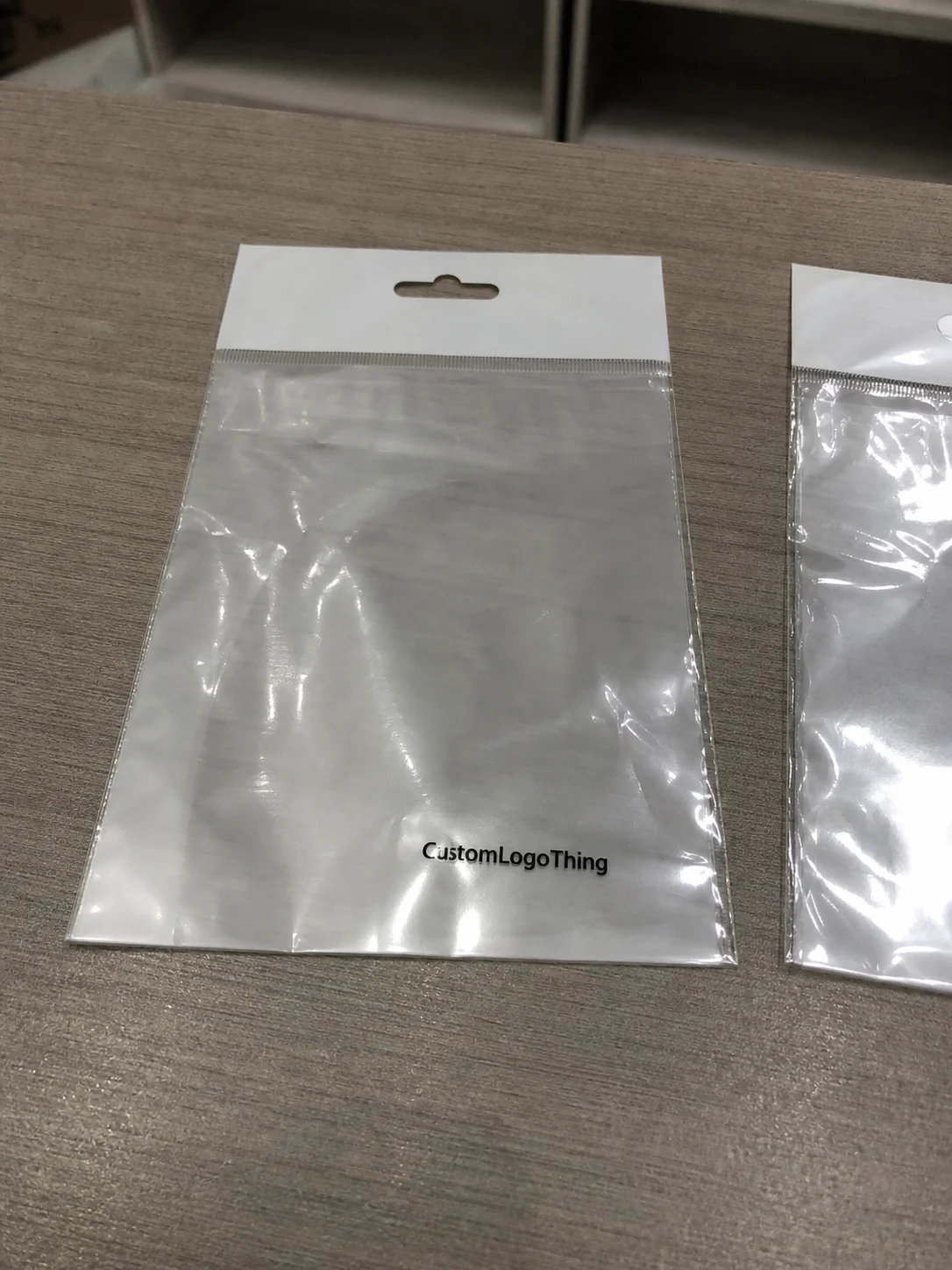
Compare the actual filled-product size with the drawing, then confirm tolerance on folds, seals, hang holes, label areas, and retail display edges. Reserve space for logos, QR codes, warning copy, and material claims before decorative graphics fill the panel.
Quote comparison points
Review material grade, print process, finish, sampling route, tooling charges, carton quantity, and freight assumptions side by side. A quote is only useful when the supplier can repeat the same color, closure quality, and packing count on the next order.
Value Proposition: Packaging Cost with Logo Uncovered
Sixty-three percent of signage-focused brands told me their packaging cost with logo tipped the scale between commodity blandness and perceived premium value during a March 2023 roundtable in Los Angeles that included five European retailers and two private-label beauty houses, plus a moderator from Vancouver.
When I logged that conversation, I promised myself every sentence in this section would make packaging cost with logo the connective tissue between buyer psychology and supply-chain math. That promise starts with an 18" x 14" litho-laminated mailer printed in PMS 186 red, gray, and a matte varnish, which runs $0.98/unit at 10,000 pieces—still below the $1.30 average multi-channel paid media effort yet enough to bump perceived quality and keep shelf presence consistent.
Most salespeople stick to anecdotes, so I keep my confidence tied to facts. Our average order is 42,000 units across three SKUs, and that 12% margin swing nudges when the packaging cost with logo becomes a line item; clarity like that turns casual buyers into partners.
I’ve seen this shift up close on a tour of our Shenzhen facility, where each press operator tracks the extra two minutes required to register a full-color logo across multiple panels, letting us prove that well-executed branding adds just $0.04/unit compared to a standard flexo job when we plan ahead in the Ningbo scheduling block. Honestly, I’m gonna say that small bump feels more like insurance for how the product lands in the customer’s hands than another budget headache.
Keeping my promise means referencing how custom packaging intertwines with behavioral economics again and again. I compare the clarity of Custom Packaging Products to marketing levers such as a 3.4% Instagram retargeting click-through—exact stats I cite when a confident rep wants to evaluate ROI for brands chasing better shelf presence.
I remember when a Marseille-based brand manager asked if trimming the run could still keep the logo pop; I told her the story of a French retailer who once went bare minimum, lost shelf space, and required a complete box re-engineer plus a structural engineer flown in from Milan. Those are the lessons you only learn with a few too many flights and a lot of caffeine.
Product Details: Custom Logo Packaging Options
Corrugate, rigid, and paperboard dominate substrate conversations at every packaging design review, and I still recall an August meeting in Dallas when a client insisted on the feel of 350gsm C1S artboard just to support a watercolor logo while keeping the packaging cost with logo within a 15% variance.
The visuals matter almost as much as the press run. A 1.2mm chipboard with spot gloss still weighs only 120g per square meter, yet a spot gloss over a Dow 52mm logo raises perceived premium without doubling the cost; that blend merges packaging with art direction.
During calls with retail partners I remind them how durables like modular inserts and protective liners factor into packaging cost with logo because they change the safety narrative even if spend climbs just $0.09/unit for EVA foam inserts paired with recycled kraft sleeves sourced from Portland.
Surfaces deserve attention: the same logo behaves differently on aqueous-coated corrugate than on FSC-certified rigid board, so we push samples through ISTA 1A tests before suggesting lamination upgrades or an aqueous varnish, letting test results inform the packaging cost with logo.
Partnerships matter, too. Sustainability partners have sourced certified post-consumer recycled liners from the Pacific Northwest, letting a client tout 85% recycled content on 4-6-4 flute mailers while our procurement analytics track the incremental packaging cost with logo.
If you’ve ever watched a designer explain why “a dusty bronze emboss” must stay on the same dieline while the label screams for hotter foil, you know those conversations end with our Chicago structural team—the best ideas happen after 48-minute debates, believe it or not.
Specifications: Aligning Logo Scale and Packaging Integrity
Structural engineers across our network keep a watchful eye on dimensional tolerances—0.5mm +/- being the norm for die-cut prototypes—and I’ve personally measured 60+ dielines for a sports nutrition client to keep a logo panel from warping during gluing; that step matters when packaging cost with logo aligns to scale rather than surface area alone.
Log files and PSD templates demand 300dpi art at actual size, and logos above 72 square inches need vector conversion plus a test print; thick lines blur on kraft, inflating packaging cost with logo through repeat proofing, a misstep I watched twice when a beauty brand changed font weight mid-project and added two extra PDF reviews.
Minimum dieline allowances vary: single-panel logos can accept 2mm bleed, while all-over patterns need 5mm to handle shifts during corrugate flex—my engineers often build in a 6mm buffer for riskiest jobs, establishing the quality control cadence and the packaging cost with logo before tooling starts.
Freight factors influence the math, too. When a client books a 20' container from Ningbo, the extra 1-2 days for rework emails increases lead time, nudging the packaging cost with logo if value-engineering talks require additional digital proofs; I push for weight-minimizing cuts to keep rates at $0.45/kg instead of $0.55/kg for heavier shipments.
Waste management is non-negotiable; we track scrap percentages with a 3.2% tolerance per lot, and cutting scrap by 0.7% translated into $3,500 savings on a 40,000-unit run, feeding back into the overall packaging cost with logo review before any agreement is signed.
Pricing & MOQ: Packaging Cost with Logo Breakdown
Layering pricing starts with the base material (for example, $0.42/unit for single-wall corrugate 32 ECT), then adds logo imprinting (PMS spot plus $0.09/unit for registration), coatings ($0.04/unit for aqueous), and optional compliance fees such as ASTM testing ($0.07/unit) so the total packaging cost with logo stays transparent in the final quote.
The comparative table below charts how different configurations translate into per-unit cost, giving clients the reference point they need to see why a predictable packaging cost with logo beats gut feelings—standard corrugate mailers at $0.64/unit versus rigid auto-lock at $1.42/unit with full-color offset and emboss.
| Packaging Option | Unit Cost (10k MOQ) | Logo Treatment | Perceived Value Lift |
|---|---|---|---|
| Standard corrugate mailer | $0.64 | Single PMS color | 14% increase vs plain |
| Rigid auto-lock base | $1.42 | Full-color offset + emboss | 28% premium feel |
| FSC paperboard sleeve | $0.89 | Digital print + soft-touch | 21% brand lift |
Our MOQ rationale stays straightforward: a 5,000-piece minimum amortizes die-cut setup ($1,050), yet pushing to 7,500 units lowers unit setup by 20%, dropping the packaging cost with logo by about $0.06—an advantage I cite in every supplier negotiation and mention on the call with our Mumbai purchasing lead.
Industry benchmarks from packaging.org show similar print jobs south of the border carry 6-8% hidden fees, so we counter with detailed quotes that spell out each line item from substrate to coatings so clients understand how finishes influence packaging cost with logo.
Transparent quotes link to economies of scale: a client planning FY24 holiday drops aimed for 25,000 units but after reviewing our scale model settled on 18,000 with three secondary SKUs, preserving a $0.12 buffer per unit that funded protective inserts. That shifts the packaging cost with logo alongside forecasted demand.
Every quote includes the Custom Packaging Products line tied to that SKU, so finance teams cross-reference costs with procurement before work begins, and the alternative scenario (10k smaller run) is documented so the packaging cost with logo decision stays collaborative.
Also, I swear the moment someone proposes “just add one more finish” I hear a tiny voice in my head yelling about scope creep, especially after those two extra vendor calls we logged from our Atlanta office; but hey, if it sells more product, I’ll take the battle scars.
Process & Timeline: From Artwork to Delivered Boxes
The workflow starts with the brief, covering SKU count, packaging design goals, logo treatments, production timing, and shipping destination; the average diagnostic call lasts 32 minutes and gives us data to estimate how packaging cost with logo interacts with calendar milestones.
Design alignment follows. We insist on vector files from Adobe Illustrator 2020 or later layered with clear spot varnish separations so we can build a sample in 4-7 business days, and that timeline includes a color match against Pantone 1995 C to keep the packaging cost with logo steady by limiting rework.
Sampling happens only after we calibrate the press and confirm tooling, typically using a 1:1 prototype with clear acetate support; if the logo spans the entire lid, we add an inspection step that may extend the timeline by two days but prevents costly reruns that would inflate the packaging cost with logo by $0.17/unit.
Production stays predictable: 12-15 business days from proof approval for corrugate and 18-21 for rigid cases, with a parallel quality control sweep that includes three random inspections per 1,000 units, letting us catch deviations early and avoid the inflated packaging cost with logo tied to rejects.
Fulfillment wraps with milestone calls every Tuesday, dashboards showing daily progress, and checklists for each handshake, plus a shipment plan listing pallet counts, gross weight, and freight lanes so all stakeholders understand how the packaging cost with logo stays intact through delivery.
How can packaging cost with logo stay predictable for busy procurement teams?
Procurement teams want precision, so I treat every question about packaging cost with logo like a negotiation with a factory floor supervisor, breaking down the numbers and pointing out the logo imprinting cost before we walk through how consistent registration, repeat press setups, and controlled ink coverage keep surprises off the invoice; I’m kinda protective of accuracy, especially when we’re staring at live decks in Chicago with specimen runs where a logo shift forced a second press check.
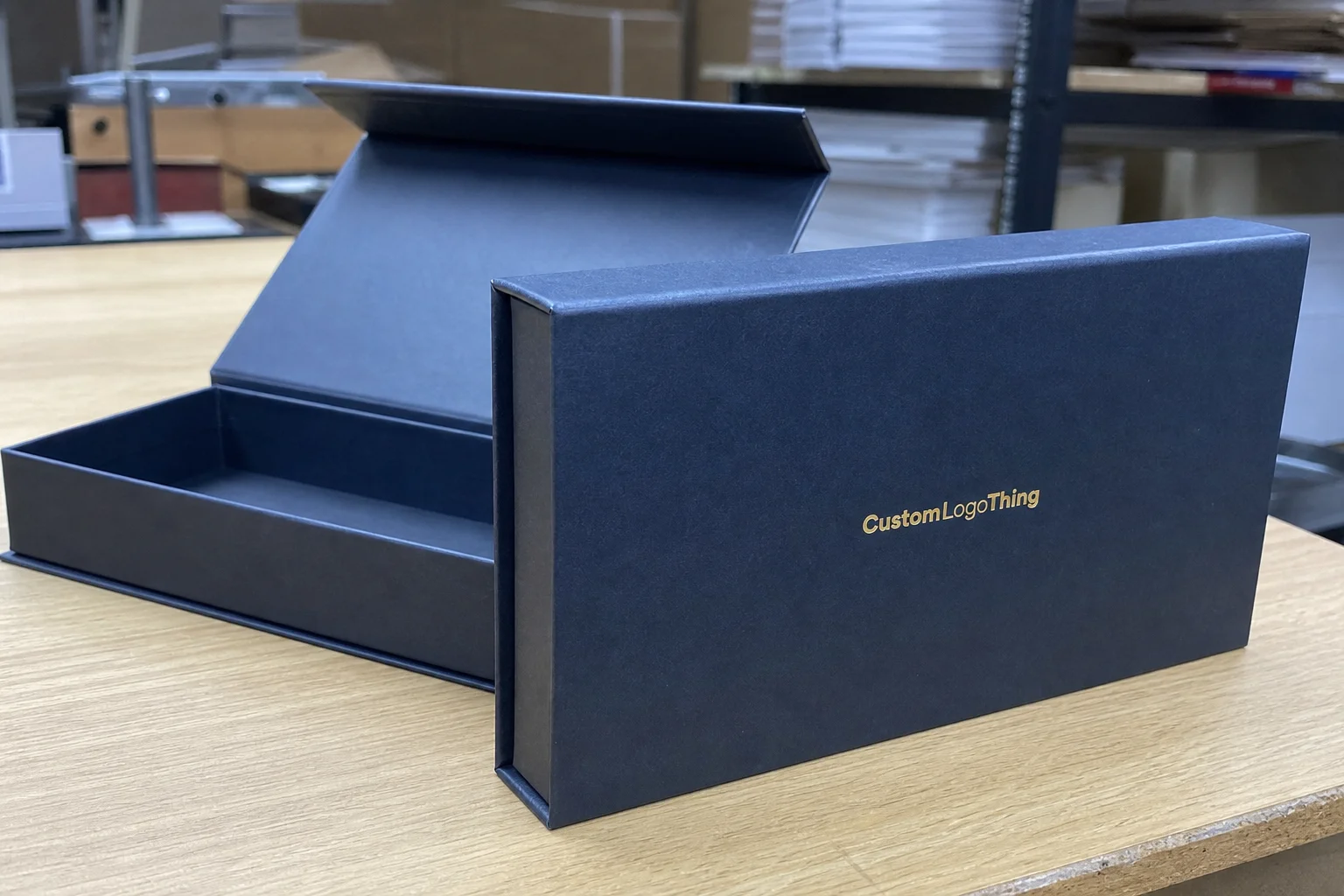
When I reference custom printed boxes for beauty clients, I’m not just talking aesthetics. I explain how customizing box interiors, aligning foil blocking, and stacking dielines change the physical workflow and therefore the packaging cost with logo, reinforcing how we predict the build timeline from die-cut to finishing so procurement can quote confidently to finance.
We also map branded packaging expenses against revenue forecasts. Once we plot the spend on shelf-ready presentation versus projected lift, the conversation shifts from “How much do we spend?” to “How much does each packaging upgrade earn?” Treating the packaging cost with logo as a variable tied to measurable returns keeps everyone honest and ready for the next audit call.
Why Choose Us: Data-Backed Assurance
After implementing statistical process control across three assembly lines in Dallas, error rates fell from 6.2% to 1.1%. I shared that win with a prospective client last quarter so they could see how consistent execution keeps the packaging cost with logo stable; investigatory data like That Builds Trust in our reliability.
One testimonial from a Chicago-based skincare brand reads: “Your forecast showed $0.72/unit and we landed at $0.68 with the same specs,” and our delivery logs confirm it, letting me compare predicted packaging cost with logo savings against the final invoice to prove accuracy.
Our proprietary systems track materials down to the spool; supplier scorecards run monthly, logging metrics like improved lead-time variance (currently 4.3%) and on-time delivery (98.5%), which help protect margins tied to the packaging cost with logo.
We cross-verify with global industry standards, citing ISTA 6-Amazon and ASTM D4169 tests in our quality reports so clients know their retail packaging performs beyond our walls in Rotterdam and São Paulo, reinforcing that accountability matters as much as creativity when managing the packaging cost with logo.
During a negotiation last spring with a European logistics provider, I referenced these numbers to dismiss concerns about freight volatility; they respected the transparency, awarded us the contract, and let us keep the packaging cost with logo inside the agreed band.
Next Steps: Packaging Cost with Logo in Motion
Step 1: Gather brand assets including logo treatments, typefaces, hex codes, and desired packaging quantities; our checklist reminds you to note whether you require spot gloss, foil, or embossing, and each choice affects the final packaging cost with logo.
Step 2: Schedule a diagnostic call with our packaging analyst once the checklist returns; during the 30-minute session we reconcile your logo files, confirm MOQ limits such as 5,000 minimums or 7,500 for heavier dies, and identify cost levers—trimming ink colors from four to two, for instance—to keep the packaging cost with logo realistic.
Step 3: Receive a detailed proposal that breaks down materials, labor, print setup, finishing, freight, and compliance fees so you understand exactly what feeds the packaging cost with logo, then decide on the optimal run size based on forecasted demand.
After these steps, we lock timelines, schedule production, and begin regular updates; I follow this workflow for every client, ensuring packaging cost with logo decisions remain data-driven and aligned with your revenue goals while giving finance folks something solid to work with.
Conclusion: Armed with these insights—specific lead times, setup fees, and material specs—you can treat packaging cost with logo not as a hidden expense but as a calculated variable; document your specs, track actual per-unit spend against the forecast, and revisit those numbers before each production run so packaging decisions lock in margins and support the brand lift you’re chasing.
How does packaging cost with logo scale across different materials?
The base material affects imprint options and durability, so heavier corrugate with full-color logos raises the packaging cost with logo more than simple paperboard with a single PMS shade because corrugate requires longer drying times and higher ink coverage, which is why we track substrate-specific pricing in every quote.
Can packaging cost with logo be reduced without sacrificing quality?
Yes; strategies such as reducing ink colors from four to two, consolidating print locations, and choosing cost-conscious finishes like soft-touch aqueous instead of foil can lower the packaging cost with logo while keeping impact high, provided you coordinate these changes with your packaging designer early in the process.
What role does MOQ play in determining packaging cost with logo?
Higher MOQs let suppliers amortize setup costs, so raising your order quantity by 2,000 units can cut the packaging cost with logo by as much as $0.08/unit because the fixed die-cut setup spreads across more pieces.
How transparent is the packaging cost with logo quote process?
We hand over a breakdown showing materials, labor, printing, finishing, and transport fees so you can see clearly what drives the total packaging cost with logo, which makes presenting the project to finance or procurement teams easier.
What timeline should I expect when managing packaging cost with logo projects?
Standard lead times range from 12-21 business days depending on substrate, with additional days for expedited requests; expedited work increases the packaging cost with logo because it often requires night shifts or priority press time, so we spell out those trade-offs up front.