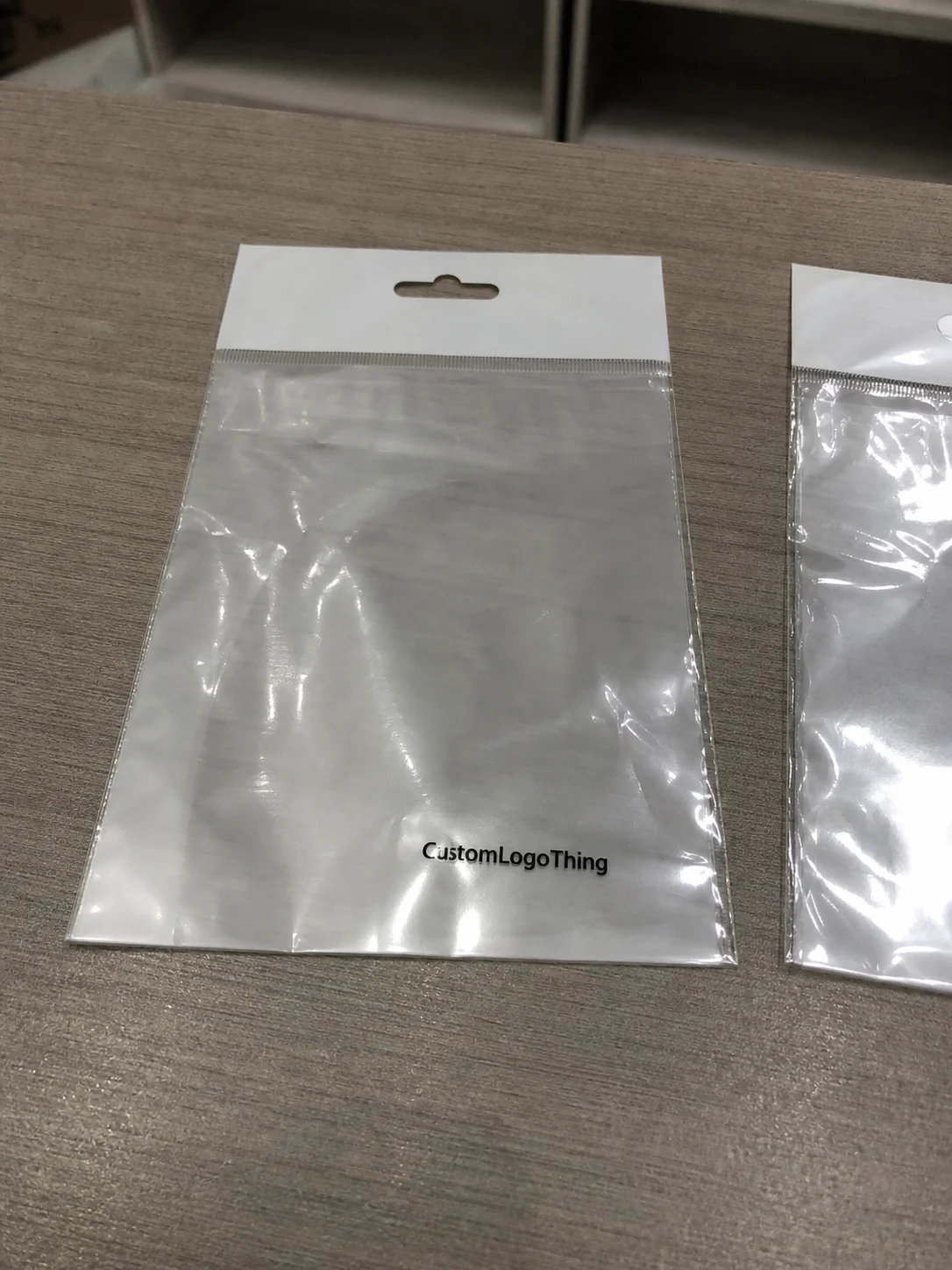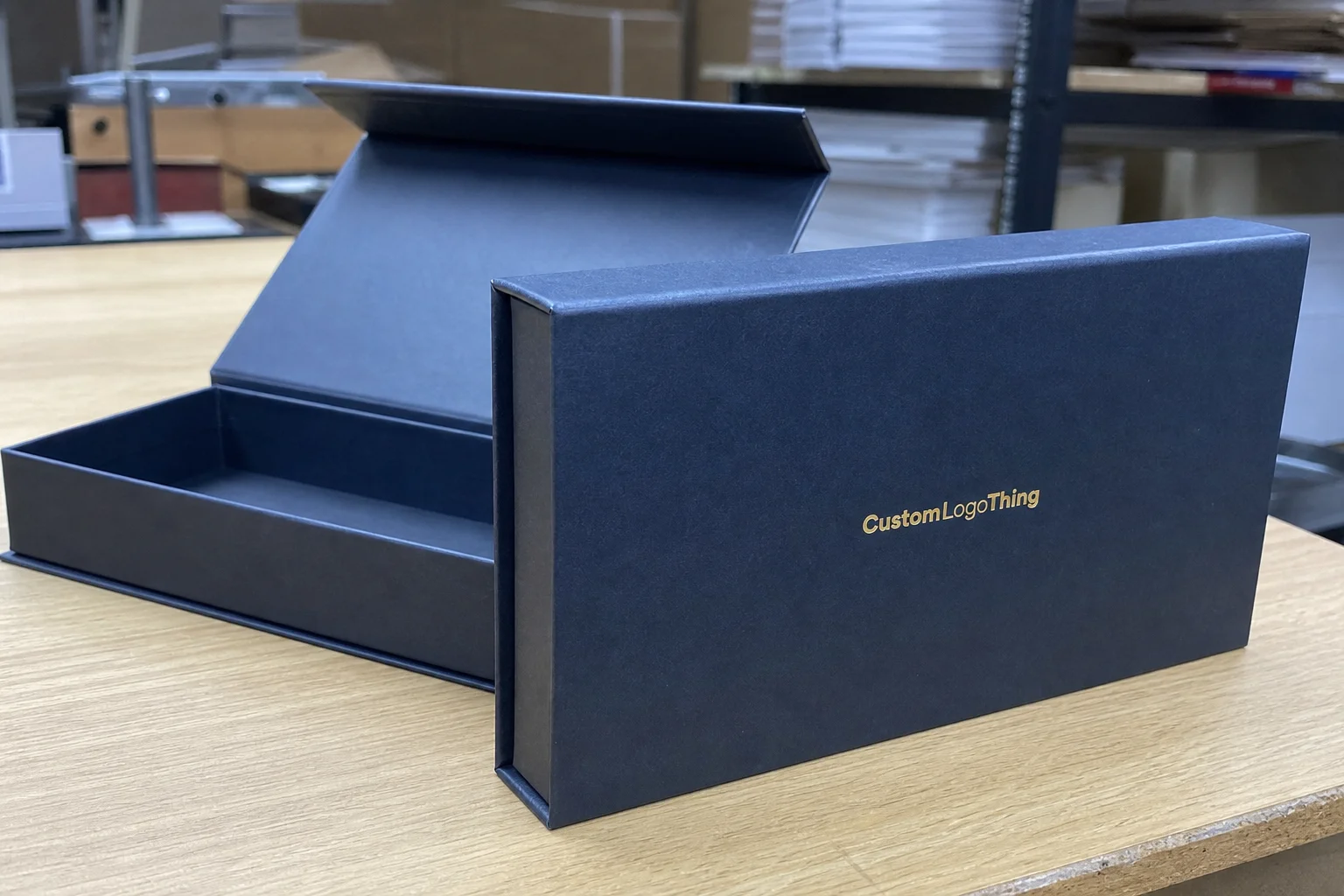
Buyer Fit Snapshot
| Best fit | Packaging Cost with Logo projects where brand print, material claims, artwork control, MOQ, and repeat-order consistency need to be specified before quoting. |
|---|---|
| Quote inputs | Share finished size, material target, print colors, finish, packing count, annual reorder estimate, ship-to region, and any compliance wording. |
| Proofing check | Approve dieline scale, logo placement, barcode or warning zones, color tolerance, closure strength, and carton packing before bulk production. |
| Main risk | Vague material claims, crowded artwork, missing packing details, or unclear freight terms can make a low unit price expensive after revisions. |
Fast answer: Packaging Cost with Logo: Artwork Proof, Packing Count, and Landed Cost should be specified like a repeatable production item. The safest quote records material, print method, finish, artwork proof, packing count, and reorder notes in one written spec.
Production checks before approval
Compare the actual filled-product size with the drawing, then confirm tolerance on folds, seals, hang holes, label areas, and retail display edges. Reserve space for logos, QR codes, warning copy, and material claims before decorative graphics fill the panel.
Quote comparison points
Review material grade, print process, finish, sampling route, tooling charges, carton quantity, and freight assumptions side by side. A quote is only useful when the supplier can repeat the same color, closure quality, and packing count on the next order.
Two boxes can look nearly identical on a screen and still land at very different packaging cost with logo once you start talking about board grade, print coverage, and finishing. I’ve seen that happen more than once on a plant floor, especially when a buyer falls in love with a soft-touch rigid box before checking whether a simpler folding carton would protect the product just as well. Smart sourcing begins with the right package for the product, the shelf, and the freight bill, not the fanciest option on a mood board.
At Custom Logo Things, the right quote starts with the right specs. A solid packaging cost with logo should reflect what the package needs to do, not just how it looks in a render. If you are building branded packaging for cosmetics, apparel, food, or electronics, the numbers should make sense for the unit cost, the MOQ, and the final presentation. That balance matters more than a shiny finish that adds dollars without adding value.
Why Packaging Cost with Logo Can Change So Much
I still remember standing beside a die-cutting line in Shenzhen while two folding cartons were being compared side by side. Same footprint. Same product fit. Same logo placement. Yet one quoted far lower because it used 300gsm SBS with a simple one-color print, while the other asked for a heavier board, full-coverage CMYK, foil, and spot UV. That is the reality of packaging cost with logo: the visual difference may be subtle, but the production difference is not.
The biggest drivers are usually easy to name once you know where to look. Material choice changes the starting point. Box style changes the labor and tooling. Print method changes setup and ink usage. Order volume changes how much the factory can spread setup over each unit. Specialty finishes add both material and handling time. So, packaging cost with logo is rarely one flat number; it is built from a base pack cost, decoration cost, and setup cost, then shaped again by freight and packaging design details.
First-time buyers often spend too early on premium finishes. They want foil, embossing, and soft-touch lamination before they have confirmed whether the product will ship safely or display well on shelf. That is backwards. I’ve seen a boutique skincare client save nearly 22% on packaging cost with logo simply by moving from a rigid box with custom foam to a well-structured folding carton with a paper insert that still passed fit checks and looked strong in retail packaging.
Practical rule: the best package is the one that supports the product story, protects the item, and keeps the unit cost aligned with the business model.
If you want a useful starting point, think in three layers: structure, decoration, and logistics. Structure means the box itself. Decoration means logo printing, finishes, and branding details. Logistics means pallet count, carton pack-out, and freight method. Those layers can shift packaging cost with logo more than most buyers expect.
Logo Packaging Product Types and Material Options
Different packaging formats carry different cost profiles, and that is where product packaging decisions become more technical than most people think. A folding carton for a serum bottle is not priced the same way as a rigid gift box for an electronics set. A corrugated mailer for subscription goods has a different cost structure again, especially when the shipment must survive parcel handling and still deliver a good unboxing experience.
Years of walking converting lines and sitting through supplier negotiations taught me a simple truth: the more structure, the more cost. Packaging cost with logo rises as board thickness, assembly labor, and finishing complexity rise. That does not mean expensive is always better. It means the format should match the job.
- Folding cartons are often the most economical for retail packaging, especially with SBS paperboard or kraft board.
- Rigid boxes use chipboard or greyboard and require wrapping, gluing, and more manual assembly.
- Mailer boxes in E-flute corrugated board are strong for ecommerce and can still carry strong package branding.
- Corrugated shippers are cost-effective when product protection matters more than a luxury feel.
- Paper bags, sleeves, inserts, and wraps sit in between, depending on print coverage and finish.
Material choice matters just as much as structure. SBS paperboard gives a clean print surface and performs well for Custom Printed Boxes that need sharp graphics. Kraft board usually costs less and has a natural look that works well for eco-positioned brands. E-flute corrugated is a practical choice for shipping cartons because it adds crush resistance without becoming too bulky. Chipboard and rigid greyboard are used when the package needs more body and a premium hand feel, but they do raise packaging cost with logo because they take more finishing time and more manual folding or wrapping.
Surface treatment changes the story too. Matte aqueous coating is generally budget-friendly and gives a tidy finish. Gloss coating makes colors pop but can show scuffs differently. Soft-touch lamination feels premium, especially for cosmetics or gift boxes, but it adds cost and can slow down production. Uncoated kraft is the simplest route and often the lowest-cost branded packaging option, especially when the logo is small and the design is restrained. In one cosmetics run I reviewed, the buyer wanted a dark laminated box with heavy foil, but a matte kraft carton with a clean black logo actually looked more honest and fit the brand better at a lower packaging cost with logo.
If you want to browse structural options before locking specs, our Custom Packaging Products page is a sensible place to compare formats. It helps to see how one structure can change both the unit cost and the shelf presence by a surprising margin.
Specifications That Affect Print Quality and Final Cost
Every accurate quote starts with dimensions. Length, width, height, and board caliper all influence die lines, carton fit, and production efficiency. If the product rattles in the pack, the buyer usually pays for that later in returns or damaged goods. If the fit is too tight, assembly slows down. Either way, packaging cost with logo is affected, because poor specs create waste.
Bleed and dieline accuracy Matter More Than many design teams realize. A file with correct bleed, proper safe zones, and sharp die-line labeling reduces revisions and keeps the press room moving. I’ve watched a simple logo box get delayed three days because the artwork team sent a PDF without the correct trim allowance, and the factory had to stop, annotate, and request a new proof. Three days does not sound like much until a launch date is already booked.
Color count is another direct cost driver. One-color black on kraft is usually far easier and cheaper than four-color process printing with gradients, shadows, and tiny legal text. A simple mark can look clean and confident. A complicated mark can become expensive without improving brand perception. That is one reason packaging cost with logo often rewards minimal, disciplined packaging design.
Special finishes almost always increase cost because they require extra setup or an extra pass. Common examples include:
- Foil stamping for metallic accents and brand marks
- Embossing for raised texture
- Debossing for recessed detail
- Spot UV for contrast on selected areas
- Window patching for product visibility
Those finishes can be worth it, especially for Premium Retail Packaging or gifting, but they should be chosen intentionally. A lipstick box with spot UV on the logo can look elegant. A subscription mailer with every possible effect on it can feel overworked and inflate packaging cost with logo without helping sales. I’ve seen that mistake in a supplier meeting where the sample looked impressive, yet the unit cost pushed the customer beyond the margin target by nearly 14%.
Structural details also have a cost impact. A tuck-end carton is usually simpler than a lock-bottom or auto-bottom design. A sleeve is easy to print but may need an insert if the product is loose. Inserts, especially custom die-cut paperboard or molded pulp pieces, add tooling and labor. When exact logo placement must line up across the front panel, flap, and insert, setup gets more detailed. That is why it pays to share every spec early. The more exact the request, the more accurate the packaging cost with logo.
For industry references on material recovery and packaging standards, I often point buyers toward the U.S. EPA recycling guidance and the Forest Stewardship Council for responsibly sourced fiber. Those details matter more when a brand wants a package story that feels credible, not just decorative.
Pricing, MOQ, and How to Estimate Your Budget
Pricing usually moves down as quantity rises because setup costs are spread over more units. That is why a quote for 500 boxes can feel much higher per piece than a quote for 5,000. The press setup, die-cut setup, and finishing preparation do not shrink just because the order is smaller. The factory still has to calibrate plates, die lines, inks, and folding equipment. So the unit cost drops as volume climbs, and packaging cost with logo improves at scale.
MOQ, or minimum order quantity, is the next lever. Smaller orders are useful for launches, seasonal tests, and pilot products. Higher orders usually produce better economics. That said, higher MOQ only helps if the design is stable. If the artwork, structure, or size is likely to change, it can be smarter to run a smaller order first and avoid holding obsolete inventory. In one client meeting, a beverage startup saved cash by ordering 1,000 cartons instead of 5,000 on the first run, then revising the structure after real shelf testing. Their packaging cost with logo per unit was higher at first, but the business avoided a costly reprint.
When I build a budget, I separate the cost into six parts:
- Material — board grade, flute type, greyboard thickness, or paper stock
- Printing — offset, flexographic, or digital printing
- Finishing — coating, lamination, foil, embossing, or spot UV
- Tooling — die, plates, and any special setup
- Prototyping — sample or mockup approval
- Freight — shipping from the factory to the destination
That framework gives a cleaner picture of packaging cost with logo than staring at a single carton price. It also helps you compare quotations that are not built on the same assumptions. I’ve seen suppliers quote a low base price and then stack on charges for plates, cutting, and packing, which makes the final number much less attractive than it looked on day one.
A useful way to compare options is to ask for tiered pricing. Request 500, 1,000, 3,000, and 5,000 units side by side. That shows where the break points sit and helps you decide whether the added volume is worth the lower unit cost. If the jump from 1,000 to 3,000 units only saves a few cents each, you may prefer the smaller run. If it drops the price by 25% or more, the larger run may be the smarter move. Either way, you will have a more grounded view of packaging cost with logo.
For buyers who care about traceability and performance testing, the ISTA packaging testing standards are worth reviewing, especially for ecommerce and shipping cartons that must survive transit without panel collapse or print scuffing.
How Do You Reduce Packaging Cost with Logo Without Sacrificing Quality?
The best way to lower packaging cost with logo is to make deliberate choices rather than chasing every premium option at once. In my experience, the quickest savings usually come from three places: simplifying structure, limiting print complexity, and choosing finishes with clear purpose. A box does not need every effect available to feel finished; it needs the right effect in the right place.
One strong approach is to keep the structure standard and spend the budget where customers will actually notice it. A clean folding carton with one well-placed foil logo may feel more refined than a heavily decorated box with too many touches. The same is true for color. A restrained palette often looks more expensive than a crowded one, while also lowering press time and reducing packaging cost with logo.
Another practical method is to compare alternative materials before design is finalized. SBS, kraft, and corrugated each create a different outcome for print clarity, durability, and freight efficiency. If the package only needs to sit on a shelf for a few weeks, a lighter board may be enough. If it must move through parcel networks, a stronger corrugated mailer may save money in the long run by preventing damage. That kind of thinking keeps packaging cost with logo tied to actual use rather than visual habit.
Even the logo itself can be optimized. Large coverage prints are more expensive than modest marks. Multi-panel wrap designs are more complex than a single front panel. If the brand mark is strong, it does not need to occupy every surface to make an impression. I’ve seen startups reduce packaging spend meaningfully by trimming artwork coverage and placing attention on the front face, where the eye naturally lands first. The package still felt branded, but the packaging cost with logo came down in a way that supported margin.
If you are comparing options for a launch or a reorder, ask for a value spec, a balanced spec, and a premium spec. That side-by-side view makes the tradeoffs visible and helps your team choose the version that fits the business instead of the one that only looks exciting in a mockup.
Production Process and Timeline from Proof to Delivery
The production path is usually straightforward, but each stage matters. It starts with a quote request, then moves to spec review, artwork submission, proofing, sampling, production, finishing, packing, and shipping. Miss one detail early and the schedule slides later. That is how packaging cost with logo can rise indirectly, because rushed changes often create extra handling or new proofs.
Delays usually show up in the same places. Missing dielines force redesign. Low-resolution artwork slows approval. Color changes after proofing create rework. Late revision requests can push a job out of the planned production slot. I remember a rigid box order for a luxury accessory line where the buyer changed the logo foil from gold to silver after the sample had been approved. The change itself was simple, but it cost an extra proof cycle and five additional business days. That is a small example of how schedule and packaging cost with logo connect in real operations.
Timeline varies by packaging type. Standard folding cartons often move faster than rigid Boxes with Inserts, magnets, or wrapped trays. A basic printed carton can sometimes be completed in roughly 12-15 business days after proof approval, while a premium rigid setup can take longer once sampling, wrapping, and hand assembly are included. Freight time is separate. Air, ocean, and domestic trucking all change the delivery date, and the production lead time should never be confused with transit time.
Proofing protects the buyer. A digital proof confirms layout, while a physical sample checks fold performance, logo position, and material feel. That is especially important for custom printed boxes where the mark has to land in the right place and the flaps must close cleanly. In a factory in Dongguan, I watched a client catch a 2 mm logo shift on the sample before the job went to print. That correction saved them from reordering 10,000 units with a placement problem. Good proofing is not paperwork; it is cost control, and it keeps packaging cost with logo from becoming a repair bill.
Why Choose Custom Logo Things for Logo Packaging
Custom Logo Things is built for buyers who want practical manufacturing support, not guesswork. The value is in understanding both branding and production realities on actual factory lines. I have spent enough time around offset presses, flexographic lines, die cutters, laminators, folding machines, and glue systems to know that a good quote must reflect what the equipment can produce cleanly and consistently.
That is why our approach is grounded in specs, not sales fluff. If a kraft mailer will do the job, we will say so. If a rigid box is justified because the product needs strong unboxing appeal and better protection, we will say that too. This kind of advice helps keep packaging cost with logo aligned with the product category, whether that means cosmetics, apparel, electronics, or gift packaging.
We also know that repeatability matters. A first run is only half the story; the reorder should match it. Consistent board, consistent fold, consistent print color, and consistent glue performance are what make branded packaging trustworthy over time. That reliability is a real part of value, because a package that looks good once but varies on the next run is not a good long-term buy.
If you want more options across formats, our Custom Packaging Products page gives a quick view of what can be built around your brand and budget. The goal is to make the packaging decision clear enough that the numbers and the presentation both make sense.
How to Get an Accurate Quote and Move Forward
The fastest route to an accurate quote is also the simplest: send the right information the first time. Include product dimensions, quantity, packaging type, print colors, finishing preferences, and the shipping destination. If you have artwork files, dielines, and a target budget, send those together. That combination lets the factory quote a realistic version of packaging cost with logo instead of a rough guess.
I also recommend asking for two or three pricing versions. A value version might use standard board and minimal finishing. A balanced version could add one premium detail, like soft-touch lamination or foil on the logo only. A premium version can show the upper end with more elaborate package branding. Those side-by-side options make tradeoffs visible. You can see exactly how much each feature adds to the packaging cost with logo and decide where the money should go.
Before you approve production, confirm four things: structure, print method, finishing, and freight. Then approve a prototype if the package is highly visible or the fit is tight. Once those are locked, the schedule is easier to manage and the final result is much more predictable. The best projects I’ve seen all had one thing in common: the buyer made decisions from facts, not from guesswork or trend chasing.
So if you are planning retail packaging, custom printed boxes, or a full branded packaging rollout, start with the product’s real needs. Build from there. That is how you get a strong presentation, a sensible unit cost, and a packaging cost with logo that supports the business instead of squeezing it.
FAQs
What is the average packaging cost with logo for custom boxes?
It depends heavily on material, size, print coverage, and quantity rather than one universal average. Simple one-color folding cartons cost less than rigid boxes with foil, embossing, or custom inserts.
How does MOQ affect packaging cost with logo?
Higher quantities usually lower the unit price because setup and tooling costs are shared across more boxes. Smaller orders are possible, but they often carry a higher per-unit cost.
Which packaging material is the most affordable for logo printing?
Kraft paperboard and standard folding carton board are often the most budget-friendly options. Corrugated mailers can also be economical when strength and shipping protection are priorities.
Do special finishes increase packaging cost with logo a lot?
Yes, finishes like foil stamping, spot UV, embossing, and soft-touch lamination add material and labor cost. They are best used selectively when brand presentation justifies the added expense.
How can I lower packaging cost with logo without hurting quality?
Use a standard structure, simplify artwork, limit print colors, and choose an appropriate rather than premium finish. Request tiered quotes so you can compare cost differences before finalizing the design.