Buyer Fit Snapshot
| Best fit | Packaging Design Bulk Order projects where brand print, material claims, artwork control, MOQ, and repeat-order consistency need to be specified before quoting. |
|---|---|
| Quote inputs | Share finished size, material target, print colors, finish, packing count, annual reorder estimate, ship-to region, and any compliance wording. |
| Proofing check | Approve dieline scale, logo placement, barcode or warning zones, color tolerance, closure strength, and carton packing before bulk production. |
| Main risk | Vague material claims, crowded artwork, missing packing details, or unclear freight terms can make a low unit price expensive after revisions. |
Fast answer: Packaging Design Bulk Order: Material, Print, Proofing, and Reorder Risk should be specified like a repeatable production item. The safest quote records material, print method, finish, artwork proof, packing count, and reorder notes in one written spec.
Production checks before approval
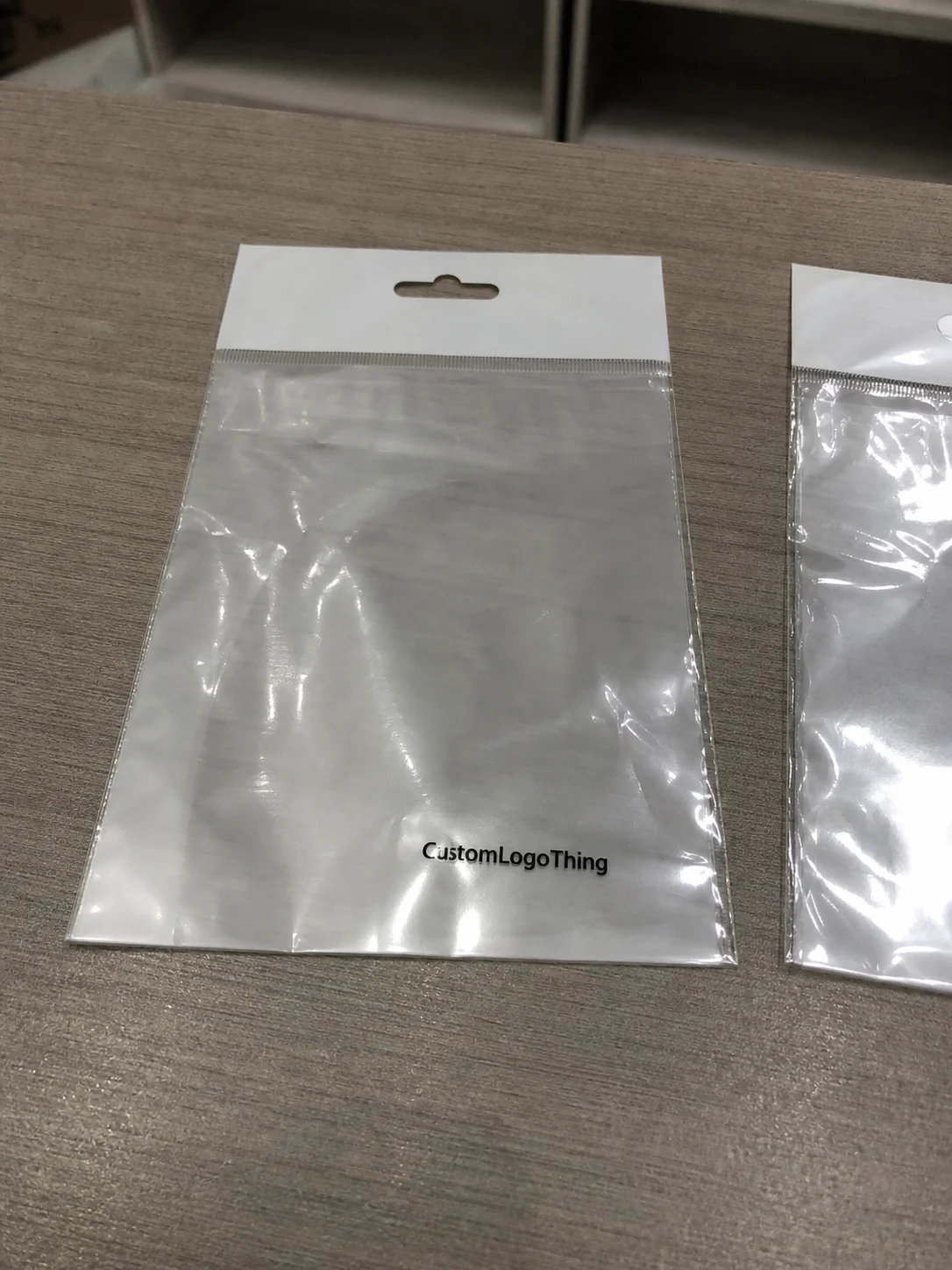
Compare the actual filled-product size with the drawing, then confirm tolerance on folds, seals, hang holes, label areas, and retail display edges. Reserve space for logos, QR codes, warning copy, and material claims before decorative graphics fill the panel.
Quote comparison points
Review material grade, print process, finish, sampling route, tooling charges, carton quantity, and freight assumptions side by side. A quote is only useful when the supplier can repeat the same color, closure quality, and packing count on the next order.
If you have ever priced a Packaging Design Bulk order and wondered why one quote lands at $0.42 per unit while another jumps to $1.18, the answer is usually hiding in the details buyers do not see on the screen. I have watched a 2 mm change in internal width, a heavier ink flood, and one extra foil pass turn a clean carton into a production run that cost far more than the customer expected, and that happens more often than people think. In a Shenzhen quotation for 8,000 folding cartons, for example, moving from a 300gsm C1S artboard to 350gsm C1S artboard added $0.036 per unit before finishing was even discussed, and the buyer only noticed the difference after the proof came back. Honestly, I still get a little irritated when someone assumes the factory is “just padding the quote” when the real culprit is usually a stubborn die line or a finish choice that looks harmless in a mockup and expensive on press.
In the factories I have visited from Shenzhen to Dongguan, the smartest buyers treat packaging design bulk order planning like a supply-chain decision, not just a branding exercise. They think about board grade, die complexity, warehouse stacking, and parcel transit before they approve artwork, and that mindset usually saves them money, rework, and a stack of mismatched cartons sitting in storage. I remember one plant in Dongguan’s Humen district where a buyer brought a beautiful concept board to the floor, and the production manager quietly pointed out that the flap would fail on the folder-gluer after 8,000 pieces because the score line was too shallow for the 42mm tuck depth. That kind of practical honesty is gold, especially when a warehouse in Foshan or Guangzhou is waiting to receive the cartons on a fixed Monday dock appointment.
Custom Logo Things works with brands that need custom printed boxes, mailers, sleeves, inserts, and retail-ready packs that look sharp and behave properly on the line. If you are comparing options for Custom Packaging Products or weighing a broader Wholesale Programs order, the principles below will help you buy with more confidence and less waste. I say this as someone who has seen too many glossy designs become expensive little headaches once they hit the press room in Shenzhen, where a perfectly styled render can still fail if the glue flap is short by 1.2 mm or the laminated panel curls after stack curing.
Why Bulk Packaging Design Changes the Economics
The economics of a packaging design bulk order shift fast once setup costs get spread across more units. A die line that costs $180 to make, a plate set that costs $240, and a prepress proof cycle that takes a day or two all look expensive on a 500-piece run, but on 10,000 pieces those same fixed costs become almost invisible in the unit price. On a 5,000-piece order, a $420 tooling and setup bill adds $0.084 per unit all by itself, while on 20,000 pieces it drops to just over two cents. That is why bulk ordering changes the conversation from “Can we afford the design?” to “How do we structure the run so we do not waste money?”
I remember standing beside a folder-gluer on a corrugated sleeve job in Dongguan where the buyer wanted a curved tuck, a window cutout, and full-panel heavy black coverage. The carton itself was fine, but the combination of extra die time, slow folding speed, and ink laydown pushed the quote up by nearly 28 percent. That was not a sales trick; it was a machine reality on a line running roughly 12,000 sleeves per shift. A packaging design bulk order becomes cheaper when the structure suits the equipment, and I wish more teams would hear that before they fall in love with a shape that looks clever but fights the line like an angry cat.
There is also a consistency benefit that gets overlooked. When a brand commits to one well-structured packaging design bulk order, it can standardize the unboxing experience across launch shipments, replenishment runs, and seasonal restocks. That matters for branded packaging because customers notice if the first batch of retail packaging looks slightly different from the second. I have seen color drift of Delta E 3.5 cause a heated conversation in a client meeting even though the cartons were technically within tolerance, and the difference showed up most clearly under 5000K store lighting in a Shanghai showroom. Technically within tolerance does not always mean emotionally within tolerance, if you know what I mean.
Bulk planning also helps reduce waste by matching the package dimensions to the product, the ship method, and the warehouse handling flow. A 12 oz jar in a carton that is 14 mm too tall will move around more, need more void fill, and take more cube space on a pallet. If you are shipping by parcel, that extra cubic inch matters; if you are storing by the pallet, it matters even more, because a 48 x 40 inch pallet stack can lose an entire layer over a few careless millimeters. A well-built packaging design bulk order is usually not the prettiest one on paper; it is the one that fits the product with the fewest compromises.
“The quote is never just the quote. It is the press time, the board, the die, the finish, the storage space, and the amount of correction you will have to do later.”
Honestly, I think many buyers underestimate the storage side of a packaging design bulk order. A lower unit price looks fantastic until 60,000 cartons arrive in three master cartons per pallet, the warehouse has to dedicate three rack bays, and the receiving team in Dongguan needs a half day just to count and re-label them. That tradeoff is real. Bulk makes sense for launch products with stable demand, subscription programs with predictable replenishment, and seasonal SKUs where the design can be locked well in advance. It is less attractive if your product specs are still moving every other week, which, frankly, is one of the fastest ways to turn a good project into a bad mood.
Packaging Types, Materials, and Design Options
A good packaging design bulk order starts with choosing the right format, and the most common choices are folding cartons, rigid boxes, corrugated mailers, kraft boxes, sleeves, display cartons, and inserts. Folding cartons are usually the easiest to scale for retail packaging because they run efficiently on offset presses and cut cleanly on standard dies. Rigid boxes cost more, but they deliver a premium feel that fits cosmetics, electronics accessories, and gift sets. Corrugated mailers, especially E-flute, make sense when the package must survive parcel transit and stacked pallet loads through hubs in Los Angeles, Dallas, or the UK Midlands.
Material selection is just as important. I have specified SBS paperboard for cosmetic cartons at 350gsm, CCNB for value-focused retail packaging, and E-flute corrugated for ecommerce shipper formats that need a bit of crush resistance. Rigid greyboard wrapped with printed art paper is still one of the most reliable options for a premium opening experience, especially at 1200gsm or 1400gsm board strength depending on the product weight. Kraft stock works well for natural-looking package branding, especially when the design uses minimal ink and a clean one- or two-color print approach. A packaging design bulk order should never force a material choice just because it looks good in a mockup; the product weight and distribution method have to drive the decision. I have had people slide me a gorgeous render and say, “Can we just make it like this?” and my answer is usually, “Yes, if physics agrees.”
Specialty finishes can improve presentation, but they also change production behavior. Foil stamping, spot UV, embossing, debossing, matte or gloss lamination, soft-touch film, and window cutouts all add steps. On a run of 15,000 units, those steps are manageable. On a short run with four finishes, they become expensive quickly. I once helped a client compare two versions of the same packaging design bulk order: one had a matte laminated shell with a single silver foil logo, and the other had foil, embossing, and a window. The simpler version came in 19 percent lower, and the shelf impact was still strong because the structure was cleaner. That was one of those moments where “less” did not mean “boring,” which is a nice surprise in this business.
Structure affects more than appearance. A tuck-end folding carton that holds a 200 g product in a retail environment is very different from a corrugated mailer designed for warehouse fulfillment. If the package has to be palletized, the stacking strength matters; if it is going through parcel networks, edge compression and vibration become more important. That is why I always tell clients that packaging design is not decoration first. It is engineering first, then decoration. The pretty part is fun, sure, but the ugly math is what keeps your product intact, whether the run ships from a plant in Zhongshan or a converted facility in Suzhou.
Here is a practical way to think about it:
- Folding cartons work well for cosmetics, supplements, candles, and lightweight consumer goods.
- Rigid boxes suit premium sets, electronics, and high-perceived-value retail packaging.
- Corrugated mailers are best when shipping protection matters more than shelf display.
- Kraft sleeves and wraps help brands achieve low-ink, natural package branding.
- Custom inserts keep products fixed in place and reduce movement during transport.
If you are building a packaging design bulk order for a product that will move through both ecommerce and retail, the smartest answer is often a hybrid. I have seen brands use a printed outer shipper with an attractive inner carton so they can keep one structure for fulfillment and still maintain a strong unboxing moment. A U.S. skincare client in Austin, for instance, used a kraft E-flute shipper with a 350gsm C1S inner carton, and the combined system cut damage claims by 14 percent over a three-month test window. That is a practical compromise, not a marketing gimmick, and it usually makes the operations team less likely to mutter under their breath during intake.
For buyers who want reference points on industry expectations, the PMMI packaging resource library is useful for broader packaging standards and machinery context, and the ISTA testing framework is worth reviewing when transit performance is part of the brief. If a package is intended to carry recycled content claims, the FSC certification system is also relevant for responsible paper sourcing, especially when your board is coming from certified mills in Guangxi or Jiangsu.
Key Specifications to Confirm Before Ordering
The fastest way to derail a packaging design bulk order is to skip the spec sheet and hope the printer figures it out. They can help, but they cannot guess. The exact internal dimensions, board thickness, print sides, color mode, bleed, finish, tolerance, and packing method all need to be confirmed before production starts. I have seen a carton that was 1.5 mm too narrow turn into a full reprint because the insert would not seat properly and the closure flap bowed outward on a 350gsm C1S run that should have been straightforward. That kind of mistake is maddening, because it was entirely avoidable.
Dieline approval is one of the most important checkpoints. A dieline is not just a template; it is the map that tells the converting line where the cuts, scores, glue areas, and fold lines belong. If the dimensions are off, even by a small amount, the result can be a product that rattles inside the box, a lid that will not close, or a retail pack that stacks unevenly on shelf trays in a warehouse in Atlanta or Hamburg. A good packaging design bulk order should never move into mass production until the dieline is locked. I have learned, the hard way, that “we can probably tweak it later” is usually a sentence that leads to more phone calls than anyone wants.
Print details matter as well. CMYK is common for full-color graphics, while spot colors and Pantone references are used when brand consistency has to stay tight from run to run. If the logo must match a retail signage system or a direct-to-consumer mailer campaign, ask how the supplier manages color control on repeat orders. On one factory visit in Shenzhen, I watched a press operator pull out a densitometer every 20 minutes because the brand had a strict navy tone that could not drift more than a narrow tolerance. That is the level of discipline a serious packaging design bulk order sometimes requires, and it is honestly reassuring when the team on the floor cares that much.
Compliance and function should also be part of the conversation. FSC paper options can matter for responsible sourcing. Food-safe coatings may be needed for certain applications. Recycled content claims need to be supported by real material documentation. If the package will ship through parcel carriers, transit testing aligned with ISTA methods is worth asking about. When buyers skip those questions, they often pay for it later in damage claims or compliance changes that require a second run. Nobody enjoys explaining to finance why the “minor packaging update” turned into a second purchase order, especially when the revised artwork alone cost another $150 in prepress corrections.
I strongly recommend a physical sample or prototype when the package has tight tolerances, premium decorative finishes, or structural inserts. A digital mockup is useful for visual review, but it does not tell you whether a foam insert grips a glass bottle properly or whether a magnetic closure on a rigid box lands with the right feel. For a packaging design bulk order, one sample can prevent a very expensive mistake. I would rather spend a little extra on a prototype than spend a lot extra explaining why a thousand units are beautiful but unusable.
Before you approve anything, confirm these items in writing:
- Internal dimensions in millimeters or inches.
- Board or board grade, such as 350gsm SBS or E-flute.
- Print method, whether offset, flexographic, or digital.
- Artwork format, including bleed and safe area.
- Finish, such as matte lamination, spot UV, or foil stamping.
- Tolerance for size and color variation.
- Packing method, meaning flat-packed, assembled, polybagged, or master-cartoned.
Pricing, MOQ, and What Actually Drives Cost
Minimum order quantity, or MOQ, is not a random number invented by sales teams. It is usually tied to press setup, die creation, material roll sizes, finishing efficiency, and the amount of labor needed to run the job without wasting time and substrate. In a packaging design bulk order, the MOQ is often where the production logic becomes visible. Folding cartons can sometimes run at a lower threshold than rigid boxes because the converting process is faster and less labor-intensive, and in a Guangdong plant I visited last spring, the carton line could comfortably handle 3,000 units while the rigid-box bench needed closer to 2,000 to make the setup worthwhile.
I like to break a quote into clean cost pieces because buyers make better decisions when they can see what they are paying for. Material, printing, die creation, finishing, assembly, freight, proofing, and sampling are the major parts. If one supplier gives you a single number and another supplier gives you a line-item breakdown, the second quote is usually easier to manage even if it is not the cheapest on day one. A transparent packaging design bulk order quote tends to reveal where savings can actually happen, and that makes it easier to compare a 5,000-piece run against a 20,000-piece run without guesswork.
The biggest cost drivers are usually easy to predict once you know the plant floor realities. Heavy ink coverage takes more control on press and can increase drying time. Custom shapes require custom dies and more careful feeding. Foil stamping, embossing, and multi-step finishing raise labor and machine time. Rigid construction is slower because of wrapping, corner finishing, and board assembly. Short runs can also be expensive because the setup costs are spread across too few units. Those are not hidden fees; they are the actual mechanics of production, whether the job is running in Dongguan, Ningbo, or a converter outside Ho Chi Minh City.
Here is a simple pricing example from a client-style scenario. A straight tuck folding carton in 350gsm SBS with four-color print and matte lamination might land around $0.18 per unit at 5,000 pieces, but the same structure at 20,000 pieces can fall notably lower because the setup burden is shared more broadly. Add spot UV, and the cost rises; switch to rigid construction, and it rises again. For a more exact comparison, a 5,000-piece quote with foil and one internal insert might come in near $0.31 per unit, while the same carton at 10,000 pieces can drop to about $0.21 per unit after tooling is absorbed. A packaging design bulk order should be evaluated on the complete build, not just the headline unit price.
Large quantities usually reduce unit cost, but that benefit has to be balanced against inventory storage and cash flow. I have seen brands order 50,000 cartons because the per-unit price looked excellent, then spend months paying for shelf space and warehouse handling they did not budget for. If your demand forecast is uncertain, a smaller run with a second planned release can be smarter than overbuying. A packaging design bulk order only works if the inventory turns at a reasonable pace. Otherwise, you end up with a bargain on paper and a storage problem in real life.
For seasonal products, the calculus changes again. A holiday gift set or a limited edition retail packaging run may justify a larger order because the design is tied to a known selling window. For subscription programs, bulk can make sense because the packaging format stays stable over many months. For launch products, I usually recommend a modest first run unless the forecast is very strong and the artwork is fully locked. I have watched a team order like they were preparing for a parade, only to find out demand was behaving more like a polite local event in the first quarter.
Practical buying advice: standard sizes save money. A 3.5 x 2.5 x 7.0 inch carton built from a common die library can be cheaper than a custom dimension that requires a unique tooling path. Keeping ink coverage moderate helps too. A rich black background on every panel looks dramatic, but it can cost more than a restrained design with carefully placed accent color. On a 10,000-piece order, a reduced coverage layout can cut press waste by several hundred sheets, which is exactly where smart packaging design bulk order planning pays off.
If you want to reduce unit cost without sacrificing presentation, consider these levers:
- Use a standard box style instead of a fully custom structure.
- Choose one premium finish instead of three.
- Keep the artwork coverage balanced rather than full-bleed on every face.
- Match material strength to product weight, not to the wish list.
- Combine SKUs where the same carton can serve multiple products with inserts.
Production Process and Realistic Timeline
A realistic packaging design bulk order follows a sequence, and skipping any step usually creates avoidable delay. The standard workflow begins with quote review, then artwork check, dieline confirmation, sample or proof approval, production, finishing, inspection, packing, and shipping. That sounds simple, but each stage has its own dependencies. The buyer who responds in one day moves faster than the buyer who sits on proofs for a week. I have seen more schedules slip because someone was “out of office” than because the machine was actually broken, especially when a plant in Shenzhen is waiting on the final barcode artwork at 4:30 p.m.
Most delays happen before the press even starts. Artwork revisions, missing dimensions, unclear finish notes, and last-minute changes to compliance text can stall the schedule. I once worked with a supplement brand that changed the warning panel twice after the dieline was approved, and the final shipment missed the launch window by nine business days. The carton was not the problem. The paperwork was. That one still annoys me, because it was entirely preventable with five minutes of discipline and one fewer round of “quick edits.”
Lead time depends on several factors: print method, finish complexity, quantity, factory load, and whether the order ships domestically or internationally. A simple digital proof can move faster than an offset job with foil and embossing. A domestic run may avoid customs delays, while an imported packaging design bulk order needs buffer time for ocean freight, port handling, and warehouse receiving. I always advise customers to plan around the real schedule, not the hopeful one. Hope is lovely for birthdays; it is less useful for freight bookings.
It also helps to separate sample time from mass-production time. A sample might take a few days to build, especially if the structure is straightforward. Mass production takes longer because the factory has to create tooling, run the press, convert the sheets, inspect counts, and organize packing. A sample is proof of concept, not a promise that the line will move at the same speed. That distinction saves a lot of frustration, particularly when a proof is approved in the morning and a buyer assumes the factory can ship 12,000 units by Friday afternoon.
For a practical planning window, many projects need a buffer of 12 to 15 business days after proof approval before ready-to-ship completion, though that can stretch when finishes are complex or the factory is heavily loaded. Freight can add another week or more depending on route and destination. A packaging design bulk order tied to a retail rollout should include that extra time upfront, because launch dates rarely move in your favor once the sales team announces them. If a marketing calendar has already gone public, the packaging schedule suddenly becomes very real, very fast.
One buyer meeting I still remember involved a cosmetics line launching in a chain of stores across two states. They had the cartons ready, but the distribution center would not accept inbound cartons without master-carton labeling in a specific format. That small detail delayed receiving by several days. The lesson was simple: the packaging design is only part of the job. The packing method, shipping marks, and warehouse process all matter in a packaging design bulk order, and in that case the missing pallet label mattered more than the silver foil logo.
Build a buffer for these items:
- Artwork approval and final copy checks.
- Sample review and internal sign-off.
- Production loading at the factory.
- Transit time by air, ocean, or truck.
- Customs and receiving if shipping internationally.
Why Work With a Packaging Manufacturer That Handles Bulk Orders
Working with a manufacturer that can manage design-to-production under one roof reduces handoff errors, and that is especially valuable in a packaging design bulk order. Every time artwork moves from one vendor to another, information can be lost. A missing bleed, a wrong Pantone reference, or an outdated dieline can cause avoidable rework. When the same team handles structure, prepress, printing, converting, and packing, communication stays tighter, and the odds of a carton arriving in Rotterdam or Long Beach exactly as planned go up noticeably.
Factory capabilities matter. Offset printing is strong for sharp graphics and larger quantities. Flexographic printing can be efficient for certain corrugated and sleeve applications. Die cutting, gluing, lamination, foil stamping, and carton folding lines all need to be aligned with the final package format. I have seen a plant in Guangdong save nearly half a day of changeover time simply because the jobs were scheduled in a smarter sequence on the converting line. That kind of operational discipline can improve a packaging design bulk order without changing the artwork at all, which is exactly the kind of boring excellence I trust.
Experienced production teams also know how to optimize artwork for press. They can reduce unnecessary ink saturation, place fine text where it will reproduce more cleanly, and make practical recommendations on panel layout. That often reduces waste on press sheets and improves consistency from the first run to the repeat order. Honest advice from the production floor is worth more than a flashy promise in a sales email. Honestly, if a supplier tells you every idea is brilliant, they probably are not being careful enough, and careful is exactly what you want on a 30,000-piece order.
Quality control is another point where a strong manufacturer earns trust. I like to see incoming material checks, in-process inspection, and final carton count verification because errors tend to multiply when no one is watching them early. A single wrong board lot or a miscounted pallet can cause an issue downstream. In a packaging design bulk order, quality control is not just about rejecting bad units; it is about preventing a bad batch from being made in the first place, whether the material is shipped from a mill in Zhejiang or converted in a factory on the outskirts of Suzhou.
Reliability, sourcing, and transparency Matter More Than hype for transactional buyers. If a supplier can tell you exactly what board they are using, how the package will be packed, and when the goods will leave the dock, that is usually a better sign than a fancy brochure. I would rather buy from a factory that gives me accurate dates and a realistic color range than from one that promises perfection and delivers excuses. Perfect promises are easy; consistent cartons are the actual job, and that is especially true when your reorder cycle depends on a 12-week replenishment window.
For buyers who need support beyond one run, structured programs help. That is where Wholesale Programs can be useful, especially when the same carton format will be reordered in batches over time. A well-managed packaging design bulk order can become the basis for a stable replenishment system rather than a one-off purchase, which is exactly the kind of repeatability finance and operations both like to see.
How to Place a Packaging Design Bulk Order the Right Way
If you want your packaging design bulk order to go smoothly, start with a clear checklist. The manufacturer needs product dimensions, target quantity, packaging type, artwork files, finish preferences, shipping destination, and deadline. The more precise you are, the better the quote and the lower the chance of misunderstandings later. I have sat through enough production calls to know that vague briefs create expensive surprises. “We’ll know it when we see it” is not a specification, no matter how confidently it is said, especially when the job is being planned around a factory slot in Dongguan or Shenzhen.
Ask for a quote comparison that separates unit price, tooling, sample costs, freight, and setup fees. A low unit price with high freight or expensive tooling can be more costly than a slightly higher all-in price. If a supplier will not separate those numbers, press for clarity. A serious packaging design bulk order buyer should know exactly what is included and what is not. If the numbers are fuzzy, the project usually gets fuzzy later too, and fuzzy is a terrible way to discover you forgot to budget for a $220 die set.
Before mass production starts, approve a prototype, confirm packaging test fit, and sign off on print details. This is especially important for custom inserts, rigid boxes, or tight-fitting cartons. A sample is cheap compared with a full reprint. On a foam-lined electronics box I reviewed for a client, the insert needed a 1 mm adjustment on the battery compartment. That tiny correction would have been impossible to ignore once 8,000 units were packed. I still remember holding the sample and thinking, “Well, that would have been a painfully expensive 1 mm.”
Document reorder specifications so future runs match the original carton exactly. Keep records of the board code, coating type, Pantone references, glue pattern, master-carton count, and pallet configuration. I suggest storing a simple spec sheet in the same folder as the artwork files. When the next packaging design bulk order comes around, that record can prevent color drift and structural mismatch, and it can also save you from explaining to a plant in Foshan why the revised version is 0.8 mm taller than the original.
Here is a practical action list that works well for most buyers:
- Gather product dimensions and weigh the item on a calibrated scale.
- Choose the package type that fits your channel: retail, ecommerce, or hybrid.
- Send logo files, product text, and finish preferences in editable format.
- Request a quoted dieline if you do not already have one.
- Review sample images or a physical sample before final approval.
- Confirm the production schedule, freight method, and receiving requirements.
If you need help with basic packaging questions while preparing your order, the resource page at FAQ can be a good starting point. It is often faster to answer the common questions first, then move into the structural details that make or break a packaging design bulk order, especially when the next step is a quote based on 5,000 or 10,000 pieces.
I also recommend asking one simple question before you commit: “Will this packaging still make sense if sales are 20 percent lower than forecast?” That question forces a useful conversation about storage, reorder timing, and cash tied up in inventory. A smart packaging design bulk order should survive a realistic business scenario, not just the best-case sales pitch. If the answer makes everyone in the room squirm a little, good—that means you are probably asking the right question.
Packaging Design Bulk Order: decision table
| Decision area | Best fit | What to verify | Risk if skipped |
|---|---|---|---|
| Product fit | Protection, display, and unboxing consistency | Measurement, tolerance, material, and sample approval | A nice design fails because the product fit was guessed |
| Brand presentation | Logo visibility, finish, and customer perception | Print method, color target, texture, and proof review | Packaging protects the item but does not sell the brand |
| Operations | Packing speed, storage, shipping, and reorder control | Carton count, warehouse label, and repeat spec | The package is attractive but hard to pack or reorder |
Frequently Asked Questions
How does packaging design bulk order pricing work?
Pricing for a packaging design bulk order is built from material, printing, tooling, finishing, assembly, and freight. Larger quantities usually reduce unit cost because setup expenses are spread across more boxes, but special finishes, custom structures, and tight tolerances can raise the quote quickly. If you want an accurate comparison, ask for line-item pricing so you can see exactly where the money is going.
What is the minimum packaging design bulk order quantity?
MOQ depends on the package type, material, and print method. Folding cartons often start lower than rigid boxes or specialty finishes because the setup is simpler and the converting line runs faster. In practical terms, a basic folding carton job may begin around 1,000 to 3,000 units, while a rigid box project may need 500 to 2,000 units to make sense, depending on board, wrapping, and labor. The true threshold comes from press setup, die creation, and efficiency on the machine, so the best answer is always a quote based on your exact specification.
How do I reduce the cost of a bulk packaging design order?
Use standard sizes where you can, reduce finish complexity, keep ink coverage moderate, and select material that matches the product weight without overbuilding. Ordering a larger quantity usually lowers unit cost, but only if you can store and use the inventory efficiently. A smart packaging design bulk order balances price with storage and forecast risk, and even a shift from four finishes to one can trim total production cost by 10 to 20 percent on a 10,000-piece run.
Can I get a sample before placing a bulk order?
Yes, and I strongly recommend it for custom structures, tight-fit products, and premium finishes. A sample helps confirm dimensions, print clarity, closure performance, and overall presentation before full production. For a packaging design bulk order, one physical check can prevent costly rework, and a prototype usually takes only a few business days before the main run is approved.
How long does a packaging design bulk order usually take?
Timeline depends on approval speed, design complexity, and quantity, but most jobs move through quoting, proofing, production, and shipping in clear stages. Fast approval of artwork and dieline details is the biggest way to shorten the schedule, especially when the order includes foil, embossing, or international freight. A common production window is 12 to 15 business days from proof approval, with another 5 to 10 business days needed for freight depending on destination.
What files do you need to start a bulk packaging order?
Provide product dimensions, target quantity, logo files, artwork, finish preferences, and any branding or compliance notes. If you do not have a dieline, the manufacturer can usually create one once the package type and product size are confirmed. That is often the cleanest way to begin a packaging design bulk order without wasting time, and it usually speeds up the first proof by one or two days.
If you are planning a packaging design bulk order, the safest path is usually the most disciplined one: lock the dimensions, confirm the structure, Choose the Right material, and insist on a sample before production starts. That approach keeps branding sharp, protects the product, and avoids the kind of waste I have seen too many times on factory floors where one small assumption turned into a full pallet of unusable cartons. A well-run packaging design bulk order does more than save money; it gives your product packaging a consistent, professional finish That Holds Up through production, shipping, and repeat ordering, whether the job is built in Shenzhen, converted in Dongguan, or shipped onward through a warehouse in California.