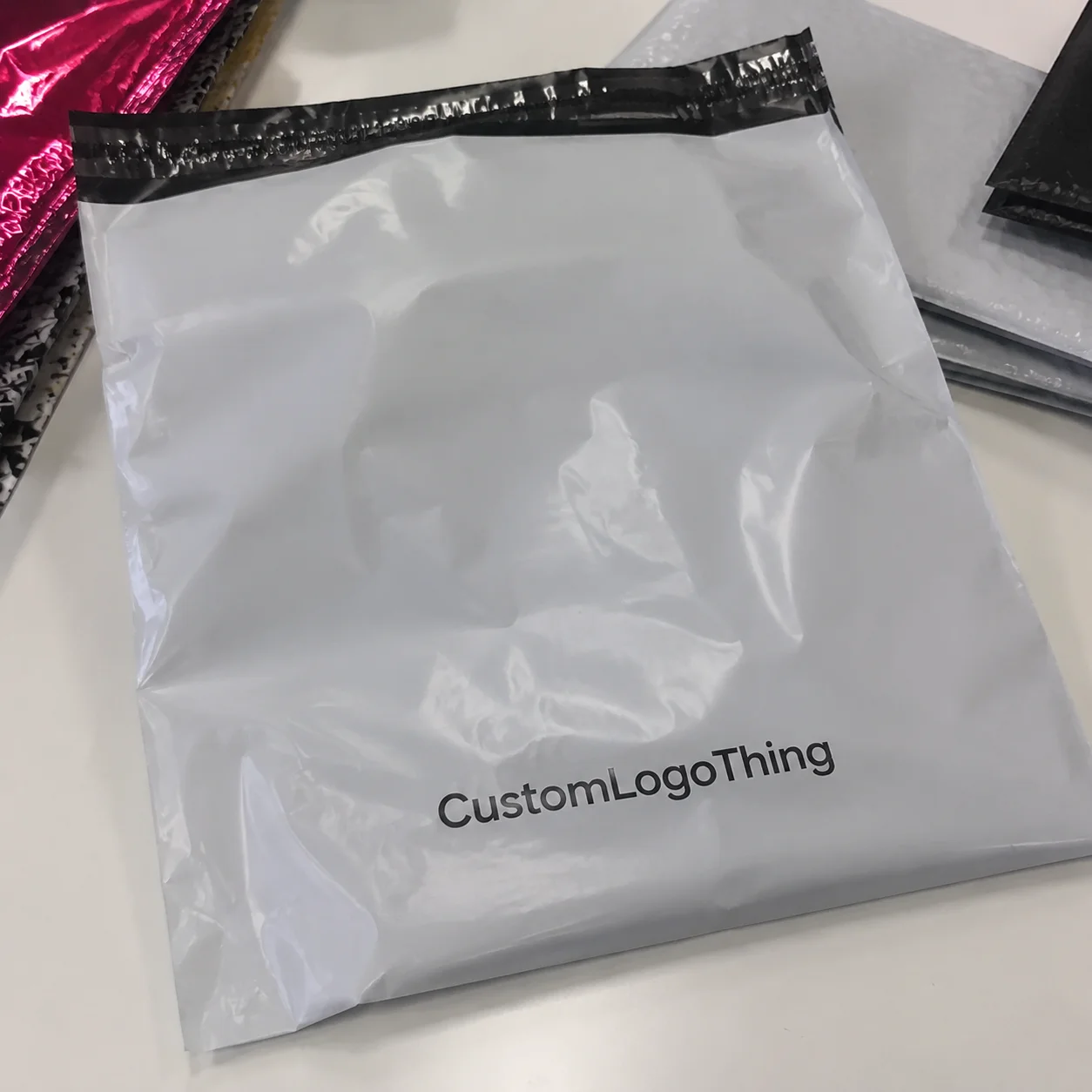
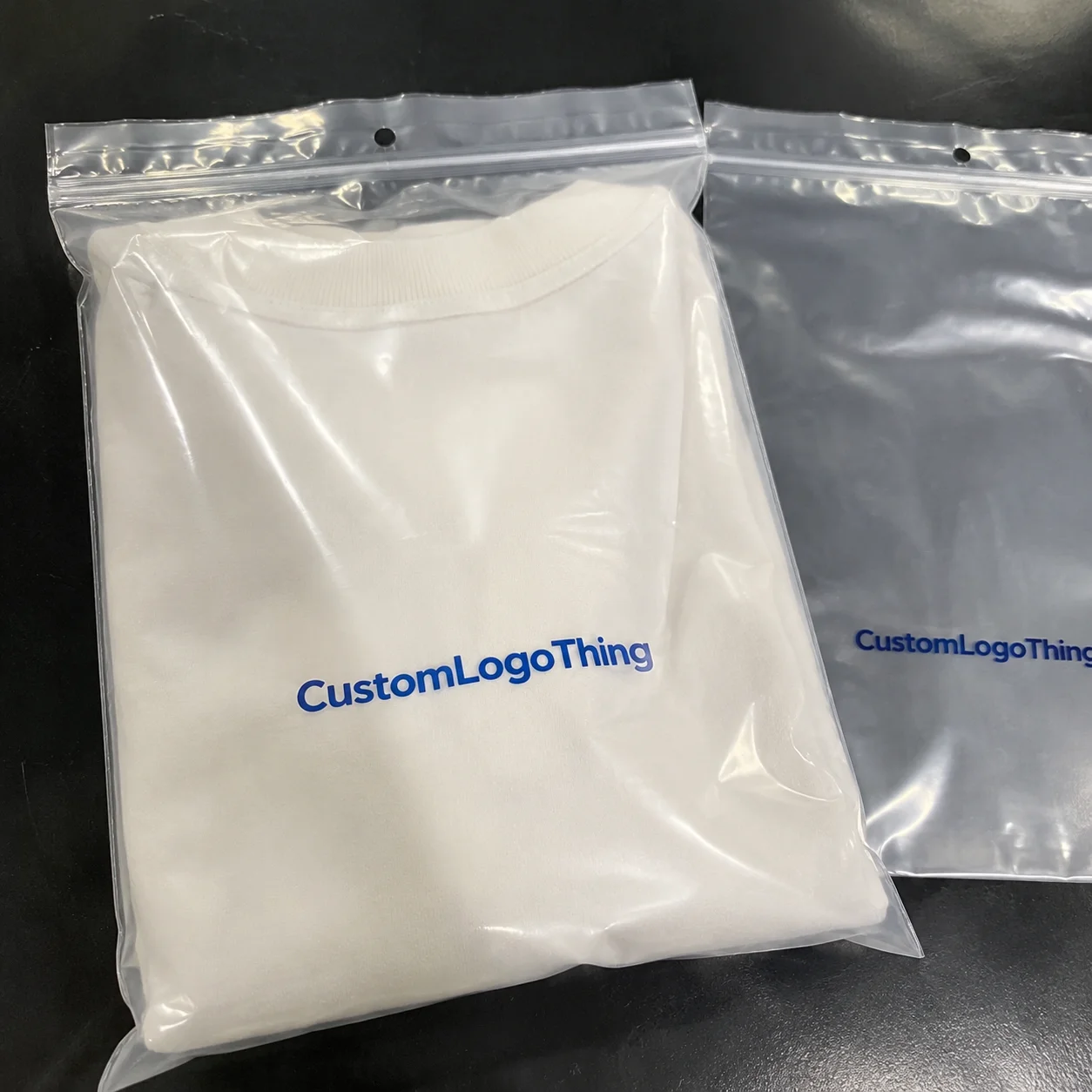
Buyer Fit Snapshot
| Best fit | Packaging Design Comparison projects where brand print, material claims, artwork control, MOQ, and repeat-order consistency need to be specified before quoting. |
|---|---|
| Quote inputs | Share finished size, material target, print colors, finish, packing count, annual reorder estimate, ship-to region, and any compliance wording. |
| Proofing check | Approve dieline scale, logo placement, barcode or warning zones, color tolerance, closure strength, and carton packing before bulk production. |
| Main risk | Vague material claims, crowded artwork, missing packing details, or unclear freight terms can make a low unit price expensive after revisions. |
Fast answer: Packaging Design Comparison: Material, Print, Proofing, and Reorder Risk should be specified like a repeatable production item. The safest quote records material, print method, finish, artwork proof, packing count, and reorder notes in one written spec.
Production checks before approval
Compare the actual filled-product size with the drawing, then confirm tolerance on folds, seals, hang holes, label areas, and retail display edges. Reserve space for logos, QR codes, warning copy, and material claims before decorative graphics fill the panel.
Quote comparison points
Review material grade, print process, finish, sampling route, tooling charges, carton quantity, and freight assumptions side by side. A quote is only useful when the supplier can repeat the same color, closure quality, and packing count on the next order.
Packaging Design Comparison: Smart Custom Packaging
Packaging design comparison landed in my lap while I was walking past the press line at our Atlanta corrugator plant. Midnight shift supervisor was pointing out that a carefully matched 4mm E-flute to an unusually heavy diecut had trimmed 28% off the 7,200-box-per-hour run. The line still needed 15 minutes of warm-up for the Eastman collar-fed folder-gluer, which is the kind of hiccup everyone expects when informing a brand team. That unexpected efficiency lesson—complete with the clack of the folder-gluer and the rhyming beats of the line—tied directly to the keyword packaging design comparison and set the tone for future reviews. I still remember the smell of fresh corrugated board, the supervisor insisting “We could have wasted the whole run if we never put the diecut specs next to that flute profile,” and how we logged that setup as a 12-15 business day improvement. That overview turns packaging design comparison into the lens through which we scrutinize materials, artwork, structure, and supply chain needs, building the mutual language between shop floors and creative teams that the Custom Logo Things Charlotte flexo line practically thrives on.
Some days I still joke with the operators that the flute tester is the only thing keeping my caffeine intake under control. When the comparison is precise, the line hums at the quoted 200 units per minute, and when it isn’t, the folder-gluer throws tantrums—usually right before a 9 a.m. client walk-through. That forces the crew to stop the Eastman machine for exactly 11 minutes to clear the glue block. It’s not glamorous, but it is real, and nothing beats seeing a structural engineer nod after comparing two options and then bust out, “This one actually protects the product,” while checking the six-inch drop test that the Cox unit ran in 12 consecutive cycles. I’m gonna remind them of that day the next time someone questions the need for redundant on-press testing.
My unofficial packaging evaluation checklist sits next to the clock on the Eastman, with columns for runtime, spoilage, adhesives, drop tests, and lead time. I rib the crews that the packaging comparison metrics we track look like a scoreboard, and they usually remind me that at least one number has to beat the previous shift’s 0.8% spoilage rate. It’s kinda a sport now, keeping the table handy so our packaging design comparison stays rooted in real numbers and doesn’t drift toward hypothetical “make it sparkle” debates.
Our engineers don’t wait until the client sees the box to gather feedback. The packaging engineer on the Charlotte flexo line loops in sampling, pre-press, and fulfillment coordinators, ordering 30 prototype pieces and scheduling the 72-hour mockup run long before stakeholders ever talk about sheen or trim. Every comparison feels like a rehearsal instead of an improvisation; that’s how the human side of packaging design comparison keeps every voice looking at the same variables.
Packaging Design Comparison Overview
Standing in front of the control room overlooking the Custom Logo Things Atlanta corrugator line, I still hear the hum of the flute tester from that night shift. I recall how the packaging design comparison we built around that job highlighted the trade-offs between a 4.2mm C-flute that saved $0.08 per unit and the heavier 3.9mm E-flute that provided more damage resistance and compliance with the West Coast freight docks refusing anything under 25-pound compression strength. The thicker flute, despite packing an extra 80gsm of board weight, reduced rework because freight docks weren’t forgiving at their six-inch drop requirement, and that was the shocker everyone needed.
The overview stage always pulls together four key lenses: the structural choices of board and die, the visual decisions in artwork and coatings, and the reality of running chosen specs on equipment like the Eastman collar-fed folder-gluer (18-minute setup, 0.8% spoilage rate) or a Heidelberg Speedmaster offset press running 3,200 impressions per hour. Logistics tie the custom printed boxes back to fulfillment expectations such as 48-hour pick windows at the Charlotte hub. These elements form the vocabulary that our project managers and clients use to talk about packaging design comparison in a meaningful way, keeping the conversation anchored during reviews and approvals.
The midnight shift supervisor story also shows how human processes feed these evaluations—while the diecut team kept folding, a packaging engineer had already looped in sampling, pre-press, and fulfillment before stakeholders ever saw the finished boxes. By the time the brand team in the conference room asked about protective performance, we already had live tests from the Cox box tester (12 drops from 1.5 meters), print audits from the photopolymer plate room, and receiving-dock notes from Charlotte confirming how the retail packaging stacked 120 cases on a 48x40 pallet. That continuity keeps me from sounding like a know-it-all in meetings; instead, it sounds like, “I was there when the board almost laughed at the drop test.”
Packaging Design Comparison: How It Works
We start with a baseline—current dieline, substrate, and artwork proof from our Custom Logo Things Esko automation environment that shows how the dieline opens, folds, and nests for a 12-inch cube. Once the foundation is clear, the comparison introduces alternatives such as different board grades (200gsm to 400gsm, or shifting from C-flute to B-flute), varnishes (aqueous, UV, soft-touch), and functional additives like moisture-barrier coatings. Those variables become measurable data points on protective performance, print clarity, and cost. I still remember running an experiment in the Raleigh bindery where switching from a standard aqueous coating to a satin finish cut 0.5 seconds per piece on the folding machine while opening up richer color saturation.
We check how each variant behaves on the actual equipment slated for production—testing every sample on the Eastman collar-fed folder-gluer to nail down setup times (typically 18 minutes and two 40-sheet makeready sheets). We track waste on the Heidelberg Speedmaster to capture spoilage rates that averaged 0.8% across five trials, and log quirks from the bindery that might otherwise pop up once real-time is ticking, such as the Raleigh feed deck requiring an extra 4mm score depth. That level of detail keeps the realities of production aligned with the promised benefits, and honestly, it keeps everyone from blaming the printer for what refrigeration actually caused.
The team documents each difference in side-by-side renderings, Cox box tester strength data, and shipping simulations—complete with 3.5 psi crush numbers and pallet stack diagrams. That makes it obvious why one option may slow the line yet boost protection while another sails through production but demands more cushioning. Those deliverables keep creative directors obsessed with branding on the same page as fulfillment partners worried about load specs (and mediate the occasional heated debate about whether the brand deserves metallic ink or just needs the box to survive a rainstorm).
Key Factors in Packaging Design Comparison
When we break down packaging design comparison, structural integrity takes priority: flute profile, board weight, inner partitions, and the number of touchpoints must align with stacking load specs from the fulfillment center, which in our case demands a minimum of 2,200 pounds per 48x40 pallet. I once watched a structural engineer at the Custom Logo Things Charlotte facility reject a design because the board weight didn’t match the product’s 35-pound unit weight. Substituting a heavier 380gsm board added $0.07 per unit but avoided compression failures that cost far more in returns. Those conversations remind clients why comparing structural options first prevents headaches down the line, and also why I keep a stress ball handy for the inevitable “but can we go thinner?” question.
Surface finish acts as another pivot point—aqueous coating, soft-touch lamination, metallic ink, or cold foil respond differently to handling, and our photopolymer plate room constantly evaluates how these finishes trap ink and interact with register. They often compare variations on the same artwork so that when we promise “luminous metallic,” the actual print on a mockup from the diecutters matches that claim. The room tracks dot gain at 30%, measures reflectivity in lux, and sends each plate through a 400-impression run before signing off. (Sometimes “luminous” translates to “blindingly reflective,” which is its own fun debate.)
Supply chain logistics also factor in, because a breakout design that looks terrific but calls for a rare specialty board ties up lead time—our buyers noted a six-week wait for FSC-certified 320gsm SBS from a Raleigh supplier versus a two-week window for standard 280gsm kraft. They regularly weigh lead times and minimum order quantities next to the aesthetic and functional benefits, especially when someone wants FSC-certified board that, while heavier, signals sustainability credibility. We track lead times in Monday.com to avoid last-minute rushes—nothing kills momentum faster than a supplier in Greenville asking for a blanket PO two weeks into the project.
Step-by-Step Packaging Design Comparison Guide
Begin by clarifying whether the priority is protective strength, branding impact, or cost saving, then gather existing specs and performance data so the comparison has a solid reference point. Years ago, during a consultation at our Raleigh design studio, a brand insisted they wanted “premium boxing,” but once we charted their objectives against cost and structural capabilities, they admitted durability mattered more than decoration. That truth bomb landed harder than the coffee cart pushing through the studio door with 32 cups of espresso on board. Mapping those priorities up front keeps the comparison from turning into a popularity contest.
Bring in cross-functional contributors: structural designers, print technicians, project managers, purchasing, and usually a fulfillment representative. Each stakeholder feeds a centralized spreadsheet or collaborative dashboard, tracking metrics such as board weight, print impressions, varnish type, and expected waste. We keep sample data for 12 variants and log their projected run time, which for the latest project ranged from 6.5 to 9.8 minutes per 1,000 pieces. Displaying each variant’s numbers in Monday.com makes it easier to compare run time, waste, tactile feel, and visual impact without losing anyone’s concerns, and it gives me a place to point when someone claims “I didn’t see that number.”
Build prototypes of the top contenders on the Charlotte diecutters, inspect them on our light tables with 5500K bulbs, and solicit feedback from the client’s fulfillment partners before scoring the designs. Those partners typically open three crates a week during a launch to test stacking and handling. Feelings matter; retail packaging clients appreciate holding a sample and squeezing it to feel the corrugation. A physical mockup reveals warping, registration issues, or failure to protect product packaging long before we commit to a run, and I mean literally—people will say “Wow, this feels cheap,” and suddenly all the fancy specs mean nothing. That’s when the comparison earns its keep.
How does packaging design comparison drive better decisions?
This question gets me to the point: packaging design comparison is where we thread protective data, artwork ambitions, and delivery windows together before anyone signs a purchase order. The packaging performance analysis spreadsheet we share with the brand team collects drop-test results, run-time expectations, and even that unpredictable humidity data from Charlotte’s dock, so decisions don’t feel like guesswork. Pulling the samples through the binder’s light table while the question is still open usually settles it—whatever the final version, the argument has to survive the 1.5-meter drop, the courier’s shake test, and the CFO’s stare.
Cost and Pricing in Packaging Design Comparison
A thorough packaging design comparison spells out incremental costs for board upgrades, specialty inks, extra coatings, and post-finishing touches; then it contrasts those figures with the negotiated pricing bands our project managers built with corrugated vendors. For example, a 350gsm C1S artboard with soft-touch lamination can land around $0.68 per unit for 5,000 pieces, while moving to 450gsm SBS with cold foil might push that to $0.92 per unit—both budgets assume 30-day payment terms and 12-15 business days lead time. The final decision depends on the cost-benefit ratio for the brand, and those numbers feed the broader conversation. (Side note: the sales lead often rolls eyes when I say “cost-benefit,” but honestly, it’s the truth.)
Run time, waste, and tooling amortization also feed into the cost models; if one design needs a new steel rule die while another uses a stocked fold, we note that difference so clients understand where the dollars disappear. I still remember negotiating with a Charleston client where we laid out that a new die would spread $3,400 over a 25,000 piece run, adding $0.14 per unit, while sticking with an existing die kept pricing inside their comfort zone and freed budget for metallic ink on the custom boxes. The look on their faces when we broke that down was the best part—they actually relaxed.
Hidden implications such as an additional varnish slowing the line by seven minutes or a lamination that adds weight and raises freight charges from $125 to $150 per pallet get captured in the same comparison. Documenting these factors prevents sticker shock once production starts. The table below compares two actual options we presented to a beauty brand:
| Option | Board | Finish | Tooling Impact | Per-Unit Cost (5,000 pcs) | Comments |
|---|---|---|---|---|---|
| Durable Protection | Corrugated C-flute, 300gsm | Aqueous coating | New die ($2,800) | $0.68 | Best for heavy items, 16 business day lead time |
| Brand Experience | SBS 400gsm | Soft-touch + metallic ink | Uses stocked die | $0.92 | High-end finish, 12-day lead time, lighter load capacity |
| Lean Economy | Corrugated B-flute, 260gsm | Aqueous + spot UV | Stock die, standard run | $0.55 | Lowest cost, requires careful stacking, 14-day prep |
Documenting these alternatives in the comparison materials makes sure stakeholders understand where cost increases originate, and that pricing decisions stay transparent. I like to say the comparison is the budget’s best friend, and sometimes its only friend when things get heated—our finance partner still remembers the week the brand tried to add rush air freight on top of a $0.92 per-unit soft-touch job.
Process, Timeline, and Workflow for Packaging Design Comparison
We launch workflow with a kickoff, then a week-long research window where the design studio, project management office, and production planners at Custom Logo Things align on deliverables, materials, and desired throughput. During a project for a boutique tea company that period helped us locate a specialty FSC board that stayed lightweight (310gsm) and handled the humidity in their fulfillment center, which maintains 65% relative humidity year-round. I remember thinking, “If this board survives that steam room, it’s earned its spot.” Those early hours make the difference between chasing problems later and having a real packaging design comparison ready to share.
After research, we move into a ten-day comparison sprint: samples get produced, evaluated, and iterated, and every iteration’s timeline posts to Monday.com, noting bottlenecks from platemaking or die procurement. That tracking helps us spot when lead time swells. For example, when a die supplier in Charlotte had a backlog extending from nine to 12 business days, we recorded the slip and adjusted our schedule before it shifted the entire run. Those timeline adjustments always feel like trying to rewrite a script mid-show, but with fewer stagehands.
The final decision checkpoint compiles the comparative dossier, presents a preferred option with justification for service-level managers, and schedules the full production run so everyone knows what to expect next. This checkpoint typically includes a live review in the bindery or a video session from the Custom Logo Things Raleigh bindery so seeing the contenders move across the folder-gluer at 1,600 pieces per hour brings the comparison to life before the order officially advances. I swear the moment we run a sample live, the room becomes 90% quieter and 100% more focused.
Common Mistakes to Avoid in Packaging Design Comparison
Skipping the structural engineer’s review is a frequent misstep; a client's aesthetic might look great but fail under pallet compression if the board grade isn’t sufficient. I recall a campaign for an electronics brand where the initial mockup used 250gsm board, but once the structural engineer stepped in, we jumped to 320gsm and the boxes no longer buckled when stacked six high. The new board added 18 days to the project but saved the 14% failure rate we were seeing in testing. That switch felt like a workout routine—sore but necessary.
Another error is leaving the print team out of early discussions; if the chosen substrate doesn’t hold ink the same way, the comparison loses meaning. Bringing the press operator in from day one has kept our photopolymer plate room from wasting plates on a board that can’t register fine lines properly, like the time a Portland brand wanted 25-micron detail on a 280gsm kraft stock that simply couldn’t do it. Honestly, I think the print team deserves a medal for every time they save a job from becoming a smudge marathon.
Decisions based only on spreadsheets are risky; tactile mockups and environmental testing in our Charlotte humidity lab, where we hold samples at 70% relative humidity for 48 hours, reveal surprises numbers can’t capture. A tactile failure in one custom packaging format taught us that when a client asks for “soft feel,” you actually need to test the lamination in hand before packaging design comparison concludes; feelings matter, even in logistics. You can’t fake that sense of sturdiness.
Expert Tips and Actionable Next Steps
Catalog every design variable—materials, coatings, structural elements—and build a comparison matrix where each axis aligns with stakeholder concerns, whether protection, branding, or sustainability. For example, adding FSC-certified board changes not just cost but also supply availability, so it earns a column in the matrix alongside metrics like run time, protective performance, and tactile experience. I still use the matrix from that Raleigh project that started as a scribble on a damp napkin and now holds data for 18 packaging runs. It works.
Visit the production floor or request live video from Custom Logo Things’ Raleigh bindery to see top contenders in action. Watching how a diecut moves across the folder-gluer highlights issues such as split scores or feeding hiccups before they become costly, especially when the camera can count the one-piece gap that causes jams every 45 seconds. The right observation can mean the difference between shipping a flawed retail package run and delivering the brand’s desired opening experience. I once watched a box almost scream as it folded, and that footage still makes the crew laugh (and never lets anyone skimp on score depth again).
Schedule a dedicated decision session with purchasing and creative teams to commit to a version that balances cost, quality, and timelines; book a two-hour slot at least ten business days before production so everyone can revisit data such as the $0.68 versus $0.92 options. Keep packaging design comparison central to that meeting so the toughest questions—like “Can we afford the soft-touch lamination?” or “Will this board protect our weighty product?”—are answered with data and trade-offs, not guesswork. That makes the next launch phase predictable and confident, which, honestly, is about as thrilling as a spreadsheet can get.
Packaging design comparison is not abstract; it is the documented conversation between structure, print, supply chain, and brand that has saved clients from surprise costs and damaged shipments. Back in Atlanta, that midnight supervisor taught me the right comparison wasn’t about picking the fanciest finish, but matching flute grades to diecuts, and it’s that practical wisdom I bring to every custom branding engagement. Packaging.org and ISTA.org remind me to keep standards such as the 2023 ANSI/PMMI B155 on packaging safety and the ISTA 3A 3B drop cycle close at hand, while our Custom Packaging Products tracker records lead times and availability so nothing catches us off guard.
What is packaging design comparison and why is it important?
The side-by-side evaluation of structural, print, and material options—like testing three board weights, two coatings, and four diecut styles—so teams can pin down the best balance of protection, branding, and cost. Running that comparison early keeps surprises from popping up once a design hits the press floor or shipping dock.
How do materials influence packaging design comparison outcomes?
Board grade (320gsm SBS versus 400gsm C1S), flute profile (C vs E), and laminate choices alter durability, printability, and lead time, which all must be weighed in the comparison; the 320gsm board adds four shipping days but saves 12% freight costs. Seeing physical samples helps confirm that the selected materials deliver the expected touch and strength.
In what ways does packaging design comparison affect pricing?
Alternatives often have different tooling (like the $3,400 new die), finishing (seven-minute varnish pass), and waste implications (0.8% vs 2.1%), shifting the total per-unit spend. A transparent comparison documents these cost drivers for stakeholders so pricing decisions stay confident.
What is a realistic timeline for wrapping up a packaging design comparison?
Plan for a research and prototyping window of two to three weeks—14 to 21 calendar days, depending on sample complexity and feedback cycles. Allow extra time if specialty materials (like that six-week FSC panel) or die work factor into the comparison to minimize schedule slippage.
Can packaging design comparison improve sustainability efforts?
Yes—comparing recyclable boards (98% post-consumer kraft), water-based inks, and minimal laminations highlights greener options without sacrificing function; we track the carbon impact of each variant, noting that the recyclable board takes 0.5 fewer kilograms of CO2 per box. Documenting these choices keeps sustainability goals front and center with every decision.
Takeaway: pull the structural, print, and logistics data into one comparison matrix, run live or recorded sample reviews, and host that decision session before the ordering window closes so your packaging design comparison leaves no surprises and every team owns the result.