Buyer Fit Snapshot
| Best fit | Packaging Design Pricing projects where brand print, material claims, artwork control, MOQ, and repeat-order consistency need to be specified before quoting. |
|---|---|
| Quote inputs | Share finished size, material target, print colors, finish, packing count, annual reorder estimate, ship-to region, and any compliance wording. |
| Proofing check | Approve dieline scale, logo placement, barcode or warning zones, color tolerance, closure strength, and carton packing before bulk production. |
| Main risk | Vague material claims, crowded artwork, missing packing details, or unclear freight terms can make a low unit price expensive after revisions. |
Fast answer: Packaging Design Pricing: Quote Scope should be specified like a repeatable production item. The safest quote records material, print method, finish, artwork proof, packing count, and reorder notes in one written spec.
Production checks before approval
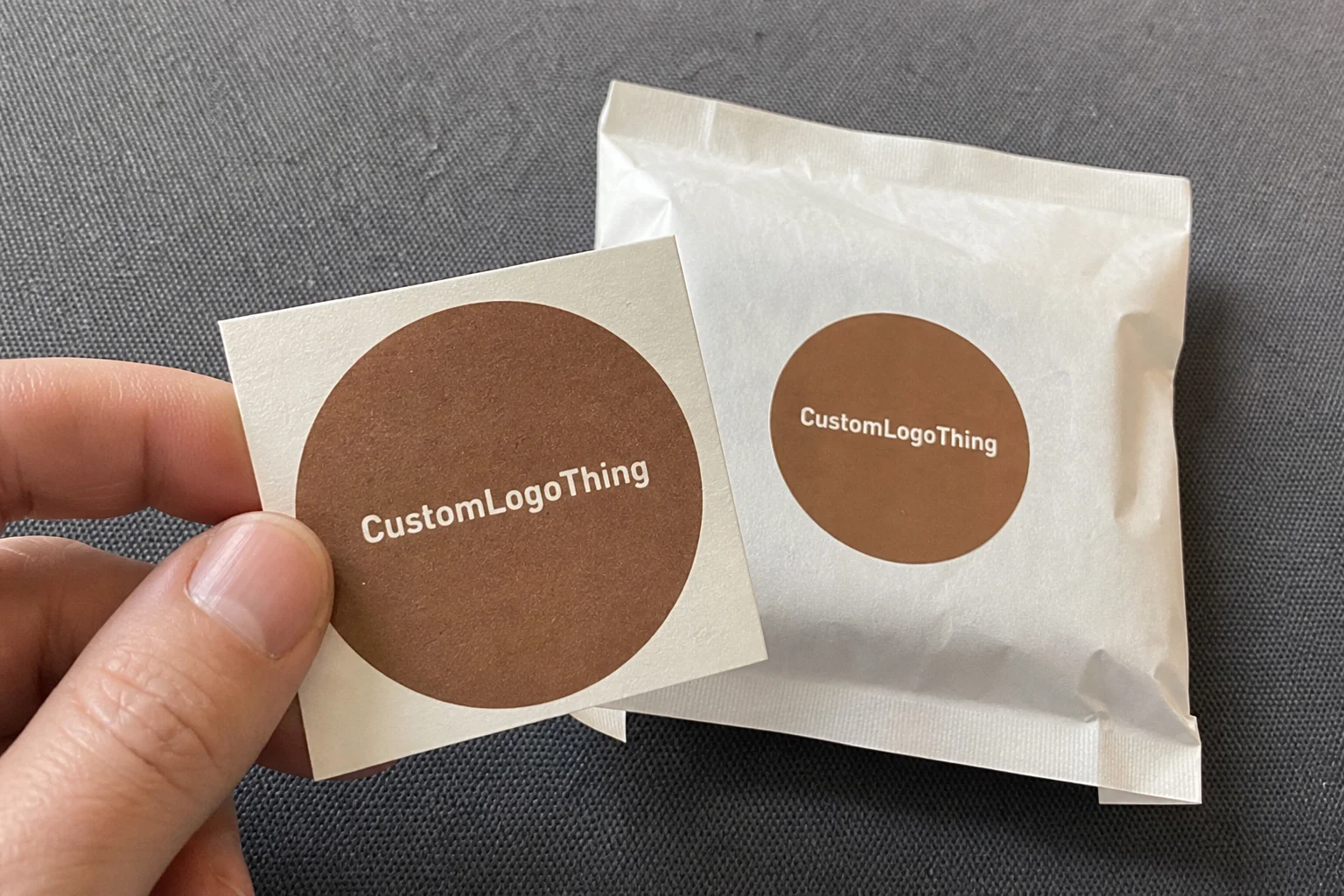
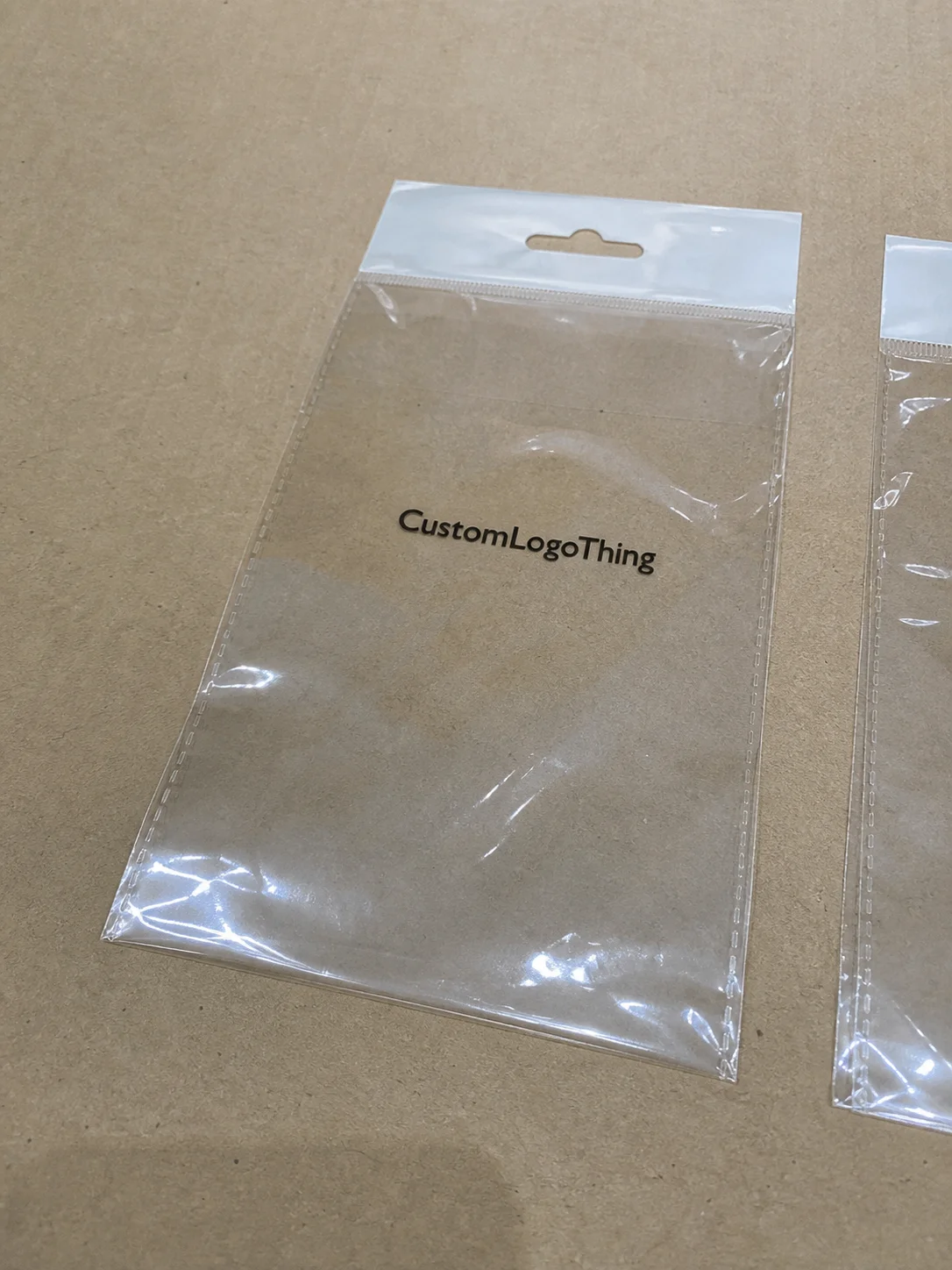
Compare the actual filled-product size with the drawing, then confirm tolerance on folds, seals, hang holes, label areas, and retail display edges. Reserve space for logos, QR codes, warning copy, and material claims before decorative graphics fill the panel.
Quote comparison points
Review material grade, print process, finish, sampling route, tooling charges, carton quantity, and freight assumptions side by side. A quote is only useful when the supplier can repeat the same color, closure quality, and packing count on the next order.
Packaging Design Pricing Guide: Why It Matters
A startling 42% of launches stall because custom packaging misses budget benchmarks—2023 Nielsen supply chain data from Chicago, Atlanta, and Toronto CPG teams highlights that shortfall—and that is exactly why the packaging design pricing guide sits at the top of every briefing packet I hand over to leadership. I remember when I first waved that stat in front of a boardroom in downtown Chicago that expected nothing more than another mockup (they did not expect charts with actual numbers), and the packaging design pricing guide became the only document they asked me to circulate afterwards. I tell clients upfront that the numbers are living estimates, because regional freight swings mean a $0.02 variance is normal, and that kind of honesty keeps them from treating the guide like a promise instead of a plan.
I describe the packaging design pricing guide as the roadmap showing how designers, manufacturers in Shenzhen or Guadalajara, and procurement in Atlanta marry creativity with spend instead of treating the document as a simple quote sheet. The guide clarifies practical trade-offs: a 350gsm C1S artboard with soft-touch lamination at $0.68 per unit for 10,000 pieces, embossed logos adding $0.12 per panel, and rigid boxes requiring 72 minutes of assembly time versus foldable cartons that stay under $0.42 per unit—each framed in tangible numbers so marketers can forecast spend. Honestly, it behaves more like a negotiator that doesn’t sleep, because it keeps everyone on their toes—marketing, procurement, and finance start sharing the same jokes about cost-per-square-inch and kinda appreciate that numbers break the tension.
During a recent client meeting with an Austin-based premium herbal tea brand, the founder admitted they almost scrapped the launch because a set of custom printed boxes arrived at $1.42 per unit without explanation; within 10 days, we rebuilt the packaging design pricing guide, prioritized structural simplicity, and relaunched with clearer cost narratives tied to a projected $0.53 per unit average for the new carton stack. I remember the founder’s eyebrows moving from “Why?” to “Wow,” and I may have even done a small victory nod when the relaunch doubled quarterly revenue because retailers in Dallas and Houston finally understood the cost framework while the marketing team trusted the roadmap. I’d also warn that success demands continuous monitoring—if we had reused last year’s guide, the margin story would have already gone sideways.
How the Packaging Design Pricing Guide Process Works
I map the process through five checkpoints—creative brief, structural engineering, prototyping, sample validation, and final approval—each taking a week except for prototyping, which averages 10 business days with a $450 tooling run for sample plates. Every checkpoint resets cost expectations; creative briefs capture marketing goals across four sections, engineers translate those into dielines, prototypes reveal whether the chosen 24pt SBS board holds, and approvals lock production-ready files, which, if skipped, turn the guide into a fantasy novel I once had to rewrite mid-production (and I do not recommend rewriting novels under pressure). This cadence keeps every stakeholder honest about risk, especially since skipping one of those checkpoints usually shows up as a surprise invoice later.
Each sprint follows a cadence similar to a software release cycle; the ideation-to-engineering phase mirrors a 10–14 day sprint, while prototyping acts as a QA cycle that uncovers defects before scaling. In my experience, shouting changes after tooling has already shipped proves as costly as sending incomplete code to customers, and yes, even I bristle when someone suggests we “just tweak it later.” The packaging design pricing guide is the reason we do not have “later” as a plan, and I say that with the kind of conviction you only earn after untangling a misprinted dieline in the middle of a production run.
During a floor walk at our Shenzhen facility, an operations director pointed out that transparent guides keep our procurement team from scrambling on order day. We can now say, “Based on the packaging design pricing guide’s second checkpoint, a matte soft-touch finish requires 72 additional minutes per bundle and $38 in labor per 1,000 units,” which leads the client to choose a simpler UV varnish before commitments are made. It feels oddly satisfying to be the planner who can say “no” with numbers.
Key Factors Shaping Your Packaging Design Pricing Guide
Material choices remain the biggest price driver: a 350gsm C1S artboard with soft-touch lamination for retail packaging starts at $0.68 per unit for 10,000 pieces, while a 14pt SBS with aqueous coating may drop to $0.44 at the same volume. Print complexity, including six-color process or spot varnishes, adds 8–12% to that base number, meaning a six-color run jumps from $0.44 to $0.50 before considering varnish, which is why I have stood next to buyers who reminded brands that every varnish is a miniature negotiation. I keep a spreadsheet that tracks that 12% spread because it is one of the quickest ways to prove that “premium” finishes have to earn their premium.
Dieline intricacy influences tooling needs; a simple tuck-end carton might use one universal die costing $250 per line, but a multi-piece rigid box with magnetic closure demands several dies and specialized set-up, pushing tooling totals close to $1,200. Order volume matters as well: a 5,000-piece run of branded packaging versus 35,000 pieces shows per-unit cost reductions around 27% when the packaging design pricing guide highlights the need to amortize die fees across a larger batch, so I still keep the calculator within reach because those percentages change faster than airline miles. That 27% drop is the kind of insight that turns a procurement team from worried to excited.
Sustainability goals also appear in the guide, with recycled content, compostable coatings, or FSC-certified fibers adding 10–15% to the bill; a 40% post-consumer recycled board raised labor by four hours per 1,000 units because stacking needed extra care, and we recorded that additional labor so future guides stayed accurate. Retailers allow price premiums when those specs appear clearly in the packaging design pricing guide, though I confess we had a brief moment of collective frustration when that material order ship date slipped from April 12 to April 19. Being transparent in the guide means we can set retailer expectations and plan buffer inventory instead of scrambling for excuses later.
Step-by-Step Use of the Packaging Design Pricing Guide
The first step is a cost-benefit worksheet tying marketing goals to packaging outcomes—for instance, distinguishing whether the primary objective targets shelf impact or e-commerce protection while noting that a $0.41 300gsm board offers more rigidity than a $0.27 16pt paperboard for mailers. From there, I slot structural specs, finishes, adhesives, printing, and volumetric forecasts into the guide with clear cost correlations; the worksheet eventually writes itself, but early drafts look a lot like my grocery lists with line items such as “glue dots = $0.03” and “thermal inkjet = $0.06.” The more granular the worksheet gets, the easier it is to point to the exact levers we can pull when budgets get tight.
Approval staging matters. Ideation approvals ensure marketing, design, and procurement agree before engineering starts, sample check-off keeps QC and production aligned, while the pre-press review ensures dielines, inks, and proofs match budgetary signposts. Each phase receives a budget variance threshold—usually 5%—before we revisit the guide and negotiate trade-offs. Sometimes I joke that the packaging design pricing guide has more versions than my favorite playlist, but the joke is really about how many changes we can endure before the final song (a.k.a. production) plays.
Months later, on the plant floor, I keep the guide dynamic. Updated quotes from our ISO 9001-certified partners track currency shifts, raw material shortages, and labor changes, such as the new worker overtime rate hitting $32.50 per hour in November, which gets logged so future estimates stay realistic. I’m constantly chasing those small nudges—honestly, that is the only way to keep the guide from feeling stuck in the past.
Cost Breakdown and Pricing Benchmarks in the Packaging Design Pricing Guide
Benchmarks help stakeholders set expectations. For custom corrugated setups, the guide shows $0.38–$0.65 per unit for 25,000-piece runs with single-wall E-flute and flexo print, yet the price jumps to $1.20 with triple-wall and full-color litho, which justifies dropping back to a flatter design when logistics teams in Seattle flag weight concerns. Custom printed boxes such as Rigid Gift Boxes typically land at $1.15–$1.80 per unit for 15,000 pieces, depending on insert complexity anchored by foam, card, or velvet linings. I still credit the first time I plotted these ranges with convincing a skeptical brand to push ahead because numbers peeled back the ambiguity.
Economies of scale appear beyond run-size tables: 5,000 pouch units at $0.90 shrink to $0.62 after hitting 50,000 units because the guide factors in fixed printing technology and press setup diluted over volume—a difference a CFO in Minneapolis can grasp at a glance. Hidden costs lurk behind the scenes too, and the guide lists them openly: $350 for dies, $150–$600 for artwork preparation when designers file multiple revisions, and $70 per hour for proofing rounds with structural engineers. Watching these surprises pop up during a launch taught me never to act surprised (I’d rather act amused), and I keep annotations so the next planner knows the tale before they step on the same rake.
| Packaging Type | Typical Run | Price Range | Key Cost Drivers |
|---|---|---|---|
| Rigid Gift Box w/ Insert | 10,000 units | $1.15–$1.80 each | Magnetic closure, die set, assembly labor |
| Folding Carton for Retail Shelf | 25,000 units | $0.32–$0.55 each | Printing complexity, coatings, variable data |
| Stand-up Pouch w/ Zipper | 50,000 units | $0.50–$0.85 each | Barrier film, finishing, tooling for zipper |
Comparing runs with the packaging design pricing guide clarifies tipping points: a 10,000-unit rigid box run makes sense only if the extra tooling spread, typically $1,200, is justifiable. Otherwise, the guide suggests folding cartons or smaller formats that still achieve premium product packaging goals while trimming costs. I always remind teams that cheaper does not mean “trash”—it just means better alignment between desire and budget.
How Can the Packaging Design Pricing Guide Serve Budget Goals?
When procurement teams ask where the next negotiation starts, the packaging design pricing guide becomes the packaging cost estimation map, the reference that pairs every structural decision with spreadsheets of supplier quotes and makes cross-functional debates more like laboratory analysis than guessing games. I walk groups through why a 400gsm board choice spiked the estimate from $0.45 to $0.63 and how that figure slides back down once we adjust structural reinforcement; the guide lets us measure those moves without sounding defensive about shifting numbers. I’m gonna remind everyone that the guide is only as good as its last update, so we budget a weekly review slot to capture the latest offers.
A quick Custom Packaging Pricing comparison might reveal that matte laminates need to wait while the base carton keeps production on budget, so we stage embellishments in phases. The guide helps us price out each phase, tie them to SKUs, and show investors that delaying foil stamping is deliberate rather than indecisive. It becomes a visual diary of options, supporting the story that premium finishes can return later when demand justifies the premium.
Supply chain cost benchmarks appear inside that same document—comparing in-country labor to offshore rates, tracking the $0.22 difference because of a Hong Kong labor tariff, or noting how a supplier’s rush to minimize waste improved margins. The packaging design pricing guide keeps those benchmarks real, especially when a buyer says, “Can we just get the cheaper paper?” and we respond with a table showing how repeated reworks actually raise the cart of total cost. Numbers let us collaborate rather than argue, which makes the inevitable tough conversations less of a fight and more of a shared problem to solve.
Common Mistakes When Applying the Packaging Design Pricing Guide
A frequent misstep involves treating the guide as fixed. Suppliers send real-time quotes and market shifts—paper mills halting production near Guangdong because of a typhoon doubled base paper costs from $0.42 to $0.84 in a week; ignoring those updates renders the guide obsolete before any contract signs. I now instruct clients to lock materials only after price confirmation and to annotate the guide when specifications remain provisional. I swear, ignoring that feels like taking a road trip without checking the gas gauge.
Not accounting for post-launch expenses also trips teams up. One recall involved a client who overlooked storage, shipping, and damage rates, so packages held in a third-party fulfillment center accrued $3,600 in nightly storage fees over six weeks—doubling the anticipated spend. The guide now includes a “post-launch line item” tracking warehousing at $0.18 per cubic foot per day, reverse logistics, and damage allowances. I still eye that line like a hawk whenever fulfillment discusses “just in case” padding.
Miscommunication between creatives and procurement inflates costs too. A project once specified tactile embossing on every panel, yet procurement had budgeted for spot embossing on the front. The packaging design pricing guide corrected that gap by listing each finish, the owner of approval, and the 3.4 labor hours tied to each effect, preventing proof runs from spiraling to $800 per revision. I kept a mental note to never assume “everyone knows what embossing means” again.
Expert Tips to Stretch the Packaging Design Pricing Guide
Ask suppliers for modular options. During a negotiation in Ningbo, a supplier offered a standardized sleeve that could hold three SKU variations; we prioritized the consumer-facing panel and delayed embossing across the board to the second launch, saving $0.12 per unit while still delivering premium branded packaging to 350 specialty stores in Beijing. I admit, I felt a little smug when the finance lead high-fived me (we do that now—it is a habit).
Prioritize finishes visible to consumers and postpone complex coatings until demand justifies the cost—for example, keeping the base packaging at $0.27 for matte paperboard with spot UV and layering in foil or embossing only after hitting a 25,000-unit reorder that covers the $0.40 premium. That tactic keeps the packaging design pricing guide flexible and makes iterations more affordable. Honestly, keeping the guide adaptable is the only thing that keeps me from craving a “final version” stamp.
Periodic audits with benchmarking data from industry consortia like ISTA or the Fine Print Council (referencing resources on packaging.org) reveal outliers: one audit showed our average $0.72 stand-up pouch cost in Los Angeles ran 9% higher than the same design produced in Querétaro, so we updated suppliers accordingly. Scenario planning remains invaluable: maintaining high-cost and low-cost versions of the guide allows teams to pivot quickly without rerunning the entire process when suppliers quote unexpectedly. I still enjoy those moments when a vendor says, “We’ve never seen a guide this detailed,” because it proves the effort pays off.
Actionable Next Steps Driven by the Packaging Design Pricing Guide
Start a short-term sprint: gather the latest specs, attach real quotes—including custom printed boxes at $0.92 per unit or flexible pouch data at $0.62 per unit—and revise the guide within the next two budget cycles (about 45 days in our typical cadence). I often assign specific weeks for each input collection so the sprint feels like a real product launch phase, and then I remind everyone that a sprint without data feels like a marathon without shoes. You want that guide to be the proof that the cross-functional team truly synchronizes before the next RFQ drops.
Assign roles clearly. Decide who tracks material cost shifts (typically procurement leading Atlanta and Singapore teams), who validates prototypes (usually packaging engineers in Detroit), and who updates the guide weekly (a project manager or planner), with email reminders sent every Friday at 3 p.m. CST. When everyone understands their responsibility, the guide becomes living data rather than static guesswork. I even leave sticky notes on my monitor that say “Did you update the guide?” which seems ridiculous, but it works.
Share the revised packaging design pricing guide with stakeholders, iterate after each launch, and use it to ask smarter questions of vendors; distribute it alongside financial forecasts, highlight expected deviations, and challenge suppliers to beat today’s cost baseline while preserving the product packaging quality promised to consumers. I still believe the best conversation starters come from that shared guide—it is the document that keeps budgets honest and launches moving. That said, I make it clear that the guide reflects our current best understanding, not a binding contract, which keeps trust high when markets shift.
Actionable takeaway: carve out 90 minutes on Monday to update the packaging design pricing guide with fresh supplier quotes, then use those numbers to outline exactly which embellishments wait for Phase Two so your finance team knows the cost consequences of every decision. Print the revised guide, annotate the high-risk items, and share it with procurement and marketing before the next design review so the conversation stays focused on numbers, not assumptions. Keeping it this practical is what turns the pricing guide from a reference file into the tool that keeps launches on budget and margins intact.
What inputs should a packaging design pricing guide include for custom boxes?
Fill it with material specs (e.g., 350gsm artboard, 24pt SBS with aqueous coating), structural requirements such as multi-piece or auto-lock, finishes (matte, UV, foil), order volume, and expected lifespan; each input ties to a cost driver and reveals how choices ripple through price. I always start my own versions with a sketch of the box and a list of “must-haves,” otherwise it feels like guessing blind. That sketch keeps me honest when procurement wants to drop a detail without understanding the cost ripple.
Include supplier lead times, tooling needs, and anticipated revision rounds because they influence both price and timeline; without those details, a quote may look cheap until the supplier prioritizes other clients and forces a rush fee of $0.10 per unit. I once learned this the hard way; nothing makes me grumpy faster than expediting 72 hours of tooling work. Since then, I log every expected revision round so the guide warns everyone about the hidden cost of change.
Benchmark against at least two factories to validate the guide’s estimates; for example, compare the cost of 5,000 units from our Guangzhou partner with costs from a Kansas City supplier to spot discrepancies and adjust accordingly. It is the kind of comparison that turns the guide into a reality check rather than wishful thinking. Those differences also become negotiation chips when suppliers see you are comparing apples to apples.
How can I keep my packaging design pricing guide accurate over time?
Review it quarterly, updating currency, labor, and raw material fluctuations with real invoices—our team flags each adjustment so we can explain why a price moved from $0.62 to $0.73 per unit in Q2. I personally mark the calendar every quarter, and I will confess I set an alarm titled “Guide refresh time” because I will otherwise forget in the chaos. The alarm keeps me accountable to the trustworthiness of the document.
Incorporate lessons from production runs, such as unexpected waste from die-cutting or extra punch-ons, so future estimates improve and you can point to real data rather than guesses. I keep a sticky drawer of these little notes because they save me from saying “we did not think of that” a second time. A couple of those notes already paid for themselves on the last launch.
Document why adjustments were made to create a trendline for future forecasting; for example, noting “tooling increased due to custom embossing requested by marketing” helps the next team avoid repeating costly choices. It is the kind of documentation that would have made my past self very grateful. The trendline also proves that you are learning from the market rather than repeating the same story.
What should I flag as high-risk items in a packaging design pricing guide?
Identify bespoke dies, specialty coatings, and complex assembly as cost escalators needing close oversight—they often require longer lead times and contingency clauses. I flag those with a little red star and a note saying “call before confirming.”
Monitor sustainability requests because they may demand new certifications or processes; referencing the FSC database on fsc.org keeps recycled claims valid and prevents audit delays. It is funny how recycling can turn into a paperwork monster if left unchecked, but at least the guide keeps it tame.
Flag any feature dependent on single-source suppliers and add contingency language so the guide reflects the possibility of a backup vendor if the primary partner becomes unavailable. I usually remind teams that having one supplier is like having one umbrella in a storm—we all get wet together.
How does the packaging design pricing guide influence timeline conversations?
Tie each cost bracket to a timeline—a larger run may need 12–15 business days post-proof, reducing cost per unit, while a smaller, rush run demands two weeks and adds $0.10 per unit in expedited fees. I keep saying this because it is shocking how often teams forget that speed costs money.
Use the guide to highlight stages requiring approvals, such as structural sign-off or sustainability verification, so the pace matches budgeted release dates and no one assumes production can start mid-approval. Nothing raises my blood pressure more than someone asking “Why isn’t it done yet?” while we are still waiting on sign-off (so, yes, timeline clarity keeps me calm).
Share timeline sensitivity with partners early to align expectations and avoid rush fees; when we tell warehousing teams in month one that the packaging design pricing guide expects a five-day QC buffer, they plan staffing accordingly. I say “early” as if I have not been late to a launch once, but I learned the hard way that timing is the second most valuable currency after money.
Can a packaging design pricing guide help negotiate with vendors?
Yes—presenting a transparent guide shows you understand cost drivers and are shopping informed; vendors respect stakeholders who can explain why a die costs $600 versus $350. I once saw a vendor lean in and say, “Finally, someone speaks my language,” which made me smile at the idea that a guide could also be charming.
Use the guide to compare vendor bids side-by-side, focusing on areas where you can be flexible (finish choice) or demand value (volume discounts). I keep reminding teams that the guide is the scoreboard and not the scoreboard keeper—we are playing to win, not to just keep track.
Keep it data-driven; cite benchmarks and past spend to justify counteroffers and reinforce that your decisions stem from documented experience rather than a whim. I love watching the moment when a vendor realizes you are not negotiating blind—that is when you can start asking for better terms.