If you’re trying to get a Waterproof Apparel Mailers Supplier Quote for beer brands, start with the obvious problem: brewery merch does not ship in a clean, dry, ideal little universe. It gets packed near condensation, tossed around by busy fulfillment teams, and handed off to customers who may grab it with wet or greasy hands. A flimsy poly bag looks cheap because, frankly, it is cheap—and then it performs like it.
Beer brands sell more than beer. They sell tees, hoodies, hats, taproom bundles, and seasonal drops. If those arrive wrinkled, damp, or scuffed, the packaging is doing the opposite of what it should. It is not protecting brand value. It is advertising weak operations.
Why beer brands need waterproof apparel mailers, not flimsy poly bags
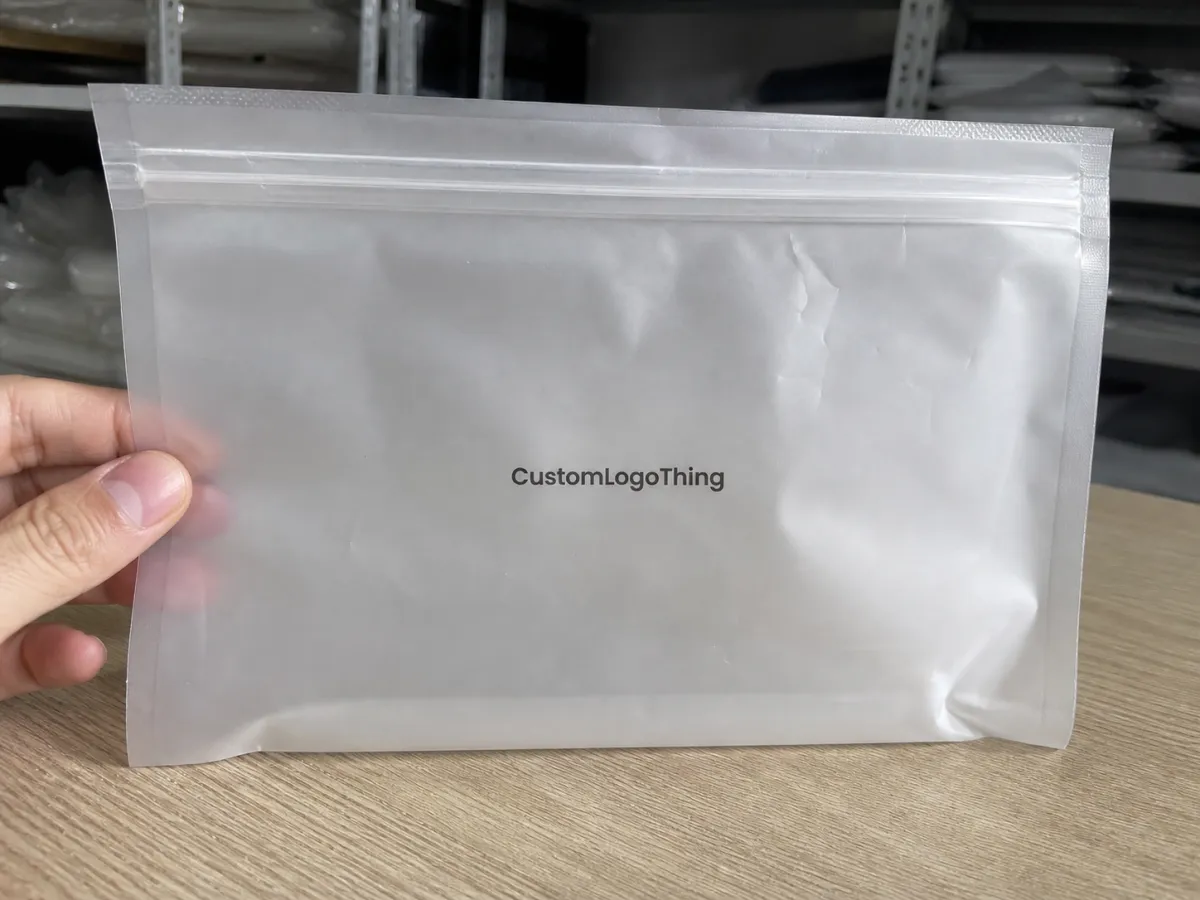
Breweries and beer-adjacent brands face a packaging problem that generic apparel sellers do not always run into. Merch often ships out of cold storage areas, back rooms with high humidity, or taproom stockrooms where rain gets tracked in on busy days. That makes Waterproof Apparel Mailers a practical requirement, not a decorative upgrade.
A thin poly bag can keep dust off a shirt. That is about it. It can split at a seam, puncture on a box corner, or let moisture creep in during transit. If the item inside is a folded tee, a hoodie, or a bundled promo kit, even light damage changes the customer’s first impression. Nobody unboxes a damp hoodie and thinks the brand is premium. They think someone packed it badly.
From a buyer’s point of view, the cost of failure is usually higher than the cost of a stronger mailer. A replacement shipment, a customer service ticket, and a bad review all cost more than a better bag with a reliable seal. That is the practical case behind a Waterproof Apparel Mailers Supplier Quote for beer brands.
A good apparel mailer does three jobs: blocks moisture, protects presentation, and survives handling without looking tired before it reaches the customer.
For beer brands that sell both DTC and wholesale, presentation matters twice. Taproom retail customers compare merch against what sits near the register. Online customers compare your shipment against every polished brand they buy from. If the bag looks sloppy, the merch inside feels less valuable. Simple as that.
There is another layer that buyers sometimes miss: packaging failure hurts repeat merch orders. A customer may forgive one weak shipment, especially for a limited drop. If the next seasonal release arrives in a bag that feels flimsy or generic, they notice. That is why experienced buyers think in terms of brand durability, not just “mailing something cheap.”
For packaging claims and shipping test language, industry resources such as Packaging Europe / PAC and performance testing groups like ISTA are useful reference points. They will not choose the bag for you, but they help separate marketing language from actual performance standards.
Material and print options for branded apparel mailers
There are a few sensible constructions for branded apparel mailers, and the right one depends on what you ship. The most common are LDPE, co-extruded film, recycled-content film, and higher-barrier waterproof options. Each has tradeoffs. If a supplier tells you one material is best for everything, they are selling, not advising.
LDPE is the classic option. It is flexible, affordable, and easy to seal. Many apparel mailers use thicknesses in the 50–80 micron range for standard merch, with thicker builds for heavier hoodies or multi-item bundles. It prints well, especially for solid brand colors and simple logos.
Co-extruded film gives more control over strength and appearance. Different layers can be tuned for toughness, opacity, and print surface. In practice, that means less tearing and a more consistent look across runs. It usually costs more than basic LDPE, but not by an extreme amount once the order gets large enough.
Recycled-content film suits brands that want a sustainability story, and that can absolutely include beer brands with eco-minded customers. The caveat is simple: recycled-content does not automatically mean recyclable in every market, and not every recycled film prints the same way. Ask for documentation. If you plan to make environmental claims, back them up with a spec sheet or certification language from the supplier.
Higher-barrier waterproof options make sense when the shipment may sit in damp receiving areas, move through rain-prone routes, or contain premium merch. These mailers can include stronger seals, better puncture resistance, and improved moisture protection. They are usually the better choice for boxed apparel kits or heavier hoodie shipments.
Finish changes the feel more than many buyers expect. Matte gives a more modern, premium appearance and hides scuffs better. Gloss makes color pop, though fingerprints and surface marks are more visible. For a beer brand, matte is usually the safer default unless the artwork is intentionally loud or high-energy.
Print method depends on volume and how often the design changes:
- Flexographic printing for mid- to high-volume runs with solid colors and efficient unit pricing.
- Gravure for very high-volume, repeat programs where image consistency matters most.
- Digital printing for shorter runs, seasonal drops, or multiple SKUs with changing artwork.
Customization should improve usability, not just inflate the quote. Useful features include a resealable strip, tear notch, hang-hole, clear window, and gusseted format for thicker garments. Not every mailer needs every feature. A beer brand shipping tees to customers probably does not need a hang-hole unless the same mailer also serves retail display.
| Option | Typical use | Price impact | Best for |
|---|---|---|---|
| LDPE, 50–60 micron | Light tees, simple merch | Lowest | Budget-first programs |
| Co-extruded film, 70–90 micron | Hoodies, bundled items | Moderate | Stronger presentation and durability |
| Recycled-content film | Brand sustainability programs | Moderate to higher | Eco-positioned merch |
| Higher-barrier waterproof build | Damp or premium shipments | Higher | Reduced damage and better protection |
Specifications to request before you approve a quote
If you want a quote that means something, give the supplier actual specs. “Need mailers for shirts” is not a spec. It is a shrug. A proper Waterproof Apparel Mailers Supplier Quote for beer brands should include size, thickness, print details, and how the bags will be used.
Start with dimensions. Common apparel mailer sizes may cover flat tees, folded hoodies, crewnecks, and mixed merch kits, but you should not guess. Give the supplier the folded product dimensions or the packed dimensions of each SKU. If you are shipping assorted items together, size the mailer for the largest practical bundle, not the smallest shirt.
Then define the technical requirements:
- Film thickness in microns or mils
- Seal strength and closure style
- Opacity if you want to hide contents
- Waterproof performance expectations
- Print coverage and number of colors
Why does this matter? Because pricing changes fast when any of those fields change. A 55-micron plain white mailer is a different product from an 80-micron full-color mailer with a resealable strip and tear notch. If you want apples-to-apples pricing, write the apples down.
Request a dieline before artwork approval. That gives your designer the exact printable area and fold layout. If your logo lands too close to a seal edge or fold line, the final bag will look sloppy. A supplier worth working with will provide a sample layout or artwork template without drama.
Ask for sample photos too. Better yet, ask for a physical sample if you are ordering a custom program or a premium merch drop. The material feel, print sharpness, and seal quality matter more than a PDF mockup does.
For beer brands selling both DTC and wholesale, add barcode placement, SKU marking, and shelf presentation to the brief. If retail stores will handle the mailers, the bag may need a cleaner front panel or a hang-hole. If the mailers are only for eCommerce, you can prioritize protection and shipping efficiency instead.
Finally, ask about compliance. If the product claims recycled content, recyclable material, or FSC-related paper inserts, the supplier should be able to explain what is documented and what is not. For recycling guidance, the EPA recycling resources are a practical reference point, even if your mailer is plastic film and not paper.
Cost, pricing, MOQ, and quote factors that move the number
Let’s talk money. A lot of buyers want a neat unit price, but packaging does not work that cleanly. The number shifts with material, size, print complexity, and volume. That is normal. The problem is when a supplier hides those drivers instead of explaining them.
Main price drivers usually include:
- Material grade and whether it is virgin, recycled-content, or higher-barrier film
- Thickness and puncture resistance
- Dimensions and gusset requirements
- Print color count and ink coverage
- Closure style such as self-seal or resealable strip
- Order volume
For custom printed apparel mailers, MOQ often starts in the low thousands and can rise depending on print method and size. Digital or short-run programs may allow smaller starts, but the per-unit price usually climbs. Flexo and gravure tend to reward larger quantities more aggressively. If you are testing a new merch line, a smaller first run can make sense. If the design is locked and recurring, buy larger and avoid paying setup costs every time.
Typical pricing for custom waterproof apparel mailers can land anywhere from roughly $0.12 to $0.45 per unit at useful volume, depending on construction and print. That is a broad range because a plain one-color mailer and a fully custom, thicker premium one are not the same purchase. If a quote lands far outside that band, check the spec sheet first. Sometimes the price is fair. Sometimes someone quoted the wrong product.
There are also add-on costs that appear later if you do not ask early:
- Tooling or plate charges for printed runs
- Sample or pre-production proof costs
- Freight, especially for bulky film packaging
- Rush production fees
- Revision charges if artwork changes after approval
A higher unit price can still be the smarter purchase. If a stronger mailer cuts damage, reduces returns, and improves customer perception, the total landed cost may actually be lower. That is the buying rule worth sticking to: compare total landed cost, not the headline unit price. Freight, damage risk, and reorders matter. The cheapest quote is often the one that costs you twice.
If you already use related formats such as Custom Poly Mailers, it becomes easier to compare structures and decide whether your beer merch needs a standard shipping bag or a more protective branded mailer.
Process and timeline: from artwork approval to delivery
The ordering process should be boring. If it feels chaotic, the supplier is probably improvising. A normal workflow for a waterproof apparel mailers supplier quote for beer brands looks like this:
- Inquiry and size review
- Spec confirmation
- Quotation
- Artwork proof
- Sample or proof approval
- Production
- Quality control
- Shipment
Timeframes depend on the build. For stock-like custom runs with simple printing, production after proof approval can often move in 12–18 business days. More customized orders, especially those with multiple print colors or special closures, can take 18–30 business days or more. If the order needs ocean freight, add transit time. Air freight is faster and more expensive.
Peak season matters. So does how fast your team approves artwork. In practice, the difference between a smooth launch and a late launch is often not production speed. It is waiting three days for someone to confirm the logo version. Fast approvals save more time than hunting for a slightly cheaper quote after the fact.
Send these items first to avoid delays:
- Exact size chart or packed dimensions
- Logo files in vector format
- Pantone targets or brand color notes
- Quantity by SKU
- Shipping destination
- Target in-hand date
If your merch drop ties to a beer release, festival, or taproom event, tell the supplier that early. A good team can help you avoid the classic mistake of ordering a beautiful mailer that arrives after the launch window closes. Ask for a production calendar and confirm whether the timeline includes proofing, QC, and freight. If they cannot tell you that clearly, keep looking.
What makes a supplier reliable for brewery merch orders
A reliable supplier does more than send a low quote. They understand how film behaves, how print holds up, and how packaging needs to function once it reaches a fulfillment team. That matters for beer brands because merch programs are often seasonal, fast-moving, and tied to brand image.
Look for factory capability in four areas: film sourcing, print consistency, seal integrity, and quality control. If a supplier cannot explain how they test seals or manage color consistency between runs, that is a problem. You do not want every reorder to look slightly different because the ink mix was “close enough.” Close enough is not a brand standard.
Communication is a strong filter. Better suppliers respond with a proper spec sheet, honest lead times, and clear notes on what affects cost. They also know when to say no. If your requested combination of thickness, print coverage, and low MOQ does not make sense, they should tell you. That honesty saves time and protects the order from hidden compromises.
Flexibility matters too. Brewery merch is not always a single SKU in a single season. You may need mixed sizes, a taproom-exclusive version, a holiday bundle, and a restock later. Suppliers who can handle recurring replenishment and small artwork updates are more useful than vendors who only like giant one-off jobs.
Here is the difference between a packaging seller and a packaging partner: one just quotes bags. The other understands that your mailer is part of the customer experience, shipping workflow, and retail image. That is why a supplier with relevant custom packaging experience is worth checking against real examples. If you need to compare their approach, our Case Studies page is a good place to see how practical packaging decisions play out.
Testing references matter as well. ASTM or ISTA-style shipping tests are not mandatory for every mailer order, but the mindset matters. If a supplier has never thought about drop resistance, puncture risk, or transit abuse, they are not really thinking like a packaging professional.
Next steps to request an accurate quote and place the order
If you want a clean quote, do the supplier’s job for them before you ask. Gather the product size, quantity, artwork, target ship date, and delivery address. Then state the use case clearly: ecommerce apparel, taproom retail, event merch, or wholesale kits. That context changes the best spec.
Ask for two options:
- Best value with enough protection for standard shipping
- Upgraded barrier protection for higher-risk or premium shipments
That comparison makes the tradeoff visible quickly. Maybe the upgraded mailer only adds a few cents per unit. Maybe it adds too much. Either way, you will see the gap instead of guessing.
Order samples or a pre-production proof before mass production. One physical sample is worth more than ten optimistic emails. Check the seal, the print sharpness, the feel of the film, and whether the item inside still looks retail-ready after packing.
When you brief the supplier, be blunt about what matters most. If the package needs to survive wet weather, say that. If customers see the mailer at a retail counter, say that too. If the main goal is reducing damage while keeping brand color accurate, rank those priorities clearly. Good buyers do not hand over mystery briefings and hope for magic.
If you are ready to move, Contact Us with your size specs, order quantity, and artwork files. We can help you compare material options, confirm MOQ, and build a quote that fits the actual use case. Send the details, review the proof, approve the sample if needed, then lock production. That is the clean path to a waterproof apparel mailers supplier quote for beer brands that does not waste your time.
What should beer brands include in a waterproof apparel mailers supplier quote?
Include exact size, film thickness, print colors, closure style, quantity, and delivery destination. Add artwork files and note whether you need samples or a pre-production proof. Mention if the mailers are for ecommerce, taproom retail, or promo kits because that changes the spec.
What MOQ is typical for custom waterproof apparel mailers for beer brands?
MOQ varies by print method and material, but custom runs often start in the low thousands. Shorter runs usually cost more per unit, while higher volumes lower unit cost fast. Always confirm whether MOQ applies per size, per design, or per order.
How do waterproof apparel mailers protect brewery merch in transit?
They block moisture from rain, condensation, and damp warehouse handling. They also help prevent scuffing, tearing, and dirty presentation on soft goods. A better seal and stronger film reduce returns from damaged packaging.
How long does production usually take after approving the quote?
Typical timelines depend on artwork complexity, quantity, and print method. After proof approval, production can move faster if the supplier has the right film in stock. Shipping method matters too: air is faster, ocean is cheaper.
Can beer brands get recyclable or recycled-content waterproof apparel mailers?
Yes, many suppliers can offer recycled-content film or recyclable material options. Availability depends on performance requirements and print setup. Ask for documentation so your sustainability claims are accurate, not just optimistic.


