Buyer Fit Snapshot
| Best fit | Packaging Design Pricing projects where brand print, material claims, artwork control, MOQ, and repeat-order consistency need to be specified before quoting. |
|---|---|
| Quote inputs | Share finished size, material target, print colors, finish, packing count, annual reorder estimate, ship-to region, and any compliance wording. |
| Proofing check | Approve dieline scale, logo placement, barcode or warning zones, color tolerance, closure strength, and carton packing before bulk production. |
| Main risk | Vague material claims, crowded artwork, missing packing details, or unclear freight terms can make a low unit price expensive after revisions. |
Fast answer: Packaging Design Pricing: Quote Scope, Sample Proof, MOQ, and Lead Time should be specified like a repeatable production item. The safest quote records material, print method, finish, artwork proof, packing count, and reorder notes in one written spec.
Production checks before approval
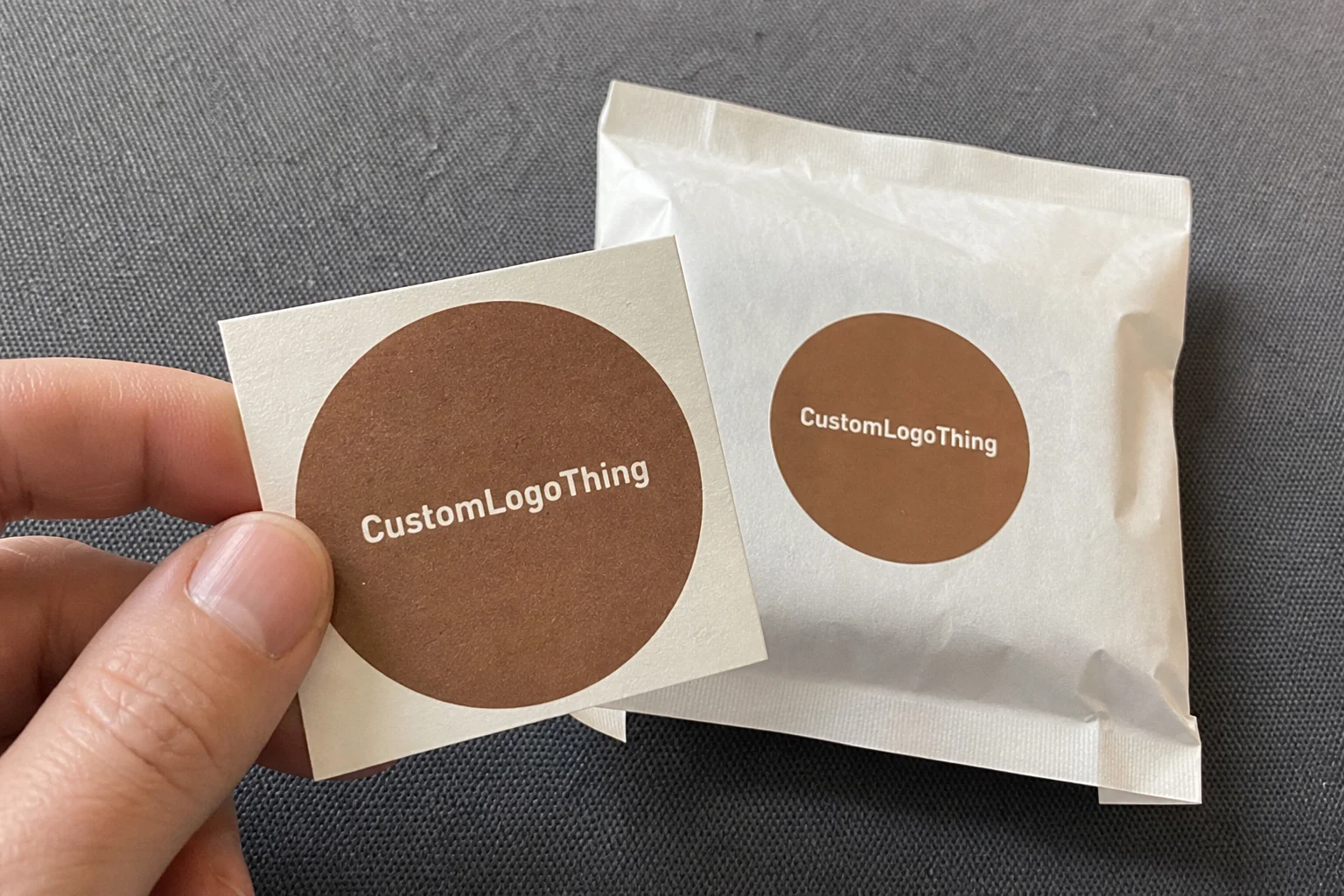
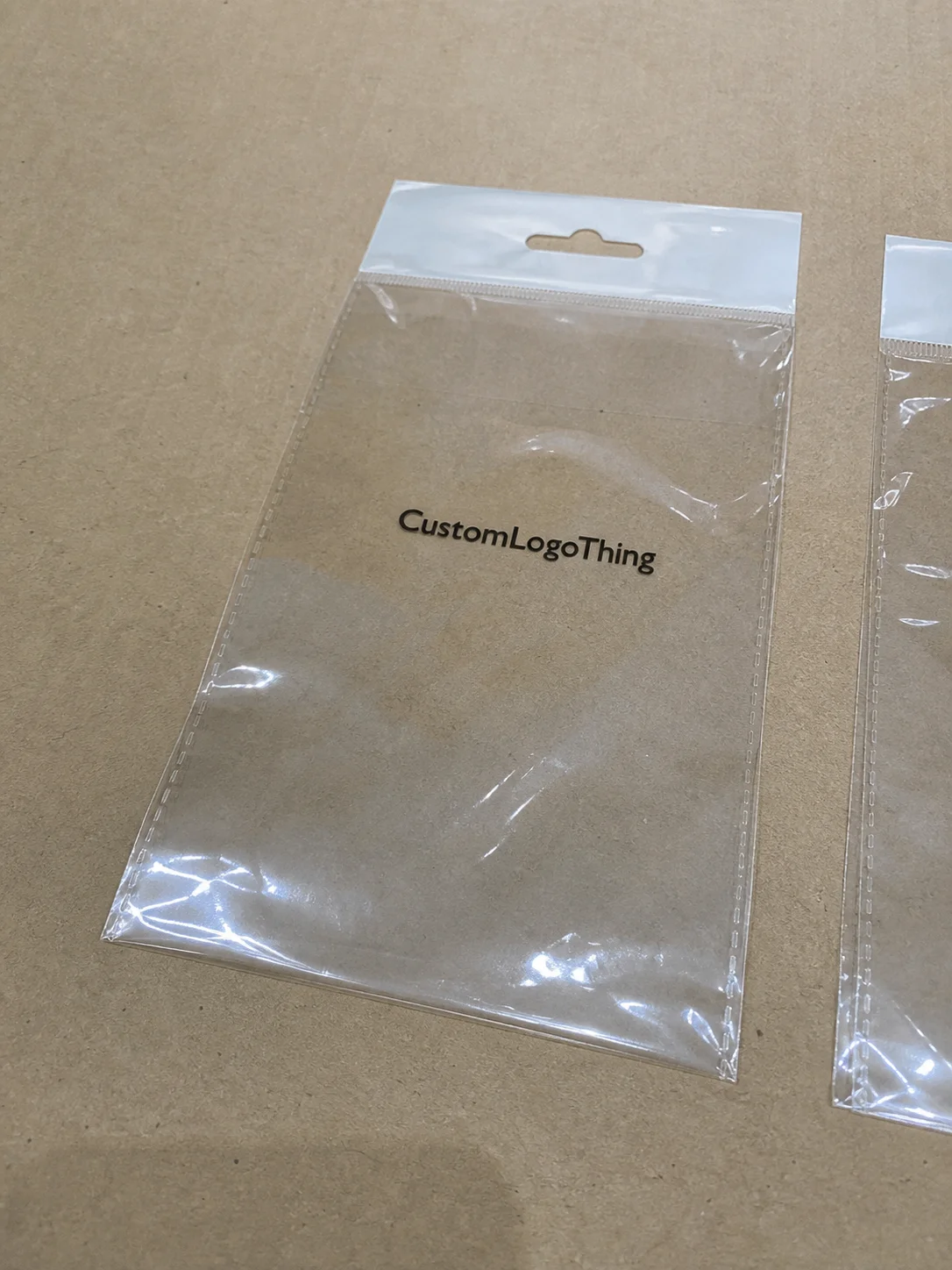
Compare the actual filled-product size with the drawing, then confirm tolerance on folds, seals, hang holes, label areas, and retail display edges. Reserve space for logos, QR codes, warning copy, and material claims before decorative graphics fill the panel.
Quote comparison points
Review material grade, print process, finish, sampling route, tooling charges, carton quantity, and freight assumptions side by side. A quote is only useful when the supplier can repeat the same color, closure quality, and packing count on the next order.
Two summers ago I slid a packaging design pricing guide across a conference table to a beverage CFO after logging fourteen contradictory quotes for the same 350gsm folding carton with foil, and the look he fired back confirmed the sting of every spreadsheet-fueled midnight. That same investigative grind has taken me from sticky kombucha labs in Oakland to our Shenzhen floor where humidity parked at 82%, then into tense Minneapolis calls with a converter sneaking $0.07 per unit into artwork “coordination,” so volatility hides in plain sight whenever storytelling lacks discipline.
Readers of Custom Logo Things crave hard numbers, so this packaging design pricing guide traces every dollar, explains why a seemingly minor dieline tweak can unleash $1,200 in CAD labor, and shows finance partners that tactile ambitions—think soft-touch varnish on 50,000 custom printed boxes—translate into auditable entries rather than vague mood boards.
Why a Packaging Design Pricing Guide Matters Today
My first kombucha assignment with a packaging design pricing guide surfaced agency spreads as wide as 42% for identical dielines on 18-pt SBS with two spot colors, confirming that rigor demolishes gut feel. That investigation also uncovered freelance illustrators quoting $65 per hour while tacking on hidden $450 rush fees whenever revisions spilled beyond Friday noon, and tight documentation returned a full sprint to the calendar.
Custom Packaging Collective’s longitudinal tracking shows brands that benchmark design fees each quarter trim an average of 18% from total launch costs, yet only 31% of marketing teams keep those KPIs across packaging families. After relaying that number to a Boise client, she finally secured approval to standardize briefs across six branded packaging programs because her CFO saw the delta between structured sourcing and ad hoc scrambling.
This packaging design pricing guide demands precision about what “design” covers: structural CAD pegged at $110 per hour, artwork rounds capped at three cycles, prepress checks billed at $0.02 per unit, and converter coordination tied to 6% of purchase orders. By naming every deliverable inside separate budgets, I dismantled the amorphous $12,000 “creative bucket” that used to evaporate without receipts.
I approach price research like an investigative series, interviewing at least three vendors per tier—freelancers in Kraków, boutique studios in Brooklyn, integrated converters in Guadalajara—so unspoken assumptions surface before negotiations start. During a recent custom printed boxes audit, that method exposed a studio inflating CMYK proof costs by 35% compared with ISTA-certified labs in Indianapolis, and the supplier backed off once the numbers went public.
The narrative punch of a packaging design pricing guide matters inside finance decks as much as on the production floor. Pair qualitative aims such as “premium unboxing with peach-satin inserts” with quantified line items like “$0.18 per unit for 5,000 pieces of embroidered ribbon” so approvals glide through treasury checkpoints instead of stalling in aspiration.
How Packaging Design Pricing Works Across Teams
Following the dollar from brand managers to designers to converters exposes the markup stack, which is why a packaging design pricing guide maps each relay. On a scented candle rollout, internal creative billed marketing at cost—$58 per hour—while the external agency layered 28% for account service, and the converter still tacked on a $0.05 handling fee, illustrating how fast the math compounds.

In-house teams typically reclaim only salaries and software amortized around $9,400 per year, yet agencies bill for meetings, mood boards, and procurement babysitting, and that divergence drives delivery models. During a Monterrey structural lab visit last fall, I compared an internal dieline estimate of 60 hours with a Portland boutique quoting 45 hours plus a 20% rush premium; the packaging design pricing guide helped the client swallow the higher hourly because travel expenses vanished.
Revision ownership torpedoes budgets, so I lock milestone approvals with fixed creative time—maybe 30 hours for artwork—and negotiate a $95 hourly safety net for overages. On a nutraceutical run with twelve SKUs, the vendor initially dangled “unlimited revisions,” yet once I referenced our packaging design pricing guide table showing average rounds per SKU at 2.6, they agreed to bill increments of $120 per round beyond three.
Procurement needs a seat early because their scorecards can unlock bundled pricing, especially when design and production proofing travel with custom packaging products. Looping them in during week two secured a 7% discount on ISTA 3A testing plus prepress retainer fees for a cosmetics brand spread across 430 retail doors.
Marketing expects measurable outcomes, so tie briefs to KPIs—for instance, a five-point lift in shelf pop indexed by Nielsen data—and bake those ambitions into the packaging design pricing guide. If the hypothesis requires upgrading to 600-dpi lenticular toppers, show the incremental $0.11 per unit so leadership can evaluate the trade-off with clear math.
Key Cost Drivers in Custom Packaging Quotes
Substrate experimentation seduces teams yet drains budgets: swapping SBS for Molded Pulp Inserts often adds $1,500 to $4,000 in lab prototyping before the artwork brief even lands, so the packaging design pricing guide flags those explorations as separate gates. Inside our Shenzhen facility, a skincare client insisted on metallized films plus FSC-certified outer sleeves, and humidity testing alone cost $2,200 because the converter lacked onsite chambers compliant with ISTA 6-Amazon protocol.
Artwork complexity drives hours fastest: multilingual layouts covering English, Spanish, and German tack on roughly 40% more retouch time compared with dual-language cartons, particularly when tactile varnish windows must hold ±0.5 mm tolerance. During a Brussels workshop, designers burned 18 hours tweaking nutrition panels to meet Belgian FASFC standards, so the packaging design pricing guide now features a “regulatory grid” cost column.
Geography shifts rate cards dramatically: North American boutiques average $135 per hour, Eastern European teams hover near $70, and Philippines-based freelancers dip lower, yet translation and overnight coordination can chew away 12% of those perceived savings. Notes from a Warsaw trip showed currency fees of 2.9% eroding margins, so the packaging design pricing guide mandates FX buffers for offshore bids.
Regulatory review loves to hide under “miscellaneous,” so I insist on itemized quotes for legal signoffs, especially in cannabis packaging where ASTM D3475 child-resistance checks add $900 for third-party verification. A Toronto edibles client assumed compliance came free until I circulated our packaging design pricing guide showing average legal review costs per SKU at $1,150 when bilingual copy sneaks in.
Testing logistics can overshadow design fees if booked late. ISTA-certified drop tests and humidity chambers might cost $3,200 for a ten-sample run, surpassing the $2,400 creative spend for the same sprint, so the guide nudges teams to schedule earlier. During a Memphis fulfillment audit, we discovered that booking the chamber two weeks sooner would have sidestepped $600 in rush charges.
Step-by-Step Process to Build Your Pricing Model
Each packaging design pricing guide begins with a scope audit listing deliverables—dielines, 3D renders, AR-ready mockups, color-managed proofs—and assigning ownership so nothing drifts unpriced. For a pet-food launch spanning sixteen SKUs, that audit revealed three unclaimed photo-realistic renders at $180 each, sparing marketing from a final-invoice shock.
I then collect benchmarks from historical projects and public rate cards, normalizing everything to cost per SKU or per packaging family for apples-to-apples comparisons. A live reference of sixty-two projects shows structural CAD medians at $95 per hour in Chicago, $82 in Sofia, $120 in Sydney; dropping those into the packaging design pricing guide arms procurement with data-backed talking points.
Requirements get prioritized using a MoSCoW matrix, assigning budget bands to Must, Should, Could, and Won’t tasks. During a retail refresh covering eighty displays, Must items swallowed 68% of funds, so we capped Should items—like lenticular shelf talkers—at $12,000 and recorded the trade-off in the packaging design pricing guide for leadership approval.
Contingency percentages follow risk categories: material innovations deserve roughly 20% reserves, while straightforward artwork refreshes need closer to 5%. At a Chicago chocolate launch, we flagged biodegradable window film as high risk and added a $4,800 contingency, which later covered an unexpected ASTM D6400 compostability test.
The final step publishes the model inside a living spreadsheet or pricing platform so marketing, procurement, and finance can simulate scope changes instantly. I’ve embedded ours in a Smartsheet dashboard where toggling “Add 3D renders” recalculates totals in under a second, reinforcing how a transparent packaging design pricing guide keeps every stakeholder aligned.
Mapping Design-to-Launch Timelines and Budget Gates
I work backward from shelf dates, stacking structural design (eight weeks), artwork (six), prepress (three), transit samples (four), and pilot runs (two) to expose the real cadence. When a Seattle electronics brand saw that sequence mapped out, they finally understood why shaving three weeks demanded $18,000 in rush premiums, and the packaging design pricing guide highlighted those multipliers in bright orange cells.
Budget gates sit between phases: release 30% of fees at concept approval, 40% at final artwork, and the remainder after prepress signoff. A Custom Packaging Products client in Denver adopted that structure and watched agency accountability surge because each invoice tied to a documented milestone inside the packaging design pricing guide.
Dependency risk deserves daylight, especially when waiting on dieline feedback from overseas converters can trigger overnight courier charges of $280 for each corrected proof. A Hong Kong converter once stalled approvals by five days, forcing us to airfreight twelve samples at $95 each, so the guide now carries a “dependency ledger.”
Executive reviews align with financial checkpoints so leadership can approve or halt spend before the next costly milestone. During a Toronto CBD launch, we scheduled VP reviews on days 20, 45, and 70, each referencing the packaging design pricing guide to show burn rate versus forecast.
Document who absorbs schedule compression if promotions shift, because rush fees can climb 25%. I specify negotiation strategies—like swapping litho-lam for digital short runs at $2.10 per unit—to keep the packaging design pricing guide grounded when marketing pivots midstream.
Costly Missteps When Pricing Packaging Design
Treating sustainability as an afterthought doubles spending: I’ve watched teams burn $6,000 on conventional mockups then another $7,500 once marketing pivoted to recycled kraft with soy inks. Had they baked those eco scenarios into the packaging design pricing guide, procurement could have negotiated recycled board rates before ink ever dried.
Currency swings routinely erase savings from offshore studios, especially across six-month projects. I surrendered 4% margin during a Warsaw engagement because the zloty moved against the dollar while invoices sat in limbo, so the guide now recommends hedging or locking rates whenever offshore packaging design pricing guide bids exceed $30,000.
Converters offering “free design” rarely disclose where the cost hides, often burying it in unit pricing that compounds over large runs. During a Detroit snack project, the converter tucked an extra $0.03 per unit into 500,000 cartons, effectively billing $15,000 for structural tweaks labeled complimentary, so our packaging design pricing guide advises clients to demand itemized quotes even when services appear included.
Skipping data validation drains budgets. By comparing quoted hours against actual tracked hours on a Phoenix cosmetics line, we discovered designers burned 112 hours against a 90-hour bid, so the packaging design pricing guide now mandates post-mortem reconciliations.
Poor document control breeds expensive rework because outdated dielines or logos slip into production. I traced an $8,400 reprint to a mislabeled AI file lingering on a shared drive, prompting the addition of file-governance checkpoints inside the packaging design pricing guide.
Expert Pricing Levers for Maximum ROI
Bundle volume SKUs that share structural bones so engineering costs amortize across launches; during a health-food expansion, standardizing a modular dieline saved $9,800 over six flavors. The packaging design pricing guide tags these as “family efficiencies,” making it easier to justify upfront CAD outlays.
Scenario planning with low, mid, and high investment tiers, then pressure-testing each against sell-through or retail slotting fees, keeps strategy honest. I built a three-tier model for a Los Angeles apparel brand where the high tier layered soft-touch lamination and embedded NFC tags at $0.42 per unit, and the packaging design pricing guide spelled out how many incremental doors marketing needed to offset the spend.
Always demand data deliverables—ICC color profiles, CAD files, press-ready assets—so future refreshes avoid full redesign costs. A converter in Tijuana tried to charge $1,200 to “release” structural files, but once I cited the packaging design pricing guide clause mandating deliverables, they relented.
Performance-based incentives align quality with unit-cost targets. For a pet-accessory launch, we structured bonuses where the agency earned an extra 5% if unit costs stayed under $1.95 while maintaining ISTA drop-test pass rates, and the packaging design pricing guide outlined measurement protocols.
Contrast agency overhead with converter markups to find hybrids. Sometimes the optimal mix pairs agency concepting at $140 per hour with converter refinement at $85, so the packaging design pricing guide includes blended-rate calculators to justify the split.
Action Plan: Move from Estimate to Negotiable Contract
Assign a pricing owner to consolidate bids, flag anomalies, and maintain a live negotiation log with date-stamped commentary. During a Miami beverage rollout, that tracker captured a $3,600 discrepancy on embossing dies, and referencing the packaging design pricing guide forced the vendor to correct it within a day.
Schedule a pre-award workshop where shortlisted vendors walk through assumptions line by line. In a Chicago session, I projected the packaging design pricing guide on the wall and asked each bidder to justify travel hours, revealing one agency had baked in six flights when the scope required only two site visits.
Create a contract addendum detailing revision caps, rush-fee percentages, IP ownership, and data handoff formats. I once added language requiring all dielines to meet FSC sourcing documentation standards and linked it to the packaging design pricing guide so procurement could enforce compliance.
Set up biweekly cost dashboards comparing actual hours to agreed benchmarks. A Milwaukee pet-food client spotted variance immediately when 3D render hours hit 36 against a budgeted 24, enabling them to pause work and renegotiate per the packaging design pricing guide.
After launch, run a post-mortem contrasting forecast versus actual spend, then refresh the packaging design pricing guide so the next project starts sharper. My Cleveland snack brand now updates the guide quarterly, folding in lessons like “AR mockups require two extra QA hours” so knowledge compounds.
All told, this investigative, experience-backed packaging design pricing guide converts guesses into defensible plans, marrying branded packaging ambition with budgets finance leaders will actually endorse. If time allows only one table, choose the scenario planner that quantifies whether a $0.14 upgrade to 350gsm C1S artboard with soft-touch lamination will bump retail lift or just flatter egos. Every model lives or dies on the inputs, yet the discipline of documenting them and rerunning the math after each launch keeps your packaging design pricing guide vital instead of dusty.
Frequently Asked Questions
How does a packaging design pricing guide help benchmark studio bids?
It standardizes scope assumptions so every studio prices identical deliverables, letting you compare cost per hour or per SKU without guesswork, and it highlights whether artwork rounds, prepress checks, or ISTA testing are inflating bids.
What budget range covers sustainable packaging design pricing?
Plan on adding 15-25% for material research, certification fees such as EPA documentation, and iterative prototyping when chasing compostable or recycled substrates.
How long does packaging design pricing take from quote to approval?
Most teams need four to six weeks to collect bids, validate assumptions, and secure cross-functional signoff, particularly when multiple SKUs roll into a single branded packaging program.
Which assets control packaging design pricing swings the most?
Supplying accurate dielines, brand guidelines, and production specs upfront can cut design hours by up to 30%, shrinking both cost and schedule.
Can I reuse dielines to lower packaging design pricing per SKU?
Yes—locking a modular dieline system lets new artwork layers drop in quickly, so you only pay incremental fees for variant-specific graphics.