Buyer Fit Snapshot
| Best fit | Packaging Design Wholesale projects where brand print, material claims, artwork control, MOQ, and repeat-order consistency need to be specified before quoting. |
|---|---|
| Quote inputs | Share finished size, material target, print colors, finish, packing count, annual reorder estimate, ship-to region, and any compliance wording. |
| Proofing check | Approve dieline scale, logo placement, barcode or warning zones, color tolerance, closure strength, and carton packing before bulk production. |
| Main risk | Vague material claims, crowded artwork, missing packing details, or unclear freight terms can make a low unit price expensive after revisions. |
Fast answer: Packaging Design Wholesale: Material, Print, Proofing, and Reorder Risk should be specified like a repeatable production item. The safest quote records material, print method, finish, artwork proof, packing count, and reorder notes in one written spec.
Production checks before approval
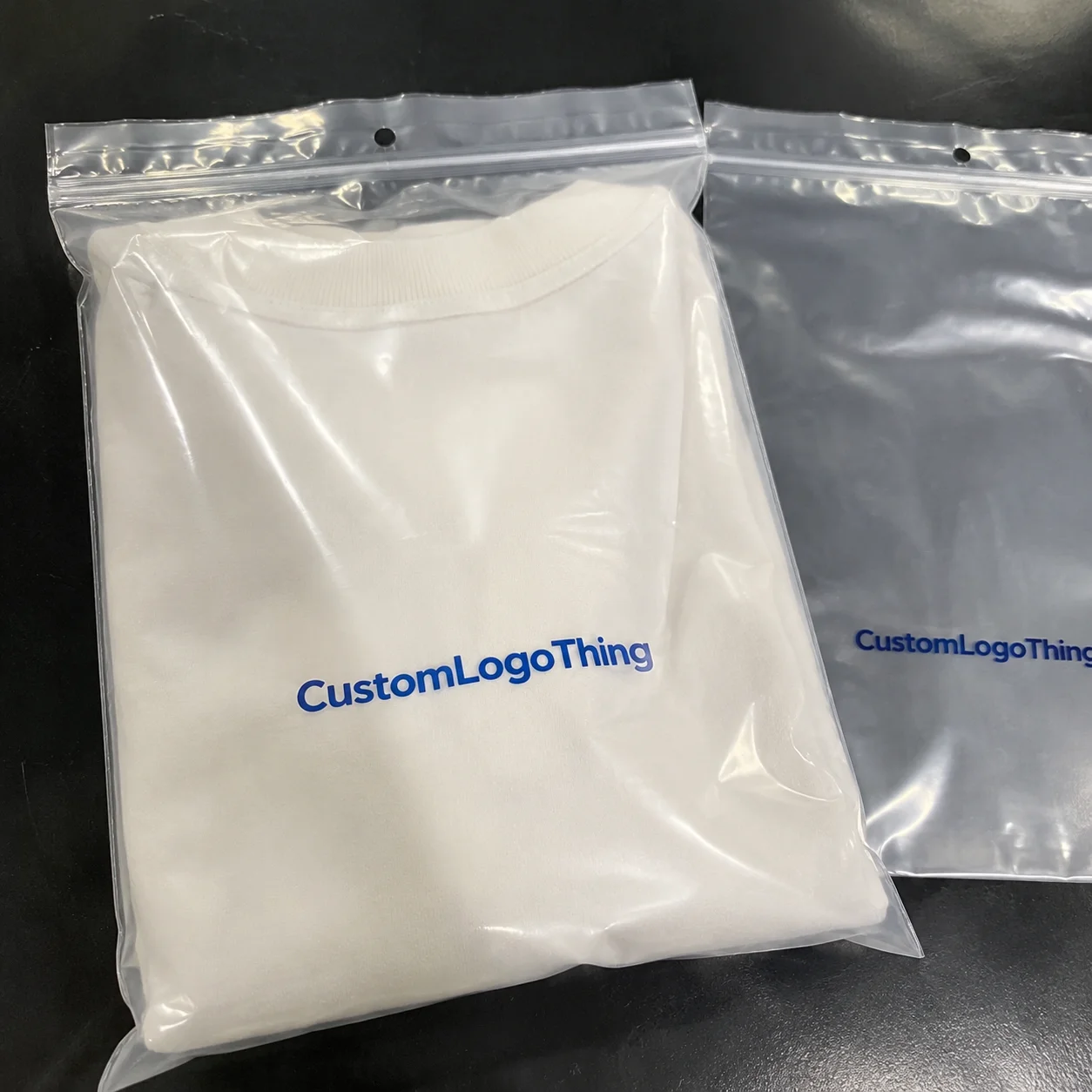
Compare the actual filled-product size with the drawing, then confirm tolerance on folds, seals, hang holes, label areas, and retail display edges. Reserve space for logos, QR codes, warning copy, and material claims before decorative graphics fill the panel.
Quote comparison points
Review material grade, print process, finish, sampling route, tooling charges, carton quantity, and freight assumptions side by side. A quote is only useful when the supplier can repeat the same color, closure quality, and packing count on the next order.
Packaging gets judged faster than most brands realize, and in my years walking carton lines, rigid box rooms, and corrugated packing stations, I’ve seen buyers lose shelf appeal before the customer even touches the product. That’s why Packaging Design Wholesale matters so much: it gives you a way to build consistent, production-ready branded packaging that looks sharp, travels well, and stays economical once volume starts climbing.
In one Shenzhen factory visit, I watched a cosmetic client compare two sample runs side by side. Same formula, same bottle, same price point. One box had a clean 350gsm SBS board with tight registration and a soft-touch finish; the other was a patchwork of mismatched print jobs from three vendors. The stronger package won the room in under 20 seconds. That is the real value of packaging design wholesale—not decoration, but control.
For brands that need Custom Printed Boxes, retail packaging, and shipping-ready formats in the same program, wholesale packaging design brings structure to the process. It reduces the surprise costs that show up when sourcing is pieced together, and it helps avoid the all-too-common problem of one box style for ecommerce, another for stores, and a third for promotions. Frankly, that’s where many growing brands leak margin without noticing it.
Why Packaging Design Wholesale Matters for Growing Brands
Most products get one chance to make a first impression, and that impression usually starts with the carton, mailer, sleeve, or rigid box sitting on the shelf or landing on a doorstep. In packaging design wholesale, you’re not just buying boxes by the case; you’re building a repeatable production system that supports package branding across a larger sales cycle.
When I toured a food packaging line in Guangzhou, the operator showed me how a poorly standardized box spec caused three separate die-cut settings in one week, which meant extra waste and slower packing speed. Once the client locked the dimensions and print spec, their order moved from constant adjustments to stable runs of 10,000 units with fewer rejects. That’s the kind of operational gain people miss when they treat packaging design as a one-off art job.
Packaging design wholesale supports lower unit cost at scale because the tooling, plate setup, proofing, and production planning are spread across a larger order. It also keeps the look consistent, which matters if you’re building trust through retail packaging or unboxing experiences. Customers notice when one batch is slightly duller, one lid fits tighter, or one logo shifts 2 mm to the left. A standardized program prevents that patchwork effect.
There’s also a practical shipping angle. A box that looks beautiful but crushes at 18 kg stacking load is not a good business decision. The better wholesale approach considers both presentation and performance, so your product packaging protects the item, survives transit, and still looks like it belongs on a premium shelf.
“The best box is the one that sells, protects, and packs efficiently without forcing the warehouse to improvise.” I heard a purchasing manager say that to me during a supplier meeting in Dongguan, and it stuck because it’s exactly how strong packaging design wholesale should work.
If you want a broader view of packaging categories and performance considerations, the Packaging Machinery Manufacturers Institute and the EPA recycling guidance are both useful references for material and sustainability context. They won’t spec your box for you, but they help frame good decisions around recyclability and line compatibility.
Custom Packaging Options for Wholesale Orders
Packaging design wholesale covers a lot more than a standard folding carton. For many buyers, the right format depends on product weight, retail setting, and how much protection the item needs during shipping. I’ve seen brands save money by switching from an overbuilt rigid structure to a smart corrugated mailer with a well-fitted insert, and I’ve also seen premium skincare lines lose perceived value by using a flimsy box that bent in the warehouse.

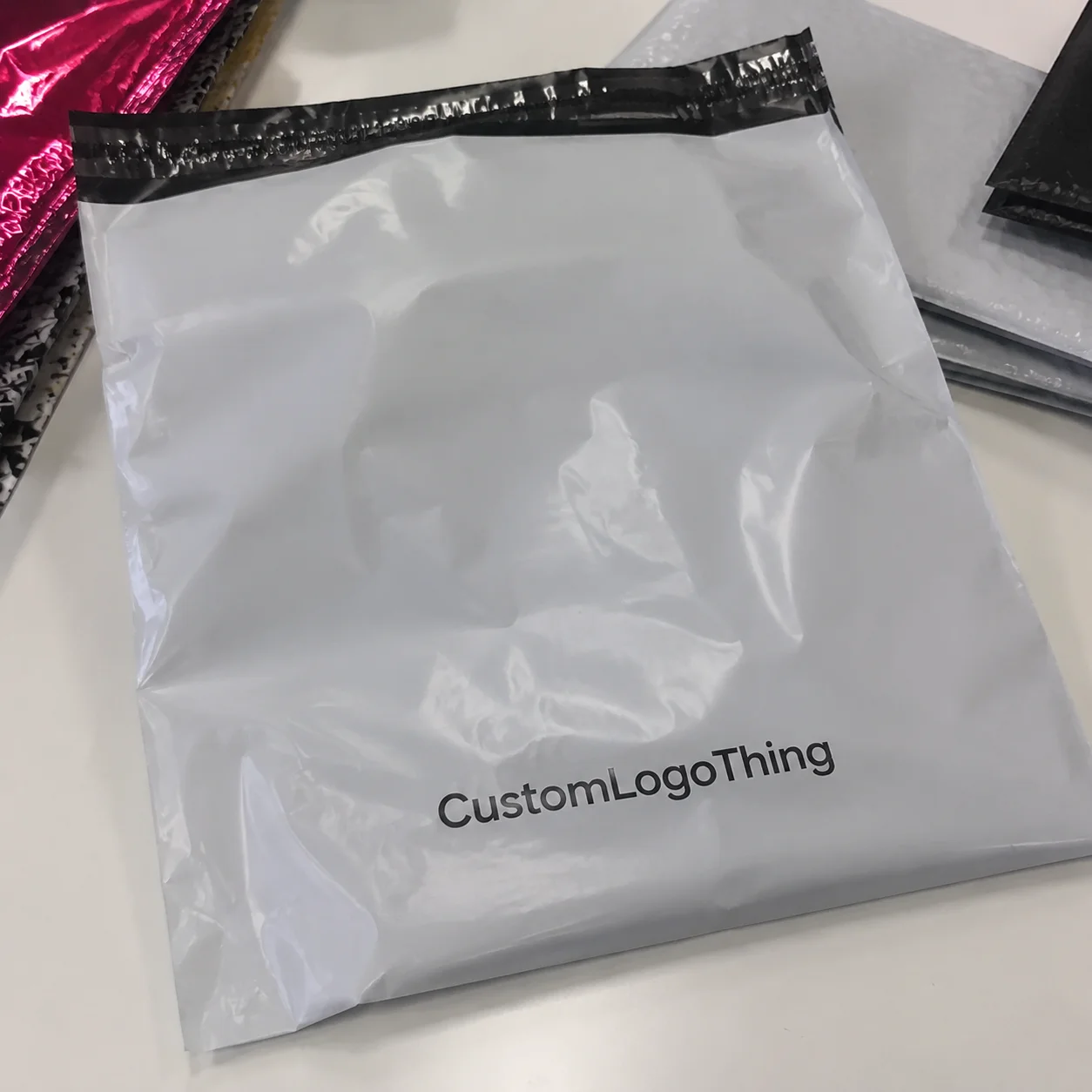
Common wholesale options include folding cartons, rigid boxes, mailer boxes, Corrugated Shipping Boxes, sleeves, inserts, and display-ready retail packaging. Folding cartons work well for lightweight items such as supplements, cosmetics, candles, and small electronics. Rigid boxes suit premium gifts, jewelry, and high-end consumer goods where the unboxing moment matters. Mailer boxes are a favorite for ecommerce because they combine decent print area with sturdy structure and efficient packing.
Material choice changes everything. SBS paperboard gives crisp print reproduction and a clean retail finish. Corrugated board adds transit strength, especially in E-flute or B-flute depending on the product load. Rigid chipboard supports a luxury feel with good wall stiffness. Kraft board delivers a natural look that many brands use for earthy, eco-positioned product packaging. Packaging design wholesale should match the material to the use case, not the mood board.
Finishing options help shape the message. Matte lamination feels calm and modern. Gloss lamination gives color a stronger punch. Soft-touch coating adds a velvety hand feel that works well for beauty and tech packaging. Foil stamping can elevate logos in gold, silver, or holographic tones. Embossing and debossing create depth without adding much visual clutter. Spot UV highlights select areas, and window patching lets the product show through while still protecting the front panel.
Structure matters just as much as finish. A tuck-end carton is efficient for lightweight goods. A magnetic rigid box gives a premium close with a firm lid. A mailer box supports subscription shipping and direct-to-consumer fulfillment. Inserts and dividers keep glass bottles, jars, cables, or kit components locked in place, which is especially important when you’re ordering packaging design wholesale for mixed-component sets.
- Folding cartons for retail shelves and light products
- Rigid boxes for premium presentation and gift sets
- Corrugated shipping boxes for stacking strength and freight protection
- Mailers for ecommerce and subscription programs
- Inserts and dividers for fit, movement control, and presentation
If you’re comparing structures, our Custom Packaging Products page is a good place to review box types and packaging options, while Wholesale Programs outlines how bulk ordering fits into larger production schedules.
Specifications Buyers Should Confirm Before Ordering
Before you place any packaging design wholesale order, lock the measurements. Internal dimensions Matter More Than outside measurements in many cases, especially if the product includes foam, inserts, or a tight retail tray. I’ve seen a 1.5 mm mismatch cause a beautiful box to bulge at the side panel, which meant another round of sampling and another week lost.
You should confirm board thickness, print coverage, expected load requirements, and whether the package must fit a shelf, shipper, or display fixture. A folding carton for a 120-gram candle is a very different spec from a corrugated shipper holding six glass jars. When buyers skip those details, the quote can look attractive at first and then become expensive once revisions start.
Dielines and structural samples are worth their weight in downtime saved. A dieline shows panel sizes, folds, glue areas, and bleed zones, and a structural sample lets you check fit before full production. For odd-shaped items, fragile surfaces, or kits with multiple components, I strongly recommend sampling. It’s slower upfront, but it’s cheaper than correcting 20,000 finished units.
Artwork files also need discipline. Print-ready artwork should be set in CMYK, with bleed, safe area, and image resolution checked before release. If the file is low resolution or the barcode is too close to a fold, you’ll see it in print. That’s not a guess; I’ve had suppliers pull a whole sheet because a QR code landed 3 mm into a crease. Good packaging design wholesale planning saves those headaches.
Compliance details matter too. Food-safe coatings may be required for certain packaging types. Tamper evidence is often important for supplements and consumer health products. Recycling claims should be accurate, not decorative. If the carton needs barcode placement, ASTM-based strength testing, or FSC-certified materials, those requirements should be written into the brief at the start. The FSC site is a useful reference if you need certified paper sourcing language.
- Internal dimensions and finished outside dimensions
- Board or corrugate grade, including thickness
- Print method, color count, and finish selection
- Inserts, dividers, or tray requirements
- Retail, shipping, or display compliance needs
Packaging Design Wholesale Pricing, MOQ, and Cost Drivers
Packaging design wholesale pricing is shaped by structure, material, decoration, and volume, and I’ve found that many quote disputes happen because buyers compare apples to oranges. A rigid box with foil, embossing, custom inserts, and a wrapped neck is not in the same pricing lane as a plain folding carton with one-color print.
The biggest cost drivers are box style, size, board grade, print complexity, finishing, insert requirements, and order quantity. Bigger boxes use more material. Thick board costs more than lighter paperboard. Four-color process printing costs more than one-color branding. Soft-touch coating, foil stamping, and embossing add setup and finishing time. Inserts can be simple paperboard fitments or more complex molded or foam components, depending on the product.
MOQ exists because setup costs are real. Press calibration, die making, plate preparation, and finishing adjustments all take time, and very small orders often carry a higher unit cost because those fixed expenses are spread across fewer pieces. For a simple folding carton, a common MOQ might be 1,000 to 3,000 pieces. For a rigid box with specialty finishing, the minimum may be higher. That depends on the factory, the structure, and the production method.
Larger volumes usually reduce unit cost, but only if the design is finalized and waste is minimized. If you’re changing artwork late or adjusting dimensions after proof approval, the savings disappear fast. In one supplier negotiation, a client wanted price breaks at three volumes, but their logo kept moving around the panel. We fixed the artwork first, then the per-unit numbers finally made sense. That is the rhythm of smart packaging design wholesale: lock the spec, then scale.
When comparing quotes, ask what is included. Does pricing cover tooling, sampling, freight, and finishing, or are those separate? Is the quote for ex-factory pickup, FOB, or delivered pricing? A quote that looks cheaper by $0.04 per unit can turn out more expensive once shipping and setup are added. I recommend asking for three quantity tiers so you can see where the break point sits and decide what matches your cash flow and expected sell-through.
For example, a custom mailer might price at $0.48/unit for 5,000 pieces, $0.36/unit for 10,000 pieces, and $0.31/unit for 20,000 pieces, depending on board, print, and finishing. A rigid gift box could start much higher, especially with magnets or specialty wraps. Those are not universal numbers, but they show how strongly volume affects packaging design wholesale economics.
Wholesale Packaging Production Process and Timeline
The production path for packaging design wholesale usually starts with a brief, then a dieline review, then sampling or proofing, followed by production, finishing, packing, and freight coordination. Clean approvals at each stage are the difference between a controlled run and a frantic back-and-forth with the factory floor.
Stock structures move faster than custom tooling. A standard mailer with custom print can often progress quickly once the artwork is approved. A fully Custom Rigid Box with a molded insert, foil, and embossing will take longer because each added feature introduces another setup step. Physical samples also add time, but they often save time overall by catching fit problems before full production. I’ve had clients insist on skipping samples, only to circle back after the first carton batch failed a closure test by 4 mm.
Typical production timing depends on the material and finish. Simple orders can move in roughly 12 to 15 business days after proof approval. More complex packaging with custom inserts, specialty coatings, or multiple finishes may need 18 to 30 business days, and shipping adds its own timeline depending on freight mode. The key is that the clock starts after final approval, not when the first email is sent.
Approval discipline matters. Confirm the artwork version, color targets, structural fit, pack count per carton, and pallet configuration before production begins. A small mistake in pack count can cause warehouse confusion later, especially if your team expects 24 units per master carton but the factory packed 20. That kind of error is avoidable with a clear spec sheet and one final sign-off.
Packaging design wholesale moves fastest when dimensions are locked early and feedback comes back quickly. A brand that approves proofs in 24 hours usually gets a smoother schedule than a brand that takes a week to review each step. That is not pressure; it is just the reality of a production line with scheduled machine time and booked materials.
Why Choose Our Packaging Design Wholesale Services
At Custom Logo Things, the value of packaging design wholesale comes from practical factory knowledge, not guesswork. I’ve spent enough time around cutting tables, glue lines, and packing stations to know that a pretty render is not enough. You need a packaging team that understands how board behaves when folded, how ink sits on coated stock, and how a box performs once it is stacked, shipped, and handled by real people.
Our team works with packaging engineers, print coordinators, and production staff who know where problems usually appear: warped boards, misregistered graphics, weak glue seams, poor flap closure, or insert fit that looks fine on screen and fails in the carton room. Quality control checkpoints are built to catch those issues before shipment, which helps protect both your brand and your budget.
We also support buyers who need a path from concept to production-ready artwork. That matters a lot for brands ordering custom packaging in volume, because one missing bleed line or incorrect dieline can stall a launch. The right partner can help with structure selection, material recommendation, and finishing guidance so your branded packaging feels intentional rather than improvised.
Consistency is another reason clients return. Material supply needs to stay stable, especially for recurring orders. If a brand launches with one paperboard grade and later has to switch to a visibly different stock, customers notice. That’s why reliable sourcing matters in packaging design wholesale. You want repeatability, not surprises.
I’ve watched brands save weeks simply by choosing one standard carton spec across product lines instead of redesigning every SKU from scratch. It’s not glamorous, but it is profitable.
For buyers who need volume, repeat orders, and dependable production support, packaging design wholesale is less about buying boxes and more about building a supply partner that understands retail packaging and transit performance in the same conversation.
Next Steps for Ordering Packaging Design Wholesale
If you want to move quickly, gather the core specs first: product dimensions, target quantity, preferred box style, brand artwork, and any shipping or retail requirements. The clearer the brief, the faster we can recommend a structure that fits your product and your budget. That’s especially true for packaging design wholesale, where one small assumption can change Pricing and Lead time.
If you already have a sample or existing box, send it with your request. A reference pack helps identify what can be improved in the structure, material, and finish. I’ve seen this shorten quoting time because the team can measure the current box, inspect the closure, and see immediately whether the next version should be lighter, stronger, or better branded.
Ask for a dieline, a material recommendation, and a quote together so you can compare options on equal terms. If the artwork is not final, confirm who will handle file setup and what approval path will be used for proofs and samples. Those process details matter more than most buyers think, especially if launch timing is tied to a retailer calendar or ecommerce campaign.
My honest advice is simple: start with specs, then refine structure and finish based on budget and use case. That approach keeps packaging design wholesale grounded in production reality, which is how you get Packaging That Sells, ships, and scales without constant rework.
The clearest next step is to build a specification sheet before you ask for pricing. Include the internal dimensions, target material, print finish, insert needs, and quantity tiers, then compare samples and quotes against the same brief so you can make a clean decision without guessing. That way, your packaging design wholesale order starts with control instead of corrections.
What is packaging design wholesale and how does it work?
Packaging design wholesale is the process of planning and producing branded boxes, mailers, sleeves, or rigid packaging in larger quantities so the design, materials, and finishes are optimized for repeat production. It works by aligning structure, artwork, and manufacturing requirements before the order goes into production.
What is the minimum order for packaging design wholesale?
Minimum order quantity depends on the box style, material, and printing method used. Rigid boxes and highly finished packaging often require higher MOQs than simple folding cartons. Ask for quantity tiers so you can compare cost per unit at different volume levels.
How much does packaging design wholesale usually cost?
Cost is driven by size, board type, print colors, finishing, inserts, and order volume. A quote should clearly show whether tooling, sampling, and freight are included. The most accurate pricing comes after your dimensions and structure are confirmed.
How long does wholesale custom packaging production take?
Timeline depends on artwork approval, sampling needs, material availability, and finishing complexity. Simple structures move faster than packaging with foil, embossing, or custom inserts. Production starts only after final approvals, so prompt feedback shortens the schedule.
Can I get a sample before placing a wholesale order?
Yes, sample or prototype options are often available for structure and fit checks. Sampling is especially useful for products with unusual dimensions or fragile contents. Request a sample early to avoid costly revisions after full production begins.
What file format do I need for packaging design wholesale artwork?
Print-ready vector files are typically preferred, along with outlined fonts and linked images at proper resolution. Artwork should include bleed, safe margins, and correct color setup for print production. If you do not have a final file, a packaging team can usually guide you through the setup.