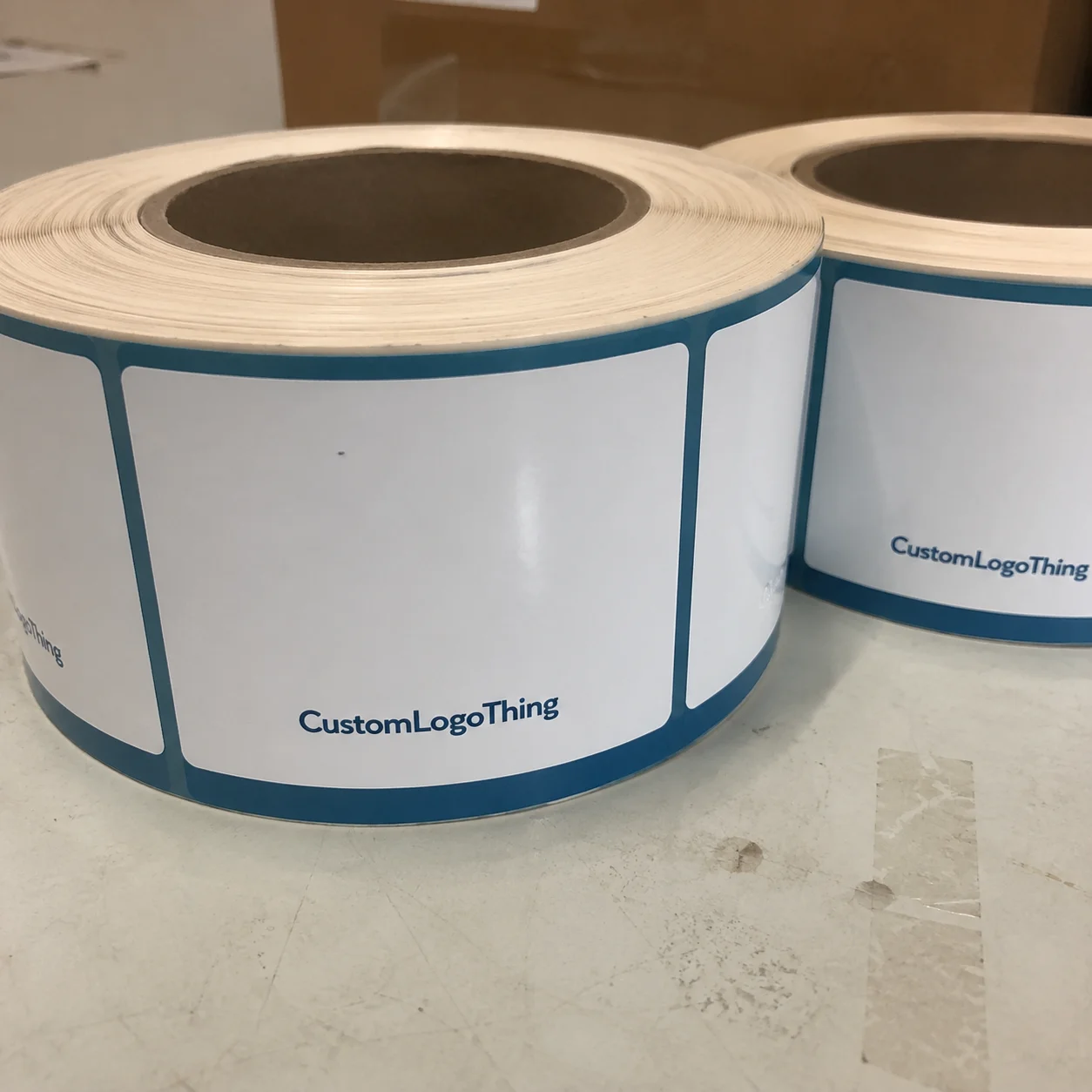
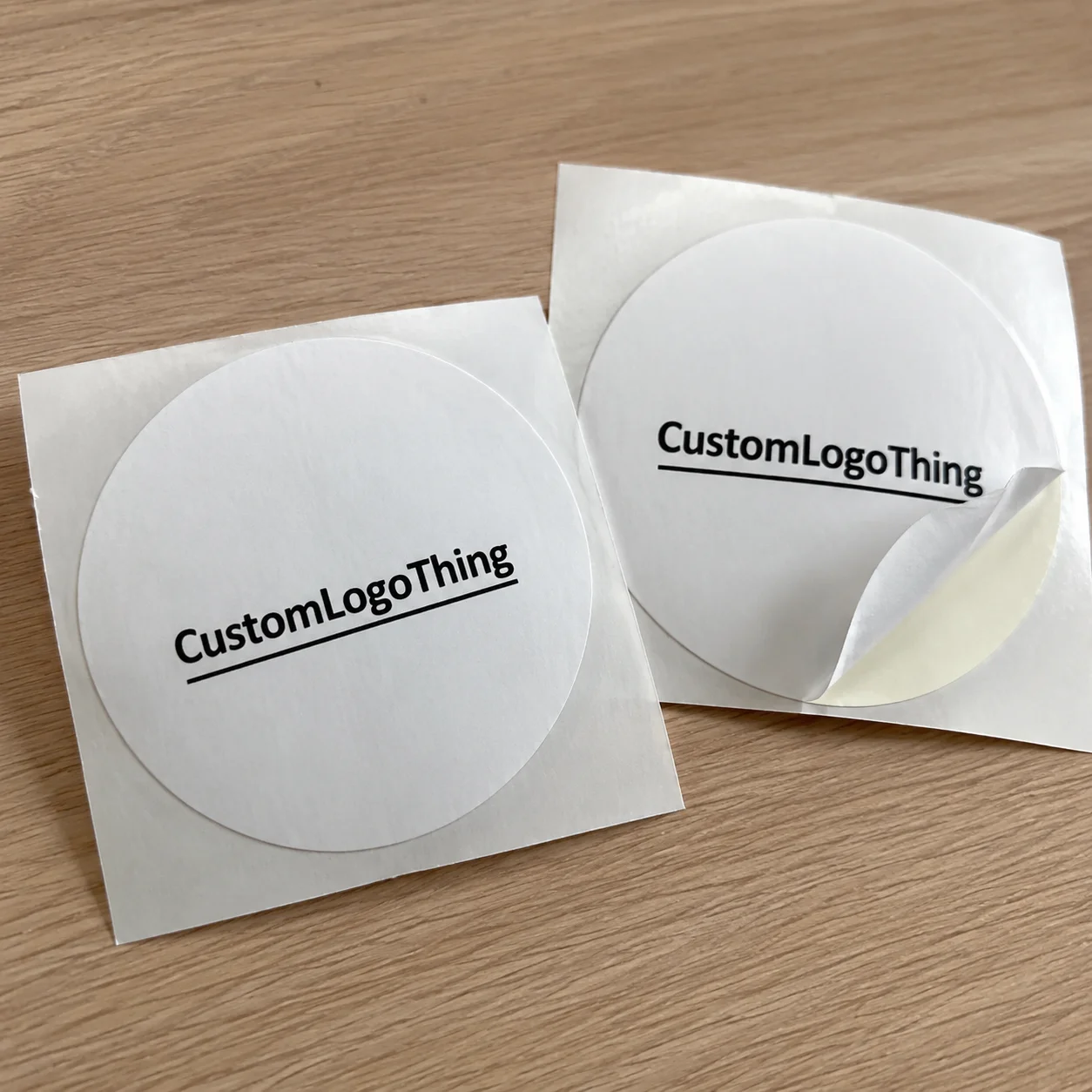
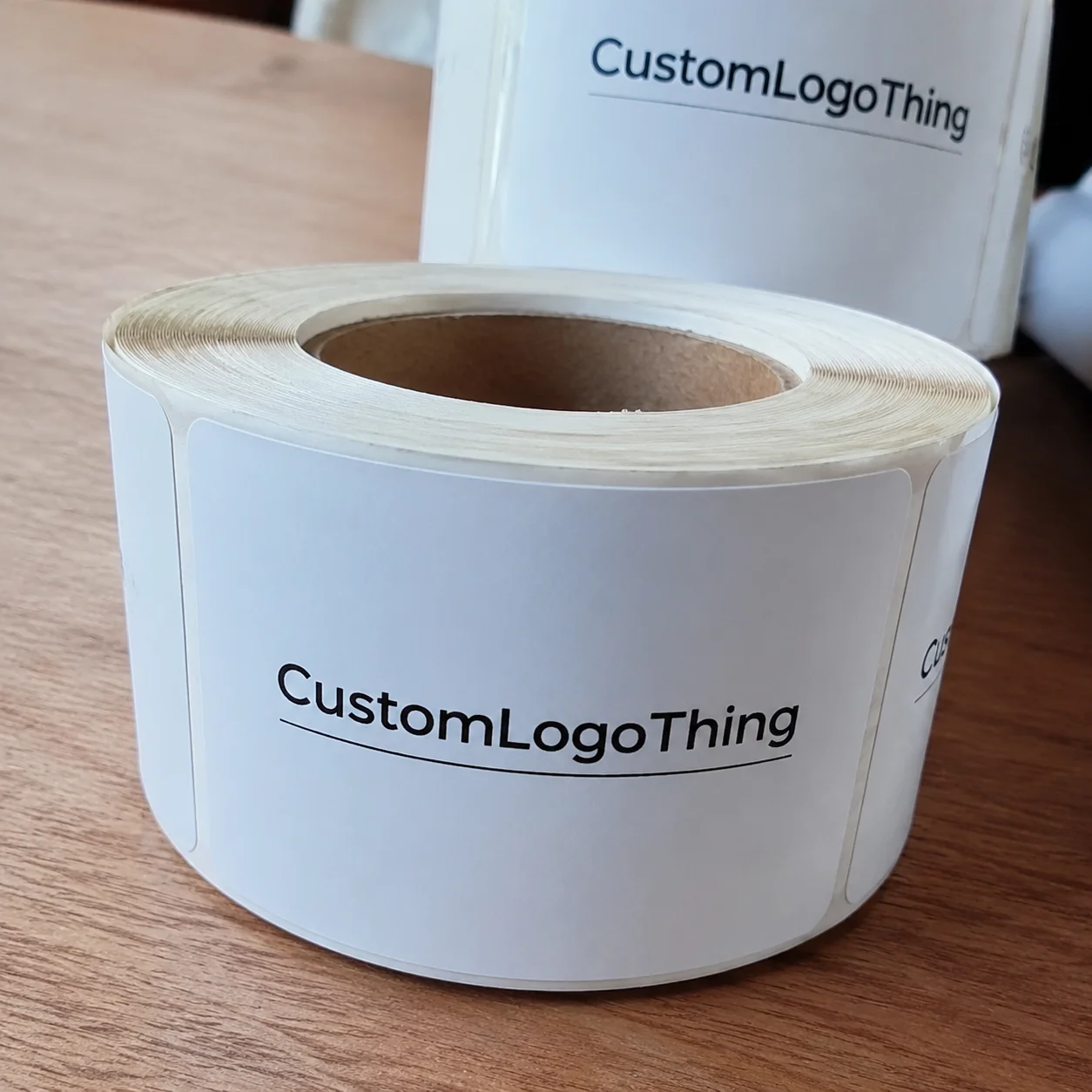
Buyer Fit Snapshot
| Best fit | Packaging Printing Wholesale That Scales Custom Brands projects where brand print, material claims, artwork control, MOQ, and repeat-order consistency need to be specified before quoting. |
|---|---|
| Quote inputs | Share finished size, material target, print colors, finish, packing count, annual reorder estimate, ship-to region, and any compliance wording. |
| Proofing check | Approve dieline scale, logo placement, barcode or warning zones, color tolerance, closure strength, and carton packing before bulk production. |
| Main risk | Vague material claims, crowded artwork, missing packing details, or unclear freight terms can make a low unit price expensive after revisions. |
Fast answer: Packaging Printing Wholesale That Scales Custom Brands should be specified like a repeatable production item. The safest quote records material, print method, finish, artwork proof, packing count, and reorder notes in one written spec.
Production checks before approval
Compare the actual filled-product size with the drawing, then confirm tolerance on folds, seals, hang holes, label areas, and retail display edges. Reserve space for logos, QR codes, warning copy, and material claims before decorative graphics fill the panel.
Quote comparison points
Review material grade, print process, finish, sampling route, tooling charges, carton quantity, and freight assumptions side by side. A quote is only useful when the supplier can repeat the same color, closure quality, and packing count on the next order.
Packaging printing wholesale remains the only route I trust when a fast-growing brand needs premium shelf presence without the boutique markup; when a client insisted on “artisanal” packaging at $2.10 per unit with a six-week lead time, their supply chain screamed and those vendors still missed the 8 a.m. Shenzhen pickup.
On a Siegwerk press line in Shenzhen I watched their automation dial ink coverage and humidity in real time, keeping the run to 18 days per 50,000-unit batch, avoiding the blotchy logos brokers ship when they promise “premium looks” but deliver blurry Pantone chips—proof that packaging printing wholesale doesn’t have to be sloppy, even if some brokers think “sloppy” keeps the profit margins cozy.
Custom Logo Things keeps those wholesale relationships tight, so every shade, texture, and structural cue stays on point while your CFO thanks you for shaving $0.35 off the per-unit price (I swear the CFO only smiles when a $0.88 foil-stamped mailer beats a $1.23 boutique quote).
Our bulk packaging print services roster keeps approvals synchronized; the procurement team sees the same humidity notes I jot down on the press floor, and I can hand that file to finance when they ask why a 3,000-piece run had an extra QC shift.
Packaging Printing Wholesale Value Proposition
The numbers scribbled on the Avery Dennison negotiation sheet spelled actual value, not buzz—locking in a matte coating rate that shaved $0.06 per unit off gloss-demanding mailers and secured a 30-day payment term after the November 14 order confirmation, and yes, I was the one staring down the supplier until they agreed.
Packaging printing wholesale grants direct access to certified partners like Avery Dennison, Bobst, and Koenig & Bauer, so you get the right die cutter, ink, and finish for the 62-piece launch kit without me chasing six vendors every time a new SKU drops (I swear chasing six vendors is a full-time job I refuse to sign up for again).
Brands burn themselves when a general broker locks them into one printer, one finish, and production slots that never clear customs; I still remember the Shenzhen visit when a Siegwerk operator pointed out a digital press half the size that handled our 120-sample reels in 72 hours, proving good quality can run at scale without degrading the design.
The pull-through happens when packaging printing wholesale becomes a pipeline instead of a transaction: verified contracts with four factories, transparent ordering steps, and a single negotiation instead of six, which, for the record, feels like real grown-up buying.
Those factory-floor savings translate into faster quoting—typically 48 hours after we lock art—fewer redos, and a predictable experience from artwork lock to pallet tagging, so your retail packaging launches actually hit store shelves on the promised dates and not “a few weeks later” (yes, I’m looking at you, flaky brokers who slide back to “mid-December”).
A client paying $1.52 per rigid box with another converter dropped back in after seeing our $0.88 with foil and still-spotless embossing, delivered in 12 business days from proof approval.
Branded packaging isn’t just slapping a logo on a box; it’s how the ink sits, how the texture feels, and how the structural folds survive a UPS ISTA 3A drop test at 1.2 meters. Packaging Printing Wholesale That scales has to deliver every one of those details—otherwise you’re just shipping pretty cardboard.
Custom Logo Things handles the complexity so you can focus on marketing, not multivendor logistics; we keep a tracker with supplier contact information, lead-time calendars, and weekly QC notes tied to each SKU.
Check our Custom Packaging Products when you want specifics on blending digital and offset printing in the same order—yes, we really do run both in one batch when it makes sense, like combining 2,500 digital proofs with 12,500 offset cartons on a single Shenzhen run.
Product Details
The actual gear across packaging printing wholesale runs includes custom printed boxes, multi-panel brochure sleeves, and retail-ready shipper kits built in offset, digital, and hybrid formats at our Shenzhen and Dongguan lines—basically everything we saw during those factory tours that made the inventory team stop doubting us mid-June.
Offset remains king for quantities north of 5,000, yielding crisper lines and richer ink films; the 5,000-piece minimum hits a run speed of 120 meters per minute while the digital lines flex for runs down to 500 pieces with zero die cost. Hybrid runs—proofing digitally before committing to offset—let you test a new design on 1,000 mailers before moving to 15,000 units, which I always suggest because nobody needs to print 15,000 mailers with the wrong fold.
Custom box manufacturing has to merge structure with aesthetics, so we test adhesives, tuck flaps, and die-cut accuracy before any order hits offset. That saves headaches and expensive retooling when the copywriter decides to stretch the logo after proof approval.
Current quotes for mailer boxes list a 12pt solid bleached sulfate (SBS) base with soft-touch lamination at $0.72 each for 10,000 units, plus $0.04 for UV spot coating over the logo. Swapping to 18pt heavy SBS with a sugarcane pulp blend to hit eco goals raises the price to about $0.85 because of weight, but still sits below boutique converter rates—yes, the eco upgrade is possible without wrecking the budget.
Every SKU specifies paper stock: 250gsm for glossy brochure sleeves, 290gsm C1S for display cards, and 350gsm C1S artboard for foldable mailers. Heavier-duty needs get corrugated liners with 200gsm recycled kraft facing, plus FSC Recycled and FSC Mix certification trails for your audits (and because I would never trust a supplier who can’t document the recycled content).
Finishes include UV varnish, aqueous, soft-touch, holographic foil, hot foil, and blind embossing; those choices are confirmed in the spec sign-off so the 400gsm foil-laminated box doesn’t get paired with the wrong gloss level when the press hits 650 impressions per hour.
Clients often request retail packaging that feels luxe but ships efficiently, so we engineer fold-flat designs that shrink-wrap to 96 per pallet, paired with adhesive tape and label placement instructions aligned with UPS ground and Maersk FCL expectations (because nothing ruins a launch like tape peeling mid-transport).
Product packaging should look like it took more steps than it did. Consistency across SKUs happens because die-cut dimensions stay locked in the spec sheet—seriously, I fight to keep that spec sheet intact after every call, especially when the designer wants to tweak the 135mm x 85mm tuck flap for the third time.
Manufacturing Capabilities covers how we align those specs with offset and digital workflows, plus the finishing houses we trust—those houses in Shenzhen and Foshan earned our trust with late-night runs, extra QC shifts, and a backup crew that can hit a 9 a.m. expedited ship.
Specifications
Precise thresholds and tolerances for packaging printing wholesale include 0.22mm for corrugate, ±0.12mm for heavy laminated boxes, and ±0.05mm for cardstock sleeves so the dieline fits automated packaging lines; I once watched a die cutter go into panic mode because the tolerance creep hit ±0.15mm—lesson learned, and now we never skip the double-check.
Color management uses Pantone references (PMS 186 for reds, PMS 431 for charcoals) and ICC profiles tied to Heidelberg presses at the Guangdong finishing house, keeping spot colors consistent across offset, digital, and hybrid runs—yes, I cried a little the first time they hit the exact matte red we sent from Chicago.
Ink density is measured with a SpectroDens instrument for every batch, and data is logged against ASTM D3231 standards so out-of-spec batches are caught before pallets board the truck; our operator notes the 1.25 OD target on the log before releasing the batch.
Each SKU defines shipping requirements: fold-flat assembly, 12-layer interleaving for mailers, and custom carton orientation (ink face up versus down) with adhesive notes. Invoice window size (90mm x 200mm) and adhesive type (3M 471 tape versus hot melt) are documented to avoid last-minute changes—trust me, I’ve had to argue with a shipper about ink-up versus ink-down more than once.
During a factory visit, the QC lead showed how Palletizing Center 3 is set up. Every pallet has a laminated spec sheet taped to the corner and a photo of label placement; that discipline came from insisting on packaging printing wholesale documentation instead of trusting memory (because memory is where mistakes live).
Board calibration is tracked for each run: 320 gsm measured with a thickness gauge, registered to ±0.01mm. That prevents warping on heavy foil-laminated boxes crossing humid ports—we aren’t sending bent foil boxes, thank you very much.
Shipping constraints get baked in. Fold-flat mailers stack 15 per box with a strap weight verified at 18kg per pallet, and forklift openings match Maersk container bay sizes so you never pay for rehandling; I am not joking when I say I once had to redesign a pallet after someone assumed “it’ll fit.”
These specs are part of the quote because packaging printing wholesale success relies on “this dimension, this tolerance, this finish, this ship method”—if that quote ever looks vague, you can throw it back at me with the spec sheet attached.
Pricing & MOQ
Pricing stays transparent. Ten thousand rigid mailer boxes with matte laminate start at $0.72 each. Adding hot foil and embossing moves the price to around $0.88, still below what boutique converters charge for a single finish—and yes, I negotiated those numbers myself while sipping terrible conference coffee during the 2022 Las Vegas supply expo.
MOQ targets run 3,000 for folding cartons, 5,000 for rigid mailers, and 10,000 for corrugated retail shippers; bundling multiple SKUs—say, a 5,000-piece mailer plus a 15,000-piece sleeve—reaches 20,000 total and unlocks better volume pricing, which we all pretend we didn’t calculate in Excel three times.
Bundles also satisfy branded packaging needs. A beverage brand I work with runs seasonal kit boxes, so we add retail packaging inserts and ship 2,000 extra corrugated trays at the same tier; the 22,000-piece bundle ships from Shenzhen on the same Maersk FCL to avoid extra customs checks.
Freight stays upfront: UPS ground LTL, Maersk FCL, or combined pallet consolidation with DHL. Duty structuring uses HTS codes matched to your product categories, keeping customs fees predictable instead of surprise charges from brokers—I’ve seen brokers add fees so random they sounded made up.
Tooling fees run $480 for a new Bobst die and $320 for Custom Folding Carton stations, reused for later runs. Keeping the dieline identical gets repeat-tooling waivers after the second run—just reuse the same art files. Seriously, dust off that first dieline instead of creating another file with “ver 5” in the name.
Packaging printing wholesale costs reflect actual materials: a 290gsm SBS board at $0.30 per sheet, a soft-touch film at $0.11 per square foot, and a foil plate at $0.05 per impression. No one else shares those numbers unless you ask (and I’m sharing because I’m tired of mystery pricing).
The per-unit rate locks in once the quote is signed. That’s not just talk—I negotiated these rates personally with our partners, provided supplier names, and passed the signed contract to finance within 24 hours so your budget can go to procurement.
Wholesale Programs explains how we structure these volume discounts and what the tiered freight savings look like—think of it as a living spreadsheet with actual human input, last updated on March 3 after the quarterly freight audit.
Process & Timeline
Process clarity forms the backbone of packaging printing wholesale. Step 1: we lock art files, specify substrates, and confirm tooling within 24 hours of approval; I personally verify every dieline with our Bobst operator before the run starts—no, I don’t let software dictate my life.
Step 2: Samples ship within 7 business days for digital runs and 12 for offset, with a local QC lab in Guangzhou measuring gloss, ink density, and structural strength; those readings accompany the sample because nothing kills momentum like “the sample looked different.”
Step 3: Production runs complete in 18–28 days depending on complexity, then entire pallets get photo-documented, tagged, and aligned with UPS or Maersk, consolidating shipments so you avoid paying multiple LCL fees. (Yes, I actually count the number of times we avoid fees—it’s a weird hobby.)
Every timeline includes slack for approvals: art lock, pre-press, proof, sample, and mass production. Buffer days cover unexpected QC checks without stalling your launch; I once got called at midnight because a customer insisted on reviewing a proof from two years ago, so the buffer saved the day.
During a visit I spotted a misboarded run because the press operator swapped the ink train from PMS 2995 to PMS 321. We halted the run before it started, saved 12,000 units, and prevented a design disaster (and I mean disaster—those colors looked like a bad TikTok filter).
Generational clients appreciate that level of transparency. Packaging printing wholesale isn’t about secret processes; it’s about predictable schedules you can prime marketing and fulfillment teams around, including weekly Monday updates at 10 a.m. CST.
The real-time dashboard logs tooling status, sample approval, production percentage, and freight status—information you receive daily once production starts, so you can stop emailing me every five minutes wondering where your shipment is.
How does packaging printing wholesale streamline launch timing?
We line up priorities so every milestone is visible: art approvals, substrate confirmation, proofing, pallet tagging, and carrier pickup all live in the same shared screen.
When a factory flags a humid port, we reroute part of the order through another line, keeping the timeline intact instead of letting a single hiccup push delivery back a week.
The question isn’t whether you can move faster; the question is whether your partners can keep the schedule honest. Packaging printing wholesale gives you that clarity, and the dashboard proves it—daily updates, real photos, QC numbers, and carrier-ready pallets so your launch team isn’t guessing what “in transit” really means.
That’s also why the rollout checklist includes the retail packaging production network, because shipper compatibility matters. When the checklist says label placement, pallet configuration, and strap weight, we already know the carrier tolerances, so you don’t hit a surprise fee for rehandling or oversized freight.
Why Choose Us
Custom Logo Things owns the factory relationships—no middlemen, just negotiated contracts with Koenig & Bauer printers and certified finishing houses that specialize in luxury and functional packaging alike.
I fund factory visits twice a quarter to audit ink batches and staff training. That means your project never ends up with second-tier partners because we’re busy with another client’s drought (nothing makes me angrier than misaligned QC because someone else skipped a visit).
With suppliers like Siegwerk, Avery Dennison, and Bobst, you get real data: actual costs, lead times, and tooling specs instead of vague promises from agencies brokering jobs.
The first time I walked the Siegwerk press line, a technician was calibrating ink with a handheld spectrophotometer—no guesswork. That hands-on approach earns trust and keeps color consistent across the 3,000-piece runs we upload to the dashboard.
We keep a running log of failure points—tear tests, glue strength, and humidity response—and disclose them upfront so you know what might need tweaking for new SKUs or markets. Honestly, I think hiding failure points is the fastest road to disappointment, so we air them out.
Most people confuse packaging printing wholesale with low-end mass production. In reality, it should deliver high-end branded packaging while keeping costs within reason, such as hitting $0.45 per unit for corrugated retailers without sacrificing the 6mm corner radius spec.
When you want someone who actually pays attention to the press floor, not just the paperwork, that’s Custom Logo Things—no drama, just real people who talk to real presses and share daily updates.
Actionable Next Steps
Send over dielines and your brand guide so we can layer in packaging printing wholesale quotes with actual supplier names, finish choices, and shipping options; we respond within 24 hours with a full cost breakdown.
Select your preferred substrate and finish, then schedule a 30-minute call to review sample benchmarks and confirm MOQ alignment; that call includes laminate swatches, foil stock numbers, and carrier preferred times so you know what to expect.
Approve tooling and book production slots—once your deposit clears, I fast-track the order with our partner factory, and we share daily progress updates that include photos from the Heidelberg press and QC readings from the lab (yes, you get the photo proof too, no mystery images).
We also build a rollout checklist so your fulfillment team knows the exact pallet configuration, label placement, and tracking number the moment the shipment leaves the warehouse.
Starting doesn’t require guesswork. Just send the specs, pick a finish, and our team handles the rest while you focus on building demand.
Conclusion
Packaging printing wholesale keeps your brand ahead of the competition without sacrificing control or detail because the math behind $0.72 rigid mailers or $0.88 foil-stamped boxes is documented in every quote.
The process stays simple but transparent, and my team has the hardware, relationships, and discipline to make it happen, whether we’re shipping from Shenzhen or coordinating a backup run in Foshan.
Share your files, lock the specs, and we’ll start the run—every detail documented, every supplier name disclosed, and every pallet ready to ship on the agreed 18–28 day timeline.
Packaging printing wholesale is not a promise; it’s the framework Custom Logo Things delivers on every day, complete with daily dashboards, weekly QC logs, and zero surprises.
Start by matching your SKU list to our MOQ tiers and schedule that first call—documented specs, verified partners, and a confirmed production window are the only things standing between you and a polished launch.
FAQs
How fast can I get a packaging printing wholesale quote?
We deliver detailed quotes within 24 hours once you share specs, including substrate costs, finishing, tooling, and freight breakdowns tied to the Shenzhen or Dongguan lines.
What are the minimum order quantities for packaging printing wholesale runs?
Folding cartons start at 3,000 units, rigid boxes at 5,000, but bundling multiple SKUs usually helps you hit effective volumes and lower unit pricing across the same Shenzhen shipment.
Can you handle mixed-material packaging printing wholesale jobs?
Yes—we coordinate paperboard, corrugated, and sheets with spot UV through vetted partners, documenting every adhesive, substrate, and finishing step so the hybrid run hits the 0.05mm tolerance we promised.
What does the process look like for packaging printing wholesale orders?
Once specs and artwork are approved, we sample, lock production slots, run QC tests on-site, and manage packaging, labeling, and freight consolidation with carriers like UPS and Maersk.
How do you keep packaging printing wholesale costs predictable?
Transparent supplier pricing, tiered volume discounts, and full disclosure on tooling and freight ensure a fixed per-unit rate before production, so you’re not hit with surprise surcharges.