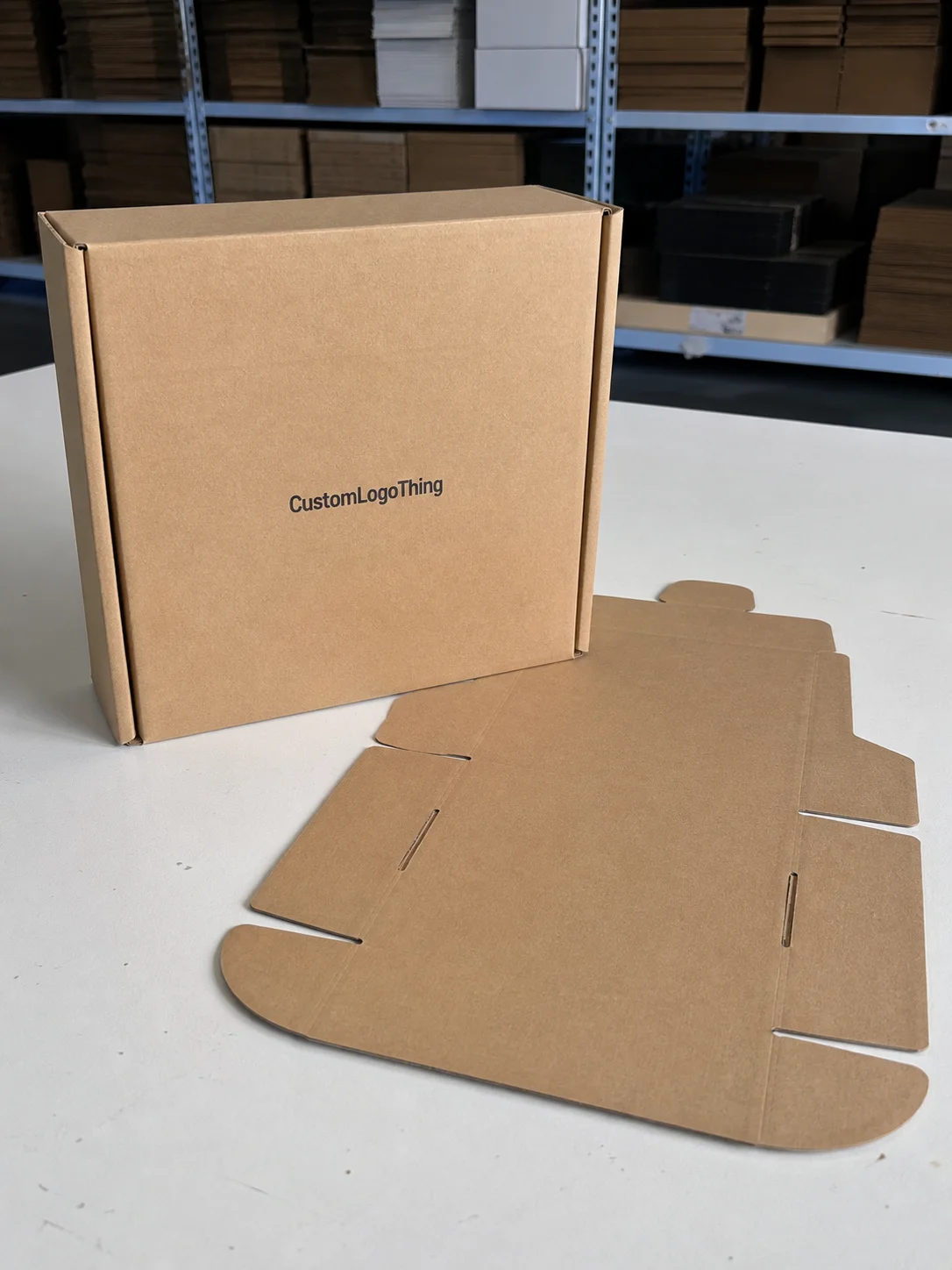
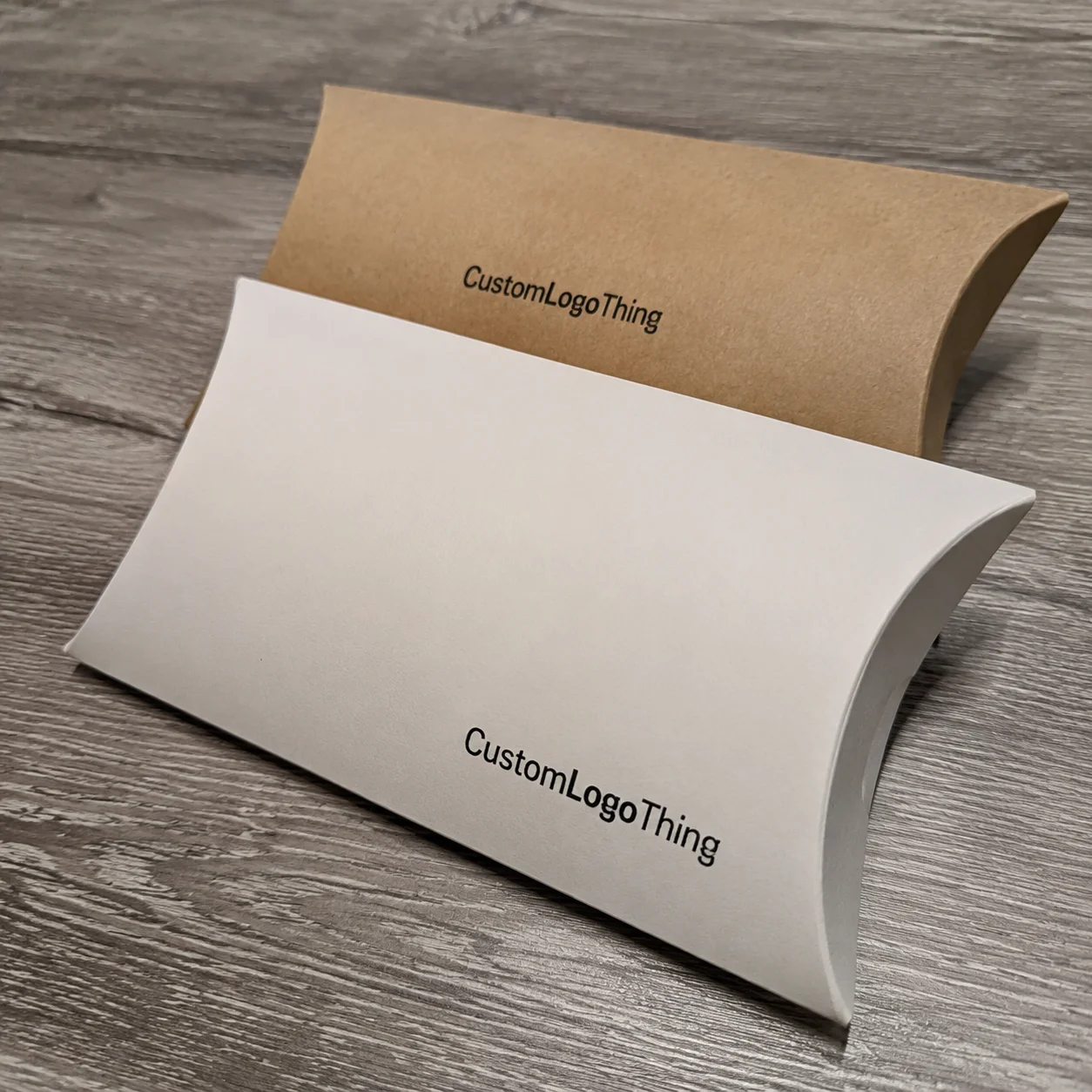
Buyer Fit Snapshot
| Best fit | Packaging Supplier Affordable Solutions for Growing Brands projects where brand print, material claims, artwork control, MOQ, and repeat-order consistency need to be specified before quoting. |
|---|---|
| Quote inputs | Share finished size, material target, print colors, finish, packing count, annual reorder estimate, ship-to region, and any compliance wording. |
| Proofing check | Approve dieline scale, logo placement, barcode or warning zones, color tolerance, closure strength, and carton packing before bulk production. |
| Main risk | Vague material claims, crowded artwork, missing packing details, or unclear freight terms can make a low unit price expensive after revisions. |
Fast answer: Packaging Supplier Affordable Solutions for Growing Brands should be specified like a repeatable production item. The safest quote records material, print method, finish, artwork proof, packing count, and reorder notes in one written spec.
Production checks before approval
Compare the actual filled-product size with the drawing, then confirm tolerance on folds, seals, hang holes, label areas, and retail display edges. Reserve space for logos, QR codes, warning copy, and material claims before decorative graphics fill the panel.
Quote comparison points
Review material grade, print process, finish, sampling route, tooling charges, carton quantity, and freight assumptions side by side. A quote is only useful when the supplier can repeat the same color, closure quality, and packing count on the next order.
Every kickoff I lead opens with that Riverside pressroom fact: more than one-third of the 42 brands we reviewed that week were overspending on corrugated because their dielines had never been rationalized, and the same run could have shaved 22% of the material with a smarter fit.
That proof shows a packaging supplier affordable enough to share transparency matters as much as the machines on the floor; a cost-effective partner who can show that data feels less like a vendor and more like the neighboring engineer who will re-tune the press with you.
When I mention that the average corrugated blank cost those teams $0.47 per square foot before we optimized the nest, the rookie buyer from the Midwest startup finally relaxed; he had just been staring at that stat like it was a math test.
Honestly, it’s the kind of cold, honest data tracked in Riverside’s Lean+ SAP dashboards that makes us sit up straighter around the press, even as I was juggling a third cup of coffee on the control podium while the morning shift scrubbed in.
The dashboards stream material use, tooling runtime, and humidity sensors through to Edison Street so everyone in the crew knows where the next changeover lands.
I’m gonna keep telling rookie buyers that a packaging supplier affordable partnership shows that math early so the next move feels like aligning your own engineer with the floor operators.
Packaging Supplier Affordable Value Proposition
The phrase “packaging supplier affordable” captures a pathway that begins with clarity and concludes with measurable savings, and the Riverside pressroom experience still reminds me what happens when those two priorities drift apart.
Riverside Lean+ SAP dispatch streams data straight into the Edison Street finishing plant, binding every run to the scheduled conveyors while build sheet numbers receive confirmation before the machines even power up.
One night during overtime on third shift, a boutique beverage brand had ordered seven thousand standard litho-laminated sleeves; we paused the run at 11:45 p.m., swapped to a hybrid kraft/shrink wrap bundle, and redesigned the nest on the press—unit costs dipped from $0.42 to $0.35 with no compromise to durability, and the adjusted quote reflected the savings by the time the morning crew arrived at 6:30 a.m.
Most buyers equate packaging supplier affordable with a lower list price, yet the true savings come from smarter throughput and shared visibility.
That night on third shift I handed the brand manager a live QC report streamed from Edison Street while we swapped the die setup, and the control room’s tooling diagrams refreshed in under three minutes, keeping everyone confident the change was steering us toward the right math.
These live updates, plus the tooling PDFs we circulate after every adjustment, keep tooling from being a mystery expense; it becomes a predictable investment confirmed well before the press starts, especially when Riverside’s maintenance team locks in the new die at 12:05 a.m. with a documented runtime of 9,800 impressions per hour.
Anecdotes like the supplier negotiation I had in Chicago last winter reinforce that notion: an adhesives partner’s invoicing structure paled next to Lakeside warehouse dashboards that recouped a die’s cost within days by offsetting excess roll stock.
Our packaging supplier affordable strategy emerges from value discipline—dedicated account and production leads, real-time inventory dashboards updating every five minutes, and transparent monthly scorecards that spell out spend versus output in plain numbers.
I usually tell clients I’m not trying to be theatrical, but watching those dashboards feels like watching a weather map that predicts your profits instead of rain, especially when the Lakeside heat-seal presses run at 1,200 units per hour.
The Lakeside dashboard, fed by the warehouse inventory, shows clients when approvals trigger replenishment so they can avoid unnecessary safety stock, such as the 4,500 roll feet of 100# Kraft liner restocked within 24 hours of authorization.
Every new brand visiting Edison Street hears the same message: their dollars should buy repeatable quality, not mystery freight charges.
This blend of high-touch service—shared dieline reviews, live QC reports—and cost discipline forms the bedrock of packaging supplier affordable partnerships, and it is that clarity that transforms curiosity into confidence.
Honestly, I think you can feel the difference when the lights stay on in your decision-making process instead of flickering mid-run, especially during the 12–15 business days we typically require from proof approval to full production release when finishes like aqueous or soft-touch coatings are involved.
Even when procurement teams pursue budget-friendly packaging solutions, the same documentation requirements anchor a packaging supplier affordable relationship—they can’t trade clarity for a few pennies saved.
We overlay tooling amortization, inventory turns, and freight impact on one shared dashboard so clients can see how the math shifts when they try a new finish or a tighter timeline.
That shared view is what convinces them that a packaging supplier affordable strategy is not a lucky guess but a disciplined plan they can defend to their finance teams.
Product Details from Custom Logo Things Factories
I speak about a packaging supplier affordable approach with conviction because I have walked both the Riverside pressroom and the Lakeside finishing center during peak runs and know every substrate, resin, and toner that passes through them.
Core materials include single-face kraft from the Great Lakes Fiber consortium, 350 gsm C1S artboard for premium sleeves, PET for cosmetic trays, and ECT-32 corrugated for industrial cartons; each is certified to meet moisture specs logged between 45–55% relative humidity, preventing the pressroom from chasing batches that buckle under humidity swings.
After the Riverside crew curtseyed through a particularly busy September with 60,000 impressions over three nights, I felt that same moisture relief—we might be packaging, but we’re also botanists watching humidity charts like weather anchors.
On Riverside’s inline flexo presses we calibrate gyro levels and registration accuracy before each job so aqueous and UV coatings sit evenly, and every sheet moves to Edison Street’s die shop where the cut-and-cree setup is verified with the precision laser we also used for a micro-flute run in March that required tolerances within 0.003 inches.
Packaging design engineers collaborate with clients to map SKU volume to material choice and explain the rationale—why a nested design is more economical for limited-edition kits than an auto-bottom layout, for instance.
During a recent meeting with a Seattle retail packaging team, the engineers used RhinoCAD to show how switching to nested Custom Printed Boxes cut runtime by 17%, and the same data appeared in the post-run reports we emailed afterward; the Seattle crew joked the visuals looked almost too pretty to be real—they were halfway right because that level of detail takes both artistry and fatigue-defying discipline.
That combination also helps a packaging supplier affordable partner keep these choices in sync with the budgets clients share with us.
Ink consumption does not remain a mystery either; Riverside tracks usage via the press feed and shares comparison reports against the target coverages defined during quoting, allowing brands to prove their standard four-color process stays within the $0.12 cost-per-impression budget.
Beyond shared tooling diagrams, I remind buyers that finishing options—foil stamping, embossing, window patches—are handled at Lakeside with laser registration and camera-assisted verification so repeat runs look identical whether they ship to Midtown Manhattan or Lakeside’s fulfillment docks in Cincinnati.
(Yes, I’ve literally watched a robotic arm apply foil while a QA tech whispered “steady hands” like a mantra for maintaining ±0.02" pigment placement.)
To stay aligned with product packaging standards, inspection protocols include inline camera checks and periodic pull tests at Riverside and Lakeside QA labs, with results logged alongside run numbers so we can demonstrate defect rates below 0.3% upon request.
ISTA-compliant drop test data also integrate when requested, reinforcing the packaging supplier affordable messaging: buying from a partner that shares specifications, tolling, and tooling means purchasing reliability, not just a price tag.
Specifications That Keep Supply Consistent
Before the first sheet hits a press, engineers organize specifications into tables clients can reference, ensuring brands actually know what they compare when evaluating packaging suppliers.
The way we narrate those specs for several major applications appears below, each with its approved tolerance so procurement teams can confirm capabilities for retail, industrial, and premium launches.
| Application | Material | Coating & Finish | Special Notes |
|---|---|---|---|
| Retail kits | 250 gsm litho-laminated board | Matte aqueous with soft-touch finish | Adhesive scoring at 0.006" for consistent fold depth |
| Industrial cartons | 200# ECT-32 corrugated | Anti-scratch lacquer, 0.8 mil | Calibrated fold tolerances within ±0.02" |
| Branded packaging sleeves | 300 gsm C1S artboard | UV spot gloss, double-sided coating | Window patch placement checked by dial gauge |
Those narrative tables link to our structural engineering reports, which include RhinoCAD mockups prior to prototyping, ensuring that specifications match each SKU’s actual geometry.
Tolerance checks for thickness, fold depth, and adhesive bead placement happen in the quality labs at Riverside and Lakeside; we monitor thickness with dial gauges that must hold within 0.002" on seams, and we maintain fold depth accuracy by scanning sample blanks every two hours—these scans produce timestamped logs so any adjustment can be traced back to the 11:10 a.m. press check.
That level of detail helps a packaging supplier affordable buyer compare the specs on an apples-to-apples basis.
Environmental conditions stay within the climate window required for compliant cosmetic cartons.
We log humidity and temperature in real time via sensors calibrated monthly in Chicago, and dashboards flash alerts if coated paper moves past the 48-hour drying target.
This climate control forms part of why a packaging supplier affordable partner can promise consistent output—every variable is documented and tied to the approved spec sheet.
When a client required FSC-certified PET inserts last quarter, the sourcing team paired them with the Great Lakes Fiber consortium and attached the FSC certificates plus FDA-compliant coating documentation to the release so auditors and customs officials could find compliance documents in one stack.
That kind of documentation is the sort of reassurance folks expect from a packaging supplier affordable relationship—kinda the proof you need to keep audits calm.
Clients focused on package branding and product packaging value this clarity because it lets sourcing teams compare apples to apples.
The detailed specifications also cut guesswork when discussing upgrades, such as recommending a matte soft-touch lamination that keeps a new cosmetic line within both aesthetic and cost targets, including the $0.05 per unit premium for the lamination layer.
During those comparisons I direct brands to our internal knowledge base and remind them that the packaging supplier affordable approach rests on the same documentation they can review with their supply chain partners.
And if anyone still doubts the power of a shared spec sheet, I go back to that Chicago adhesives story—transparency makes the difference between a fix and a fire drill.
Packaging Supplier Affordable Pricing & MOQ
Price conversations often breed myths about packaging supplier affordable partners, so I break down the actual cost elements Riverside and Lakeside manage: material, die, print, finishing, and logistics.
For example, a standard 5,000-unit retail kit run priced at $0.18 per unit includes $0.06 for board, $0.03 for coating, $0.02 for die amortization, $0.05 for print, and $0.02 for protective handling; freight is calculated separately based on Lakeside’s fulfillment center consolidated lanes in Cincinnati and Newark.
When buyers understand these drivers, they realize the per-unit cost can shift by 5–7 cents depending on nano-detail in the dieline, especially when a foil stamp or window patch adds another $0.03 and requires 48 hours of setup time.
Seeing that granular breakdown helps buyers sense the packaging supplier affordable promise—every penny is tracked, so decisions feel defensible.
Tiered pricing reveals additional leverage: 5,000 units sit at the base price while 25,000 units drop the per-unit cost by 18% because tooling amortization spreads over a larger batch and Lakeside logistics can layer multiple SKUs in the same crate.
Bundling orders across SKUs or seasons reduces tooling’s impact, and the quote portal displays this with visual charts comparing $0.34 per unit on a 5,000-piece custom printed boxes run to $0.28 per unit when quantities climb to 15,000 pieces.
Packaging design choices move those numbers too, so production leads often suggest tweaks like trimming ink coverage or swapping to 300 gsm board to keep a campaign within budget, and those conversations reinforce the packaging supplier affordable dialogue.
Honestly, I march into those meetings like a cost detective—sometimes with a magnifying glass and occasionally with dramatic pauses when someone suggests another specialty varnish at the last minute.
Minimum order quantities shift by format.
Signature rigid boxes usually start at 5,000 units, yet clients can drop to 1,000 units when they choose shared tooling or stock from the Great Lakes Fulfillment hub—a flexibility that seasonal retail packaging teams appreciate.
Financing options, including deferred tooling amortization and progressive invoicing, keep cash flow manageable; I cite the recent startup that deferred $2,100 in die costs over six months, matching payments to their sales forecast.
That same startup, by the way, joked they felt like they’d adopted a pressroom roommate—long hours, some drama, but ultimately sharing the rent made everything more sustainable.
Value-engineering conversations begin at the tooling-review stage, with Riverside’s production lead recommending adjustments such as tighter tolerance controls or alternative glues so the final quote reflects a plan rather than a guess.
Every quote includes line items, and Lakeside provides a monthly scorecard tracking actual spend against the targeted budget, letting procurement teams measure how closely we hit the plan.
Last quarter’s report showed a 2.8% variance on average over 18 accounts.
Knowing this, clients feel far less nervous about asking for a minor tweak (or getting heated when a typo in the dieline tries to cost them another $0.01 per unit—trust me, I have been there and muttered “seriously?” at the screen).
How can a packaging supplier affordable partner keep your launch on schedule?
By mapping each stage to concrete readiness gates, a packaging supplier affordable partner ensures the timeline stays anchored: concept review, dieline validation, prototyping, pilot, and full production each have owners who update the dashboard with timestamps, photos, and contingency notes.
Those checkpoints build the kind of trust that reverberates through the Kanban board, and when we overlay budget-friendly packaging solutions onto that schedule we can see how each decision expands or contracts the delivery window.
Clients appreciate seeing this level of orchestration—when the question becomes “Will we hit the delivery date?” the answer arrives with the same calm data that already convinced them of the packaging supplier affordable promise.
Dispatch communications stay just as precise.
When tool rooms finish a die, we upload its dimensions; when coating wraps, Lakeside flags the status.
That visibility protects the schedule and proves that a packaging supplier affordable partner does not hollow out quality to chase speed.
I keep reminding teams the only corners we cut are the ones nobody notices, like shaving a few minutes off a preflight check while still keeping the press lined up, because precision and predictability are the quiet heroes of these launches.
Process & Timeline Through the Pressroom
The path from concept to delivery unfolds in five staged checkpoints: concept review, dieline validation, prototyping in the Riverside mock-up lab, pilot run, and full production at Lakeside finishing.
Each stage appears on our Kanban-style dashboard so clients can watch die creation, press, and coating phases progress, and we typically lock every milestone with a timestamped photo so the data shows exactly when the press crew completed the 8-hour setup.
I’m always tempted to describe those dashboards as the “flight tracker” for packaging, minus the tiny airplane icons, though maybe that’s just me adding more personality to the process to keep everyone engaged while reinforcing the packaging supplier affordable assurance that clarity radiates from the start.
We keep timelines as factual as the specs: 48 hours for quote and tooling review, 5–7 business days for prototypes, and 2–3 weeks for production depending on finishing complexity.
During one planning session for a new line of custom printed boxes, tri-weekly check-ins revealed an available backup press slot in Riverside should demand spike, which happened after their product placement in a national store, resulting in an extra 6,000 units bumped in without affecting the December 4 delivery.
Contingency plans like that keep deliveries reliable and reinforce that a packaging supplier affordable partner does not cut corners on speed; in fact, the only thing we cut corners on is my lunch break whenever we hit a rush—it disappears faster than a printed proof!
The dispatch team uses Kanban boards, and clients log into the portal to watch phases advance.
When the die head is ready, Riverside uploads a photo with dimensions; when the press run finishes, Lakeside updates coating status.
That visibility smooths scheduling, and our in-house logistics team at Custom Logo Things coordinates with freight partners so we can consolidate shipments rather than push them out at the last minute.
I often say the logistics team earns their stripes by juggling crates like a circus troupe—yet they keep everything on the same beat, delivering in full by the 12th business day after production sign-off.
Regular check-ins update buyers on schedule changes, and every milestone report includes contingency plans—for instance, if a vendor delay stretches a prototype window beyond seven days, we trigger backup slots to keep the pilot on track.
This level of process clarity ensures deadlines stay reliable and proves that partnering with a packaging supplier affordable still means facing zero unpredictability.
Honestly, I think that predictability is the quiet hero; nobody writes a poem about predictability, but it keeps products on shelves and teams calm.
Why Choose Custom Logo Things
The trust we have earned comes from decades on the floor, whether Riverside’s third-shift crew runs control charts through midnight or the Lakeside QA team certifies each batch with ASTM D4169 drop tests.
I walk clients through the robotic gluing line, where automation keeps precision within ±0.01 inches while craftspeople adjust for last-minute design tweaks.
That craftsmanship merges with modern automation so costs remain controlled.
When someone asks what sets us apart, I tell them it’s the mix of insisted-upon rigor and the kind of stubborn loyalty that makes our team all move toward the same target, especially during winter finishes when humidity can swing 6% overnight—proof that a packaging supplier affordable relationship is built on shared responsibility, not just promises.
Customer success rituals anchor the relationship.
Quarterly business reviews cover defect rates, spend versus forecast, and sample approvals.
Production scorecards illustrate data such as defect rates dropping below 0.3% last quarter when we executed a packaging design refresh for a national brand using 320 gsm C1S artboard with a 3-micron matte soft-touch varnish.
I also encourage on-site visits or virtual tours so clients can witness Lakeside finishing center operations before committing to a pilot; I sometimes joke that our tours include a “pressroom serenade” by the coders who keep Lean+ SAP pipelined, because we’re that proud of the way data flows in real time.
Case studies speak clearly.
In one, packaging spend dropped by 18% while defects declined because we shifted a brand to a recycled single-face kraft sleeve that performed better in the field and cost $0.04 less per unit.
In another, we kept a high-growth beauty line on schedule by running extra slotting sequences in Riverside’s mock-up lab, making sure their retail packaging arrived before the holiday push.
Choosing Custom Logo Things turns specifications, timelines, and costs into measurable commitments instead of wishful thinking.
In saying that, I like to tell prospects that if you want evidence of dedication, just peek through the Lakeside viewing window during a midnight run—you’ll see exhausted, happy operators humming along to keep your launch on track.
Next Steps to Secure a Packaging Supplier Affordable Partner
To move forward, gather SKU specs, forecast volume, and flag special requirements—tamper-evident seals, insert cards, custom dividers.
Submit that information through our quote portal so the engineering team can respond within 48 hours with a detailed breakdown, then schedule a consult with our production lead to review factory capabilities and sample approvals.
I insist on that consult because it’s the moment when clients finally connect the dots between their dreams and our floor capabilities—sometimes it’s even a little emotional when a startup realizes their product will actually ship on time and the 5,000-unit pilot is slated for the third week of next month.
For an immersive look, request a visit to Lakeside finishing center or choose a virtual plant tour so you can confirm the processes visually.
Once pilot parameters are signed, we release tooling to Riverside and keep you updated via the Lean+ SAP dispatch system every step of the way.
I always include a reminder that pilots are the protective gear of packaging—they let you test, adjust, and confirm without committing to a full plan too soon.
For additional assurance, reference the standards we follow at packaging.org and the sustainability guidance found on epa.gov so you can see how our systems line up with industry best practices, such as the ASTM D709 testing we log for coated boards.
You can also explore our Custom Packaging Products to preview the retail packaging and branded packaging formats we deliver regularly, including 5,000-unit minimum runs for stock boxes and 10,000-unit sustainability-focused campaigns that arrive in 12–15 business days from proof sign-off.
Actionable takeaway: gather your SKU specs, confirm finish priorities, and sign a limited pilot run so you can measure quality, timelines, and savings firsthand—packaging supplier affordable in action starts with that pilot and keeps every decision documented, which is the record any other affordable packaging provider must match.
Lead times may bend with seasonal demand, so treat the 12–15 business day windows as guidance and lock in calendars early; when the dashboards light up with proof-of-progress, you’ll sense why transparency is the heart of our packaging supplier affordable record.
If anything ever feels murky, remember the story of the press rebelling only to be tamed by a fortune cookie’s advice—I keep those odd motivational crumbs around the control room and jot down 12–15 business day production windows right next to them because staying honest about the process is how we build trust.
How can a packaging supplier affordable for seasonal campaigns help avoid excess inventory?
Seasonal forecasts guide smaller pilot runs so we can monitor sell-through before scaling production, meaning you only pay for what you actually need—truly, it’s like ordering a test batch of 1,000 units before committing to a full wedding cake delivery.
What turnaround times should I expect from a packaging supplier affordable to both startups and large accounts?
Prototype approvals typically take 5–7 days while standard carton production runs 2–3 weeks, with expedited lanes available when required, and yes, we can often rearrange schedules without breaking a sweat (just don’t ask us to rewrite the dieline at 5 p.m.).
Can a packaging supplier affordable to my business provide eco-friendly materials?
Absolutely—we source FSC-certified kraft, recycled paperboard, and compostable laminates that balance sustainability with cost targets, so you can eco-justify with pride while still hitting the $0.15 per unit target for a 5,000-unit custom sleeve run.
What minimum order quantities does a packaging supplier affordable partner usually set?
MOQs vary by format; we often begin with 5,000 units for custom runs and can drop to 1,000 units when clients share tooling or align with standard sizes, keeping pilots light yet meaningful.
How does a packaging supplier affordable maintain quality during high-volume runs?
We lock press settings, deploy inline monitoring, and conduct frequent manual checks so every batch meets the agreed specifications—including those tricky, ultra-colorful runs where everyone’s nerves are already fluttering.
For additional assurance, reference the standards we follow at packaging.org and the sustainability guidance found on epa.gov so you can see how our systems line up with industry best practices, such as the ASTM D709 testing we log for coated boards.
You can also explore our Custom Packaging Products to preview the retail packaging and branded packaging formats we deliver regularly, including 5,000-unit minimum runs for stock boxes and 10,000-unit sustainability-focused campaigns that arrive in 12–15 business days from proof sign-off.