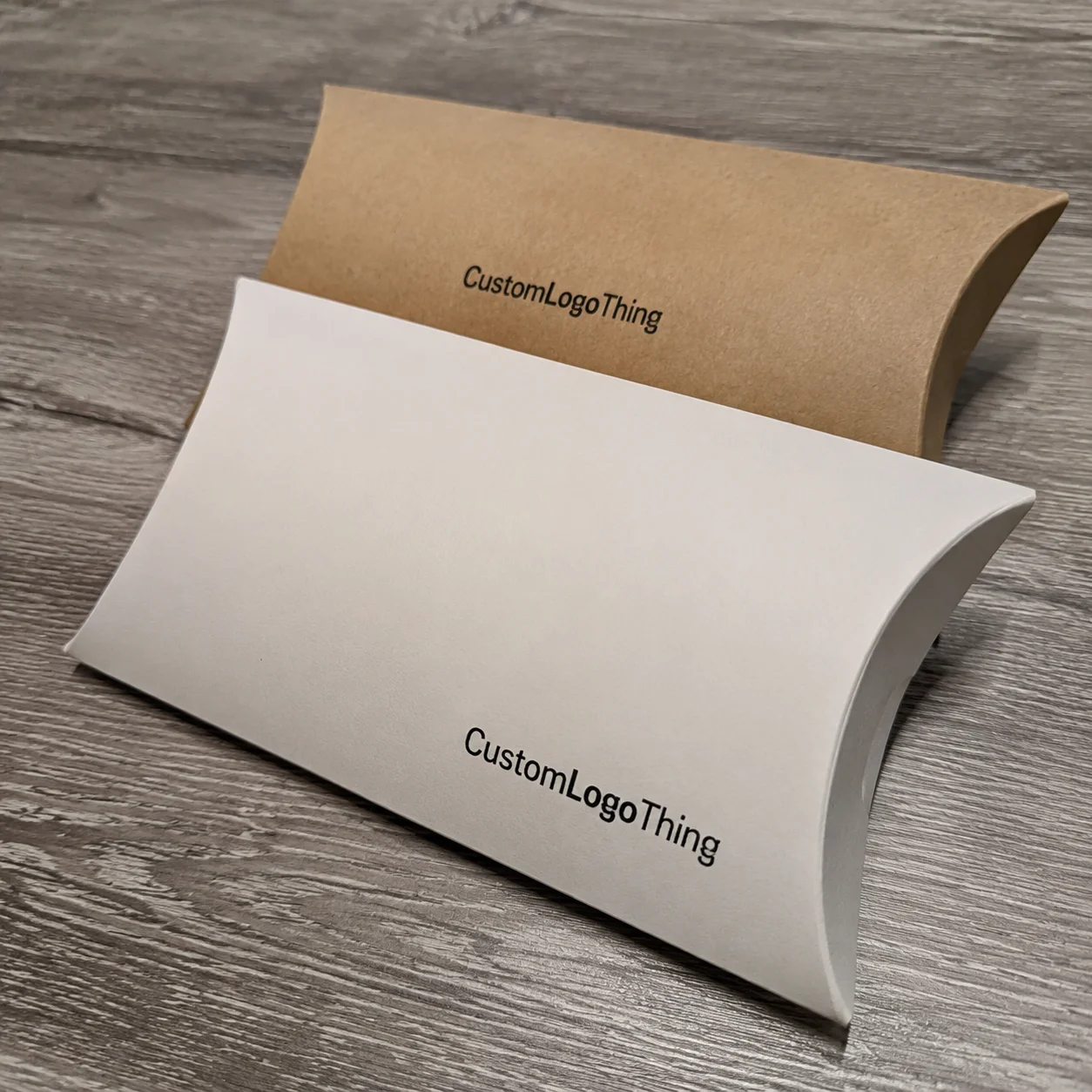
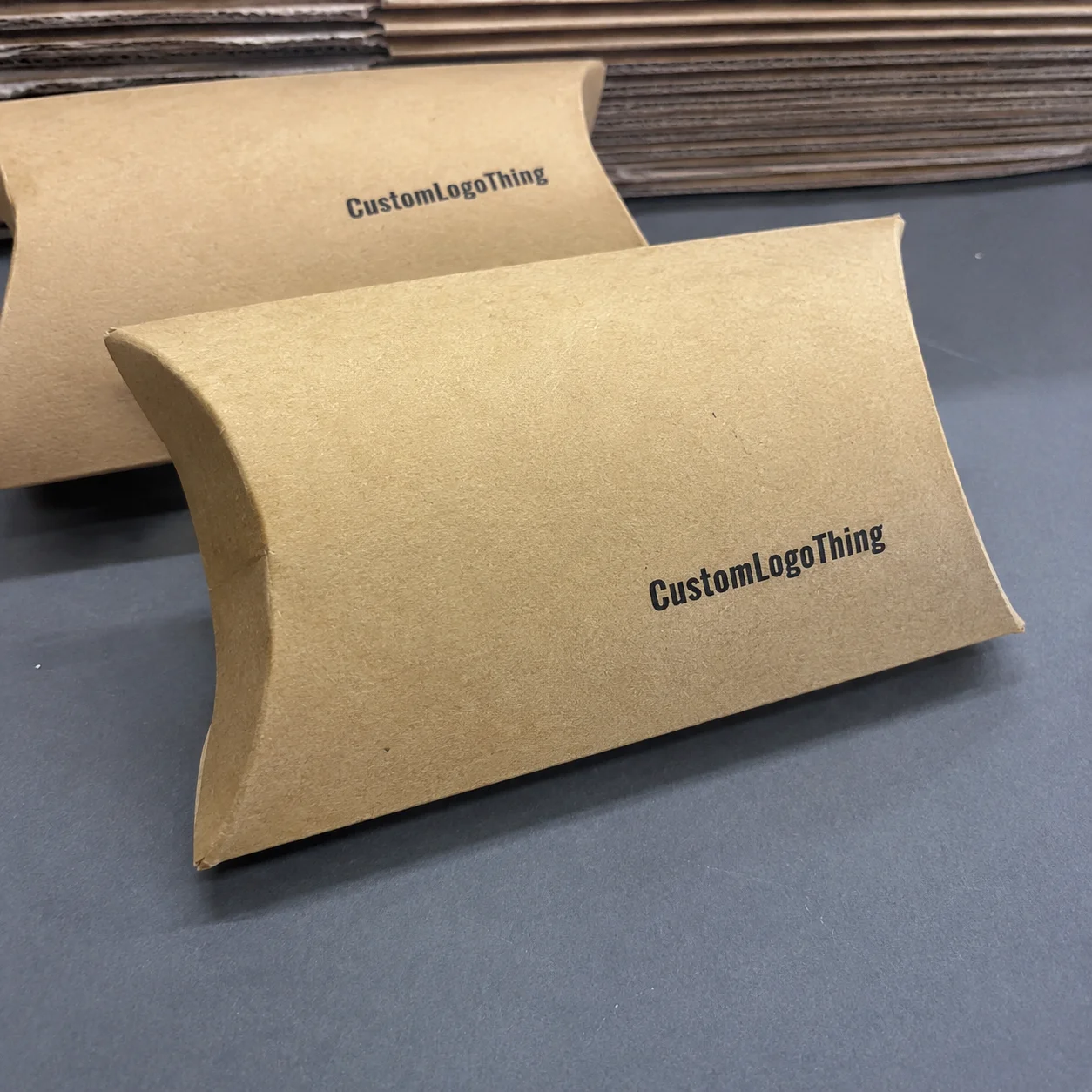
Buyer Fit Snapshot
| Best fit | Packaging Supplier Bulk Order projects where brand print, material claims, artwork control, MOQ, and repeat-order consistency need to be specified before quoting. |
|---|---|
| Quote inputs | Share finished size, material target, print colors, finish, packing count, annual reorder estimate, ship-to region, and any compliance wording. |
| Proofing check | Approve dieline scale, logo placement, barcode or warning zones, color tolerance, closure strength, and carton packing before bulk production. |
| Main risk | Vague material claims, crowded artwork, missing packing details, or unclear freight terms can make a low unit price expensive after revisions. |
Fast answer: Packaging Supplier Bulk Order: Costs, Specs, and Process should be specified like a repeatable production item. The safest quote records material, print method, finish, artwork proof, packing count, and reorder notes in one written spec.
Production checks before approval
Compare the actual filled-product size with the drawing, then confirm tolerance on folds, seals, hang holes, label areas, and retail display edges. Reserve space for logos, QR codes, warning copy, and material claims before decorative graphics fill the panel.
Quote comparison points
Review material grade, print process, finish, sampling route, tooling charges, carton quantity, and freight assumptions side by side. A quote is only useful when the supplier can repeat the same color, closure quality, and packing count on the next order.
The first time I walked a folding-carton line in Dongguan, a customer lost more money from a 2 mm insert error than from the entire print-run discount they had negotiated with their Packaging Supplier Bulk Order partner. That moment has stayed with me because it captures the real math of packaging: a low unit price means very little if the carton collapses in transit, the product rattles inside the shipper, or the proof was approved against the wrong dieline. Packaging looks simple from a conference room, but on the factory floor it is a stack of decisions, each one with a cost attached.
Custom Logo Things gets a lot of buyers asking about packaging supplier bulk order pricing, and the answer is never only about how low the unit cost can be. Fit, materials, freight, lead time, and the supplier’s ability to produce custom printed boxes that hold up in a warehouse, on a shelf, and inside the customer’s hands all matter just as much as the number on the quote. If you are comparing corrugated mailers, rigid boxes, or folding cartons, the right packaging partner should be able to explain the tradeoffs clearly and without jargon, even if the answer is a little less tidy than procurement would prefer.
Why Bulk Packaging Orders Save More Than Money
A packaging supplier bulk order usually lowers cost because long runs reduce setup changes, press adjustments, and line stoppages. When a factory is running 15,000 folding cartons instead of 1,500, the paperboard waste per unit drops, the ink room is not resetting the same colors every hour, and the folder-gluer can keep moving with fewer interruptions. Those efficiencies show up in the quote, though they also show up in cleaner output and fewer headaches down the line. That part is not glamorous, but it is where real savings live.
The larger savings are often operational. I’ve seen brands burn through emergency freight charges because they underestimated seasonal demand by just two weeks. I’ve also seen a subscription box client in Chicago spend more on repeat rush orders than they would have paid for a well-planned packaging supplier bulk order that covered the quarter. The unit price looked acceptable either way; the logistics told the real story. Once a team starts paying for panic, the budget starts slipping in all the usual places.
Bulk buying also supports steadier inventory planning, especially for retail packaging and e-commerce programs that need consistent branding across every shipment. If your cartons, mailers, and inserts all match the same Pantone reference and die line, your package branding stays tight across channels. Finance teams often see that as a nice-to-have until a reprint exposes how much consistency protects both presentation and margin. In practice, consistency is one of the cheapest forms of brand insurance you can buy.
A good packaging supplier bulk order relationship should also help you avoid quality drift. I remember a cosmetics buyer who used three vendors for the same SKU family; the board thickness varied just enough that one lot stacked higher on pallets and crushed the top row during warehouse handling. We corrected it by standardizing the spec to a 350gsm SBS sheet with a tighter tolerance, and the damage claims dropped fast. The lesson was plain: if the spec floats, the outcome floats with it.
Typical bulk order products include folding cartons, Rigid Setup Boxes, corrugated mailers, paper bags, custom inserts, and branded shipping boxes. Each one solves a different problem, and a smart packaging supplier bulk order conversation starts with the product, not the box catalog. It also helps to think in terms of package performance, not just appearance, because the structure that looks best in a render may not be the one that runs best on a packing table. A pretty box that jams the line is still a problem, just a prettier one.
Packaging Products You Can Order in Bulk
The most common packaging supplier bulk order categories become clear once you’ve spent time on a production floor. Folding cartons are the workhorse for cosmetics, supplements, personal care, and small electronics because they print beautifully, ship flat, and convert well on automated lines. Rigid boxes, with wrapped chipboard and premium closures, are better for luxury goods, gift sets, and high-touch retail packaging where presentation matters as much as protection.
Corrugated shippers sit at the other end of the spectrum. They are built for strength first, then decoration second. For an e-commerce brand, a kraft corrugated mailer with a clean one- or two-color flexographic print is often the best balance of cost and performance. In a packaging supplier bulk order, that structure usually outperforms a more decorative carton if the product is traveling through multiple touchpoints before delivery. I’ve seen fancy packaging lose to plain kraft more times than I can count, and not because the fancy box was bad, just because the route was rough.
For materials, I like to keep the explanation practical. SBS paperboard gives you a smooth print surface and predictable folding, which is why it is common in Product Packaging That needs sharp graphics. Kraft corrugated is stronger and carries a more recycled appearance, which helps with sustainability messaging. Rigid chipboard wrapped with printed paper gives a premium feel, but it adds labor and material cost, so it belongs in the right category rather than every category. A thoughtful packaging supplier bulk order quote should show those differences clearly, not bury them in a single line item.
Production methods also move the price needle. Offset printing gives crisp color and strong detail for larger runs. Flexographic printing is efficient for shipping cartons and mailers. Digital prototyping is useful when the design is still changing, because it lets you check structure before committing. Then there is finishing work like foil stamping, embossing, debossing, matte lamination, gloss lamination, and aqueous coating. Each one changes the look, the handling, and the budget, so a packaging supplier bulk order should never be quoted as though all finishes cost the same.
Accessories can be the silent budget eater. Foam inserts, molded pulp trays, PET windows, magnetic closures, and tear strips all add function, but they also add steps, tooling, or assembly time. I once sat through a supplier negotiation where a brand wanted a luxury unboxing feel, but the magnetic closure alone added enough cost that their margin on a $42 gift set would have been squeezed hard. We switched to a structured tuck and a premium insert instead. Same look, saner economics, and the packaging supplier bulk order stayed within target.
Bulk ordering is not one-size-fits-all. A 500-gram candle needs a different board grade than a 20-pound countertop appliance, and a box built for shelf display is not the same as one designed for pallet compression. If your product ships through a warehouse network, then edge crush strength, flute type, and stacking behavior matter just as much as print quality. If it is a boutique retail launch, the artwork and tactile finish may matter more. A smart packaging supplier bulk order partner will ask those questions before quoting, because the wrong question at the start usually becomes the wrong box at the end.
Specifications That Matter Before You Place an Order
Before you approve a packaging supplier bulk order, confirm the specs that actually control fit and performance. Internal dimensions should be listed clearly, not rounded off. Board caliper matters because a 400gsm board and a 350gsm board may look similar on paper but behave differently in the folder-gluer. For corrugated, you want to know flute type, burst strength, and edge crush test, because those numbers tell you how the carton survives stacking and transit.
Factory reality is unforgiving on size. A box that is 1.5 mm too tight can scuff corners, crease labels, or pinch a fragile cap. A box that is too loose may increase the amount of void fill needed, which raises packing labor and freight cost. I’ve watched a line in Shenzhen slow down because inserts were drawn at nominal dimensions instead of actual product dimensions, and every tenth carton had to be adjusted by hand. That kind of slip turns a clean packaging supplier bulk order into a mess, and it is usually avoidable with one careful measurement pass.
Artwork requirements should be pinned down early. Ask for the dieline, bleed area, safe zone, and file format preference. Confirm whether your supplier prints to Pantone, CMYK, or spot color references. If you have a brand color that must stay consistent across branded packaging, then get that in writing. I’d rather see one extra proof round than a pallet of cartons that are too blue by eye and too wrong for the brand team. Print tolerances are real, but so is brand memory.
Sustainability specs matter too, but they need precision. FSC-certified paper can support forest stewardship claims, recycled content can lower environmental impact, and soy or water-based inks are often preferred for certain applications. Once you add mixed materials, heavy laminations, or non-recyclable components, the disposal path changes. If recyclability is a requirement, tell your packaging supplier bulk order partner upfront and ask how the finish affects end-of-life handling. For reference, FSC maintains clear chain-of-custody standards at fsc.org, and the EPA’s packaging and waste guidance is a useful baseline at epa.gov.
Ask for samples, structural mockups, and production proofs. A plain white mockup will not tell you everything, but it will reveal insert fit, closure behavior, and whether the product slides too much inside the carton. If the item is fragile, ask for drop-test planning aligned with ISTA protocols. The International Safe Transit Association publishes standards and test logic at ista.org. A serious packaging supplier bulk order supplier should not resist proofing; they should welcome it. If they push back hard on samples, that usually tells you something useful.
Pricing, MOQ, and What Actually Drives Your Cost
The biggest cost drivers in a packaging supplier bulk order are material grade, box style, print colors, finishing effects, insert type, order volume, and tooling. A simple kraft mailer is not priced like a Rigid Gift Box with foil stamping, embossing, and a custom EVA insert. That sounds obvious, but buyers still compare them side by side and wonder why the prices are so far apart. They are not buying the same object, even if both happen to be called a box.
MOQ, or minimum order quantity, exists because the factory has real setup work to recover. Plates need to be made, presses need to be calibrated, dies need to be mounted, and the gluing or trimming line has to run long enough to reach efficiency. I’ve negotiated with plants that would reduce MOQ slightly if a client accepted a standard board grade or a simpler finish, and that kind of tradeoff can make sense. A fair packaging supplier bulk order MOQ is usually tied to actual manufacturing labor and waste rather than arbitrary sales pressure.
Pricing usually improves in tiers. A run of 2,000 may be materially more expensive per unit than 5,000, and 10,000 often improves further if the design is simple. Still, ultra-low pricing can hide extra freight, weak packing, or sloppy quality control. I once saw a client save $0.03 per unit on a carton order, only to pay more than $1,200 in replacement freight because the cartons arrived crushed at the corners. That is why a packaging supplier bulk order should be measured on landed cost, not just box cost. The quote that looks best on screen does not always look best on the receiving dock.
When you compare quotes, separate the pieces. Unit price is only one line. Tooling, samples, freight, warehouse fees, overrun allowances, remake risk, and inspection costs can all change the final number. Ask for a quote at multiple quantities, such as 3,000, 5,000, and 10,000 units, so you can see the breakpoints. That makes it easier to decide whether extra inventory is worth the savings on your packaging supplier bulk order.
One thing most people get wrong is assuming the lowest MOQ is automatically better for cash flow. Sometimes it is. Sometimes it is not. If you are launching a new SKU with uncertain demand, a smaller run may protect you. If you have repeat volume, a larger packaging supplier bulk order can lower unit cost and protect you from stockouts. The right answer depends on product velocity, storage space, and how expensive a rush reorder would be. In other words, it depends on your real operating picture, not just the spreadsheet.
How Does a Packaging Supplier Bulk Order Work?
A packaging supplier bulk order usually begins with a request for quote, but the best suppliers will ask more questions before they price anything. They want product dimensions, shipping method, artwork status, material preference, and any special handling requirements. That early discovery step helps the factory avoid quoting the wrong structure, which is especially useful if the order includes inserts, windows, or premium finishing.
After the initial quote, the supplier typically prepares a dieline and, if needed, a structural sample. That sample may be plain white or printed, depending on the stage of the project. In a good packaging supplier bulk order, this is the point where fit is confirmed, closure behavior is checked, and the team decides whether the box needs reinforcement, a different board grade, or a changed insert layout. It is far easier to revise at this stage than after plates are made and production has started.
Once the sample is approved, the factory moves into artwork preparation and prepress checks. This is where bleed, safe zones, color management, and file resolution are verified. If the design includes spot colors, foil areas, embossing, or window placement, those elements are mapped into the production file. A carefully managed packaging supplier bulk order should include a proofing loop that gives the buyer one last chance to catch errors before the press run. Skipping that step tends to cost more than the proof ever would.
Production follows, along with in-line quality checks for print registration, glue strength, die-cut accuracy, and assembly consistency. A reliable supplier should also confirm packing method and pallet arrangement before shipment. A packaging supplier bulk order can look perfect on the line and still arrive damaged if it is stacked badly, wrapped loosely, or loaded without protection against compression. I’ve seen more than one “good” shipment turn into a claim because the pallet build was lazy.
Freight and delivery close out the process. Depending on volume and destination, this may involve ocean freight, air freight, or domestic trucking from a regional warehouse. Buyers often focus so much on the unit price that they forget transit time and import handling can change the effective cost. If your packaging supplier bulk order is tied to a launch date, that final shipping window matters as much as the production schedule. A delayed carton is still a delay, even if the factory did everything else right.
From Artwork Approval to Delivery: The Ordering Timeline
The ordering process for a packaging supplier bulk order usually starts with discovery and quote, then moves to dieline confirmation, artwork setup, structural sampling, proof approval, production, quality checks, packing, and shipment. That sounds linear, but in real factory life, there are often two or three loops back to artwork if a logo sits too close to a fold, or if a fold-over flap interferes with the design. The process is orderly on paper and a little messier in practice, which is normal.
Different manufacturing methods change the schedule. Digital proofs and sample runs can move quickly, sometimes in just a few days, because they do not require the same plate-making or press setup. Offset-printed runs, especially with multiple finishes, usually need more lead time. A detailed packaging supplier bulk order with foil, embossing, and glued inserts will never move as fast as a simple corrugated shipper, and buyers should plan accordingly. Nobody likes to hear that, but the press schedule does not care about the launch party.
Delay points are usually predictable. Missing artwork dimensions, last-minute copy edits, unapproved brand colors, and internal stakeholder delays are the usual suspects. I’ve sat in meetings where marketing approved the visual, operations approved the structure, and procurement waited on legal, only for a launch date to creep forward by ten business days. That is not a supplier failure. That is a planning failure inside the buyer’s team, and the packaging supplier bulk order gets blamed for it anyway.
A good supplier should inspect during production, not just at the end. That means in-line checks on print registration, glue quality, die-cut accuracy, and insert fit. If the carton is for transit-heavy use, compression testing may be appropriate. Proper palletizing matters too, because a nice carton can still get damaged if it is stacked badly and wrapped poorly. For a serious packaging supplier bulk order, I want to see safe transport standards before the truck ever leaves the dock.
My practical planning advice is simple: budget time for sample review, final signoff, and freight transit. If a launch is fixed for the first week of next month, the packaging should be in motion well before that. A packaging supplier bulk order that lands after launch is not a savings win; it is an operational headache with a cheaper unit price. That tradeoff never feels clever once the shelf is empty.
Why Choose a Packaging Supplier That Handles Bulk Orders Well
Not every supplier is strong at bulk production. Some can sell samples all day, but once the order reaches 8,000 or 20,000 units, communication gets fuzzy and quality control starts to wobble. The best packaging supplier bulk order partner brings factory knowledge, steady updates, and the ability to manage complex runs without losing track of spec, timing, or output consistency. That difference shows up fast once the job leaves the quote stage.
Look for real manufacturing strengths. Die-cutting accuracy matters because sloppy cuts create weak folds and uneven lids. Folder-gluer consistency matters because glue failure on a high-speed line is expensive to fix. Offset color management matters because branded packaging should look the same from one pallet to the next. Warehouse packing matters because a box that leaves the plant in perfect condition can still arrive damaged if it is palletized carelessly. A reliable packaging supplier bulk order team should speak to all of that, not just pricing.
Direct manufacturing relationships matter because they reduce handoffs. Fewer handoffs mean clearer accountability, faster problem solving, and a better chance that your spec matches what the factory can actually make. I’ve seen buyers work through trading companies and lose days chasing answers that should have taken one phone call. A direct packaging supplier bulk order partner can usually give you more precise advice about materials, tolerances, and cost tradeoffs. That kind of clarity is worth a lot when the calendar gets tight.
Service matters too. Packaging consultation, repeat-order file retention, sample support, and scalable production capacity are not small extras; they are what keeps your product packaging stable over time. If you want to see the range we support, review our Custom Packaging Products and compare them with our Wholesale Programs for larger recurring runs. A strong packaging supplier bulk order relationship should make reorders easier, not harder, and it should save your team from rebuilding the same file every quarter.
Here’s what most people get wrong: they buy a box, not a process. The box is visible, but the process is what protects your margin, your launch calendar, and your brand presentation. That is why the right packaging supplier bulk order choice is a manufacturing decision, not just a procurement decision. Once you start treating it that way, the quotes make more sense and the surprises get smaller.
Next Steps to Place a Confident Bulk Order
If you are ready to place a packaging supplier bulk order, gather the basics first: product dimensions, target quantity, packaging style, print assets, shipping destination, and any sustainability requirements. If you already know the closure style, insert type, or board preference, include that too. The more precise your brief, the cleaner the quote. A vague request almost always produces a vague answer, and then everybody wastes time.
Ask for a line-item quote that separates unit price, tooling, samples, freight, and optional upgrades. That makes comparison much easier, especially if one supplier includes the dieline and another charges separately for it. For a high-value packaging supplier bulk order, ask for the quote at more than one quantity so you can see the price breakpoints clearly. If the supplier can’t break out the numbers, that is usually a sign to ask harder questions.
If the item is fragile, unusually shaped, or premium enough that presentation must be exact, start with a sample or prototype first. I’ve seen a $0.12 insert save a $12 product from damage, and I’ve seen a $0.04 shortcut create returns that wiped out the entire margin. There is no trophy for skipping the sample on a packaging supplier bulk order. Cutting corners here is kinda the wrong place to be thrifty.
Also confirm the timeline in writing. You want proof approval date, production start, quality review, and shipment window all documented. If you need help organizing the order details before you send RFQs, the FAQ page is a useful starting point for common questions. A well-managed packaging supplier bulk order begins with clear paperwork and ends with cartons on time. That is the part that protects both the launch and the margin.
My closing advice: build your reorder threshold now, while the numbers are fresh. If you wait until the last pallet is gone, you are already inside the danger zone. A steady packaging supplier bulk order plan protects cash flow, keeps branding consistent, and gives your team room to breathe instead of chasing emergency production. Set the next order point before the current run lands, then keep the spec locked so every reorder starts from the same facts.
“The cheapest quote usually looks best on the first page. The best quote still looks best after freight, inspection, and the first warehouse pallet is opened.”
Packaging Supplier Bulk Order: decision table
| Decision area | Best fit | What to verify | Risk if skipped |
|---|---|---|---|
| Quote scope | Comparing suppliers and order quantities | Tooling, sample, unit cost, packing, and freight assumptions | Lowest quote wins until missing line items appear |
| MOQ and repeat order | Launch orders, seasonal runs, and scaled reorder plans | MOQ breaks, lead time, storage, and SKU grouping | First order works but reorder cost jumps |
| Approval process | Avoiding rework before bulk production | Dieline, proof, sample, tolerance, and sign-off owner | Bulk production starts before the spec is truly locked |
FAQ
What should I ask a packaging supplier bulk order quote to include?
Ask for unit price, tooling or die costs, sample charges, freight estimates, and any overrun or underrun policy. Request the exact material, board grade, print method, coating, and finishing details so quotes are comparable. Confirm whether artwork setup and structural sampling are included or billed separately. A complete packaging supplier bulk order quote should make hidden costs obvious before you approve anything.
How do I know the MOQ for a bulk packaging order is fair?
Compare MOQ to the supplier’s setup requirements, such as plate creation, press make-ready, die cutting, and gluing line changes. A fair MOQ usually reflects real manufacturing labor and material waste, not an arbitrary sales target. If the MOQ seems high, ask whether alternate materials or print methods can lower it. That is especially true on a packaging supplier bulk order with custom finishing.
How long does a packaging supplier bulk order usually take?
Timelines depend on sample approval, artwork readiness, print method, and finishing complexity. Simple digital sample jobs move faster, while offset-printed or highly finished boxes take longer. Freight transit should always be added to production time when planning launch dates. For a packaging supplier bulk order, I would always build in buffer time for final proof review.
Can I order custom packaging in bulk if my artwork is not final?
Yes, many suppliers can start with dielines, structural samples, or placeholder artwork while final files are being prepared. Production should not begin until dimensions, copy, and branding are approved. Delays usually happen when artwork revisions come after proofing on a packaging supplier bulk order.
What is the best way to reduce cost on a bulk packaging order?
Simplify the structure, reduce unnecessary finishing, and choose standard materials where possible. Increase quantity if storage allows, because larger runs often lower the per-unit price. Ask for landed cost comparisons so freight and hidden fees do not erase the savings. That is the cleanest way to manage a packaging supplier bulk order without sacrificing quality.