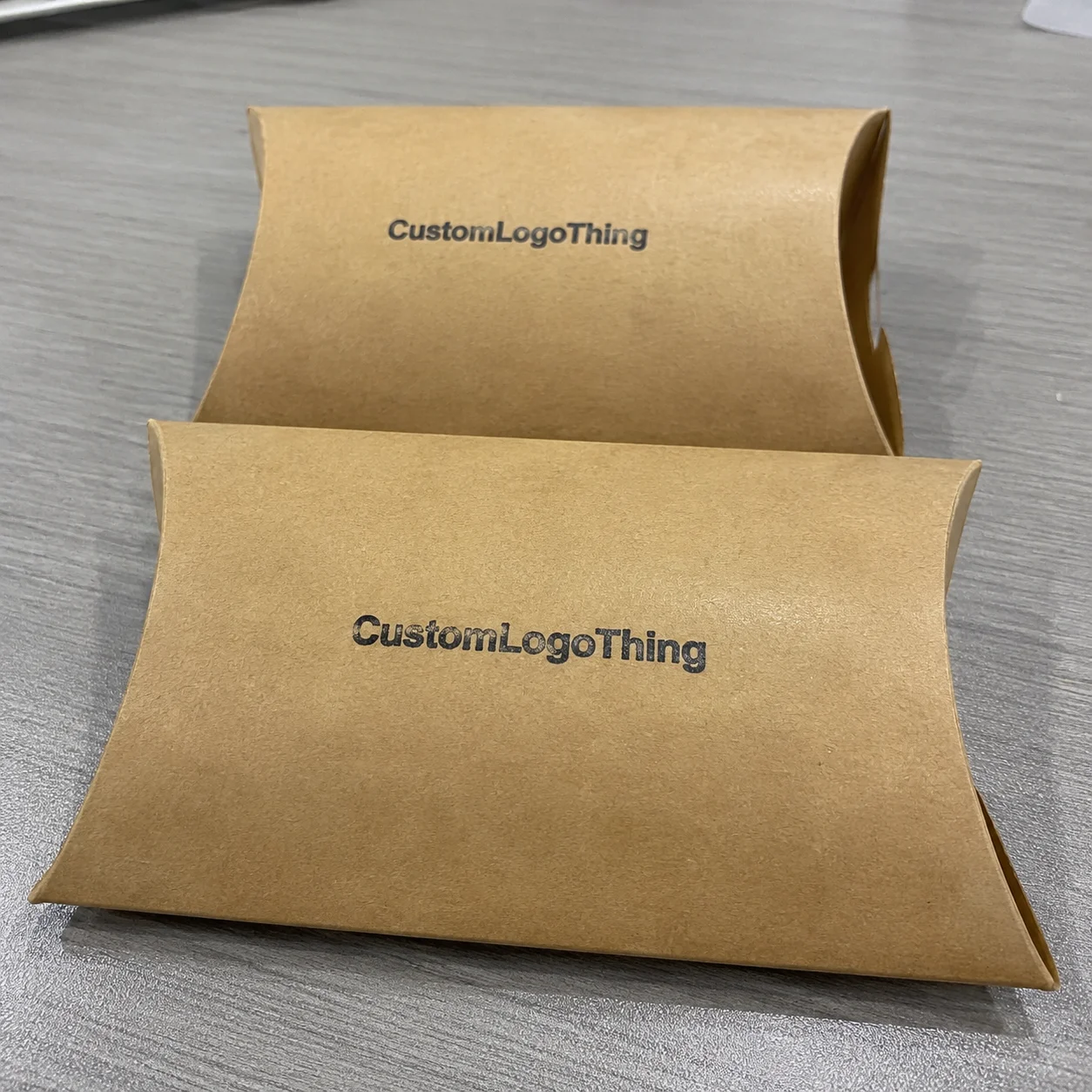
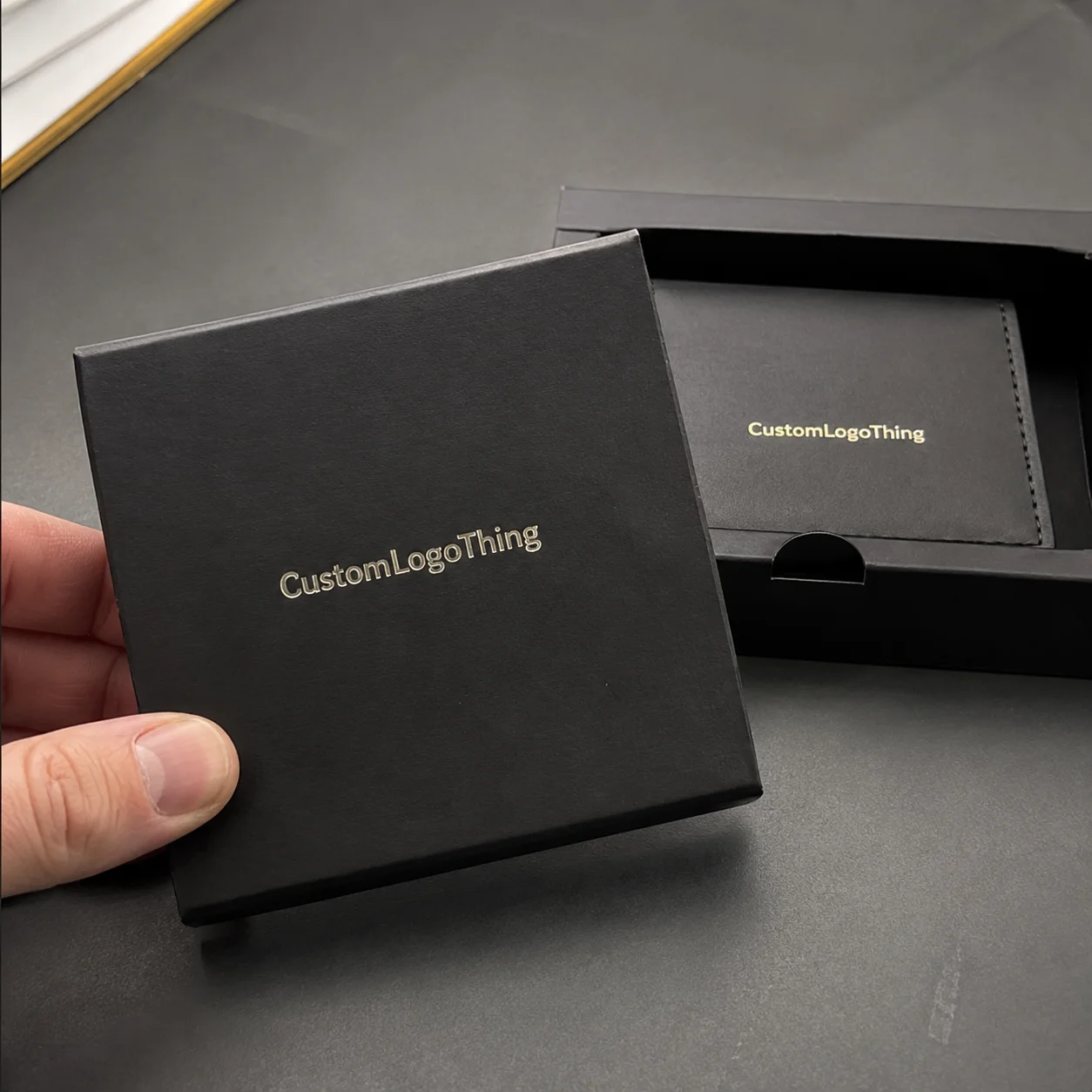
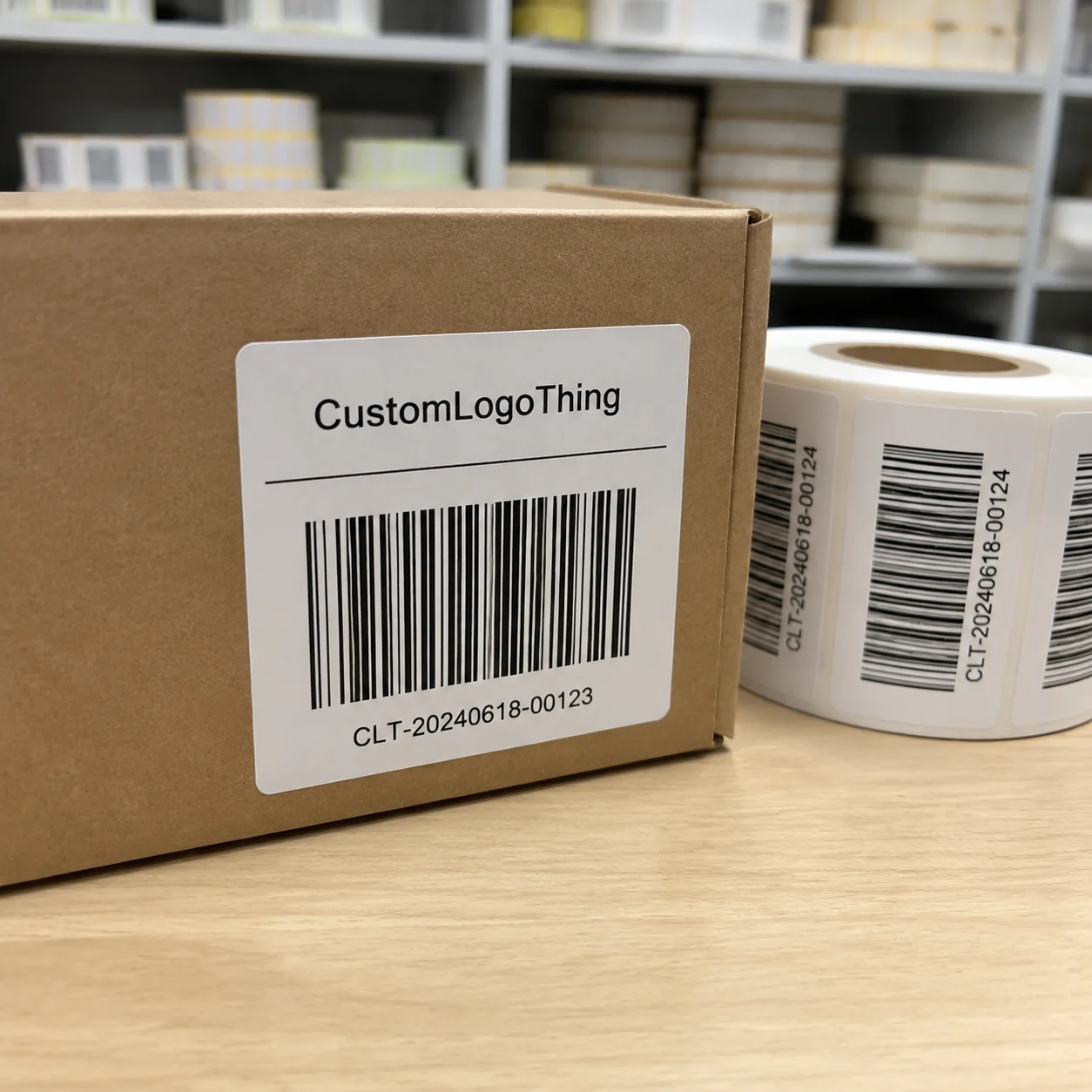
Buyer Fit Snapshot
| Best fit | Packaging Supplier Bulk Order projects where brand print, material claims, artwork control, MOQ, and repeat-order consistency need to be specified before quoting. |
|---|---|
| Quote inputs | Share finished size, material target, print colors, finish, packing count, annual reorder estimate, ship-to region, and any compliance wording. |
| Proofing check | Approve dieline scale, logo placement, barcode or warning zones, color tolerance, closure strength, and carton packing before bulk production. |
| Main risk | Vague material claims, crowded artwork, missing packing details, or unclear freight terms can make a low unit price expensive after revisions. |
Fast answer: Packaging Supplier Bulk Order: Material, Print, Proofing, and Reorder Risk should be specified like a repeatable production item. The safest quote records material, print method, finish, artwork proof, packing count, and reorder notes in one written spec.
Production checks before approval
Compare the actual filled-product size with the drawing, then confirm tolerance on folds, seals, hang holes, label areas, and retail display edges. Reserve space for logos, QR codes, warning copy, and material claims before decorative graphics fill the panel.
Quote comparison points
Review material grade, print process, finish, sampling route, tooling charges, carton quantity, and freight assumptions side by side. A quote is only useful when the supplier can repeat the same color, closure quality, and packing count on the next order.
The Bulk Order Mistake That Cost Us $40,000
Sarah ran a direct-to-consumer supplement brand selling organic protein powder in 2-pound resealable pouches. She projected 50,000 units of monthly demand based on her Q3 sales figures from July through September. Q4 hit and demand spiked 65% instead of the 15% she budgeted for. Her packaging supplier bulk order had already shipped from a factory in Dongguan—she was stuck with three months of inventory and no stand-up pouches with degassing valves for the actual customers walking through her digital door on Black Friday. Generic packaging supplier bulk order terms nearly sank her entire holiday launch. Her supplier required 45-day lead times with no flexibility. By the time she could get replacement pouches printed at a domestic facility in Vernon, California, she'd lost an estimated $40,000 in sales because customers weren't waiting two weeks for backordered supplements. I still remember the phone call where she told me what happened. The frustration in her voice haunts me to this day. Don't let this be you. Here's what most suppliers won't tell you about MOQ negotiations: they're often negotiable if you understand the real cost drivers. During a visit to our Shenzhen facility last year, I watched a factory manager reduce a 5,000-unit MOQ to 2,500 because the buyer agreed to a 21-day lead time instead of 14 days and paid the $1,200 tooling costs upfront. The setup fees are what drive minimums, not some arbitrary number the sales team pulled out of thin air. Honestly, I think most buyers never even try to negotiate because they assume the MOQ is set in stone. Spoiler: it's not. Most first-time bulk order buyers treat it like a one-time transaction instead of the beginning of a supply relationship. That approach costs money. You have leverage as a buyer if you're willing to be flexible on timeline or commit to repeat orders.What You Get When You Order Packaging in Bulk
Approaching a packaging supplier for bulk order quantities opens doors to options that simply aren't economical at smaller volumes. The type of packaging you need depends entirely on your product, but here's what I typically see clients ordering from facilities in Shenzhen, Los Angeles, and Guadalajara. **Corrugated boxes** dominate e-commerce shipping. Double-wall corrugated provides excellent crush resistance for heavier products. A 12x12x8 ECT-44 corrugated box at 5,000 units typically runs between $0.85-$1.20 per unit depending on print complexity. For lighter items under 2 pounds, single-wall 32 ECT often suffices and runs $0.62-$0.88 per unit at the same volume. **Poly mailers** have become the backbone of DTC brands. They're lightweight, water-resistant, and cheap to ship. Custom printed mailers with your branding start making sense economically around 2,500 units. I've seen clients pay $0.18 per unit at 10,000 units versus $0.38 at 2,500—that's real money when you're shipping 50,000 packages monthly. Recycled poly mailers with 30% post-consumer content run $0.21 per unit at 10,000 versus $0.43 for virgin material at 2,500. **Rigid boxes** scream premium. Think Apple packaging—thick chipboard wrapped in printed paper. These require specialized tooling and longer print runs to justify the setup costs, but for product packaging that creates unboxing moments, they're worth every penny. Our rigid box production in Vernon, California handles 500-2,000 unit runs with 10-14 day lead times versus the 4-6 weeks typically required for Asian production. Flexible packaging covers everything from stand-up pouches to shrink sleeves. These typically need rotogravure printing, which requires significant volume to amortize the printing cylinders. Minimums often start at 10,000 units for flexible packaging with 2-3 week lead times for domestic production. Custom print capabilities matter almost as much as the substrate. Flexography works for simple designs and brown kraft backgrounds, typically running $0.05-$0.12 per unit in ink costs. Offset lithography delivers photographic quality and spot colors, adding $0.15-$0.35 per unit for plates but reducing per-unit costs at higher volumes. Digital printing has no setup fees but higher per-unit costs—perfect for personalized packaging or smaller runs under 1,500 units. Screen printing handles specialty inks like metallics and fluorescents, with setup fees around $300-$600 per color. Material grades directly impact protection and presentation. 200 GSM paperboard versus 350 GSM changes the structural integrity of your retail packaging significantly. For 350gsm C1S artboard with UV coating, expect $0.28-$0.42 per unit at 10,000 units; the thinner 250gsm alternative runs $0.19-$0.31 but may not pass drop tests from 36 inches. I've had clients save $0.05 per unit on material grade only to discover their boxes arrived crushed because they chose the wrong compression strength for their product weight. Sustainable options exist now at nearly every price point. Recycled corrugated runs 10-15% premium but satisfies increasingly eco-conscious consumers. FSC-certified materials guarantee responsible forestry practices—something B-Corp companies and major retailers increasingly require. Recycled-content poly mailers with GRS (Global Recycled Standard) certification are available at $0.23 per unit at 5,000 units versus $0.18 for standard virgin material.Packaging Specifications That Actually Matter
Most buyers focus on dimensions and ignore everything else. That's an expensive habit, and I mean that in the worst possible way. I inspected a client's shipment last month where the boxes were technically the right size but the flaps didn't close properly because no one specified the flap crease allowance. Those boxes went straight to recycling. We ended up eating $12,000 in production costs because the spec sheet was incomplete. $12,000. For a crease. Let that sink in for a moment. Dimensional tolerances sound nitpicky until you're building 50,000 units that don't stack in your warehouse. Industry standard tolerance is ±1/8 inch on most measurements, but on a 12x12x12 box, that variance means some won't fit your fulfillment station's packing table. Specify your tolerances explicitly. Or don't, and join the club of stressed-out warehouse managers everywhere. Burst strength versus edge crush test causes confusion constantly. Burst strength measures total pounds per square inch needed to rupture the material. Edge crush test measures pounds-force per inch on the edge. For stacking applications, edge crush matters more. For containing products that might shift and bang against walls, burst strength becomes critical. | Test Type | What It Measures | Best Used For | |-----------|------------------|---------------| | Burst Strength (Mullen) | Total puncture resistance (measured in PSI) | Light products under 5 lbs, poly bags, flexible packaging | | Edge Crush Test (ECT) | Vertical stacking strength (measured in pounds-force per inch) | Shipping boxes, corrugated containers, palletized shipments | | Flat Crush | Compression resistance on the face | Pallets, layered stacking, heavy product containment | Coating and finishing options affect both aesthetics and durability. Aqueous coating provides basic protection and enhances color vibrancy, adding $0.03-$0.06 per unit. UV coating offers superior scratch resistance but costs $0.07-$0.12 per unit more and creates recycling challenges due to the plastic content. Soft-touch lamination gives that premium tactile feel but adds $0.08-$0.15 per unit depending on box size—our clients using it for candle packaging and luxury skincare report 40% fewer returns due to damaged products. Certifications matter more than most first-time buyers realize. FSC (Forest Stewardship Council) certification traces wood fiber back to responsibly managed forests, with Chain of Custody certification adding $0.02-$0.05 per unit. SFI (Sustainable Forestry Initiative) is the North American alternative with slightly different standards, typically costing $0.01-$0.03 less per unit than FSC. GMI (Graphic Arts Institute) certification relates to color management and print consistency standards—critical when you're trying to match packaging across multiple print facilities. If you're working with major retailers, take note: Target and Walmart both have sustainable packaging requirements that increasingly mandate FSC certification for paper-based packaging. Amazon's Frustration-Free Packaging program requires ISTA 6 testing and specific recyclability standards for units shipped in ships-in-own-container mode.Bulk Order Pricing and Minimum Order Quantities
Here's where the math gets interesting. Moving from 500 to 5,000 units on most packaging supplier bulk order arrangements drops unit costs by 40-60%. That sounds obvious, but let me break down exactly why. The setup fee stays constant whether you print 500 or 5,000 boxes. That die-cutting tooling, printing plates, or cylinder costs might be $800-$2,500 depending on complexity. At 500 units, you're paying $5 per unit just to cover setup. At 5,000 units, that same $2,500 setup cost drops to $0.50 per unit. Materials and labor per unit also decrease because machines run more efficiently at higher volumes. Typical MOQ ranges by packaging type vary significantly: - Corrugated boxes: 1,000-2,500 units (setup fees $600-$1,500) - Poly mailers: 2,500-5,000 units (cylinder costs $800-$2,000) - Rigid/luxury boxes: 500-1,000 units (tooling costs $1,200-$3,500) - Flexible packaging: 5,000-10,000 units (gravure cylinders $2,500-$6,000) Setup fees typically range from $500 for simple single-color flexo to $3,500 for multi-color offset with special finishes. Digital printing eliminates most setup fees but carries higher per-unit pricing—making it economical only below 2,000-3,000 units depending on size. Freight and import duties sneak up on buyers focused only on unit pricing. I've seen overseas quotes that looked 30% cheaper than domestic options until we factored in $18,000 in ocean freight from Shenzhen to Long Beach, $4,200 in import duties at 6.5% for HTS code 4819.20, and three weeks of inland freight to the warehouse. Suddenly domestic production wins on total cost of ownership when you factor in 45-day lead times versus 14 days and the carrying cost of capital at 8% annually. Warehouse storage fees represent a hidden cost many buyers ignore. Ordering six months of inventory to hit a lower unit price means calculating what that warehouse space costs per month. At $0.35 per square foot monthly in Tier 2 markets like Dallas or Atlanta, storing $15,000 worth of boxes for three months costs $450-$600 in opportunity cost or actual storage fees. Run those numbers before you celebrate a $0.12 per unit savings. The math never works in your favor when you have to store excess inventory for months on end and your working capital is tied up at 12% APR. Oh, and one more thing—don't forget about quality issues. A 3% defect rate on a 50,000-unit order means 1,500 units you can't use. That's real money too.The Production Timeline: From Design to Door
Understanding your packaging supplier bulk order production timeline prevents the kind of panic I saw at a client's facility last spring. They placed an order assuming four weeks to delivery. Their supplier counted four weeks of production but didn't mention two weeks of proofing revisions, five days for plate manufacturing, and ten days for freight transit from overseas. Their launch date got pushed six weeks. I watched their marketing team scramble to update every scheduled social post. It was painful to watch. Standard lead times break down this way: - **Artwork and proofing**: 3-7 business days for initial proofs, 2-3 days per revision (typically 10-14 days total for first-time orders) - **Plate or tooling creation**: 3-5 business days for flexo plates, 5-7 days for offset plates or rotogravure cylinders - **Production run**: 7-14 business days depending on complexity and queue position - **Finishing and quality check**: 2-3 days - **Domestic shipping**: 3-5 business days via UPS Ground or LTL carriers like XPO Logistics - **Overseas freight**: 4-6 weeks depending on port and service level (SeaLand vs. Cosco shipping times vary significantly) What happens during production? After your artwork gets approved (never skip physical proofs for first-time orders—I'm looking at you, people who think digital proofs are sufficient), the supplier creates printing plates or cylinders. Those get mounted on presses. The substrate runs through printing, coating, and finishing stations. Die-cutting happens next, followed by folding and gluing or sealing. Quality control inspects random samples from throughout the run. Rush orders typically carry 25-40% premiums and require paying setup fees upfront with zero flexibility on revisions. I've negotiated rush timelines down from two weeks to ten days by offering to approve proofs within four hours of receipt. Speed costs money, but sometimes speed is the only option. Quality control checkpoints vary by supplier. Good suppliers inspect during production and perform final inspections on randomly sampled boxes before shipping. Ask about their reject rate and what happens when defects are found. Our Shenzhen facility rejects anything exceeding 2% defect rate and reprints batches that fail inspection. Our domestic facilities in Southern California use ISO 9001:2015 protocols with AQL 2.5 sampling standards, rejecting any lot exceeding 1.5% defects.Why Work With Our Packaging Supplier for Bulk Orders
I could write this section generically—talk about quality, service, reliability. But you'd see right through that. Instead, let me give you specific reasons that affect your actual business. Factory-direct pricing means no middleman markup. When you order through brokers or middlemen, you're paying their 15-25% commission on every unit. We operate our own production facilities in Shenzhen, Dongguan, Vernon, California, and Queretaro, Mexico, which keeps our packaging supplier bulk order pricing competitive without sacrificing quality control. I've seen clients' faces when they realize they're paying $0.25 more per unit just because someone else was managing the relationship for them. The shock is always entertaining. Our account managers average 12 years in custom packaging. That means they've seen the problems before you do. They know which aqueous coatings scratch in high-humidity environments above 70% relative humidity, which substrates work better for products with oil-based ingredients like our clients making CBD tinctures, and which certifications your retail partners actually require versus those they mention as suggestions. Free die-line setup and 3D mockups before you commit sounds standard but isn't. Many suppliers charge $150-500 for custom die lines. We provide them free because we're confident in our pricing and want you to see exactly what you're ordering before any commitment. Net-30 terms available for qualified buyers eliminates cash flow strain on large orders. We understand that $50,000 in packaging inventory affects your working capital differently than $50,000 in equipment. Our standard terms are 50% deposit and 50% before shipping, but established accounts with strong payment history qualify for Net-30. Our warehouse fulfillment option means we can drop-ship directly to your 3PL partners in cities like Memphis (FedEx hub), Columbus (Amazon region), or Dallas, eliminating double-handling and reducing your logistics costs. We've had clients reduce their packaging-related logistics spending by 30% just by letting us handle the storage and fulfillment integration. Honestly, if you're shipping more than 10,000 units monthly, you're leaving money on the table without at least exploring this option. Browse our Custom Packaging Products to see what's possible. If you're ordering at volumes above 2,500 units, check our Wholesale Programs for additional pricing tiers.Ready to Place Your Bulk Packaging Order?
Here's what I recommend before you commit: Download our free bulk order calculator first. It factors in unit pricing, setup fees, freight estimates, and storage costs so you can compare our packaging supplier bulk order pricing against what you're currently paying or evaluating from other suppliers. You'll see the actual total project cost, not just a per-unit price. Request a custom quote with your exact specifications second. Generic quotes are useless. I need your dimensions, material preferences, print colors, quantity, and timeline to give you a number you can actually budget with. Our team responds to custom quotes within four business hours—usually faster. Schedule a 15-minute call with our production team third. This isn't a sales call designed to close you. It's a technical review where our production manager looks at your specs and tells you if anything's missing, if your timeline is realistic, or if there's a more cost-effective approach you haven't considered. I've sat in on dozens of these calls. The insights are worth the time. Plus, you get to ask a production expert your weird specific questions, which is always more valuable than you'd expect. The FAQ section covers common questions about lead times, sample policies, payment terms, and customization options. If your question isn't answered there, include it in your quote request.Frequently Asked Questions
What is the typical minimum order quantity for bulk packaging?
Most packaging suppliers set MOQs between 1,000-5,000 units depending on product type. Corrugated boxes typically require 1,000-2,500 units minimum due to die-cutting setup costs of $600-$1,200. Poly mailers and flexible packaging usually start at 2,500-10,000 units due to rotogravure cylinder costs ranging from $2,500-$6,000. Rigid and luxury packaging has lower unit minimums (500-1,000 units) because the higher setup costs of $1,500-$3,500 are absorbed by the premium pricing on those items.
How much can I save by ordering packaging in bulk versus smaller quantities?
Unit costs typically drop 40-60% when doubling or tripling order quantity. For example, custom mailers at 1,000 units might cost $0.85 each versus $0.42 at 5,000 units and $0.31 at 15,000 units. Setup fees spread across more units drive the per-item price down significantly. A $1,500 setup fee adds $1.50 per unit at 1,000 pieces but only $0.15 per unit at 10,000 pieces. Consider storage costs and cash flow impact before over-ordering—you don't want to save $0.20 per unit but pay $0.35 per unit monthly in warehouse costs on excess inventory.
What is the production lead time for bulk packaging orders?
Domestic production in our California facilities typically runs 10-14 business days after artwork approval for standard orders. Overseas production from our Shenzhen facility requires 28-42 days including freight transit via Maersk or Evergreen shipping lines. Complex custom printing with special finishes (holographic, metallic inks, soft-touch lamination) can add 5-10 business days to standard timelines. Always build in buffer time for revisions and quality inspection—this is where amateur buyers get burned.
Can I get samples before placing a full bulk order?
Yes—request pre-production samples before committing to full quantity. Sample fees typically range from $50-$500 depending on complexity but get credited toward bulk orders if you proceed. Turnaround on custom samples is usually 5-7 business days for most packaging types. Physical samples let you verify print quality, material strength, and actual fit with your product. Never skip this step on first-time orders or when switching suppliers.
What payment terms do packaging suppliers offer for bulk orders?
Standard terms are 50% deposit at order placement and 50% before shipping. Net-30 or Net-45 terms are available for established accounts with good credit history and verified business track record of 2+ years. First-time buyers typically pay upfront or with a letter of credit to protect the supplier against custom tooling and production costs. Some suppliers offer financing options for large orders exceeding $25,000—worth exploring if cash flow is tight.