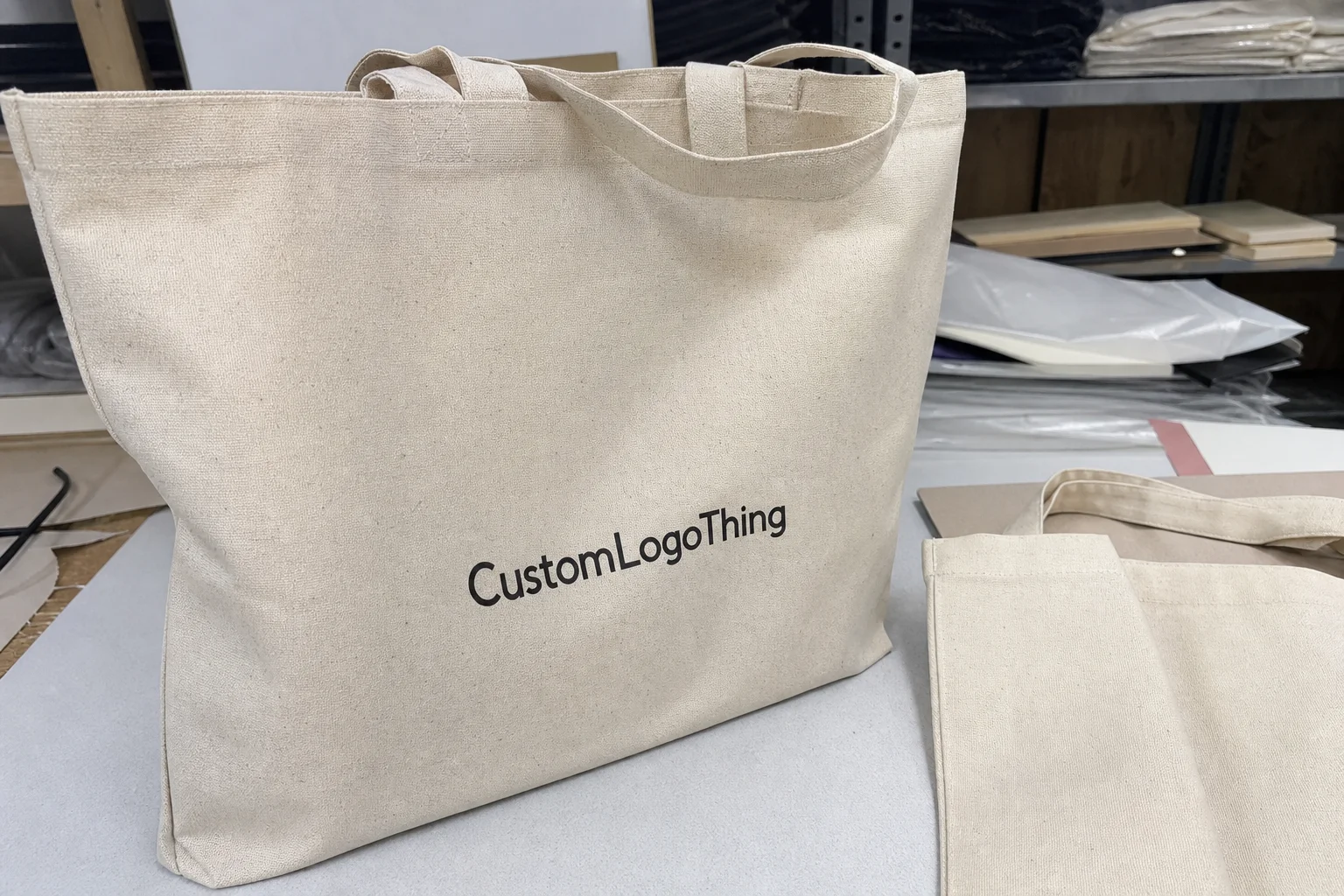
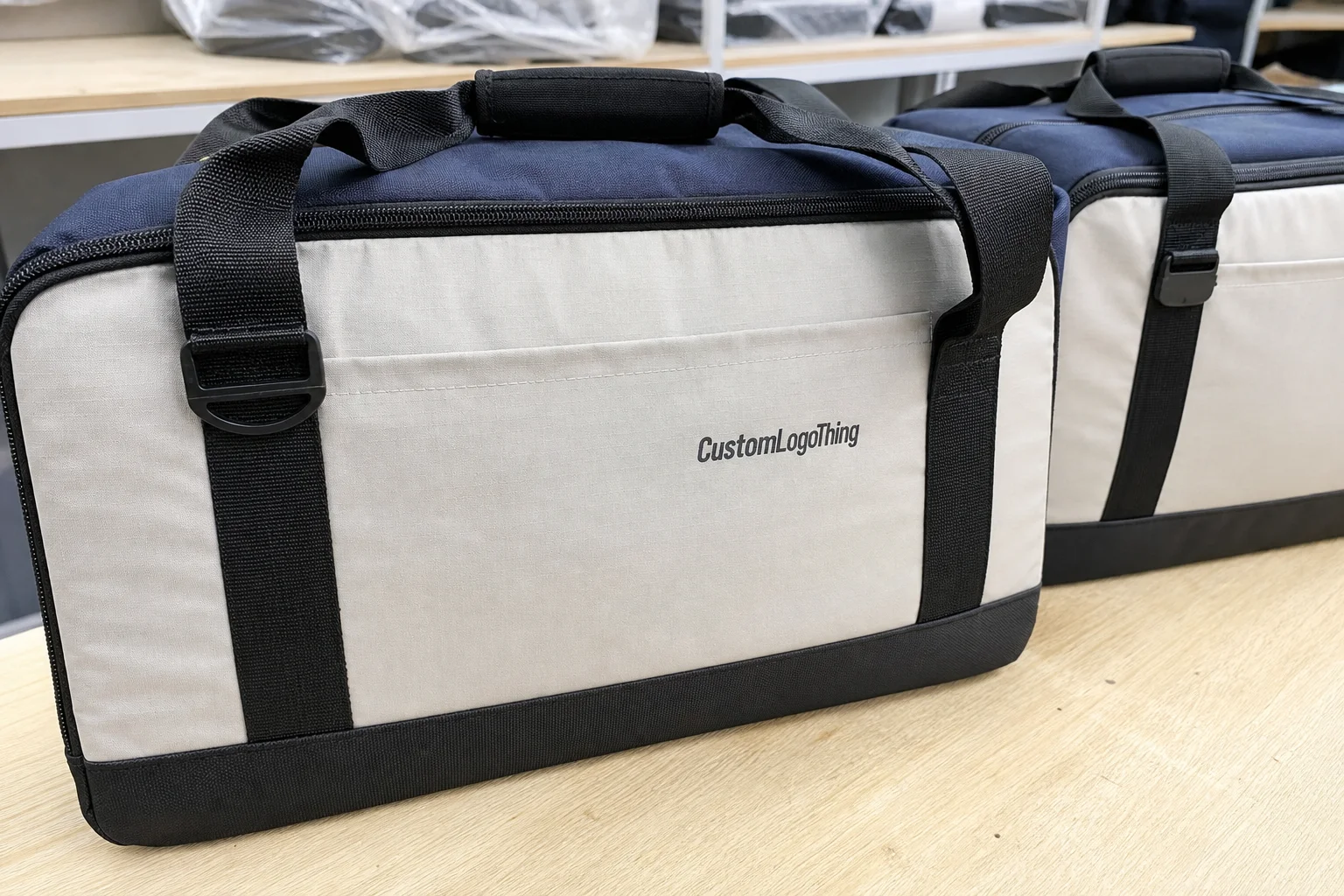
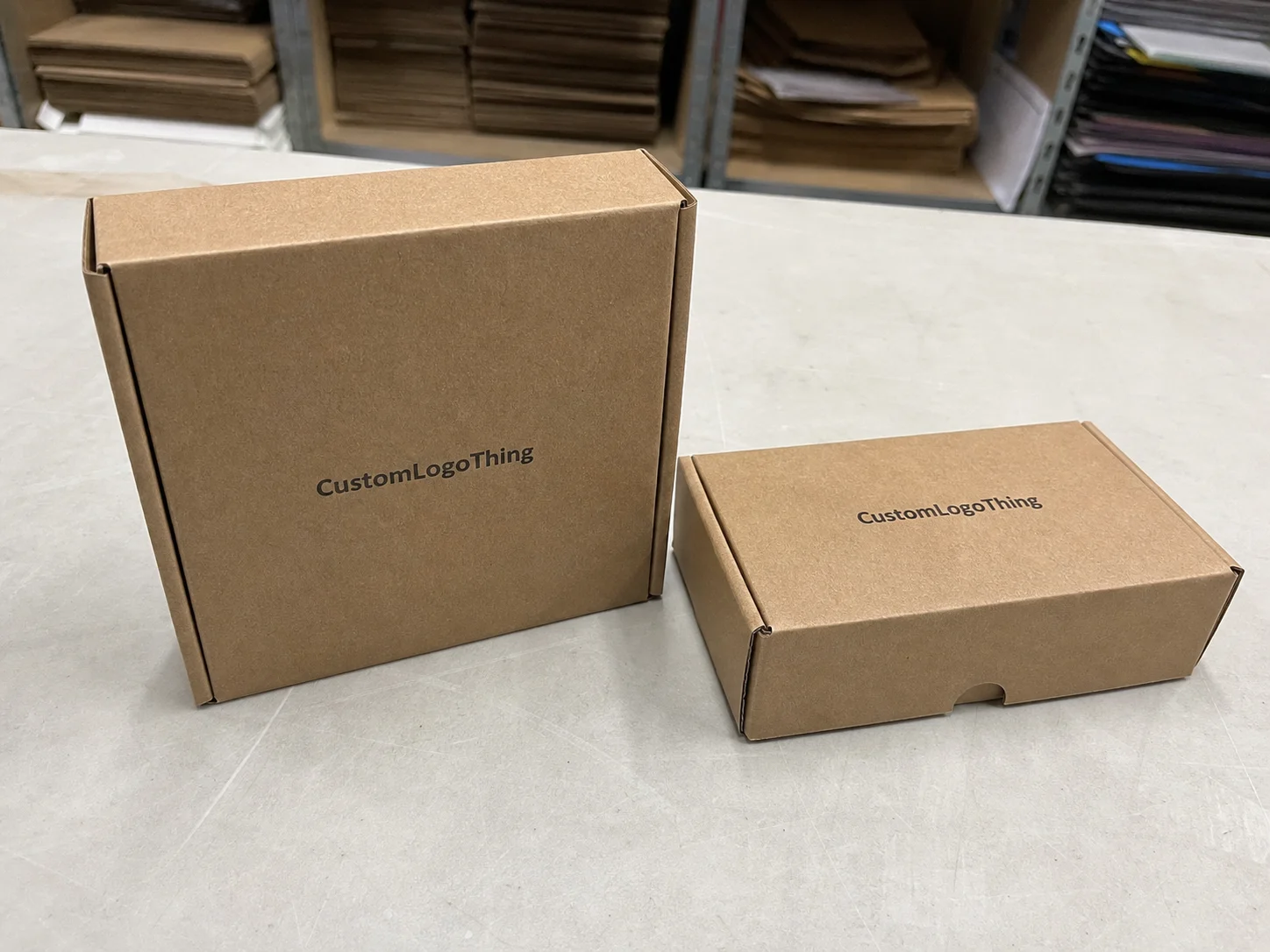
Buying wholesale reusable bags is not a race to the lowest unit price. The real value shows up later, when the bag is still moving through checkout lines, trunk storage, office runs, and grocery trips long after the first handout. If the bag feels flimsy, the handles bite, or the print area is too cramped for the artwork, the customer stops using it. That is where the budget leaks out.
For buyers, the cleanest way to approach a bag program is to start with use case, not with price. A grocery bag, a retail resale bag, and an event giveaway do not need the same fabric weight, handle build, or decoration method. If those choices are made in the wrong order, the quote looks fine on paper and fails in the field. For repeat programs, Wholesale Programs are often the easiest way to keep specs aligned across seasons, stores, and reorder cycles.
Why reusable bags keep working after the promotion ends
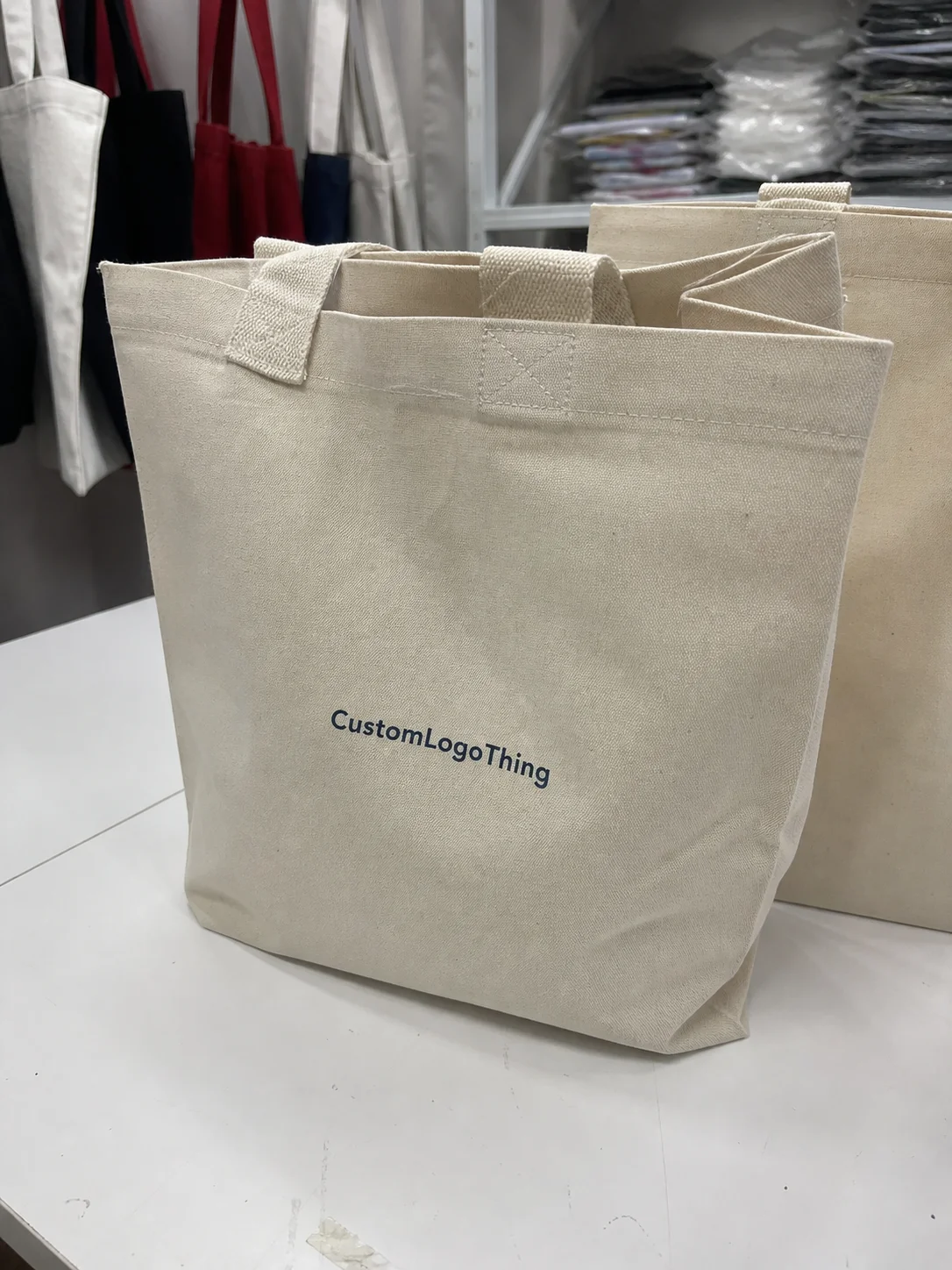
A reusable bag earns its place by being seen more than once. That sounds obvious. It is also the point most buyers underestimate. A logo on a bag that lives in a car, gets carried into a grocery store, and turns up in an office kitchen gets repeated exposure without another media spend. One order can produce months of impressions if the bag is built for real use.
There are three questions worth answering before any quote goes out: what will the bag carry, how often will it be reused, and who will actually hold it? A light event tote for brochures has a different job than a grocery bag expected to carry canned goods, bottled drinks, or stacked retail purchases. If the answer is vague, the spec will be vague too.
Comfort matters more than most first-time buyers expect. Handle width, handle drop, seam placement, and material stiffness all affect whether a shopper reaches for the bag again. A soft, reinforced handle usually feels better than a narrow strip that cuts into the hand. That detail is cheaper than a replacement run, and far cheaper than a campaign that sits unused in a closet.
The cheapest quote is not always the cheapest bag. If the construction does not fit the load, the buyer pays later in complaints, replacements, or a promotion that never gets reused.
Think of the bag as mobile brand exposure, not just packaging. That framing makes it easier to justify stronger seams, a wider gusset, a better print method, or a heavier fabric. It also helps marketing and procurement agree on what success looks like. A good bag outlasts the promotion that paid for it.
Material choices that match weight, feel, and daily use
Material sets the tone for everything else. It affects strength, drape, print quality, perceived value, and how the bag feels in the hand. For wholesale reusable bags, buyers usually narrow the field to non-woven polypropylene, woven polypropylene, coated or laminated constructions, and recycled-content options. Each one fits a different mix of budget and performance.
Non-woven polypropylene is a common starting point for events, retail handouts, and moderate grocery use. It is light, economical, and easy to print on. The hand feel is softer than woven material, which helps it feel approachable rather than industrial. It is not the strongest option for heavy loads, but for daily carry at a reasonable price, it performs well enough for many programs.
Woven polypropylene is more structured and generally holds its shape better. That makes it a stronger fit for grocery programs, warehouse-style retail, and customers who will load the bag heavily or treat it roughly. The fabric surface prints differently from non-woven material, so artwork should be evaluated against the actual substrate rather than assumed to work the same way across both.
Coated or laminated materials add moisture resistance and a cleaner visual finish. They often make logos look sharper and the bag easier to wipe down, which matters for retail resale or food-adjacent use. The tradeoff is cost and a firmer feel. That can be the right trade if the bag is meant to read as premium rather than purely functional.
Recycled-content materials are now common in programs that need a sustainability claim without dropping into fragile construction. The practical question is not just whether recycled content exists, but what kind of recycled content it is, whether the supplier can document the claim, and whether the finished bag still meets load expectations. Buyers should ask whether the input is post-industrial or post-consumer and whether the claim can be supported on paperwork, not just in sales language.
| Material | Typical use | Strength and feel | Typical bulk range |
|---|---|---|---|
| Non-woven polypropylene | Events, retail handouts, light grocery | Soft, economical, moderate durability | $0.28-$0.65 per unit at 5,000 pieces |
| Woven polypropylene | Groceries, warehouse clubs, repeat use | Structured, stronger carry performance | $0.55-$1.10 per unit at 5,000 pieces |
| Coated or laminated bag | Premium retail, wipeable finish, heavier presentation | Stiffer feel, cleaner visual surface | $0.85-$1.60 per unit at 5,000 pieces |
| Recycled-content material | Programs with documented sustainability goals | Depends on base fabric and resin blend | $0.40-$1.20 per unit at 5,000 pieces |
Those numbers are directional, not a quote. Print colors, reinforcement, gusset depth, packaging, and freight can move them quickly. Still, they are useful because they show why buyers should not compare materials on headline price alone. A cheaper bag that fails early is more expensive than a better-built bag that stays in circulation for months.
Specs that control performance: size, handles, and print area
Specs decide whether the bag actually works. Width, height, gusset depth, handle length, closure type, and seam style all change how the bag carries weight and how the artwork lands on the finished piece. If those measurements are not settled before quoting, the supplier may be pricing a different build from the one the buyer had in mind.
Start with the load. A bag for folded apparel or handouts can usually use a slimmer profile. Grocery and retail programs usually need more gusset depth so contents sit flat and stable. A wider gusset also creates more usable side-panel print space, which gives room for secondary messaging, logos, or product calls to action.
Handles are often treated as an afterthought. They should not be. Short hand-carry handles suit compact giveaway bags. Longer shoulder handles work Better for Retail and grocery carry. Reinforcement at the attachment point matters if the bag is expected to hold real weight. Stitch reinforcement, heat sealing, and bar-tack support all reduce stress where failures usually begin.
The print area changes with the build. Seams, gussets, and handle placement reduce the clean space available for artwork. A logo that looks fine in a mockup can become awkward once the bag is folded and sewn. Buyers sometimes send oversized art and expect the factory to make it fit without changing the structure. That usually creates a proof loop, or worse, a bag that looks crowded and hard to read.
Useful upgrades for harder-working bags
Some programs need more than a plain carry bag. A bottom insert helps the bag stand open and support boxed products. A zipper closure makes sense for travel, storage, or premium retail sets. Inner pockets, binding, and laminated surfaces can also improve the customer experience. Every upgrade adds cost and labor, though, so the real question is whether the bag will be reused enough to justify the change.
If the bag is going into a retail setting, think about how it will hang, stack, or sit in a bin. Presentation at point of sale affects pickup rate. A bag that looks flat and tidy on a hook usually sells better than one that collapses into a lump. That is not a branding slogan. It is a merchandising detail.
Wholesale reusable bags pricing, MOQ, and quote basics
Pricing for wholesale reusable bags depends on material, finished size, number of print colors, coverage area, handle style, and special finishing. MOQ follows the same logic. A simple one-color non-woven run can usually start lower than a laminated or fully printed woven build because setup is lighter and the production path is simpler.
That is why a low minimum order quantity is not automatically the better deal. A labor-heavy construction can carry a higher per-unit cost even at a smaller minimum. A buyer who plans to reorder may be better served by a larger run that lowers unit cost and reduces repeat setup charges. The right comparison is total program cost, not the minimum quantity alone.
A useful quote should show more than a single line item. It should list unit cost, setup or plate charges if applicable, sample charges, shipping assumptions, and quantity breakpoints. If the supplier cannot explain what changes the price, the buyer is left guessing where the cost is hiding. That is a weak place to start.
Typical pricing structure usually includes:
- Material cost based on fabric type, thickness, and recycled content.
- Printing cost based on color count, coverage, and whether one side or both sides are printed.
- Construction cost based on reinforcement, stitching, welding, lamination, or closures.
- Packaging and freight based on carton count, shipment method, destination, and order timing.
A strong quote should also say whether proofing, a physical sample, or a production sample is included. Those details affect timing and landed cost. A quote that looks cheaper on paper can become expensive once freight, rework, or extra sampling is added back in.
Small spec changes can move the price more than buyers expect. Moving from one-color print to two-color print can raise cost. Reinforced handles or a thicker material can do the same. If the brand message does not need full-coverage decoration, a simpler print often gives the best balance of appearance and cost. That is not a compromise. It is usually the smarter buy.
Order process, production steps, and turnaround expectations
The smoothest orders follow a predictable path. Artwork review comes first, then proof approval, sample confirmation if needed, production, packing, and shipment. Delays usually happen at the front end. If the file is not ready, the dimensions are unclear, or the color target has not been agreed on, the schedule slips before production starts.
Buyers should break the timeline into four parts: proofing, sourcing, production, and transit. Proofing can take a few days if the artwork is clean, or longer if vector cleanup is needed. Sourcing may be immediate for standard materials, or slower if the order requires a specific recycled blend or an unusual fabric color. Production for a standard build often runs about 12 to 18 business days after approval, while transit depends on destination and shipment method.
That schedule is only realistic when the job is ready. Final artwork files, approved dimensions, Pantone targets if color matching matters, and a confirmed ship-to address all help. If the buyer changes handle length after proof approval, the clock resets. If a retail team requests a late logo revision, that adds time too. Those issues are normal, but they need to be recognized early.
Good suppliers also talk about testing and packaging. For bags that will see heavier use, ask whether the construction has been checked against a practical load requirement or a relevant test method. Shipping and handling standards such as ISTA test procedures can help frame how packaging survives transit, even when the bag itself is not sold as a certified protective package. That conversation is usually a good sign. It shows the supplier understands use, not just artwork placement.
When a buyer is under deadline, the fastest path is usually the cleanest one. A complete spec sheet, one approved logo file, and a single decision-maker reduce back-and-forth. Production does not move forward on vague instructions. It moves forward on approved details.
How to judge a supplier before you commit to a run
A dependable supplier should be able to explain the material difference between one bag and another without hiding behind broad claims. If one construction is better for groceries and another is better for events, the reason should be clear. A good partner does not force every buyer into the same template. They ask about load, presentation, reuse frequency, and budget, then recommend a build that fits the job.
Clarity is the first test. Clear specs, clear pricing, and clear proofing usually predict a smoother order. If the quote is vague, the sample process is messy, or the answers change from one message to the next, expect production to behave the same way. Packaging work rewards precision. It does not reward guessing.
Responsive prepress support matters too. Low-resolution artwork, incorrect bleed, or a logo locked in the wrong format can delay a run by days. A supplier that flags those issues early saves time and protects the print result. That matters especially for wholesale reusable bags with multiple print locations, tight borders, or seams close to the artwork.
Repeatability is another useful sign. If the first run is for a store opening, the next may be for seasonal replenishment. A supplier worth keeping should be able to recreate the same bag without treating it like a brand-new project every time. That consistency is what turns a one-off purchase into a working supply relationship.
If sustainability claims are part of the pitch, ask for documentation, not just a line in the quote. Buyers increasingly need to know whether the material is recyclable in a practical local system, whether recycled content can be verified, and whether paper components meet recognized standards. The U.S. EPA’s recycling guidance at EPA recycling resources is a useful reference point when sorting out what can be claimed responsibly.
What to prepare before you request a sample or quote
The more complete the request, the better the first quote usually is. Start with quantity, intended use, material preference, finished dimensions, and print count. Add the delivery window early, especially if the bags are tied to an event, store opening, or seasonal promotion. A supplier can move faster with the right information, but they cannot guess the job.
Artwork should be ready in the best format available, ideally vector, with clear color targets if exact matching matters. If the project follows a brand standard, send those files up front. If there are retail presentation requirements, say so. Some buyers need bulk-packed cartons; others need retail-ready packing by size or style. Those choices change the quote and the production plan.
It also helps to define the success criteria before asking for a sample. Is the priority the lowest possible unit cost, the strongest long-term reuse, or the most polished premium presentation? Those goals do not always align. A bag that looks elegant may cost more to produce, and a bag built for heavy groceries may not suit a fashion retail program. Narrowing the goal makes the recommendation sharper.
Here is the simplest way to move the project forward:
- Confirm the bag use case and expected load.
- Choose the material before finalizing the artwork size.
- Request a quote with MOQ, setup, and freight assumptions included.
- Review a sample or proof against the real dimensions.
- Approve the order only after the spec sheet matches the use case.
If the bags need to perform in a retail or grocery environment, that last check matters. It is the difference between a product that gets reused and one that disappears into a drawer. For buyers comparing wholesale reusable bags across suppliers, the strongest order is usually the one that balances cost, durability, print quality, and delivery timing without pushing any of them too far.
What is the usual minimum order for reusable bags in bulk?
MOQ depends on material, print method, and construction complexity, so simple one-color runs usually start lower than fully printed or specialty builds. Ask for the MOQ together with the price breaks, because the lowest minimum is not always the best unit cost for your program.
Which material is best for grocery or retail reusable bags?
Non-woven and woven polypropylene are common choices because they balance cost, weight capacity, and repeated use. Choose based on load, finish, and branding goals rather than appearance alone, since a lighter-looking bag may not hold up to daily use.
Can wholesale reusable bags be printed on both sides?
Yes, most styles can be printed on one side, both sides, or across multiple panels depending on the construction. The available print area changes with gussets, seams, and handles, so the artwork should be matched to the finished dimensions.
How long does production usually take after proof approval?
Turnaround varies by material availability, order size, and print complexity, so proof approval is only one part of the schedule. Add transit time separately, and confirm whether the quoted timeline includes packing and shipment from the factory or only production.
What information do I need for an accurate reusable bag quote?
Provide quantity, size, material preference, color count, logo files, and any special finishing like lamination, zippers, or reinforced handles. If the bags are tied to an event or retail launch, include the ship date early so the quote reflects the real schedule, not just the factory lead time.
For buyers who want a bag program that holds up in real use, the best results come from matching material, structure, and artwork to the job before placing the order. That is the practical way to buy wholesale reusable bags: define the use case, confirm the spec, compare the real quote details, and approve the run only when the bag is built to be reused.