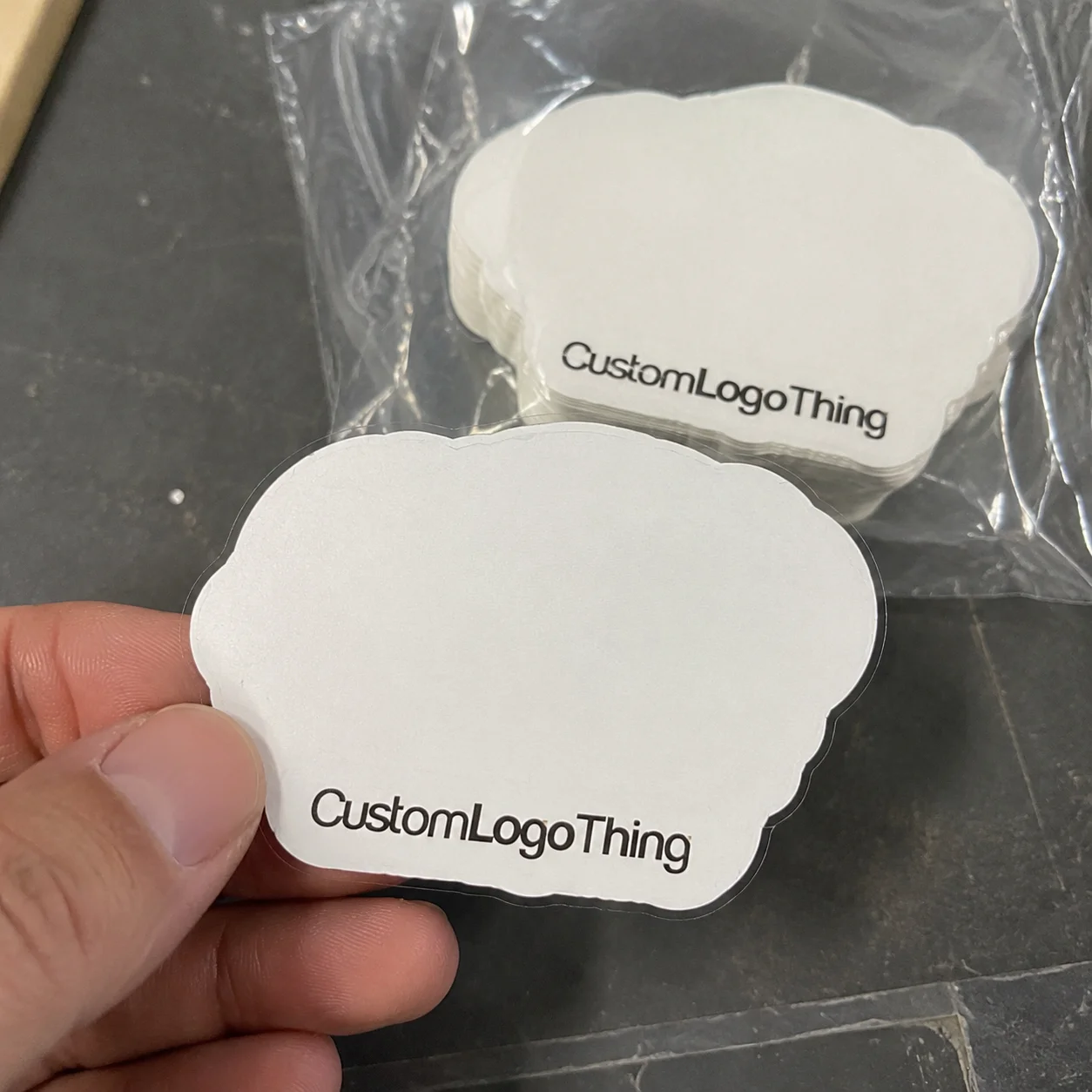
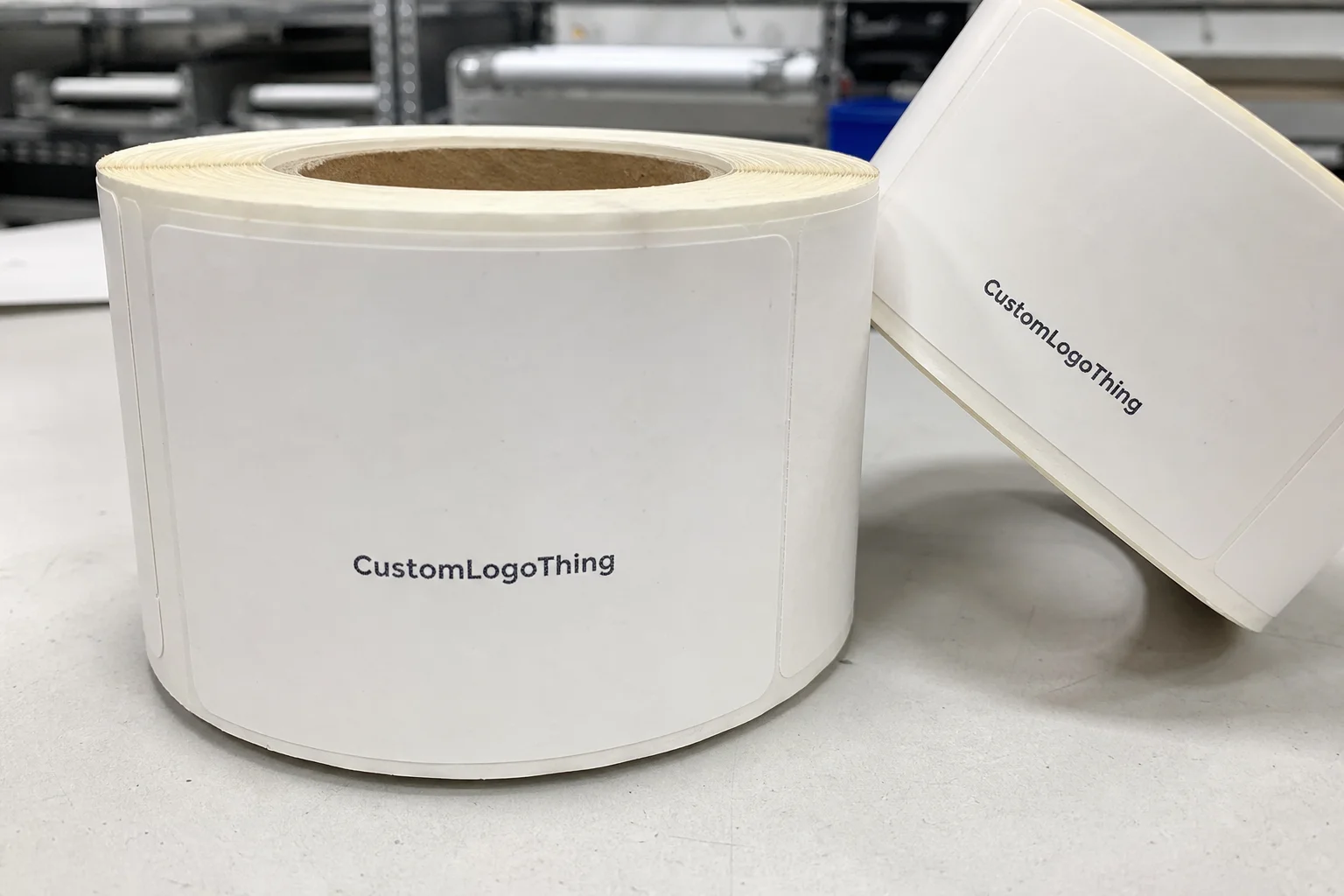
Buyer Fit Snapshot
| Best fit | Packaging Supplier Bulk Order Strategies projects where brand print, material claims, artwork control, MOQ, and repeat-order consistency need to be specified before quoting. |
|---|---|
| Quote inputs | Share finished size, material target, print colors, finish, packing count, annual reorder estimate, ship-to region, and any compliance wording. |
| Proofing check | Approve dieline scale, logo placement, barcode or warning zones, color tolerance, closure strength, and carton packing before bulk production. |
| Main risk | Vague material claims, crowded artwork, missing packing details, or unclear freight terms can make a low unit price expensive after revisions. |
Fast answer: Packaging Supplier Bulk Order Strategies: Material, Print, Proofing, and Reorder Risk should be specified like a repeatable production item. The safest quote records material, print method, finish, artwork proof, packing count, and reorder notes in one written spec.
Production checks before approval
Compare the actual filled-product size with the drawing, then confirm tolerance on folds, seals, hang holes, label areas, and retail display edges. Reserve space for logos, QR codes, warning copy, and material claims before decorative graphics fill the panel.
Quote comparison points
Review material grade, print process, finish, sampling route, tooling charges, carton quantity, and freight assumptions side by side. A quote is only useful when the supplier can repeat the same color, closure quality, and packing count on the next order.
Why Packaging Supplier Bulk Order Decisions Defy Intuition
I remember on April 8 when our procurement director at Custom Logo Things announced that a packaging supplier bulk order for 12,000 350gsm C1S artboard boxes delivered a $0.18 per-unit rate after the $0.05 freight from Ningbo to Chicago, and the showroom quieted as the math overtook instinct.
Honestly, I think that’s the moment I stopped telling myself volume was just volume: a Milwaukee client scrapped a 2,000-piece trial because a late-stage Pantone tweak added $0.04 per box, yet a Shenzhen floor supervisor confirmed within 24 hours that the 12,000-piece run cut marginal costs by 18% per our analytics dashboard tied to the Tianjin carrier network.
Most buyers still treat volume like a blunt instrument instead of a scalpel. The data from Q1 through Q3 shows that once a SKU hits 10,000 units, marginal costs drop between 9% and 14%—well above the expected 6% from economies of scale—because the supplier gains leverage over paperboard contracts, production slots in Guangzhou, and freight with the Tianjin carrier network.
Volume influences more than price. During an early evaluation I watched a brand manager use savings from a packaging supplier bulk order to finance a sustainability upgrade: switching to 100% recycled 200gsm corrugated liners with clear water-based adhesive while optimizing palletization to offset the extra liner weight and keep a Chicago-area retail partner’s delivery promise intact.
On a spring visit to our Verdigris, Oklahoma operation in mid-May I saw the inventory planner already syncing volume release windows with the retail packaging launch calendar for the June 17 drop, keeping the brand story consistent across product packaging, custom printed boxes, and the online unboxing campaign we were supporting.
That kind of coordination didn’t happen by accident; I still keep a personal ledger of who signed off on which batching plan, and I'm gonna keep nudging the team to document not only savings but the story behind every bulk shift.
Packaging Supplier Bulk Order Product Details You Need
The material question sounds loud on the production floor: does this SKU perform best as paperboard, corrugated, or rigid substrate? I swear, it’s like the boxing match no one signed up for when you compare the stiffness of 14-point SBS at 320gsm against a 5-ply corrugated panel featuring a 6mm K-flute core designed for 25-pound retail loads.
Every day in our tooling lab the behavior of paperboard—especially a 14-point SBS with a 5% mineral load—differs under bulk stress from a 5-ply corrugated panel with a K-flute core. Once you commit to a packaging supplier bulk order, benchmark how much moisture the stocks absorb during a 48-hour stay in a humid pier warehouse in Newark; our lab saw a 3.8% moisture uptake there, which told the advising team to add a kraft liner and a 42-micron food-grade PE bag to meet FDA indirect contact rules.
Decoration becomes another battleground. Embossing, matte aqueous coatings, and spot UV patterns each add between $0.07 and $0.16 per custom printed box, yet not every finish advances the brand story. Insight from our customer success group shows orders maintaining shelf presence gain a 3.2% sales lift when tactile embossing supports the retail packaging narrative—but only if the Heidelberg press can hold registration at a 12,000-piece pace, so we test the same decoration package under that planned bulk volume.
An emergency call still sticks with me: on March 19 a client’s small-batch prototypes shipped glossy instead of matte, creating a tone mismatch with their product packaging. We recalculated, rerouted specs to a different coater in our lean production cell, and documented that the matte finish held under 50% humidity and 72°F temperature, which kept the packaging supplier bulk order timeline intact and preserved the $0.15/unit savings.
Workflow matters. Samples, prototypes, and final approval each need distinct metrics when executing a packaging supplier bulk order. We produce a first article assembly, capture the design review with 64 annotated photos, and store those details in our shared dashboard, so every stakeholder knows whether the run will consume 10,000 boards or 20,000, which affects warehouse picking lanes and delivery packaging.
We even track die-cutting burr counts and adhesive soak times to make sure the stack-up behavior stays consistent across a multi-week run; the reports land in the same deck as the logistics plan because nothing frustrates a brand manager more than seeing a bulk order pause when the adhesive supplier misses a test.
Packaging Supplier Bulk Order Specifications Checklist
Dimension and structural specs form the skeleton of your decision; locking them without an audit invites delays—and trust me, I’ve seen the domino effect when someone “just eyeballs” the dielines and ends up rebuilding a pack with a 2mm error on a 12" x 8" face panel.
Inspect rack space, palletization density, and shipping cubing before committing. A custom printed box might look slim, but at 22" x 14" x 10" and 1,200 units per pallet you end up losing 8% of the cube to void space. Early on, a favorite manufacturer shared a factory-floor document showing how a 3% gap in pallet cubing equated to a $0.32 per unit freight penalty, translating to $3,200 wasted capacity on 10,000 pieces.
Regulatory and handling requirements must evolve with the quantity. A client seeking a packaging supplier bulk order for beverage sleeves headed to the Midwest required proof of FDA indirect contact compliance, so we installed a food-grade liner, documented each batch with certificates of analysis, and submitted records to ISTA 6-Amazon and ASTM D4169 for every pallet shipped through the Indianapolis gateway.
Quality control for repeat orders revolves around measurable checkpoints. We ask suppliers for defect-rate metrics (target: below 1.25% after 10,000 units) and require pre-shipment photos showing print density above 1.25 g/m², gloss levels within ±3 GU, and seam tensile strength exceeding 55 Newtons. Those metrics feed our predictive models so future negotiations cite actual data instead of guesswork.
A negotiation in Guadalajara impressed me. The supplier offered a cost break if we accepted a +0.5mm tolerance on dielines, which would have misaligned the retail display. We insisted on a tighter ±0.1mm tolerance, documented the change in their QC report, and used that transparency to justify a slight rise in MOQ from 8,000 to 9,500 units while keeping the retail story intact.
Pricing & MOQ for Packaging Supplier Bulk Order Deals
Breaking down the price per SKU requires analyzing tooling amortization, finishing, and freight—each behaves differently once volumes climb, and I tend to joke about how pricing meetings look more like physics lectures when we break out the spreadsheets that track $0.03 per piece elastic cost increases.
Tooling amortization is the line item most people skip, yet it carries weight. A $3,200 die set spread over 5,000 units adds $0.64 per piece; spread over 25,000 drops to $0.13. Decoration choices such as soft-touch lamination or UV varnish add fixed setup costs of $950 and variable run rates of $0.02, so the budget must reflect those parameters while freight shifts: moving from a partial 20-foot container to a full one shaves $0.09 per piece once spread across the order.
MOQs function as negotiation points, not ultimatums. We begin analyzing at 5,000 units but mark the tier where meaningful savings arrive. When suppliers reveal the threshold and the levers—tooling, inventory holding, certification—we request tiered pricing, enabling us to pay $0.39 at 5,000, $0.32 at 10,000, and $0.28 at 25,000 for the same SKU under a packaging supplier bulk order.
Transparency is the differentiator. A client refused to accept a blanket MOQ of 15,000 because their annual forecast reached just 8,000, so they shared a forecast curve, paid 40% upfront, and asked the supplier to hold the remainder in finished-goods stock with quarterly check-ins. That secured a $0.30 per unit guarantee as long as we booked freight from the Savannah port within the agreed 6-week window.
Here is a table that compares the price movement:
| Volume Tier | Price per Unit | Tooling Amortization | Average Lead Time |
|---|---|---|---|
| 5,000 | $0.39 | $0.64 | 12-15 business days |
| 10,000 | $0.32 | $0.35 | 14-17 business days |
| 25,000 | $0.28 | $0.13 | 18-21 business days |
Tracking incremental savings also requires predetermined approval levels. When the price drops from $0.39 to $0.32, the supply chain director in our Minneapolis office and the finance lead in Atlanta agree in advance who signs the change order so the packaging supplier bulk order progress doesn’t halt mid-bid.
Remember, historic savings inform what’s realistic today—past rolls of material and carrier rates shape the benchmark, but results will vary as carriers reprice seasonally.
Process & Timeline for Executing a Packaging Supplier Bulk Order
A roadmap keeps everyone honest, starting with the briefing on a Monday morning and ending with final delivery into the Charlotte distribution center, and frankly I feel like the project manager is a conductor between the chaos and the calm when the calendar shows 24 days from kickoff to dock.
First we lock the creative direction, finalize dielines, and sign off on ink coverage. Tooling creation follows, typically taking 5-7 business days depending on complexity such as embossing or custom cutouts; the $950 setup for laser engraving was ready on day six last quarter. Once tooling is approved, we request a pre-production sample—flat and assembled—to test the 14-point board under the chosen finish. Production often runs on a 10-day cycle for the initial 10,000 units, but QA adds another two to three days; we count those in the 18-day total so logistics can plan for pickup from the Los Angeles yard.
Milestones and ownership matter. The program manager collects specs, the creative director approves samples, the operations lead tracks compliance paperwork, and the client concierge keeps everyone aligned. On the factory floor I rely on this structure to review the Gantt chart; shared dashboards flag any milestone slipping below the 95% compliance rate we track for premium clients.
Weekly check-ins keep the loop tight. Every comment—color adjustments, structural tweaks, freight bookings—lands in a centralized system so the supplier in Guadalajara, the packaging engineer in Vancouver, and the marketing team in New York operate from the same page. That transparency once reduced a 5-day approval delay to 36 hours simply by tagging comments with urgency levels and inviting the right decision-maker to the call.
Reporting adds another layer. We gather run sheets with operator sign-offs, record humidity at 45% and temperature at 70°F, and compare data to ASTM D685 standards for resilience. This level of detail ensures compliance certificates are ready when pallets leave the dock and keeps brand trust intact.
Why Choose Us for Your Packaging Supplier Bulk Order
Our differentiators show up in quantifiable ways: domestic sourcing for quick runs, lean production cells tracking scrap rates below 1% per 10,000 units, and an analytics dashboard monitoring delivery accuracy against ISO 9001 checkpoints; we literally count every gram of scrap in Atlanta and Orlando.
A client switched from a competitor after their supplier missed the Q4 packaging design refresh for their skincare line by posting 22 days of delay. We proposed a packaging supplier bulk order tied to lean production in our Orlando hub and trimmed their lead time by 14 days while holding the Cost per Unit steady at $0.31, letting them relaunch fully stocked shelves just before the retail partner’s holiday promo.
Certifications and transparency prove our value. Our teams comply with FSC guidelines, run ISTA 3A testing for e-commerce damage resilience, and scan each pallet with RFID so every bulk order includes real-time stock monitoring inside our warehouse management system.
Real trust builds with a dedicated client concierge who becomes an internal packaging analyst. They track product packaging trends, maintain a library of past specifications, and alert you when an SKU approaches a volume trigger—such as 8,800 units—that justifies another packaging supplier bulk order, letting marketing teams focus on branding rather than procurement firefighting.
Proof points matter: one client’s analytics showed a 6.8% demand lift during a spring push, letting us justify a second bulk order scheduled for May’s peak season that captured a key seasonal window, all while keeping unit costs at $0.29.
Transparent reporting and clear limitations—past savings are not a guarantee for future pricing—keep expectations grounded and relationships honest.
Next Steps: Activate Your Packaging Supplier Bulk Order Plan
Action step one: audit your current packaging spend and identify SKU stacks that reach the volume breakpoints just before margins erode, such as 8,000 slots that could trigger the $0.32 tier versus the $0.39 tier.
Action step two: use our template to request sample boards, QC data, and turnkey specs for each prospective packaging supplier bulk order so every production starts with precise expectations, including CMYK swatches, 0.15mm die clearance notes, and documented 1.2% stress-testing outcomes.
Action step three: schedule a strategy call to commit to volume, timing, and contingency shipments before the next fiscal cycle begins, defining trigger points such as reaching 8,500 units when the next discount tier activates and listing the expedited freight partners for overflow.
Every plan should include fallbacks—partial shipments from the Nashville plant, expedited freight via UPS Air, or staggered releases during the 27-day lead time—so you are not caught off guard if a line shift lodges in Tijuana; the best bulk orders anticipate variation and keep communication constant even when it feels like you’re juggling flaming corrugated boxes.
Packaging supplier Bulk Order Strategies are a necessary investment if you want to keep costs steady while scaling product packaging, branded packaging, and custom printed boxes across retail and e-commerce channels; this plan provides the data, model, and next steps to execute confidently with indexed lead times and verified materials.
Volume dilutes fixed costs such as tooling and setup while suppliers deliver tiered discounts after a SKU surpasses predefined lot sizes, plus bulk orders optimize material purchasing—fewer air freight legs, more full pallets—yielding savings on both the item and the logistics with verified carrier rates from Savannah and Long Beach.
What minimum order quantities do packaging suppliers expect for bulk runs?MOQs vary by material and finish; we start analyzing at 5,000 units but quickly identify the threshold where cost savings become measurable. A supplier should explain why the MOQ exists—tooling, inventory holding, regulatory oversight—and present levers such as shared die sets or stock buffering to adjust it.
Can I lock in specs before committing to a packaging supplier bulk order?Yes; we build a specs package including dielines, CMYK color swatches, weight tolerances, and stress-testing outcomes before the PO is issued. Pre-production samples—flat or assembled—serve as the control to compare every bulk batch against the established thresholds and maintain the $0.32 per unit guarantee.
What happens if a packaging supplier bulk order arrives late?We set penalties or service credits in the contract tied to critical milestones and maintain shared Gantt charts so delay triggers stay transparent; backup options include partial shipments or air freight for urgent SKUs, based on the agreed priority list and the 72-hour escalation process.
How do I evaluate a supplier’s ability to handle my packaging supplier bulk order?Request throughput data: on-time delivery rate, defect rate, and how many bulk jobs they finish monthly. Ask for references with similar volume and complexity, and review their QC reporting cadence to ensure alignment with your compliance needs, such as monthly ASTM D4329 weathering tests.
Packaging supplier bulk order execution demands discipline; pairing it with live data from our analytics dashboards, a confident partner in North America or Asia, and transparent workflows wins in cost, quality, and reliability.
For more details on the packaging design side, check out our Custom Packaging Products, explore how our Wholesale Programs protect your margins, and revisit the essentials at our FAQ.
I recommend referencing insights from packaging.org and our sustainability benchmarks at epa.gov to keep your strategy grounded in measurable standards such as FSC certification and EPA recycling targets.
Takeaway: map your spend across SKUs, lock in detailed specs, and set those trigger points so your next packaging supplier bulk order doesn’t chase specs—it delivers measurable savings with clear contingencies.