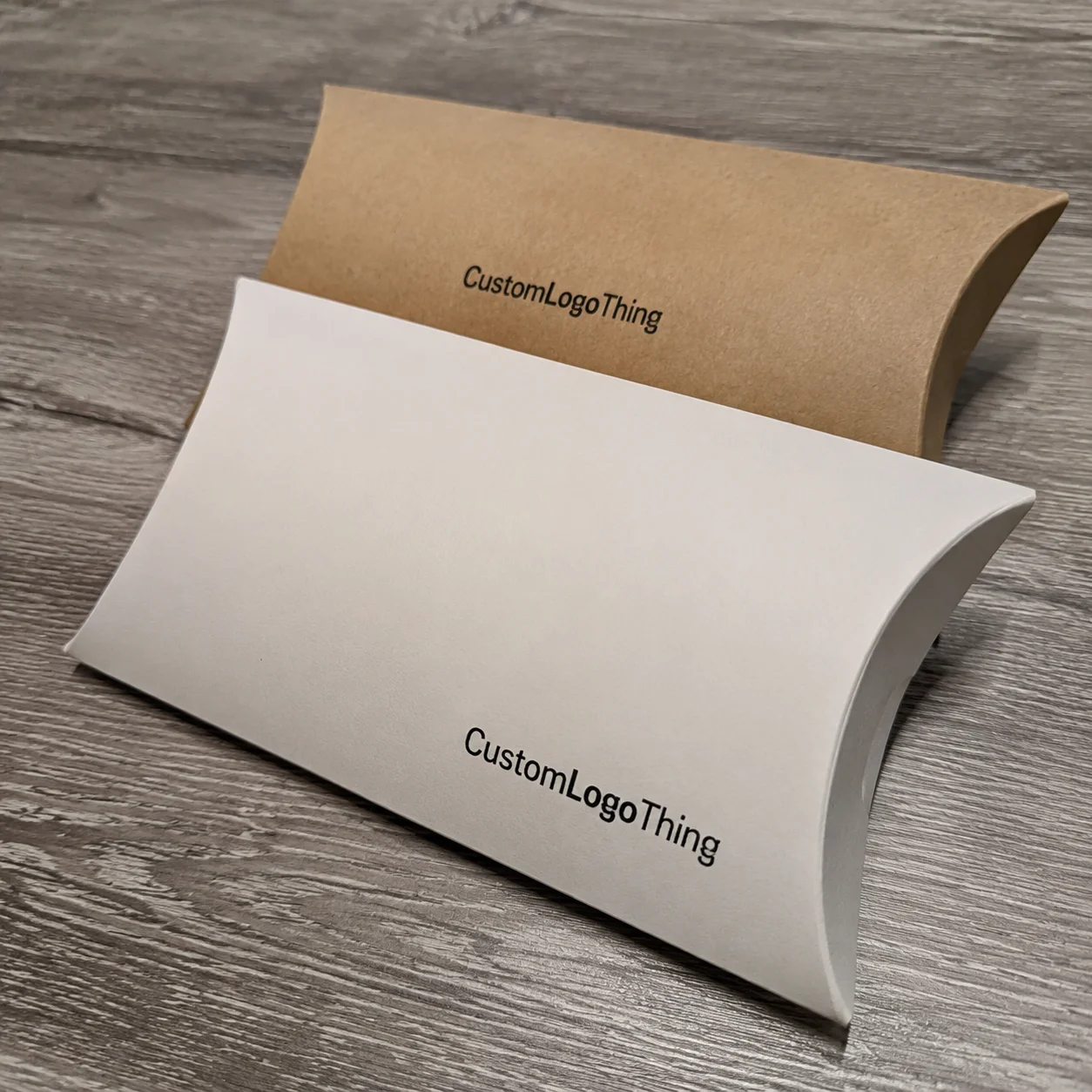
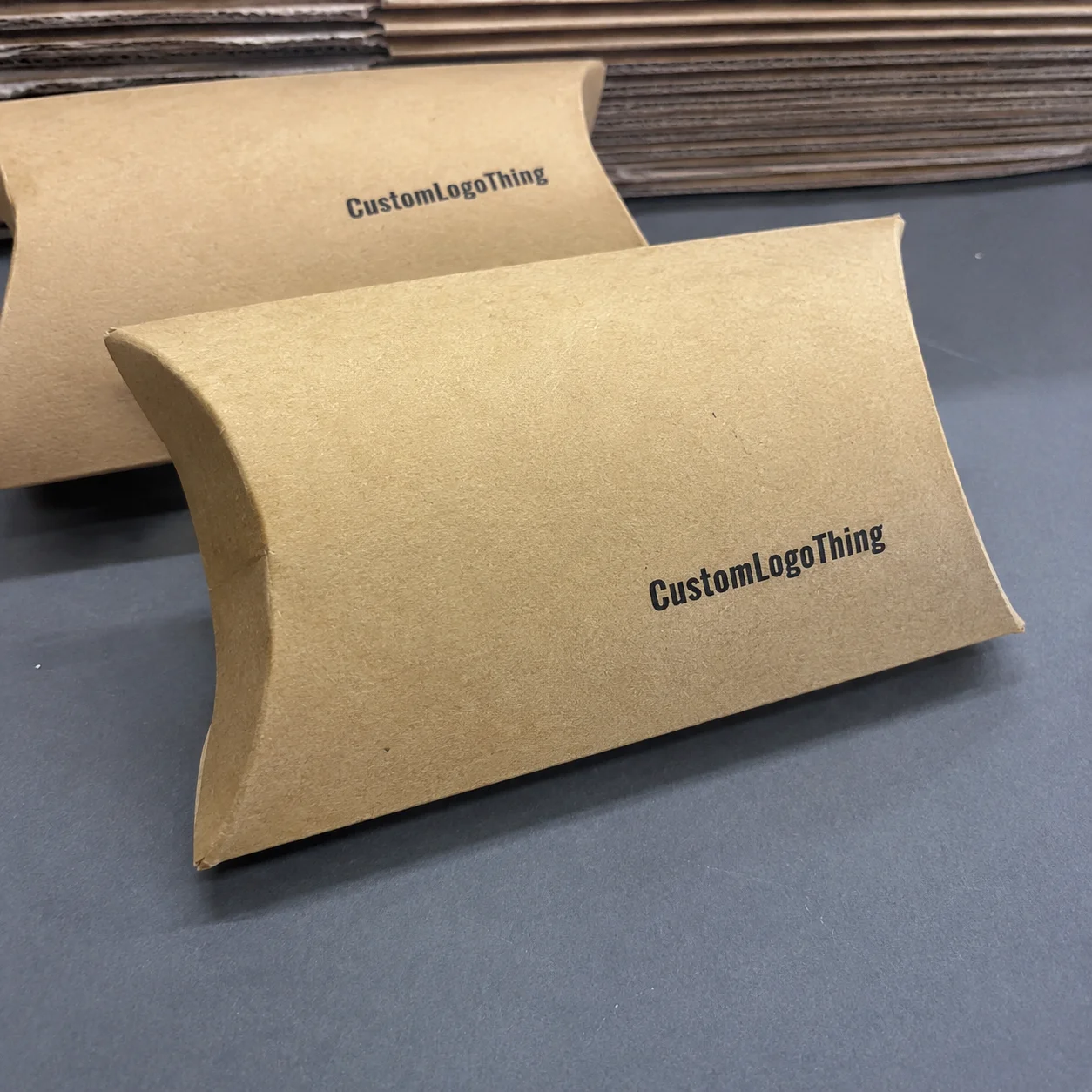
Buyer Fit Snapshot
| Best fit | Packaging Supplier Bulk Order projects where brand print, material claims, artwork control, MOQ, and repeat-order consistency need to be specified before quoting. |
|---|---|
| Quote inputs | Share finished size, material target, print colors, finish, packing count, annual reorder estimate, ship-to region, and any compliance wording. |
| Proofing check | Approve dieline scale, logo placement, barcode or warning zones, color tolerance, closure strength, and carton packing before bulk production. |
| Main risk | Vague material claims, crowded artwork, missing packing details, or unclear freight terms can make a low unit price expensive after revisions. |
Fast answer: Packaging Supplier Bulk Order: Production Spec, Color Control, and Delivery Risk should be specified like a repeatable production item. The safest quote records material, print method, finish, artwork proof, packing count, and reorder notes in one written spec.
Production checks before approval
Compare the actual filled-product size with the drawing, then confirm tolerance on folds, seals, hang holes, label areas, and retail display edges. Reserve space for logos, QR codes, warning copy, and material claims before decorative graphics fill the panel.
Quote comparison points
Review material grade, print process, finish, sampling route, tooling charges, carton quantity, and freight assumptions side by side. A quote is only useful when the supplier can repeat the same color, closure quality, and packing count on the next order.
When a buyer asks me about a Packaging Supplier Bulk Order, I usually start with the same question: what problem are you actually trying to solve, cost, consistency, speed, or all three? I remember one procurement call where everyone in the room said they wanted “just a simple box,” and by the end of the conversation we had uncovered a label mismatch, a pallet height issue, and a retail launch that depended on cartons arriving two days early because the distribution center in Dallas, Texas had a fixed receiving window from 8:00 a.m. to 3:00 p.m. In my experience, the best bulk programs are not built around a box alone; they are built around production reality, and that means board grade, print method, pallet count, and delivery window all have to make sense together. A packaging supplier bulk order should save money, yes, but it should also keep your line moving and your branding clean across every shipment, whether the order is 5,000 cartons or 50,000.
I've spent enough time on factory floors in Shenzhen and in corrugated converting plants in Dongguan to know where bulk orders go sideways. A sample gets approved too quickly, then 12,000 units are printed with a color that looked right under one light source but reads too warm on the retail shelf, or the box fits the prototype product but not the final version after a late-stage trim change. Honestly, that kind of mistake is maddening because it is so preventable. That is why a packaging supplier bulk order is really a planning exercise, not just a purchase. If you want it done right, the conversation has to begin with specifications, not assumptions, and the factory has to know whether you are printing on 350gsm C1S artboard, 18pt SBS, or a 32 ECT corrugated medium before the first plate is made.
Why Bulk Packaging Orders Save Money and Mistakes
A well-managed packaging supplier bulk order lowers unit cost because the fixed pieces of production get spread across a larger run. You are paying for plate creation, die cutting, setup, file prep, and machine changeovers whether you order 500 units or 50,000, so volume can work in your favor if the spec stays stable. I have seen customers save 18% to 32% on unit price simply by moving from small replenishment runs to one planned packaging supplier bulk order tied to a quarter’s sales forecast, with a folding carton dropping from $0.42 per unit at 3,000 pieces to $0.27 per unit at 12,000 pieces once the artwork, board grade, and finish stayed unchanged.
What most people miss is the hidden expense of doing things in small batches. Every extra freight booking adds handling fees, every rush reorder burns schedule space, and every late shipment forces a warehouse to reshuffle labor. I once sat with a cosmetics client in Los Angeles who had ordered folding cartons in four separate runs because the team wanted flexibility. By the time they paid three setup charges, two air shipments from Hong Kong, and one weekend receiving crew, the small-run strategy cost more than a single packaging supplier bulk order would have. The warehouse manager actually laughed, then stopped laughing, then started staring at the ceiling like the ceiling had personally offended him. That project would have been simpler, and roughly 14% cheaper on landed cost, if they had committed to one 20,000-piece run from the start.
Bulk buying also helps keep branding consistent. Color drift is real, especially on branded packaging that uses rich solids or fine typography. If you split one launch across multiple print lots, you risk slight differences in ink density, varnish tone, or board absorbency. A single packaging supplier bulk order gives you a better shot at keeping the same visual tone from the first carton to the last, which matters a lot when the package itself is part of the product packaging story. On a matte-coated carton printed in Guangzhou, even a small shift of 5% to 7% in ink laydown can change how a deep navy logo reads under store lighting.
Another benefit is operational predictability. A procurement manager can lock in quantities, a warehouse can allocate racking space, and a fulfillment team can plan around one inbound schedule instead of chasing partial deliveries. Good packaging design and good purchasing meet right here. If your structure, print method, and material grade are selected correctly, a packaging supplier bulk order does more than reduce cost; it reduces friction across the whole supply chain, especially when the receiving site in Chicago, Illinois is handling 48 pallets over a two-day window.
“The cheapest quote is not always the cheapest order. I’ve watched buyers save pennies on paper and lose dollars in rework, freight, and late launches.”
A strong supplier should be able to coordinate structural packaging, printed cartons, mailers, sleeves, inserts, and labels under one production plan. That matters because the packaging ecosystem is connected. If your corrugated shipper, inner carton, and label roll are all produced separately with no master schedule, you can end up with three different timing problems instead of one clean launch. A disciplined packaging supplier bulk order program keeps all of that aligned with the actual forecast, not wishful thinking, and a good planning sheet should show quantities, pallet counts, and shipping method alongside the artwork version number.
Packaging Types Available for Bulk Ordering
The most common packaging supplier bulk order formats are Corrugated Shipping Boxes, folding cartons, rigid boxes, mailer boxes, product sleeves, and inserts. Each one serves a different job, and choosing the wrong one can make a product look cheap or arrive damaged. Corrugated boxes are the workhorses for transit protection, while folding cartons are the standard for retail packaging and shelf presentation. Rigid boxes, often wrapped in printed art paper over chipboard, are reserved for premium unboxing moments where package branding matters as much as protection. A buyer in New York City ordering 8,000 units for a holiday launch may choose a different structure than a buyer in Atlanta shipping subscription kits every month.
For shipping strength, corrugated options are usually the first place to start. A C-flute corrugated carton gives more cushioning and stacking strength than a thinner E-flute, while E-flute can be excellent when presentation matters and the shipper still wants a cleaner printed surface. Inside a packaging supplier bulk order, I often recommend kraft linerboard for rugged logistics, and white liner or coated paperboard when print clarity is more important. It depends on transit risk, product weight, and how much abuse the carton will see before it reaches the customer. A 32 ECT board is often fine for lighter ecommerce shipments, while 44 ECT or double-wall construction is better for heavier goods traveling from a plant in Yiwu to a warehouse in Long Beach.
Folding cartons often use white SBS paperboard, which offers a clean surface for offset printing and finer graphic detail. I’ve watched a skincare brand switch from plain corrugated outers to printed folding cartons with a matte aqueous coating and a spot UV logo, and the shelf impact changed immediately. That kind of upgrade makes sense in a packaging supplier bulk order if the product is light, the retail environment is controlled, and the buyer wants a cleaner presentation without paying rigid-box costs. For many consumer goods, 16pt to 24pt SBS is the sweet spot, with 350gsm C1S artboard being a practical choice for cartons that need crisp color and a tidy fold.
Rigid boxes sit in their own category. They use chipboard wrapped in printed art paper and are common in electronics, gifts, fragrance, and premium retail packaging. Add foil stamping, embossing, or soft-touch lamination, and the package becomes part of the reveal. I have negotiated rigid box programs where a buyer wanted 40,000 units with magnetic closures, but after the first cost review we shifted to a simpler shoulder-neck construction because the shipping cube and labor hours were too high. That is a normal part of a packaging supplier bulk order: matching ambition to reality, especially when a wrapped 1200gsm grayboard rigid set adds 20% to 30% more labor than a standard folding carton.
Mailers are another important option. They are popular in e-commerce because they can be custom printed, easy to assemble, and sized for parcel networks. A kraft mailer with an E-flute structure can be a practical choice for clothing, accessories, and subscription kits. In a packaging supplier bulk order, mailers often offer a nice balance between unboxing quality and shipping durability, especially if you want to reduce filler material and still protect the item in transit. For a direct-to-consumer brand shipping from Portland, Oregon, a mailer cut to 10 x 8 x 2 inches can reduce dimensional weight charges enough to save $0.60 to $1.20 per parcel on regional routes.
Here are a few common finishing and structural features that matter at scale:
- Offset printing for sharp graphics and solid brand color control.
- Flexographic printing for efficient corrugated runs and repeat production.
- Foil stamping for metallic accents and premium branding.
- Embossing to create tactile depth on logos or seals.
- Spot UV for contrast on packaging design elements.
- Matte lamination and aqueous coating for scuff resistance and finish control.
- Custom inserts, die-cut windows, tear strips, and tamper-evident features for function and security.
If a supplier cannot tell you whether those features are available in a packaging supplier bulk order, that is a sign to keep asking questions. A competent production team will tell you what is practical, what requires tooling, and what may add lead time or scrap. I usually trust the factory that says, “Yes, but here is the catch,” more than the one that says “Absolutely, no problem” to everything because somehow, that “no problem” always becomes my problem later. On a job in Ningbo, for example, spot UV added three business days, while embossing added a die charge of about $150 to $300 depending on size.
For standards and technical references, I often point buyers to resources from the ISTA packaging transport testing organization and the Forest Stewardship Council when they need help understanding shipping performance or responsible sourcing claims. If the goal is export-ready packaging from a factory in Guangdong or Jiangsu, those references help frame the conversation around real transit tests and documented paper sourcing.
Specifications Buyers Should Confirm Before Ordering
A packaging supplier bulk order lives or dies by specs. If the dimensions are off by even 2 mm on a tight insert system, the product can rattle in transit or fail to load properly on an automated line. I always tell buyers to confirm inside dimensions, outside dimensions, and actual product clearance separately. Those three numbers are not the same, and mixing them up creates expensive surprises once production starts. On one run for a candle brand in Austin, Texas, a 0.08-inch discrepancy in internal width meant the insert had to be recut, which delayed shipment by 4 business days and added a second tooling charge.
Board thickness and strength must also be checked carefully. For corrugated packaging, the ECT rating, flute profile, and burst strength give you a better picture of performance than “heavy-duty” ever will. If a carton is going to stack four-high on a pallet for two weeks in a warm warehouse, that matters. In a packaging supplier bulk order, I have seen buyers choose a lower-grade board to save a fraction of a cent, then lose much more when cartons crushed during freight. That is not a good trade, and I still do not know why people keep trying to win a penny and then pay for a catastrophe. A move from 32 ECT to 44 ECT might add $0.03 to $0.06 per unit, but it can spare a pallet collapse that costs ten times that amount.
Print accuracy is another area where buyers need to stay sharp. Artwork should arrive with the correct dieline, bleed allowance, safe area, and font outlines or vector paths. If the file is built wrong, prepress has to fix it, and the clock starts moving. For a packaging supplier bulk order, I recommend confirming color standards too, especially if you are matching an existing branded packaging system. Pantone references, CMYK values, and approved physical swatches all help reduce guesswork. A proof from a factory in Shenzhen may look fine on a monitor, but a hard proof on the actual 350gsm C1S artboard is the better signal.
Here is the practical checklist I use before approving a production run:
- Final dimensions with tolerances spelled out.
- Material grade, such as white SBS, kraft linerboard, C-flute, or E-flute.
- Print method and coating choice.
- Closure style, insert type, and any security feature.
- Barcode placement, recycling marks, and country-of-origin labels.
- Proofing method: PDF proof, hard proof, or pre-production sample.
- Target pallet count, carton count per pallet, and receiving requirements.
Compliance matters too. Some product packaging categories need label accuracy, traceability codes, or specific recycling symbols. If you sell into regulated categories, verify the rules before the first press run begins. The EPA recycling guidance is a useful reference for general materials and disposal information, especially when buyers want to understand how customers may view the package after use. For export shipments leaving a factory in Vietnam or Malaysia, local customs markings and carton stencils can matter just as much as the retail artwork.
I’ll add one honest warning: physical samples are not optional when the structure is business-critical. A PDF proof tells you the art is in the right place, but it will not tell you how the board feels, whether the matte lamination shows fingerprints, or how the tuck flaps behave after repeated opening. In a packaging supplier bulk order, those details are often what separate a smooth launch from a very expensive correction. A pre-production sample usually adds 3 to 7 business days, but that is still faster than remaking 8,000 units after the fact.
Bulk Order Pricing, MOQ, and Cost Drivers
Pricing for a packaging supplier bulk order usually shifts by quantity bands, and the spread can be meaningful. A simple folding carton might be quoted at $0.42/unit for 3,000 pieces, then drop to $0.29/unit at 10,000 pieces if the artwork and structure stay unchanged. For a plain mailer using E-flute in a standard size, I have seen quotes at $0.18 per unit for 5,000 pieces and $0.14 per unit for 20,000 pieces. But the quote only tells part of the story. Setup costs, plate charges, insert complexity, and freight can change the real landed cost by a surprising amount, so I always push buyers to look beyond the unit price.
MOQ means minimum order quantity, and in packaging production it is usually tied to machine setup efficiency, material procurement, and changeover time. If a press has to stop, wash up, reload, and restart for your job, the supplier has a real cost attached to that move. That is why a packaging supplier bulk order often has a higher MOQ for rigid boxes than for plain corrugated cartons. The labor and tooling are different, and the economics are different. A rigid box line in Dongguan may want 2,000 pieces minimum, while a flexo corrugated line can often start at 500 or 1,000 pieces depending on the die and board format.
Here are the main cost drivers I see on real quotes:
- Tooling and die charges for custom shapes and insert cuts.
- Plate costs for offset or flexographic print work.
- Material grade such as premium paperboard, thicker corrugated, or specialty chipboard.
- Ink coverage, especially when heavy solids or multiple spot colors are involved.
- Special finishes like foil, emboss, soft-touch, or spot UV.
- Insert complexity for molded pulp, paperboard trays, or foam alternatives.
- Freight method and destination, whether it is ocean, air, or domestic truck.
Small design choices can add up. A full-bleed dark background uses more ink and may require extra drying time. A rigid box with a magnetic closure is more labor-intensive than a standard setup. Even a tiny change in structure can change pallet count and shipping cube. That is why a smart packaging supplier bulk order review should compare landed cost, not just the line item unit price. If warehousing, customs, palletization, and final delivery are not included, the quote is incomplete. On a shipment moving from Shenzhen to Seattle, ocean freight might add 20 to 30 days to the total timeline, but it can also reduce per-unit transport costs by more than 50% compared with air.
One negotiation I remember clearly involved a food client that wanted a logo sleeve with gold foil on every unit. The first quote looked expensive, but once we compared it to the version without foil and calculated the retail price impact, the premium finish actually supported a higher margin. That is the kind of discussion a good packaging supplier bulk order partner should be willing to have. Not every upgrade is worth it, but some are. If the box is on a shelf in Miami, Florida beside a close competitor, a $0.04 foil stamp can be a smarter spend than a plain ink-only face.
Transparent suppliers should separate sample costs, tooling, production, and expedited service. If those items are bundled together without detail, comparison shopping becomes nearly impossible. In my experience, buyers make better decisions when they can see a side-by-side spec sheet that lists the exact board grade, coating, print process, and freight estimate for each packaging supplier bulk order option. A sample might cost $35 to $120 depending on complexity, while a custom die can range from $80 to $250, and those figures should never be buried inside a single mystery line item.
From Quote to Delivery: Process and Timeline
The order flow for a packaging supplier bulk order should be straightforward, even if the project itself is complex. It usually starts with an inquiry, then a spec review, quotation, artwork setup, proof approval, sampling, production, quality check, packing, and shipping. When buyers skip a step, the whole schedule gets shaky. I’ve seen a two-week job stretch into six because the artwork came in without bleed and the dieline had to be rebuilt from scratch. That sort of thing always feels like somebody left the oven on and then blamed the bakery. If the supplier is in Guangzhou, the prepress team can usually turn around file checks in 24 to 48 hours, but only if the artwork arrives in proper format.
Timeline depends heavily on product type and print method. A basic corrugated run can move faster than a rigid box with embossing, foil stamping, and custom inserts. For a packaging supplier bulk order, simple shipping cartons may take 12 to 18 business days from proof approval, while premium rigid packaging may need 20 to 35 business days, depending on material sourcing and finishing complexity. Those are practical ranges, not guarantees, because paper availability and factory load matter. If the paper mill in Guangdong is delayed, or if the factory in Suzhou is at capacity, even a well-run job can shift by several days.
On the factory floor, the workflow is specific. First comes prepress, where files are checked for resolution, trapping, and dieline alignment. Then the material is staged; a corrugated plant may bring in kraft linerboard or white face sheets, while a carton line loads SBS paperboard. After that comes printing, die-cutting, gluing, curing, and final inspection. In a well-run packaging supplier bulk order, every stage has a signoff, because one missed detail can cause an entire pallet of cartons to fail fit or print inspection. For a 10,000-piece run, the converting floor may be moving 400 to 800 cartons per hour depending on structure and finishing.
Common bottlenecks are almost always the same. Delayed artwork approval is the biggest one. Missing dielines is another. Revised dimensions after sampling can force new tooling. Paper shortages happen too, especially when a buyer asks for a specific premium substrate. I’ve had a client hold a launch for nine days because they changed the neck diameter on a bottle after the cartons were already in production. That kind of shift turns a clean packaging supplier bulk order into a scramble. Even a change of 1/8 inch can trigger a new insert and a fresh fit check.
A good supplier communicates milestones in writing and gives buffer time for freight transit. That buffer matters if inventory planning is tight. A shipment that leaves the plant on Friday may not arrive at the final facility for another week or two, depending on route and customs. A strong packaging supplier bulk order partner will tell you that honestly instead of promising a miracle date that nobody can really hit. If the goods are shipping from Ningbo to the East Coast of the United States, ocean transit plus port handling can easily add 28 to 40 days to the total door-to-door schedule.
To keep internal teams aligned, ask for a production schedule that shows each milestone with dates, not vague estimates. Purchasing needs it for cash planning, warehousing needs it for space planning, and fulfillment needs it for labor planning. The most organized buyers I have worked with treat a packaging supplier bulk order like a mini project, with owners, deadlines, and approval gates. A simple Gantt-style timeline with proof approval on day 3, production on day 8, QC on day 15, and ship-out on day 18 makes a big difference.
Why Custom Logo Things Is a Practical Bulk Supplier
Custom Logo Things is a practical fit for buyers who want a packaging supplier bulk order handled by people who understand both branding and shop-floor realities. That combination matters more than many buyers realize. It is one thing to talk about package branding; it is another to know how a folding carton behaves on a high-speed fill line or how a corrugated mailer reacts to humidity during transit. A supplier with that kind of experience can guide the project instead of merely accepting it, especially if the work is being produced through factories in Shenzhen, Dongguan, or Ningbo.
From a production standpoint, the value is in coordination. A good bulk supplier should understand custom corrugated box converting, folding carton printing, die-cutting, gluing, and finishing under one workflow so the handoff between teams does not create confusion. In a packaging supplier bulk order, that coordination reduces miscommunication on dimensions, print placement, and finishing order. It is exactly the kind of thing that prevents last-minute rework. A workflow that moves from prepress to plate making to cutting and final packing in one facility is usually easier to manage than three disconnected vendors in three different cities.
I also value quality control that is visible and specific. That means material inspection before production, color matching during print setup, dimension checks after cutting, and a final packing review before shipment leaves the facility. Those checks may sound basic, but they are the difference between a box that looks good on a screen and a box that actually performs in the field. If your packaging supplier bulk order includes retail packaging or high-value product packaging, that attention to detail matters a lot. A good QC sheet should record board thickness, print registration, glue coverage, and carton count per pallet.
One thing I appreciate about direct manufacturing relationships is that they reduce middleman confusion. When revisions are needed, you are not passing notes through three different sales layers. You can address the person closest to the press or converting line. That usually leads to faster answers and clearer accountability, which is especially useful when a packaging supplier bulk order has a strict ship date or a seasonal launch behind it. If a revision is approved at 10:00 a.m. in Shanghai, the plant can often implement it the same day instead of waiting for a chain of relays.
To see more options, buyers can review Custom Packaging Products for format ideas, explore Wholesale Programs for larger-volume ordering paths, or use the FAQ page when they need a quick answer before requesting a quote. Those pages are a useful starting point if the project is a 5,000-piece retail carton order or a 25,000-piece shipping program tied to quarterly replenishment.
Here is the honest part: no supplier is perfect for every project. The best partner is the one who tells you what can be done cleanly, what needs a sample, and what might increase waste or cost. That candor is valuable. In a packaging supplier bulk order, it can save you from approving a spec that looks fine in theory but creates problems on the line. I would rather hear, “This finish adds three days and increases waste by 4%,” than hear a vague yes that turns into a production delay later.
What to Do Next Before You Place a Bulk Order
Before you request a packaging supplier bulk order quote, gather the basics: product dimensions, target quantity, packaging style, print artwork, delivery location, and preferred timeline. The more specific you are, the more accurate the quote will be. I’ve seen buyers ask for pricing with only a rough size estimate and then wonder why the final cost changed after sampling. Precision up front saves time later. If you already know the destination is Phoenix, Arizona or Toronto, Ontario, include the postal code so freight can be estimated properly.
Ask for a spec sheet comparison if you are evaluating more than one option. That gives procurement a clean side-by-side view of materials, finishes, and pricing so hidden variables do not get missed. If one packaging supplier bulk order quote includes foil and lamination while another does not, the numbers are not really comparable. A good comparison sheet removes that ambiguity. I usually ask vendors to list the exact board grade, print process, coating, and quoted quantity so I can compare apples to apples rather than guesses to promises.
Order a sample or prototype if fit, print quality, or structure will affect customer experience. That is especially true for rigid boxes, inserts, and tight-fitting mailers. A pre-production sample can reveal issues with tab strength, closure tension, or print contrast that a digital proof cannot show. In my view, sampling is cheap insurance on any serious packaging supplier bulk order. A sample usually adds 5 to 10 business days, but it can prevent a costly reprint that takes three weeks to fix.
Also confirm timing with internal teams before production starts. Art approval, inventory receiving, and launch dates need to be aligned. If marketing expects a launch kit next Tuesday but the cartons do not finish until Thursday, everybody loses time. A disciplined packaging supplier bulk order process protects the schedule by making those checkpoints visible. In practice, that means locking proof approval, freight booking, and warehouse receiving on the same calendar before the factory starts cutting board.
Do not forget logistics at the receiving end. Check freight access, pallet requirements, dock hours, and storage capacity at the facility that will receive the shipment. I have seen shipments arrive on time and still get delayed because the warehouse had no forklift staffing that day. Those are the kinds of details a thoughtful packaging supplier bulk order plan should address before the order is released. If the receiving site in Savannah, Georgia only accepts palletized goods on weekdays, that needs to be built into the schedule from the start.
If you want a simple next step, submit your specifications, request a formal quote, and compare landed cost before committing to a large run. That is the smartest way to handle a packaging supplier bulk order because it keeps pricing, timing, and quality in the same conversation. Done properly, bulk purchasing supports better margins, steadier operations, and cleaner branding across the whole product line. A well-planned 10,000-piece order from a factory in Guangdong can be far more valuable than three rushed 3,000-piece orders spread across a quarter.
Packaging Supplier Bulk Order: decision table
| Decision area | Best fit | What to verify | Risk if skipped |
|---|---|---|---|
| Quote scope | Comparing suppliers and order quantities | Tooling, sample, unit cost, packing, and freight assumptions | Lowest quote wins until missing line items appear |
| MOQ and repeat order | Launch orders, seasonal runs, and scaled reorder plans | MOQ breaks, lead time, storage, and SKU grouping | First order works but reorder cost jumps |
| Approval process | Avoiding rework before bulk production | Dieline, proof, sample, tolerance, and sign-off owner | Bulk production starts before the spec is truly locked |
FAQ
What should I ask a packaging supplier for a bulk order quote?
Ask for unit price at multiple quantities, MOQ, setup costs, tooling charges, sample cost, and freight estimate. Also request confirmation of material grade, print method, finish, and production lead time so quotes are comparable and you are not comparing different spec levels in the first place. If the supplier can price 5,000, 10,000, and 20,000 pieces side by side, it becomes easier to see where the break point really sits.
How do I know if the MOQ is fair for a packaging supplier bulk order?
Check whether the MOQ is tied to press setup efficiency, material procurement, and die-cut tooling rather than an arbitrary number. Then compare minimums across similar suppliers using the same box type, the same board grade, and the same print complexity, because a rigid box MOQ will naturally differ from a corrugated shipper MOQ. A carton run in Shanghai using flexographic printing may start at 1,000 units, while a wrapped rigid set in Dongguan may need 2,500 units or more.
What affects lead time on a bulk packaging order the most?
Artwork approval delays, special finishes, board availability, and shipping distance are the biggest timeline factors. Complex structural packaging and Premium Rigid Boxes usually take longer than standard corrugated runs because the workflow includes more steps, more handling, and more opportunities for inspection. If the factory is in Shenzhen and the freight is going to the United States by ocean, plan for 3 to 5 weeks of transit on top of production.
Can I change box dimensions after approving a bulk order?
Dimension changes after approval can trigger new dielines, revised tooling, and additional sampling costs. Even small changes may affect carton fit, pallet count, and production timing, so it is better to lock dimensions early and verify them with a physical sample whenever possible. A 2 mm change might sound minor, but on a tight insert it can be the difference between a snug fit and a box that shifts during shipping.
How do I compare two packaging supplier bulk order quotes accurately?
Compare total landed cost, not just unit price, and confirm the same specs are being quoted on both proposals. Check whether quotes include tooling, samples, finishing, freight, and taxes so there are no hidden gaps, and make sure both suppliers are quoting the same board, the same print process, and the same delivery terms. If one quote is based on 350gsm C1S artboard and another on 24pt SBS with matte lamination, those are not equivalent offers.