Buyer Fit Snapshot
| Best fit | Packaging Supplier Custom Printed projects where brand print, material claims, artwork control, MOQ, and repeat-order consistency need to be specified before quoting. |
|---|---|
| Quote inputs | Share finished size, material target, print colors, finish, packing count, annual reorder estimate, ship-to region, and any compliance wording. |
| Proofing check | Approve dieline scale, logo placement, barcode or warning zones, color tolerance, closure strength, and carton packing before bulk production. |
| Main risk | Vague material claims, crowded artwork, missing packing details, or unclear freight terms can make a low unit price expensive after revisions. |
Fast answer: Packaging Supplier Custom Printed: Production Spec, Color Control, and Delivery Risk should be specified like a repeatable production item. The safest quote records material, print method, finish, artwork proof, packing count, and reorder notes in one written spec.
Production checks before approval
Compare the actual filled-product size with the drawing, then confirm tolerance on folds, seals, hang holes, label areas, and retail display edges. Reserve space for logos, QR codes, warning copy, and material claims before decorative graphics fill the panel.
Quote comparison points
Review material grade, print process, finish, sampling route, tooling charges, carton quantity, and freight assumptions side by side. A quote is only useful when the supplier can repeat the same color, closure quality, and packing count on the next order.
Packaging Supplier Custom Printed: Smart Buying Tips
A packaging supplier custom printed project looks simple until the details start multiplying. Artwork is rarely the real problem. The real mistake is assuming someone can “just print it” before the dimensions, substrate, finish, and structure are locked in. That is where good product packaging stops being a plan and starts becoming expensive guesswork. If you want a packaging supplier custom printed result That Actually Works, start with the package, not the mockup.
Custom print turns plain cartons, sleeves, bags, and shippers into branded packaging that does more than hold a product. It can improve shelf presence, support trust at unboxing, and cut down on wasted space when the package is built around the item instead of around a random stock size. From a packaging buyer’s point of view, that matters because package branding is not decoration alone; it carries part of the sales job, the shipping job, and the customer experience at the same time. A strong packaging supplier custom printed program treats all of that as one system.
What a packaging supplier custom printed really means
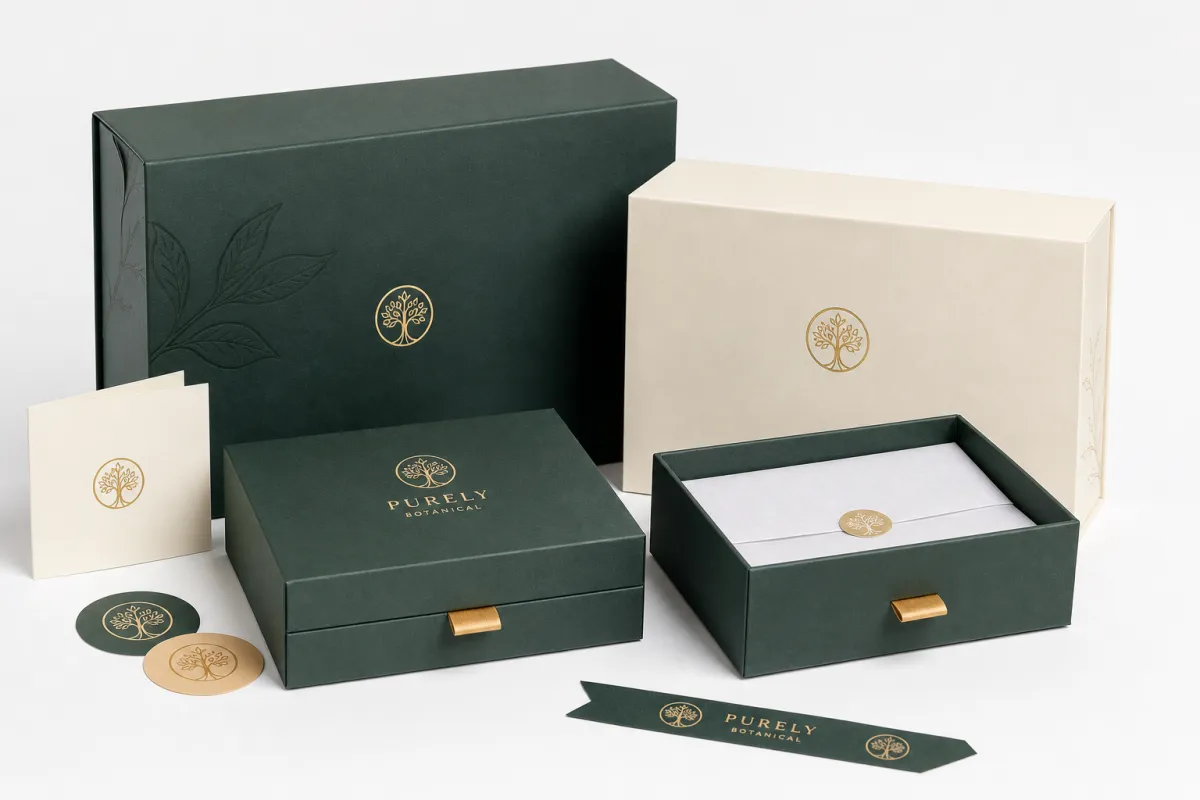
People toss around the phrase packaging supplier custom printed like it means any box with a logo on it. It does not. In practice, it means packaging built to your size, your structure, your material choice, and your brand artwork instead of something pulled from a generic stock shelf. That can mean a folding carton, a mailer, a corrugated shipper, a retail sleeve, a paper bag, or even a label system. Those are different jobs, and they do not print the same way. A packaging supplier custom printed partner should know that before the first proof ever lands in your inbox.
The value shows up fast once you stop buying stock packaging. A good custom printed boxes program can help a product look more deliberate on a shelf, more trustworthy during unboxing, and less wasteful in transit because the fit is tighter and the void fill is smaller. That is why a packaging supplier custom printed arrangement is usually a business decision, not just a design decision. It affects retail packaging, shipping cost, and how your brand feels in somebody’s hands.
The biggest misunderstanding I see is buyers treating the print file as the starting point. It is not. The real starting point is the product itself: finished dimensions, weight, surface sensitivity, fragility, and the way it will move through the supply chain. A cosmetic carton, a subscription mailer, and a shipping shipper may all carry the same logo, but they need different boards, coatings, and print methods if you want the result to look clean and survive handling. A packaging supplier custom printed project gets easier once those realities are on the table.
There is a real difference between printing on a box, a bag, a sleeve, or a shipping carton. A printed retail carton can usually handle richer imagery and finer typography than a bruised corrugated shipper that will spend its life stacked on a pallet. A paper bag may need a different ink system than a matte paperboard sleeve. A packaging supplier custom printed team should be able to explain those distinctions without turning the conversation into jargon soup.
Good package branding does two jobs at once: it tells the customer who made the product, and it helps the package do its physical job without failure, scuffing, or guesswork.
If you are comparing options, our Custom Packaging Products page is a useful place to start because it helps you think about structure before artwork gets too far along. That is often the difference between an efficient first order and a frustrating round of revisions with a packaging supplier custom printed team.
Set your expectations early: good results depend on fit, print method, substrate, and lead time. The artwork matters, sure, but the artwork is only one layer in a much larger production system. Once you understand that, the rest of a packaging supplier custom printed project becomes much easier to manage.
How a packaging supplier custom printed project works
A clean packaging project usually starts with a short but disciplined discovery phase. The supplier needs finished product measurements, the packaging style you want, quantity targets, brand goals, and a rough budget range before the first quote means much. A packaging supplier custom printed quote without those basics is usually a guess dressed up like a number.
From there, the structural work begins. If the packaging is a carton or mailer, a dieline or structural template is created so the folds, flaps, glue panels, and panel seams line up correctly. This is where many buyers realize packaging design is not just visual design. It is engineering too. The logo can be beautiful, but if the dieline is wrong, the print can land on a fold, a lock tab, or a glue area and the whole piece looks amateurish. A packaging supplier custom printed project lives or dies on that boring little fact.
Artwork proofing follows. A digital proof checks layout, spelling, panel placement, barcode location, and general proportion. A physical sample, when needed, goes one step further by showing the real material, real board stiffness, and real finish under real light. For a packaging supplier custom printed project, that proof stage is where expensive problems are usually caught before production starts.
The print method shapes the workflow too. Digital print is often faster for short runs and variable designs because it avoids plate setup. Flexographic printing can be economical for corrugated packaging at larger runs, especially when the artwork is straightforward. Offset litho is often chosen for retail packaging that needs crisp image quality and tighter color control. A packaging supplier custom printed partner should explain why one method fits a particular job instead of pretending every order is the same job in a different jacket.
Revisions are normal, and they should focus on the right things. A good supplier may recommend a different material thickness, a changed ink coverage pattern, or a simpler finish if the first version is too expensive, too fragile, or too slow to produce. That kind of adjustment is not a setback. It is how you get a practical result instead of a pretty render that falls apart in the real world.
Here is the simplest way to think about the sequence:
- Measure the product and define the package style.
- Choose the board, paper, or corrugated structure.
- Build or review the dieline.
- Place artwork on the correct panels.
- Approve digital proofs and, if needed, physical samples.
- Lock the print method, finish, and quantity.
- Run production, finish, pack, and ship.
For buyers who want to compare structures before they commit, our Custom Packaging Products page can help narrow the field. That matters because a packaging supplier custom printed order is easier to quote accurately once the structure is already clear.
One more practical point: revisions after proof approval are not free in terms of time, even when the change itself is small. Moving a logo a few millimeters may sound trivial, but if that adjustment changes the die layout, the glue allowance, or the print sheet efficiency, the schedule and cost can move with it. That is normal manufacturing reality, not supplier drama.
Key factors that shape quality, durability, and brand fit
Material choice comes first because the substrate sets the tone for everything else. Corrugated board, folding carton paperboard, rigid board, kraft stock, and specialty papers all behave differently in print, in finishing, and in transit. A packaging supplier custom printed carton built from 18-24 pt SBS board will feel very different from a 32 ECT corrugated mailer, and that difference matters as much to the customer’s hand as it does to the warehouse crew stacking the cases.
The product should drive the spec. Weight, sharp edges, moisture sensitivity, breakability, and display environment all affect the right construction. A lightweight apparel item can often live happily in a printed mailer or sleeve, while glass, electronics, or premium beauty product packaging may need a stronger structure, internal support, or a more protective coating. If your item is going through parcel distribution, shipping stress should be part of the conversation early, not after the first damage claim. That is where a packaging supplier custom printed approach earns its keep.
For companies that care about verified transport testing, the International Safe Transit Association has useful guidance on drop, vibration, and compression thinking through ISTA standards. And if the board source matters to your brand story, certified fiber from FSC can support a more traceable paper sourcing claim. A packaging supplier custom printed order does not need every standard under the sun, but it should never ignore the standards that affect your channel.
Print quality is the next layer. Resolution, color consistency, ink adhesion, and line sharpness all depend on the artwork and the print process. A bold brand mark is easier to reproduce than a photograph-heavy scene with subtle gradients and tiny legal text. That is why packaging design should be reviewed with production reality in mind. Thin lines, reversed type, and tiny disclaimers can disappear fast if the substrate is too absorbent or the setup is not right. A packaging supplier custom printed partner should warn you before that happens, not after.
Finish choices deserve the same attention as the artwork itself. Matte coatings, gloss varnish, soft-touch lamination, aqueous coating, foil stamping, embossing, debossing, and spot UV all create different visual and tactile effects. They also change cost, lead time, and durability. A soft-touch finish feels premium, but it can show scuffs differently than a harder gloss surface. Foil creates package branding impact, but it adds setup and can complicate recycling claims depending on the build. A packaging supplier custom printed conversation should include those tradeoffs, not just a menu of shiny extras.
It also helps to think about compliance and logistics at the same time. Barcodes need clear quiet zones. Warning copy must stay readable. Recycling marks need to match the actual structure. If a box will be shipped in stacked cartons, the top panels and corners need to hold up under pressure instead of curling or abrading. The best retail packaging looks good, yes, but it also survives the route it has to travel.
Here are the practical checks I always want on the table before approval:
- Material grade: board caliper, flute type, or paper stock weight.
- Print coverage: one color, two color, full coverage, or photo-heavy art.
- Finish: matte, gloss, soft-touch, foil, varnish, or spot effect.
- Structural stress: stacking, shipping, moisture, or retail handling.
- Compliance items: barcode, recycling mark, warning text, and legal copy.
That list sounds basic, and that is exactly why it gets ignored. Those are the details that separate a clean first run from a run that looks good in a render and disappointing in a carton. A packaging supplier custom printed project gets much easier once those choices are written down instead of parked in somebody’s head.
Custom printed packaging pricing: what a packaging supplier custom printed quote includes
Pricing is where most buyers realize how many moving parts live inside a packaging supplier custom printed order. The biggest cost drivers are quantity, size, material grade, number of print colors, and finish complexity. After that come setup details such as plates, tooling, die charges, proofing, and sometimes sampling. If a quote looks low at first glance, the question is not “why is it cheap?” The better question is “what got left out?”
Setup matters more than many people expect. A short run can feel expensive because fixed costs are spread across fewer units, while a larger run can absorb those costs more efficiently. That is why the same box might look costly at 500 pieces and perfectly reasonable at 5,000 pieces. A packaging supplier custom printed quote should make that economics visible rather than hiding it behind a single number.
Artwork changes the math too. Full-coverage graphics, custom color matching, photo reproduction, metallic effects, and print on multiple panels usually cost more than a one-color logo on a single face. If the package needs both exterior and interior print, that adds another layer. Even the difference between a simple black logo and a densely covered retail carton can shift the print plan, the waste rate, and the total price.
As a rough buying frame, a simple one-color corrugated mailer at around 5,000 pieces might land in the $0.18-$0.28 per unit range before freight, depending on size and board grade. A fuller retail carton with soft-touch lamination, foil, or other specialty finishing can move into the $1.20-$2.40 per unit range at lower quantities. Those numbers are not universal, but they are realistic enough to keep a packaging supplier custom printed conversation grounded in actual buying behavior.
Here is a practical comparison that helps buyers think clearly about options:
| Print option | Best use | Typical quantity range | Setup impact | Common unit cost behavior |
|---|---|---|---|---|
| Digital print | Short runs, launch tests, fast revisions | 250-3,000 units | Lower setup, faster proofing | Higher unit cost, especially as size grows |
| Flexographic print | Corrugated shippers, repeat orders, simple branding | 2,500-25,000+ units | Plate and setup costs are real, but efficient at scale | Better unit economics on larger orders |
| Offset litho | Retail packaging, sharper graphics, premium presentation | 1,000-10,000 units | Higher prep and tighter press control | Good image quality, often midrange to higher cost |
| Specialty finishing | Foil, embossing, spot UV, soft-touch | Any run, but best justified on visible consumer packaging | Adds extra labor and process steps | Raises cost and can extend lead time |
That table is not meant to push one process over another. It is meant to make the quote easier to read. A packaging supplier custom printed order should be judged on the whole package of price, structure, finish, and delivery timing, not on one line item in isolation.
Other budget items matter too. Inserts, partitions, pallet configuration, freight mode, storage charges, and reorders can all affect the landed cost. A box that looks inexpensive on paper can become expensive once you add protection inserts, cross-country freight, and warehouse handling. That is especially true for retail packaging and custom printed boxes that need premium board or specialty finishing.
If you want a quote that behaves like a real quote, compare unit cost and total project cost side by side. That means asking what is included, what is excluded, and what happens if the quantity changes by 10% up or down. A packaging supplier custom printed estimate is much more useful when it spells out the assumptions clearly.
Timeline and production steps for custom printed packaging
A realistic packaging timeline starts with discovery, not with the press room. The usual sequence is discovery, quoting, structural review, artwork prep, proofing, sampling, production, finishing, packing, and shipping. A packaging supplier custom printed project that moves cleanly through those steps can stay organized; one that skips any of them tends to create rework later.
Where do delays usually happen? Missing measurements, slow proof approval, last-minute artwork edits, and material substitutions are the big ones. A supplier cannot lock a die line if the product dimensions are uncertain. A production slot cannot be reserved confidently if the artwork keeps changing. Even a small shift in coating or board availability can add days, sometimes more, to a schedule that looked comfortable on paper. A packaging supplier custom printed order is only as fast as the slowest approval.
For fast-turn work, digital print can move surprisingly quickly once files are ready. A simple packaging supplier custom printed digital project may ship in roughly 10-15 business days from proof approval, depending on quantity and finishing. More complex printed packaging that needs tooling, specialty board, or extra finishing can run closer to 15-25 business days, and high-touch premium jobs can stretch beyond that if sampling or freight timing gets involved. Those are practical ranges, not promises, because production schedules live and breathe around material availability and approval speed.
Seasonal demand changes the picture too. Retail launches, holiday packaging, subscription sign-up periods, and promotional resets can all crowd the calendar. A good buyer does not wait until the last second to place the order. With a packaging supplier custom printed job, the lead time is not just factory time; it is also the time your own team takes to approve art, legal copy, and final pack-out details.
One of the most useful habits is assigning a single internal owner. Marketing may care most about the brand look. Operations may care most about box strength and packing speed. Purchasing may care most about landed cost. If nobody owns the decision, the project can stall in small ways that add up to a big delay. A packaging supplier custom printed process runs better when one person has final authority and the others are consulted on the front end.
Here is a simple approval rhythm that keeps projects moving:
- Collect final dimensions, artwork, quantity, and budget range.
- Approve the structural direction before detailed graphics are finalized.
- Review the proof for copy, color placement, barcode location, and finish.
- Request a sample if the product is fragile, premium, or dimension-sensitive.
- Confirm freight, pallet count, and delivery window before production starts.
That rhythm sounds basic, but it protects margin and timing. The best packaging supplier custom printed teams appreciate a buyer who is organized because it lets them quote and produce with fewer assumptions.
For teams still comparing configurations, our Custom Packaging Products selection can help narrow the field before proofing begins. That is especially useful if you are deciding between custom printed boxes, a mailing carton, or another form of Product Packaging That has to perform both as a brand asset and a shipping component.
Common mistakes when choosing a packaging supplier custom printed
The first mistake is starting with artwork before structure. I get why it happens; the logo mockup feels like progress. Still, a beautiful design can fail if the box size is wrong, the closure is awkward, or the board is too light for the product. A packaging supplier custom printed project should start with fit and function, then move to graphics, not the other way around.
The second mistake is asking for a quote without enough usage detail. If a supplier does not know whether the package is shipping by parcel, sitting on a retail shelf, or being stacked in a warehouse, the recommendation can miss the mark. A subscription box, a cosmetics carton, and a heavy hardware mailer do not need the same structure even if the logo is identical. That is why usage conditions matter so much in packaging design.
Another common error is taking the cheapest quote without understanding what was trimmed to reach that number. Maybe the board is lighter. Maybe the proofing is minimal. Maybe freight was omitted. Maybe finishing was simplified. A quote can look attractive and still be the wrong answer for the job. Honestly, I think a packaging supplier custom printed estimate should be judged the same way any manufacturing quote is judged: by specification, not by sticker shock alone.
“A quote is only cheap if it covers the real job.” If the board grade, insert, freight, or proofing are missing, the lower number is often just a delayed cost.
Color is another trap. Screen color and print color are not the same thing, and brand colors can shift on different substrates. That is especially true on kraft, coated paperboard, and corrugated stock. A buyer who expects the same result everywhere without testing is setting the team up for disappointment. A packaging supplier custom printed partner should be willing to talk about color tolerances, sample approval, and the realistic limits of a specific print process.
Overordering can be just as risky as underordering. If the design is new, the demand is unproven, or the distribution plan is still changing, a smaller first run is usually smarter. You can always reorder when you know the customer response, but it is much harder to unwind inventory that was printed too aggressively. The best packaging supplier custom printed decision is often the one that leaves room for learning.
It also helps to avoid treating every finish as a must-have. Foil, embossing, soft-touch lamination, and heavy spot UV can look excellent, but each one adds cost and time. If the product is sold through a channel where the box will be handled roughly or discarded immediately, the return on those extras may be limited. That is not a design failure; it is simply a channel decision.
To keep the process honest, ask these questions before you sign off:
- Does the package size actually fit the product?
- Will the print method suit the quantity and lead time?
- Are freight, inserts, and sampling included in the budget?
- Does the finish match how the customer will handle the package?
- Have we approved the color and copy under real lighting?
Those questions are small, but they catch the big mistakes. That is exactly what you want from a packaging supplier custom printed order before the press starts running.
If you need to compare more structures or finish options, our Custom Packaging Products page is a practical reference point. It is much easier to buy confidently when you can relate the quote to a real packaging style instead of a vague idea.
How do you choose a packaging supplier custom printed partner?
Start with fit for purpose. A good packaging supplier custom printed partner should ask about product weight, shipping method, shelf life, handling conditions, and order growth before they talk about foil or other extras. If the questions are shallow, the quote usually is too.
Then look at proofing discipline. You want a supplier who will catch layout problems, flag color risks, and recommend a sample when the job needs one. That is especially true for custom printed boxes, corrugated mailers, and premium product packaging where the first bad decision can ripple straight into returns or reprints. A packaging supplier custom printed relationship should reduce uncertainty, not add it.
Finally, judge communication. Clear lead times, plain-language assumptions, and honest tradeoffs matter more than polished sales talk. A supplier that explains why a board grade, print method, or finish makes sense is usually easier to work with than one that says yes to everything and hopes nobody notices later. That is how you spot a packaging supplier custom printed team that understands manufacturing instead of just quoting it.
Expert tips and next steps for a better first order
The cleanest first order starts with a complete intake packet. Send finished dimensions, product weight, target quantity, print goals, artwork files, brand guidelines, and any compliance notes in one package. A packaging supplier custom printed team can move much faster when they are not chasing basic details one by one.
Ask for samples from similar materials or print methods whenever possible. Even if the sample is not your exact box, it can still show how a coating feels, how stiff a board is, and how well fine type holds up. I have seen buyers approve a render that looked perfect and then change direction after they held the sample under store lighting. That is not indecision. That is good buying discipline.
A short first-order checklist can save a lot of trouble:
- Quote comparison: check assumptions, not only price.
- Proof signoff: verify spelling, layout, barcode, and artwork placement.
- Sample approval: confirm the feel, color, and structure with the actual product.
- Freight confirmation: know the delivery window, pallet count, and shipping terms.
- Reorder timing: leave enough room for replenishment before inventory gets tight.
Think one step ahead too. If the box may later serve retail display, subscription shipping, or warehouse stacking, build for that now instead of trying to force it later. A packaging supplier custom printed project is cheapest when the first version already fits the long-term use. That is one reason packaging buyers who plan ahead usually spend less over the life of the program, even if the first quote is not the absolute lowest number on the page.
Another useful habit is to keep a simple spec sheet after the first approval. Record the board grade, print method, finish, dimensions, artwork version, and the date the sample was approved. The next reorder becomes easier, and any supplier change later will be much less painful. In packaging, memory fades quickly; written specs do not.
If you are unsure which package format is the strongest match, use the first quote to refine the spec instead of treating it like a final verdict. Recheck the numbers, compare the lead time, and think about the real handling conditions before you place the order. The right packaging supplier custom printed partner should welcome that level of clarity because it leads to fewer surprises for everybody.
Here is the clean takeaway: choose the package structure first, then the print method, then the finish. Lock the dimensions before the artwork goes final. Get samples when the product is fragile, premium, or dimension-sensitive. And make sure your quote includes freight, inserts, and proofing so nobody gets blindsided later. That sequence is not fancy, but it works, and honestly, that is the point.
What should I send a packaging supplier custom printed for an accurate quote?
Send finished dimensions or product measurements, the package style you want, estimated order quantity, print colors, finish preferences, and any insert or accessory needs. Include artwork files, brand guidelines, and notes about shipping, storage, or retail display so the packaging supplier custom printed team can quote the actual job rather than a guess.
How long does a packaging supplier custom printed order usually take?
Simple digital projects can move faster, while structural or specialty-finish jobs take longer because of setup, sampling, and proofing. Proof approvals matter just as much as production time, and seasonal demand or material availability can add days or weeks to a packaging supplier custom printed timeline.
Why do quotes from a packaging supplier custom printed vary so much?
Different materials, sizes, print methods, and finishes create different production costs, and setup charges can have a big effect on short runs. Some quotes also include freight, samples, or proofing while others do not, so a packaging supplier custom printed estimate should always be compared line by line.
Can a small business work with a packaging supplier custom printed on a low minimum order?
Yes, many suppliers offer short-run or digital options for smaller launches, test products, and early-stage product packaging. Lower quantities usually cost more per unit, but a smaller first run can be the smartest way to test fit, color, and customer response with a packaging supplier custom printed order.
How do I check print quality before placing a large custom order?
Ask for a digital proof to confirm layout, spelling, and artwork placement, then request a physical sample or a similar-material sample to review color and finish. Check the package under real lighting and with the actual product inside before you approve the packaging supplier custom printed run, because that final review is often where the last useful corrections show up.

