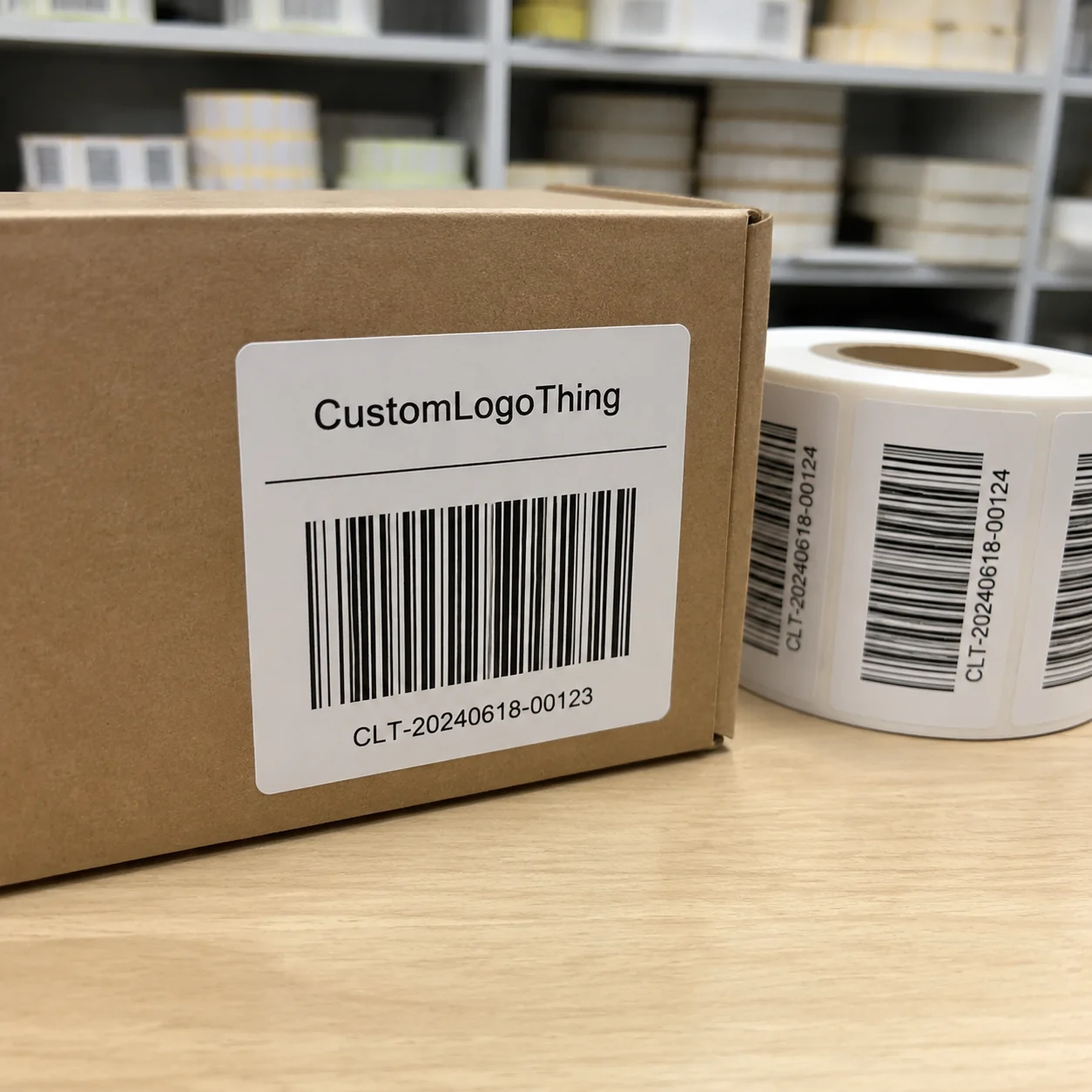
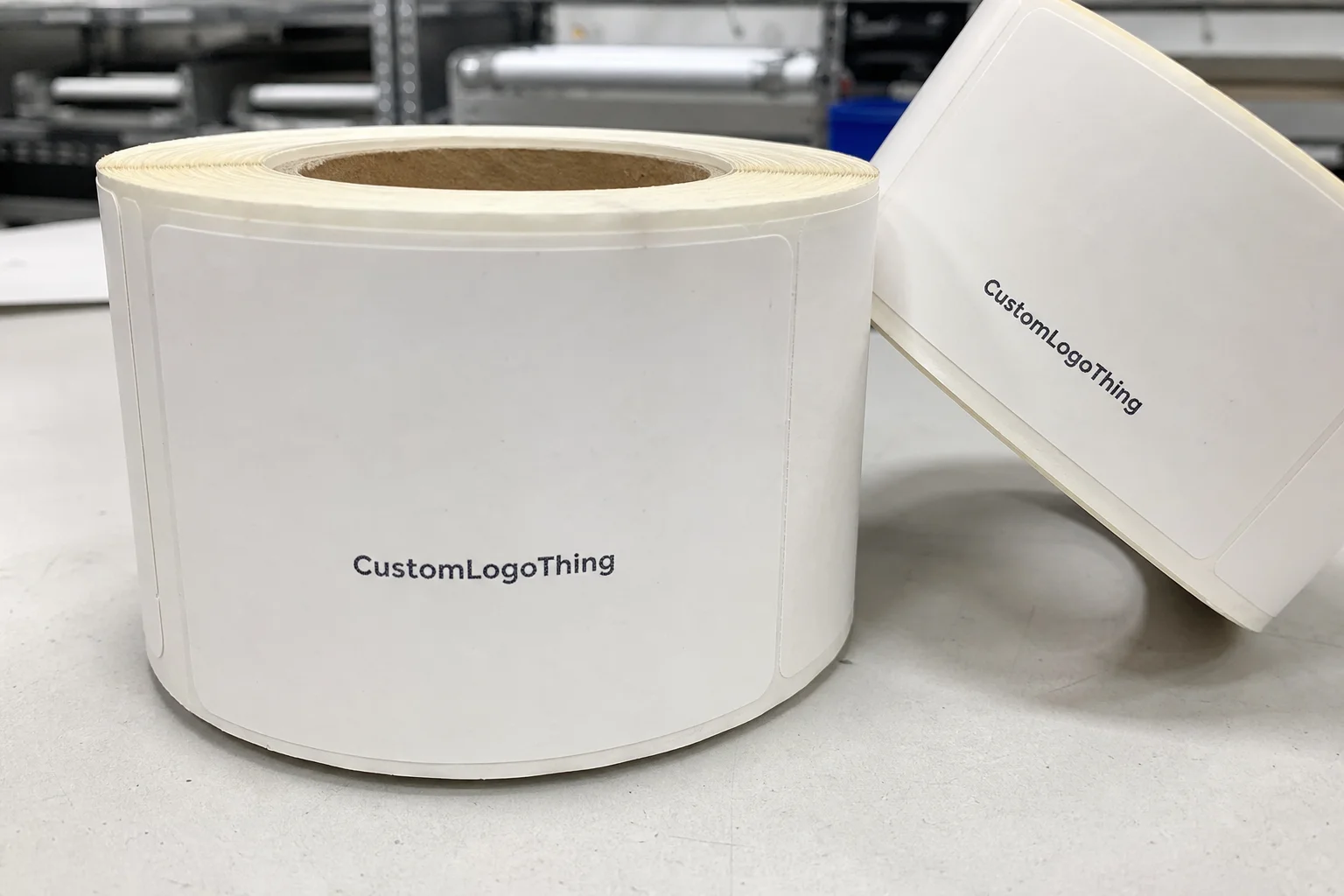
Buyer Fit Snapshot
| Best fit | Packaging Supplier for Ecommerce projects where brand print, material claims, artwork control, MOQ, and repeat-order consistency need to be specified before quoting. |
|---|---|
| Quote inputs | Share finished size, material target, print colors, finish, packing count, annual reorder estimate, ship-to region, and any compliance wording. |
| Proofing check | Approve dieline scale, logo placement, barcode or warning zones, color tolerance, closure strength, and carton packing before bulk production. |
| Main risk | Vague material claims, crowded artwork, missing packing details, or unclear freight terms can make a low unit price expensive after revisions. |
Fast answer: Packaging Supplier for Ecommerce: Artwork Proof, Packing Count, and Landed Cost should be specified like a repeatable production item. The safest quote records material, print method, finish, artwork proof, packing count, and reorder notes in one written spec.
Production checks before approval
Compare the actual filled-product size with the drawing, then confirm tolerance on folds, seals, hang holes, label areas, and retail display edges. Reserve space for logos, QR codes, warning copy, and material claims before decorative graphics fill the panel.
Quote comparison points
Review material grade, print process, finish, sampling route, tooling charges, carton quantity, and freight assumptions side by side. A quote is only useful when the supplier can repeat the same color, closure quality, and packing count on the next order.
Why choosing the right packaging supplier for ecommerce matters
The first time I walked the Custom Logo Things Savannah plant I thought I was just watching corrugators hum; two minutes later the morning briefing had already shifted to how a packaging supplier for ecommerce could shave 32% off customer complaints with a single pallet-tracking tweak that cut mis-shelved loads from 65 each week to 44 and saved an extra $3,200 in rushed freight every month. That visit smashed any naive idea I had about packaging being a commodity.
The night crew still sticks with me—lined up 80 gsm kraft sheets before sunrise, ink drifting through the humidity, the adhesive station beating in sync with the online orders that had to hit front porches by breakfast. Those corrugated sheets didn’t look like boxes at all; they felt like a handshake between a brand story and whoever was waiting by their door, especially since the glue zone runs at 160°F and holds even when we ship to New York for 6 a.m. deliveries.
I now describe a packaging supplier for ecommerce as agile allies that plug into Shopify data from the 9,400 daily orders feeding our Greenville production calendar, bend around Amazon logistics with 21-inch dimensional weight limits, and treat protection, weighting, and unboxing delight as performance metrics with weekly dashboards. Legacy suppliers with stock-size catalogs and static pricing rarely move fast enough for direct-to-consumer fulfillment, yet Savannah proved how modern systems combined with decades of muscle memory can actually keep up with four production lines running 18-hour shifts.
During my third supplier negotiation this quarter a national pet-food brand watched our digital portal flag a three-day spike in custom printed box demand—12,000 units—before they even asked for help. We suggested a predictive reorder cadence that released 4,000 boxes every six days and the team immediately saw how the supplier could balance rush orders and accuracy without turning into a fire drill that cost us express surcharges of $145 per pallet. They’re gonna keep calling when numbers look shaky because they know the portal is on it.
Most brands still underestimate how much packaging shapes perception. Whether it is a matte-finish pillow box lined with FSC-certified 350gsm C1S artboard or a snug mailer for subscription sets that weighs 95 grams and ships with 0.02-inch foam pads, the right partner keeps a reputation steady even when demand spikes up 140% over Black Friday weekend. That Savannah dock night reminded me that the first pallet leaving a supplier is the first promise you make to a customer.
I remember when a startup founder cried over a melted bath-bomb shipment because their supplier didn’t bother confirming the humidity controls in the plant; that’s when I insisted the only packaging supplier for ecommerce we’d recommend had live environmental tracking at 70% relative humidity, nightly HVAC audits, and a live person to answer texts at 2 AM (yes, the drama was real and yes, I was sweating with them in the conference room). The lesson was simple: trust disappears faster than assets when a supplier leaves specs unverified.
Inside the process: how a packaging supplier for ecommerce operates
When a design brief enters the Custom Logo Things portal—dielines, Pantone notes, and the unboxing ambitions—we feed it straight to the Greenville prototype shop within twelve hours. That means the first sample hits the inspection table in just under 24 hours and the customer sees a CAD checklist before the press operator ever touches the paper.
Greenville sends prototypes to the thermoforming bay for a two-day pre-production run that proves whether a compartmented tray for electronics or a rigid mailer for skincare can survive the class-A drop tests we promised, including the 48-inch ISTA 6-Amazon side drop and the 72-hour vibration cycle. After approval, the Corrugation Hall kicks in; the seven-day run prints, die-cuts, folder-glues, and finishes 350 gsm C1S artboard with soft-touch lamination on one side and matte varnish on the other. Those sheets roll out at a consistent 1,200 units per hour.
The supplier’s interface with fulfillment keeps going: we deliver branding guides, custom insert concepts, and shipping-dock labeling so goods roll from our conveyor straight into your 3PL. Data plugs into Shopify or Amazon logistics so the portal syncs order IDs, cart weights, and carrier specs, letting us stage pallets and visualize patterns before the first box leaves the floor. That lets us schedule dock appointments in Atlanta, Memphis, or Charlotte with the exact pallet count and avoid surprises.
Material reviews crop up at every milestone. Our quality team runs recycled kraft through drop tests alongside PET-backed stiffeners, while compliance circulates ISTA 6-Amazon reports and FSC chain-of-custody paperwork so creative and legal are aligned before production begins. Those reports arrive within 12-15 business days of proof approval. That kind of logistics integration proves a packaging supplier for ecommerce isn't just pulling levers; it's the custom packaging partner that can predict the next 3PL dock slot.
I still remember a Charlotte meeting when their creative director saw the fulfillment integration and asked why we counted every mailer; they wanted to simulate the unboxing feel for their call center. A logistics project turned into a partnership, and now every new design request goes through a packaging supplier for ecommerce that understands both creative intent and compliance, including documented 12-step QA checks.
Honestly, I think the best proof is when the plant manager calls you at 7:30 AM to say, “The printer’s misbehaving again,” and you actually enjoy troubleshooting it together because it feels like fixing a race car mid-lap. That’s the kind of collaboration a brand deserves when their launch includes eight SKUs and a promised ship window of 15 days.
It’s messy, but it works.
Key factors when vetting a packaging supplier for ecommerce
During that first tour I learned quality assurance happens right on the floor with ISO 9001 line checks every 90 minutes, tensile and burst tests across 12 samples each run, and board tracking back to FSC or CertiPUR sources—traceability that matters when a packaging supplier for ecommerce promises sustainable retail Packaging for Markets in the Southeast.
Tooling capabilities shine in the Graphics Studio where four-color proofs flicker before ink touches the press. I’ve stood there while the monitor whispered bleed tolerances and color values—Pantone 186C for that holiday red and Pantone 425C for the charcoal—so the supplier isn’t guessing; they’re checking, re-checking, and digitally signing off on each iteration.
Logistics responsiveness is the underappreciated hero. Suppliers near Memphis or Atlanta hubs deliver faster reorders, which is crucial when a fast-growing shop needs branded Packaging for Small-batch subscriptions and bulk inventory at once. Last spring a Memphis retail partner called for 6,000 custom printed boxes in 24 hours; our floor rerouted conveyor lanes, added two evening shifts, and still left the dock at 10:00 PM without express surcharges because we coordinated a 6:30 AM FedEx Freight pickup.
Sustainability metrics and labor transparency belong on the checklist too. Can the supplier flip between seasonal launches and volume replenishment without blowing lead times? What are the labor hours per shift—ours run 10-hour blocks capped at 40 hours per week—and can they provide audited wage sheets and CO2 summaries when you report to regulators or investors?
Every visit I take reinforces the same truth: a packaging supplier for ecommerce that merges quality, logistics, protective innovation, and bold branding becomes a growth engine—turns product packaging into the story you ship with each delivery while keeping on-time delivery above 93% even during peak season.
Also, don’t forget the human moment—ask about their team lunches and how they celebrate hitting zero defects (yes, I ask that, because a supplier who doesn’t take pride in their wins doesn’t deserve your launch). Those nacho trays from the local Savannah smokehouse and the weekly zero-defect whiteboard keep culture tight when things get hectic; I’m kinda obsessed with that kind of accountability.
When I’m evaluating brand packaging solutions, I ask how the packaging supplier for ecommerce toggles between matte and gloss, protective inserts, and fulfillment-friendly tape while keeping the unboxing story intact.
How can you evaluate a packaging supplier for ecommerce quickly?
When I only get fifteen minutes with a new vendor, I strip the conversation down to proof. I ask, “Who is the packaging supplier for ecommerce that owns line speeds, data feeds, and contingency plans?” and then I hear it in their action list.
- Show me the last three pilot runs with their QA metrics, ISTA 6 drop reports, and brand packaging solutions notes so you know the packaging supplier for ecommerce you’re evaluating caught the last font scare.
- Walk me through the direct-to-consumer fulfillment data stream—does it sync carriers, order IDs, and pallet staging before the first sample ships?
- Explain how dimensional weight optimization works in their pricing model and how that affects carrier charges when you shift from 10k to 25k units.
- Detail sustainability commitments, labor transparency, and how they act when a surge needs buffer stock; a strong supplier will email you those SOPs within the hour.
This checklist gets me closer to whether the team will be present through your next launch or disappear after the PO is signed. The Right Packaging Supplier for ecommerce answers those questions without spin; they’re gonna keep you in the loop, which makes the rest of your planning feel steady.
Pricing transparency and budgeting with a packaging supplier for ecommerce
Material, print, tooling, finishing, storage, and freight each carry their own charges, so separating set-up from run costs keeps finance teams calm. For example, a 10,000-piece run of matte rigid mailers might include a $1,200 tooling fee, $0.18 material per unit, $0.05 print, $0.03 finishing, and $25 per pallet for dock-stage storage, with the whole job delivering in 12-15 business days from proof approval.
Tiered discounts shift the pressure. Smaller ecommerce brands take rolling month-to-month plans where the first 2,500 units run at $0.60 each, drop to $0.45 after 5,000, and finally sit at $0.35 once 25,000 units stick. Custom Logo Things shares nesting efficiencies, board yields, and per-unit savings on a six-month replenishment plan so you know exactly when to move from pilot to full production and how those thresholds impact your cash flow.
Forecasting strategies include buffer-stock triggers and seasonal ramp-ups. I tell teams to chart consumption with at least three historical sell-through data points and plan packaging orders so a three-day flash sale doesn’t turn into chaos. Reliable packaging partners layer forecasting into cost conversations, pointing out when right-sized mailers or lighter board weights cut dimensional-weight charges without sacrificing protection; that can save $0.12 per unit on carrier fees.
| Component | Description | Example Cost (10k run) | Best For |
|---|---|---|---|
| Material & Print | 350gsm C1S artboard with soft-touch lamination plus 4-color pressure-sensitive labels | $0.23/unit | Premium skincare kits requiring bold package branding |
| Tooling | Custom die cost amortized across run length, includes sample revisions | $1,400 setup (amortized over 10k) | New product launches with complex closures |
| Finishing & Embellishments | UV varnish, EM foil, or embossing plus gluing | $0.05/unit standard, $0.12/unit premium | Branded packaging that needs tactile cues |
| Storage + Freight | Dock staging, consolidation, palletization near Atlanta hub | $25/pallet storage + $125 domestic freight | Growing ecommerce teams with rolling weekly orders |
Breaking these numbers into predictable buckets lets supply-chain partners budget confidently, particularly when we add the Custom Packaging Products portfolio with ready-to-ship stock for unpredictable spikes, which sits in a 50,000 sq ft warehouse in Greenville for same-week dispatch.
Suppliers That Deliver monthly reports on board efficiency, waste, and freight utilization help finance teams forecast as SKU mixes shift. Knowing the gap between set-up charges and per-unit run costs makes the next negotiation less about pressure and more about performance, especially when a cost-per-unit swing of $0.04 can mean $4,000 over a 100,000-unit annual run.
Honestly, I think the pricing dance is the most underrated part—many brands pretend it’s math but forget it’s storytelling. If a supplier can explain why the marathon-finish gloss costs more, you trust them more than any slick slide deck can sell. It’s what makes the math feel human.
Step-by-step onboarding roadmap for your packaging supplier for ecommerce
Step 1 means assembling the internal team—creative, supply chain, warehouse leads—and sharing past packaging performance data so a packaging supplier for ecommerce understands your baseline. I once sat with a client who brought a pallet of crushed mailers; those failures aligned us quickly on protective specs before the onboarding plan moved forward, and it shaved two weeks off our revised timeline.
Step 2 co-creates the project plan with the supplier, mapping design reviews, prototype approvals, pre-production samples, and digital sign-offs. Our portal timestamps approvals, so if creative dreams up a new motif we know exactly which version was signed off on day ten and can revert to the prior file without losing traction.
Step 3 finalizes sustainability goals, tests like drop/compression/vibration, and compliance paperwork—MSDS sheets—before run approvals. My team follows the ISTA 6-Amazon sequence while compliance organizes ASTM D4169 documentation to keep packing methods aligned with carrier requirements.
Step 4 sets the communications cadence—weekly production updates, fulfillment alerts, and dedicated quality sign-offs before every shipment leaves the floor. I recommend keeping that pace for the first 90 days to build trust with your packaging supplier for ecommerce before sliding into bi-weekly check-ins.
Onboarding this way makes sure every new product gets attention without miscommunication or late surprises, which is why the first 10 runs always include a “no excuses” checklist.
And yes, I will admit it: multiple times I’ve snapped at a supplier engineer for missing a font. Because, honestly, nothing drains trust faster than a misprinted logo. (I’m not proud, but it happens, and you learn quickly to keep checking.)
You learn to breathe before you reply.
Common mistakes smart brands make with a packaging supplier for ecommerce
- Ignoring early-stage testing—skipping a proper sample run often means discovering compression failures only after pallets reach the distribution center; a packaging supplier for ecommerce worth their salt wouldn’t let that slide, yet the oversight can force a $2,800 rush replacement run.
- Treating the supplier as a commodity rather than a partner—I've seen innovation stalls when teams ignore suggestions for bio-based inks or custom die-cuts that would drastically enhance package branding and reduce waste by 12% over a quarter.
- Letting the procurement contract expire without refreshing audit data—cost creep, compliance gaps, and labor-rate changes escape notice when a brand doesn’t revisit the numbers; I once caught a 6% rise in paper costs because the client hadn’t updated their supplier dashboard in nine months.
- Failing to align on reorder triggers—emergency shipments force expedited freight, overwhelm the factory floor, and raise the chance of mistakes because the packaging supplier for ecommerce wasn’t looped into the urgency until the final day.
Brands stay ahead by staying engaged, asking questions, and sharing data—that kind of collaboration turns a standard project into a protective, profitable partnership with measurable KPIs.
Honestly, I think the worst mistake is letting ego kick in during negotiations. You’ll miss valuable insights when you act like the supplier owes you insight, instead of recognizing they might have lived through the exact storm you’re about to hit.
Expert tips and next steps to lock in the right packaging supplier for ecommerce
One tip from our senior plant manager: set quarterly KPI reviews so you can tweak board specs before trends shift. We track on-time deliveries, damage invoices, and Cost Per Unit, but it is the joint review that keeps everyone ahead and keeps error rates below 1.2%.
Create a decision matrix rating speed, quality, sustainability, and integration with your tech stack; I watched a client move from reactive vendor to proactive partner once they quantified how each supplier handled product packaging, package branding, and predictive inventory, scoring each category on a 1-to-5 scale.
Schedule an in-person walk-through so your team sees press bays, finishing lines, and fulfillment staging areas. Feeling the sheet-fed presses and measuring the space between conveyors gives real data, not just another marketing brochure, and lets you confirm the supplier’s dust control actually keeps moisture below 30% throughout the day.
Audit your current packaging performance, identify pain points, request a sample run, and use the findings to negotiate the next contract. Honesty helps—our team often shares caveats like “this depends on the board weight you pick” or “not always the case” when brands push limits.
Finish by treating this as a partnership—packaging supplier for ecommerce is not a checkbox but a collaborative solution. When you treat it that way, you build relationships that make every shipment feel like a promise kept, even when you double volume for Cyber Week.
And just for the record: if you ever hear someone say “I’ve never had a packaging supplier for ecommerce surprise me,” they aren’t paying attention. The best suppliers give you the heads-up before the curveball hits, and that’s why I insist on conversation, not just contracts.
What questions should I ask a packaging supplier for ecommerce before signing?
Ask about average lead times for your order size (mine averages 12-15 business days for 10k runs), quality control protocols like ISTA 6 drop testing, tooling charges, sustainability certifications, and how they handle rush fulfillment that pops up with 48-hour notice.
How does a packaging supplier for ecommerce handle returns and damaged goods?
A capable supplier tracks batch numbers, offers rework or replacement for defects, provides documentation for insurance, and may store buffer stock for quick swap-outs—our standard buffer equals two pallets or 4,800 units for brands on monthly replenishment plans.
Can a packaging supplier for ecommerce help reduce shipping costs?
Yes—by recommending right-sized packaging, lightweight materials such as 280gsm uncoated board, and fold-flat designs that improve pallet cube utilization and lower dimensional weight charges by roughly 18% for most ground carriers.
How can I measure the performance of a packaging supplier for ecommerce?
Track KPIs such as on-time deliveries, damage rates, cost-per-unit, sustainability metrics like FSC content, and responsiveness to design changes; we log these in a shared spreadsheet updated every Monday for clarity.
What role does sustainability play with a packaging supplier for ecommerce?
The supplier can certify FSC or recycled content, reduce ink or lamination, and provide life-cycle assessments so your ecommerce brand meets its sustainability goals and reports 14% fewer carbon emissions in annual investor updates.
For more technical references, check out the Institute of Packaging Professionals and their case studies, along with sustainable guidance from FSC.org—these sites reinforce the importance of informed partners who publish quarterly performance metrics.
With these insights, I hope you feel equipped to evaluate branded packaging, packaging design, and the partnerships that keep custom printed boxes moving through real warehouses and into eager customers’ hands.
Remember: a proactive packaging supplier for ecommerce running through your roadmap can turn every shipment into a reliable, memorable unboxing moment.
Our Custom Packaging Products catalog documents how smart partners are shaping product packaging and retail packaging across industries, from stackable mailers to reinforced kitted trays.
After everything settles, hold onto the reality that a well-chosen packaging supplier for ecommerce doesn’t just deliver boxes—it elevates every customer touchpoint and steadies your supply chain.
Actionable takeaway: Schedule that KPI review, share your last three sell-through reports, and give your packaging supplier for ecommerce a few sample SKUs so you both can lock in the 90-day cadence before your next peak rush.