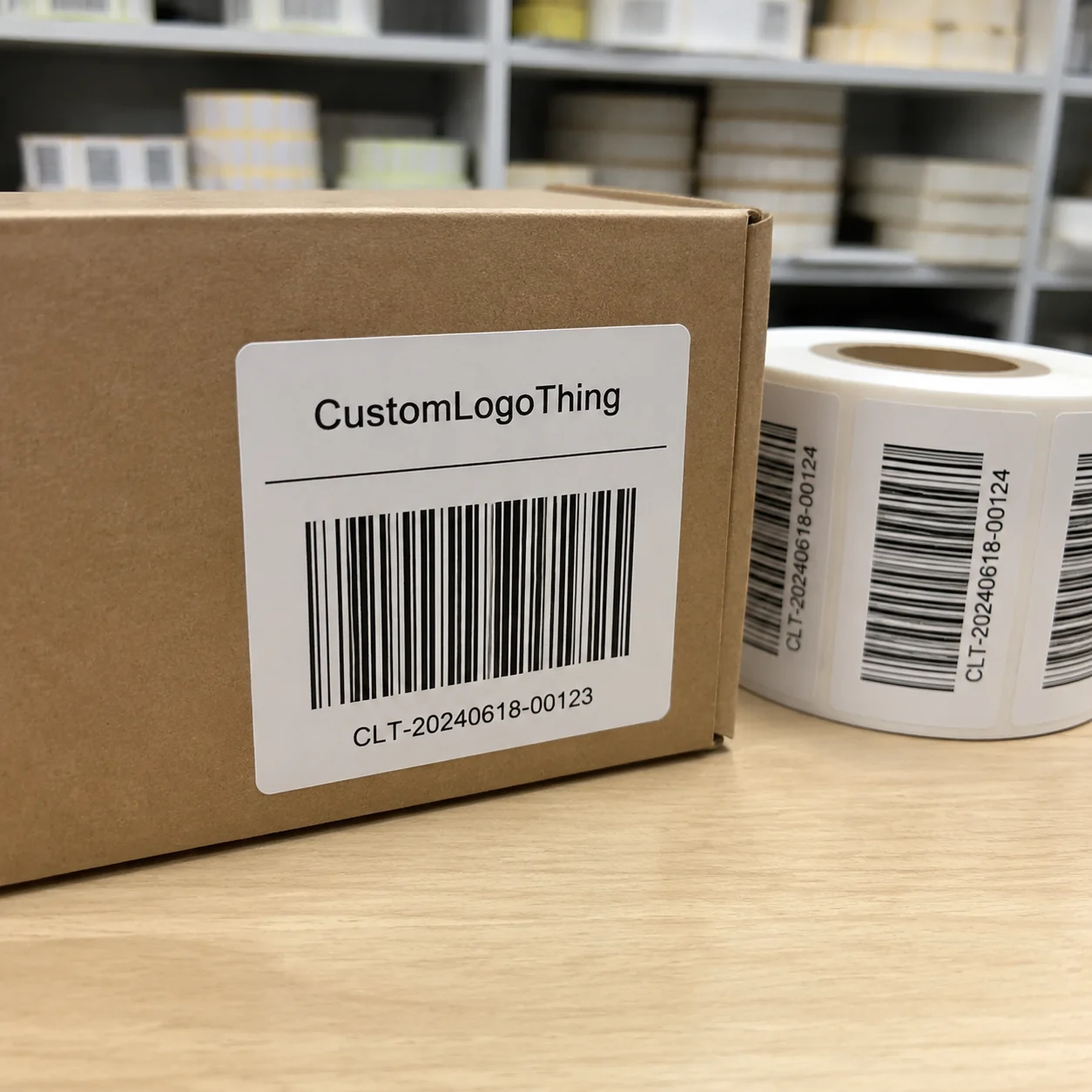
Buyer Fit Snapshot
| Best fit | Packaging Supplier Manufacturer projects where brand print, material claims, artwork control, MOQ, and repeat-order consistency need to be specified before quoting. |
|---|---|
| Quote inputs | Share finished size, material target, print colors, finish, packing count, annual reorder estimate, ship-to region, and any compliance wording. |
| Proofing check | Approve dieline scale, logo placement, barcode or warning zones, color tolerance, closure strength, and carton packing before bulk production. |
| Main risk | Vague material claims, crowded artwork, missing packing details, or unclear freight terms can make a low unit price expensive after revisions. |
Fast answer: Packaging Supplier Manufacturer: Material, Print, Proofing, and Reorder Risk should be specified like a repeatable production item. The safest quote records material, print method, finish, artwork proof, packing count, and reorder notes in one written spec.
Production checks before approval
Compare the actual filled-product size with the drawing, then confirm tolerance on folds, seals, hang holes, label areas, and retail display edges. Reserve space for logos, QR codes, warning copy, and material claims before decorative graphics fill the panel.
Quote comparison points
Review material grade, print process, finish, sampling route, tooling charges, carton quantity, and freight assumptions side by side. A quote is only useful when the supplier can repeat the same color, closure quality, and packing count on the next order.
I’ve spent enough time on factory floors to know one thing for certain: the words Packaging Supplier Manufacturer sound simple on a quote sheet, yet the real work behind them is technical, layered, and full of decisions that affect cost, strength, print quality, and lead time. I still remember standing beside a corrugated line in Shenzhen while a buyer insisted two “identical” Custom Printed Boxes should cost the same, only to discover one used 32 ECT board, a tighter die-cut tolerance, heavier ink coverage, and a matte aqueous coat that changed both run speed and waste. That is why choosing the right packaging supplier manufacturer matters far more than many buyers expect.
Packaging is not just a container. It protects product, shapes shipping costs, supports shelf appeal, and quietly does a lot of work for package branding before a customer ever touches the item. Whether you are buying retail packaging, shipper boxes, inserts, labels, or fully branded packaging with specialty finishes, the manufacturer behind it affects consistency, lead time, and your margin in ways that are easy to miss until something goes wrong.
What a Packaging Supplier Manufacturer Actually Does
A true packaging supplier manufacturer does more than sell boxes. In a proper facility, they source raw board, engineer the structure, print the artwork, convert the material, finish it, and ship the final packaging, often with inserts or kitting already handled. I’ve seen shops that only broker jobs and shops that actually own the corrugator, the offset press, the die cutter, and the glue folder. Those are very different businesses, even if their sales quotes look similar.
The same box style can vary dramatically depending on board grade, flute profile, caliper, glue pattern, and finishing choices. On one client visit, a folding carton looked perfect on screen, but the first press run showed slight registration drift because the supplier had outsourced prepress and their color profile was built for a different press condition. A reliable packaging supplier manufacturer should manage those details in-house or tightly control them through documented procedures.
Here’s the basic difference. A broker coordinates the job and usually places it with another factory. A reseller may buy inventory, add branding, and ship it. A true packaging supplier manufacturer controls tooling, quality checks, scheduling, and production accountability. That control matters when you need the same result across repeat orders, because one change in board source or ink density can alter the final feel of the package.
When a manufacturer has in-house prepress, flexographic or offset printing, digital proofing, die cutting, gluing, and kitting, your project tends to move faster and with fewer handoffs. That does not make every in-house facility perfect, of course. I’ve seen excellent plants and sloppy ones. But a strong packaging supplier manufacturer with those capabilities usually has better control over consistency, which is exactly what you want for branded packaging and Product Packaging That has to perform in the real world.
“The packaging looked simple from the outside,” a buyer told me during a plant walk in Dongguan, “but once we saw the scoring, the coating, and the pallet pattern, it made sense why our damaged rate changed so much.”
How the Packaging Manufacturing Process Works
The process usually starts with discovery and spec gathering. A good packaging supplier manufacturer wants the product dimensions, target weight, shipping method, storage conditions, print goals, and any compliance needs before anything is quoted. If you skip that step and send only a rough sketch, you may get a number back, but it is rarely one that survives production unchanged.
From there, the factory selects materials such as kraft linerboard, SBS paperboard, corrugated medium, or specialty films depending on the structure. Raw board moves through slitting and corrugating, then into printing, laminating, die cutting, folding, and gluing. In a folding carton plant I toured outside Guangzhou, the most impressive part was not the press itself; it was the way the operators checked sheet lay, stacking pressure, and glue flow every few hundred cartons to keep the run stable.
Proofing comes next. Digital mockups are useful for early artwork alignment, especially if you need to compare print coverage or placement. White samples help confirm structure and dimensions. Preproduction samples are the safer option before full production, and a press check is often worth the travel if color accuracy matters and your packaging supplier manufacturer is running a critical retail launch. ASTM and ISTA standards are often referenced for testing and transit performance, especially if the carton will travel far or support heavy contents. For reference, ISTA maintains transit testing guidance at ista.org, and ASTM publishes a wide range of packaging-related standards.
Timeline depends on complexity, but a typical process might look like this: 2 to 4 business days for spec review and quotation, 3 to 7 days for artwork and proof approval, 7 to 15 business days for sampling or tooling on a custom run, and 10 to 25 business days for production depending on quantity and finish. If foil stamping, embossing, or specialty coatings are involved, add time. Rush orders are possible, but they often tighten scheduling, increase freight pressure, and raise unit cost because the packaging supplier manufacturer has to re-sequence machine time.
Quality control is where good factories separate themselves from average ones. Incoming material inspection checks board caliper, moisture content, and surface finish. Color verification protects brand consistency. Glue tests prevent flap failures on shipper boxes. Compression testing helps confirm the carton can survive stacking. Final carton count audits reduce shortages, and I’ve seen more than one shipment saved because a line supervisor caught a pallet count error before export loading. A careful packaging supplier manufacturer does not treat QC as a final glance; it is built into the run.
Key Factors That Separate a Good Supplier From a Great One
Material expertise is one of the clearest separators. A good packaging supplier manufacturer can recommend the right board caliper, flute profile, or coating based on product weight, humidity, and shipping route. For example, a 24-count retail display sent through dry regional distribution does not need the same structure as a high-moisture shipper crossing coastal freight lanes. I’ve watched teams save real money simply by adjusting flute grade or switching from a heavy laminated structure to a smarter kraft design.
Print and finishing capability matter just as much. Spot colors need to hold across reruns. Registration needs to stay tight, especially on small logos and fine type. Foil stamping, embossing, varnishes, and matte or gloss coatings all affect both appearance and machine speed. A strong packaging supplier manufacturer should explain what each finish does to cost, lead time, and reject rate instead of just saying yes to everything. Honestly, that honesty is one of the biggest signs of competence.
Communication is another area where factories reveal their character. When an artwork revision comes in late or a delivery date shifts, how fast does the team respond, and do they explain the impact with specific dates and quantities? A dependable packaging supplier manufacturer will tell you if a change affects plate creation, ink matching, or freight booking. That kind of clarity saves time and avoids the classic “we thought it was included” conversation.
Sustainability also matters, but it has to be real and documented. FSC-certified paper is a useful option for many brands, and recycled content can reduce virgin fiber demand. The FSC site at fsc.org explains certification pathways in detail. EPA guidance on waste reduction and materials management is also a good reference point at epa.gov. A responsible packaging supplier manufacturer should be able to tell you whether the structure is recyclable, whether any inks or coatings complicate recovery, and how much scrap is generated during setup.
Scalability closes the loop. Small test runs are useful, but seasonal spikes and repeat orders are where the real pressure shows up. I’ve seen one plant handle 5,000 boxes beautifully and then struggle when a brand moved to 80,000 units because scheduling and plate storage were not organized. The best packaging supplier manufacturer can support small pilots without losing the ability to repeat the same build later at higher volume.
Pricing, MOQs, and What Packaging Really Costs
Pricing in packaging is driven by material type, size, print complexity, finishing, tooling, labor, freight, and storage. If a packaging supplier manufacturer quotes a folded carton at $0.18 per unit for 5,000 pieces while another quotes $0.11 for 20,000 pieces, those are not directly comparable without understanding setup and machine efficiency. The cheapest headline number is not always the cheapest real cost.
Minimum order quantities exist for a reason. The factory has to create plates, set up the press, run sheets through the die cutter, and calibrate glue or folding stations. Those changeover costs are the same whether you order 500 units or 50,000. That is why lower quantities often carry a higher unit price. A solid packaging supplier manufacturer should explain the MOQ in plain terms, including where the price break happens and what you gain at each tier.
Total landed cost is the number that matters. That includes unit price, tooling, freight, customs if applicable, storage, damage allowance, and the cost of reorders if the first batch is off-spec. I once worked with a client who saved $900 on the initial quote from a cheaper packaging supplier manufacturer, then spent nearly twice that on replacements because the cartons arrived with weak folds and inconsistent color. Cheap packaging is rarely cheap when you count returns and waste.
There are smart places to save. Simplify finishes if they do not add value. Adjust board specs if the product weight allows it. Standardize dimensions across multiple SKUs to reduce tooling and inventory complexity. Consider whether custom inserts need full print or can stay uncoated and functional. A practical packaging supplier manufacturer can often suggest cost reductions that do not hurt performance, especially on retail packaging where the box structure and shelf presence Matter More Than extra decoration.
Sometimes the more expensive supplier is actually the cheaper one over time. Fewer damages, fewer rejects, tighter consistency, and better communication can save real money on labor and reorder headaches. That has been true in every plant audit I’ve done, from folding carton converters in the Pearl River Delta to domestic corrugated shops serving regional e-commerce brands. A thoughtful packaging supplier manufacturer is an operations partner, not just a line item.
How Do You Choose the Right Packaging Supplier Manufacturer?
Start with a requirements checklist. Write down the product dimensions, weight, shipping method, Retail Display Needs, branding goals, and target budget before you ask for quotes. A serious packaging supplier manufacturer can work faster and more accurately when they have a clean spec sheet rather than a scattered email thread with three revisions and a phone photo.
Next, request quotes from multiple manufacturers using the same spec. That means same board grade, same print count, same finish, same quantity, and same delivery location. If one supplier quotes a 350gsm C1S folding carton with soft-touch lamination and another quotes a generic paperboard box, the comparison is not useful. The best packaging supplier manufacturer will welcome an apples-to-apples comparison because it shows confidence in their process.
Ask for samples, reference photos, and equipment details. You do not need a full machine list for every vendor, but you should know whether they run offset, flexo, or digital, whether die cutting is in-house, and how they handle quality control. A reliable packaging supplier manufacturer should be able to discuss tolerances, press capability, and how they manage first-article approval. If they get vague at that stage, I’d keep looking.
Then look at communication and lead times. If a supplier takes two days to answer a basic spec question, that pace often continues after the order is placed. A responsive packaging supplier manufacturer should be able to tell you when artwork is due, when proofing happens, when tooling starts, and what can delay the schedule. This is especially important for seasonal retail packaging, where one late week can throw off a launch window.
Before committing to a large order, run a pilot if the budget allows it. Even 500 to 1,000 units can reveal a lot about print quality, glue performance, shipping durability, and unpacking experience. I’ve seen buyers avoid costly mistakes because a test run caught a flap alignment problem or a color shift that would have been expensive to fix at scale. A careful packaging supplier manufacturer will usually support that pilot approach.
If you need a broader starting point for product ranges, review Custom Packaging Products, and if you want to understand the team behind the work, see About Custom Logo Things. A good packaging supplier manufacturer relationship starts with clarity, not guesswork.
Common Mistakes Buyers Make When Sourcing Packaging
The biggest mistake is choosing only on price. I’ve seen buyers celebrate a low quote, then lose money on damaged goods, poor print quality, or freight issues that the original quote never accounted for. A lower number from a packaging supplier manufacturer means little if the cartons collapse in transit or the ink rubs off on retail shelves.
Vague specs cause trouble too. If you do not define board grade, dimensions, finish, quantity, and pack configuration, you invite inconsistent quotes and production surprises. One factory may assume a regular slotted container while another assumes a die-cut mailer. A capable packaging supplier manufacturer can help refine the spec, but the buyer still needs to provide enough detail to anchor the estimate.
Timeline optimism is another common trap. Artwork prep, plate creation, approvals, and freight all take time, and a rush order usually costs more. I’ve watched a procurement team promise a launch date before confirming tooling, then scramble when the press slot was already booked. A realistic packaging supplier manufacturer will tell you where the real calendar pressure sits.
Storage gets forgotten all the time. If you order 40,000 units but only need 8,000 in the first month, you need dry, organized space and a reorder plan. Otherwise, you risk moisture damage, crush damage, or accidental mix-ups between revisions. A dependable packaging supplier manufacturer can help you plan reorder quantities and safety stock, but only if you bring inventory into the conversation early.
Expert Tips for a Smoother Supplier Relationship
Keep artwork files clean, labeled, and print-ready. Use final dielines, proper bleed, and controlled color profiles, because prepress problems tend to snowball fast. A patient packaging supplier manufacturer can fix a lot, but every round of correction adds time and risk. I’ve seen clean file management cut proofing cycles in half.
Build in small tolerances for color and dimension. Paper, humidity, and machine conditions will always introduce some variation, even in the best plants. That does not mean quality is poor; it means production is real. A seasoned packaging supplier manufacturer will set realistic expectations so your brand standards stay strong without demanding impossible perfection.
Create a reorder spec sheet that captures every approved detail: substrate, caliper, flute, finish, ink colors, glue points, carton count, pallet pattern, and approved photos. Keep one master version and share it with procurement, design, and logistics. That single sheet can save hours when you place the next run with the same packaging supplier manufacturer.
Ask for production photos or first-run samples and save them. A baseline sample from the first order is incredibly useful when you compare future shipments. On one account, a client caught a subtle varnish change because they kept the original approved sample in a sealed bag. That kind of discipline makes a packaging supplier manufacturer relationship much easier to manage over time.
If you audit your current packaging, collect three competitor quotes, compare total landed cost, and request a sample run before scaling, you’ll make better decisions with less stress. That is the practical path I recommend, and it has served brands well in every category from cosmetics to food to subscription retail. A good packaging supplier manufacturer should welcome that process.
FAQs
What does a packaging supplier manufacturer do differently than a broker?
A manufacturer controls production equipment, materials, and quality checks directly, while a broker mainly coordinates between you and outside factories. Working with the manufacturer often gives you more transparency on timelines, tooling, and cost drivers. A broker can be useful for sourcing variety, but a packaging supplier manufacturer is usually better for repeat consistency and technical problem-solving.
How do I compare packaging supplier manufacturer quotes accurately?
Use the same dimensions, material specs, print details, quantity, and delivery location for every quote. Ask whether tooling, samples, freight, and setup charges are included. Compare unit price and total landed cost, not just the lowest headline number from a packaging supplier manufacturer.
What affects packaging manufacturer lead times the most?
Artwork approval delays, tooling creation, material availability, and machine scheduling are usually the biggest factors. Complex finishing such as foil stamping or specialty coatings can extend production time. Rush orders may be possible, but they often increase cost and reduce flexibility for any packaging supplier manufacturer.
How do I know if a packaging supplier manufacturer offers fair pricing?
Fair pricing should reflect the material quality, production method, order size, and finish complexity. Ask for a cost breakdown so you can see what is driving the price. If a quote is much lower than the others, check for hidden charges or lower-grade materials from the packaging supplier manufacturer.
What should I ask before switching to a new packaging supplier manufacturer?
Ask about capabilities, sample process, quality control, reorder consistency, and expected lead times. Confirm whether they can match your current packaging structure and print standards. Request references, samples, and a pilot run before moving all production to a new packaging supplier manufacturer.
If you want Packaging That Protects the product and supports the brand, choose the packaging supplier manufacturer with the clearest specs, the most honest communication, and the most repeatable process. That is the combination I trust after years of seeing what holds up on the line, in transit, and on the shelf. Start by tightening your spec sheet, asking for a pilot run, and comparing landed cost instead of headline price, and you’ll usually end up with Packaging That Works the first time instead of becoming a rework problem later. Custom Logo Things can help you compare options, review packaging design details, and build Custom Printed Boxes that are practical to produce and strong enough to ship.