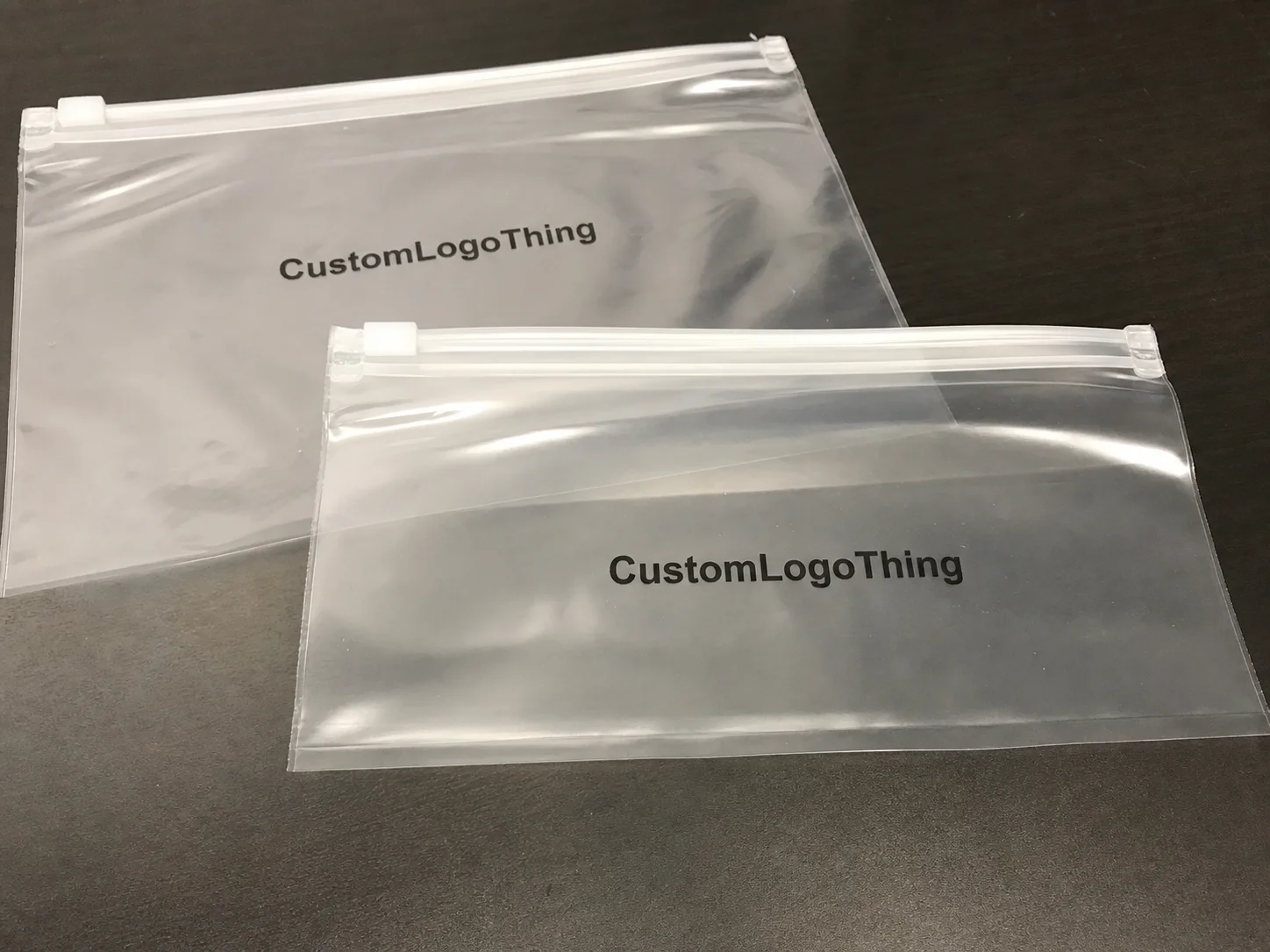
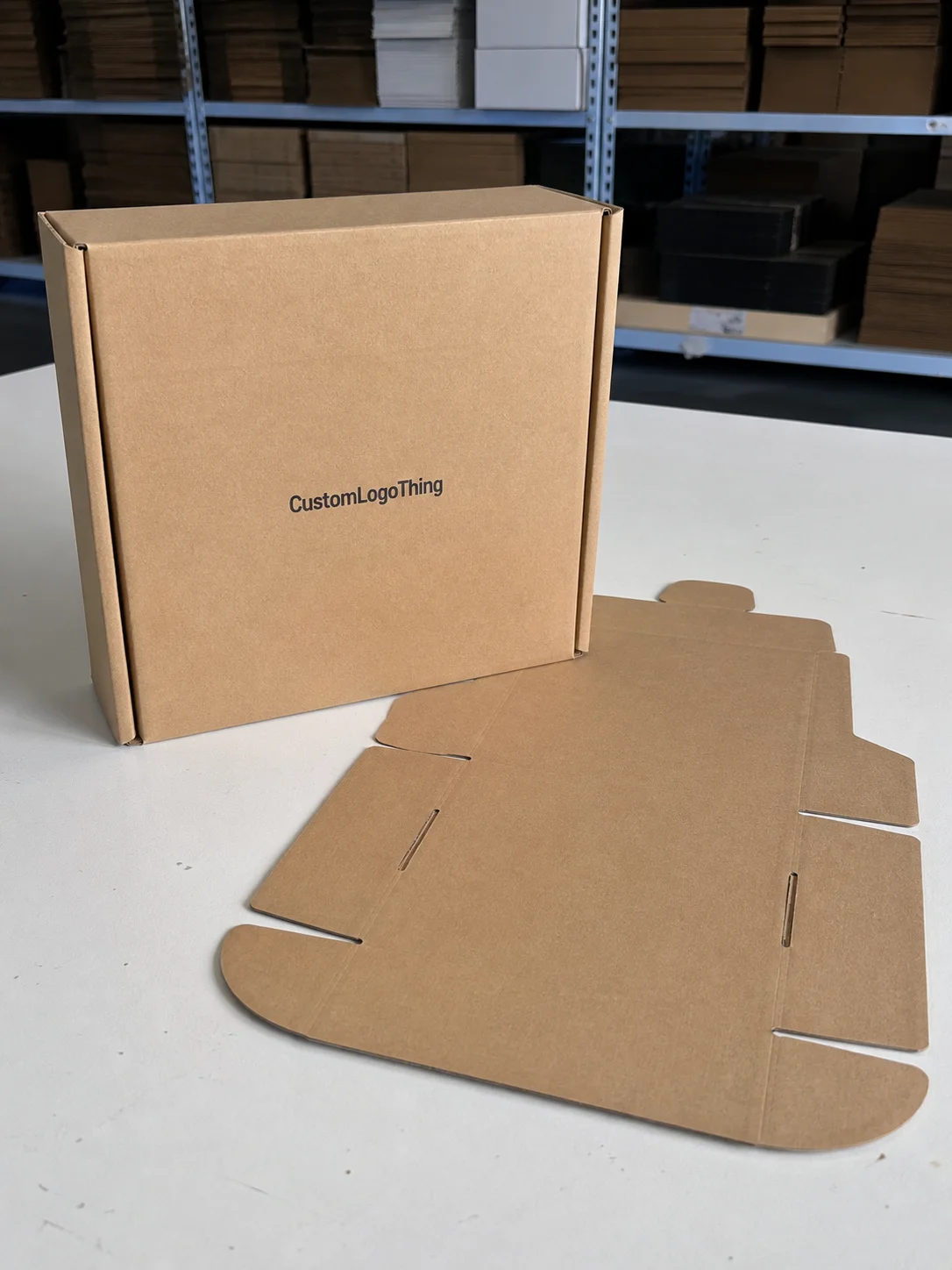
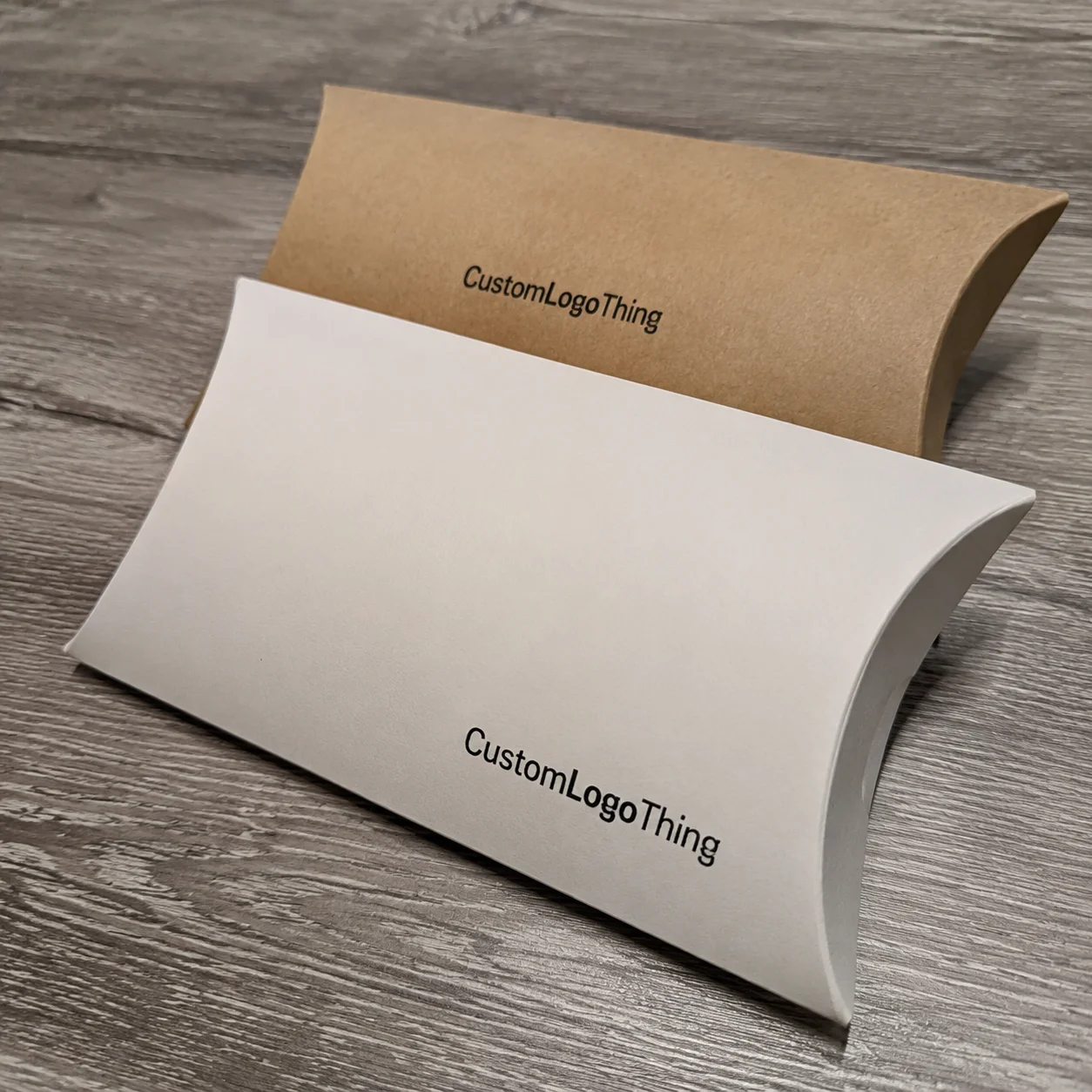
Buyer Fit Snapshot
| Best fit | Packaging Supplier Pricing projects where brand print, material claims, artwork control, MOQ, and repeat-order consistency need to be specified before quoting. |
|---|---|
| Quote inputs | Share finished size, material target, print colors, finish, packing count, annual reorder estimate, ship-to region, and any compliance wording. |
| Proofing check | Approve dieline scale, logo placement, barcode or warning zones, color tolerance, closure strength, and carton packing before bulk production. |
| Main risk | Vague material claims, crowded artwork, missing packing details, or unclear freight terms can make a low unit price expensive after revisions. |
Fast answer: Packaging Supplier Pricing: Material, Print, Proofing, and Reorder Risk should be specified like a repeatable production item. The safest quote records material, print method, finish, artwork proof, packing count, and reorder notes in one written spec.
Production checks before approval
Compare the actual filled-product size with the drawing, then confirm tolerance on folds, seals, hang holes, label areas, and retail display edges. Reserve space for logos, QR codes, warning copy, and material claims before decorative graphics fill the panel.
Quote comparison points
Review material grade, print process, finish, sampling route, tooling charges, carton quantity, and freight assumptions side by side. A quote is only useful when the supplier can repeat the same color, closure quality, and packing count on the next order.
Two boxes can sit side by side on a factory floor in Shenzhen, look nearly identical from ten feet away, and still come from completely different material recipes, tooling paths, and press schedules. I remember the first time a buyer slid a “simple” carton quote across the table and said, with complete confidence, “These should all be about the same,” and I had to bite my tongue because, honestly, they were absolutely not the same. That is the kind of gap a Packaging Supplier Pricing guide is built to expose, especially when you are sorting through quotes that all seem to say the same thing at first glance. I have watched buyers stare at a $0.82 unit quote on one side and a $1.34 quote on the other, only to learn the cheaper number left out plates, freight from Ningbo, and a structural insert that another supplier had already built into the price. A practical packaging supplier pricing guide clears away that confusion, and once the real scope is visible, the buying process gets far less mysterious.
Packaging pricing feels frustrating because it is both a physical product and a manufacturing process. You are not just buying a box; you are paying for board stock, die-cutting, print setup, finishing, labor, carton packing, and usually some engineering judgment from someone who has seen what happens when a 12 oz glass serum bottle is dropped into a thin mailer in a warehouse in Dongguan. That is why a packaging supplier pricing guide should do more than chase the lowest number. It should help you understand the work hidden inside the number, down to the difference between a 350gsm C1S artboard carton and a 2mm greyboard rigid box wrapped in 157gsm art paper.
Why Packaging Pricing Feels So Opaque
Pricing feels opaque because suppliers divide a job into buckets that buyers do not always see on the first quote. Material cost usually gets the most attention, yet there are also print setup, cutting dies, finishing, freight, minimum order quantities, and sometimes sampling or storage. A solid packaging supplier pricing guide helps you identify those buckets and compare them side by side instead of staring at a single line item and guessing what it includes, whether the order is 500 pieces or 50,000 pieces.
I still remember a walk through a corrugated plant in Dongguan where a buyer insisted two shippers should cost the same because both were “just brown boxes.” One used E-flute with a simple 1-color kraft print and a standard RSC style. The other needed a heavier board, a tighter score pattern, a glued-in insert, and a faster packaging line because the product launch had to hit a retail reset in Chicago in under three weeks. From the outside they looked similar. Inside the plant, the manufacturing cost was nowhere close. That is exactly the kind of problem a packaging supplier pricing guide helps you avoid before you send an RFQ.
Suppliers also quote differently depending on what you ask for. Some provide a unit price that assumes a full run and no revisions. Others include tooling, while some keep die charges separate. Freight can be FOB factory in Shenzhen, DDP to a warehouse in Ohio, or landed to a 3PL in Dallas, and those differences can swing the total by hundreds or even thousands of dollars. A dependable packaging supplier pricing guide keeps the scope consistent so the comparison stays honest, especially when one supplier quotes $0.15 per unit for 5,000 pieces and another quotes $0.21 per unit with sampling included.
Packaging pricing is rarely “expensive” or “cheap” in isolation. It usually comes down to board grade, machine time, order size, and how many hands the job touches before it reaches your dock.
Unit price and total landed cost are not the same thing. A quote at $0.61 per unit can look excellent until you add a $280 die charge, $190 in sampling, $360 freight from Ningbo, and a minimum order quantity that forces six months of inventory into storage. A proper packaging supplier pricing guide keeps you focused on the full picture instead of rewarding the lowest visible number, particularly when the delivered cost lands at $0.79 per unit after customs and palletization.
If you are sourcing Custom Packaging Products for retail shelves, e-commerce shipping, or subscription mailers, the same rule holds every time: the quote only makes sense when the scope is clear. That is why I treat a packaging supplier pricing guide as a working document, not some abstract theory piece I pull out just to sound organized in a meeting.
Packaging Supplier Pricing Guide: How It Actually Works
The quote process usually starts with a spec review, and that is where a lot of buyers lose money before the first sample is even made. A supplier needs dimensions, product weight, material preference, print method, finish, insert details, and quantity bands. Send “small box for candles” instead of a proper spec sheet, and the estimate will either be padded with risk or built on assumptions that may not hold up later. A useful packaging supplier pricing guide starts with the specs, including exact dimensions like 120 mm x 80 mm x 35 mm, a 350gsm C1S artboard structure, and a 4/0 CMYK print layout.
Once the spec is in hand, the supplier translates it into manufacturing steps. A folding carton means board selection, print plates, die-cut tooling, scoring, folding, gluing, and packing. Rigid boxes add chipboard wrapping, board wrapping, corner folding, and a more manual labor flow. Corrugated mailers and shippers follow a different path again, with board conversion, die-cutting, gluing, and pack-out. The same outer dimensions can still produce very different quotes in a packaging supplier pricing guide, especially if one factory is running on a Bobst die-cutter in Guangzhou and another is converting on a KBA press line in Xiamen.
Fixed costs are the first thing to understand. Tooling, plates, dies, press setup, and machine changeover do not care whether you order 500 units or 50,000 units. They are real costs that get spread across the run. If a rigid setup costs $420 in labor and tooling, that cost adds $0.84 to a 500-piece order and only $0.0084 to a 50,000-piece order. That math sits at the heart of any packaging supplier pricing guide, and it is exactly why low-volume custom packaging can look surprisingly pricey at first.
Variable costs behave differently. Board material, ink coverage, lamination film, inserts, glue, labor per piece, and waste all rise or fall with design complexity and quantity. I once reviewed a cosmetics packaging project in Shenzhen where the jump from matte aqueous coating to soft-touch lamination added only 6 to 9 cents per unit, yet the scrap rate from the low-temperature lamination pass made the final production cost noticeably higher. That kind of detail belongs in a packaging supplier pricing guide because it affects process as much as material.
Production method matters more than many buyers expect. Folding cartons often run efficiently at high volumes, which makes them attractive for retail packaging and lighter product packaging. Rigid boxes are usually more labor-intensive, so their pricing structure looks different even before decoration enters the picture. Corrugated shippers can be economical for high-strength e-commerce use, but ask for custom inserts, window patches, or complex print coverage and the quote moves fast. A grounded packaging supplier pricing guide makes clear that these are different manufacturing animals, not interchangeable quotes.
Timeline affects price as well. A standard project might move from artwork approval to sample, then to production, then to outbound freight over 15 to 25 business days, depending on complexity. A simple folding carton often ships 12 to 15 business days from proof approval, while a rigid box with magnetic closure and foil stamping may take 18 to 22 business days from proof approval. Rush work compresses that timeline, and compression costs money because the supplier may need overtime, material expedites, or a line change that interrupts another customer’s order. I have had more than one buyer look shocked when a five-day rush added a $0.08 per unit premium, as if the factory should simply apologize and teleport the cartons into existence. That is why every strong packaging supplier pricing guide needs schedule discipline right alongside cost discipline.
For reference, industry organizations such as The Packaging School and PMMI ecosystem at packaging.org provide useful packaging manufacturing context, while the ISTA testing framework helps when you are validating ship-safe packaging design for distribution. I also advise clients who care about responsible sourcing to review FSC options when paper certification matters for brand story or retail requirements, especially for cartons printed in the Pearl River Delta or converted near Suzhou.
Key Cost Factors That Move the Quote Up or Down
Material selection is usually the first big driver in a packaging supplier pricing guide. Kraft paperboard, SBS paperboard, corrugated E-flute, corrugated B-flute, rigid chipboard, and specialty wraps all sit in different price bands because they perform differently on press and on the shelf. A 350gsm SBS folding carton with aqueous coating does not price like a 2mm rigid board wrapped in printed art paper with a magnetic closure, and anyone who has spent time around a carton converting line in Huizhou has seen how fast that difference shows up in labor and waste.
Print complexity comes next. One-color kraft print is a very different job from a full-bleed, four-color process with foil stamping, embossing, debossing, spot UV, and a clear window patch. Each added finish can require extra tooling, extra registration control, or an additional pass through the line. I once sat with a supplier in Shenzhen who showed me a packaging supplier pricing guide estimate where foil alone added more to the job than the board upgrade, simply because the customer wanted a brushed metallic logo on every sleeve. That kind of request looks small in a mockup and huge on a press sheet.
Dimensions and structure matter too. A larger box uses more board, naturally, but the real cost jump often comes from waste patterns and machine handling. A compact mailer with simple folds can run efficiently. A long tuck-end carton or an insert-heavy unboxing kit may require slower conversion and more trim waste. If the design includes intricate cut lines, hidden tabs, or a custom insert, the supplier may need a different die pattern or additional setup time. That is why structural design always belongs in a packaging supplier pricing guide, especially for brands ordering from factories in Foshan or Taipei where machine time is booked by the hour.
Quantity is a major lever, and the curve is usually steep at the low end. The first 250 or 500 units can be surprisingly expensive per piece because setup costs dominate the math. Once you cross into the thousands, the Price Per Unit can drop sharply, then flatten as you climb higher. I have seen a folding carton drop from $0.94 at 1,000 units to $0.41 at 10,000 units, with the exact same print spec, because the fixed costs were diluted across the larger run. That spread is why the best packaging supplier pricing guide always talks in volume bands, not one perfect number.
Operational factors are the quiet ones that still move the quote. Seasonal demand can crowd press time. Raw board availability can tighten when mills shift output or freight lanes slow down. Lead times on specialty laminations or foil films can stretch if the material is imported. Freight distance matters more than many buyers realize, especially when shipping bulky corrugated packs or Rigid Box Components. A supplier in North Carolina shipping to Texas will price differently than a supplier in Vietnam shipping to a West Coast port and then inland to a fulfillment center in Phoenix. A real packaging supplier pricing guide has to make room for those variables.
There is also a hidden cost inside package branding decisions: overdesign. A client once asked me why a simple carton quote climbed after adding “just a little more premium feel.” We looked at the spec together and found that the soft-touch film, full-color flood coat, and tight-gauge emboss were all slowing throughput and raising the reject rate on the folding line. The lesson was plain. A packaging supplier pricing guide should help you improve the brand experience without paying for decorative features that do not move the sale, especially when those features add 2 or 3 extra production steps in a plant near Dongguan.
Step-by-Step: Compare Quotes Like a Pro
Step 1 is to build an accurate spec sheet. I always tell teams to include finished dimensions, product weight, material preference, board thickness, print colors, coating or lamination type, insert needs, carton count, and target quantity. If you are buying custom printed boxes for a retail launch, add the shipping destination, pallet requirements, and whether you need inner cartons or master shippers. The more complete the starting document, the better your packaging supplier pricing guide will work, and the easier it becomes for a supplier in Shenzhen or a converter in New Jersey to quote the same job.
Step 2 is to send the same scope to every supplier. That means the same dieline, the same artwork files, the same tolerances, the same delivery location, and the same assumptions about samples. If one supplier prices a prototype and another does not, the quotes are not comparable. I have seen buyers compare a factory-direct quote to one that included pre-production proofing, color match adjustments, and two sample rounds without realizing it. A disciplined packaging supplier pricing guide keeps the apples next to the apples, even if procurement occasionally wants to call them “fruit-adjacent opportunities.”
Step 3 is to compare the quote line by line. Separate unit price from setup, and separate setup from die or plate charges. Then check freight, taxes, duties if any, storage, and overrun allowances. If the supplier offers 5% overrun or underrun, make sure you understand the risk that creates. A clean packaging supplier pricing guide should help you read the total before you look at the big highlighted unit number, because $0.32 per unit can become $0.49 after plates, inland trucking, and cartonized pallets are added.
Step 4 is to review lead times and milestones. Ask when artwork proofing begins, how long sampling takes, when the press is booked, and what happens if revisions are needed after the sample stage. Some suppliers can turn simple folding cartons in 10 to 12 business days after proof approval. Others need 18 to 25 business days for rigid packaging or multi-finish retail packaging. Time and cost are tightly linked, and the best packaging supplier pricing guide treats them as one conversation, not two separate spreadsheets.
Step 5 is to judge service quality, not just the price. Ask how the supplier handles color matching, QC checks, dimensional verification, and what happens if a carton arrives with glue-line problems or scuffing. A supplier who can explain in-line inspection, AQL practices, and carton retention policy often saves you more money than the cheapest quote, because one bad run can wipe out the savings from a lower unit price. That truth belongs in every serious packaging supplier pricing guide, especially when your packaging is moving through a fulfillment center in Atlanta or a retail distribution hub in Los Angeles.
Best practice: compare suppliers on total landed cost, lead time, communication quality, and defect handling, not just on the lowest per-unit number.
One client in the subscription beauty space handed me three quotes that looked wildly different at first glance. After we normalized the specs, one quote was clearly lower on unit price but higher on freight and carried a 20,000-piece MOQ that did not fit the launch plan. Another ran a little higher per unit, yet included free sampling, tighter color control, and a better carton construction That Cut Damage in transit. That was a textbook case for using a packaging supplier pricing guide the right way, and it saved the team roughly $1,400 in avoidable freight and remake costs.
Common Pricing Mistakes Buyers Make
The biggest mistake I see is treating the lowest unit price as the best deal. It often is not. A quote can look attractive until you add freight, setup, remake risk, or a weak structure that causes returns. If a carton saves three cents but breaks down in transit, there is no savings there. A smart packaging supplier pricing guide makes total value visible, not just the sticker number, whether the product is shipping from Shenzhen to Seattle or from Ohio to a regional warehouse in Denver.
Another common mistake is sending incomplete specs. If a buyer leaves out board thickness, finish, or insert requirements, the supplier has to guess. Sometimes that guess is conservative, which inflates the quote. Other times it is optimistic, which means the pricing changes later after artwork or a sample reveals the real workload. In packaging design, missing details can be expensive, and a packaging supplier pricing guide only works if the input is solid, down to the exact closure style and coating selection.
MOQ surprises create another set of problems. A supplier may be excellent for branded packaging at 25,000 units, but not a fit for a startup order of 1,200. I have seen teams fall in love with a premium rigid box only to learn the supplier’s minimum pushed the first buy far beyond budget. The right packaging supplier pricing guide saves you from that mismatch before it reaches procurement approval, especially when the first production run needs to fit inside a $6,000 launch budget.
Buyers also spend on decorative upgrades before they confirm the structural need. I like a good foil stamp as much as anyone, and I have seen it do real work for retail packaging on a shelf. Yet if the box is too weak for the product, the fancy finish is lipstick on a problem. Protection comes first. Shelf appeal comes second. A grounded packaging supplier pricing guide helps buyers keep those priorities in the right order, especially when the carton must survive a 36-inch drop test or a long-haul truck route from Ontario, California to Dallas.
Timeline pressure gets overlooked constantly. If the launch date is fixed and the artwork lands late, rush fees start creeping in quickly. Material sourcing, proofing, press scheduling, and shipping all get squeezed, and that squeeze shows up in the quote. In one factory meeting, I watched a production manager recalculate a carton order after the buyer asked for a five-day acceleration; the extra cost came from overtime alone, not from the board. That is a perfect reminder that a packaging supplier pricing guide should always include time, especially when proof approval is still two rounds away.
Expert Tips to Lower Cost Without Sacrificing Quality
Standardizing sizes across multiple SKUs can save real money. If three products can share one carton footprint with internal inserts adjusted for fit, the supplier can often run the job more efficiently and reduce tooling complexity. I have seen this work especially well in cosmetics, supplements, and small electronics. A thoughtful packaging supplier pricing guide will flag standardization as a savings lever before anyone starts chasing exotic structures, and it can reduce die changes from three separate tools to one shared die.
Simplifying print coverage is another smart move. If the design allows it, use one or two strong brand colors instead of flooding the box with full-coverage ink. A restrained layout can still feel premium, especially when the paper stock is right and the typography is clean. That is one reason I like to talk about package branding as a system rather than just a decoration plan. The best packaging supplier pricing guide shows where style and cost can work together, often by removing one unnecessary print pass or a full flood varnish.
Sometimes the smartest savings come from choosing the correct material, not the most expensive one. I have seen teams move from rigid packaging to premium folding cartons and improve both cost and logistics, especially for lighter products that do not need heavy board. In corrugated, selecting the right flute can make the same difference; E-flute may be enough for display and mailer applications, while B-flute may make more sense for a heavier shipping application. A practical packaging supplier pricing guide should help you match material to job, not just upgrade everything by habit, whether the factory is in Suzhou or Ho Chi Minh City.
Plan farther ahead whenever you can. Early planning gives the supplier room to fit your order into an efficient production block, source materials without rush charges, and avoid premium freight. I have negotiated plenty of orders where the only real discount came from removing urgency. No drama, no overtime, no expedited pallet move. A well-timed packaging supplier pricing guide makes advance planning feel like a cost-control tool, because that is exactly what it is, and it often saves 8% to 15% on the final landed total.
Design for manufacturability is the quiet money-saver most teams overlook. Keep artwork away from glue areas, avoid unnecessarily tight tolerances around cut lines, and choose finishes that run cleanly on common converting equipment. If a design forces the line to slow down by even 10%, that can raise the cost of every unit in the run. I learned that lesson standing beside a high-speed folding line in Dongguan where a beautiful but awkward carton kept misfeeding on the final tuck. The quote had looked fine on paper; the factory told the truth. A strong packaging supplier pricing guide helps you hear that truth before production starts.
For sustainability-minded brands, ask for recycled content options, FSC-certified paper where appropriate, and right-sized packaging to reduce shipping waste. Those choices do not always lower the unit price, but they can improve compliance, shipping efficiency, and customer perception. EPA resources on waste reduction are useful here, especially if your team is trying to balance product packaging, transportation, and environmental goals. A good packaging supplier pricing guide should include sustainability as part of value, not as an afterthought, particularly for brands shipping from California fulfillment centers into the Northeast.
Your Next Steps for Smarter Packaging Buying
If you want better buying decisions, start with a clear spec sheet, request consistent quotes, and confirm total landed cost before anyone approves production. That one habit prevents more budget surprises than any spreadsheet trick. A disciplined packaging supplier pricing guide gives your team a repeatable way to compare suppliers, compare materials, and compare true value, whether the order is a 500-piece pilot or a 25,000-piece launch.
Here is a simple checklist I use with clients:
- Material: confirm board grade, thickness, and certification needs, such as 350gsm C1S artboard or 2mm greyboard.
- Structure: lock dimensions, inserts, and closures, including tuck-end, sleeve, rigid lid-and-base, or mailer style.
- Print: define colors, coverage, foil, embossing, or spot UV, and specify whether the artwork is 1-color or 4/0 CMYK.
- Quantity: set the realistic order band, not a wish number, such as 3,000, 5,000, or 10,000 pieces.
- Logistics: specify destination, Incoterms, pallet needs, and timeline, including whether you need delivery to a warehouse in Illinois or a port in Long Beach.
- Quality: ask about sampling, tolerances, and defect handling, and confirm whether proof approval starts the 12 to 15 business day clock.
Set a budget range and a launch date, then work backward. If artwork needs to be final by Tuesday, sampling by the following week, and production by the week after, that timeline should shape your supplier choice. Buyers who work backward from launch rarely miss freight windows or get trapped by last-minute revision fees. A packaging supplier pricing guide is only as good as the calendar behind it, especially when the factory schedule in Shenzhen is already booked two weeks out.
I also recommend reviewing one current project and running it through the pricing framework again. You will usually spot one or two places where cost can drop or quality can improve, such as a less expensive coating, a better flute choice, or a cleaner artwork layout. That habit builds internal confidence fast. It also turns the packaging supplier pricing guide from a one-time read into a real purchasing tool.
If you are sourcing Custom Packaging Products for a product launch, a retail refresh, or a fulfillment program, remember this: better pricing decisions come from better information, not from chasing the cheapest quote on the page. I have seen that lesson hold true in carton plants in Guangzhou, rigid box workshops in Dongguan, and corrugated converting lines in North Carolina alike. The strongest packaging supplier pricing guide is the one that helps you ask sharper questions and make calmer decisions.
A packaging supplier pricing guide is really a buying discipline. It shows how material, structure, print, labor, freight, and timing connect, and once those pieces are visible, the numbers stop feeling mysterious. That clarity saves money, reduces stress, and usually leads to better packaging design too, whether the final box is a $0.38 mailer or a $1.12 premium rigid set.
Packaging Supplier Pricing: decision table
| Decision area | Best fit | What to verify | Risk if skipped |
|---|---|---|---|
| Quote scope | Comparing suppliers and order quantities | Tooling, sample, unit cost, packing, and freight assumptions | Lowest quote wins until missing line items appear |
| MOQ and repeat order | Launch orders, seasonal runs, and scaled reorder plans | MOQ breaks, lead time, storage, and SKU grouping | First order works but reorder cost jumps |
| Approval process | Avoiding rework before bulk production | Dieline, proof, sample, tolerance, and sign-off owner | Bulk production starts before the spec is truly locked |
FAQs
How do I use a packaging supplier pricing guide to compare quotes?
Use the guide to build a consistent spec sheet so every supplier is pricing the same box, same quantity, and same finish. Then compare total landed cost, not just unit price, because freight, setup, sampling, and storage can change the real total significantly. For example, a $0.27 unit quote can become $0.41 after freight from Ningbo and a $250 tooling charge are added.
What is the biggest factor in packaging supplier pricing?
Quantity is often the biggest driver because setup costs get spread over more units as volume increases. Material choice and print complexity are also major drivers, especially for specialty finishes, rigid packaging, or custom printed boxes with multiple decoration steps. A 5,000-piece run can price very differently from a 20,000-piece run even when the structure is identical.
Why do packaging quotes change after I submit artwork?
Artwork can reveal extra colors, heavier ink coverage, tight registration needs, or finishing details that were not clear in the original request. If the design affects dies, plates, or production speed, the supplier may need to revise the quote to match the real manufacturing work. A foil-stamped, embossed design often adds both setup time and per-unit cost compared with a plain 4-color print.
How long does custom packaging pricing and production usually take?
Pricing can come back quickly, but sampling, proofing, and production scheduling may take longer depending on complexity and supplier workload. A simple folding carton may take 12 to 15 business days from proof approval, while a rigid box with inserts can take 18 to 25 business days. Rush timelines usually cost more because they compress press time, material sourcing, and finishing into a tighter window.
Can I reduce packaging costs without lowering quality?
Yes, by simplifying print coverage, standardizing sizes, Choosing the Right material for the product weight, and planning orders earlier. A smart design that runs efficiently on production equipment often lowers cost while keeping the packaging strong and attractive. For example, switching from a 2mm rigid build to a 350gsm folding carton can reduce both material and freight costs for lighter items.