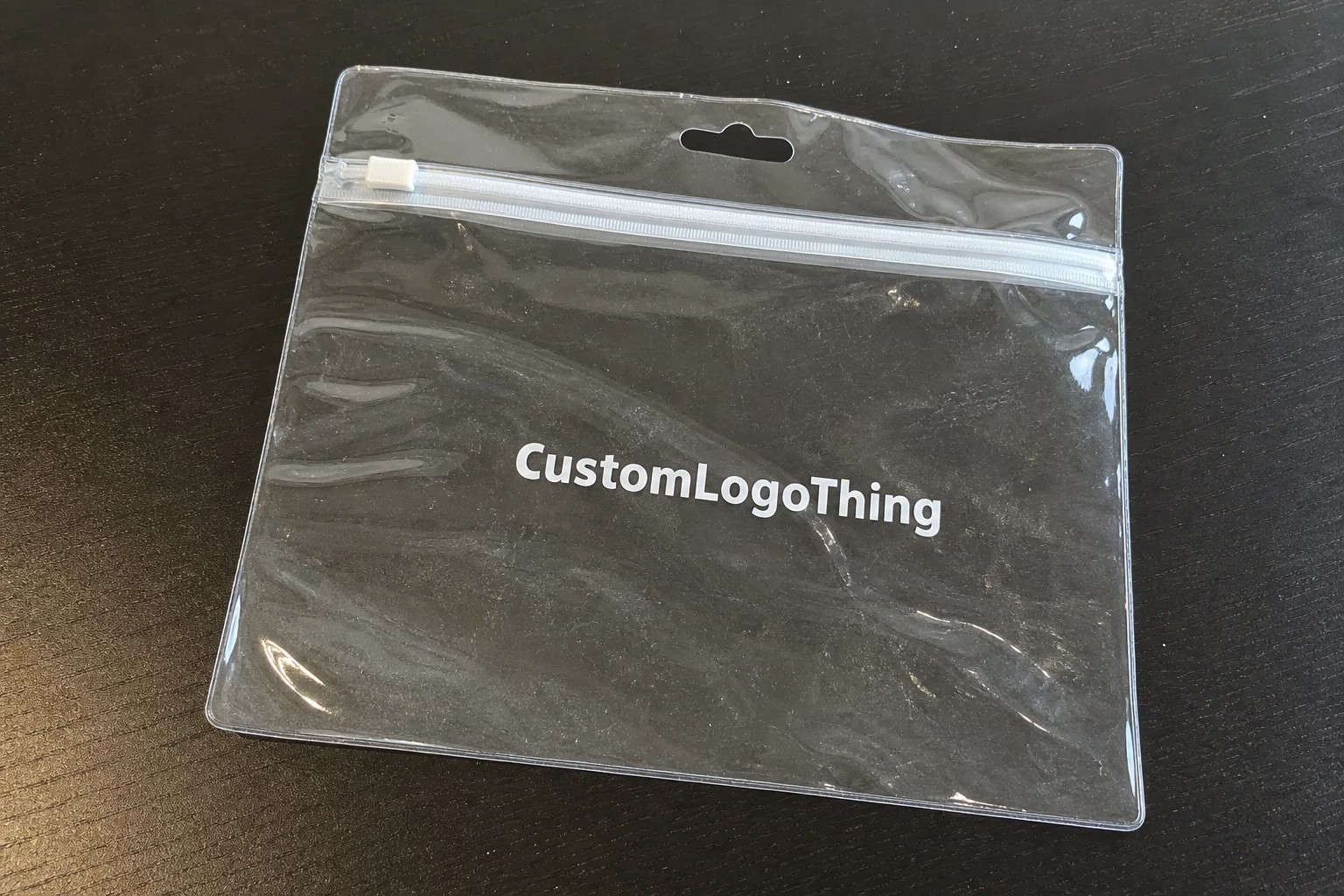
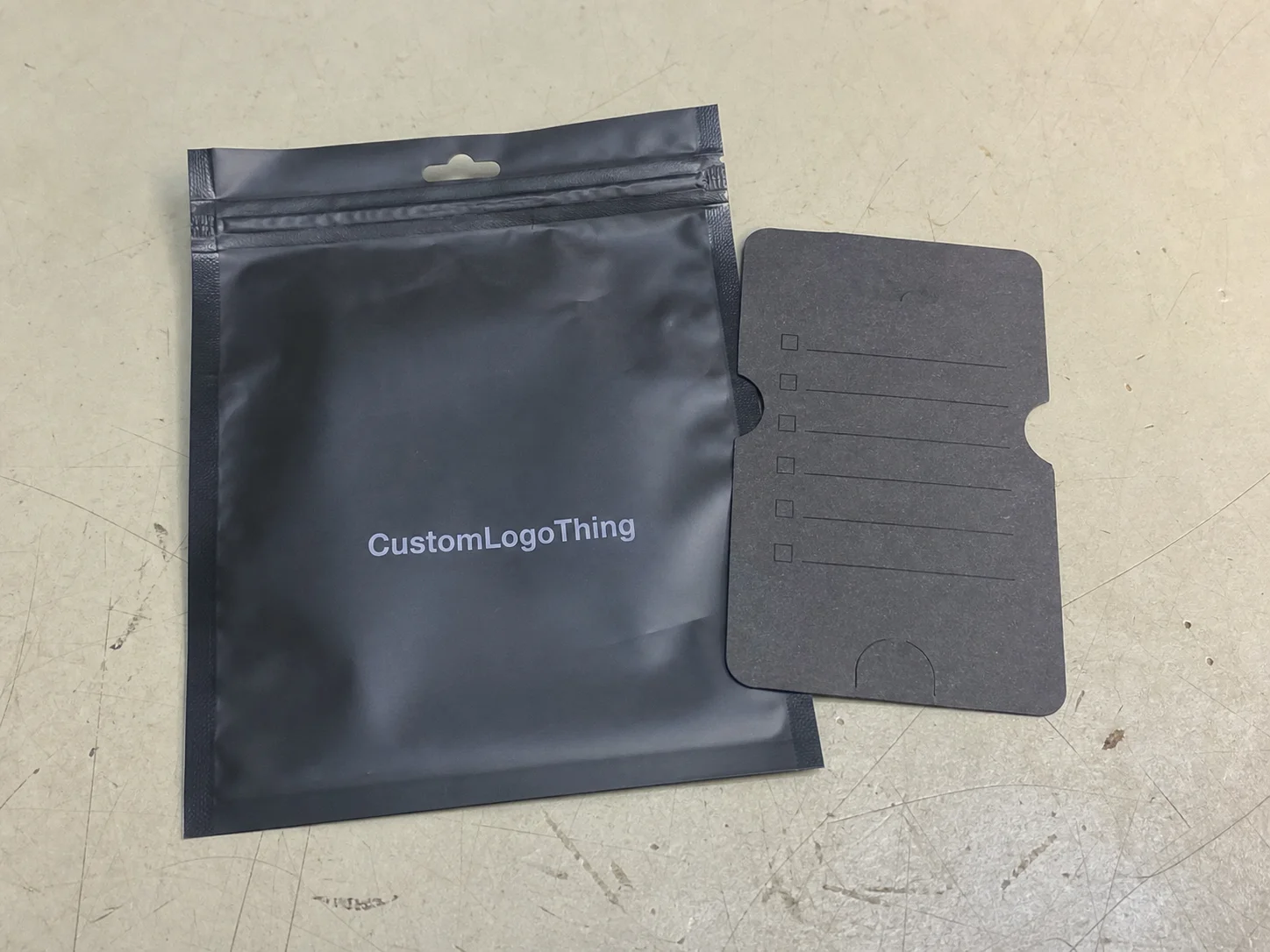
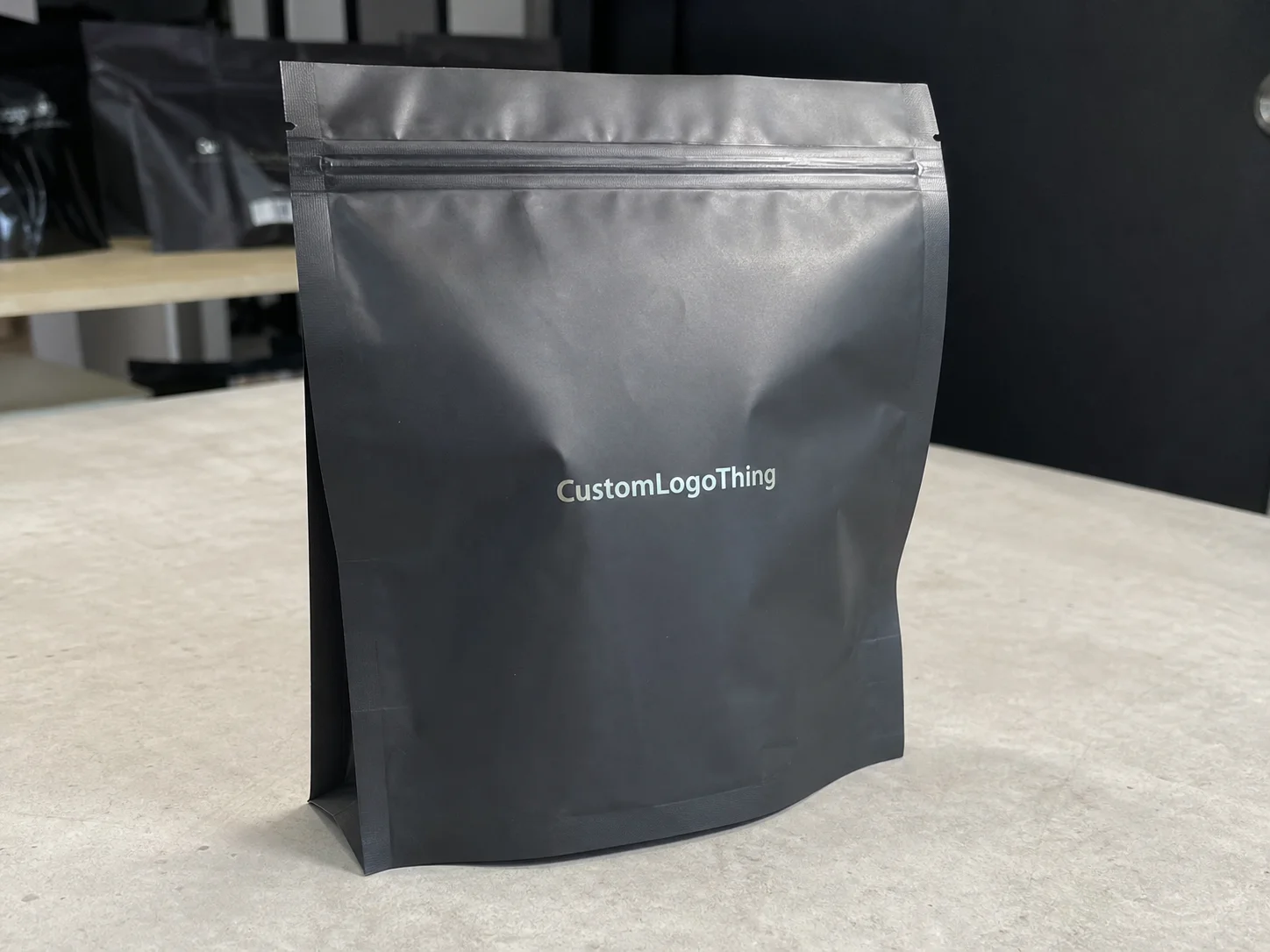
Buyer Fit Snapshot
| Best fit | Packaging Supplier projects where brand print, material claims, artwork control, MOQ, and repeat-order consistency need to be specified before quoting. |
|---|---|
| Quote inputs | Share finished size, material target, print colors, finish, packing count, annual reorder estimate, ship-to region, and any compliance wording. |
| Proofing check | Approve dieline scale, logo placement, barcode or warning zones, color tolerance, closure strength, and carton packing before bulk production. |
| Main risk | Vague material claims, crowded artwork, missing packing details, or unclear freight terms can make a low unit price expensive after revisions. |
Fast answer: Packaging Supplier: Production Review should be specified like a repeatable production item. The safest quote records material, print method, finish, artwork proof, packing count, and reorder notes in one written spec.
Production checks before approval
Compare the actual filled-product size with the drawing, then confirm tolerance on folds, seals, hang holes, label areas, and retail display edges. Reserve space for logos, QR codes, warning copy, and material claims before decorative graphics fill the panel.
Quote comparison points
Review material grade, print process, finish, sampling route, tooling charges, carton quantity, and freight assumptions side by side. A quote is only useful when the supplier can repeat the same color, closure quality, and packing count on the next order.
Most teams blame parcel damage on the carrier. I’ve seen the opposite happen more times than I can count: the real culprit was a weak packaging supplier supplier guide, one that looked fine on paper but missed the basics of board strength, fit, or print setup. In one warehouse visit in Dallas, Texas, I watched a client lose nearly 7% of a month’s shipments to corner crush and scuffed graphics because their packaging supplier supplier guide had never asked for transit testing or a true product dimension check. Their cartons were specified at 32 ECT when the load actually needed 44 ECT, and the difference showed up as flattened corners after 900-mile freight runs. Honestly, that kind of mistake makes me want to bang my head on the nearest pallet. Politely, of course.
A packaging supplier supplier guide matters because packaging is never just a carton or a mailer. It is a decision framework for material sourcing, structural design, printing, compliance, and logistics coordination. Get it wrong, and you pay twice: once for the packaging, then again for returns, reprints, and unhappy customer emails. Get it right, and the payoff shows up in lower defect rates, steadier margins, and packaging that actually supports the brand instead of undermining it. I remember one launch in Charlotte, North Carolina, where the box looked beautiful in the mockup and behaved like wet cardboard in transit after 14 hours in a humid trailer. Pretty does not equal practical. I wish more teams would tattoo that on a conference room wall.
I think many businesses underestimate how much packaging affects the sale after the sale. A corrugated mailer with clean folding scores differently than a flimsy carton with uneven glue. A brand can spend $40,000 on product launch creative, then ship it in a generic shipper that bends at the corners. That disconnect is expensive, and a good packaging supplier supplier guide is how you avoid it. It’s also how you avoid the dreaded “why does my premium product arrive looking like it lost a fight with a forklift?” situation. For a 3-pound skincare set or a 14-ounce electronics kit, the package is often the first physical proof that the brand means what it says.
Packaging Supplier Supplier Guide: What It Really Means
A packaging supplier supplier guide starts with a simple question: what does the supplier actually do? Many people assume the job is just selling boxes or mailers. That’s too narrow. A true packaging supplier may source paperboard, specify flute profiles, manage structural die lines, coordinate flexographic or lithographic print setup, handle compliance documentation, and schedule freight so cartons arrive before production needs them. I’ve met buyers who thought “supplier” meant “person who sends boxes.” That misunderstanding can cost a lot, and not in a charming, educational way. In a Chicago-area corrugated plant, for example, the same account might involve a 350gsm C1S artboard insert, a B-flute outer shipper, and a palletized freight booking leaving from a facility in New Jersey.
In practice, the supplier’s role can affect nearly every part of your operation. If you sell electronics, the packaging supplier supplier guide has to account for foam inserts, ECT ratings, and ISTA-style drop testing. If you ship cosmetics, the priorities shift toward retail packaging presentation, print registration, and shelf impact. If you’re in food or supplements, then barrier properties, regulatory labeling, and substrate choice become part of the conversation. Packaging is not a single purchase; it is a chain of decisions, and one weak link tends to show up at the worst possible moment. A 0.5 mm insert error or a mislabeled inner carton can ripple through an entire 5,000-unit run.
I’ve seen businesses confuse a distributor with a manufacturer and then wonder why nothing lines up. A distributor may offer speed and breadth, but often with less control over custom printed boxes or tooling changes. A broker may coordinate quotes across several plants, which can help on price, but they usually sit farther from the press room and the corrugator. A manufacturer has direct control over production, but not every manufacturer is equally strong in package branding, design support, or small-batch flexibility. A full-service partner sits closer to the center of those needs, which is why the packaging supplier supplier guide should distinguish them clearly. If you skip that distinction, you end up comparing apples to oranges and paying for the fruit salad later. In practice, a manufacturer in Dongguan may quote faster on a 10,000-unit run, while a regional converter in Ohio may be better for a 1,500-unit pilot with frequent artwork revisions.
“We thought our supplier was handling the spec correctly,” one operations manager told me after a costly reprint, “but nobody had confirmed the board grade against our actual ship weight.” That single omission cost them three weeks and about $18,000 in rework.
The best packaging supplier supplier guide also connects packaging to customer experience and freight efficiency. A carton that is 0.75 inches too large in each dimension can push a shipment into a higher dimensional weight bracket. A brittle finish can look beautiful under showroom lights but scuff badly in a fulfillment center. Brand perception is shaped by the first tactile interaction customers have with the package, and that interaction begins long before the box is opened. I know that sounds almost philosophical, but the bill from the freight carrier will snap you right back to earth. On a 12-inch cube shipper, even a one-inch oversized design can trigger a higher DIM weight class, especially on UPS and FedEx Zone 5 shipments out of Tennessee or Ohio.
How Does a Packaging Supplier Supplier Guide Work in Practice?
In a practical setting, a packaging supplier supplier guide follows a path that looks deceptively simple: discovery, quoting, samples, approval, production, and fulfillment. The friction sits inside each step. Discovery means gathering exact measurements, product weights, shipping methods, storage constraints, and branding goals. If that intake is weak, everything downstream becomes guesswork. I’ve watched “simple” packaging projects spiral because one person measured the product and another person measured the outer bundle. Those two numbers are not interchangeable, no matter how confidently someone says they are. On one account in Phoenix, Arizona, a 6.25-inch product was specified against a 6.5-inch cavity, and the remaining tolerance vanished as soon as the insert material arrived.
Here’s what I usually ask clients to document before they even talk to a supplier: outer dimensions, product weight, stack height, drop height, any inserts needed, and whether the package needs to fit automated packing equipment. That last point gets missed all the time. A box that looks elegant on a desk can jam a case erector or fight a carton sealer, and suddenly your “simple” project adds labor minutes to every order. Those minutes are sneaky. They hide in the machine, then show up on payroll like a bad joke. At a facility outside Atlanta, Georgia, I saw a 2-second slowdown at the case sealer turn into 18 labor hours per week across three shifts.
The packaging supplier supplier guide also has to account for custom packaging requests moving through design and testing. A structural designer may create a dieline in 24 to 72 hours, but sample approval can take a week if marketing wants color revisions and operations wants a stronger closure. If the project involves custom printed boxes, you also need proofing, plate or plate-less setup decisions, and color checks against Pantone references or approved brand standards. I’m biased here, but I think the proofing stage is where grown-up packaging happens. Before that, it’s just optimism with measurements. For a 4-color litho-lam job, a typical proof cycle in a U.S. plant may include digital proofs in 48 hours and press checks 3 to 5 business days later.
Lead times matter more than most teams admit. For a mid-volume order of 5,000 folding cartons, I’ve seen 12 to 15 business days from proof approval to shipment when everything is approved quickly. Add a tooling change, a foil stamp, or a kraft substrate switch, and that can stretch. During peak season, the same supplier may prioritize established accounts with forecasted volume, so the packaging supplier supplier guide should always ask about capacity planning, not just price. Otherwise you find yourself in the classic “we thought it would be fine” trap, which is basically the unofficial motto of preventable delays. A plant in Monterrey, Mexico, or Shenzhen, China may quote faster on production, but freight windows and customs can add 4 to 9 extra days.
Min order quantities, or MOQs, are another practical issue. A supplier might quote 1,000 units on paper, but once setup, freight, and material utilization are included, the real efficient run may be 3,000 or 5,000 pieces. That’s not automatically a red flag. It is just the economics of production. The packaging supplier supplier guide should explain why the MOQ exists and whether the supplier can support a phased launch, especially for seasonal product packaging or market tests. I’m not a fan of suppliers who act like MOQ math is some state secret. Say the number, explain the reason, and move on. On a 5,000-piece run, the difference between 1,000 and 3,000 units can be the difference between a $0.31 unit cost and a $0.18 unit cost.
Revisions and sign-off are where many expensive mistakes are prevented. I’ve sat in client meetings where a 2 mm artwork shift was caught because the proof included live dimensions instead of a mockup from memory. That tiny catch prevented a 12,000-unit misprint. A disciplined packaging supplier supplier guide makes proof approval a formal step, not an afterthought. Sales confirms the quote. Operations confirms the fit. Marketing confirms the brand colors. Procurement confirms the terms. Then production starts. It sounds orderly because it is orderly, and order is what keeps you from paying for someone else’s typo. In practical terms, a press-ready PDF should be checked against a dieline at 1:1 scale before a single plate is made.
Supplier interaction often spans several departments, and that can create confusion if roles aren’t clear. Sales may care about launch timing. Operations cares about machinability and damage rates. Procurement focuses on cost and payment terms. Marketing wants branded packaging that looks premium on camera and in hand. The packaging supplier supplier guide works best when those priorities are aligned early, because retrofitting a package is always more expensive than designing it correctly the first time. I’ve seen teams argue for two weeks over a finish choice and then approve the wrong board grade in thirty seconds. Humans are weird. A 350gsm C1S artboard sleeve, for example, may look identical to a 300gsm sheet in a mockup but behave very differently on a folding line in Suzhou or Kansas City.
Packaging Supplier Supplier Guide: Key Factors to Compare Before You Choose a Supplier
Quality control comes first, and I mean real quality control, not just a promise on a sales sheet. A strong packaging supplier supplier guide should ask how the supplier verifies print accuracy, color consistency, and board strength across batches. Do they inspect incoming materials? Do they use burst testing, compression testing, or ECT verification? Do they keep defect records by SKU? Those questions separate a polished pitch from an operational partner. If the answers sound vague, that is usually because the process is vague. A good plant in Wisconsin or Guangdong can tell you the exact compression target for a 44 ECT carton and the pass/fail threshold used on the last 20 runs.
Material options matter too. Corrugated is still the workhorse for shipping performance. Folding carton works well for retail packaging and lighter items. Rigid stock makes sense for premium presentation and high perceived value. Mailers are ideal for direct-to-consumer orders, while eco-friendly substrates can help with sustainability targets. A supplier who only pushes one substrate is limiting your options, and the packaging supplier supplier guide should call that out plainly. I’ve had suppliers insist every problem could be fixed with “better print,” which is adorable until the product arrives crushed. A 32 ECT kraft mailer may be fine for a 1-pound apparel bundle, while a 100% recycled board might need thicker walls to hold up in humid conditions in Miami or Singapore.
Communication speed is a stronger signal than many teams realize. If a supplier takes four days to answer a question about flute choice, they may take just as long when a production issue appears. I once negotiated a run with a plant in the Midwest where the technical contact could explain the difference between E-flute and B-flute in under two minutes, then immediately sent a corrected spec sheet with die-line notes. That kind of clarity saves money. It also reduces mistakes. And yes, it makes the buyer’s blood pressure behave like a normal human’s. A reply within 24 hours is a good benchmark for active projects; 48 hours starts to look like the supplier is understaffed or disorganized.
Production capability deserves a close look. Some suppliers do everything in-house: design, print, die-cutting, finishing, and warehousing. Others outsource key steps. Outsourcing is not always bad, but it adds layers. More handoffs mean more room for timing slips, color drift, and accountability gaps. The packaging supplier supplier guide should ask who owns tooling, who inspects the final run, and what happens if a subcontracted facility misses the timeline. “We’ll figure it out” is not a process. It’s a shrug wearing a blazer. A converter in Los Angeles, for example, may control print and finishing internally but move pallet storage to a third-party warehouse 18 miles away.
Reliability is partly measurable and partly reputational. Ask for references. Ask for case studies with numbers, not vague claims. Ask what percentage of deliveries arrive on time. Ask how often they replace defective units and whether they document the cause. A supplier that can tell you a 1.2% defect rate across a specific category is telling you something useful. A supplier that only says “we’re very quality focused” is not. That phrase has been used in too many meetings where quality later turned out to be a philosophical concept. If they can show a 98.7% on-time delivery rate for a 2024 program in Ohio or Bavaria, that is evidence you can actually use.
Here’s a simple comparison that helps teams evaluate the packaging supplier supplier guide in a more grounded way:
| Supplier Type | Best For | Strengths | Tradeoffs | Typical Fit |
|---|---|---|---|---|
| Distributor | Fast sourcing and standard items | Broad catalog, quick quotes, lower upfront effort | Less control over production details, variable customization depth | Stock mailers, standard cartons |
| Manufacturer | Custom production and volume runs | Direct control, better tooling oversight, stronger cost control at scale | May require higher MOQs and longer planning windows | Custom printed boxes, corrugated shippers |
| Broker | Comparative sourcing across plants | Quote shopping, flexibility, access to multiple mills | Less visibility into plant-level execution, more coordination layers | Projects with shifting specs or supply constraints |
| Full-Service Partner | Brand-led packaging programs | Design support, production guidance, logistics coordination, consistency | May cost more than bare-bones sourcing, but often lowers total risk | Branded packaging, retail packaging, recurring product packaging |
One more point: if a supplier cannot talk confidently about sustainability claims, tread carefully. FSC-certified paperboard, recycled content percentages, and recyclability statements all require documentation. For broader sustainability context, the EPA’s packaging and waste resources are a useful reference: EPA packaging and materials guidance. A solid packaging supplier supplier guide should never accept vague green claims without backup. If a supplier says a carton is “recyclable,” ask whether that applies in Seattle, London, or Toronto, because local collection rules change the answer.
Packaging Supplier Pricing, Cost Drivers, and Hidden Fees
Pricing is where the packaging supplier supplier guide becomes truly useful, because the cheapest quote rarely tells the full story. I’ve reviewed proposals for the same 10,000-unit run where the unit price differed by only 4 cents, yet the final landed cost shifted by more than 18% once freight, setup, and secondary charges were added. That gap can wipe out the savings from a lower headline quote. It can also turn a “smart purchase” into the kind of spreadsheet archaeology nobody asked for. On a 10,000-piece order, a difference of $0.04 per unit sounds small until you realize it is $400 before the rest of the invoice even starts talking.
Break pricing into parts. First are setup costs: dies, plates, color separations, and file prep. Then come materials, which can swing depending on paper grade, flute type, board thickness, recycled content, and coating. Finishing includes spot UV, foil stamping, embossing, soft-touch lamination, or aqueous coating. Tooling and finishing tend to inflate costs quickly, especially on lower volumes. Freight, palletization, storage, and split shipments are the final layer. If your team only looks at the per-unit number, you’re reading the menu and ignoring the check. A soft-touch lamination on a 5,000-unit retail carton may add $0.06 to $0.11 per unit, while foil stamping can add another $0.08 to $0.15 depending on the size of the foil area.
Here’s the trap: a quote might show $0.18 per unit for 5,000 pieces, but that number may exclude a $325 plate charge, a $210 proof fee, and $190 in pallet delivery surcharges. If your packaging supplier supplier guide does not force every supplier to quote the same terms, the comparison is meaningless. Ask for apples-to-apples pricing using the exact same spec sheet, delivery address, incoterms if relevant, and delivery window. I know that sounds finicky. It is. Finicky is cheaper than surprise invoices. A plant in Illinois may quote ex-works while a supplier in Vietnam prices delivered-to-port, and those differences can distort the headline number by hundreds of dollars.
Hidden fees are common enough that I consider them part of the review, not the exception. Watch for art change charges, rush fees, split shipment costs, storage fees after a grace period, and charges for re-shipping a partial order. One client of mine was billed $480 simply because they asked for a second delivery to a different fulfillment center in Reno, Nevada. That might be fair if the logistics were complex, but it should be visible before the PO is signed. The packaging supplier supplier guide should demand that visibility, because nobody enjoys discovering a “miscellaneous freight adjustment” after the fact. It’s a sneaky little line item, and it often appears only after the customer has already committed.
It helps to compare unit price with total landed cost. Unit price tells you the manufacturing cost of one piece. Total landed cost includes production, freight, warehousing, handling, and likely scrap. A cheaper box that increases damage from 1% to 4% is not cheaper. It is a liability. The packaging supplier supplier guide should treat damage prevention as a financial metric, not a design preference. I’d rather see a team save two cents on paper than lose two dollars on returns. On a 20,000-unit order, a 3% rise in damage can easily erase $1,200 to $3,000 in freight savings.
If you need a practical benchmark, ask each supplier to quote three scenarios: 1,000 units, 5,000 units, and 10,000 units. That reveals where setup cost gets absorbed and whether the supplier is structured for your growth curve. A supplier who looks expensive at 1,000 units may become the cheapest option at 10,000. I’ve seen that happen repeatedly with custom printed boxes and branded packaging programs. Volume changes the math more than most buyers expect, which is why the first quote is rarely the whole story. On one project in Leeds, the 10,000-unit price came in 27% below the 1,000-unit price simply because the die and plate charges were spread more efficiently.
For broader supply chain and material sourcing context, the Paper and Packaging Board and industry groups like the American Forest & Paper Association can help frame what’s normal in the market. A good packaging supplier supplier guide draws from those external standards instead of relying on guesswork. You can also review industry references from the International Safe Transit Association if transit performance is a major concern. I’ve found that having outside references makes pricing conversations much less slippery. If a supplier says their 44 ECT test results are “comparable” to ISTA standards, ask for the actual numbers, not a hand wave.
Step-by-Step: Choosing the Right Packaging Supplier
Step 1 is defining your packaging goals with brutal specificity. Are you trying to reduce damage, improve shelf appeal, lower freight cost, or meet a sustainability target? You can usually optimize for more than one goal, but not all at the same time. A packaging supplier supplier guide should push you to rank priorities, because the package for a fragile ceramic set will not resemble the package for a folded apparel item. I’ve had clients want premium, eco-friendly, indestructible, and under budget. That is not a brief. That’s a wish list written by a committee. A clear brief might say: reduce damage from 4% to under 1.5% while keeping unit packaging under $0.22 and using at least 80% recycled content.
Step 2 is building a shortlist. I usually recommend three to five suppliers, not twelve. Too many options slows decisions and creates quote fatigue. Filter by capabilities, location, certifications, product fit, and whether they can support your volume band. If you need FSC-certified paperboard, confirm the supplier can document it. If you need custom Packaging for Retail packaging displays, confirm they actually produce that category regularly. A packaging supplier supplier guide is about fit, not popularity. The flashiest website in the room does not automatically mean the best production line. A plant in Ontario may be ideal for a Midwest customer because it can ship within 3 business days by truck, while a plant in Ho Chi Minh City may be better for a 50,000-unit annual program.
Step 3 is requesting quotes with a very specific brief. Include dimensions to the millimeter, product weight, shipping zone, target quantity, finish requirements, print process, and timeline. Don’t say “nice premium box.” Say “350gsm C1S artboard with matte aqueous coating, one-color black outside, no interior print, and a 4-color sleeve.” The more concrete the brief, the less room there is for drift. That sentence alone can save a week of back-and-forth. It can also spare everyone the special kind of tiredness that comes from explaining “premium” for the seventh time. If your carton is 8.25 x 6.5 x 2.75 inches and weighs 1.4 pounds with product, say that exact number rather than rounding and hoping for the best.
Step 4 is sample testing. Do not skip it. Order samples, mockups, or prototypes and run them through real conditions. Drop them from 30 inches if the shipment will ride on a conveyor. Stack them for 24 hours if the cartons will be palletized. Put them in temperature or humidity conditions that resemble your route, especially if you ship across climates. I have watched a box pass a desk test and fail in the loading dock because adhesive behavior changed in a damp environment. The packaging supplier supplier guide should insist on real-world testing, not just visual approval. If the sample looks gorgeous but folds like a sad lawn chair, back to the drawing board. A 30-inch drop test on all six faces can reveal what a glossy mockup cannot.
Step 5 is contract and pilot. Before scaling, agree on communication cadence, defect handling, replacement policy, and sign-off authority. Then place a small pilot run. For many brands, that means 500 to 2,000 units. A pilot exposes weak points without committing the entire budget. The supplier who handles a pilot well is usually easier to trust on a larger order. I’m always a little suspicious of teams that want to skip the pilot because “we’re in a hurry.” Hurrying into a bad spec is still just a bad spec. A pilot sent through one fulfillment center in Louisville, Kentucky, can tell you more than six meetings in a conference room.
Here’s a quick checklist you can keep in-house:
- Confirm all dimensions, weights, and shipping methods.
- Request quote breakdowns for setup, materials, finishing, freight, and storage.
- Test samples against real packing and transit conditions.
- Review proof files for color, copy, and die-line accuracy.
- Approve a pilot order before moving to volume production.
If your team needs help building the physical product side of the program, our Custom Packaging Products page is a good place to understand what kinds of formats are available before you request quotes. The packaging supplier supplier guide works best when your internal brief already knows the category, not just the desired look. A 2-piece rigid set-up box, for instance, behaves very differently from a mailer with an autoclose bottom.
Common Mistakes Businesses Make When Picking a Supplier
The first mistake is choosing on price alone. It happens constantly. A buyer sees a quote 9% lower than the others, signs it, and then spends the next six months dealing with late deliveries, weak board, or inconsistent ink coverage. A packaging supplier supplier guide should teach teams to look past the unit rate and inspect defect rate, service quality, and schedule reliability. Cheap packaging that causes damage is not cheap. It’s just expensive in a slower, more annoying way. On a 5,000-unit run, saving $0.03 per unit is meaningless if 120 units arrive damaged and need replacement.
The second mistake is vague specifications. “Standard carton” is not a specification. “High quality” is not a specification. If you do not define carton dimensions, board grade, print requirements, shipping environment, and whether the order is for product packaging or outer shippers, the supplier has to guess. Guessing is where errors begin. I’ve seen a 3 mm measurement error create a fit issue that forced a manual repack on 8,000 units. That is an avoidable labor cost. And yes, someone always says, “Well, it’s only 3 mm.” Three millimeters is a lot when a box needs to actually close. A 3 mm mismatch on a 9-inch insert can be the difference between a tidy closure and a lid that bows.
Skipping sample testing is another costly habit. Some teams approve artwork on a screen and assume the box will perform in transit. It won’t always. Ink can shift, coatings can alter scuff resistance, and the closure can fail once a carton is stacked. The packaging supplier supplier guide should treat samples as a requirement, not a nice-to-have. It is the cheapest insurance you can buy. I’d rather spend a little on prototypes than spend an afternoon reading a return report that looks like a horror story in spreadsheet form. If the sample survives a 24-hour compression test on a 42-inch pallet stack, it deserves more trust than a mockup file ever will.
Lead time underestimation is a fourth mistake. Suppliers often quote production time, but businesses forget to include proofing, revisions, transit, inbound inspection, and possible reschedules around holidays or peak season. If your launch date is fixed, build buffer time into the schedule. A packaging supplier supplier guide that ignores calendar risk is setting the team up for preventable stress. I’ve seen a brand assume “two weeks” meant “two weeks total,” then act shocked when sample approval alone ate half that window. Time, unlike packaging, does not fold nicely. A holiday shutdown in June or November can add 5 to 7 business days even before the freight lane is considered.
Sustainability claims also need scrutiny. A carton labeled “eco-friendly” may still include coatings or laminates that complicate recycling in certain regions. If a supplier says the material is FSC certified, ask for chain-of-custody documentation. If they claim recycled content, ask for the percentage and the standard used to verify it. The packaging supplier supplier guide should be skeptical in a healthy way. That is not cynicism. It is basic due diligence. Green claims are cheap; proof is not. A board made in Missouri with 85% post-consumer fiber is a very different claim from a vague “earth-friendly” label printed on a sell sheet.
“We saved 6 cents a unit and lost 2 weeks of sales,” a founder once told me after a poor supplier choice. “I’d rather pay slightly more and sleep at night.”
Expert Tips for a Better Supplier Relationship
Share forecasts early. That’s the simplest and most underrated advice I can give. When suppliers know your launch calendar, promotional spikes, and expected reorder cadence, they can plan paper allocation, labor, and freight more intelligently. A packaging supplier supplier guide should encourage open forecasting because it improves service and often lowers cost over time. People like to pretend forecasting is just for finance, but packaging teams feel the effect too. A 90-day forecast for a 15,000-unit apparel program may let the supplier reserve board from a mill in Pennsylvania instead of buying spot material at a higher rate.
Create a single source of truth for packaging specs. I’ve seen brands store dielines in one folder, artwork in another, and approval notes in a third place on someone’s desktop. That is a recipe for version confusion. Keep approved dimensions, board grades, color references, and revision history in one controlled document. The supplier should work from the same file every time. Otherwise, the next run may differ from the first, even if nobody intended it. And when someone says, “I think this is the latest version,” you are already in trouble. A file named “final_v7_reallyfinal” is not a process, it is a warning sign.
Schedule regular review calls. Once per quarter is a good starting point for most growing brands. Review defect rates, on-time delivery, response times, and any packaging design changes that could affect price or performance. If the supplier suggests a material substitution that saves $0.03 per unit on 20,000 units, that’s a real discussion worth having. Good suppliers often spot efficiency opportunities before the buyer does. A strong packaging supplier supplier guide keeps that conversation structured. It also keeps everyone honest, which is refreshing in a process full of moving parts. A 30-minute review call in Austin, Texas, can prevent a 3-week headache later.
Use metrics, not impressions, to judge performance. I like four core numbers: defect rate, on-time delivery, response time, and quote accuracy. A supplier can be friendly and still miss deadlines. Another can be terse and still perform exceptionally well. Numbers cut through the noise. They also make renegotiation much easier when you can point to an actual trend instead of a vague memory. “I feel like we’ve had more issues” is not nearly as persuasive as “our defect rate doubled in three months.” If on-time delivery slips from 98% to 91% across two quarters, you have a real operational story to discuss.
Build contingency plans. If your primary carton spec becomes unavailable, what is the backup paper grade? If a print line fails, can you use a one-color version for a limited run? If freight gets disrupted, can the supplier split shipments without destroying your margins? A packaging supplier supplier guide should always include a Plan B, because supply chains do not care about launch dates. They care even less about the fact that your team already sent the announcement email. A backup spec using a 40 ECT board, for example, may buy you enough time to keep the launch alive if a 44 ECT mill allocation falls through.
For teams that want to compare their current setup to a stronger baseline, it often helps to revisit the category mix: branded packaging for consumer-facing kits, rugged shippers for transit protection, and retail packaging for shelf presence. Different formats can sit under the same program, but they should be specified separately. That’s where good package branding starts to pay off. I’ve seen a weak shipper undermine a brilliant unboxing concept, which is a little like hiring a great photographer and then forgetting to turn on the lights. If the carton opens too stiffly or the sleeve tears at the fold, the brand story loses its footing fast.
Next Steps: Put Your Supplier Shortlist Into Action
Start by auditing what is already happening. Pull the last six months of damage claims, returns, late receipts, and reprint invoices. If you see recurring corner crush, faded color, or fit complaints, that is evidence, not anecdote. The packaging supplier supplier guide should begin with data, because data tells you whether your packaging is protecting the product or quietly eroding margin. I always trust the complaint log more than the “everything seems fine” email. The email is usually lying by omission. A 6-month audit in September or March usually reveals whether the problem is seasonal, material-related, or simply a bad spec.
Then create a one-page supplier brief. Include target quantities, dimensions, product weight, budget range, lead time, required certifications, finish preferences, and any machine compatibility constraints. Keep it short enough that a supplier can read it in five minutes, but complete enough that they can quote without guessing. If your brief takes half a page, it is probably too vague. If it takes twelve pages, you may be overengineering. Somewhere between those two extremes lives sanity. A strong brief for a 7.5 x 5.25 x 2 inch carton can be more effective than a 20-slide deck with no usable measurements.
Reach out to three suppliers and compare more than price. I would score communication, sample quality, turnaround time, and willingness to explain tradeoffs. I’ve watched a lower-priced quote become the most expensive option because the supplier took nine days to answer basic proof questions. The packaging supplier supplier guide should reward responsiveness, because packaging projects move quickly once product launches are on the calendar. A supplier who answers questions well before the PO often handles problems better after it. If one supplier responds in 2 hours and another in 4 days, that difference is already telling you something.
Run a small pilot order. Document how the cartons performed in packing, shipping, and customer unboxing. Note any scuffing, crush, fit issues, or assembly slowdowns. If possible, compare the pilot against actual transit data from different zones. A 200-unit test can reveal problems that no mockup ever will. Then revise the spec before moving to the larger production run. I know pilots can feel like one more step when everyone wants speed, but I’d rather be mildly impatient than spectacularly wrong. A pilot shipped into Zones 2, 5, and 8 will tell you more than a single local delivery ever could.
Finally, set a recurring review process. The relationship should improve after the first order, not stagnate. Update specs when the product changes. Revisit pricing when volumes rise. Ask the supplier where they are seeing pressure in paper, freight, or labor. A packaging supplier supplier guide is not a one-time document; it is a living operating tool. That’s how you turn packaging from a cost center into a controlled, repeatable advantage. If your order history crosses 12,000 units a quarter, even a $0.01 change in material cost becomes worth tracking.
The practical takeaway is simple: a thoughtful packaging supplier supplier guide helps you reduce defects, protect margin, and Build Better Branded packaging without guessing. Treat the supplier as a technical partner, insist on exact specs, and test the package like the product depends on it, because it does. If you remember only one thing, make it this: choose the supplier who can prove performance, not just promise it. A carton is still just cardboard until it survives freight, protects the product, and leaves the customer with a good first impression.
FAQ
What should I ask in a packaging supplier supplier guide before getting a quote?
Ask about minimum order quantities, lead times, sample availability, material options, and whether design support is included. Request a full cost breakdown so you can compare setup, freight, and finishing charges accurately. I would also ask who owns proof approval and whether the supplier supports ISTA-style testing if transit performance matters. If they dodge those questions, that tells you something too. A clear answer in 24 hours is better than a polished promise that arrives next week.
How do I compare packaging supplier pricing fairly?
Compare total landed cost, not just unit price, because freight, setup, and rush fees can change the real cost significantly. Use the same specifications, quantities, and delivery terms for every quote. If one supplier quotes 5,000 units and another quotes 10,000, you are not looking at a fair comparison. That’s not a comparison; that’s two different math problems pretending to be one. If possible, compare a $0.15-per-unit quote at 5,000 pieces against a $0.11-per-unit quote at 10,000 pieces with freight to the same ZIP code.
How long does the packaging supplier process usually take?
Simple stock packaging can move quickly, while custom packaging often requires time for quoting, sampling, approval, and production. Add extra time if you need print revisions, tooling, specialty materials, or large freight coordination. A clean approval cycle may take 10 to 15 business days before production even starts, and a 5,000-unit custom carton run may take 12 to 15 business days from proof approval to shipment. In my experience, “quick” and “custom” rarely share the same calendar page.
What are the biggest warning signs of a bad supplier?
Poor communication, vague pricing, inconsistent samples, and reluctance to explain quality controls are major red flags. Repeated missed deadlines or evasive answers about production capacity also signal risk. If a supplier cannot explain why they chose a board grade or finish, I’d treat that as a problem. If they get defensive when you ask basic questions, that’s usually the room trying to tell you something. A supplier that cannot specify whether the carton is 32 ECT or 44 ECT is not ready for a serious order.
How can a small business choose the right supplier without overspending?
Start with a clear spec sheet, request multiple quotes, and test samples before committing to a large order. Focus on suppliers who can balance cost, reliability, and room for growth instead of simply choosing the lowest bid. A small brand often saves more by avoiding defects and reprints than by shaving a cent off unit price. I’ve seen that lesson the hard way, and I wouldn’t recommend repeating it just for the thrill of a cheaper quote. A supplier in the Midwest or Mexico that can support 1,000-piece pilots and 5,000-piece scale-ups is often a smarter long-term bet than the lowest headline number.