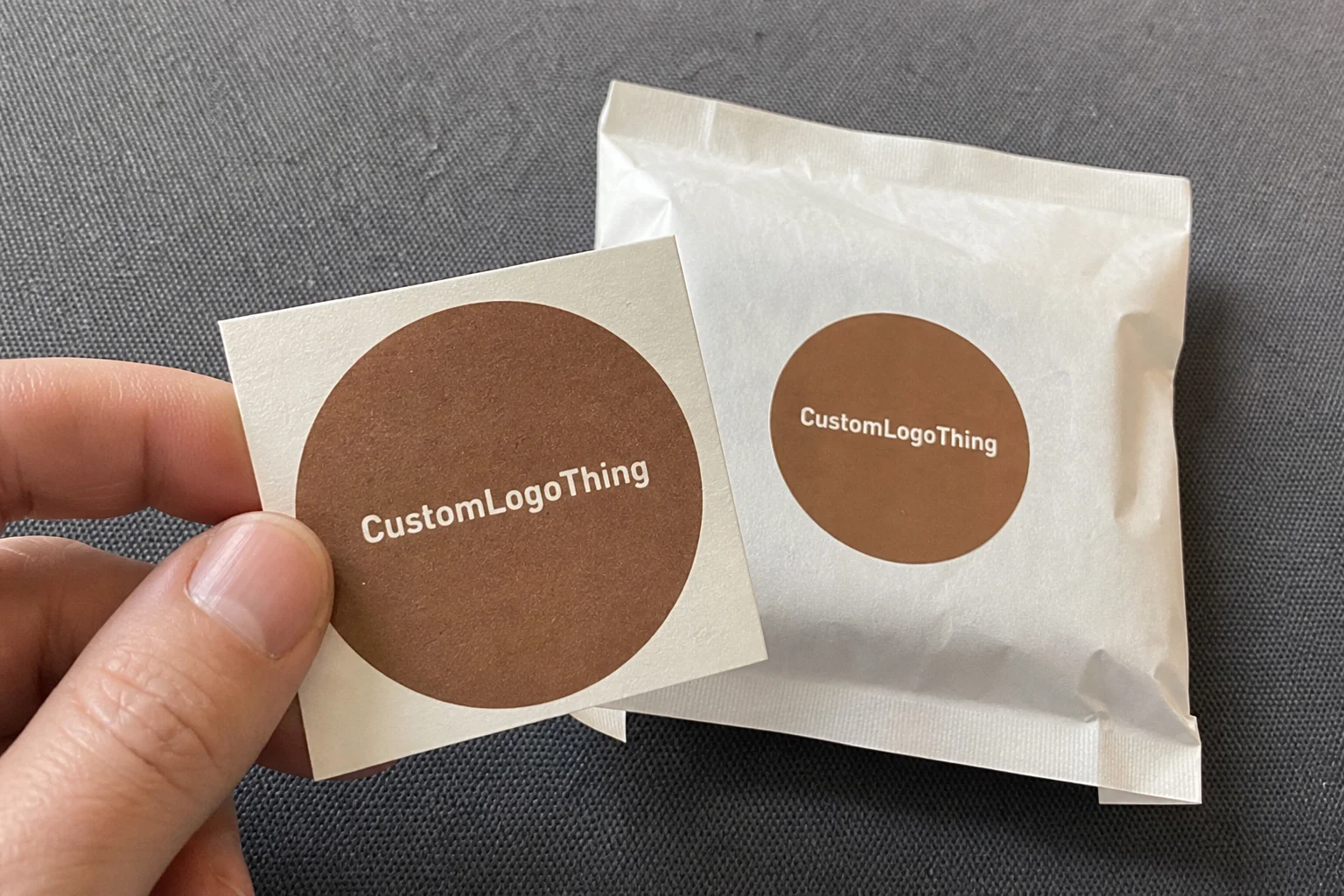
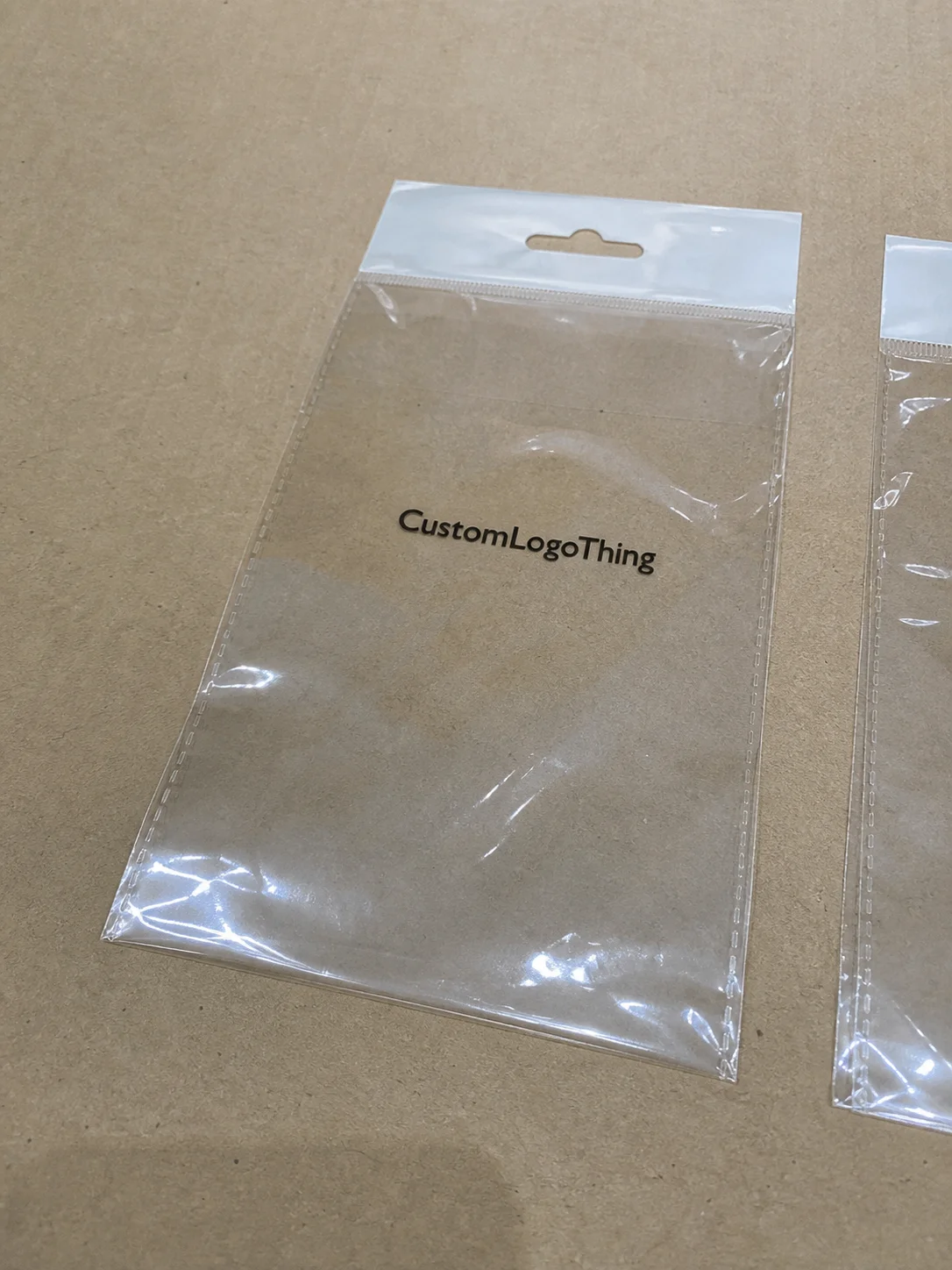
Buyer Fit Snapshot
| Best fit | Packing Materials Affordable projects where brand print, material claims, artwork control, MOQ, and repeat-order consistency need to be specified before quoting. |
|---|---|
| Quote inputs | Share finished size, material target, print colors, finish, packing count, annual reorder estimate, ship-to region, and any compliance wording. |
| Proofing check | Approve dieline scale, logo placement, barcode or warning zones, color tolerance, closure strength, and carton packing before bulk production. |
| Main risk | Vague material claims, crowded artwork, missing packing details, or unclear freight terms can make a low unit price expensive after revisions. |
Fast answer: Packing Materials Affordable: Quote Scope, Sample Proof, MOQ, and Lead Time should be specified like a repeatable production item. The safest quote records material, print method, finish, artwork proof, packing count, and reorder notes in one written spec.
Production checks before approval
Compare the actual filled-product size with the drawing, then confirm tolerance on folds, seals, hang holes, label areas, and retail display edges. Reserve space for logos, QR codes, warning copy, and material claims before decorative graphics fill the panel.
Quote comparison points
Review material grade, print process, finish, sampling route, tooling charges, carton quantity, and freight assumptions side by side. A quote is only useful when the supplier can repeat the same color, closure quality, and packing count on the next order.
Finding packing materials affordable is easy if you only stare at the invoice, especially when a quote shows a tempting $0.12 poly mailer or a $0.18 corrugated carton on the first page. Finding packing materials affordable that also survive forklifts, parcel hubs in Memphis, and a rough last-mile delivery network in Dallas takes a better eye, and I’ve seen the difference firsthand on factory floors from Shenzhen to New Jersey. A box that looks cheap at $0.18 a unit can become a very expensive mistake when it triggers a 6% damage rate, a round of reships, and two angry calls from a retail buyer who is already short on shelf space. I still remember one procurement meeting where everyone smiled at the low quote, then went very quiet when the return numbers hit the screen. Funny how that happens.
That’s the part many buyers miss. packing materials affordable should mean low total cost per shipped order, not just a low sheet price or the lowest box quote on paper. I’ve stood beside packing benches in a Dongguan fulfillment plant where a small switch from an undersized carton to a better-fitting corrugated cardboard mailer cut void fill by nearly 40%, shaved pack time by about 12 seconds per order, and reduced freight waste because the parcel moved into a lower dimensional-weight bracket. That is real savings, not brochure talk. Honestly, I think the invoice-only crowd gets fooled by neat numbers and forgets the warehouse has a say in the matter.
Custom Logo Things works in that practical middle ground where cost control matters, but so does product protection, print consistency, and the reality of warehouse labor. If you are buying packing materials affordable for e-commerce, subscription kits, retail replenishment, or palletized transfers, the smartest path is almost always a spec-driven one: match the material to the product, then negotiate volume, structure, and print around that decision. A carton built from 32 ECT board for apparel does not belong in the same conversation as a 44 ECT double-wall shipper for glassware, and the difference can be the gap between a clean margin and a chargeback from a store in Ohio. That sounds boring, I know, but boring is usually where the savings live.
Why Affordable Packing Materials Still Need to Protect the Product
I’ll start with a floor-level truth I learned years ago while visiting a contract packer in Guangdong: the cheapest carton on the inbound dock is not affordable if it collapses under 24-lb stack pressure or opens at the seam during transit. The warehouse manager showed me a pallet of returns from a single weak mailer run, and the hidden costs were brutal: repicking, relabeling, customer service time, and a freight bill that came back as an expense the client did not budget for. That is why packing materials affordable must be judged against the whole shipment, not just the material line item.
There is a real difference between low unit price and true landed cost. A 2-mil mailer might look attractive next to a 4-mil or 5-mil option, but if the thinner film tears at the seal, the cost of one failed shipment can erase the savings from hundreds of good ones. For corrugated cardboard, the same logic applies. A lighter flute may cost less per sheet, but if it forces you to add more kraft paper, bubble wrap, or dunnage bags, the total pack-out cost climbs quickly. I’ve watched a team in Louisville celebrate “saving” on the mailer only to spend the afternoon fixing damage claims. That kind of math is rude, but it is real.
The most common packing materials affordable enough for everyday shipping and logistics usually include corrugated cartons, kraft paper, poly mailers, bubble mailers, tape, stretch film, and dunnage bags. Each one has a lane where it performs well. Poly mailers are excellent for soft goods like apparel and flat textile items. Bubble mailers work for accessories and small parts that need a little impact resistance. Corrugated cartons are still the backbone for heavier or crush-sensitive products. Stretch film and dunnage bags are useful when you are stabilizing pallets or filling voids in mixed freight. I’ve seen all of them used badly, and I’ve seen all of them used brilliantly. The trick is not magic; it is matching the material to the shipment without getting cute.
One client I worked with in a regional fulfillment center outside Atlanta was shipping ceramic mugs in oversized cartons because “that’s what they’d always done.” Their damage rate was acceptable, but their freight bills were not. We reworked the pack-out using better-sized corrugated boxes, a kraft paper void fill system, and a tighter insert layout. The invoice cost changed very little, but the landed cost dropped because the cartons moved more efficiently through the parcel network. That is the kind of math that makes packing materials affordable in a way finance teams actually appreciate. I wish more people would chase that result instead of the cheapest-looking line on the PO.
The buyer mindset matters here. Choose materials by product weight, drop risk, stack pressure, and shipping distance, not by chasing the lowest quote alone. A 1-lb apparel order going to a consumer in Columbus is not the same as a 14-lb cosmetics kit riding on a pallet to a distribution center in Reno. I always tell teams to begin with the product, then the route, then the budget. That sequence usually leads to packing materials affordable enough to support the business without inviting breakage.
For reliable testing methods and packaging expectations, I often point teams to ISTA for transport test guidance and the Packaging School and industry resources through PMMI and packaging.org for broader packaging education. Standards matter because they give buyers a shared language for drop height, compression, vibration, and transit abuse. Without that language, “affordable” becomes a guess, and guesses tend to get expensive in the warehouse.
Core Packing Materials That Stay Affordable at Scale
If I were buying for a warehouse with 5,000 to 50,000 monthly shipments, I would focus first on the materials that keep the pack line moving without creating waste. packing materials affordable at scale are usually the ones that are simple to convert, easy to stock, and compatible with standard sizes. That means corrugated boxes, kraft mailers, padded mailers, polyethylene mailers, paper void fill, air pillows, corner protectors, and sealing tape. Nothing glamorous. Just dependable materials that do the job without forcing the pack team to wrestle with them for 90 seconds per order. And yes, I have seen people wrestle with tape like it personally offended them.
Corrugated boxes remain the workhorse. A well-made box using a B-flute or E-flute structure can be a smart balance of cost and protection, especially for products in the 1-lb to 20-lb range. B-flute typically measures around 3 mm thick and offers better crush resistance for stack pressure, while E-flute is closer to 1.5 mm and gives a smoother print surface and a slimmer profile for retail-ready presentation. In one Shenzhen converting line I toured, the team ran both flute profiles through the same die-cut workflow, and the standardization helped them keep packing materials affordable even on mixed SKU programs because changeovers stayed short. That factory had a rhythm to it; you could almost hear the savings in the machine timing.
Kraft mailers and paper-based cushioning are worth a serious look, especially if your buyers want recycled materials and simpler disposal. Kraft paper, including 100% recycled-content kraft paper and paper void fill in 60 gsm or 80 gsm rolls, can replace some foam and plastic cushioning without making the pack-out expensive. When a client uses paper-based cushioning well, it can support a cleaner brand story and still deliver practical protection for items that are not especially brittle. I’m careful here, though: biodegradable packaging claims should be checked against actual disposal conditions and local facilities, because not every environment supports the same end-of-life path. Green on the label is not the same thing as green in practice, especially in cities where the composting infrastructure is still limited to a few commercial sites.
Poly mailers are another reliable option for packing materials affordable enough to make sense for apparel, soft goods, and documents. A 2.5-mil or 3-mil poly mailer often gives a good balance of tear resistance and weight control, while a thicker 4-mil gauge may be justified for heavier textiles or multi-item bundles. Bubble mailers are useful for small electronics accessories, jewelry boxes, sample kits, and parts that need cushion against abrasion. The bubble diameter, outer film thickness, and seal quality all affect performance, so “mailer” is not a single category. There are real differences hiding behind the same broad label, which is exactly the sort of detail that gets missed when people rush.
Stretch film and tape are usually overlooked until they fail. I’ve seen pallets wrapped with thin, low-tack film that looked fine in the dock area but loosened after the first truck vibration cycle. Then the boxes shifted, corners dented, and the pallet arrived looking like it had already been through three stops too many. A better gauge stretch film, such as 80 gauge or 90 gauge for many standard loads, and a pressure-sensitive tape with proper acrylic or hot-melt adhesive chemistry can protect a shipment for only a small increase in cost, which is exactly the kind of change that keeps packing materials affordable while reducing claims. There is nothing glamorous about watching a pallet slouch sideways in transit. Trust me, I’ve had enough of that show.
For sustainability-minded buyers, I also look at FSC certified paper sources and post-consumer waste content where it makes sense. Those choices are not automatically cheaper, and I won’t pretend they are, but they can be economical when a design uses less material overall or when regulatory and retail requirements favor recycled content. The EPA has useful background on waste reduction and materials management at epa.gov, and that perspective is helpful when you are trying to balance cost with disposal realities. In California, for example, packaging compliance can affect both material selection and reporting, so “affordable” always has a local rulebook attached.
One more practical point: standard sizes usually reduce manufacturing complexity and improve pricing. A stock 8 x 6 x 4 corrugated box or a common 10 x 13 poly mailer dimension can often be produced or sourced more economically than a special size because the tooling, slitting, and packing patterns are already known. Custom sizes can still be cost-effective if they eliminate wasted cubic space, reduce filler, and improve pallet density. I’ve seen buyers save more money by going slightly custom than by staying with a poor stock fit that needed extra filler on every order. That’s the sort of decision a spreadsheet will never fully celebrate, but the dock crew absolutely will.
What Packing Materials Affordable Means in Practice
There is a simple reason buyers keep repeating packing materials affordable: they want a package that protects the product, fits the workflow, and does not quietly inflate total shipping cost. In practice, that usually means right-sizing the carton, choosing a closure system that holds under transit stress, and keeping void fill to the minimum needed for protection. I’ve watched teams cut packaging spend without changing the material family at all, just by trimming excess cube and matching the construction to the product’s actual risk profile.
A fair example is a DTC brand shipping skincare jars. If they use an oversized corrugated carton, add too much paper fill, and ship with heavy print coverage, the invoice may look manageable while the freight bill and labor time creep upward. A tighter fit, a lighter insert, and a cleaner one-color print panel can keep packing materials affordable while preserving the premium feel customers expect. The same idea applies to subscription boxes, apparel kits, and retail replenishment, where a small change in structure can lower the whole order cost.
Another practical lens is warehouse speed. A material is not truly affordable if it slows operators down. If a packer has to tape, fold, insert, or pad an order in a way that adds 20 extra seconds, the labor cost may eclipse the savings from the lower invoice. That is why I keep returning to the relationship between design and process. A well-chosen carton, mailer, or cushioning system keeps packing materials affordable because it respects the labor line as much as the materials line.
When the process is balanced, you also get fewer mistakes. Standard formats reduce pick confusion, lower error rates, and make inventory management easier. That usually matters more than buyers expect, especially if the warehouse runs multiple SKUs through the same packing station. I’ve seen operations teams gain real control once they moved from mixed, improvised pack-outs to a handful of clearly defined packaging specs. That kind of discipline is not flashy, but it is exactly why packing materials affordable can stay affordable month after month.
Material Specifications That Influence Price and Performance
Here’s where a good buyer separates from a casual one. Before approving a quote for packing materials affordable enough to buy in volume, ask for real specifications: GSM or basis weight, caliper, flute type, burst strength, edge crush test, tensile strength, film gauge, and adhesive type. If a supplier cannot give you those numbers, the quote is not complete enough to trust. I’ve been on pricing calls where a “better carton” turned out to be only 1.5 mm thicker, but that number changed the stacking performance and the freight footprint enough to justify the difference. That kind of little shift is annoying until you see the claim report.
Corrugated cardboard is a good example. A B-flute carton and an E-flute carton may both be called “lightweight,” but they behave differently. B-flute usually offers better puncture resistance and compression performance, while E-flute delivers a thinner profile and often prints nicely for branded outer packaging. For higher-volume retail shipments, a 350gsm C1S artboard sleeve over a corrugated insert can also provide a cleaner presentation without pushing cost too far. That means one is not universally superior. If the product is delicate but light, E-flute may be enough. If the box needs to travel farther, carry a heavier insert, or stack under load, B-flute may be the smarter investment. That’s how packing materials affordable can still protect the product properly.
Poly Mailer Thickness also matters more than many teams realize. A 2-mil bag might be fine for a single folded garment, but a multi-item apparel bundle or a soft product with sharp edges can punch through a thin film during sortation. Bubble diameter changes cushioning performance, and seal quality determines whether the mailer survives rough handling or opens along the closure line. I’ve watched a production supervisor reject a whole shift’s output because the seal temperature drifted by a few degrees and the closure integrity slipped. That was a long afternoon for everyone, and nobody forgot it. Those little process details are the difference between honest value and false economy.
Consistent tolerances from a converting line matter almost as much as raw material choice. A box dimension that varies by 3 to 4 mm may not look like much on a spec sheet, but on a fast pack line it can cause fit issues, slowed carton erection, wasted void fill, and avoidable freight waste. That is why I encourage buyers to ask for sample packs and dimensional checks before they commit. Real-world fit is not visible in a product photo, and photos have a habit of hiding the rough edges. If you want packing materials affordable without surprises, you need samples in hand.
Custom Logo Things can support buyers with spec sheets and sample packs so they can compare actual performance, not vague descriptions. That matters when you’re deciding between recycled kraft paper, a thin but well-formed poly mailer, or a double-wall corrugated carton for a high-value item. I’ve seen procurement teams save money simply by asking better questions: What is the burst rating? What is the ECT? What adhesive is used? Is the film gauge consistent across the run? Those questions sharpen the quote and keep packing materials affordable in a way spreadsheets can actually reflect.
If you are evaluating materials for branded shipping, also consider printing coverage and ink usage. Heavy coverage on corrugated cardboard can raise cost, slow production, and sometimes change drying behavior on the line. A modest one-color logo or a limited-area print panel is often enough to create recognition without inflating the package budget. I’ve sat through more than one client meeting where the room wanted a premium look, but the ops team needed a box that could be packed fast and shipped cheaply. The compromise was a cleaner, simpler print layout that kept packing materials affordable and still looked professional.
Pricing Factors, MOQ, and Where Savings Actually Come From
The pricing model is more straightforward than many first-time buyers expect. Material grade, print coverage, customization, dimensions, order volume, tooling, and shipping destination all affect unit cost. A 1-color printed carton in a standard size will almost always price differently from a fully customized die-cut mailer with multiple colors and special inserts. That sounds obvious, but I still see quotes compared as if they were identical. They are not. To keep packing materials affordable, you have to compare apples to apples, and sometimes that means asking for a revised quote with exactly the same structure across suppliers. Otherwise, you end up comparing a fair quote to a fantasy.
Higher MOQ often lowers per-unit pricing, because the factory can spread setup time, die costs, and raw material purchasing across a larger run. A run of 5,000 pieces might come in at $0.15 per unit for a standard printed mailer, while 20,000 pieces could drop closer to $0.11 per unit if the board grade and print layout stay the same. That said, low-MOQ runs can still be economical for seasonal SKUs, pilot launches, product testing, and niche programs where storage space is tight. I worked with a subscription brand that ordered 3,000 custom mailers for a test run because they wanted to avoid sitting on 20,000 pieces of the wrong size. Their unit cost was higher than a full-run order, yes, but the total business risk was much lower. That is a sound way to buy packing materials affordable for early-stage growth. I’d call that cautious, not cheap, which is usually a compliment in procurement.
Most buyers save money in predictable ways. Standardizing box sizes across multiple SKUs cuts complexity. Reducing print colors lowers setup cost and often improves run speed. Switching to flat-packed designs reduces freight and storage burden. Consolidating orders across warehouses can improve buying power, especially if one facility can absorb a larger quantity without overfilling the shelf area. I’ve seen operations managers win budget approvals simply by showing that two box sizes could replace five, which saved on cartons, tape, labor, and pick errors all at once. That is the kind of practical move that makes packing materials affordable over time.
Freight and storage should always be part of the quote comparison. A carton that costs $0.03 less per unit but ships in a larger cube can end up costing more by the time it reaches your dock. The same holds true for materials that stack poorly in the warehouse and slow down replenishment. I always advise clients to calculate landed cost per shipped order, not carton price alone. If a supplier offers packing materials affordable on paper but the freight line inflates the total by 14% or the labor time adds another 8 seconds per pack, the deal may be weaker than a higher quote with better structure.
There’s also the supplier-side reality. Affordable pricing is most sustainable when the factory has efficient corrugator, die-cutting, slitting, and converting workflows, plus reliable raw material sourcing. A well-run plant can reduce waste, keep tolerances tight, and minimize delays. I remember a supplier negotiation in Ningbo where the numbers improved not because the paper board was lower grade, but because the converting line was better organized and the job fit their standard cutting schedule. That kind of operational discipline helps keep packing materials affordable without cutting corners.
One useful benchmark I mention during cost reviews is that a small structural upgrade can sometimes lower total cost. For example, moving from a loose-fill heavy pack-out to a snugger carton with paper void fill may add $0.06 in packaging cost but save $0.11 in freight and labor. That is real savings, and it usually survives internal scrutiny because it can be measured. If you are chasing packing materials affordable, you need this kind of math, not wishful thinking.
Ordering Process and Typical Production Timeline
A good buying process is simple, but it should not be sloppy. Start with product review, size confirmation, material recommendation, artwork or branding check, sample approval, production scheduling, and shipment. If those steps are handled well, packing materials affordable are easier to source because the factory can quote accurately the first time instead of revising three times after a wrong dimension or color assumption. I have watched a project lose both time and money because someone “eyeballed” a box size. Eyeballing is not a measurement method, no matter how confident the person sounds.
Prepress matters more than many buyers realize. The die-line has to match the actual product, not the guess from a photo. Artwork needs to fit the print area, and Pantone targets should be confirmed early if color accuracy matters. Then comes setup, converting, quality inspection, packing, and palletizing. In one plant I visited in Suzhou, the quality team pulled samples every 30 minutes during a run and checked seam strength, dimension consistency, and print registration. That kind of discipline keeps errors low and makes packing materials affordable because scrap stays down.
Lead time depends on whether the order is stock or custom, plus sample approval speed and total quantity. Stock items can move quickly, often within 3 to 5 business days if the inventory is already available in a warehouse near Los Angeles or Chicago. Custom materials take longer because tooling, print setup, and production scheduling all need to line up. I never promise a blanket timeline because it depends on the spec, but I do tell buyers that fast approvals shorten the whole cycle. If the dimensions, Pantone targets, shipping address, and delivery window are confirmed early, the factory can move with less friction and keep packing materials affordable by avoiding idle time.
Well-run factories often batch similar jobs to improve efficiency. That sounds simple, but it affects price and schedule in a real way. When a plant runs similar board grades, same-size die-cuts, or related print setups in sequence, the line wastes less time on changeovers and material resets. The result can be better pricing and more dependable delivery dates. I saw this clearly at a corrugated facility in southern China where the production manager had arranged a full day of E-flute runs. Their output was steady, waste was low, and the quotes were strong enough to keep packing materials affordable for repeat buyers.
Approvals are the fastest way to keep the job moving. A buyer who responds in one business day usually gets a smoother schedule than a buyer who takes a week to check a PDF. That is not a sales pitch; it is how production planning works. The same goes for sample sign-off. If you want packing materials affordable and on time, ask for the sample pack early, inspect it in-house, and approve or revise it quickly so the line can proceed.
If the program involves compliance or testing, reference the standards before production starts. ISTA transport testing is a common benchmark for parcel and pallet performance, and FSC documentation can matter when using certified paper sources. I’ve had clients avoid expensive rework simply because they asked for those requirements in the first quote instead of after the first shipment. Planning up front is cheaper than fixing packaging after the warehouse has already received the wrong thing.
For most custom jobs, the typical production timeline is 12 to 15 business days from proof approval to completion, with another 3 to 7 business days for ocean or domestic freight depending on the route. If a buyer approves artwork on Monday and confirms the shipping destination in New York by Tuesday, the factory can usually slot the job into the next available production window and keep the schedule moving. That sort of predictability is part of what makes packing materials affordable for growing teams that cannot afford surprises.
Why Custom Logo Things Is a Practical Source for Affordable Shipping Supplies
Custom Logo Things makes sense for buyers who want packing materials affordable without settling for weak specs or vague answers. The value is not in flashy claims. It is in knowing how the materials are actually made, what they cost to convert, and where waste tends to creep in. I respect suppliers who can talk honestly about edge crush, film gauge, flute structure, adhesive behavior, and print coverage because those are the details that change outcomes on the warehouse floor. If the conversation stays at “it’s good quality,” I start to get a little suspicious.
From a production standpoint, the strongest packaging partners usually understand corrugated converting, custom printing, mailer fabrication, and fit-to-product engineering. That combination matters because it allows a supplier to recommend the lightest spec that still protects the item through the actual supply chain. I’ve seen too many buyers over-specify because they were nervous, and then they paid for extra board, extra film, extra filler, and extra freight. A good packaging team helps pull that back to earth. That is how packing materials affordable stays affordable after the purchase order is signed.
One of the biggest savings opportunities is simply avoiding overbuild. A box does not need to be heavier than the route demands, and a mailer does not need more plastic than the product needs. I have sat in client meetings where the operations side wanted the strongest possible spec “just to be safe,” while the finance side was staring at monthly spend that kept creeping up. The best answer was usually a tested middle ground, not the heaviest option. With sample testing, dimension checks, and production consistency, a supplier can help you get there without guesswork.
Another area where experienced packaging teams add value is order structure. A smart factory can recommend standard sizes, sensible print layouts, and MOQ planning that aligns with the client’s storage and cash flow. That matters for seasonal businesses, fast-moving e-commerce brands, and wholesalers that cannot sit on six months of inventory. If you ask me honestly, the best supplier is the one that helps you land on the lightest spec that still protects the item and keeps packing materials affordable through the real supply chain, not just during the quote stage.
Custom Logo Things also makes it easier to compare options because the conversation can start with your product dimensions, shipping method, and target spend per shipment. That is the right sequence. If you send a clear spec sheet, the factory can recommend a corrugated box, poly mailer, kraft paper system, or padded mailer that fits the actual use case. And if you want a brand mark on the outside, the print can be designed in a way that supports cost control instead of fighting it. That is the practical route to packing materials affordable at scale.
“I’d rather see a buyer spend $0.05 more on the right material than $0.50 later on claims, reships, and labor. That’s not overspending. That’s buying wisely.”
How to Decide on the Best Affordable Packing Materials
The decision framework is straightforward once you strip away the marketing noise. Start with product fragility, shipping method, brand presentation, warehouse workflow, budget, and sustainability targets. Then match the right material to the job. There is no universal winner. packing materials affordable for a T-shirt are not necessarily affordable for a glass jar, and the carton that works for a retail display piece may be wrong for a pallet transfer. That’s the frustrating part, but also the useful part, because it forces a real decision instead of a lazy one.
For fragile products, I like to begin with the drop risk and compression needs. If the item can fail on a corner drop or under stacking pressure, a slightly stronger corrugated structure and a better void fill method often costs less overall than replacing broken orders. For apparel, soft goods, and flat kits, poly mailers or kraft mailers may be all you need. For mixed-SKU kits, a customized corrugated box with paper void fill may be more efficient than a large generic carton stuffed with filler. That is the real path to packing materials affordable without compromising the shipment.
Here is the action plan I recommend to buyers who want to move fast and stay disciplined:
- Gather product dimensions, weight, and fragility notes.
- Review damage history from the last 30 to 90 days.
- Request 2 to 3 material options with different specs.
- Compare landed cost, not unit price alone.
- Test samples in-house with your actual pack team.
That sequence works because it forces the decision to stay rooted in reality. I’ve seen teams skip sample testing and regret it after the first shipment, usually because the box looked fine but the closure failed, or the mailer worked on the sample table but not on the actual line. Testing in the same warehouse environment, with the same operators and pack rhythm, gives a much clearer answer. It also helps keep packing materials affordable because it catches bad choices before they become bulk orders.
If sustainability is part of the brief, consider recycled materials, FSC certified paper sources, and paper-based alternatives where the protection requirements allow it. Those options can support a stronger brand story and, in some cases, simplify disposal for the customer. Just be careful with claims. Not every “eco” solution is automatically better for every use case, and not every biodegradable packaging claim holds up the same way in real-world disposal conditions. I prefer the honest answer: choose the sustainable option that also makes operational and financial sense, and you will keep packing materials affordable in the long run.
So here is the practical bottom line from years of standing near corrugators, bag lines, and loading docks: affordable packing materials are the ones that lower total cost per shipment, not just the invoice total. If a supplier can help you reduce damage, pack faster, store smarter, and ship in a right-sized format, you are buying well. If they are only selling the lowest quote, you are probably paying for the mistake later. For businesses that want dependable packing materials affordable enough to scale, the best next step is simple: send your product specs, ask for MOQ options, request a sample pack, and compare the results against the real shipping path your orders take every day.
Packing Materials Affordable: decision table
| Decision area | Best fit | What to verify | Risk if skipped |
|---|---|---|---|
| Board or flute choice | Product protection, stacking strength, and shipping distance | Caliper/flute, crush resistance, and sample fit | Weak structure or oversized cartons increase damage and freight cost |
| Print and finish | Retail presentation, unboxing, and shelf recognition | Color proof, coating, scuff resistance, and logo placement | A good dieline can still look cheap if finish and color drift |
| Packing method | Hand packing, ecommerce fulfillment, or retail-ready cartons | Inner count, master carton, label position, and warehouse handling | Good packaging slows operations if pack-out is ignored |
FAQs
What are the most packing materials affordable for small businesses?
The most cost-effective options are usually standard corrugated boxes, kraft mailers, poly mailers, paper void fill, and pressure-sensitive tape. A stock 8 x 6 x 4 box or a 10 x 13 poly mailer can often cost less than custom alternatives, but the best choice depends on the item’s weight, fragility, and shipping method, because the cheapest material can become expensive if it causes damage.
How do I choose affordable packing materials for fragile products?
Start with the product’s drop risk and compression needs, then choose a corrugated structure, cushioning layer, and closure method that matches the shipment. For fragile items, a slightly stronger box and better void fill often costs less overall than replacing damaged orders, especially when the final delivery route includes long-haul freight or multiple sortation points.
Can custom packing materials still be affordable?
Yes, custom packaging can be affordable when it removes excess space, reduces filler usage, and lowers dimensional weight charges. A custom mailer run at 5,000 pieces may price around $0.15 per unit, while larger volumes can move lower if the board grade, print layout, and tooling stay consistent. Standardized print layouts and sensible MOQ planning also keep custom runs efficient.
What affects the MOQ for packing materials affordable orders?
MOQ is influenced by material type, print complexity, tooling needs, and factory scheduling. Stock sizes usually allow lower MOQ, while fully custom dimensions or printed packaging often require larger minimums to stay economical. A factory in Shenzhen or Ningbo may also set different minimums based on whether the job fits an existing die-cut schedule or needs new tooling.
How fast can affordable packing materials be produced and shipped?
Lead time depends on whether the order is stock or custom, plus sample approval speed and total quantity. For many custom runs, the production window is typically 12 to 15 business days from proof approval, followed by 3 to 7 business days for freight depending on the shipping route. A clear spec sheet, approved artwork, and confirmed delivery details can shorten the process significantly.