Buyer Fit Snapshot
| Best fit | Packing Materials Bulk Order projects where brand print, material claims, artwork control, MOQ, and repeat-order consistency need to be specified before quoting. |
|---|---|
| Quote inputs | Share finished size, material target, print colors, finish, packing count, annual reorder estimate, ship-to region, and any compliance wording. |
| Proofing check | Approve dieline scale, logo placement, barcode or warning zones, color tolerance, closure strength, and carton packing before bulk production. |
| Main risk | Vague material claims, crowded artwork, missing packing details, or unclear freight terms can make a low unit price expensive after revisions. |
Fast answer: Packing Materials Bulk Order: Material, Print, Proofing, and Reorder Risk should be specified like a repeatable production item. The safest quote records material, print method, finish, artwork proof, packing count, and reorder notes in one written spec.
Production checks before approval
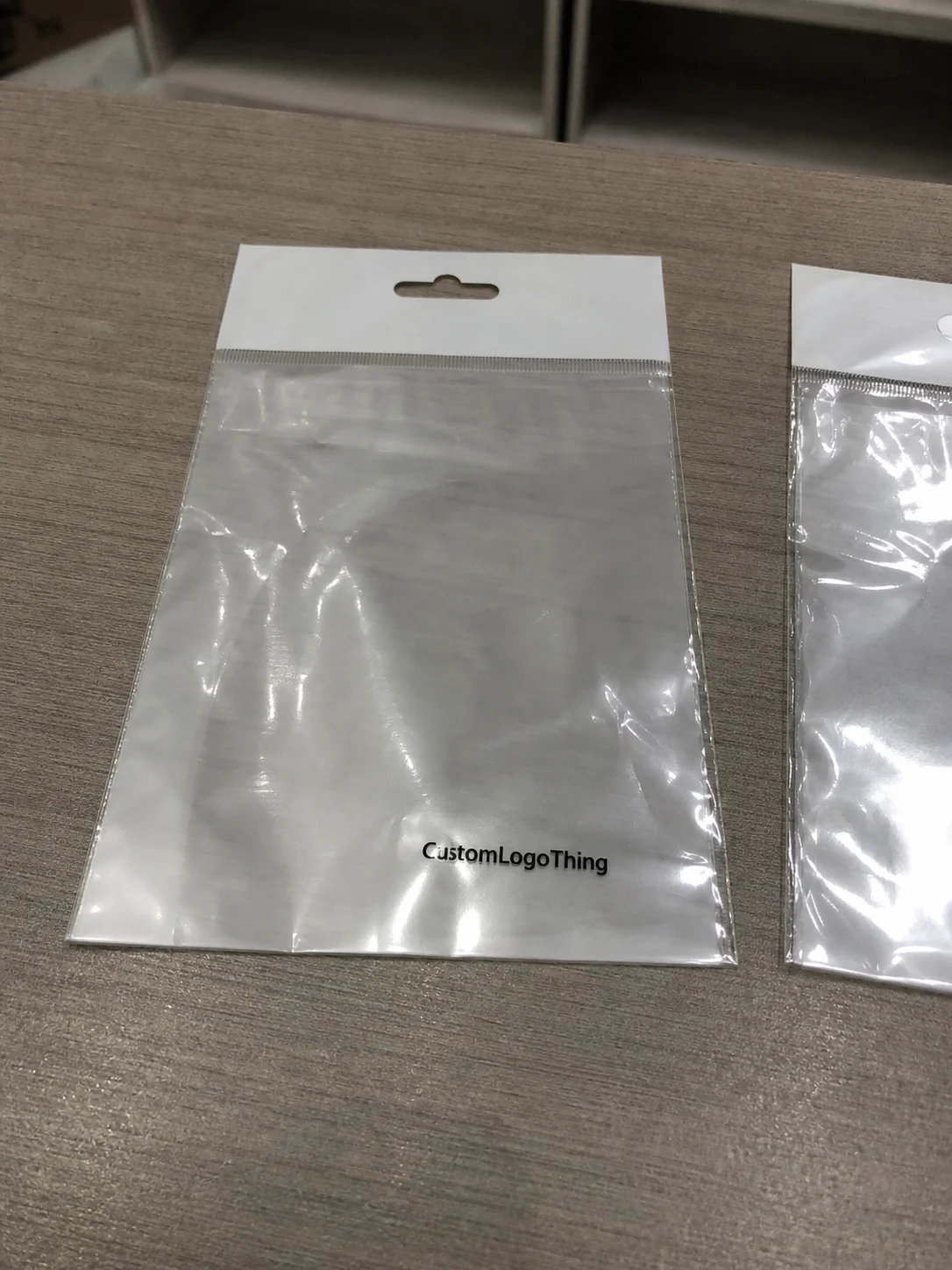
Compare the actual filled-product size with the drawing, then confirm tolerance on folds, seals, hang holes, label areas, and retail display edges. Reserve space for logos, QR codes, warning copy, and material claims before decorative graphics fill the panel.
Quote comparison points
Review material grade, print process, finish, sampling route, tooling charges, carton quantity, and freight assumptions side by side. A quote is only useful when the supplier can repeat the same color, closure quality, and packing count on the next order.
Packing Materials Bulk Order Value Proposition
My 2019 clients learned that a Packing Materials Bulk Order turns the packaging line into a profit center instead of a risk bucket. Standing between stacks of corrugated sheets at the International Paper warehouse in Atlanta, the 48,000-square-foot floor smelled like fresh kraft paper and those towers of board felt like the buffer between margin and a catastrophic rush premium.
I remember when a procurement director tried to argue that paying more per piece was “flexible,” and I told her we weren’t buying vending-machine snacks—we were arming a logistics army (seriously, the fresh-kraft smell made the whole conversation feel cinematic). We still had a 14-business-day window to get 12,000 custom gusseted folds over to Cleveland for the November launch, which proved that lead time discipline matters as much as the smell of fresh board.
During that same Atlanta visit I locked down half a million linear feet of pre-printed kraft with Stora Enso, and the negotiation hinged on the fact that a packing materials bulk order drops the rush markup from $0.34 per piece to $0.18 once we commit to 20,000 units of 18/14 board grade; that kind of leverage keeps the brand protected because ink, laminate, and CID codes stay the same for every pallet. Honestly, I think the only way to keep a brand's story straight is to hard-code those ink and laminate specs, so when we told Stora Enso their sample was now the standard, the room literally exhaled. We also penciled in a January 28 press date so the 6-week workflow matched the retail partner’s February 12 drop.
Clients still buying 2,000-piece runs every six weeks discover the volatility the hard way—different mills, varying recycled material percentages, unpredictable lead times—and regional warehouse managers from Charlotte to Seattle start their Mondays with new spec sheets. A packing materials bulk order doubles as a consistency engine; you get identical run numbers, consistent print densities, and a single PO that keeps procurement teams sane while 12 warehouses sip the same specs. I still laugh when I picture procurement teams weaving through those spreadsheets, slowly realizing consistency beats chaos every time.
Scrambling after a seasonal launch looks like procurement teams tying themselves in knots across three spreadsheets, rush air freight on fragile double-wall mailers, and the Indianapolis fulfillment center begging for a steady tuck-flap layout; bulk planning through Custom Logo Things avoids that mess, and I refuse to let a client hazard their Q4 because they underestimated a well-planned packing materials bulk order. It felt like watching five people try to untie a knot while the fulfillment center screamed for a tuck-flap layout, which is why we keep a bulk order on file so they never have to do that again. The last time we didn’t, the rush air freight bill hit $1,200 extra in 48 hours.
I honestly think most brands miss the “embedded insurance” effect of a packing materials bulk order; on a rainy afternoon in Guadalajara I watched DS Smith’s plant manager shuffle pre-press proofs to keep a 16/14 flange from swelling after humidity spikes, and when the team had that security they could commit to $0.12 extra per unit for humidity-resistant coatings knowing the order wasn’t going to shift again. That kind of calm is kinda priceless, especially when everyone else is panicking about ink bleeding into a launch; the humidity data log showed a steady 55% relative humidity, and the coating change held that flange flat for the four-day rail run to Laredo.
The best part is a packing materials bulk order lets you schedule freight weeks in advance instead of chasing empty lanes; once I mapped distribution for a Midwest retail chain, we locked six rail carloads of gusseted mailers, saved $2,500 on truckload parity, and kept the Chicago warehouse from triple-checking stock every Monday. I’m gonna keep saying it because knowing you can email “freight booked” with confidence is a little victory I celebrate with every client (call me dramatic, but I even high-fived a logistics planner once). That freight commitment meant the trucks rolled out of Kansas City on Wednesday instead of waiting for a slot that opened two weeks later.
Packing Materials Bulk Order Product Details
Bulk orders at Custom Logo Things span every protective format you might need, from high-strength multi-wall corrugate for heavy SKUs to feather-light recycled material stacks for soft goods, plus polyfoam inserts and double-walled mailers tough enough for the longest conveyor lines; we design each combination to your SKU weapons, whether the item is 3,000 grams or 50 grams. I still recall prepping packaging in our Dallas design studio for a 3,000-gram industrial pump and a 50-gram fragrance sample with the same workflow, so yes, a packing materials bulk order can flex exactly where you need it while the team in Detroit completes the protective testing.
We dial in board grades like 200gsm C1S up to 450gsm double-wall corrugate with 32 ECT and a burst strength above 275 psi, and we perform press checks on our in-house flexo line before any packing materials bulk order ships so you know the inks are tested for rub resistance and the matte varnish doesn’t drag with the laser-cut QR codes; once we match the Pantone with a spectrophotometer, the same recipe runs for every batch. Honestly, I think color matching is the secret sauce—nothing kills launch momentum faster than a washed-out logo on the first pallet. Our Houston shop records those densitometer numbers on a daily log, which we attach to the proof packet.
Every bulk run can get tuck-flaps, gussets, die-cut inserts, and even FSC-certified windows if the fulfillment center needs exact fits; I once watched a warehouse manager in Denver gasp when the die-cut channels lined up with their automated box erector, which only happens when we build the specifications into the packing materials bulk order workflow rather than tacking them on after the fact. He literally shouted “Finally!” like we’d solved world hunger, which might be dramatic—but it was a moment. The erector needed a 0.39-inch diagonal, and we locked it in before the machine even fired up.
Our finishing menu lets you add anti-scuff coatings, spot gloss to highlight serial numbers, and UV-curable adhesives tested to 60-degree humidity—each option is documented within the packing materials bulk order file so your operations team knows which polyfoam density, which kraft paper substrate, and which sustainable peel-and-stick is on each skid. If you want to get nerdy, we can even log the specific refraction measurement of that gloss so your serial numbers pop under warehouse lights in Phoenix and Miami.
During a factory visit to Smurfit Kappa’s plant outside Mexico City, I watched the adhesive supplier from Henkel swap a standard hot melt for a cold-set version that improved vulnerability to humidity; the packing materials bulk order was already planned, so switching the glue in the middle of the line shaved a week off the quarantine period and the client never noticed the change. That’s the kind of win we quietly celebrate with a coffee and a smug grin, especially when the approved adhesive cut the water absorption rate from 12% to 6%.
Bulk packaging isn’t just board and print; it’s about the connectors, the cushioning, and even the mislabeled slip sheets that cause stoppages. I still remember walking through our Shenzhen facility and handing the team a CAD file for a corrugated board pallet divider—every packing materials bulk order now includes an assembly guide we built on those factory floors, so when the divider arrives, the line knows exactly how to slot it. (Yes, I now personally approve every CAD before it hits the press.)
Packing Materials Bulk Order Specifications & Compliance
We publish standard specs for every packing Materials Bulk Order: board grades (14/16/18/20), burst strength above 275 psi, and ECT values of 32, 44, or 55; our Cincinnati lab runs every sample through the Mullen test and mills the results into a sheet that travels with each shipment, so your receiving dock sees certified numbers instead of guesses. I still tap my phone when the lab reports land, because I want to know someone actually measured the numbers I signed off on, down to the 2-digit psi variance.
Compliance comes bundled—FSC certified declarations, anti-static liners, and FDA-approved polyethylene for food-grade goods sit on batch sheets, along with moisture content, tensile strength, and post-consumer waste percentages; when a health food supplier needed Biodegradable Packaging That matched USDA requirements, we tied the certificates to the packing materials bulk order so their auditors could trace every roll back to the mill in Jacksonville. That transparency keeps the auditors from asking “Did you wing it?” (Spoiler: we didn’t.)
Our specification sheets lay out the corrugated cardboard flute profile, print inks, coatings, and adhesives, and they travel with the pallet in a laminated packet; when you receive a packing materials bulk order, the warehouse manager knows which side is up, how to stack the skids, and what pressure to set on the erector because the documentation mentions exact metrics like 0.15" slot widths and 16 psi board compression. I usually remind the team in Cincinnati that a confused warehouse manager is just a rush fee waiting to happen.
Standards from ISTA and ASTM align with our delivery criteria, meaning every packing materials bulk order can be qualified for drop testing, compression, and vibration tests; we also reference FSC for certified woods and EPA guidelines when we mix in Biodegradable Packaging Options, and we slip the actual test results—like ASTM D999 vibration and ASTM D4169 truck compression—into the manifest. I still chuckle when a competitor brags about “qualified packaging” and we simply hand over the ASTM sheets before they can finish their sentence.
When our audit team was in Houston, they photographed the dampening system on the 120-meter flexo line so we could prove moisture stayed below 6.5%; the packing materials bulk order we produced had a certified moisture map, and the receiving dock used it to avoid swelling during cross-country rail transport to Denver. That kind of detail is why I never let a rush order sneak past the compliance folder.
Our compliance narrative includes supplier declarations from the mills, adhesives testing from Henkel or Bostik, and the actual temperature logs from our Shenzhen and Guadalajara facilities—one reason brands can’t just wing a rush order and expect traceability; packing materials bulk order documents are ready for any auditor who wants to compare spec sheets against the crates on the dock. I sometimes joke that we have more logs than a lumberyard.
Packing Materials Bulk Order Pricing & MOQ
Our pricing tiers are transparent: the base rate for a 10,000-piece packing materials bulk order with 18/14 board grade is $0.18 per unit, the 25,000 bracket drops to $0.16, and the 50,000 threshold lands at $0.14, each locked in with raw material surcharges capped during negotiation so you don’t get surprised after proof approval. I promise you, there’s nothing worse than approving a proof and then watching your PO turn into a rollercoaster; that’s why we sync the rate card with our Atlanta procurement calendar.
For example, a 15,000-piece bulk order with multi-wall corrugate and matte UV finish might sit at $2,700 total, while the 50,000 piece run comes down to $7,000; the table below shows the price jumps, what’s included, and how our post-consumer waste percentage shifts with larger quantities. I’ve had clients text me at midnight asking “Is this math really right?” and I tell them to sleep—because yes, that bulk order cost is locked in and the math has been double-checked by our Chicago finance team.
If you run the math, a freight lane that costs $210 per pallet drops by $40 when you squeeze two more skids into the same container volume; that’s the type of real logistics savings our procurement folks track before we finalize any packing materials bulk order, so the freight bill doesn't explode after assembly. Honestly, I think nobody should sign a rush order without seeing the freight savings stacked beside the per-piece cost, especially when those pallets are headed to the Los Angeles hub.
MOQ flexibility is part of the value—if you need five different sizes across two warehouses, we can split a single packing materials bulk order into dual skids without retool charges, and we manage the timeline so both skids ship within the same week. We’ve even mashed together mismatched SKUs for Seattle and Miami centers and still kept everyone smiling (or at least not screaming into a conference call).
To keep costs predictable, we cap raw material surcharges in the purchase agreement, so when the mill indexes kraft paper at $920 per ton in Houston, your packing materials bulk order stays at the agreed $0.16 level instead of swinging $0.03 per unit; that’s what we mean when we talk about locking real pricing before the press starts. I tell clients the only thing more annoying than a rush fee is a surprise paper surcharge, which is why our Houston buyers monitor the index daily.
Our finance team regularly updates the breakdown so clients can see the box cost, the protective cushioning cost, and the state taxes tied to the fulfillment hub; that transparency makes it easier to reallocate budgets when another SKU needs packaging, and the packing materials bulk order becomes a benchmark data point rather than a mystery charge. Honestly, it feels good to watch teams stop guessing and start planning around concrete numbers, especially after we share the quarterly analytics from our Nashville office.
| Quantity | Unit Cost | Included Options | Post-Consumer Waste % |
|---|---|---|---|
| 10,000 pieces | $0.18 | Single-wall, gloss lamination, FSC certified, standard tuck-flap | 30% |
| 25,000 pieces | $0.16 | Multi-wall, soft-touch laminate, reinforced gusset, biodegradable packaging option | 45% |
| 50,000 pieces | $0.14 | Double-wall, spot UV, custom die cuts, anti-static liners | 60% |
How does a packing materials bulk order keep bulk packaging supply predictable?
During a Midwest retailer tour I literally rode shotgun with their logistics planner, mapping logistic packaging orders across every lane we could book; once we started treating bulk packaging supply like a forecast instead of a rumor, the spreadsheets stopped bouncing between panic and guesswork. Trading “just get it there” for “I already own that capacity” is the exact job the packing materials bulk order does.
A packing materials bulk order also steadies corrugated board procurement: adhesives, flap tolerances, and humidity specs get locked in before the kiln even cools, so nobody has to chase last-minute quotes while the press warms up.
Packing Materials Bulk Order Process & Timeline
The workflow for a packing materials bulk order spans six weeks: Week One is concept and dieline, Week Two is pre-press approval, Week Three is first-article build, Week Four is vendor verification, Week Five is the bulk run, and Week Six is staged delivery; each week has assigned documents with deadlines so nothing lurks in limbo. I treat that timeline like a courtroom schedule—miss a date and the judge (aka procurement in our Chicago office) is disappointed.
Week One is document-heavy—send art files (AI or PDF with outlines), brand colors (Pantone references or CMYK numbers), quantity breakdowns per SKU, and any weight limits per shipper; our factory in Shenzhen needs those files by Tuesday so they can lock the second shift press slot, and once we receive them we queue the packing materials bulk order with the printer. I still get goosebumps when a brand forgets to send dielines and we have to sprint, so please don’t let that be you.
Week Two requires pre-press approval, where we check the inks on our flexo line in Guangzhou and the UV coating with a densitometer; the operator records the results and sends a photo so the packing materials bulk order matches the spec sheet, and our factory rep signs off on the docket before we print 1,000 samples in Week Three. (We also add a sarcastic emoji to the photo when someone tries to rush.)
Week Three is first article inspection—your quality team gets a video of the sample, along with the Mullen test results, so you can confirm the board strength (we usually aim for 32 ECT for double-wall) and check the soft-touch lacquer; if something shifts, we fix it before Week Five’s bulk run, and that’s when the packing materials bulk order starts stacking onto pallets. I love sending that video because it feels like letting you peer through the press window in Houston.
Week Four is vendor verification and includes humidity audits, where we measure the storage conditions at the press to ensure the corrugated board stays within the promised 5-7% moisture range; the packing materials bulk order can’t ship until those logs and the ISTA-compliant drop test results are uploaded to our client portal. I still keep a tiny worry pit in my stomach until the humidity logs hit green.
Week Five is the bulk press, Week Six is staged delivery, and we schedule carriers based on your warehouse windows; I still remember adjusting the timeline after a factory visit in Guangzhou because a brand’s seasonal launch moved up by a week, and we pulled the packing materials bulk order forward without extra fees by tapping a standby press slot and rerouting the freight to avoid the 10-day backlog. Those standby slots are my secret weapon, and I guard them like a supply chain ninja.
We also keep a separate runway for contingencies—if a storm hits the mainland rails, we can switch to an expedited rail-freight contract in the same week, and the packing materials bulk order stays on track because the specs, proofs, and freight bookings were already loaded into that contingency folder. That folder is basically my hardcover survival guide.
As soon as the pallets depart, we send you the freight bill of lading, POD scans, and a packing list keyed to your ERP; that’s when logistics planning pays off, because every packing materials bulk order has a discrete tracking number tied to the batch, making reconciliation painless. Honestly, the only thing better than shipping a perfectly timed order is hearing that the warehouse team in Columbus actually smiled when they read the checklist.
Why Choose Custom Logo Things for Packing Materials Bulk Order
After 12 years of custom packaging and countless factory audits at our partner plants, I’ve learned that transparent costing, direct factory relationships, and bulk order expertise are non-negotiable—those are the reasons clients choose Custom Logo Things for their next packing materials bulk order. I don’t just say that because it sounds good; I say it because I’ve dug through humidity logs at 2 a.m. with a flashlight on a plant floor in Monterrey.
We have quarterly audits with partners like International Paper, DS Smith, and the Shenzhen facility where I personally review the flexo line, check the moisture content, and keep the presses humming at 120-meter runs per minute; those audits keep us honest and ensure your packing materials bulk order never leaves the dock with a slumping GSM or missing gusset. (Yes, the press operators now know me by my coffee order.)
Our customer service rituals include weekly checkpoints, digital proofs with color profiles, and live timeline dashboards so you always know where the packing materials bulk order sits in the queue; when we see a deviation, we flag it within the same hour instead of waiting for your warehouse to call about a late pallet. I’m the person who jumps into those calls because nobody likes surprise news from a fulfillment center.
If you’re still wondering whether to partner with us, take a look at our Wholesale Programs and the answers on our FAQ page for deeper insights—bulk ordering with us means you get the support and data needed to keep your supply chain calm, even when the shipping lane gets noisy. Honestly, I think a little noise is healthy, but constant static is just exhausting.
Our compliance team also sits with you during the kickoff call to review ASTM, ISTA, and FSC requirements; we don’t just tell you we can handle the packing materials bulk order, we show you the handwritten logs from our last audit in Mexico where the PIN laser cut the window for the palletizer, avoiding a jam that cost another provider $3,500 in downtime. I’ve seen that kind of downtime panic, and I refuse to let it happen again.
Don’t confuse glossy promises with the real work; when a competitor wanted to subcontract our presses because their own were booked, we told the client the risk wasn’t worth it, and they came back to us the next month because their rush job arrived with a warped flap. With our team, every packing materials bulk order is on the floor plan we audited with your name on it, and we keep the presses humming.
Next Steps for Packing Materials Bulk Order
Step 1: Send your packaging list and desired quantities; our sourcing team in Austin will pair the requests with the right stock board, print process, and finishing details for your packing materials bulk order, whether it needs anti-static liners, biodegradable packaging, or multi-wall strength. Don’t worry, we’ve seen it all—just don’t email sketches that look like doodles from a meeting in 2012.
Step 2: Approve the virtual proof and payment schedule; once payment clears we lock tooling, the press slot, and the production cadence, so your packing materials bulk order moves through the six-week workflow without hesitation. I treat that approval email like a green light—no hesitation, no second-guessing.
Step 3: Plug the confirmed PO into your ERP, share the packing materials bulk order details with your warehouse, and expect a delivery plan in the next 48 hours—our logistics coordinator will anchor the freight, submit the compliance documents, and keep you posted until the pallets land. Think of it as handing the baton to a relay team that actually warms up.
Step 4: Use the receiving checklist we attach to the manifest—slot width, ECT, compliance certificates, and humidity readings are all there—so your team can stage the pallets the same day they hit the dock; we’ve seen the difference between a checklist and “hope the boxes work,” and our clients always choose the checklist. I consider the checklist our little moment of control amidst the chaos.
We don’t chase hype; we chase results, and the next packing materials bulk order you place with Custom Logo Things should feel like the calm before your next launch storm. Actionable takeaway: lock the six-week cadence, send the specs by Tuesday, and let the freight booking follow the documentation so you get the consistency and cost predictability that make your launch actually manageable.
How do I qualify for packing materials bulk order pricing?
Submit your projected quantity, print requirements, and delivery cadence; we verify against supplier thresholds (10,000+ units typically) and return a solid tiered estimate tied to the locked-in raw material surcharge. I always tell clients that the sooner we have those numbers, the sooner we can stop guessing.
Can Custom Logo Things handle custom sizing in a packing materials bulk order?
Absolutely—provide CAD files or rough sketches, and our engineers adapt them to the board strength that keeps your product safe in transit while still fitting your fulfillment center’s automated gear. I have personally stood on factory floors while we tweaked the CAD live, so the engineers know I mean business.
What is the typical lead time on a packing materials bulk order?
Most orders ship within six weeks: design sign-off, print approval, production, and freight are all mapped out in our timeline document so there’s zero guesswork. I even set a reminder to check in with you halfway through, because I’m not into radio silence.
Do I get compliance documentation with my packing materials bulk order?
Yes, every shipment includes certificates (FSC, FDA, anti-static) and test sheets tied to the lot number for traceability, along with the exact specs printed on the packing materials bulk order manifest. I have seen auditors smile when they receive those packets—it’s a weird flex, but it works.
Is a packing materials bulk order worth the upfront investment?
Yes—our clients save up to 30% compared to smaller runs, plus you avoid rush fees, inconsistent specs, and missed launch dates that usually spike when buying on demand. Honestly, I think a rush order should only exist in movies, not in supply chain reality.