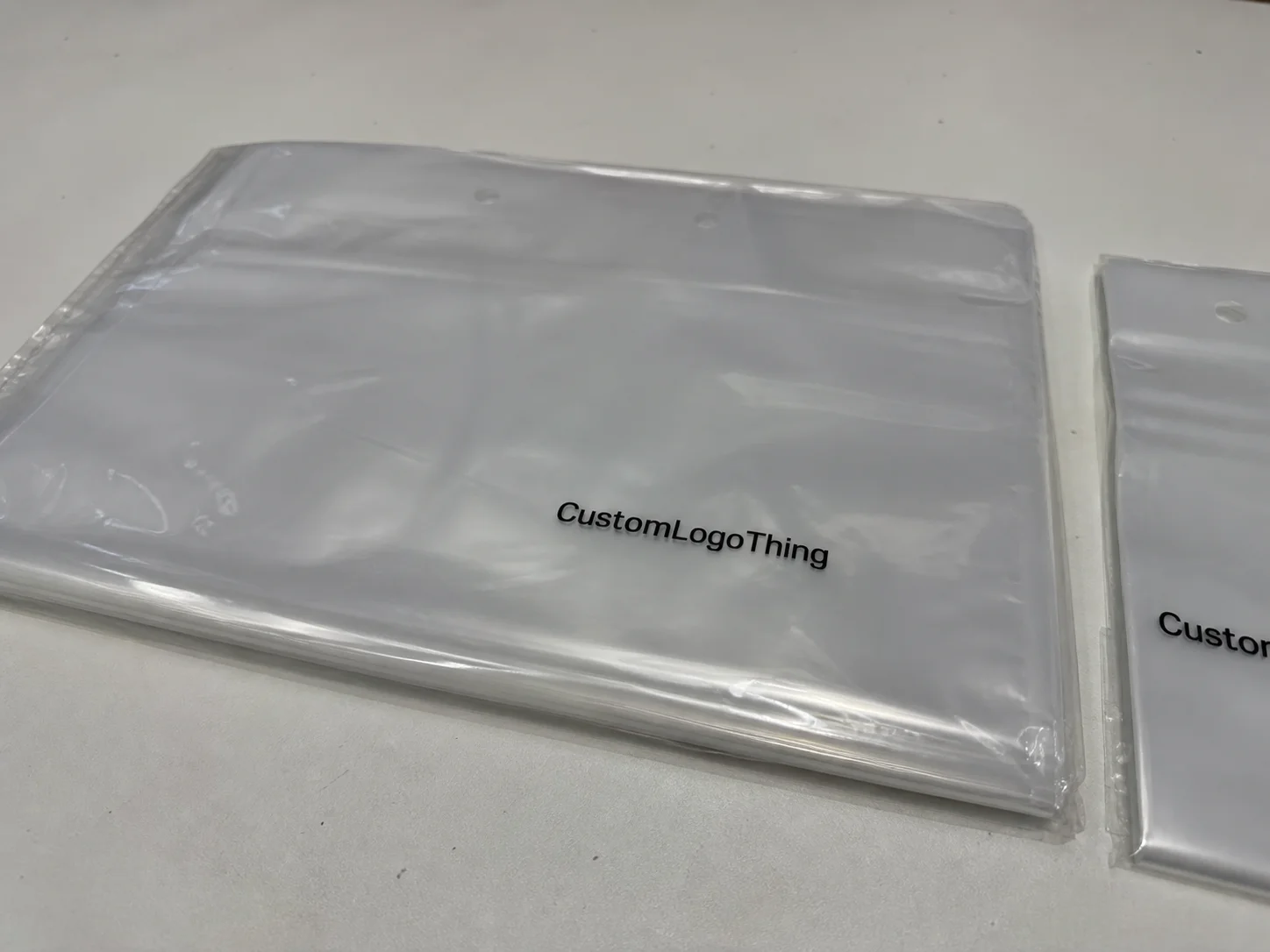
Buyer Fit Snapshot
| Best fit | packing materials for ecommerce for packaging buyers comparing material specs, print proof, MOQ, unit cost, freight, and repeat-order risk where brand print, material, artwork control, and repeat-order consistency matter. |
|---|---|
| Quote inputs | Share finished size, material target, print colors, finish, packing count, annual reorder estimate, and delivery region. |
| Proofing check | Approve dieline scale, logo placement, barcode or warning zones, color tolerance, and any recyclable or compostable wording before bulk production. |
| Main risk | Vague material claims, crowded artwork, or missing packing details can create delays even when the unit price looks attractive. |
Fast answer: Packing Materials for Ecommerce: Choose the Right Fit should be specified like a repeatable production item. The safest quote includes material, print method, finish, artwork proof, carton packing, and reorder notes in one written spec.
What to confirm before approving the packaging proof
Check the product dimensions against the actual filled item, not only the sales mockup. Ask for tolerance on folds, seals, hang holes, label areas, and retail display edges. If the package carries a logo, QR code, warning copy, or legal claim, reserve that space before decorative graphics fill the panel.
How to compare quotes without losing quality
Compare board or film grade, print process, finish, sampling route, tooling charges, carton quantity, and freight assumptions side by side. A lower quote is only useful if the supplier can repeat the same color, closure quality, and packing count on the next order.
Damaged orders rarely begin with the carrier. After two decades around fulfillment lines, I’ve seen the real trouble start at the packing bench, long before a parcel reaches a truck or a porch, whether the operation is running out of a 40,000-square-foot 3PL in Ohio or a compact cosmetics facility in Phoenix. The wrong mix of packing Materials for Ecommerce—too much dead air, a carton with weak compression strength, tape that lifts under heat, or an insert that doesn’t actually hold the product in place—can turn a clean sale into a claims file before the label ever gets scanned. Honestly, I think that’s why packaging gets underestimated so often: it looks boring until it starts costing real money, and the bill can show up in the very first 500-unit run.
I’ve stood beside packers in a Phoenix cosmetics facility where a beautifully printed carton kept getting crushed because the inserts were loose by just enough to let the contents shift, and I’ve watched a Midwest subscription brand cut damage rates nearly in half by moving from a thin mailer to a stronger corrugated system with proper void fill. I remember one afternoon in that Phoenix plant, the line supervisor staring at a pile of dented boxes like the boxes had personally offended him (which, to be fair, they had). That’s the part many brands miss: packing materials for ecommerce are not loose supplies sitting on a shelf, they’re a tuned shipping system built to protect, present, and survive the route, from a packing table in Chicago to a doorstep in Charlotte.
What Packing Materials for Ecommerce Really Means
At the simplest level, packing materials for ecommerce are everything used to prepare a product for shipment, but in practice the phrase covers an entire chain of materials working together: corrugated boxes, mailers, inserts, tapes, wraps, pouches, labels, edge protectors, and void fill. The best package is rarely a single component; more often it is a careful mix of structure, cushioning, closure, and size control matched to the product and the route it will travel. I’ve always liked that part of the job, actually, because it feels a little bit like engineering and a little bit like common sense getting married, usually with a spec sheet open beside a stack of sample cartons from Dongguan or Foshan.
Many brands blur the line between presentation packaging and shipment packaging, and that mistake gets expensive fast. A retail-style folding carton with a glossy finish may look elegant on a shelf, yet if it has to endure conveyor drops, trailer vibration, pallet pressure, and final-mile handling, it may need a second layer of protection or a completely different format. With packing materials for ecommerce, the job is not to look impressive for a moment; it is to keep the product intact from the packing line to the customer’s hands, whether the product ships in 1,000 units per week or 50,000 units per month.
I still remember a client in New Jersey shipping premium candles in Rigid Setup Boxes. The boxes looked beautiful on a table, but the wax lids were scuffing during transit because nothing inside the pack controlled movement. We corrected it with a tighter corrugated outer, a molded pulp insert, and a paper-based wrap around the jar, which is exactly why packing materials for ecommerce should be chosen around failure modes instead of brand style alone. That lesson has stuck with me for years, probably because the fix was so plain once we saw it—and because the original setup had cost a small fortune, close to $1.80 per unit all in, which is never a fun sentence to say out loud.
Product type matters more than brand preference in most cases. A 6-ounce glass serum bottle, a folded hoodie, a metal tool set, and a flat art print each call for a different material stack because weight, fragility, surface finish, and dimensions shift the risk profile. Good packing materials for ecommerce protect the item, reduce waste, and keep the parcel efficient enough that freight and dimensional weight do not swallow the margin, especially when a carrier is billing on a 16 x 12 x 8 inch cube instead of the actual product weight.
In practice, the best definition of packing materials for ecommerce is this: the full set of shipping materials that turns a loose product into a controlled parcel. Too much movement, too little compression resistance, or a weak seal will break the system even when each individual component looks fine on its own. I’ve seen plenty of packages that passed the “looks okay to me” test and failed everything else, including one line in Atlanta that had to rework nearly 300 cartons after a 2-inch tape seam started lifting in a warm dock area.
How Ecommerce Packing Materials Work in the Shipping Chain
A parcel does not live a gentle life after it leaves the packing table. It gets closed, labeled, sorted, stacked, tossed onto a conveyor, compressed in a trailer, and then handed off again for final-mile delivery. Every step adds a different kind of abuse: shock, vibration, compression, puncture, and sometimes moisture or humidity. Packing materials for ecommerce have to absorb those forces without letting the product hit the sidewall or letting the box fail at a seam. The package is basically being asked to do a week’s worth of heavy lifting in about twelve chaotic hours, sometimes after sitting for 6 to 18 hours in a staging area at 78°F and 60% humidity.
Corrugated cardboard remains the backbone of most shipper systems because its flutes create a cushion of air and paper that absorbs impact better than a flat sheet. Single-wall corrugated can handle many apparel and lightweight accessory shipments, while double-wall or heavier board grades may be the better fit for glass, dense hardware, or multi-item bundles. The flute profile and board construction are central to packing materials for ecommerce, not optional extras, and in many supplier catalogs you’ll see 32 ECT for lighter packs, 44 ECT or more for heavier parcels, and specialty structures for oversized SKUs.
Void fill matters just as much. When a product has open space around it, that item gains momentum inside the box, and momentum is what creates cracked corners and broken components. Kraft paper, paper pads, molded pulp, and air pillows each behave differently, and I’ve seen fulfillment teams cut breakage simply by switching from random loose fill to kraft paper with a better crumple pattern. Used well, packing materials for ecommerce stop product-to-product collision and keep the carton from collapsing inward. Used badly, they turn into expensive confetti, often after a 500-piece reorder that looked cheap on paper at $0.07 per unit but cost far more in labor.
Tape and closure methods are another place where companies underestimate risk. A carton can be the right size and still fail if the tape is too narrow, the adhesive isn’t suited to the board surface, or the pack-out sits in a humid room where the seal weakens. On one client visit in Atlanta, we traced a repeat seam burst problem to low-grade tape that looked fine at pack-out but gave way after 18 hours in a hot trailer. That was one of those moments where everyone around the table suddenly got very interested in adhesive specs, especially the difference between general-purpose acrylic tape and a stronger hot-melt system. That’s why packing materials for ecommerce need evaluation as a complete closure system, not just a box plus filler.
Mailers play a real role too, especially for low-brittle items like soft goods, books, accessories, and flat merchandise. Poly mailers are light and space-efficient, while kraft mailers and rigid mailers can improve protection for paper goods, artwork, or cosmetic kits. Bubble wrap, foam wrap, and corrugated inserts may still be needed for abrasion control or shape retention. In the right combination, packing materials for ecommerce help prevent corner crush, seam split, scuffing, and internal shifting, whether the SKU is moving through a 3PL in Dallas or a boutique pack room in Portland.
If you want an external reference for packaging performance and material standards, the International Safe Transit Association publishes widely used transit testing methods, and I’ve leaned on those methods more than once when a product team wanted proof instead of guesswork. I like having a standard to point to; it saves a lot of arguing, which, frankly, is one of the hidden jobs of packaging work, especially when a sample test is being compared against a 12-point drop sequence rather than a hunch.
Key Factors That Determine the Best Material Mix
The best packing materials for ecommerce begin with the product itself. Fragility, weight, dimensions, finish, and value all shape the answer. A matte black cosmetic jar with a soft coating scratches far more easily than a plain HDPE bottle, so the surface finish changes the choice of wrap. A 3-pound item in a narrow carton creates different compression loads than a 6-ounce product in a large cube, so weight and form factor matter as much as the product category, whether the item is traveling from a factory in Shenzhen or a warehouse in Louisville.
Shipping profile matters too. Parcel carrier, freight, cross-border shipment, and final-mile delivery all introduce different risks. A box that survives a two-state UPS route may not behave the same way in an export lane with multiple handoffs, pallet stacking, and longer dwell times. When I worked with an electronics brand shipping from a Miami 3PL, we found that the package looked fine in domestic testing but failed after cross-border transit because the outer carton was too light for stacking pressure. That’s a classic packing materials for ecommerce lesson: route matters, and the difference between a 2-day domestic shipment and a 12-day export journey can show up in corner crush or seam failure.
Sustainability has become a real part of selection, not just a marketing line. Brands want recycled materials, FSC certified paper options, curbside recyclability, and reduced plastic content, but the package still has to protect the product and feel good in the hand. In many cases, recycled corrugated cardboard, kraft paper, and Molded Pulp Inserts work very well, especially when the product is not highly fragile. I’ve also seen brands ask for biodegradable packaging without checking whether the material fits their transit profile, which can create more waste if damage rates rise. That always makes me a little cranky, because good intentions do not replace drop testing, and a clean sustainability story still needs a carton that survives a 4-foot drop onto concrete.
Cost is broader than unit price. A mailer may cost $0.12 and a stronger carton may cost $0.28, but that number alone tells you very little. The real question is total landed cost: how much material is used, how long pack-out takes, what the damage rate looks like, how many returns come back, and how much dimensional weight the carrier bills you for. Good packing materials for ecommerce lower labor time, reduce rework, and often save more in claims than they cost in materials, especially if a packaging change cuts pack time by 6 to 10 seconds per order.
Compliance and brand requirements matter as well. Some products need tamper-evident seals, printed handling labels, temperature warnings, or orientation marks. Others need grease resistance, static control, or moisture barriers. If you are shipping food, supplements, cosmetics, or electronics, packing materials for ecommerce often have to satisfy both the shipping job and the retail or regulatory requirements that come with the category, such as a food-grade inner pouch, a 350gsm C1S artboard insert, or a moisture barrier That Holds Up through a humid summer lane out of Houston.
The EPA’s packaging and sustainable materials resources are useful here, especially for brands trying to reduce waste without making hasty choices. Their materials guidance can be found at epa.gov, and I’d recommend it to any team that wants to compare reuse, recovery, and recycling factors in a grounded way, particularly if the brand is evaluating paper-based packaging versus mixed-material packs.
What are the best packing materials for ecommerce shipping?
The best answer depends on the product, but most ecommerce setups use a mix of corrugated boxes or mailers, protective cushioning, tape, and void fill. Fragile items often need molded inserts, foam, or paper cushioning, while apparel and soft goods may do well in poly mailers or lightweight kraft mailers. The right answer is usually the material combination that protects the product with the least wasted space and labor, such as a 32 ECT corrugated mailer for light goods or a double-wall carton for dense glass items.
Step-by-Step Process for Choosing and Testing Materials
I like to start with product profiling because the numbers usually tell the story before anyone touches a sample box. Measure the product’s outside dimensions, record its weight to the nearest ounce or gram, identify fragile zones like corners, glass edges, coatings, screens, or pump heads, and write down the likely shipping conditions. If the item is going by parcel in a single-unit order, that is one thing; if it is going into a multi-pack with automated sortation, that is another. Good packing materials for ecommerce should begin with real data, not assumptions, and not whatever material happened to be sitting nearest the bench that morning. A 7.4-ounce bottle and a 14-ounce bottle may look similar in a product photo, but they behave very differently once they hit a conveyor in North Carolina.
Next, build a short list of candidate materials. For many brands, that means single-wall corrugated, double-wall corrugated, kraft paper void fill, paper mailers, poly mailers, air pillows, bubble wrap, foam wrap, or molded pulp inserts. I usually tell clients to keep the first round simple because a narrow shortlist makes testing cleaner. If you start with eight options and no clear criteria, you will spend more time arguing than measuring. With packing materials for ecommerce, clarity beats volume every time, especially when one supplier is offering a 10,000-piece run and another can turn a 1,500-piece sample set in a week.
Then prototype the pack-out. Put the product into the container exactly as the warehouse would do it on a busy Tuesday afternoon, not with the calm attention of a packaging lab. Check fit, shake the box, tilt it, and look for movement. Open and close the carton ten times, test the tape seam, and pay attention to how the material behaves under handling. I’ve seen beautiful prototypes fail because the insert was off by 4 millimeters, and that tiny gap turned into a movement problem once the line speed increased. That’s why packing materials for ecommerce must be tested in the actual pack sequence, with the exact 2-inch tape, the same paper count, and the same folding order the team will use at scale.
After that, run basic performance checks. Drop resistance matters, especially for fragile items, and so do edge crush and seal strength. If you have an internal quality team, use a standard method and write down the pass/fail criteria. For higher-value products, align the pilot with ISTA-style transit thinking so your results are meaningful, not just anecdotal. Sometimes the box passes a single drop but fails when it is stacked under load or subjected to repeated vibration. Good packing materials for ecommerce survive multiple stress points, not one heroic test, and a pack-out that passes a 1-meter drop can still fail after 30 minutes of vibration on a test table.
Live pilots are where the real truth shows up. Put the approved candidates into actual orders, measure pack time, material consumption, and damage outcomes for at least a small sample set, then compare returns against the original pack-out. One beauty brand I advised cut its pack-out labor by 11 seconds per order after switching from a two-piece insert to a single molded pulp tray, and over 5,000 units that mattered a lot. You do not need a giant rollout to learn something useful. The best packing materials for ecommerce often reveal themselves in a 100-order pilot, or even a 250-order test if the fulfillment team is disciplined about recording the results.
Finally, document everything. Create a spec sheet with photos, SKU rules, box dimensions, tape width, insert placement, void fill amount, and any special instructions for fragile or restricted items. If the packing team changes shifts or a new 3PL takes over, that documentation keeps the process from drifting. I’ve seen perfectly good packing materials for ecommerce underperform simply because nobody wrote down the approved method. Paperwork is not glamorous, but neither is paying for avoidable breakage, especially when the first missed instruction causes a 200-unit batch of orders to go out with too little filler.
“The box was fine on paper, but the gap was killing us,” a fulfillment manager told me during a supplier review in Ohio. “Once we tightened the pack-out and standardized the tape, the claims started dropping within two weeks.” That kind of fix is common, and it usually starts with better packing materials for ecommerce, not a better apology email. In that case, the team moved from a loose fill pattern to a measured paper count and saw the return rate fall on the next 1,200 shipments.
Cost, Pricing, and Timeline Considerations
Pricing for packing materials for ecommerce should be broken into real buckets: material cost, setup or tooling, freight to your facility, and storage impact. A stock mailer may be cheap per unit, but if it forces extra filler and longer labor, the savings disappear quickly. A custom insert may cost more upfront, but if it reduces breakage and shortens pack time by 8 seconds, it can pay back in a surprisingly short window. I’ve seen a $0.15 per unit difference look expensive in a quote and then disappear after the damage savings were counted across 5,000 pieces.
Custom-printed boxes and inserts also bring longer timelines. Artwork approval, die creation, sample rounds, and production scheduling all add time. In a supplier negotiation I handled in Shenzhen, the client wanted printed cartons, custom inserts, and a special matte finish all at once, but the artwork kept changing and the schedule slipped by nearly three weeks. That happens more than people expect. If speed matters, stock sizes and simpler printed components are usually faster paths for packing materials for ecommerce. I’ve had more than one brand owner stare at a calendar and mutter, “Why does a box take longer than the product?” Fair question, honestly. For many factories in Guangdong, a typical custom run is 12 to 15 business days from proof approval, while a stock order can ship in 3 to 5 business days if inventory is already on hand.
Stock materials give you flexibility, especially during seasonal spikes or a sudden sales lift. They are easier to reorder and can often ship faster from regional distributors. Custom materials give you better fit, tighter presentation, and often less void fill, which can lower dimensional weight charges and improve the unboxing experience. The right answer depends on volume and stability. If you ship 300 units a month, stock might be enough. If you ship 30,000, custom packing materials for ecommerce can become a serious cost-control tool, particularly when a carton is reduced from a 14 x 10 x 6 inch size to a 12 x 8 x 5 inch size and the carrier bill drops with it.
Minimum order quantities matter too. A supplier may quote a strong unit price at 10,000 pieces, but if your storage space is limited and cash is tight, that deal can create a warehouse headache. You need to think about cube utilization, pallet count, and whether inbound freight costs eat into the savings. I’ve seen brands save $0.04 per unit on paper but spend twice that on extra storage and handling because they bought too much too soon. That is not a win for packing materials for ecommerce, especially when 12 pallets of boxes sit in a New Jersey warehouse for four months and tie up both space and cash.
If you are comparing sustainable options, pay attention to material source and certification. FSC certified paper stock can be a strong choice for brands that want traceability, while recycled content and post-consumer waste percentages help you communicate environmental claims more honestly. That said, recycled does not automatically mean better if the board strength drops below your protection needs. Good packing materials for ecommerce balance sustainability with actual performance, and a recycled corrugate with a proper 32 ECT or 44 ECT rating may outperform a lower-grade virgin board in the real world.
For brands that want more context on forest sourcing and certified materials, the Forest Stewardship Council is a useful reference point, especially if your team is trying to verify claims around certified paper-based packaging.
Common Mistakes Brands Make with Ecommerce Packaging
The most common mistake I see is using one box for every SKU. It feels efficient on a spreadsheet, but in the warehouse it usually creates oversized shipments for small items, excess void fill, higher dimensional weight, and more movement for fragile goods. A one-size-fits-all approach often makes packing materials for ecommerce more expensive, not less. I know it sounds tidy in a meeting, but the parcel carrier does not care about tidy, and a 9-ounce item in an 11 x 8 x 4 inch carton will still bill like a much larger package.
The second mistake is choosing the cheapest material without testing it. A low-cost carton can look fine until it is stacked, dropped, or exposed to humidity. I once watched a startup order a bargain single-wall box for glassware, only to discover that the bottom seam split after the box sat overnight in a warm staging area. The saved pennies vanished into returns and replacements. With packing materials for ecommerce, “cheap” can become costly very quickly, particularly when the failure shows up on the first 250-unit batch instead of after the supplier’s sample looked perfect.
Overpacking is another trap. People often think more filler means more safety, but too much cushioning can create pressure points, crush corners, or make the unboxing experience feel sloppy. I’ve seen boxes so stuffed with paper that the product had nowhere to settle, which meant the lid bowed outward and the tape line took extra stress. The best packing materials for ecommerce use just enough restraint to stop motion without deforming the carton, and a 15% reduction in fill can sometimes improve both protection and presentation.
Closure quality gets ignored more than it should. Tape width, adhesive tack, dispenser consistency, and seam placement all matter. If your team is using a 2-inch tape on a heavy carton that really wants 3 inches or reinforced tape, you may see intermittent failures that are hard to trace. The same goes for mailers with weak peel-and-seal strips or boxes folded out of square. Many packing materials for ecommerce failures start at closure, not cushioning, and a seam that fails after 18 hours in transit is still a seam failure.
Training is the last big one. A perfect spec sheet does not help if the morning shift and the evening shift pack differently. If one crew adds one sheet of kraft paper and another adds three, your protection changes order by order. If you want consistency, train people on the approved sequence and inspect random packs on the line. The best packing materials for ecommerce only perform well when the process behind them is steady, and that steadiness usually comes from a 15-minute team huddle, a sample board, and a clear reject standard.
Expert Tips and Actionable Next Steps
I recommend building a packaging spec sheet for each product family, even if your catalog is only 20 SKUs. Include the approved box size, filler type, tape specification, label placement, and any special handling notes. A spec sheet takes a little time to create, but it saves hours later when new staff, a new 3PL, or a seasonal temp crew steps in. Clear specs make packing materials for ecommerce much easier to standardize, and they keep the pack-out from drifting when someone on the line decides to improvise.
Review damage claims every month and break them out by SKU, carrier, and pack-out method. That small habit reveals patterns quickly. If one 8-ounce product keeps arriving with crushed corners, the issue may be a weak carton, not the delivery route. If one carrier lane shows higher breakage, the problem could be stacking or transfer points. Either way, your packing materials for ecommerce data should lead the conversation, not guesswork, and a simple spreadsheet with 30 days of claims can be more useful than a long meeting.
Right-sizing is worth real money. Reducing void space lowers the amount of filler used, shrinks the box footprint, and can reduce dimensional weight charges. It also improves the customer experience because the package feels deliberate instead of overstuffed. Too many brands accept oversized packs because they are easier to source, but a tighter package usually pays back in labor and freight. Smart packing materials for ecommerce make the whole operation feel cleaner, and in one case I saw a brand move from a 13 x 10 x 6 carton to an 11 x 8 x 4 carton and shave nearly 14% off parcel spend.
Work with a supplier who will do more than quote a price. You want someone who can send samples, discuss corrugate grades, suggest insert styles, and help you compare stock and custom Options with Real numbers. The better suppliers I’ve worked with could tell you why a 32 ECT board might be fine for one product and why a stronger grade is needed for another, instead of handing over a generic catalog. That kind of help is invaluable when selecting packing materials for ecommerce, especially if your factory partner is in Shenzhen, Dongguan, or a regional converter in southern California.
Here’s a practical rollout plan that I’ve used with clients shipping anywhere from 500 to 50,000 units a month:
- Audit your top 10 SKUs and record the current box, filler, tape, and label setup.
- Photograph each pack-out from three angles so the team can see fit and void space.
- Collect three sample options for each high-risk product family.
- Test them on real orders, not just sample items on a desk.
- Measure damage, labor, and dimensional weight for at least 100 shipments.
- Choose the winner and lock the spec into your warehouse SOP.
If you follow that process, you will usually discover that packing materials for ecommerce are less about buying “better” supplies and more about matching the right material to the right product, line speed, and carrier lane. That is where the real savings live, and it is often where a 2-cent material change can protect a $40 item with almost no added labor.
If sustainability is part of your brand promise, do not treat it as a decorative add-on. Use recycled corrugated cardboard where it fits, select kraft paper void fill where it performs, consider FSC certified paper components when certification matters to your buyers, and validate the entire pack-out before making claims. I’ve seen brands improve both protection and environmental messaging by choosing packaging with intent instead of chasing buzzwords like biodegradable packaging without a transit test behind them. That shortcut usually ends badly, and then everyone acts surprised, which is a bit much.
One final piece of advice from years on the floor: keep your approved packaging samples in a labeled reference bin. When a packer asks, “Which version is correct?” you can point to the physical sample, not just a PDF buried in email. That simple practice helps maintain consistency, and consistency is what keeps packing materials for ecommerce performing the way you expect, whether the pack room is in New Jersey, Texas, or a 3PL outside Las Vegas.
The clearest takeaway is to choose packing materials for ecommerce around the product, the route, and the actual pack-out process—not around habit or shelf price alone. Start with the failure mode, test in real conditions, document the winning spec, and keep the line trained to follow it. Do that, and the materials stop being a guessing game and start doing the job they were supposed to do all along: protect the order, control cost, and arrive looking like someone cared.
Packing Materials for Ecommerce: decision table
| Decision area | Best fit | What to verify | Risk if skipped |
|---|---|---|---|
| Board or flute choice | Product protection, stacking strength, and shipping distance | Caliper/flute, crush resistance, and sample fit | Weak structure or oversized cartons increase damage and freight cost |
| Print and finish | Retail presentation, unboxing, and shelf recognition | Color proof, coating, scuff resistance, and logo placement | A good dieline can still look cheap if finish and color drift |
| Packing method | Hand packing, ecommerce fulfillment, or retail-ready cartons | Inner count, master carton, label position, and warehouse handling | Good packaging slows operations if pack-out is ignored |
FAQ
What are the best packing materials for ecommerce shipping?
The best choice depends on the product, but most ecommerce setups use a mix of corrugated boxes or mailers, protective cushioning, tape, and void fill. Fragile items often need molded inserts, foam, or paper cushioning, while apparel and soft goods may do well in poly mailers or lightweight kraft mailers. The right answer is usually the material combination that protects the product with the least wasted space and labor, such as a 32 ECT corrugated mailer for light goods or a double-wall carton for dense glass items.
How do I choose packing materials for ecommerce products that are fragile?
Start by identifying the product’s weak points, such as glass edges, corners, surfaces, or internal components that can shift during transit. Use a snug outer container, add cushioning on all sides, and keep the product from moving inside the shipper. For fragile items, test drop performance and corner crush resistance before approving the final pack-out. I’d also recommend checking the tape seam, because that sneaky little failure point causes more drama than it should, especially on cartons that will sit in a 70°F warehouse before a 2-day carrier pickup.
What packing materials for ecommerce help lower shipping costs?
Right-sized boxes, lightweight mailers, and efficient void fill can reduce dimensional weight and cut unnecessary material spend. Materials That Fit the product well can also reduce labor time and lower damage-related replacement costs. The cheapest material upfront is not always the lowest-cost option once returns and breakage are included, and a mailer that saves $0.03 per unit can still cost more if it adds three extra return claims per 1,000 orders.
How long does it take to source custom packing materials for ecommerce?
Timeline depends on whether you choose stock or custom materials, and whether samples, artwork, or tooling are required. Custom boxes and inserts usually take longer because they need design approval, sample review, and production scheduling. If you need speed, stock sizes or simple printed materials can often move faster than fully customized solutions, and many factories quote 12 to 15 business days from proof approval for a standard custom run, plus 3 to 7 days for freight depending on origin and destination.
Can sustainable packing materials for ecommerce still protect products well?
Yes, many sustainable options such as Recycled Corrugated Boxes, kraft paper void fill, and molded pulp inserts offer strong protection. The key is matching the material to the product and validating performance through drop and transit testing. Sustainability works best when it is built into a tested pack-out, not added as an afterthought, and a recycled board with the right ECT rating will often outperform a prettier but weaker alternative.