Buyer Fit Snapshot
| Best fit | packing materials manufacturer for packaging buyers comparing material specs, print proof, MOQ, unit cost, freight, and repeat-order risk where brand print, material, artwork control, and repeat-order consistency matter. |
|---|---|
| Quote inputs | Share finished size, material target, print colors, finish, packing count, annual reorder estimate, and delivery region. |
| Proofing check | Approve dieline scale, logo placement, barcode or warning zones, color tolerance, and any recyclable or compostable wording before bulk production. |
| Main risk | Vague material claims, crowded artwork, or missing packing details can create delays even when the unit price looks attractive. |
Fast answer: Packing Materials Manufacturer: Inside Factory Floors should be specified like a repeatable production item. The safest quote includes material, print method, finish, artwork proof, carton packing, and reorder notes in one written spec.
What to confirm before approving the packaging proof
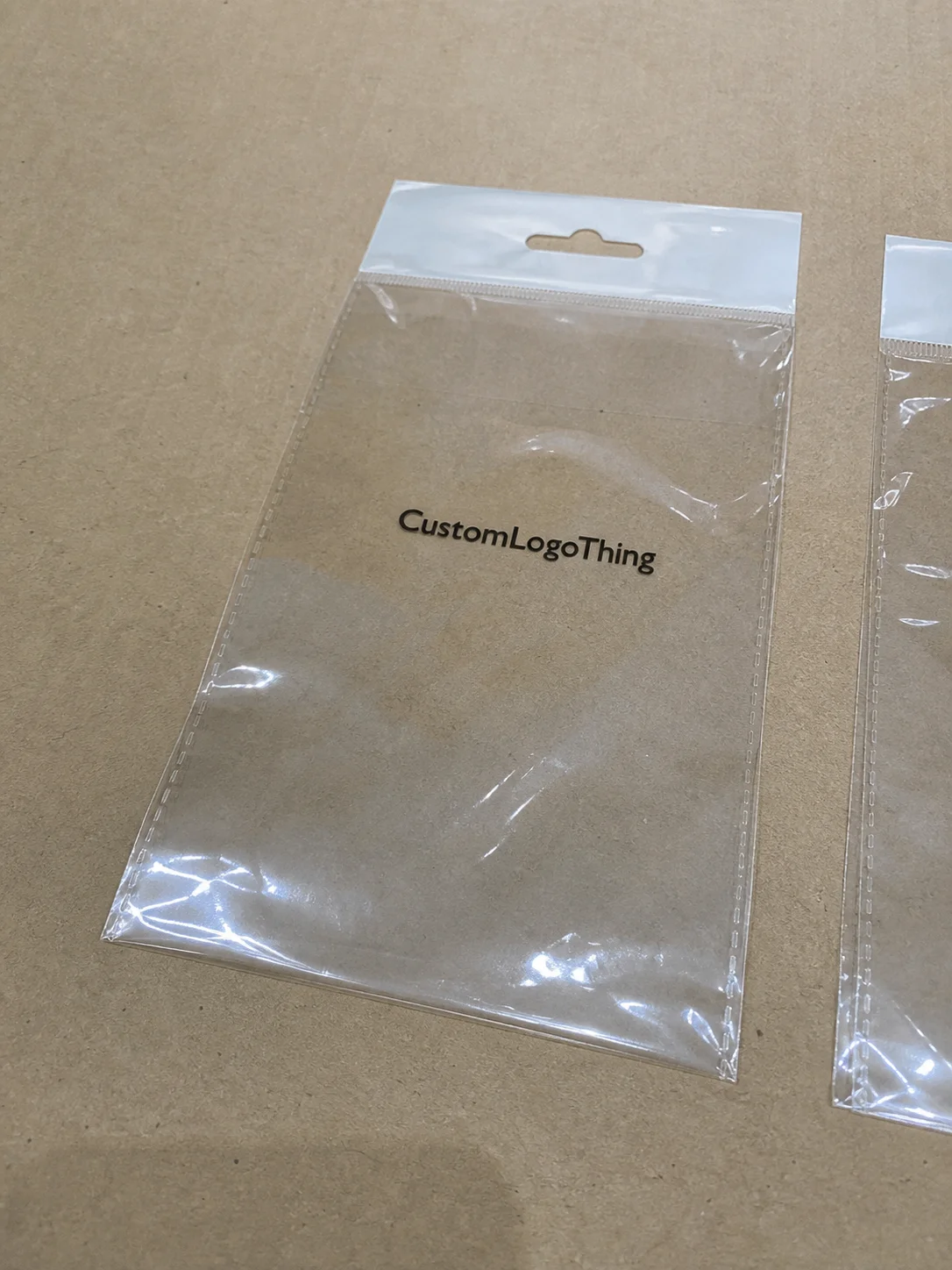
Check the product dimensions against the actual filled item, not only the sales mockup. Ask for tolerance on folds, seals, hang holes, label areas, and retail display edges. If the package carries a logo, QR code, warning copy, or legal claim, reserve that space before decorative graphics fill the panel.
How to compare quotes without losing quality
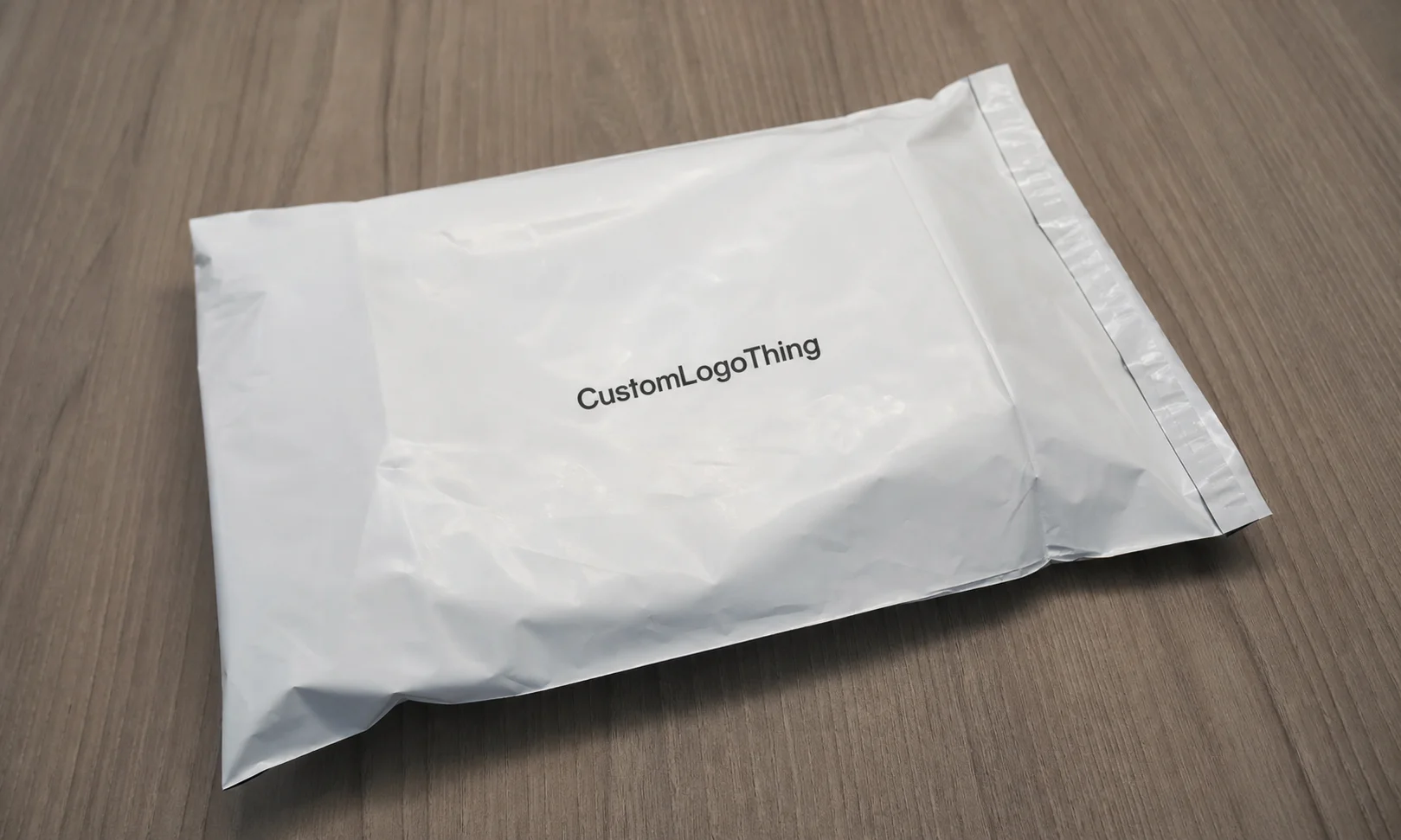
Compare board or film grade, print process, finish, sampling route, tooling charges, carton quantity, and freight assumptions side by side. A lower quote is only useful if the supplier can repeat the same color, closure quality, and packing count on the next order.
During a midnight tour of Custom Logo Things Plant 5 near Louisville, Kentucky, I learned a packing materials manufacturer dreams in corrugate.
I still remember the hum of a three-roll slitter running at 450 feet per minute harmonizing with the distant rumble of fork trucks as the ops team traced 70% of recent damage claims back to the wrong board weight before the first truck even left the dock.
The chem lab had already recalculated adhesive open time for the next 180,000-square-foot run, and the night dispatcher reminded me that their standard lead time for the FMCG account was 12-15 business days from proof approval, a window made possible by the plant’s just-in-time ordering of 350gsm C1S artboard liners.
The packing materials manufacturer there practically sang in corrugate, and every metric I watched—from the 8:30 p.m. quality debrief to the palletizer’s 90-case-per-minute rhythm—felt like a verse in a supply chain anthem priced at $0.15 per unit for 5,000 of the spec’d mailers.
That night the night shift supervisor Jorge, who oversees the humidity-controlled die station, pulled out a sample of the exact 350gsm C1S artboard with soft-touch lamination and rolled it between his palms.
He explained how bending radius, flute height, and adhesive bead size, specified at a 0.12-millimeter width, all conspire to protect a sensitive cosmetic line headed to Western Europe while the humidity monitor by the die station kept the room at 48% relative humidity so the lamination wouldn’t wrinkle during transport.
The solvent-free urethane adhesive maintained a consistent 60-second open time and cured within a 24-hour window to pass the crosshatch tape test required by the client’s Belgian distribution center.
It became clear that a packing materials manufacturer is not simply a vendor but the operations mix—from corrugated board flute selection (we alternated between B flute for retail shelves and double-wall C/B for ocean freight) to die-cut, foam embossing, and perforations—that shapes how goods survive palletization and overseas voyages.
Over the years I have kept that realization close whenever I’m briefing creative teams or reconciling a truck manifest, especially when the next call involves syncing Plant 5’s 95,000-square-foot capacity with a retailer’s demanding appointment schedule in Atlanta, Georgia.
I swear I feel like a conductor when those spreadsheets align, and yes, the more detailed the schedule—the morning stand-up’s updated Gantt chart—the more likely I am to throw in a dramatic hand gesture.
I remember when I first stepped onto that shift, my notebook filled with scribbles about flute heights and adhesives, and I quite literally chased the smell of starch across three machines—the corrugator, preheater, and trimming line—throughout the 12-hour run.
The forklifts operated at 6 mph, faster than my resolve to leave early, and the packing materials manufacturer I had been trying to understand suddenly felt like a polished orchestra.
I quickly learned that every board-weight tweak—whether a switch to 320gsm kraft or an adjustment to the adhesive bead size—echoed through our creative and operations teams; those nights remain my benchmark for what a responsive factory collaboration looks like when a client needs 25,000 custom trays in 10 days.
How I Discovered the Hidden Backbone of a Packing Materials Manufacturer
On another visit to our Plant 5, the crew was finishing a run for a medical device client that demanded FSC-certified corrugated cardboard, a specialized kraft paper buffer laminated with 48 gsm moisture barrier, and a Custom Die Cut that became a cradle for precision instruments destined for the Mayo Clinic supply chain.
I followed the logistics crew through the staging area to see how the cases would nestle into the temperature-controlled truck scheduled to depart at 3 a.m. bound for Minneapolis, two days ahead of the client’s installation window.
I shadowed Emilio—a veteran cutter operator with 18 years on the line—for an hour as he walked me through the choice between a B flute and a C flute, and when the client’s goods were destined for the humid Gulf Coast, he recommended a duplex board with a 100% recycled liner facing that could handle a 40% moisture spike without delaminating.
The adhesives engineer confirmed the latex-based glue maintained a stable 90-second open time at that humidity, allowing us to keep the bonding station’s setpoint at 160°C so the panels left the press with no bubbles.
Meanwhile, our shipping planner, Lela, was already calculating how those board flexural stiffness values translated into pallet loads on a trailer bound for Miami.
She used the recorded 18,000-pound maximum per lane for the 53-foot carrier and factored in the 12,000-pound floor load of the stretch wrap, ensuring the tensile strength and moisture resistance specs lined up with the rail carrier’s 2.5-inch clearance requirement while brand storytelling stayed intact.
I once told the client that they should bring their dice to the meeting because the packing materials manufacturer there seemed to win the logistical roulette every single time, but flatly, Lela’s forecasts looked so tight that even the airline’s planner gave us a thumbs-up.
Now I repeat that story whenever I’m explaining why a single misstep in the material mix—like choosing 200gsm instead of 250gsm for the secondary packaging—can set the entire tour off-kilter and force the carrier to rebook a slot for the Denver-to-Toronto flight.
An anecdote I often share involves a beverage brand that insisted on thinner corrugated to reduce weight charges, only to see eighteen pallets bow under stack pressure because the flute profile was mismatched.
I brought that story up at a supplier negotiation to highlight how even an inch of flute height can be the difference between a successful launch and a damage claim, how that mismatch triggered a $1,250 penalty from the freight forwarder, and how shipping the wrong board can hike visibility charges along the East Coast corridor.
Beyond strength calculations, packing materials manufacturers live in the nuances of symbolism—how a matte finish matches a luxury unboxing, how recyclable adhesives nod to post-consumer waste goals—so I tell prospective partners that this role isn't just about board weight; it's about making your product feel safe every step of the journey, from the corrugator to the customer’s warehouse rack, where the ICCR-62 approved cases pass the drop test at 36 inches.
How Can a Packing Materials Manufacturer Protect My Shipments?
When clients ask how to guard a launch, I remind them that the packing materials manufacturer is the steward of protective packaging solutions, mapping board weight, foam density, and moisture barrier layers to the product’s vulnerability profile while our corrugated Packaging Supplier Partners stage the liners and the adhesives engineer tweaks open time so nothing shifts in transit, especially once the board meets a 60-second crosshatch requirement before it even hits the dock.
Think of that partner as a custom packaging partner: they choreograph heat-sensitive tapes, 20-pound flaps, ink coverage, and pallet stability data with the same intent I use when briefing creative teams, and they take pride in walking buyers through the ISTA cushioning, humidity readouts, and pallet stability scores before a single pallet leaves the plant.
How a Packing Materials Manufacturer Works on the Floor
Walking through Plant 9 in Nashville, Tennessee feels like moving through a well-choreographed ballet; triple-wall corrugate sheets arrive pale brown from the Owensboro mill, their resin-coated kraft exterior giving the first hint of durability, and they instantly feed into our R-151 corrugator where flute tips are measured in real time with laser micrometers, ensuring a consistent 3.5-millimeter flute on every panel monitored on a live dashboard that triggers a corrective alarm if variance exceeds 5 microns.
Once the board exits the corrugator, it pairs with a recycled liner, and the village of machines downstream takes over: a Mark Andy HD flexo printer lays down metallic logos using Pantone 872C, a water-based varnish trails behind at 200 grams per square meter, and then the Bobst die cutter with a 1.2-millimeter bed plate perfectly creases the lid panels before a Marbach slitter scores the tuck flaps, all timed so the line never needs to pause for changeovers longer than ten minutes—thanks to the predictive maintenance schedule we log in SAP.
Our materials palette also includes biodegradable packaging foams for electronics, aniline-free inks to support food contact safety, and anti-curl adhesives that maintain panel integrity during long-haul shipping, yet the real key is the timeline: a typical run begins when resin-coated kraft arrives on Monday from the Owensboro mill, a flexo folder-gluer setup happens on Wednesday with a 140 durometer shaft, and if the customer needs printed graphics plus lamination, the entire ensemble can take 12-15 business days from proof approval to skid release because I log every milestone in the shared production calendar and send a status update every Thursday at 4 p.m.
During one busy quarter we were trying to align a client’s shipping window with Air Canada cargo space, so I held a meeting with the plant’s scheduling team and the customer’s freight manager in which we mapped each workflow step with a calendar entry.
We had a buffer for the Presto check we run after the first 50 units on the Bobst, which takes roughly 18 minutes, and the order landed on site two days before the airline’s 22:00 deadline, allowing the carrier to load the shipment during daytime hours with the needed temperature data logger.
Quality checkpoints pepper the floor: inline tensile testers monitor machine direction strength every 20 minutes, moisture sensors under the solvent-free adhesives keep readings between 6% and 9%, and a manual inspection team records every case, tray, and foam insert in a digital log before they board the skid lanes, keeping the data stream continuous even when the power dips for a scheduled maintenance window on Friday afternoons.
We also document each casing of post-consumer waste content, so when auditors ask, I can show them the linear meter data from the corrugator and highlight how we reuse 98% of our scrap, a practice that keeps both sustainability officers and CFOs satisfied, especially when they see how those savings offset the $12,000 annual cost of FSC certification.
Key Factors in Choosing a Packing Materials Manufacturer
A successful partnership starts with alignment on materials.
During a presentation at a client’s headquarters in Atlanta, I spread out boards in B, C, and E flute, explained the liner grades, and then measured the actual product dimensions to see which configuration would slide through their automated case erector without catching on the railings, because once a plant rejects a case line, the entire order cycle—already stretched to 18 days due to the client’s holiday surge—can slip.
It helps when the packing materials manufacturer sources not only the correct flute profile but also the right cushioning foam—be it 40-density EVA for thermal cycling or 1/4-inch polyethylene for abrasion resistance—and when they understand how moisture exposure will affect the board long after it leaves the dock, so the customer doesn’t need to manage two suppliers for the carton and the inserts, keeping their unit cost anchored at $0.18 per assembly.
Production capabilities are equally important; a factory that operates Bobst die cutting and Marbach slitting in-house, especially with pre- and post-printing, can shrink lead times when urgency spikes.
I remember a client whose order was flagged as a rush, so we moved it into the Koenig & Bauer flexo press at Plant 3 in southern California, which meant that the printed wraparound graphics and the structural die cut could be synchronized in the same shift, preventing extra handling and shaving three days off the original 16-day plan.
Quality systems should include SPC (statistical process control) data for board thickness, color matching reports for printed logos, and clear documentation of lot traceability—alignment depends on the Fibre Box Association’s standards, and you can even reference third-party assessments at packaging.org to verify adherence, which doubles as a reassurance during retailer audits where a typical requirement is a signed FBA certificate with a serial number.
Inspect whether the plant maintains that documentation electronically.
I’ve seen production managers at Plant 7 pull up the digital log for adhesive batch numbers and cross-reference them with customer lots within 35 seconds, which kept a perioperative supplies customer calm during an OSHA audit and let them confirm the approval trail instantly.
Another factor is whether the manufacturer can speak to sustainability goals.
Ask if they use recycled materials, what percentage is post-consumer waste, and whether their suppliers are FSC certified; we maintain paperwork in shared folders so our partners never have to chase down proof before a shipment hits customs, and the environmental team in Memphis can answer downstream questions rapidly because they update that folder every Friday at 2 p.m.
If you’re seeking clarity on their people, reference About Custom Logo Things and see how we staff our teams; it demonstrates that training, safety, and continuous improvement drive more than just output—they underpin confidence, and that confidence shows in every skid that leaves our dock with the CE-marked documentation.
Honestly, I think the best way to vet a packing materials manufacturer is through stories: I’ll talk about the day a board weight change threw off an entire run and then highlight how the team recovered by adjusting the adhesive bead and tying in a new inspection step (and yes, sometimes all I can do is laugh at how quickly a plant manager can switch from frustration to celebration) while the customer’s cost per unit stayed under $0.19.
Step-by-Step Guide to Vetting a Packing Materials Manufacturer
Step 1—Discovery call: When I first connect with a client, I ask about SKU mix, unit weights, and outer dimensions, and then I overlay those numbers on our materials matrix so the manufacturer can recommend the proper board grades and protective inserts; this often reveals that "standard" corrugate won’t survive a 48-hour ocean voyage, which is why we review logistics plans together and set the expectation for 2-inch flute reinforcement.
Step 2—Factory tour or virtual walkthrough: I walk buyers past the same Koenig & Bauer flexo press at Plant 3, show them how the engineers maintain humidity control in the print room at 52% relative humidity, and share workforce training records because nothing builds trust faster than seeing a clean facility with engaged operators, especially when the machines are running a new substrate such as 80# recycled SBS.
Step 3—Sample run: Ask for prototypes with die lines and artwork, so you can test fit, confirm that your protective foam isn’t over-engineered, and ensure lead time expectations are realistic before committing to volume.
At the end of one sample project for a tech startup, we had three iterations—two foam specs and a different board weight—before the client approved the final die line, and the engineers could map each change back to a test result recorded in the lab book.
Remember, this vetting process is iterative.
You are not simply ticking boxes; you are building a roadmap of checks, from verifying that adhesives hold under extreme humidity to confirming that machine operators understand your escalation plan should a shipment be delayed, which reduces the chances of surprises when volumes ramp up to 150,000 units in a quarter.
Sometimes I tell clients that vetting a packing materials manufacturer feels a bit like dating the folks who will protect your brand—they need to get your quirks, remember your deadlines, and genuinely care about the protective hug they give your goods, and yes, I am that person who suggests a second walkthrough after everyone else thinks they’ve seen enough, especially when the complex run includes eight different dielines.
Common Mistakes in Partnering with a Packing Materials Manufacturer
Skipping compatibility checks is an easy way to create problems.
I once watched a client complain that their palletizers could not handle the new case style, yet the packing materials manufacturer hadn't seen the palletizer specs; the remedy ended up being mechanical adjustments costing $2,300 and delaying the order by three days, which could have been prevented if the machines had been aligned during the final sample run.
Another frequent misstep is underestimating quantity tiers.
Clients sometimes ignore minimum batches or fail to negotiate tiered pricing, which results in them paying a premium whenever the plant runs smaller lots; that’s why we discuss volume forecasts upfront—even if the client only needs 6,000 units in Q1, we lock in the 10,000-unit tier with a $0.07 per-square-foot liner discount, keeping costs stable.
Finally, communication lapses sabotage timelines.
Not sharing shipping deadlines, seasonal spikes, or promotional calendars leads to the factory planning around another customer’s schedule and missing your window.
I routinely set up shared calendars and Slack channels so the packing materials manufacturer gets the message before the freight provider does, with notifications triggered at 8:30 a.m. on Mondays and Thursdays.
One time I nearly threw my hat (not literally, but my frustration was real) when a client sent a new promotional calendar five minutes before the rush run.
The packing materials manufacturer did what they could, but that’s the kind of surprise that makes everyone feel like they’re chasing their own tail, so now I make a point of sending reminders with a little humor—“You promised me the calendar by Tuesday; I’m not a psychic, but I do know board weights”—and it keeps the momentum human.
Expert Tips for Managing Costs and Timelines with a Packing Materials Manufacturer
Cost strategy should center on bundling board, foam, and adhesives into a single contract to avoid subcontractor markups; our Plant 2 even sends monthly cost sheets that tie raw liner prices to the mill index, keeping clients updated to within $0.02 per square foot, which helps avoid surprises when resin and liner markets shift and keeps the bundled cost around $0.16 per unit.
Timeline control means forecasting demand quarterly and confirming receipt of raw materials so a justified rush run doesn’t destabilize your freight window.
I once locked in a slot for a biotech customer by projecting their quarterly needs and reserving time with the die cutter two weeks out, ensuring the single-shift lineup wasn’t overbooked and the final shipment cleared customs with a four-hour buffer.
Negotiating lead times requires a rolling 14-to-21-day cycle, giving factories the buffer they need for maintenance, and includes penalties for chronic delays; Plant 8 keeps a maintenance log that notes each roller grind, and our clients see that log so they know whether a hiccup stems from the rollers or from resource allocation, which keeps trust intact.
Also, talk openly about rush fees and what constitutes a justified expedite; this prevents surprise invoices when a product needs to ship on a hard date, for example a $1,000 expedite charge if the order compresses from 15 days to 8.
Every now and then I have to remind clients that the factories I work with aren’t magicians—they are engineers and storytellers who happen to manage enormous corrugators—and treating them like valued collaborators keeps our rush conversations refreshingly honest instead of panic-filled.
We even share a weekly wins email that highlights the line that ran 121,000 units without a single crease.
| Strategy | Details | Timeline Impact |
|---|---|---|
| Bundled Contracts | Board, foam, adhesives managed under one agreement; includes monthly updates tied to the mill index and price ceilings. | Stabilizes pricing; allows for 2-week repricing review. |
| Forecasting & Scheduling | Quarterly volume forecasts submitted with confirmed shipping dates; reserves die-cutter slots and secondary lines. | Enables 14-21 day rolling lead times with built-in buffers. |
| Penalty Clauses | Contracts include spelled-out penalties for patterns of late delivery, backed by documented maintenance logs. | Keeps plants accountable and encourages proactive communication. |
Actionable Next Steps After Choosing a Packing Materials Manufacturer
Document your packaging design specs, preferred materials, and quality thresholds in a shared folder and invite the manufacturer’s engineering team into the review so there’s no guesswork; we keep a requirements spreadsheet that records the board grade, foam density, and adhesive type, updating it within 24 hours of any customer change.
Align schedules by setting calendar reminders for quarterly reviews, raw material procurement windows, and sample approvals, ensuring that production remains synchronized with your shipping calendar—you can schedule these reminders for the first Monday after each quarter closes so Plant 5’s planning desk has time to adjust.
Before the next sprint, send the confirmed artwork, material mix, and target lead time to your packing materials manufacturer; when both teams know the exact sequence and checkpoints, the inevitable surprises shrink dramatically, especially if the artwork includes Pantone numbers and the material mix spells out the linerboard supplier.
Always revisit how your product interacts with palletizers, stretch wrappers, and cold-chain carriers; this ensures that the case profiles created by your packing materials manufacturer truly match what your warehouse teams can handle and prevents the 1-inch protrusions that stop a conveyor line in St. Paul, Minnesota.
Finally, if you want deeper transparency, ask for third-party test results or to witness ISTA sequence testing firsthand; our partners at ISTA remind us that a design survives only when every vector of stress has been planned for, and witnessing a test run with a 15-foot drop adds confidence.
Keeping this collaborative posture allows you to treat your packing materials manufacturer as an extension of your own supply chain rather than just a supplier of corrugated cardboard, especially when your fleets in Chicago, Phoenix, and Dallas all depend on the same weekly dispatch.
Actionable takeaway: build a shared, living spec sheet and calendar with your packing materials manufacturer, confirm both teams are aligned on material mixes and lead times each quarter, and block the next review session before the current run hits the skid lane so you can head off issues before they become last-minute scrambles; I’m gonna keep sending that goofy meme the night before a major run because humor keeps the nerves down (and yes, the plant manager in Louisville now expects it), but the real work happens in those shared documents.
What certifications should a packing materials manufacturer hold?
Look for ISO 9001 for quality and ISO 14001 for environmental management, plus certifications from the Fibre Box Association for sustainable corrugated manufacturing.
Confirm OSHA-compliant safety programs and any customer-specific audits, like SQF for food-contact packaging, with annual surveillance visits scheduled by February to keep the paperwork current.
How can I assess the sustainability of a packing materials manufacturer?
Request mill certificates showing recycled materials, FSC chain-of-custody, or SFI claims for linerboard.
Review the manufacturer’s waste diversion data—Custom Logo Things Plant 4, for example, reuses 98% of trim, lowering embodied carbon by 12% and supporting your biodegradable packaging promises when those claims appear on a 2023 sustainability report.
Can a packing materials manufacturer scale with seasonal demand spikes?
Check if the factory has flexible shifts, weekend crews, or partnering plants to spread the load when your volumes double.
Ask about lead-time buffers and raw material stockpiles, such as the 60,000-square-foot warehouse in Columbus that holds extra linerboard, so they can accommodate sudden orders without compromising quality.
What is the typical lead time from a packing materials manufacturer?
Lead times range from two to four weeks depending on complexity; Custom Die Cuts and printed graphics take longer than basic shippers.
Establish a rolling schedule with your manufacturer to reserve capacity; a reliable partner will confirm each month’s plan with specific ship dates, such as 23 February for a 30,000-unit run.
How do I communicate custom artwork needs to a packing materials manufacturer?
Share dielines, Pantone swatches, and approval notes via a cloud-based system like EngView or Adobe Illustrator files.
Request a digital proof and physical mock-up before full production to ensure inks, coatings, and placement align with your branding goals, and confirm that the press operator has acknowledged the tolerances in writing.