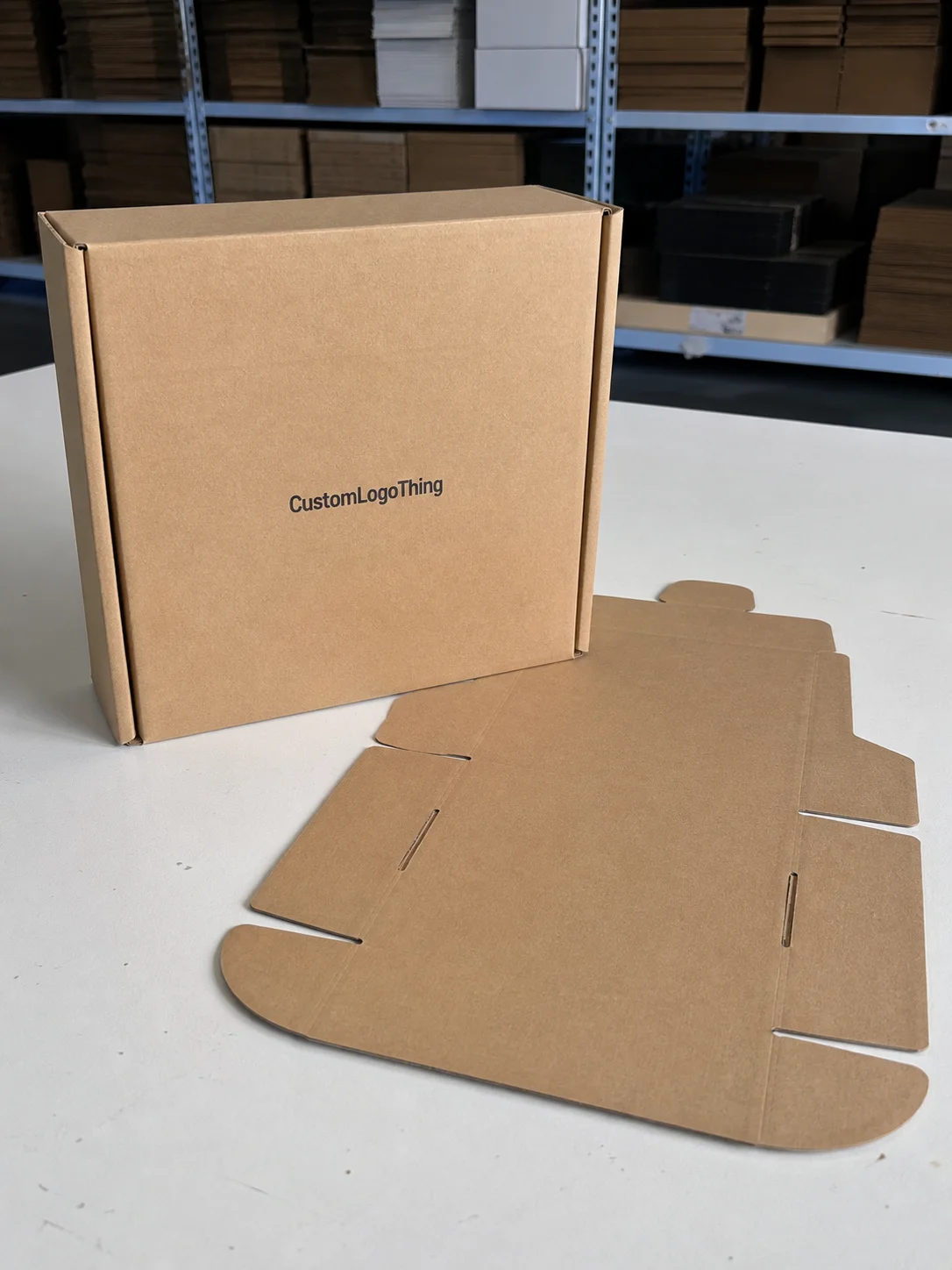
Buyer Fit Snapshot
| Best fit | Packing Materials Supplier projects where brand print, material claims, artwork control, MOQ, and repeat-order consistency need to be specified before quoting. |
|---|---|
| Quote inputs | Share finished size, material target, print colors, finish, packing count, annual reorder estimate, ship-to region, and any compliance wording. |
| Proofing check | Approve dieline scale, logo placement, barcode or warning zones, color tolerance, closure strength, and carton packing before bulk production. |
| Main risk | Vague material claims, crowded artwork, missing packing details, or unclear freight terms can make a low unit price expensive after revisions. |
Fast answer: Packing Materials Supplier: Material, Print, Proofing, and Reorder Risk should be specified like a repeatable production item. The safest quote records material, print method, finish, artwork proof, packing count, and reorder notes in one written spec.
Production checks before approval
Compare the actual filled-product size with the drawing, then confirm tolerance on folds, seals, hang holes, label areas, and retail display edges. Reserve space for logos, QR codes, warning copy, and material claims before decorative graphics fill the panel.
Quote comparison points
Review material grade, print process, finish, sampling route, tooling charges, carton quantity, and freight assumptions side by side. A quote is only useful when the supplier can repeat the same color, closure quality, and packing count on the next order.
If you’ve ever watched a pallet of products arrive with crushed corners, split seams, and a mess of returned inventory, you already know why a packing materials supplier guide matters. I’ve stood on factory floors in Newark, New Jersey, and Dongguan, Guangdong, where the carrier got blamed first, yet the real problem was a box with the wrong flute profile, tape that lost tack in cold storage, or void fill that shifted after a 900-mile truck run. A solid packing materials supplier guide helps you make better choices before any carton leaves the dock, and honestly, that is the difference between a normal week and a week where everyone is suddenly “just circling back” on damage claims.
Custom Logo Things works with brands that need packaging to do more than look decent on a shelf. A good packing materials supplier guide should help you compare corrugated cardboard, kraft paper, mailers, cushioning, stretch film, and protective wraps with a clear eye on cost, handling speed, and transit performance. The smartest buyers treat packaging like part of their shipping system, not a last-minute purchase, and that mindset saves money fast. I’ve seen people spend three hours arguing over a penny on tape and then shrug at a $12 return shipment, which still makes me laugh a little and groan a lot.
Why a Packing Materials Supplier Matters More Than You Think
I remember a cosmetics client in Secaucus, New Jersey, with 14 SKUs and a stubborn 3.8% damage rate on glass serum bottles. The carrier was a national name, the warehouse team was trained, and the fulfillment software was solid, yet the issue kept showing up in the returns bin. We traced it back to a carton that looked fine on paper but had weak edge crush resistance, and the divider set was a half-inch too loose. That’s the kind of problem a thoughtful packing materials supplier guide should help you catch early, before someone in finance starts asking why “fragile” apparently meant “best effort.”
A packing materials supplier provides the physical items that hold your product together during storage, pick-pack, palletization, transit, and delivery. That can include corrugated boxes, mailers, tape, labels, void fill, bubble wrap, foam inserts, poly bags, kraft paper, stretch film, corner boards, and moisture barriers. In a good packing materials supplier guide, the supplier is not just a reseller; they help you choose board grade, adhesive type, and cushioning style based on real shipping risk. I have a strong opinion here: if your supplier never asks about your lane, your climate, or your stack height, they are selling cartons, not solutions.
The supplier’s role affects far more than breakage. It changes how fast workers can pack a case, how much shelf space you need for inventory, whether your warehouse needs three SKUs or thirty, and what your customer sees the moment they open the box. I’ve seen packing benches lose 20 to 30 seconds per order because tape guns were gumming up or cartons were arriving nested too tightly. Multiply that by 1,500 orders a day, and the labor cost gets ugly fast. A practical packing materials supplier guide helps you measure those hidden costs instead of pretending they are some mystery expense that fell out of the ceiling.
“We thought we were buying boxes,” one operations manager told me during a supplier review in Columbus, Ohio. “What we were really buying was fewer claims, less repacking, and a calmer warehouse.”
That’s the difference between a basic vendor and a packaging partner. A basic vendor ships what you ask for. A real partner asks about load weight, stack height, humidity, drop height, and whether your products sit in a bonded warehouse or a hot trailer for six hours. If your packing materials supplier guide does its job, it should push you toward that kind of conversation every time. I still remember one supplier meeting where the sales rep asked, very casually, whether the cartons would be exposed to summer dock heat in Dallas, Texas, and I thought, yes, finally, someone who understands that cardboard has feelings too (or at least a memory for humidity).
How Packing Materials Suppliers Work in the Shipping Process
The process usually starts with dimensions, weight, and product fragility. For example, a 2.4-pound candle set in a Rigid Gift Box needs a different solution than a 22-pound industrial pump with sharp metal edges. A supplier may review your measurements, then recommend a carton size, wall construction, cushioning format, and closure method. A dependable packing materials supplier guide should show how those decisions connect to the actual ship cycle, because “fits the item” is not the same thing as “survives the journey.”
In a typical plant, cartons are received flat, staged near the pack line, and pulled into production based on the day’s order mix. At one snack food facility I visited in Lancaster, Pennsylvania, cartons were stacked by flute grade and SKU family so the packers could grab the right size without checking each label twice. That cut errors and shaved a few seconds off every order. A good packing materials supplier guide should explain that packaging workflow, because the right material is only part of the answer; the other part is whether your team can actually reach it without turning the packing area into a scavenger hunt.
Suppliers source many of these items from mills and converters using kraft paper, corrugated board, polyethylene foam, pressure-sensitive tape, bubble wrap, and stretch film. A quality program usually checks basis weight, caliper, adhesive performance, print consistency, and dimensional tolerances. If a carton is supposed to be 12 x 9 x 6 inches, a sloppy supplier that drifts by a quarter inch on every side can throw off your case pack and your freight math. That detail belongs in any serious packing materials supplier guide. I’ve watched a quarter inch turn into a whole chain of annoyances, and yes, it is as irritating as it sounds.
Lead times and minimum order quantities matter just as much as the material itself. Stock items may ship in 3 to 7 business days from a warehouse in Ohio or Texas, while Custom Printed Mailers, die-cut inserts, or specialty cartons can take 12 to 18 business days after proof approval, depending on the factory’s schedule and current press load. For a 5,000-piece run of printed mailers, a common price point might land around $0.15 per unit plus setup, while a 20,000-piece order may drop closer to $0.11 per unit. I’ve watched brands get caught because they loved a custom solution but forgot to ask about replenishment timing. A practical packing materials supplier guide keeps that pain point front and center, because nothing tests your patience like discovering your “approved” box is still sitting in a queue somewhere between the corrugator and the die cutter.
Customization fits in several places. Printed cartons can carry your logo and handling instructions. Branded mailers can reduce the need for extra inserts. Die-cut pulp trays, molded fiber inserts, and paper-based void fill can replace loose plastic in some applications. If you care about presentation, a supplier can also align printing with your brand colors and spec a finish that feels right in hand, such as a 350gsm C1S artboard for retail sleeves or a matte aqueous coating for e-commerce cartons. That level of detail is exactly why a packing materials supplier guide should cover both performance and presentation. A box can be strong and still feel like it was designed by someone who hated joy.
For brands looking for standards and testing references, I often point teams toward the basics at ISTA and the material-reduction guidance at EPA. Those aren’t sales pages. They’re useful anchors when you need to justify packaging decisions to finance, operations, or sustainability teams, especially when somebody in the room says, with heroic confidence, “I think we can probably get away with a thinner box.”
Key Factors to Compare Before Choosing a Supplier
Material quality comes first. For corrugated cardboard, ask about burst strength, edge crush test numbers, flute type, and whether the board includes recycled materials or post-consumer waste. For cushioning, ask about density, compression recovery, and how the material performs after repeated vibration. For tape, ask about adhesive chemistry, film thickness, and temperature range. A buyer using this packing materials supplier guide should never accept “it’s good quality” as a meaningful answer. Honestly, I think that phrase should trigger an automatic follow-up every single time.
Pricing is where people sometimes get tripped up. You may see a low unit price like $0.31 per carton, but freight, pallet charges, ink setup, and storage fees can push the real cost much higher. I’ve seen quotes that looked 8% cheaper until we added inbound freight from two warehouses in Chicago and Atlanta and a die charge that was buried in the fine print. A realistic packing materials supplier guide always compares apples to apples, not just headline numbers. If a quote looks weirdly perfect, I assume someone hid the pain somewhere else.
Sustainability deserves a direct conversation too. Buyers often ask for recyclable structures, FSC certified board, or reduced-plastic options, and those are fair requests as long as the material still protects the product. Some teams use kraft paper dunnage or biodegradable packaging alternatives, but I always tell clients to verify performance in transit before celebrating the material choice. If a greener option causes a 2% return rate, the environmental gain gets wiped out by extra shipping and replacement units. That kind of tradeoff belongs in a sound packing materials supplier guide, and I mean that in the least glamorous but most useful way possible.
Service matters more than many procurement teams expect. How fast does the supplier answer a spec question? Can they send samples in 48 hours from a converter in Charlotte, North Carolina, or Zaragoza, Spain? Do they have a structural engineer, packaging technologist, or account manager who actually understands compression and drop performance? I’ve negotiated with suppliers who were brilliant on pricing but slow to send revised drawings, and that delay created a week-long production headache. A thorough packing materials supplier guide should value response time as much as unit cost, because a cheap box that arrives after your promotion launches is just a very sturdy disappointment.
Compliance and protection requirements vary by industry. Food packaging may need grease resistance or direct-contact considerations. Electronics often need anti-static protection and tighter carton tolerances. Cosmetics care about presentation and leakage protection. Glass demands cushioning and drop-test discipline. Industrial parts may need rust prevention or heavier kraft wraps. If you’re shipping regulated or fragile products, the packing materials supplier guide should encourage you to request documentation, test methods, and material certificates before you approve anything. I have a soft spot for documentation, probably because it saves me from the cheerful chaos of “we thought the spec was in the old email thread.”
Here’s a simple comparison checklist I use with clients:
- Board strength: ask for ECT or burst specs, not vague claims.
- Adhesive performance: verify tape tack under warehouse temperature.
- Dimensional accuracy: confirm tolerances in writing.
- Sample quality: inspect 10 pieces, not one.
- Support: ask who helps if a carton collapses on a pallet.
That list sounds simple, but it is where many buyers save themselves months of pain. A strong packing materials supplier guide should make comparison easier, not more confusing. If the supplier gets defensive when you ask these questions, that tells you quite a lot, and none of it is flattering.
Packing Materials Supplier Pricing, Cost, and Budget Planning
Raw material swings drive a lot of packaging pricing. Paper mills, resin markets, ink costs, freight rates, and labor all move around, and you can feel those changes in the quote sheet. Corrugated board, for instance, may tighten up when mill capacity is constrained in Wisconsin or Ontario, while stretch film prices can shift with resin conditions out of Houston or the Gulf Coast. A smart packing materials supplier guide helps buyers expect those movements instead of treating them like a surprise. I’d rather see a client brace for a price change than discover it the day after they promised a flat budget to leadership.
Print complexity also changes cost. A one-color logo on a mailer is a different animal than a four-color print with registration control, varnish, and custom dielines. Add in tooling or die charges, and the quote can jump quickly. I once sat through a supplier meeting where a team wanted a beautiful branded insert, but they had not budgeted for a steel rule die, cutting plates, and sampling revisions. For a 10,000-piece run, a supplier in the Shenzhen area might quote $0.18 per insert plus a one-time $280 die charge, while a domestic converter in Ohio could land closer to $0.24 per unit with lower transit risk. A clear packing materials supplier guide would have prevented that awkward moment, and probably spared everyone the long silence that followed when the first “total cost” number appeared.
Freight class matters too. Heavier cartons, bulky protective wrap, and low-density items can create shipping inefficiencies if the palletization plan is weak. A carton that saves $0.04 per unit but wastes 18% of trailer cube is not a win. The same goes for storage. If your warehouse has only 400 pallet positions and your packaging supply program eats 70 of them, you may be paying more for space than you realize. Any useful packing materials supplier guide should push you beyond unit price and into total landed cost. Otherwise, you are basically congratulating yourself for buying cheap while the freight invoice quietly laughs in the corner.
Here’s a practical way to think about cost. If a stronger carton costs $0.07 more per unit but reduces breakage from 2.5% to 0.5% on a product worth $42, the math usually favors the better carton. I’ve seen that play out with glass bottles, ceramic goods, and precision parts. Returns are not just the replacement unit; they also include labor, reverse logistics, resale loss, and customer churn. A grounded packing materials supplier guide should keep that broader cost picture visible, because the cheapest carton can become the most expensive line item in the building without warning.
Budget planning works best when you build around usage forecasts, safety stock, and seasonal spikes. If your Q4 volume runs 35% above average, your packing materials supplier needs to know that before inventory gets tight. Some brands also benefit from annual contracts or tiered pricing, especially if monthly usage is steady. Vendor-managed inventory can help, too, though it is not the right fit for every operation. A strong packing materials supplier guide should remind you to ask about those options early. I’ve seen people wait until the last week of September to plan holiday packaging, and that is a terrific way to create a very expensive migraine.
Here’s an example from a direct-to-consumer skincare brand I worked with in Los Angeles, California: their packaging spend looked stable at roughly $18,000 per month, but after we mapped freight, damaged shipments, and emergency replenishment buys, the real monthly cost floated closer to $24,500. Once they consolidated SKUs and changed to right-sized mailers, the number dropped to about $19,300 while customer complaints fell sharply. That kind of savings is exactly why a packing materials supplier guide needs to talk about systems, not just invoices.
When you’re comparing quotes, ask for these items in writing:
- Unit price by volume tier.
- Freight terms and delivery location.
- Setup or tooling fees.
- Lead time from approval to shipment.
- Reorder minimums and change-order rules.
If a supplier cannot explain those five items cleanly, I’d be cautious. A reliable packing materials supplier guide should make cost transparent enough that your finance team can trust the numbers, and your warehouse team can stop playing detective every time a pallet shows up looking slightly different than the sample.
Step-by-Step: How to Evaluate and Select the Right Supplier
Step 1: Audit your current packaging. Measure product dimensions, finished weight, average ship method, and the damage types you see most often. Are corners crushing, seams splitting, or products rattling inside the box? Write that down with dates and counts. A proper packing materials supplier guide starts with facts from your own operation, not guesses from a catalog. I know that sounds obvious, but I’ve seen plenty of “gut feel” sourcing decisions made with remarkable confidence and very little evidence.
Step 2: Request samples and test them in real conditions. I do not trust desk testing alone. Put the carton on a real pack bench, in real humidity, with the same workers and tape guns you use every day. If you can, run drop tests, compression checks, and short transit trials. For shipping validation, many teams reference ISTA methods because they create a common language for package performance. A smart packing materials supplier guide should encourage that kind of testing discipline. If the sample survives a conference table but collapses on the warehouse floor, well, congratulations, you’ve just learned how dramatic cardboard can be.
Step 3: Compare quotes on equal terms. Make sure board grade, film thickness, adhesive type, print count, and finish are matched line by line. One supplier’s “heavy duty” box might be another supplier’s standard double-wall. I’ve seen buyers approve a low quote only to find out later that the carton was 32 ECT instead of 44 ECT. That mistake usually costs more than the original savings. A careful packing materials supplier guide prevents that mismatch by forcing everyone to speak the same spec language.
Step 4: Review lead time, production capacity, and communication. Ask how they handle rush replenishment, proof corrections, and supply interruptions. Do they have backup mills or alternate resin sources? How fast do they respond when a shipment is short? I once helped a distributor in Baltimore, Maryland, that had one supplier with great pricing but a habit of shipping partial pallets without notice. That created a daily scramble at receiving. A practical packing materials supplier guide should treat communication as a quality metric. Personally, I would rather work with a slightly pricier supplier who answers the phone than save a few cents and spend my mornings hunting for missing cartons.
Step 5: Pilot the supplier with one lane or product family. Start with a line that has enough volume to show meaningful data but not so much risk that a mistake hurts the whole business. Track breakage, pack speed, customer feedback, and reorder ease for 30 to 60 days. If the results are solid, scale carefully. If not, fix the spec before expanding. A disciplined packing materials supplier guide always favors controlled rollout over blind commitment.
One of the better supplier pilots I witnessed was for a food brand using printed mailers and paper-based void fill. They tested two carton styles, measured pack time with a stopwatch, and tracked damage across 500 orders. The winning option saved 11 seconds per pack and cut crushed product claims by 64%. That was not luck. It was structured evaluation, exactly the kind a packing materials supplier guide should promote. And yes, somebody did joke that the stopwatch was “the most expensive tool in the room,” which was funny right up until the results came in.
For sustainability-minded sourcing, it can help to check certifications directly. FSC is a useful reference if you want to verify certified fiber supply chains. Just remember that certification does not replace performance testing. A box can be FSC certified and still be the wrong strength for your product. A responsible packing materials supplier guide keeps both facts in view, because paper credentials do not magically stop a corner from crushing under stack pressure.
Common Mistakes Buyers Make When Sourcing Packing Materials
The first mistake is chasing the cheapest option without checking performance. A carton that saves a penny but fails under pallet compression is expensive by the third return. I’ve seen teams celebrate a lower purchase order total while overlooking a rise in damage claims and customer service tickets. A solid packing materials supplier guide should warn against that trap early. Cheap looks great in a spreadsheet right up until the warehouse starts looking like a breakup aftermath.
The second mistake is ignoring dimensions. Oversized cartons create higher freight costs, more void fill, and sloppy presentation. Too-small cartons crush product or force workers into awkward packing motions. In one warehouse I visited in Memphis, Tennessee, the team had six carton sizes where three would have done the job, and the extra inventory was slowing training for new hires. A disciplined packing materials supplier guide keeps right-sizing front and center. I’m a big believer in fewer options, not more, because nobody needs to memorize a carton family tree before lunch.
The third mistake is failing to test under real warehouse conditions. Heat, cold, humidity, dust, and fast-moving pack lines can all change how materials behave. Tape that looks fine in a conference room may peel on a July dock door. Corrugated board that stacks beautifully in a dry office can bow in a damp storage area. Any reliable packing materials supplier guide should recommend field testing, not just samples on a desk. The dock does not care about your presentation deck, and frankly, neither does gravity.
The fourth mistake is not planning inventory. Emergency buys almost always cost more, and the quality often slips because you’re buying whatever is available. One plant manager in Indianapolis, Indiana, told me their biggest packaging problem was not damage; it was running out of standard cartons on a Friday afternoon and paying premium freight for a substitute on Monday morning. That cycle can be broken with better forecasting. A strong packing materials supplier guide should say that plainly. If your system depends on Monday panic orders, the system is not a system.
The fifth mistake is poor documentation. If your specs live only in someone’s inbox, reorders become guesswork. You need item numbers, drawings, board grades, tape specs, print files, and approved samples stored where the team can find them. Otherwise, one small ordering change can alter the whole packout. A useful packing materials supplier guide is as much about control as it is about selection. I’ve lost count of the times I’ve heard, “We used the same box,” only to discover it was the same box in the way cousins are “basically the same.”
Expert Tips for Building a Reliable Packaging Supply Chain
Standardize your core SKUs first. If you can reduce packaging from 24 active items to 12 carefully selected ones, you simplify ordering, lower storage pressure, and make training easier for new packers. I’ve seen this work especially well in multi-warehouse operations where each site had drifted into its own habits. A good packing materials supplier guide should always look for simplification opportunities. Fewer variables usually means fewer surprises, and surprises are usually expensive.
Keep a supplier scorecard. Track lead time, defect rate, on-time delivery, response time, and order accuracy every month. Numbers matter here. If one supplier ships on time 97% of the time and another sits around 88%, you’ll feel the difference in labor planning even if the quotes are close. A practical packing materials supplier guide makes performance measurable, not anecdotal. The spreadsheet may not be glamorous, but it does have the advantage of not forgetting what happened in March.
Do periodic packaging audits. Every six months, walk the line and ask whether a carton is too large, whether void fill is overused, or whether a lighter material could do the same job. Packaging tends to grow heavier over time because nobody wants to be blamed for damage, so overbuild creeps in quietly. I’ve helped teams save 6% to 14% on materials simply by trimming excess protection. That kind of review should live inside a working packing materials supplier guide. It is one of those unflashy habits that keeps paying off.
Ask for material or structural improvements. Maybe a stronger flute profile lets you reduce board weight without increasing claims. Maybe a better adhesive cuts tape failures in cold rooms. Maybe a different mailer film lowers cost while keeping puncture resistance high enough for your product mix. Good suppliers are usually happy to solve for that. A real packing materials supplier guide encourages ongoing improvement, not one-time purchasing. In my experience, the best suppliers like being challenged a little; it gives them a chance to show they actually know their craft.
If your brand cares about the unboxing experience, make sure the packaging still feels intentional. Clean print, crisp folds, and a consistent box finish can do a lot for perceived quality. At Custom Logo Things, I’ve seen brands win loyalty with modest packaging upgrades because the first physical touchpoint felt organized and thoughtful. That does not mean expensive. It means deliberate. A well-run packing materials supplier guide helps you make those calls with confidence. Customers notice when the box opens the way it should; they also notice when it arrives looking like it took a wrong turn through a wind tunnel.
Here’s the simplest next step I give clients: gather your current specs, request three comparable quotes, test samples under real shipping conditions, and schedule a monthly review for damage, spend, and lead time. That rhythm keeps decisions grounded. It also turns your packing materials supplier guide from a one-time read into a living operating habit.
One more thing: don’t let sustainability language outrun reality. Recycled materials, FSC certified paper, kraft paper fillers, and Biodegradable Packaging Options can all be part of a smart program, but only if they protect the product and fit your lane economics. A package that fails twice is never the greener choice. A practical packing materials supplier guide keeps that balance honest. I’d rather have a slightly plain box that arrives intact than a beautiful eco-friendly one that falls apart before the customer reaches the scissors.
Packing Materials Supplier: decision table
| Decision area | Best fit | What to verify | Risk if skipped |
|---|---|---|---|
| Board or flute choice | Product protection, stacking strength, and shipping distance | Caliper/flute, crush resistance, and sample fit | Weak structure or oversized cartons increase damage and freight cost |
| Print and finish | Retail presentation, unboxing, and shelf recognition | Color proof, coating, scuff resistance, and logo placement | A good dieline can still look cheap if finish and color drift |
| Packing method | Hand packing, ecommerce fulfillment, or retail-ready cartons | Inner count, master carton, label position, and warehouse handling | Good packaging slows operations if pack-out is ignored |
FAQ
What should I ask a packing materials supplier before placing an order?
Ask about material specs, minimum order quantities, lead times, sample availability, and whether they can support custom sizes or printing. Request clarity on freight charges, setup fees, and reorder procedures so you can compare quotes fairly. Confirm how they handle quality issues, substitutions, and urgent replenishment needs. A strong packing materials supplier guide should help you ask those questions in the same order every time.
How do I know which packing materials are right for my products?
Start with product weight, fragility, dimensions, surface finish, and shipping method. Match the material to the risk: corrugated strength for stacking, cushioning for impact, and moisture protection for sensitive items. Test samples in real transit conditions before committing to a full order. That approach is central to a practical packing materials supplier guide.
Is the cheapest packing materials supplier usually the best choice?
Not usually, because low unit cost can hide poor performance, higher damage rates, or extra labor at the packing bench. Compare total landed cost, including freight, storage, returns, and replacement shipments. A stronger or better-fitted material often saves money over time, which is why a balanced packing materials supplier guide matters so much.
How long does it typically take to source custom packing materials?
Timeline depends on design complexity, tooling needs, print setup, and factory capacity. Simple stock items can move quickly, while custom cartons, inserts, or printed packaging usually need sampling and approval steps first. Build in extra time for revisions, testing, and freight scheduling. A realistic packing materials supplier guide should always assume at least one revision round for custom work.
What’s the best way to compare two packing materials suppliers?
Use the same spec sheet for both suppliers so you compare like for like. Evaluate quality, price, lead time, service, sustainability, and the ability to scale with your business. Pilot each supplier with a small order and measure damage rates, pack speed, and reorder experience. That is the cleanest way to use a packing materials supplier guide in real purchasing decisions.
If you remember only one thing from this packing materials supplier guide, make it this: the right supplier protects your margin, your warehouse labor, and your customer experience at the same time. I’ve spent enough years on production floors to know that packaging issues almost never start with the truck line; they usually start upstream with a spec that was too loose, too cheap, or too rushed. Choose carefully, test honestly, and keep improving the spec sheet as your shipping profile changes. That is how a packing materials supplier guide turns into better shipping every day.