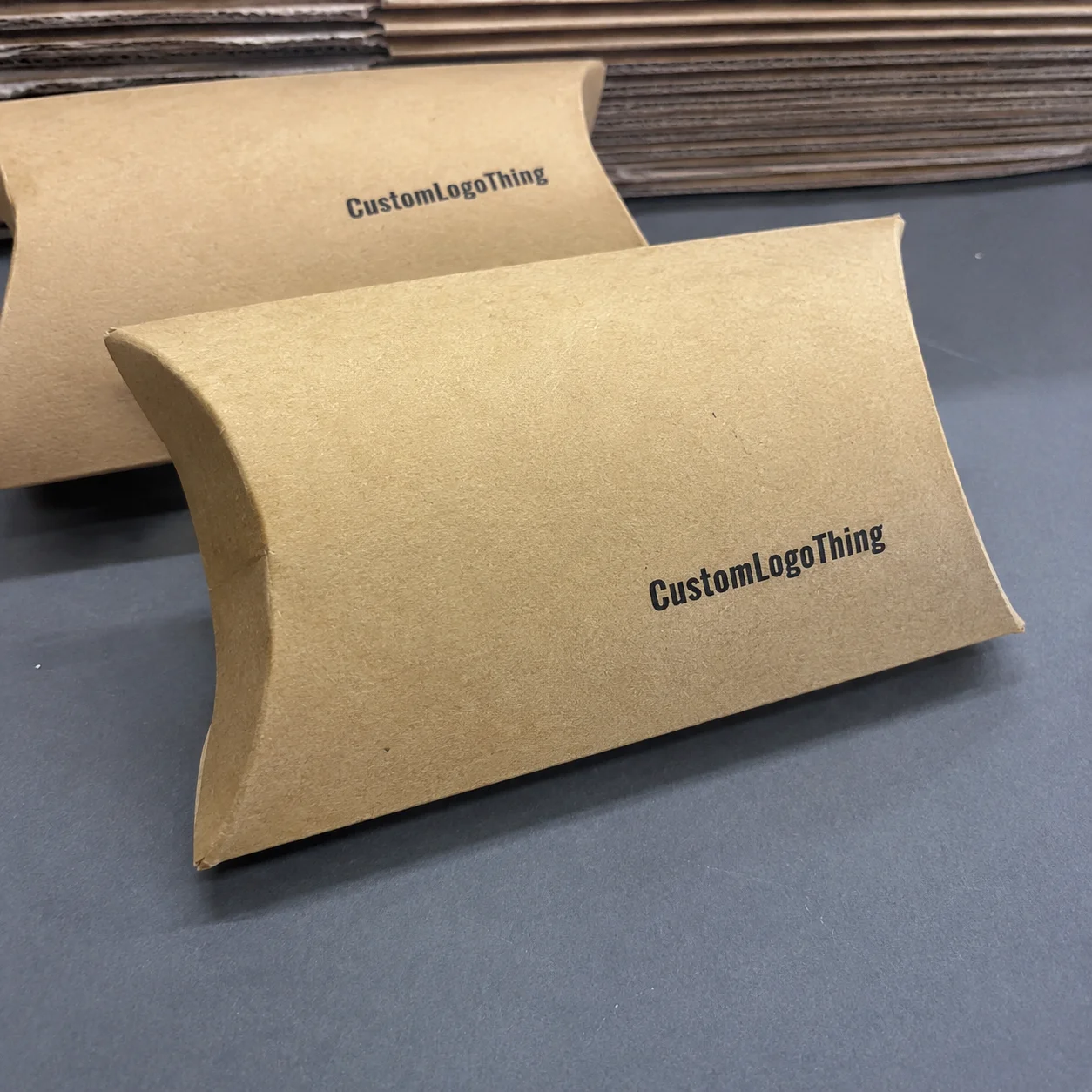
Buyer Fit Snapshot
| Best fit | packing materials wholesale for packaging buyers who need material clarity, print proof, packing fit, cost control, and repeat-order reliability where brand print, material, artwork control, and repeat-order consistency matter. |
|---|---|
| Quote inputs | Share finished size, material target, print colors, finish, packing count, annual reorder estimate, and delivery region. |
| Proofing check | Approve dieline scale, logo placement, barcode or warning zones, color tolerance, and any recyclable or compostable wording before bulk production. |
| Main risk | Vague material claims, crowded artwork, or missing packing details can create delays even when the unit price looks attractive. |
Fast answer: Packing Materials Wholesale: Specs, MOQ, Lead Time, and Quote Checks should be specified like a repeatable production item. The safest quote includes material, print method, finish, artwork proof, carton packing, and reorder notes in one written spec.
What to confirm before approving the packaging proof
Check the product dimensions against the actual filled item, not only the sales mockup. Ask for tolerance on folds, seals, hang holes, label areas, and retail display edges. If the package carries a logo, QR code, warning copy, or legal claim, reserve that space before decorative graphics fill the panel.
How to compare quotes without losing quality
Compare board or film grade, print process, finish, sampling route, tooling charges, carton quantity, and freight assumptions side by side. A lower quote is only useful if the supplier can repeat the same color, closure quality, and packing count on the next order.
I’ve spent enough time on warehouse floors to know that the carton usually gets blamed first, yet the real damage often begins with under-spec’d dunnage, weak tape, or a stretch film choice that slips on the pallet after the third handoff. That is exactly why packing materials wholesale buying deserves a serious look, because once the right materials are standardized at scale, you stop paying for preventable losses, rushed reorders, and the kind of packing mistakes that show up later as customer complaints and chargebacks.
At Custom Logo Things, I’ve seen brands cut shipping spend not by chasing the absolute cheapest box, but by matching the right packing materials wholesale program to their product mix, warehouse flow, and freight profile. A 32 ECT mailer may be perfect for apparel, while a double-wall corrugated box with kraft paper void fill usually makes more sense for ceramic drinkware, and the difference shows up fast in damage claims and labor time. If you are building a purchasing plan, the goal is not only lower unit cost; it is lower total cost per shipment, with fewer surprises along the way.
Why Wholesale Packing Materials Lower Shipping Costs
A lot of buyers assume shipping savings begin with the carrier contract. In practice, they often start at the packing bench, where a $0.03 tape substitution, a more consistent corrugated cardboard grade, or a better-fit mailer can save far more than a small freight discount ever will. Buying packing materials wholesale gives teams a way to standardize those decisions, and that matters when different shifts, seasonal temp labor, and multiple warehouse stations are all packing the same orders.
Bulk purchasing lowers the unit cost, yes, but the bigger win is consistency. A fulfillment center using the same board grades, the same wrap gauges, and the same tape adhesion profile can train faster, inspect easier, and reduce packing errors across the line. I once visited a 70,000-square-foot Midwest fulfillment operation where the night shift was using a thinner tape roll than the day shift because procurement had sourced from two vendors; the result was carton failures on heavier outbound orders and a week of avoidable claims. That sort of problem disappears much faster when packing materials wholesale sourcing is managed as one controlled program.
Inventory control matters just as much. Smaller, fragmented purchases create SKU sprawl, and procurement teams end up juggling four box vendors, two void-fill suppliers, and a backup tape source that nobody fully trusts. With packing materials wholesale, consolidation is easier, forecasting is cleaner, and emergency replenishment drops because the same spec is being ordered on a predictable cycle. For high-volume eCommerce, warehouse, and third-party fulfillment operations, that can mean fewer rush freight charges and fewer “we need it by Friday” calls that eat margin.
“The cheapest material on the quote sheet is not always the cheapest material on the dock. I’ve seen a penny saved in tape turn into dollars lost in repacking labor and damaged returns.”
When I evaluate a wholesale program, I look at four simple factors: cost per shipment, protection performance, storage footprint, and replenishment reliability. That framework keeps packing materials wholesale purchasing grounded in operations instead of wishful thinking, and it separates genuine savings from numbers that only look good on paper.
Core Packing Materials Available Wholesale
The core categories in packing materials wholesale are familiar, yet the details matter much more than most buyers expect. Corrugated boxes come first, of course, and the real decision is not only size, but flute type, board grade, and whether the item needs single-wall or double-wall protection. E-flute works well for small branded mailers and retail-style presentation, while B-flute is a stronger general-purpose option for Shipping Cartons That need more compression resistance. For heavier loads, a double-wall structure with the right ECT rating is a lot safer than trying to stretch a light carton beyond what it was designed to handle.
Mailers are another major category, especially for apparel, accessories, books, and lightweight beauty items. Poly mailers, padded mailers, and corrugated mailers each serve a different function, and in a real warehouse I’ve watched teams save seconds per pack by switching to the right format for their SKU profile. That kind of efficiency matters when you’re running several thousand orders a day and every extra fold, insert, or tape strip slows the line.
Void fill is where a lot of damage prevention lives. Kraft paper, air pillows, molded pulp, and bubble wrap all show up in packing materials wholesale programs, but the product weight and fragility should drive the choice. For fragile glassware, I usually like a combination of bubble wrap and kraft paper void fill because the paper locks the item in place while the bubble layer absorbs small shocks. For irregular items, crumpled kraft paper can be a cleaner choice than loose foam because it is easier to control at scale and pairs well with recycled materials goals.
Stretch film, pallet wrap, and corner protection are easy to overlook until a pallet shifts in transit. Cast stretch film is common because it clings well and unwinds smoothly, while blown film tends to offer better load retention in some tougher applications. Tape selection matters just as much; acrylic tape offers good aging performance, while hot-melt tape often gives stronger initial grab, which is useful on fast-moving packing lines. If you are buying packing materials wholesale, do not treat tape like a commodity afterthought, because adhesive failure is one of the fastest ways to create avoidable rework.
Many buyers also want branded packaging. Custom Printed Tape, branded mailers, and box dimensions tailored to a pick-and-pack operation can all be part of a wholesale program, and I think that matters more than people admit. A better-sized carton reduces void fill consumption, lowers dimensional weight surprises, and gives the brand a more polished presentation without adding unnecessary steps. For companies that want Wholesale Programs built around both supply reliability and presentation, customization can pay for itself quicker than expected.
For environmentally minded buyers, kraft paper, recycled materials, and FSC certified paperboard are common requests, and I’ve seen strong demand for packaging made with post-consumer waste content. Some customers also ask about biodegradable packaging, though I always point out that “biodegradable” can mean very different things depending on the material and disposal environment, so the claim needs to be verified carefully rather than assumed. I’ve had more than one brand discover that a claim sounded good in a sales deck but didn’t hold up once the material met real municipal recycling rules, which is a headache nobody needs.
Specifications That Matter Before You Place an Order
Before placing any packing materials wholesale order, I want the spec sheet in hand. Not because I like paperwork, but because small spec differences create big performance differences in transit. For corrugated cardboard, buyers should verify edge crush test, burst strength, flute type, and inside dimensions. A box that is one eighth of an inch too tight can crush product corners, while one that is too loose wastes void fill and raises the chance of movement inside the carton. I’ve seen both happen in the same week, and the fix was not glamorous; it was simply getting the right measurement set before reordering.
For film and tape, the technical details matter just as much. Stretch film should list gauge, roll width, roll length, and whether it is cast or blown. Tape should clearly identify the adhesive type, backing thickness, and intended temperature range. I once sat with a cosmetics client who was losing cartons on summer outbound lanes because the tape adhesive softened in a hot trailer after staging; a simple adhesive change solved the problem, but only after we reviewed the specs instead of guessing. That is the kind of detail that makes packing materials wholesale sourcing work.
Storage and handling need attention too. Stretch film rolls can deform under poor pallet stacking, kraft paper can absorb moisture in humid warehouses, and corrugated cartons can lose strength if they sit near dock doors or under compressed loads. Mixed pallets can be efficient, but only if your receiving team knows how to count, label, and store the inventory without mixing similar SKUs. If a supplier can provide pallet configuration details, carton counts, and sample packs before full production, that is a strong sign they understand operational reality.
For higher-value or fragile products, I always recommend sampling before committing to full inventory. A test run of 25 to 50 units can reveal whether the carton folds cleanly, whether the void fill is fast enough for the line, and whether the branded finish actually holds up in warehouse handling. Where relevant, ask for compliance details too: recycled content declarations, food-safe construction, export readiness, or ISTA test alignment for transit performance. If sustainability matters, check guidance from the EPA and verify whether the material fits your recycling stream.
I also suggest looking for FSC certified paper options when your brand or customer base asks for responsibly sourced fiber. The FSC system gives buyers a clearer path for documenting forest-based materials, which can matter in retail, wholesale, and export programs. In a good packing materials wholesale relationship, the supplier should be able to explain those details without hedging, and without pretending every material is automatically eco-friendly just because the label says so.
Packing Materials Wholesale Pricing, MOQ, and Savings
packing materials wholesale pricing is usually tiered by quantity, construction, print complexity, and whether the item is stock or custom made. A plain stock mailer may price very differently from a custom-size corrugated box with two-color printing and specialty die-cutting, even if both look simple from the outside. That is why I always tell procurement teams to compare apples to apples; one quote might include freight, while another only shows unit price and hides the real landed cost.
MOQ affects cost more than people realize. Larger runs usually reduce the unit price because setup costs are spread across more pieces, but the tradeoff is storage capacity and cash flow. If a supplier quotes 5,000 units at $0.18 each and 20,000 units at $0.11 each, the second number may look fantastic, but only if your warehouse can absorb the extra pallets and your forecast is reliable enough to consume them before the material becomes obsolete. That balance sits at the center of smart packing materials wholesale buying.
There are hidden cost drivers that can surprise first-time buyers. Tooling charges, printing plates, custom dimensions, freight class, pallet count, and rush production all affect the final bill. A custom corrugated mailer with a new die can carry a one-time setup cost, while a branded stretch film roll may require print cylinder charges. Ask directly whether the quote includes freight to your dock, liftgate service, and any residential or limited-access surcharges if your delivery point is not a standard warehouse.
Here is the framework I use when reviewing a quote:
- Unit price at the actual order quantity.
- Landed cost, including freight and accessorials.
- Damage reduction from better protection or fit.
- Labor savings from faster pack-out and fewer adjustments.
- Storage impact measured in pallet positions or cubic feet.
That list sounds simple, but it catches the mistakes that sink a lot of packing materials wholesale deals. I’ve had clients save money by switching from a low-price box to a slightly stronger one because their damage rate dropped enough to offset the difference several times over. Another client reduced labor by moving from oversized cartons and excessive kraft paper fill to tighter box sizing across three product families. The cheapest quote rarely wins if it creates more waste, more handling, or more claims.
Ordering Process and Production Timeline
The ordering process for packing materials wholesale is straightforward when the supplier is organized. It usually starts with an inquiry, followed by specification review, sample approval, quote confirmation, production, quality checks, and shipment booking. That sequence may sound administrative, but every step protects the buyer from a costly mismatch later. If the carton size is wrong by even a small amount, the mistake can cascade across an entire inbound lot.
Artwork approval and dieline confirmation matter for custom packaging, especially if you are ordering printed mailers, branded tape, or Custom Folding Cartons. Material availability also affects lead times, particularly when buyers request specific board grades, FSC certified paper, or specialty adhesive systems. For stock items, lead times can be much shorter because the material is already in inventory, while custom jobs require more coordination and usually more checkpoints.
In practical terms, stock packing materials wholesale orders can move quickly once inventory is confirmed, while custom-made orders often require a longer schedule for proofing and production. I prefer to give buyers a clear window rather than a vague promise. If a supplier says “about two weeks” but cannot explain whether that includes proof approval, production, or freight booking, the timeline is not really confirmed yet.
Logistics details matter too. Palletized shipping is usually the cleanest path for large wholesale orders, but mixed-SKU shipments need careful labeling so receiving teams know how to split and store them. If you are using multiple warehouses, ask for carton labeling that includes SKU, quantity, and pallet count. That small step can save hours on receiving and prevent miscounts that complicate inventory tracking.
“Good communication beats optimistic promises. If a vendor tells me when the proof is due, when production starts, and when the freight is booked, I trust the order a lot more.”
Set communication checkpoints early. Confirm samples before bulk production, approve proofs before materials are committed, and schedule inbound receiving before the truck departs. In a strong packing materials wholesale process, nobody is guessing where the order stands.
Why Choose Custom Logo Things for Wholesale Supply
Custom Logo Things works with the practical realities I’ve spent years around: corrugate conversion lines, film extrusion, tape production, and the daily pressure of keeping fulfillment moving. That means we do not treat packing materials wholesale as a simple catalog transaction. We look at your product dimensions, shipping method, and volume pattern, then help map materials to the job they actually need to do. That is the difference between a quote and a packaging plan.
Quality control matters because consistency matters. A carton that measures right on the sample but drifts in production creates packing problems, and a film roll with inconsistent gauge can cause wrap failures on the stretch wrapper. I’ve stood next to production operators who can tell within seconds whether a roll of tape is cutting cleanly or a box blank is folding out of square, and that kind of factory-floor attention is what keeps wholesale supply dependable. With packing materials wholesale, consistency is not a nice extra; it is the basis of trust.
We also support procurement teams, fulfillment centers, and growing Brands That Need predictable replenishment. If your monthly consumption is stable, we can help build a replenishment rhythm that keeps inventory in range without crowding the dock. If your needs are seasonal, we can plan around peak inventory, storage limits, and shipment timing so you are not forced into emergency buying at the worst possible moment. For many buyers, that kind of planning is worth as much as the material itself.
Another advantage is coordination across material types. Instead of juggling one vendor for boxes, another for tape, and a third for stretch film, a coordinated packing materials wholesale program can reduce vendor sprawl and simplify communication. Fewer purchase orders, fewer spec disputes, fewer mismatched lead times. Honestly, that is one of the quietest ways to improve operations, and it shows up in the month-end review as cleaner numbers and fewer headaches.
We also place a lot of value on technical guidance and sample support. If a customer is unsure whether kraft paper void fill is enough for a product, or whether a stronger board grade is needed, we can talk through the options in plain language and back it up with specs. That is how a good wholesale partner should behave: not flashy, just useful, clear, and accountable. And if a material is not the right fit, we’ll say so rather than trying to force a sale. That honesty saves everyone time.
Next Steps to Buy Packing Materials Wholesale
The fastest way to get better results from packing materials wholesale is to audit what you already use. Pull your top-volume SKUs, note your recurring damage points, and identify where the most labor is being spent. If you are seeing crushed corners, shifting pallets, or excessive void fill, those problems tell you exactly where to start.
Next, gather the numbers that matter: product weights, carton dimensions, shipping methods, monthly usage volumes, and any special handling requirements. The more precise your input, the more accurate your quote will be. I have seen buyers save time simply by sending a spec sheet with dimensions, board grade targets, and annual volume rather than asking vendors to guess. That is especially true for packing materials wholesale programs that include both standard and custom items.
Then request samples, compare landed costs, and confirm MOQ, lead time, and freight details before placing an order. Do not skip the sample stage if you are changing materials, especially for fragile or high-value products. A few cartons, a few rolls of tape, and one test pack-out session can reveal more than a dozen emails ever will.
Start with the highest-impact items first: shipping boxes, tape, and void fill. Those are the materials that usually affect cost, labor, and damage rates the most. Once that base is working well, expand into branded mailers, printed tape, or specialty items that support your customer experience. That step-by-step approach keeps packing materials wholesale purchasing controlled and practical.
If you are ready to move, prepare your specs, request a tailored quote, and schedule a replenishment review so the buying process stays efficient. The right packing materials wholesale partner should make your shipping operation easier to manage, not more complicated. Get the spec sheet right, test the samples, and lock in the materials that actually protect the product instead of just filling space.
Frequently Asked Questions
What packing materials wholesale options are best for fragile products?
Bubble wrap, kraft paper void fill, double-wall corrugated boxes, and corner protection are common choices for fragile goods. The best option depends on product weight, shape, and how much movement occurs inside the carton during transit.
How do I choose the right packing materials wholesale supplier?
Compare landed cost, spec consistency, MOQ, lead time, and whether the supplier can provide samples and technical data sheets. A strong supplier should help match materials to your shipping environment instead of only quoting the lowest unit price.
What is a typical MOQ for packing materials wholesale orders?
MOQ varies by product type, with stock items often lower than custom-printed or custom-sized materials. Ask whether MOQ is based on units, pallets, or production runs so you can forecast storage and cash flow accurately.
How long does a packing materials wholesale order take?
Stock items can move quickly once inventory is confirmed, while custom packaging usually takes longer because of proofing and production. Freight booking, sample approval, and artwork confirmation are the most common factors that affect the final timeline.
Can packing materials wholesale orders be customized?
Yes, many wholesale packing materials can be customized with sizing, printed branding, material thickness, and performance specs. Customization is most useful when you need better product fit, stronger protection, or a more professional unboxing experience.