Personalized Burlap Bags: What They Actually Change
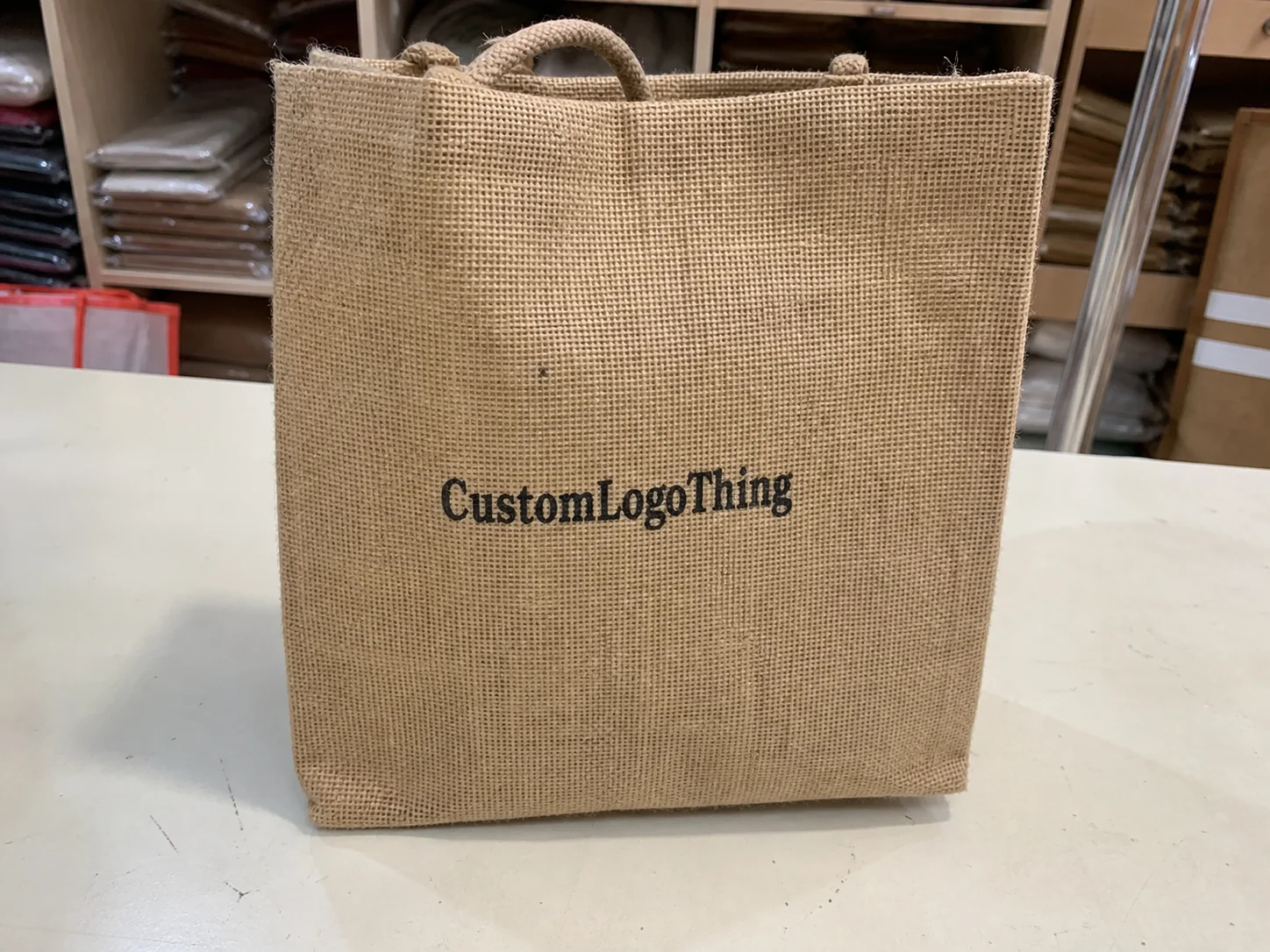
Personalized burlap bags change more than packaging appearance. They affect perceived value, shelf presence, and how much work the buyer thinks went into the product before it is even opened. That is why they show up in wedding favors, coffee, candles, small retail goods, seasonal kits, and corporate giveaways where the bag itself is part of the presentation.
Burlap has a clear visual signal. It reads rustic, handmade, natural, and less polished than glossy packaging. That makes it useful when the goal is warmth, giftability, or a reusable bag that still feels branded. A simple logo on woven jute often does more for the presentation than a crowded full-color design on smoother stock.
The material also sets limits. Burlap is textured and porous, so fine lines soften quickly, tiny type can disappear, and subtle gradients usually look worse in production than they do on screen. If the design depends on precision or tight color control, the substrate will expose those weaknesses fast.
That is why these bags work best when the use case is defined up front. They are a strong fit when the buyer wants a reusable, rustic, or gift-ready bag that supports the product without overpowering it. They are a poor fit when exact color matching, dense legal text, or a luxury finish matters more than texture and warmth.
From a buyer's perspective, the value is practical as much as visual. A well-made bag can reduce the need for extra wrapping and improve the overall feel of the package. A cheap-looking one does the opposite and makes the contents feel cheaper too.
How the Customization Process Works From Artwork to Approval
The process usually starts with a short brief: size, quantity, use case, artwork, and deadline. Those five inputs sound basic because they are basic, but most delays start when one of them is vague or changes after proofing begins.
Artwork is the first place where expectations break down. A logo that looks sharp on a screen can blur on rough woven fabric. Thin strokes disappear into the weave. Small text gets harder to read. A layout that feels balanced in mockup can look cramped once it is placed on the actual bag.
The proof is not a formality. It is the first real check of whether the design survives the material. Confirm the print area, placement near seams or closures, and decoration color if that matters. If the bag has a drawstring, hem, lining, or gusset, those details affect layout more than most buyers expect.
"If the proof looks crowded, the finished bag will not magically look calmer."
Decoration method depends on the artwork and the job the bag has to do:
- Screen print for bold logos, simple art, and better cost control.
- Heat transfer for more detailed graphics, with durability checked carefully.
- Embroidery-style decoration for a tactile, premium feel at a higher price.
- Sewn patch or tag for a handmade look and cleaner performance on coarse fabric.
Most order problems are approval problems, not production problems. Someone wants the logo cleaned up, someone else wants to move it half an inch, and someone else decides the bag should be wider after the proof is already in motion. Each change is small on paper and disruptive in production.
For simple orders with a ready logo and a standard bag shape, proofing can move in 1 to 3 business days, and production often lands in the 10 to 15 business day range after approval. Larger runs, extra decoration steps, or seasonal demand can stretch that timeline. Rush work is sometimes possible, but it usually costs more and leaves less room for correction.
Material, Size, and Print Specs That Drive Results
Burlap is not one fixed material. Coarse jute, softer blends, lined versions, and heavier constructions all behave differently. The change is not cosmetic. It affects hand feel, structure, and how clean the decoration looks.
Coarser burlap gives the strongest rustic look, but it sheds more and makes print edges less crisp. Softer blends usually improve handling and reduce scratchiness. Lined bags make more sense when the contents are delicate, oily, powdery, or likely to snag on the weave. If the bag needs structure, a liner or heavier fabric is worth the added cost.
Size choice affects everything. Small bags work for favors, tea, soap, jewelry, and sample sets. Medium bags are the most flexible for candles, coffee, retail gifts, and bundled products. Large bags should only be used when the contents need the space and the seams are built to handle the load. Oversized bags look sloppy. Undersized bags bulge and fight the closure.
Construction details matter more than buyers want them to. A drawstring top is common because it is easy to close and reopen. An open top is fine for display, but not ideal for shipping or repeated handling. Gusseted sides help square products sit better in the bag. Reinforced seams matter if the bag will be reused or carry weight.
Print area is another place where expectations run ahead of reality. The usable area is usually smaller than the full bag dimensions suggest because seams, hems, folds, and closures take space. A centered logo may need to be reduced at a smaller size, especially if the weave is rough or the bag curves when filled.
The best-performing art on these bags usually shares the same traits: bold shapes, simple lettering, strong contrast, and enough breathing room. Thin outlines, dense paragraphs, and delicate gradients are asking the material to do a job it cannot do well. Clean designs usually win because they survive production.
If the bag is part of a broader packaging system, the other components matter too. Insert cards, paper tags, and outer cartons may carry certification or testing requirements. FSC-certified paper is useful when the supporting materials matter to the sourcing story, and transport testing standards from groups like ISTA are worth checking if the full pack will see rough handling before it reaches the customer.
Cost, Pricing, and MOQ: What Changes the Quote
Pricing usually comes down to five inputs: size, material weight, decoration method, print complexity, and extras like tags, inserts, or lining. If a quote does not ask about those pieces, it is not specific enough to trust yet.
MOQ exists because setup is real. Artwork cleanup takes time. Screens, embroidery files, patch prep, and transfer setup all happen before the first finished bag. That fixed work gets spread across the order, so a 200-piece run will carry more setup cost per unit than a 2,000-piece run.
Volume tiers can make ordering feel slightly counterintuitive. Sometimes the next pricing break is close enough that ordering a little more is cheaper than staying just under the threshold. If you need 900 pieces and the better tier starts at 1,000, it may be worth pricing the larger quantity if storage allows it.
| Order Profile | Typical MOQ | Typical Unit Cost Driver | Best Use Case |
|---|---|---|---|
| Blank stock bag | Low | Material only, no decoration setup | Fast giveaways, filler packaging, internal kits |
| One-color screen print | Moderate | Screen setup, print coverage, bag size | Retail branding, favors, simple logos |
| Patch, tag, or sewn label | Moderate to higher | Extra labor, attachment method, finishing | Premium rustic look, reusable bags, gift sets |
| Multi-step decoration | Higher | More setup, more labor, more inspection | Special launches, branded retail programs |
For a medium run, a simple one-color decorated burlap bag often lands around $0.85 to $1.40 per unit before freight, depending on size, weight, and finish. Add a sewn patch, lining, a custom tag, or more complex decoration and the price climbs quickly. Smaller runs usually cost more per piece because the setup is spread across fewer bags.
Freight, sampling, artwork cleanup, and rush work can move the total more than people expect. The cheapest quote is not always the cheapest order. The cleanest way to control spend is to simplify the spec: one print color instead of three, a standard size instead of a custom dimension, and a first run that tests the concept before anyone commits to inventory.
Process and Turnaround: Realistic Lead Times by Order Type
Lead time is usually shaped by two things: how quickly the proof gets approved and how complicated the order is. If the artwork is ready and the spec is simple, production can move without much friction. If the buyer keeps changing the logo, size, or decoration method after the proof comes back, everything slows down.
The normal workflow is straightforward: quote, artwork prep, proof review, approval, production, quality check, and shipping. Each step is small. Together, they are where most orders gain their delay. The most common stall is waiting on a revision that should have been fixed before the order was placed.
Burlap bags can take longer than some other bag types because the material is textured and the decoration has to land cleanly on it. That means registration, thread tension, print consistency, and seam quality all need a real inspection before anything ships.
Order size changes the schedule in two directions. Small runs may move quickly once approved, but they still need the same proofing and setup. Large runs take more time in the queue and can require more inspection. If the bags are tied to a launch date, event, or seasonal window, build slack into the timeline instead of assuming the schedule will behave.
If the bags are going into an e-commerce kit or retail pack, ask whether basic transit testing is appropriate. Standards from ISTA help teams think about rough handling, compression, and drops instead of trusting a perfect-looking sample that never left the table. Not every order needs formal testing, but some do.
Standard orders with final artwork and a normal size are usually predictable. Orders with a custom structure, multiple decoration methods, or a moving target for artwork are not. That is not a production flaw. It is the reality of custom packaging.
Common Mistakes That Make Rustic Bags Look Cheap
The first mistake is overcomplicated artwork. Tiny text, thin outlines, gradients, and crowded layouts rarely survive burlap. They turn into visual noise instead of branding. A rustic bag should feel intentional, not like the logo was resized three times and nobody checked it again.
The second mistake is bad sizing. A bag that is too large makes the contents look sparse and unfinished. A bag that is too small bulges, strains the closure, and wrinkles around the product. Buyers often pick a size from the catalog image instead of from the object it needs to hold.
Skipping samples is another easy way to lose money. A digital proof can show placement. It cannot show how the weave will interact with the mark, how the bag feels in the hand, or how the finished package behaves once filled. Burlap can make a logo look warmer and more handmade. It can also make it fuzzy if the artwork is too delicate.
Contents matter more than people admit. Sharp edges can wear through the fabric. Moisture can stain or warp it. Dusty products can dirty the interior. Heavy contents need stronger seams and smarter closure behavior. The bag is part of the packaging system, not a decorative afterthought.
Matching the wrong decoration method to the wrong use case is the final mistake. A patch or sewn label can look great for gifts and retail display, but it has to hold up if the bag is reused often. A basic print may be more practical, but if the product sits on a shelf, the finish still needs to look deliberate. The right answer depends on how the bag will be used, not on what sounds fancy in a quote.
A bag that looks good flat but falls apart once filled was never a good bag.
Bottom line: the strongest results come from a tight spec, simple artwork, and a realistic view of what jute can and cannot do. Define the use case, lock the size, keep the decoration honest, and the result will look deliberate instead of rushed.
Next Steps: Build a Better Spec Before You Request Quotes
Before asking for pricing, define the job. Is the bag for retail packaging, event favors, samples, gifts, or resale? Then write down the target quantity, preferred size, closure style, artwork format, and hard deadline. A clear brief saves time because the supplier can quote the right construction instead of guessing from a logo file and a short email.
Ask for at least two or three configurations instead of one vague number. For example: a standard screen-printed bag, a bag with a sewn patch, and a lined version if the contents need protection. That gives a real comparison of cost, appearance, and practicality.
Check what is included in the price. Some suppliers include proofing and basic prep. Others split those out. Freight, sampling, and packaging add-ons can shift the total enough to matter, especially on medium runs where the margin is already tight.
Before releasing the full run, inspect the sample for seam strength, closure behavior, print clarity, and overall fill. Hold it. Put the real product inside. Look at it under normal light, not just on a polished render. That is usually where the most obvious problems show up.
If the brief stays disciplined and the artwork stays simple, the bags become easier to specify and harder to mess up. That is the goal: a bag that looks intentional, ships properly, and does its job without pretending to be something else.
Frequently Asked Questions
What size personalized burlap bags should I order for retail products?
Choose the size based on the finished packaged product, not the item before it is wrapped or inserted. Leave enough room for a clean fill and a tidy silhouette, but avoid oversized Bags That Make the product look underpacked. If the bag will ship or carry weight, ask for a gusseted or reinforced version.
What is the best decoration method for personalized burlap bags?
Bold one-color prints usually perform best because burlap texture can break up fine detail. Sewn labels, patches, and simple logos work well when the bag needs a more handmade or premium look. The right method depends on artwork complexity, budget, and how the bag will be used.
How many personalized burlap bags do I need to meet MOQ?
MOQ changes based on size, decoration method, and the setup required for the run. Smaller quantities are usually possible, but the unit cost rises because setup gets spread across fewer bags. Ask for tiered pricing so you can compare the cost of staying small versus ordering a little more.
How long does a custom burlap bag order usually take?
Timeline depends on proof approval speed, decoration method, and order size. Standard orders usually move through proofing, production, quality control, and shipping in sequence. Rush orders may be possible, but only if the artwork is ready and the spec is simple.
How can I keep personalized burlap bags affordable without losing quality?
Simplify the artwork and reduce the number of print colors. Use a standard size and skip unnecessary extras like custom inserts or complex finishing. Get quotes for two quantity levels so you can compare unit cost against total spend instead of guessing.