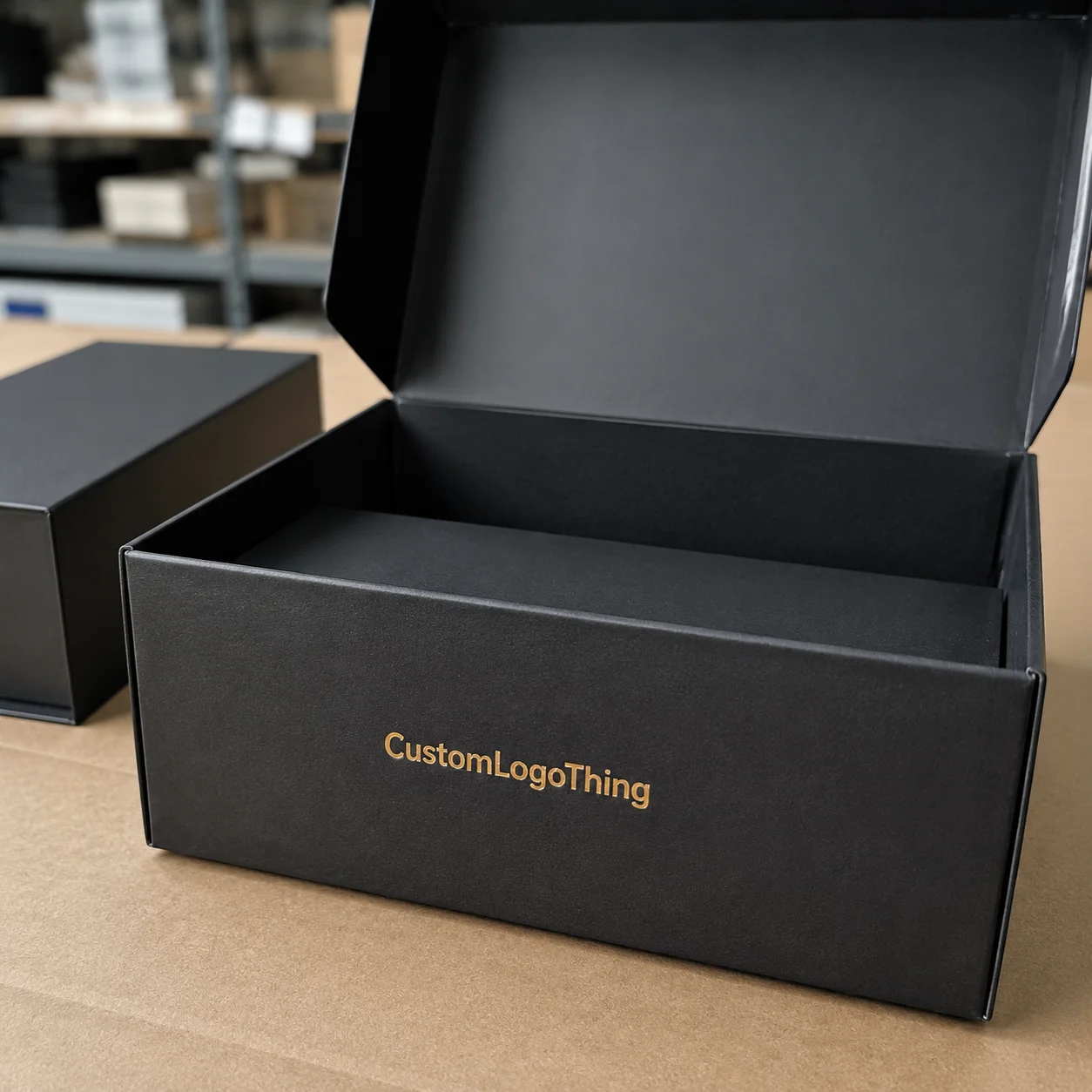
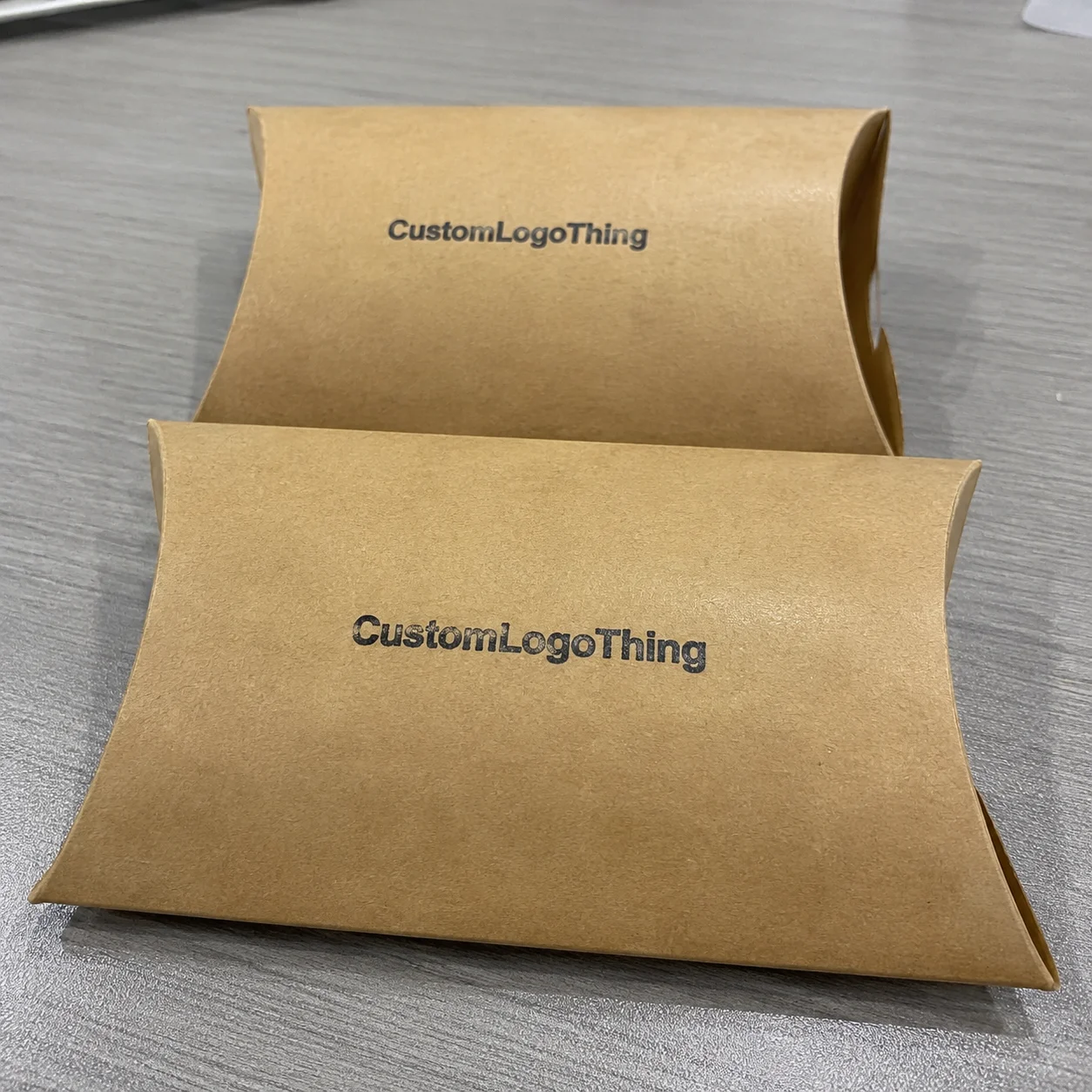
Buyer Fit Snapshot
| Best fit | personalized candle boxes with sleeve for packaging buyers comparing material specs, print proof, MOQ, unit cost, freight, and repeat-order risk where brand print, material, artwork control, and repeat-order consistency matter. |
|---|---|
| Quote inputs | Share finished size, material target, print colors, finish, packing count, annual reorder estimate, and delivery region. |
| Proofing check | Approve dieline scale, logo placement, barcode or warning zones, color tolerance, and any recyclable or compostable wording before bulk production. |
| Main risk | Vague material claims, crowded artwork, or missing packing details can create delays even when the unit price looks attractive. |
Fast answer: Personalized Candle Boxes with Sleeve: Design & Pricing should be specified like a repeatable production item. The safest quote includes material, print method, finish, artwork proof, carton packing, and reorder notes in one written spec.
What to confirm before approving the packaging proof
Check the product dimensions against the actual filled item, not only the sales mockup. Ask for tolerance on folds, seals, hang holes, label areas, and retail display edges. If the package carries a logo, QR code, warning copy, or legal claim, reserve that space before decorative graphics fill the panel.
How to compare quotes without losing quality
Compare board or film grade, print process, finish, sampling route, tooling charges, carton quantity, and freight assumptions side by side. A lower quote is only useful if the supplier can repeat the same color, closure quality, and packing count on the next order.
Personalized Candle Boxes with sleeve have a weird superpower: they look far more expensive than the build cost suggests. I remember standing on a factory floor in Dongguan, Guangdong, watching a buyer pick up a plain inner carton with a printed sleeve and, honestly, she spent more time with that than with a chunky rigid box next to it. Why? The reveal does half the selling for you. For candle brands, that matters. Personalized Candle Boxes with Sleeve can protect a fragile jar, support scent storytelling, and give small labels a shelf presence that feels much bigger than the order quantity behind it. For a 10,000-piece run, a well-made sleeve package can often land around $0.15 to $0.35 per unit depending on board, finish, and insert style.
That contrast is the whole appeal. A candle may be an $18 gift item, but the packaging can make it feel like a $40 object, especially if the sleeve uses a clean matte stock, precise type, and a finish like foil or spot UV. In my experience, buyers don’t always remember the board thickness first. They remember the opening sequence, the color accuracy, and whether the package looked thoughtful or rushed. I’ve had more than one supplier try to sell me on “premium” with a very serious face and a very average box (bold strategy). That’s why personalized candle boxes with sleeve keep showing up in both boutique retail and ecommerce shipping programs from Shenzhen to Los Angeles.
Personalized Candle Boxes with Sleeve: What They Are and Why They Stand Out
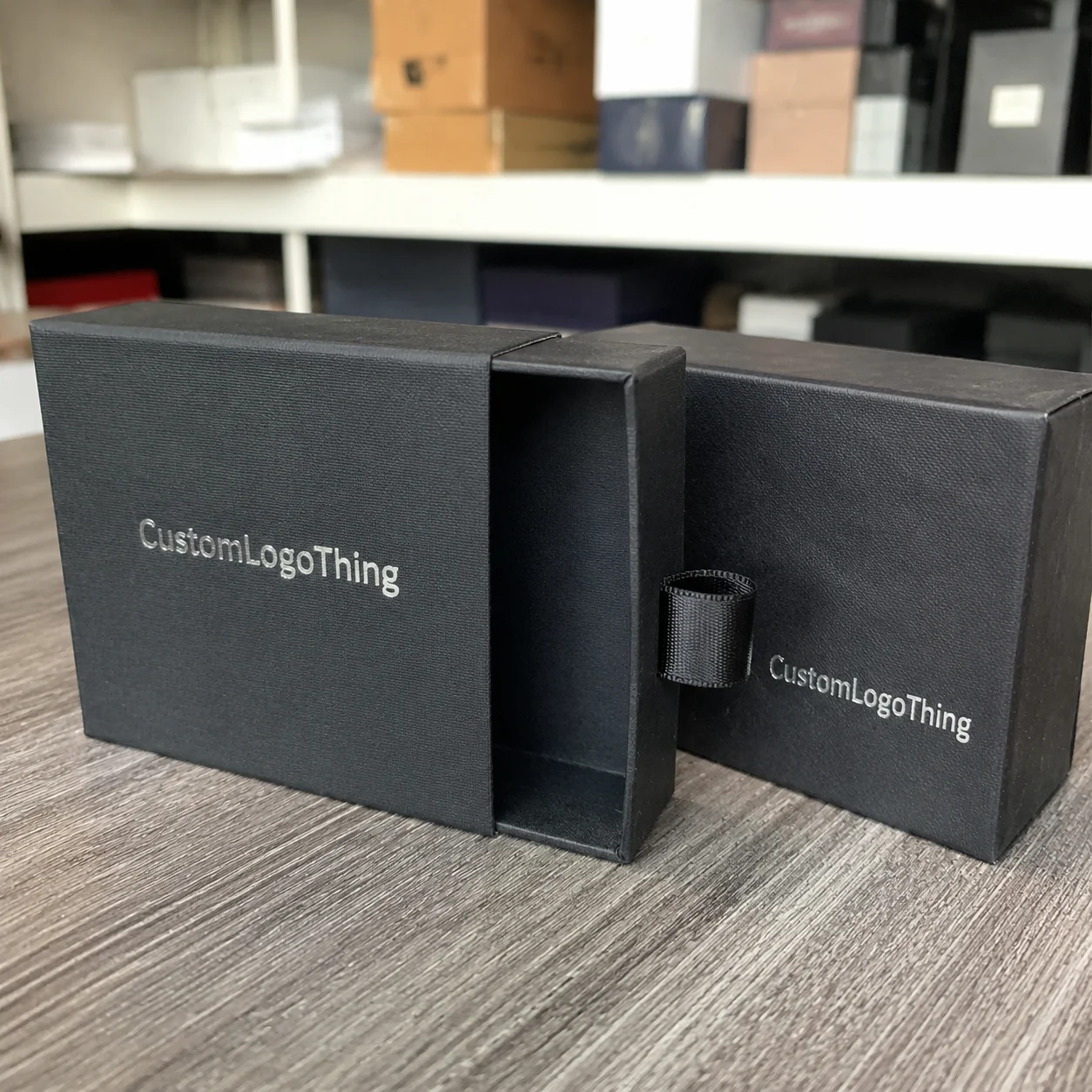
At the simplest level, personalized candle boxes with sleeve are a two-part packaging structure: an inner box or tray that holds the candle, plus an outer printed sleeve that wraps around it. The inner component does the heavy lifting. The sleeve does the branding. That distinction sounds basic, but it changes how the package feels in hand. Instead of opening a fully printed carton all at once, the customer slides the sleeve off and discovers the product underneath. That reveal adds a little theater, and theater sells. Yes, even for candles. Especially for candles. In most factory quotes I’ve seen, the inner carton is often built from 350gsm C1S artboard or 300gsm kraft board, while the sleeve may use 350gsm to 400gsm coated paperboard for a tighter print finish.
I once watched a buyer in a Guangzhou showroom compare two candle packages side by side: one was a straight folding carton with full print coverage, the other was a kraft rigid-style base with a soft-touch sleeve. She picked up the sleeve version twice. Not because it had more decoration, but because the motion made the product feel curated. That’s the strange power of personalized candle boxes with sleeve. They can feel premium without using expensive structure everywhere. On a 5,000-piece order, the difference between a plain matte sleeve and a sleeve with foil can be as little as $0.08 to $0.20 per unit, which is exactly why brand decisions get annoying very fast.
Candles are a strong fit for this format for three practical reasons. First, glass jars are fragile and often heavy, so the inner structure must keep the candle from rattling. Second, scent is part of the product’s identity, which means packaging has to communicate notes like lavender, cedar, vanilla, or amber quickly. Third, candles are gifted constantly. A box that looks considered matters at the point of purchase and again at the moment of unwrapping. If your 8 oz candle weighs 12 to 14 ounces with the jar and lid, the packaging needs enough board strength and insert support to keep it from knocking around in transit from Ningbo to New York or from a Texas fulfillment center to a porch.
There’s also a competitive angle. Small brands often have to battle larger labels on crowded shelves and in tiny ecommerce thumbnails. A sleeve gives you more graphic real estate for scent names, mood cues, and seasonal messaging, while still keeping the package simple enough to produce in practical volumes. That combination is why personalized candle boxes with sleeve are popular among new launches, limited editions, and boutique collections. A one-color sleeve in one production run can be economical at around 3,000 to 5,000 pieces, while a seasonal variant can be swapped out without retooling the entire box.
“The packaging didn’t just hold the candle. It made the candle feel like a gift before the box was even opened.”
That comment came from a client meeting in a small home-fragrance line in Chicago, and it stayed with me because it captures the real job of the package. A candle box is not just a shipping container. It is a silent salesperson, a protection system, and a positioning tool. With personalized candle boxes with sleeve, those jobs are split between two layers, and that makes the format unusually flexible. I’ve seen this split work especially well for brands selling through independent boutiques in Portland, Austin, and Melbourne, where shelf storytelling matters as much as transit safety.
How Personalized Candle Boxes with Sleeve Work in Practice
In production terms, the structure is straightforward. The candle sits in an inner container, which may be a folding carton, a kraft tuck box, or a rigid base with an insert. The sleeve slides over that container and can be open on one end or both ends depending on the intended reveal. In some versions, the opening direction is mirrored so the customer pulls from the top. In others, the sleeve is offset slightly to expose a logo or scent label through a cutout or window. The details vary, but the logic is the same: the inner box holds, the sleeve sells. On a typical 12 oz jar candle, the inner pack might be sized around 90 mm to 100 mm wide with 3 mm to 5 mm clearance, depending on lid shape and protective insert depth.
I’ve seen several material combinations perform well for personalized candle boxes with sleeve. A common setup uses 300gsm to 400gsm paperboard for the sleeve and a 350gsm folding carton for the inner box. For more premium gifting, some brands choose a rigid paperboard insert with a printed wrap or a kraft tray inside. If the candle is especially heavy, an E-flute mailer or reinforced insert may be added, especially for direct-to-consumer shipping. None of these choices is automatic. The best fit depends on jar weight, transit distance, and how much scuffing the exterior can tolerate. A supplier in Dongguan might recommend 350gsm C1S artboard for the sleeve and a 1.5 mm grayboard insert for a 16 oz candle that ships by UPS Ground to California.
Printing and finishing are where the sleeve earns its keep. Because the sleeve is the visible layer, it can carry foil stamping, embossing, spot UV, soft-touch lamination, or a matte aqueous coating. A black sleeve with gold foil can signal luxury. A kraft sleeve with one-color ink can communicate earthiness and restraint. A pastel sleeve with clean typography can feel scent-forward and modern. I’ve had suppliers quote the same basic box structure at very different price points simply because one client wanted foil on both front and back panels while another needed only a single-color logo. Paper. Ink. Metal shim. Same box, wildly different mood. Packaging is funny like that. For 5,000 units in Shenzhen, a simple matte sleeve might sit near $0.18 per unit, while a soft-touch foil version can move closer to $0.42 per unit before freight.
Seasonal branding is one of the smartest uses of this format. Instead of redoing the full package for every scent or holiday release, many brands keep the inner box consistent and change only the sleeve. That is efficient. It reduces inventory complexity, and it lets you create Valentine’s, autumn, or winter editions without scrapping the core structure. personalized candle boxes with sleeve are especially useful for scent variants because color and copy can shift while the base dimensions remain fixed. A brand running four scents from one warehouse in Atlanta can keep the same inner carton and rotate sleeves for spring, summer, fall, and holiday drops with far less dead stock.
Here’s a simple workflow I’ve seen work in real production:
- The brand sends candle dimensions, jar weight, lid height, and label placement.
- The packaging supplier builds a dieline for the inner box and sleeve.
- Artwork is placed with bleed, safe zones, and barcode space.
- A digital proof or sample is reviewed for fit and print alignment.
- Production runs, then sleeves are wrapped around the inner boxes during assembly.
That sequence sounds tidy, but one wrinkle can slow everything down: sleeve fit. If the sleeve is too loose, it can slide too easily and feel cheap. If it is too tight, it scuffs during assembly and creates friction on the printed surface. A 0.5 mm change in board thickness can alter the whole experience. That is why personalized candle boxes with sleeve should always be prototyped before full production. I’ve seen one factory in Dongguan reject three sleeve samples in a row because the opening tolerance was off by less than 1 mm. Annoying? Yes. Correct? Also yes.
For brands that need more packaging options beyond candle boxes, Custom Logo Things has a broader range of Custom Packaging Products that can be matched to candles, gift sets, and retail collections. That matters when you want the candle box to feel consistent with mailers, inserts, and display cartons.
Key Factors That Affect Cost, Branding, and Performance
The cost of personalized candle boxes with sleeve is driven by a handful of measurable variables, and most of them show up before production begins. Material grade is the first. A 300gsm SBS or C1S board is usually cheaper than a thicker premium board or rigid wrap. Print coverage is next. A sleeve with a single color and one logo panel will cost less than a full-bleed design with multiple inks. Finishes, inserts, and custom sizing all stack onto the total. Order quantity matters too, because setup costs spread out better on larger runs. For example, a 2,000-piece order in Vietnam or southern China may come in at a higher per-unit price than a 10,000-piece order from the same plant, even if the spec is unchanged.
Here’s the pricing pattern I see most often: a larger sleeve does not always increase unit price as much as people expect, because paperboard is still relatively efficient to die-cut and print. The real cost jumps usually come from specialty finishes and lower quantities. A foil-stamped sleeve for 1,000 units can cost significantly more per unit than a plain matte sleeve for 5,000 units. That is not the fault of the supplier. It is the math of setup, plating, and machine time. I’ve seen quotes in Shenzhen where a plain sleeve landed near $0.15 per unit at 5,000 pieces, then jumped to $0.39 per unit once embossing and foil were added.
| Configuration | Typical Material | Finish Level | Relative Unit Cost | Best Use |
|---|---|---|---|---|
| Basic sleeve + folding carton | 300gsm board, kraft inner box | 1-color print, aqueous coating | Lower | Entry-level retail and volume SKUs |
| Mid-tier branded sleeve | 350gsm C1S artboard, custom insert | Full-color print, matte lamination | Moderate | Gift candles and direct-to-consumer lines |
| Premium sleeve package | Thicker board or rigid base | Foil, embossing, soft-touch, spot UV | Higher | Luxury collections and limited editions |
Branding value is not only about decoration. It is also about legibility. A candle sleeve has limited space, so typography must do real work. Scent names need to read from a display table at 3 to 6 feet. The logo needs clear contrast. If the package uses more than two type families, the whole thing can look crowded. Honestly, I think many candle brands overdesign their sleeve and underdesign the message. A package should tell me what the scent is, who made it, and why I should care, all in about five seconds. personalized candle boxes with sleeve can do that if the hierarchy is disciplined. In a retail test I sat through in Dallas, the clearest sleeve won over a fancier one because shoppers could identify “Sea Salt + Driftwood” in under two seconds.
Performance is the other side of the equation. A candle box must hold the jar securely, resist crushing, and tolerate a bit of humidity in transit. If it is going direct-to-consumer, the package may also need to survive a 3-foot or 4-foot drop test under ISTA-style handling assumptions. For retail, abrasion resistance matters because sleeves get touched a lot. For ecommerce, compression resistance matters because parcels are stacked. That is why I advise brands to think of the package as a system, not just a design surface. If you want a deeper look at transit testing standards, the ISTA organization is a useful reference point. A plant in Shenzhen can test a sample in-house, but the numbers only matter if the actual candle weight matches the lab test.
There is also a sustainability angle. Using FSC-certified board, reducing ink coverage, and avoiding unnecessary laminations can keep the package easier to recycle. If your brand story leans natural or soy-based, the sleeve should not contradict that message with heavy plastic finishes unless there is a clear reason. For sourcing and chain-of-custody basics, the FSC site is worth reviewing before you lock materials. A 350gsm uncoated or lightly coated board from a certified mill in Asia or North America can support both eco claims and decent print quality.
Two pricing realities matter most. First, low-volume runs are expensive because tooling and setup are spread across fewer units. Second, finishes can alter cost more than structure. A plain sleeve might be very accessible. Add foil, embossing, or a custom insert, and the quote changes quickly. This is exactly where brands need a supplier who can explain the tradeoffs without hiding them. That transparency is one reason personalized candle boxes with sleeve have become such a practical choice for growing candle companies. A clear quote might show a 3,000-piece sleeve at $0.22 per unit, then a matched insert at $0.07, then freight from Shenzhen to the U.S. West Coast on top.
Step-by-Step Process for Designing Personalized Candle Boxes with Sleeve
Good packaging design starts with measurements, not mood boards. Before anything else, measure the candle jar diameter, height, lid height, and any decorative features that could affect clearance. I’ve seen projects slip by a full week because the brand measured the jar body but forgot the lid dome, which meant the first sample arrived too tight. For personalized candle boxes with sleeve, internal dimensions usually need a little breathing room, but not too much. Too loose and the candle shifts. Too tight and the package becomes difficult to assemble. On a common 8 oz jar, a 1.5 mm to 2 mm clearance per side is often enough if the insert is doing its job.
Once the size is confirmed, build the package around the unboxing sequence. Ask yourself: what appears first, second, and last? The sleeve face should carry the first brand impression. The inner carton can hold secondary details like burn time, ingredients, or a thank-you message. The final reveal might be a logo on the base or a scent card tucked inside. This order matters because customers do not read packaging linearly. They experience it in motion. That is especially true for personalized candle boxes with sleeve, where the act of sliding off the cover becomes part of the brand story. A clean reveal can make a $16 candle feel like a $28 gift without changing the wax formula at all.
Material choice should match the use case. If the candle is sold in a local boutique and carried home in a shopping bag, retail appeal may outrank shipping toughness. If the candle ships direct-to-consumer, compression resistance and drop performance deserve more weight. If the product is positioned as a gift, tactile finishes like soft-touch lamination can make sense. If sustainability is central, choose recyclable board and moderate print coverage instead of heavy multi-step decoration. I’ve seen brands save money by choosing a clean, well-structured sleeve rather than a fancier construction that offered no functional benefit. In practical terms, that can mean 350gsm C1S artboard for the sleeve and a kraft inner tray made in Shenzhen or Jiaxing instead of a more expensive rigid build.
Artwork setup needs discipline. Dieline alignment must be exact, especially around seam areas and tuck flaps. Keep critical text away from folds. Leave room for barcodes, fragrance warnings, and any legally required copy. If the candle is part of a regulated category, or if you are selling across multiple channels, leave a dedicated panel for compliance text so you do not have to rework the design later. That mistake alone has burned more time in production meetings than almost anything else. A U.S. retail pack might need barcode space on the bottom panel, while a UK launch may require different ingredient and warning language.
Here are the practical items I always recommend checking before a proof is approved:
- 3 mm bleed on all edges, unless the supplier specifies otherwise
- Safe zone for logos and fine text away from folds and seams
- Barcode placement with enough contrast and scan clearance
- Scent name consistency across sleeve, inner box, and ecommerce listing
- Finish direction, especially if foil or spot UV should sit only on the front panel
Prototype review is where theory meets reality. A digital proof can confirm layout, but it cannot tell you whether the sleeve will scuff, catch, or slide too far. A physical sample or prototype is better because you can test fit, print quality, and hand feel at once. I remember a candle client whose sleeve looked elegant in the mockup but rubbed the matte ink near the seam after three openings. The fix was a 2 mm adjustment on the panel wrap and a slightly different coating choice. Small change. Big difference. That is why personalized candle boxes with sleeve should be tested before the full run starts. A sample built in Dongguan or Ningbo will usually tell you more in ten minutes than a polished PDF ever will.
Process, Timeline, and Ordering Tips for Candle Brands
The order process usually follows a familiar path: quote, dieline confirmation, artwork setup, proofing, sampling, production, and delivery. That is the simple version. In practice, a project can pause at any stage if one detail changes. A lid size moves. A fragrance line expands from six scents to eight. A foil color changes from gold to copper. Each of those revisions touches the artwork or the production schedule. For personalized candle boxes with sleeve, stability in the specs saves more time than almost anything else. If your candle jar is 76 mm tall and 82 mm in diameter, keep it that way until the boxes are in hand. Life is easier when nobody “just tweaks” the dimensions after approval.
Lead time depends on complexity and quantity, but a standard custom sleeve project often needs more time than a buyer expects once proofing and sampling are included. A straightforward run may move from proof approval to production in 12 to 15 business days, while more elaborate jobs with inserts, specialty finishes, or multi-part artwork can take longer. Add shipping time, and the calendar grows quickly. Seasonal candle launches are especially sensitive because brands often compress development into a short window before gift-buying peaks. If you’re manufacturing in Guangdong or Zhejiang, a 12- to 15-business-day production window is realistic only after the artwork is signed off and the final board spec is locked.
In one supplier negotiation I sat through in Shenzhen, the brand wanted a holiday candle launch with foil, embossing, and a new insert, but they had only approved the scent lineup a week earlier. The packaging supplier could do it, but only by trimming proof cycles and freezing artwork faster than the team was comfortable with. I remember the room getting very quiet, which is always how you know someone just realized they started late. The lesson was obvious: if you want personalized candle boxes with sleeve to arrive on time, lock the design before the season gets close. Guessing your final specs in the middle of production is a bad bargain. A late change in October can easily push delivery into late November.
Good ordering habits save money too. Request sample materials early. Confirm whether the sleeve stock is coated or uncoated. Ask for the exact board caliper. If you need a special insert, verify whether it is paperboard, molded pulp, or foam. These details matter because they influence both fit and quote. A quote for 1,000 units of a simple sleeve may look attractive, but once the insert and finishing are added, the final cost can jump by a noticeable margin. Honest suppliers should explain that before you approve the order. If a vendor in Dongguan or Xiamen won’t name the material, ask again. Twice, if needed.
To make comparison easier, here is a simple buying framework I use with candle brands:
| Priority | Recommended Build | Why It Works | Tradeoff |
|---|---|---|---|
| Lowest cost | Plain sleeve over folding carton | Simple setup and efficient print run | Less tactile impact |
| Best shelf appeal | Full-color sleeve with matte finish | Strong branding and clean presentation | Higher print complexity |
| Best shipping protection | Inner carton with reinforced insert | Reduces movement and breakage risk | More material cost |
| Best premium gifting | Rigid base, sleeve, foil, soft-touch | Strong perception of value | Longer lead time and higher unit price |
My advice is simple: plan for seasonal launches at least one packaging cycle earlier than you think you need. If you need the boxes for October retail placement, do not wait until September to finalize artwork. That margin disappears fast once proofing, shipping, and assembly are added. personalized candle boxes with sleeve reward organized brands and punish last-minute ones. A September sign-off for an October floor date is how people end up having bad weeks.
Common Mistakes with Personalized Candle Boxes with Sleeve
The biggest mistake is designing for the mockup instead of the candle. A package can look beautiful on screen and fail in real handling if the jar moves inside the inner box or the sleeve allows too much friction. Candle brands sometimes prioritize graphics and forget that glass breaks. I’ve seen a heavy 16 oz jar survive one shipment and crack the next because the insert was undersized by just enough to let the product shift. That kind of failure is expensive and avoidable. In one case, a Dallas retailer lost three units out of a 500-piece shipment because the inner fit was off by 2 mm.
Artwork mistakes are just as common. Text can become unreadable if the layout is too busy, contrast is too weak, or the logo lands on a seam. A sleeve seam can also hide essential branding if the design does not account for wrap direction. I have seen beautiful front panels ruined by a barcode that sat too close to the edge or a scent name split awkwardly across the fold. With personalized candle boxes with sleeve, every panel needs to be planned as part of one continuous object. If the sleeve panel is 210 mm wide, the seam cannot be an afterthought. It will show up. Packaging loves exposing laziness.
Another issue is thickness mismatch. If the board is thinner than expected, the sleeve can feel loose, crease early, or scuff after repeated handling. If the board is too thick, the sleeve may bind during assembly. This is one place where sample approval matters more than any sales pitch. A board spec like 350gsm sounds clear on paper, but caliper, coating, and construction all affect the final fit. That is why I push brands to ask for the exact material name, not just a generic description. A 350gsm C1S artboard from one mill may behave differently than a recycled 350gsm board from another in Ningbo.
Finishes can create hidden problems too. A gloss surface may look bright under showroom lights but show fingerprints. A soft-touch sleeve can feel elegant and photograph well, but it can also show rub marks if the carton slides in shipping. Foil can deliver strong impact, but if the artwork is too fine or the production window is rushed, registration issues may show up. None of these finishes is bad. They just need to match the handling environment. For personalized candle boxes with sleeve, the best-looking option is not always the best-performing one. A black soft-touch sleeve in a humid warehouse in Miami is a different beast than the same box on a dry boutique shelf in Denver.
Finally, some brands order without testing a sample, especially for heavier jar candles. That shortcut is expensive. A sample can reveal whether the inner box needs a tab change, whether the sleeve is too loose, or whether the surface finish picks up scuffs too easily. In my experience, every serious candle line benefits from one physical sample before mass production. No exception. If you are spending on branding, test it in the real world. A $35 sample can save you from a $3,500 mistake, which is the sort of math I enjoy.
Expert Tips to Make Personalized Candle Boxes with Sleeve Work Harder
If you want more value from personalized candle boxes with sleeve, use the sleeve as a storytelling panel, not just a logo carrier. Scent notes, burn time, origin story, and gifting language can all live there. A line like “top notes of bergamot, heart notes of cedar, 40-hour burn” gives the customer something to understand immediately. That is useful in retail and even more useful online, where packaging photography often has to communicate the product in a single frame. A candle made in California or imported through a Shenzhen warehouse still needs that quick story.
One of the smartest packaging strategies I’ve seen is version flexibility. Keep the base box consistent, then switch only the sleeve for seasonal releases, collaborations, or special editions. That reduces complexity and helps inventory planning. I worked with one home fragrance client that used a neutral inner carton all year, then rotated sleeves for spring florals, summer citrus, autumn spice, and winter pine. The system kept their SKU count manageable and gave their line a sense of freshness every few months. They ordered 8,000 base boxes and just 2,000 sleeves per season, which is a much saner way to run a calendar.
Sustainability and premium feel do not have to fight each other. Recyclable board, restrained ink coverage, and smart structure design can still feel polished. In fact, minimalism often looks more credible on candle packaging than overworked graphics. The trick is to use the sleeve to focus attention, not clutter it. FSC-certified stock, soy-based inks, and a cleaner finishing approach can support a responsible brand message without sacrificing shelf appeal. If that matters to your audience, say it clearly rather than burying it in fine print. A straightforward sleeve built on 350gsm C1S artboard can still look luxe if the typography and spacing are disciplined.
For ecommerce, think beyond the shelf. A candle box may be photographed from above, from a 45-degree angle, and during unboxing. It may also need to survive a parcel sorter. That means the sleeve should not hide important product identifiers, and the inner packaging should be strong enough for transit. I always tell brands to imagine the box being opened after a rough delivery route. If the package still feels composed, you are on the right track. If not, adjust the structure before launch. A supplier in Guangzhou can print a beautiful sleeve; it still has to survive a cross-country UPS lane to Pennsylvania.
Here is a quick checklist I use with brands before final approval:
- Logo placement visible in photos and on shelf
- Scent name readable at arm’s length
- Finish chosen for actual handling, not just render quality
- Insert tested with the real candle weight
- Mailer, label, and display graphics aligned with the box design
Those checks sound obvious, but obvious things get skipped when deadlines tighten. The brands that handle personalized candle boxes with sleeve best are the ones that treat packaging as part of operations, not an afterthought dumped on design two days before print. I’ve seen that mistake in factories from Shenzhen to Ho Chi Minh City, and it always costs more than a proper checklist would have.
What to Do Next Before Ordering Personalized Candle Boxes with Sleeve
Before you request a quote, measure the candle jar, lid, and any insert space you need. Confirm the exact internal dimensions rather than guessing from a supplier catalog. I have seen entire orders delayed because a client used the external jar size but forgot the label bulge and lid clearance. With personalized candle boxes with sleeve, a few millimeters can determine whether the candle sits neatly or shifts during transit. If the jar is 84 mm wide with a lid that adds another 6 mm, that detail belongs in the spec sheet, not in someone’s memory.
Next, decide what matters most: lowest cost, strongest shelf appeal, or best shipping protection. You cannot maximize all three equally on every budget. If margin is tight, keep the structure simple and spend on a clean sleeve design. If your candle is a premium gift, prioritize tactile finish and unboxing. If you ship long distances, focus on a tighter inner fit and better crush resistance. The right answer depends on your channel mix and price point. A boutique in Brooklyn needs different packaging math than a subscription box warehouse in Phoenix.
Gather the assets before the quote request. That means logo files, copy, barcode needs, scent names, legal text, and any finish preferences. If you already know you want foil, embossing, or soft-touch, say so early. If you want FSC-certified board, include that too. Clear inputs produce cleaner pricing. Vague requests create revisions, and revisions add time. That sounds harsh, but it is how production works. A supplier in Dongguan can quote a 5,000-piece sleeve in an afternoon if the file set is complete; missing copy turns that into three days of back-and-forth.
Ask for samples of board stock and printed finishes whenever possible. A paper swatch can tell you a lot about surface texture and ink absorption. A prototype or digital proof can show you fit and panel alignment. If you are comparing options, lay two or three configurations side by side and examine them under the same light. The best packaging choices are often obvious when you compare them physically, not digitally. That is especially true for personalized candle boxes with sleeve, where tactile feel is half the sale. I still prefer a table in good daylight over ten zoom calls.
One last practical note: do not finalize the entire brand system in isolation. The candle box should connect with outer mailers, retail shelves, and any display material you use in-store or online. That consistency makes the product look intentional. It also helps the customer remember you. In a crowded fragrance market, that memory can matter as much as a discount. If you get the structure, print, and timing right, personalized candle boxes with sleeve can do more than wrap a jar. They can support margin, protect product, and sharpen the whole brand story. That is not magic. It is disciplined packaging from places like Shenzhen, Dongguan, and Ningbo, where the good factories sweat the details.
For brands ready to move from concept to ordering, define the candle, choose the packaging priority, and compare a few real configurations. Then test the fit in hand before you approve anything. That step is the difference between packaging that looks nice on a screen and packaging That Actually Works on a shelf, in a warehouse, and in a customer’s hands. I’ve seen the good and the bad, and the winners always do the boring stuff first.
FAQs
What are personalized candle boxes with sleeve used for?
They combine protection and presentation by placing the candle in an inner box and wrapping it with a branded sleeve. They are especially useful for gift candles, retail displays, and ecommerce products that need a premium unboxing moment. A typical build might use a 350gsm C1S artboard sleeve over a folding carton made in Shenzhen or Dongguan.
How much do personalized candle boxes with sleeve usually cost?
Cost depends on material thickness, print coverage, finishes, inserts, and order quantity. Basic designs are more affordable, while foil, embossing, or low-volume orders raise the unit price. For example, a plain sleeve at 5,000 pieces may run around $0.15 to $0.25 per unit, while a premium foil-and-soft-touch version can move closer to $0.35 to $0.50 per unit.
Are personalized candle boxes with sleeve good for shipping?
Yes, if the inner box fits the candle securely and the material is strong enough for transit. For fragile glass jars, add inserts or test the pack with drop scenarios before mass production. A 1.5 mm grayboard insert or a reinforced 350gsm carton can help a 12 oz candle survive shipping from California to New York.
How long does it take to produce personalized candle boxes with sleeve?
Timeline usually depends on proofing, sampling, material availability, and production complexity. Custom finishes and revisions add time, so final specs should be approved early to avoid delays. In many factories in Guangdong and Zhejiang, production is typically 12 to 15 business days from proof approval, plus shipping time.
What should I include on the sleeve design for candle packaging?
Include your logo, scent name, product details, and any legally required labeling or barcode space. Use the sleeve to communicate your brand story and create a memorable first impression. If you have room, add burn time, fragrance notes, and a short origin line so the package does real work on shelf and online.