Buyer Fit Snapshot
| Best fit | Personalized Candle Tins Bulk Order projects where brand print, material claims, artwork control, MOQ, and repeat-order consistency need to be specified before quoting. |
|---|---|
| Quote inputs | Share finished size, material target, print colors, finish, packing count, annual reorder estimate, ship-to region, and any compliance wording. |
| Proofing check | Approve dieline scale, logo placement, barcode or warning zones, color tolerance, closure strength, and carton packing before bulk production. |
| Main risk | Vague material claims, crowded artwork, missing packing details, or unclear freight terms can make a low unit price expensive after revisions. |
Fast answer: Personalized Candle Tins Bulk Order: Pricing, Specs, Options should be specified like a repeatable production item. The safest quote records material, print method, finish, artwork proof, packing count, and reorder notes in one written spec.
Production checks before approval
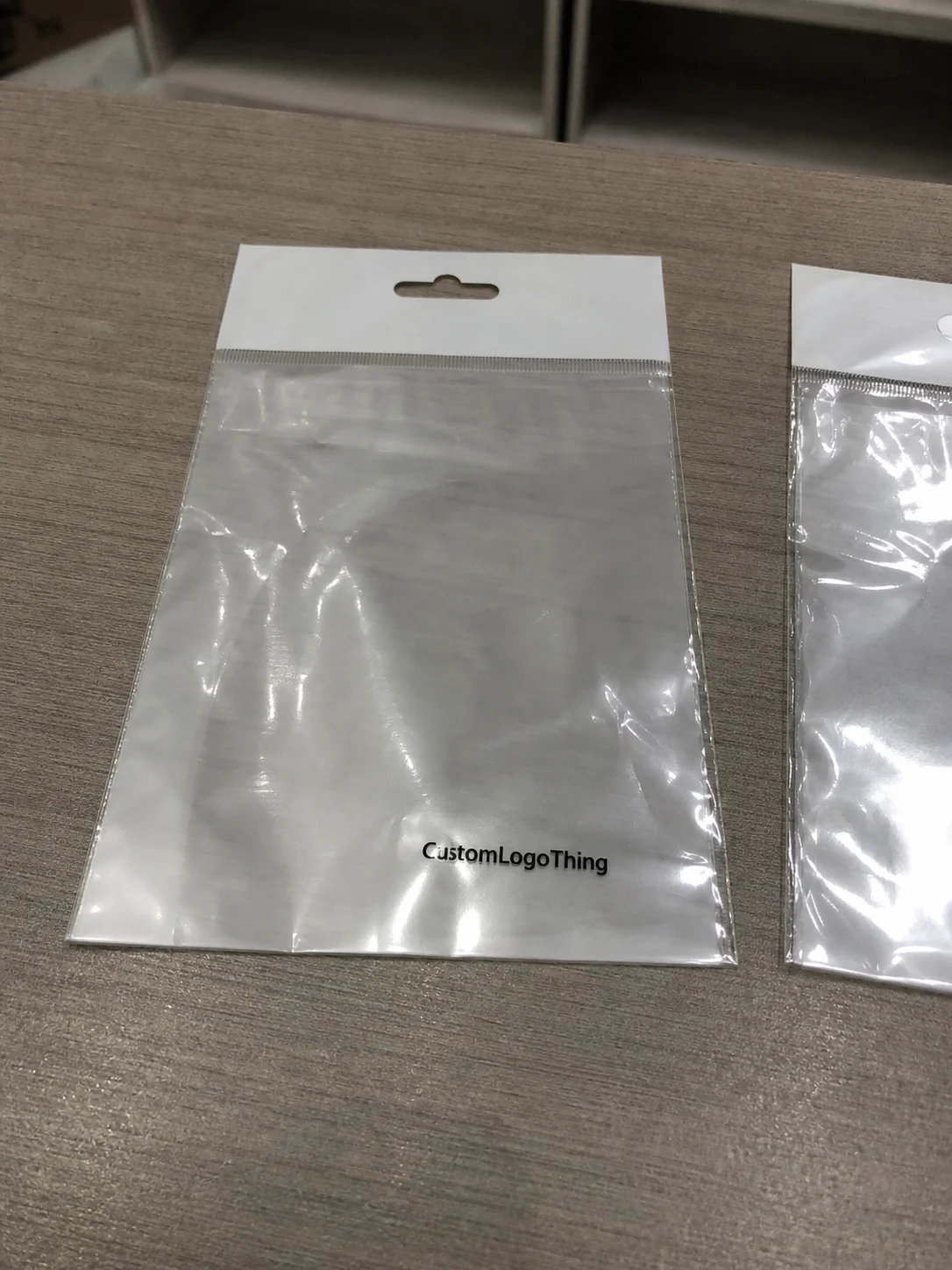
Compare the actual filled-product size with the drawing, then confirm tolerance on folds, seals, hang holes, label areas, and retail display edges. Reserve space for logos, QR codes, warning copy, and material claims before decorative graphics fill the panel.
Quote comparison points
Review material grade, print process, finish, sampling route, tooling charges, carton quantity, and freight assumptions side by side. A quote is only useful when the supplier can repeat the same color, closure quality, and packing count on the next order.
When a fragrance brand calls me about a Personalized Candle Tins bulk order, I usually ask one simple question before we talk artwork or price: what are you trying to make the container do for you? In a candle factory, the tin is not just a shell; it sets the first impression, protects the wax during filling and shipping, and often decides whether the candle feels like a $12 impulse buy or a $28 retail item. I’ve watched plenty of products move faster once the tin had the right lid tension, a clean print finish, and a size that fit the box without wasting an inch of freight space. I remember one launch where the buyer obsessed over the scent notes, fair enough, but the real hero ended up being the 4 oz tin with the snug slip lid that didn’t rattle around in the mailer like a loose coin in a dryer, and that tiny difference mattered on every one of the 8,000 units they shipped from Los Angeles to Dallas.
That is why the Personalized Candle Tins Bulk Order matters so much for private label brands, seasonal launches, subscription kits, event giveaways, and gift sets. You get repeatable branding across every unit, lower unit cost as quantities rise, and packaging that travels better than glass in many applications. In one client meeting I still remember, the buyer was comparing a 4 oz tin against a glass jar with a wooden lid; once we ran the landed cost from Ningbo to New York, the tin saved nearly 18% in freight and cut breakage claims to almost nothing. That kind of math gets attention fast, especially when a 10,000-piece holiday run is on the table and every cent matters on the P&L.
Honestly, candle tins are one of the most practical formats in the packaging business because they balance appearance, function, and production speed better than a lot of flashy alternatives. For a Personalized Candle Tins Bulk Order, the brand gets a consistent look, the filling line gets a container that is easy to handle, and the customer gets something lightweight enough to pack for travel or tuck into a gift box. When the project is set up correctly, the whole program runs cleaner from first sample to final pallet. When it’s not set up correctly, well, the line crew will let you know with the kind of silence that means, “Please don’t ask us to fight this lid again,” usually right after a pallet of 3,600 units has already been staged near the filler.
Why Personalized Candle Tins Work So Well in Bulk
In candle production, the container often sells the scent before the fragrance ever reaches the customer, and tins are one of the most efficient formats for that first impression. A well-executed personalized candle tins bulk order gives you a retail-ready surface for your logo, a dependable closure, and a format that stacks neatly in cartons, POP displays, and shipping cases. I’ve stood on lines in New Jersey and Shenzhen where the filling teams preferred tins simply because they were faster to set up and less likely to crack, chip, or require rework. There’s a lot to be said for a packaging format that doesn’t act like a diva every time it’s handled, especially when a line is filling 600 units an hour and the shift supervisor is watching the clock.
Private label brands like tins because the look can be customized without making the package fragile. Subscription box companies like them because a 4 oz or 8 oz tin keeps shipping weight down, and the product still feels premium when the customer opens the lid. Event teams and promotional buyers like them because a personalized candle tins bulk order can be tied to a wedding, conference, holiday campaign, or hotel amenity program without forcing the budget into glass or ceramic. The value is practical first, aesthetic second, and that is exactly why tins keep showing up in repeat orders from Chicago to Atlanta, with many reorders landing in 2,500-unit or 5,000-unit lots.
There’s also a simple inventory reason. If you run the same artwork, same lid fit, and same finish across 10,000 units, your branding stays consistent and your production team spends less time sorting variations. A bulk candle tin order lowers the per-unit price because setup costs, print plates, and inspection time get spread across more pieces. That is especially helpful for seasonal collections, where one scent may need 2,500 units for autumn and another may need 5,000 units for holiday retail. I’ve seen buyers try to “save” by splitting tiny runs across too many variations, and then everyone ends up staring at half-used cartons like they personally insulted the packaging gods, usually after a warehouse in Ohio is already booked for inbound receiving.
Factory-floor truth: the best candle tin is the one that fills cleanly, closes correctly, and survives shipping without scuffing. Fancy artwork helps, but the buyer who ignores lid fit or coating compatibility usually pays for it later in returns or line stoppages, sometimes on the second day of production when the first 1,200 units have already been packed.
From a freight standpoint, tins are easier on pallets than many rigid containers, especially when the product is shipped nationwide. A lighter package means lower transportation cost, and the smaller footprint helps with case packing and warehouse storage. For travel candles, sample programs, and promotional launches, that matters more than most buyers realize when they are first comparing a personalized candle tins bulk order against other packaging formats. If you’ve ever watched a pallet of glass jars arrive with a single shattered corner and a freight claim that feels like paperwork punishment, you know exactly why tins have such loyal fans, particularly when the shipment is moving out of a port like Long Beach or Savannah and the clock is already ticking.
Common buyer priorities usually come down to four things: visual branding, fragrance protection, leak resistance, and a package that can move through a standard candle line without drama. If the tin is attractive but the seam is sloppy, the deal is not really a deal. If the lid looks great but the closure is too loose for hot-pour wax, you will feel it during filling and again in returns. Good bulk packaging solves both the visual and mechanical side at the same time, which is why a 5,000-piece order often performs better than a dozen piecemeal runs across different suppliers.
Personalized Candle Tins Bulk Order: Styles, Sizes, and Decoration Options
Not every tin serves the same purpose, and a smart personalized candle tins bulk order starts with picking the right format. Flat-top tins are popular for clean stacking and simple retail presentation. Slip-lid tins are common for easy opening and closing, especially for everyday home fragrance products. Screw-top tins can offer a more secure closure for specialty formulations or travel applications, while seamless tins reduce the visible seam line for buyers who want a smoother look on the shelf. Double-wall styles are less common in candle packaging, but they can be useful when the brand wants a sturdier feel or extra visual depth, especially for premium collections that will sit in boutique stores in Austin or Portland.

Typical capacities range from small votive tins around 1 oz to 2 oz, travel tins around 4 oz, mainstream retail tins at 8 oz, and larger specialty sizes for gift sets or limited releases. In a practical candle room, I’ve seen 4 oz tins used for hotel amenities and sampler packs because they balance burn time, cost, and portability. Eight-ounce tins often work well for direct-to-consumer retail, where the customer wants a fuller product without stepping into a glass jar. Your personalized candle tins bulk order should match the burn profile, box size, and target retail price, not just a random size from a catalog. Honestly, I’d rather see a brand choose a sensible 8 oz tin than a dramatic-but-clumsy shape that makes everyone’s life harder by week two, especially if the cartons are being packed in a 350gsm C1S artboard shipper with a 12-pack insert.
Decoration options are where the personality comes in. Direct printing gives a crisp logo and can be excellent for larger runs with consistent art. Paper labels are easy to change from one scent to another, which helps when you have multiple SKUs. Embossed lids add tactile detail that feels premium in hand. Sticker applications are often the most flexible for short-run promo orders, and full-wrap graphics give the most visual coverage if you want a strong shelf impact. Matte and gloss coatings can change the entire tone of the package, and soft-touch finishes can make a candle tin feel more boutique, provided the budget allows for it and the design is headed to a retail shelf in Miami or San Diego where lighting can make finish differences very obvious.
Material choice matters just as much as decoration. Most quality candle tins are made from tinplate steel with a food-safe internal coating or liner that helps manage interaction between the wax, fragrance oils, and metal surface. If the formula has a high oil load or strong colorant, I always advise checking corrosion resistance and internal coating compatibility before approval. In one supplier negotiation, we had a tin that looked perfect on paper, but the fragrance blend contained enough aggressive oil components to challenge the lining over time, so we changed the coating spec before production. That saved a very expensive complaint later. I still remember thinking, “Well, that could have become a very expensive lesson with a fancy label on it,” especially since the run was scheduled for 15,000 units and the customer was expecting replenishment in the next quarter.
Buyers should also confirm the functional details before they approve a personalized candle tins bulk order. Lid tension needs to be tight enough to protect the contents but not so tight that retail customers struggle to open the container. Seam quality should be clean, with no sharp edges. The internal coating must tolerate the pour temperature, especially if the wax is filled hot. And if the product will sit in warehouse storage for months, nesting behavior matters because a poor stack can mean scratched surfaces, slow packing, or cartons that collapse under pressure. A 4 oz tin that nests well in 36-count master cartons can save real labor at a distribution center in Dallas or Indianapolis.
- Flat-top tins: clean stackability and strong retail presentation
- Slip-lid tins: easy consumer access and dependable everyday use
- Screw-top tins: better closure security for travel or specialty items
- Seamless tins: smoother exterior appearance for premium branding
- Double-wall styles: added structure for select branding needs
What Technical Specifications Matter Before You Order?
Procurement teams save time when they verify the right specifications before placing a personalized candle tins bulk order. Start with diameter, height, fill volume, wall thickness, lid style, closure tolerance, and nesting behavior. Those details determine whether the container fits your fill line, your label layout, and your shipping carton configuration. I’ve seen an order get delayed simply because the customer assumed a 4 oz tin from one vendor would match the 4 oz tin they used last season; the outer diameter was off by 2 mm, and that small difference changed the whole case pack. Two millimeters sounds like nothing until it ruins your carton plan and suddenly everyone in procurement is doing emotional arithmetic on a Thursday afternoon in Nashville.
Artwork readiness matters too. A factory will usually want vector files, correct bleed area, a safe zone for text, and color information that is clearly specified. If you send a low-resolution JPG and ask for a print proof the same day, the process slows down immediately. For a personalized candle tins bulk order, it helps to supply brand colors in Pantone references where possible, because print consistency across a 3,000-unit or 20,000-unit run depends on clear communication. Digital proofs are useful, but they are not a substitute for a well-prepared artwork package, and a proper proof turnaround is often 24 to 48 hours once the files are in vector format.
Performance specs deserve real attention. Candle tins should tolerate heat from the fill process, retain scent well, resist corrosion, and work with soy, paraffin, coconut, or blended waxes. If the formula contains botanicals, dyes, or high-fragrance loads, that can change the coating needs. ASTM and ISTA references are useful here because they remind buyers that packaging should not be judged only by appearance. For shipping validation and distribution testing, I often point clients toward ISTA test standards, since impact and vibration testing can reveal problems long before product hits a retailer’s dock. A 10-minute vibration test on the bench is far cheaper than a 2,000-unit claim from a fulfillment center in Philadelphia.
Quality control is where a good supplier earns trust. At the factory level, I expect incoming tinplate inspection, print registration checks, lid fit testing, and final carton count verification. On a busy line, I’ve watched a supervisor pull five samples every hour just to make sure the lid tension stayed within spec and the printed logo stayed centered. That kind of discipline keeps a personalized candle tins bulk order from drifting off target as the run continues. And yes, it’s repetitive. But so is redoing 8,000 tins because somebody skipped the checks, which for the record nobody enjoys explaining to a customer who planned a showroom launch in Atlanta.
Packaging and shipping specs matter as well. Ask how the tins are packed, how many per carton, whether separators are used, and how the master cases are palletized. If the product has a glossy finish, scuff prevention should be part of the plan, because a pretty tin can arrive dull or scratched if it is packed loosely. If your order ships internationally, confirm moisture protection, carton strength, and labeling requirements early. For broader packaging and material topics, the Packaging School and packaging industry resources can also provide useful background on container selection and performance expectations. A supplier in Guangdong may pack 24 per carton, while a domestic converter in Ohio may recommend 12 per carton, and that difference changes freight math in a hurry.
For brands that care about recycled content or responsible sourcing, packaging decisions can also connect to sustainability claims. If your business needs FSC-certified paper inserts, outer cartons, or printed components, that should be built into the project scope from the beginning. The Forest Stewardship Council is a good reference point for paper-based packaging claims and certification structure, especially when your candle line includes sleeves, gift boxes, or promotional kits around the tins. A 350gsm C1S artboard insert or sleeve can make the presentation feel more deliberate, particularly for a retail program with 5,000 or 10,000 units on the opening order.
Personalized Candle Tins Bulk Order Pricing and MOQ
Pricing for a personalized candle tins bulk order is driven by a handful of variables that every buyer should understand before requesting a quote. Order quantity is the biggest one, because a 1,000-piece run usually carries a much higher per-unit cost than a 10,000-piece run. Tin size matters because larger containers use more material and sometimes require different tooling. Decoration method makes a big difference too, since direct print, embossing, labels, and full-wrap graphics each carry different setup and labor requirements. Lid treatment, coating choices, and the need for custom plates or tooling can add to the total as well. For example, a simple stock 4 oz tin with one-color print may quote at one price point, while an embossed 8 oz lid with soft-touch coating will naturally sit higher because the process chain is longer.
Here’s the honest version: MOQ is rarely arbitrary. In most cases, minimum order quantities reflect setup time, material sourcing, print calibration, and packaging labor. A decorated tin may need a screen, plate, die, or setup fixture before the first good unit is produced. Once that setup is done, the economics improve quickly as quantity rises. That is why a personalized candle tins bulk order often becomes far more attractive at 5,000 pieces than at 500 pieces, even if the decoration remains the same. In some factory quotes, the per-unit drop between 1,000 and 5,000 units can be enough to reduce the container cost by 20% or more, which is why buyers who plan ahead usually win.
Budgeting should also compare a fully decorated tin against a plain tin plus separate label application. Sometimes the split option looks cheaper at first glance, especially on low volumes, but the extra labor can erase part of the savings. I’ve sat through purchasing reviews where the finance team wanted to save 4 or 5 cents per unit on the container, only to discover the added labeling labor cost them more than that in the final pack-out. A good quote should show the total picture, not just the base tin price. If you’re quoting 5,000 pieces, the difference between a printed tin and a label-applied tin can be as small as $0.06 to $0.12 per unit, but the labor impact in the packing room can be larger than that.
Freight and packing costs deserve their own line in the budget. A personalized candle tins bulk order can look inexpensive until you add carton strengthening, palletization, inland transport, and international freight if the order moves across borders. Sample costs also matter, especially if you want a pre-production sample or a decorated proof before committing to the full run. In my experience, the sample fee is money well spent whenever the finish is complex, the fragrance formula is aggressive, or the retail deadline is fixed. If the tins are shipping from Shenzhen to Chicago, the landed cost can change quickly based on carton count and cube, so the cheapest factory quote is not always the least expensive result.
For buyers working through multiple SKUs, it helps to ask for pricing at different quantities so you can see the breakpoints. A quote for 3,000 units, 5,000 units, and 10,000 units can reveal where the unit cost drops enough to justify a larger run. If you are building a private label line, our Wholesale Programs can help you compare options in a way that makes the economics easier to read. For quick policy or process questions, the FAQ page is also a useful place to start before you send final specs. On some projects, a 5,000-piece run may bring the tin cost down to around $0.15 per unit before freight, while a 10,000-piece order can cut that even further depending on print coverage and packaging style.
If you want the most accurate quote, send the dimensions, decoration method, target quantity, and destination zip or port. Then include artwork if you already have it. That gives the quoting team enough information to price the real project instead of guessing at generic packaging. A personalized candle tins bulk order should never be priced from a vague description when a few clear details can turn the quote into something useful, especially if the production is planned for a manufacturing district in Ningbo or a finishing line in Dongguan.
Pricing tip from the floor: the cheapest quote is not always the lowest landed cost. I’ve seen buyers save 7 cents on the tin and lose 14 cents on extra freight, breakage, or rework. Always compare the whole number, including carton strength, inland delivery, and the cost of one extra inspection step.
Order Process and Production Timeline
The normal order process for a personalized candle tins bulk order starts with inquiry and specification review. A good supplier will ask for size, shape, fill volume, decoration method, quantity, and shipping destination before giving a real quote. Once the core details are confirmed, artwork gets submitted and a digital proof is prepared. That proof should show placement, color reference, and any critical details like text size, logo positioning, or warning panels if your packaging includes them. On most well-run projects, the first proof can be turned in 1 to 2 business days after the final files arrive, assuming the artwork is already in vector format.
After the proof stage, many brands request a sample or a pre-production mockup, especially if the candle is going into retail stores. That step can add a few days or a couple of weeks depending on complexity, but it pays off when the final product needs to look right on a shelf under strong lighting. In one factory visit in Guangzhou, a buyer rejected a design only after holding the sample under warehouse LEDs, because the matte finish looked elegant on screen but too dull in person. That was the correct call, and the whole project benefited from catching it early. I’ve also seen the opposite happen, where everyone loved the render and then the actual tin arrived looking like it had been designed during a power outage, which is not the kind of surprise you want on a 6,000-unit launch.
Production timing depends on decoration method, order size, and whether custom tooling is involved. A straightforward stock tin with printed artwork may move faster than a fully custom embossed lid or specialty coating. Drying or curing time can also matter if the decoration process includes inks, varnishes, or finishes that need to settle before packing. For a personalized candle tins bulk order, I usually advise clients to treat proof approval as the start line, not the beginning of the conversation. Once the proof is approved, production typically takes 12-15 business days from proof approval for standard printed stock tins, while custom tooling or specialty finishes may run 18-25 business days depending on the factory schedule.
Communication on this point prevents trouble. If the buyer needs cartons labeled a certain way, wants mixed-SKU palletization, or needs a specific ship date for a retail launch, those details should be confirmed before production starts. Urgent timelines are possible, but they depend on stock availability, artwork readiness, and the complexity of the decoration. If the order needs special lining or a nonstandard lid, expect a longer lead time. That is not a problem; it just needs to be planned honestly. A supplier in Zhongshan can usually respond faster when the project scope is locked, and that can save a week of back-and-forth that nobody has time for in the final quarter.
Here is the practical order flow I recommend:
- Send the tin size, decoration method, and target quantity.
- Provide artwork files and color references.
- Review the quote, including freight and sample cost.
- Approve the digital proof or sample.
- Confirm carton counts, labels, and ship date.
- Move into production and final inspection.
A clean personalized candle tins bulk order should move through those steps without confusion, and the best suppliers will keep status updates clear enough that purchasing teams can plan inventory, marketing, and fulfillment with confidence. If everything is aligned early, a shipment can move from proof approval to packed cartons in about two to three weeks, which is a very manageable pace for most seasonal candle programs.
Why Buy Personalized Candle Tins from Custom Logo Things
Custom Logo Things works best for buyers who want their packaging partner to understand both factory-floor realities and brand presentation. That matters because the prettiest artwork in the world does not fix a tin that dents during transit or closes with inconsistent tension. When we help with a personalized candle tins bulk order, we look at the full chain: how the tin fills, how it seals, how it prints, how it packs, and how it shows up at retail. That practical approach keeps surprises to a minimum, especially when the product is headed to stores in Dallas, Phoenix, or Toronto and needs to arrive ready for immediate shelf placement.
We pay attention to specification review, print setup, and consistency across the run. A candle line with 2,000 tins can absorb a small error more easily than a 20,000-piece retail launch, so the details matter. Whether the container is tinplate steel with a food-safe coating, a slip-lid design, or a custom-printed finish, the goal is the same: packaging that arrives ready to use, not packaging that needs rescue. That is especially important if your team is filling on a tight schedule and cannot afford line stoppages, because a single bad lid batch can cost an entire afternoon on the filler.
Clear communication is another reason clients come back. Buyers want to know MOQ, sample options, unit pricing, and production status without chasing three different people for one answer. That kind of transparency is not fancy, but it is valuable. I’ve seen purchasing managers stay loyal to suppliers who simply answered questions accurately and on time, even when another vendor offered a lower headline price. A personalized candle tins bulk order is too important to leave to guesswork, especially when the launch date is tied to a trade show or holiday retail window in October or November.
We also understand that candle packaging has to support the product, not compete with it. Sometimes that means a matte black tin with a small silver logo. Sometimes it means a full-wrap label for a seasonal scent collection. Sometimes it means a simple 4 oz tin that keeps shipping weight down for subscription kits. The right answer depends on the brand, the burn profile, and the route to market. That is the kind of decision that comes from real packaging work, not theory, and it often comes down to whether a customer will open the lid and immediately feel they are holding a $24 candle or a commodity item from a discount shelf.
If you are comparing options for retail, wholesale, or promotional use, our team can walk through the specs, help narrow the decoration method, and keep the quote aligned to your target volume. We can also help you build toward repeat ordering, which is where bulk packaging really starts to pay back. A well-planned personalized candle tins bulk order should not feel like a one-off project; it should support a stable product line with predictable replenishment, whether your fulfillment center is in Charlotte, New Jersey, or Southern California.
Next Steps for Your Candle Tin Order
The fastest way to get a useful quote is to gather three things first: tin size, decoration method, and target quantity. If you already know whether you need a 4 oz or 8 oz tin, whether you want printing or labels, and how many units you plan to order, the rest of the conversation gets much easier. That is especially true for a personalized candle tins bulk order, because small specification changes can move both price and lead time in noticeable ways, sometimes by a full week if the finish or lid style is unusual.
It also helps to prepare your artwork files and brand colors before you request pricing. Vector logos, Pantone references, and a rough idea of lid finish or coating style let the quote reflect the real job. If the design is complex, ask for a sample or pre-production mockup. I’ve seen more than one candle launch saved by a simple pre-production check, and I have also seen brands regret skipping it because the final logo placement ended up 4 mm too low to look balanced. That little shift can make a premium tin feel slightly off, and once you see it, you can’t unsee it, especially if the samples arrive on a Friday afternoon and the first retail photoshoot is scheduled for Monday.
My recommendation is simple: compare the quote, confirm the specs, approve the proof, and schedule production without leaving open questions about carton count, ship date, or packaging method. That way your personalized candle tins bulk order moves cleanly from concept to warehouse, and your team can focus on sales instead of chasing packaging problems. If you are planning a 5,000-piece or 10,000-piece run, locking those details early can save real money on freight, labor, and rework.
If you want the process to be straightforward, send the basics and let the packaging details do the heavy lifting. That is usually where the best candle programs start, and it is also how you avoid those awkward moments where a finished product looks beautiful but arrives two millimeters too tall for the carton.
Personalized Candle Tins Bulk Order: decision table
| Decision area | Best fit | What to verify | Risk if skipped |
|---|---|---|---|
| Product fit | Protection, display, and unboxing consistency | Measurement, tolerance, material, and sample approval | A nice design fails because the product fit was guessed |
| Brand presentation | Logo visibility, finish, and customer perception | Print method, color target, texture, and proof review | Packaging protects the item but does not sell the brand |
| Operations | Packing speed, storage, shipping, and reorder control | Carton count, warehouse label, and repeat spec | The package is attractive but hard to pack or reorder |
Frequently Asked Questions
What is the typical MOQ for personalized candle tins bulk order?
MOQ depends on size, print method, and whether the tins are stock or fully custom. Bulk orders usually become more cost-effective as quantity increases because setup costs are spread across more units. Ask for MOQ by size and decoration style so you can compare options accurately. For many stock tin programs, a 1,000-piece MOQ is common, while decorated custom runs often make more sense at 3,000 or 5,000 pieces.
Can I order personalized candle tins in bulk with my own logo?
Yes, logo customization is usually available through printing, labels, embossing, or full-wrap decoration. Vector artwork and approved color specs help ensure a clean result. A proof should be reviewed before production starts. If your file is ready in AI, EPS, or PDF vector format, the proof stage usually moves faster and can often be turned around within 1 to 2 business days.
Which candle tin size is best for retail or gift sets?
Four-ounce and eight-ounce tins are common for retail because they balance fill volume, shelf appeal, and shipping efficiency. Smaller tins work well for samples and travel products. Choose based on burn time, brand positioning, and box size. A 4 oz tin is often ideal for hotel amenities and subscription boxes, while an 8 oz tin usually feels stronger for core retail shelves.
How long does a personalized candle tins bulk order take to produce?
Timeline depends on artwork approval, decoration method, and order quantity. Samples and proofs can add time, but they reduce the chance of costly rework. Confirm lead time before approving artwork so inventory planning stays on track. For standard printed stock tins, production typically takes 12-15 business days from proof approval, while custom finishes or tooling can take longer.
Are personalized candle tins suitable for soy and paraffin waxes?
Yes, most quality tins are designed for common candle waxes, including soy and paraffin blends. Check heat resistance, internal coating, and fill temperature compatibility. Test a sample if you use a high-fragrance or specialty formula. A properly coated tinplate steel container with the right liner should handle common pour temperatures used in candle plants across the United States and Asia.
For additional help with a personalized candle tins bulk order, review our FAQ or explore our Wholesale Programs if you are building a repeat packaging plan. The right tin should fit the wax, the brand, and the production line, and that is where careful specification work pays off. If you want a quote that reflects real manufacturing details instead of rough guesses, start with the size, artwork, and quantity, and we’ll take it from there, whether the order is shipping from a factory in Zhejiang or arriving into a warehouse in Texas.