Buyer Fit Snapshot
| Best fit | Moves with Personalized Gift Boxes for Retail Stores projects where brand print, material claims, artwork control, MOQ, and repeat-order consistency need to be specified before quoting. |
|---|---|
| Quote inputs | Share finished size, material target, print colors, finish, packing count, annual reorder estimate, ship-to region, and any compliance wording. |
| Proofing check | Approve dieline scale, logo placement, barcode or warning zones, color tolerance, closure strength, and carton packing before bulk production. |
| Main risk | Vague material claims, crowded artwork, missing packing details, or unclear freight terms can make a low unit price expensive after revisions. |
Fast answer: Moves with Personalized Gift Boxes for Retail Stores: Board, Finish, Dieline, and Unit Cost should be specified like a repeatable production item. The safest quote records material, print method, finish, artwork proof, packing count, and reorder notes in one written spec.
Production checks before approval
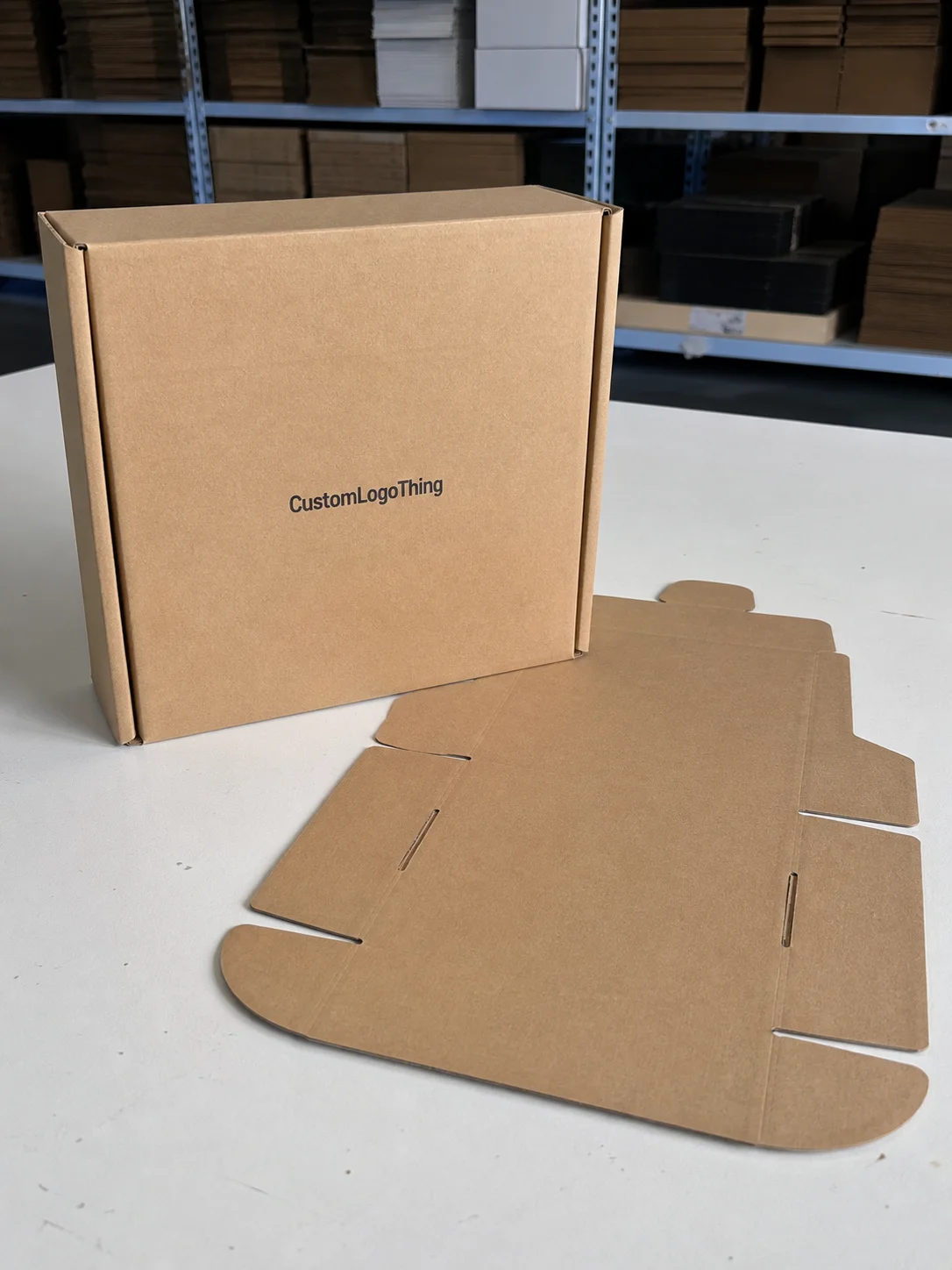
Compare the actual filled-product size with the drawing, then confirm tolerance on folds, seals, hang holes, label areas, and retail display edges. Reserve space for logos, QR codes, warning copy, and material claims before decorative graphics fill the panel.
Quote comparison points
Review material grade, print process, finish, sampling route, tooling charges, carton quantity, and freight assumptions side by side. A quote is only useful when the supplier can repeat the same color, closure quality, and packing count on the next order.
Smart Moves with Personalized Gift Boxes for Retail Stores
Why Personalized Gift Boxes for Retail Stores improve your Shelves
I remember when, on a midnight run through the Riverside Packaging Lab in Southern California, I watched a line operator at the Heidelberg gravure press grin as a batch of vibrant personalized gift Boxes for Retail stores emerged with flawless registration on 4/0 CMYK stock, the press humming at 18,000 impressions per hour while a quality engineer logged each sheet weight in the Claremont-bound production report.
Those customized cartons, sleeves, and rigid boxes act as more than vessels; honestly, I think they become matchbooks of logos, color-matched inks, and finishing touches that echo a store’s loyalty promise, merchandising narrative, or seasonal blockbuster, each engineered down to the individual callout with Henkel Teroson H3100 seams holding 25 pounds of shear strength—like giving each shelf a well-tailored handshake calibrated to the brand’s Pantone 7620C.
Every decision—from orienting the grain on the 350gsm C1S artboard along the 11.5-inch top-loading panel to guiding hand-applied 2-millimeter velvet ribbons sourced from a Los Angeles haberdasher—shows that the moment matters; these personalized retail gift packaging designs keep goods from dissolving into anonymous stacks, whether that means printing neighborhood maps of the Venice Canals or embossing local artist signatures across the cover, because I’ve seen shoppers pause and pick up a box just to run their fingers along an embossed skyline.
During a consultation in our Orange County showroom, a regional chain asked for branded retail experiences that could flip between holiday themes and everyday collections while keeping the base dieline consistent, so we engineered reversible inserts in 1.5-millimeter chipboard and dual-callouts for two colorways in a single production run that wrapped up over a ten-day schedule, which made the creative director cheer like we’d just solved a Rubik’s cube (and yes, I physically high-fived the team).
That evening, I signed off on another batch bound for a West Loop boutique, where the general manager wanted boxes that felt as solid as the art inside; internal reinforcements in 3-millimeter honeycomb board, a switch to high-BC flute corrugation for heavier ceramics, and a warm matte coating inspired by the neighborhood art walk delivered that structured elegance, and I couldn’t help but grin imagining the box standing proudly next to the gallery’s latest installation.
From conversations about loyalty messaging to the moment the personalized gift boxes for retail stores land on shelves, every interaction centers on helping retailers tell their stories through packaging that matches the effort of the merchandise it contains—no stage is too small for a well-crafted opening and we typically schedule production to land within 12-15 business days from proof approval so merchandising teams in Phoenix, Seattle, and Denver can keep resets on track.
From Design to Delivery: Timeline for Personalized Gift Boxes for Retail Stores
After our account director receives the creative brief, the first week at Custom Logo Things’ Orange County facility fills with concept sketches, dieline proofs, and clamshell mockups so that the retail creative team can approve materials and structure early; we hold that window as sacred because our East Los Angeles print partners are already penciled in for the days immediately after and most client programs move from proof approval to delivery within 12-15 business days.
During that same seven-day window we sample finishes—a soft-touch aqueous wrap for the downtown boutique, metallic foil for the flagship, and reverse-printed kraft liners for the sustainable refill program—all chaotically sorted under color-critical monitors calibrated to Pantone 186C, 872U, and 448C, backed up with physical chips, and the chaos somehow turns into a comforting rhythm I could follow with my eyes closed.
With artwork signed off, plates get etched for the offset press over roughly 72 hours at our Elk Grove Village prepress suite, and we slot those runs alongside other retail programs so lead times align with store campaigns; a three-day block on the Heidelberg Speedmaster six-color press gets followed immediately by lamination, foil stamping, and embossing, and honestly, I think watching that sequence is like seeing a ballet where each dancer is coated in ink.
Throughout the prepress block, our packaging supply chain partners in the North Bay folding carton facility confirm substrates have been pre-cut to the specified grain, adhesives scheduled for 3 p.m. delivery, and FSC certifications verified so that the sustainability claims travel all the way to the floor, because if the paperwork doesn’t line up, the whole train screeches to a halt and I’m the guy frantically chasing replacement sheets at 3 p.m. (don’t ask how many sticky notes that takes).
Post-press, lamination, embossing, and hand assembly stations synchronize with logistics so that everything reaches retail distribution centers just as store resets begin—often eight to twelve days after the concept meeting, and for more complex dual-foil programs we still deliver before the 15-day buffer that many Chicago or Austin buyers need to ensure merchandising crews have time to stage fixtures and training kits, which is a relief because no one wants last-minute cardboard Tetris.
Key Factors for Personalized Gift Boxes for Retail Stores
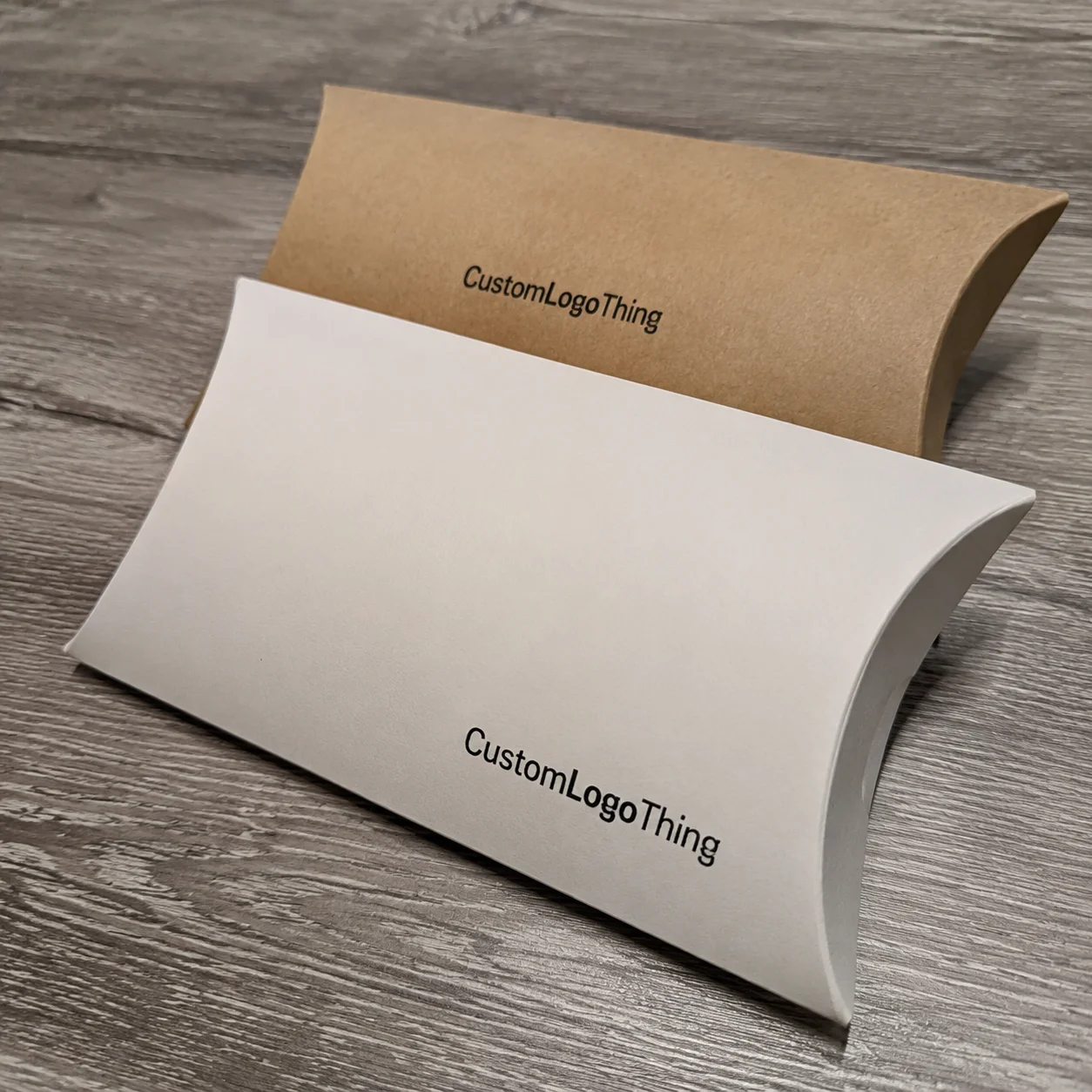
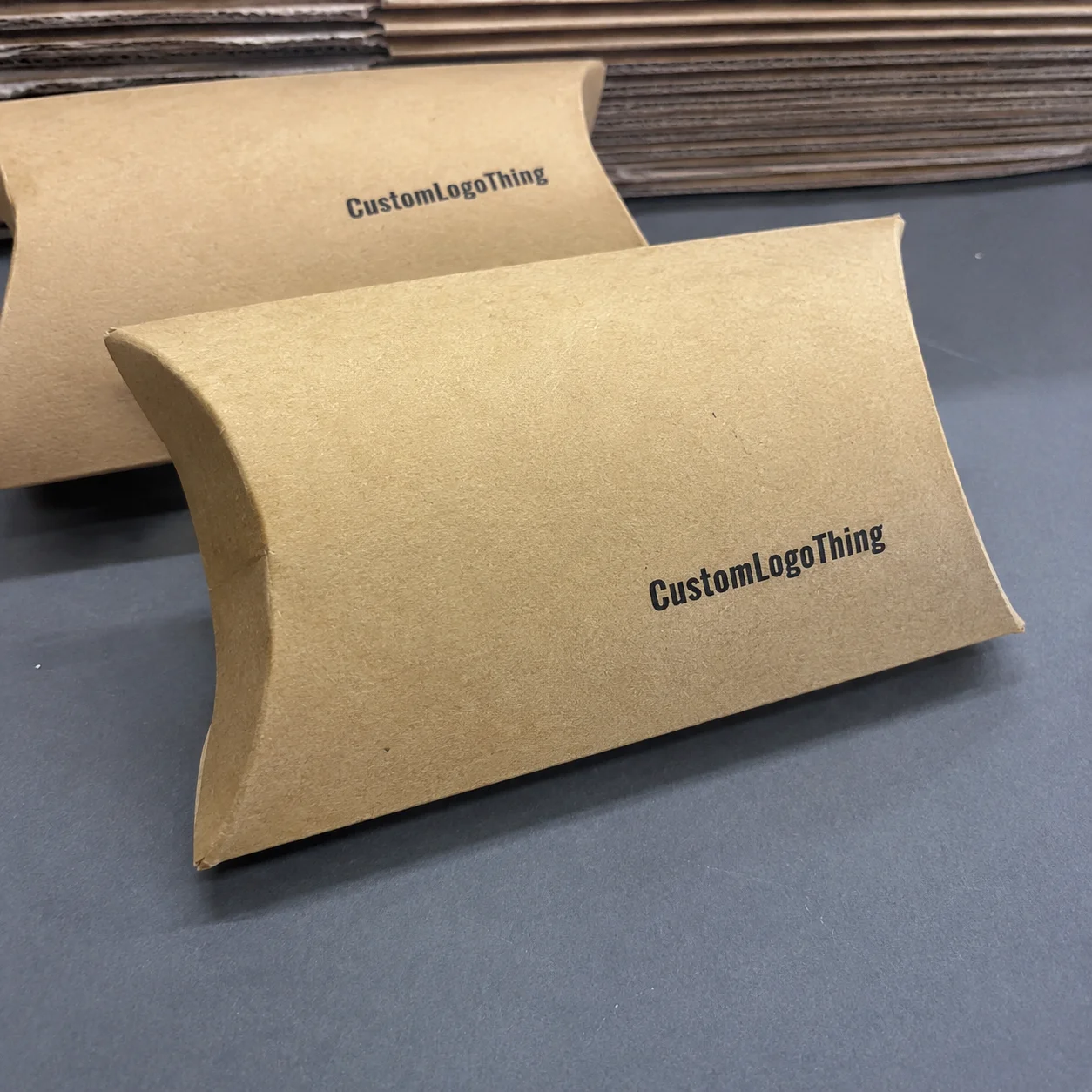
Material choices set the stage: we suggest coated 350gsm SBS board for bright saturation and crisp imagery, while 280gsm recycled kraft resonates with earthy brands seeking a tactile, recycled feel; the chosen paper also dictates whether heavier gifts need double-wall corrugation or added internal reinforcement, and I swear the right board can make a customer whisper “wow” before they even open the lid.
When retailers request personalized gift boxes for retail stores that cradle glassware or candles, our engineers specify rigid boards with corner locks, 45-degree scoring, and laminated internal walls so the structure endures repeated handling—guidance that borrows from ASTM D4919 for assessing carton performance under cyclical stress, because there is nothing more frustrating than a shattered votive mid-display setup.
Color management stays relentless—matching Pantone references in PMS or CMYK keeps the store’s signature hues consistent from the initial run through every reorder, and press operators at our Elk Grove Village and Los Angeles plants track every ink mix in a shared Heidelberg Speedmaster database; hey, if the hue drifts, I’ll chase a technician until the ink pump sings in perfect pitch.
Structural choices also honor the retail floor team, which is why we test tuck-top, magnetic flap, and hinged-lid designs with focus groups; some stores favor magnetic closures for a premium touch while others demand a two-piece system that assembles in under ninety seconds with one seated merchandiser in Seattle, and I’ll admit, watching a merchandiser click a magnetic clasp never gets old.
These decisions affect how the boxes protect product, fit on shelves, and support the broader consumer journey, so each run pairs notes from the merchandising crew and stays anchored to ISTA protocols when testing durability, because I’ve been on the phone with store managers waving their hands while explaining why a shelf collapses if the fold angle is off.
Step-by-Step Planning for Personalized Gift Boxes for Retail Stores
Start with a 9 a.m. briefing call so Custom Logo Things can log SKU counts (we often review between 250 and 1,200 units per location), seasonal display plans, and certifications such as FSC or reusable packaging claims, plus any procurement notes about local sourcing from Southern California or Oregon, so we’re not winging it when the holidays arrive.
Next, confirm structural traits with our engineers—does the retail gift packaging need to nest for shipping efficiency, or must it include a custom tray for multiple items? These answers decide whether we stock a custom die in the North Bay warehouse or deploy a template already moving through the adjacent Denver finishing center, and I always ask the team to imagine the moment a cashier opens one, because that’s when the packaging truly meets the customer.
Prototyping follows: request a dummy run from the Pre-Press Studio so store planners can judge how the box nests, opens, and stacks with existing fixtures, and we always supply a build sheet that pinpoints adhesives, tabs, and foam insert placement—yes, even down to the smell of the glue if the client is sensitive to that sort of thing (I know, I’m weird, but someone asked once and it became an obsession). Two prototypes cost about $130 each and return in four business days.
Once the structure passes muster, plan supply chain touchpoints like QR codes or NFC-enabled tags (NTAG213 chips) during the design phase—retailers can then extend the unboxing story with loyalty programs, care instructions, or tutorials activated by scanning, because engaging shoppers before they peel the ribbon is my favorite kind of first impression.
Before approving production, schedule a walk-through with the retail ops team so they can test stacking and merchandising mockups against planogram R-14, making sure personalized gift boxes for retail stores slip smoothly into ongoing floor plans without creating bottlenecks during resets (and if something jars, we pivot before production, not after, because no one has time for panic-mode corrugated rebuilds).
Cost Considerations for Personalized Gift Boxes for Retail Stores
Specialty coatings such as soft-touch, aqueous, or metallic add incremental costs per unit, yet spread across a larger print run they stay feasible for broader retail campaigns; that soft-touch wrap might tack on $0.06 per box while elevating perceived value beside a luxe product, and I joke that if customers could smell the coating they’d queue around the block.
Die cutting and tooling drive another cost layer: a custom die for a unique shape runs about $450, but retailers planning multiple seasonal launches find that investment sensible, whereas tapping a stocked template from the Custom Logo Things warehouse—catalogued via Custom Packaging Products—keeps upfront expenses low, and honestly, I think the templates are underappreciated little lifesavers.
Economies of scale prove themselves: at the North Bay folding carton facility, a 5,000-piece run can lower per-box cost to $0.18 for uncoated SBS, while a 500-piece prototype might cost $0.75 since the setup fee spreads across fewer units; we discuss inventory pacing with retail buyers so replenishment plans align, because nothing gives me more joy than helping a buyer avoid a frantic “where are the boxes?” email.
We also lay out finishing options in a table to help clients weigh the impacts prior to final approval:
| Finish | Approx. Add-on per Box | Recommended Run Size | Notes |
|---|---|---|---|
| Matte Lamination | $0.04 | 1,000+ | Great for premium tactile feel, pairs with SBS board. |
| Soft-Touch Aqueous | $0.06 | 2,000+ | Requires longer cure time; ideal for seasonal limited editions. |
| Metallic Foil | $0.08 | 3,000+ | Tooling includes foil plate; best for flagship launches. |
| Water-Based Varnish | $0.03 | 1,500+ | Durable finish that keeps costs manageable. |
To manage spend, batch orders toward quantity breaks, reuse trusted dielines when possible, and pick finishes such as water-based varnish instead of premium foil when budgets tighten, while still delivering packaging that supports the brand promise—I swear, the planners who treat their specs like a playlist end up with fewer headaches, and we often monitor spend through quarterly procurement reviews with our Los Angeles and Phoenix sourcing teams.
Avoiding Common Mistakes with Personalized Gift Boxes for Retail Stores
Late-stage art changes derail schedules—receiving updated logos after the 48-hour plate-making window delays lead times and triggers rush fees from the press plant, so we lock in final files on the day tooling gets approved, and if someone tries to revise the heroic type for the third time, I just gently remind them that the press waits for no one.
Mockups remain essential. Unverified internal compartments often fail to cradle fragile goods, which is why samples should always precede full production; once I watched a glassware run return to the die shop because the mockup could not handle the weight, costing the client two extra days, and yes, my frustration was visible (I’ll admit I muttered something about “gravity, you sly beast”).
Logistics oversights happen when teams ignore how the boxes palletize and ship to multiple locations; we model scenarios for mismatched quantities per carton, run those configurations through our Chicago and Seattle fulfillment centers, and work with store resets to ensure repacked cases arrive ready to drop onto shelves without disrupting the receiving crew, because no one wants inventory to turn into a scavenger hunt.
Aligning on standards such as ISTA 6 for modified atmosphere shipments and referencing ASTM D7433 for foldable box strength keeps the packaging supply chain transparent and prevents surprises once the boxes hit transit, and I always remind buyers that documentation isn’t just paper—it’s peace of mind.
Action Steps for Rolling Out Personalized Gift Boxes for Retail Stores
Map your next steps by coordinating with the Custom Logo Things account team to lock in production dates, confirm dieline specs, and secure certifications tied to retail programs, referencing Packaging Machinery Manufacturers Institute resources whenever industry benchmarks are needed, because I find those resources calm even the most stressed ops people.
Align packaging tests with the retail ops team so they can practice stacking, opening, and merchandising mockups within the stores, confirming that your personalized gift boxes for retail stores slip into floor plans without slowing down resets—honestly, seeing the team breeze through a mock reset is my kind of reward, especially when they report a 15-second savings per fixture change.
Establish a replenishment cadence based on sell-through data, using inventory triggers to approve reorder quantities ahead of seasonal surges and keeping shelves stocked without last-minute rush charges, which also lets you lower per-unit costs through planned runs, and I’ll admit, planning ahead feels like cheating the system, but it works.
A Seattle client followed this path to avoid a holiday scramble: dielines, prototypes, and logistics received approval two weeks before Black Friday, and the boxes arrived in 12 days right when the store reset window opened, giving staff time to stage displays and train teams (and yes, the general manager sent me a celebratory photo of the finished wall of boxes, which made my day).
Combining precise planning, the right materials, and dependable partners ensures every decision feeds into a broader ecosystem of personalized gift boxes for retail stores that delivers on the promise of a memorable, branded retail experience—because when the packaging feels intentional, the customers notice.
Conclusion: When I invest time in personalized gift boxes for retail stores, I’m buying packaging that protects products, tells brand stories, and manages supply chains with precision; follow the steps above, collaborate with proven partners, and you’ll watch every carton arriving on the sales floor feel intentional, ready to delight customers, and maybe even spark a little joy for the team that unboxes them, especially once you see the 12-15 business day rhythm we’ve dialed in from proof to delivery.
How long does it take to produce personalized retail gift boxes?
Timeline shifts with complexity, but typical runs at Custom Logo Things move from initial design approval to delivery in twelve to fifteen business days when artwork and materials are ready, with our Orange County and North Bay partners syncing calendars to avoid bottlenecks.
Can I add custom inserts to my personalized gift boxes for retail stores?
Absolutely, we design inserts from corrugated or foam core to cradle products; just share dimensions and fragility requirements so our engineers can balance protection with cost, often quoting $0.45 to $0.65 per insert during the prototype review.
What are the most durable materials for personalized gift boxes for retail shops?
High-BC flute corrugated suits heavy goods, while thick SBS board with a burst-resistant laminate gives a premium presentation that withstands multiple touchpoints, especially when tested against ASTM D7433 and ISTA Level 3 protocols.
How do I keep costs manageable for personalized gift boxes in retail?
Batch orders to reach quantity discounts, reuse familiar dielines when possible, and choose water-based coatings instead of premium foil to control spend without sacrificing impact, while monitoring run tickets to keep per-unit spend below $0.35 on average.
What should I review before approving personalized gift boxes for retail stores?
Inspect mockups for structural integrity, compare color proofs to Pantone chips, and verify that branding elements stay aligned with current store signage, and make sure the scheduled delivery date on the production worksheet matches your merchandising window.