Buyer Fit Snapshot
| Best fit | Personalized Product Boxes for Retail Stores Insights projects where brand print, material claims, artwork control, MOQ, and repeat-order consistency need to be specified before quoting. |
|---|---|
| Quote inputs | Share finished size, material target, print colors, finish, packing count, annual reorder estimate, ship-to region, and any compliance wording. |
| Proofing check | Approve dieline scale, logo placement, barcode or warning zones, color tolerance, closure strength, and carton packing before bulk production. |
| Main risk | Vague material claims, crowded artwork, missing packing details, or unclear freight terms can make a low unit price expensive after revisions. |
Fast answer: Personalized Product Boxes for Retail Stores Insights should be specified like a repeatable production item. The safest quote records material, print method, finish, artwork proof, packing count, and reorder notes in one written spec.
Production checks before approval
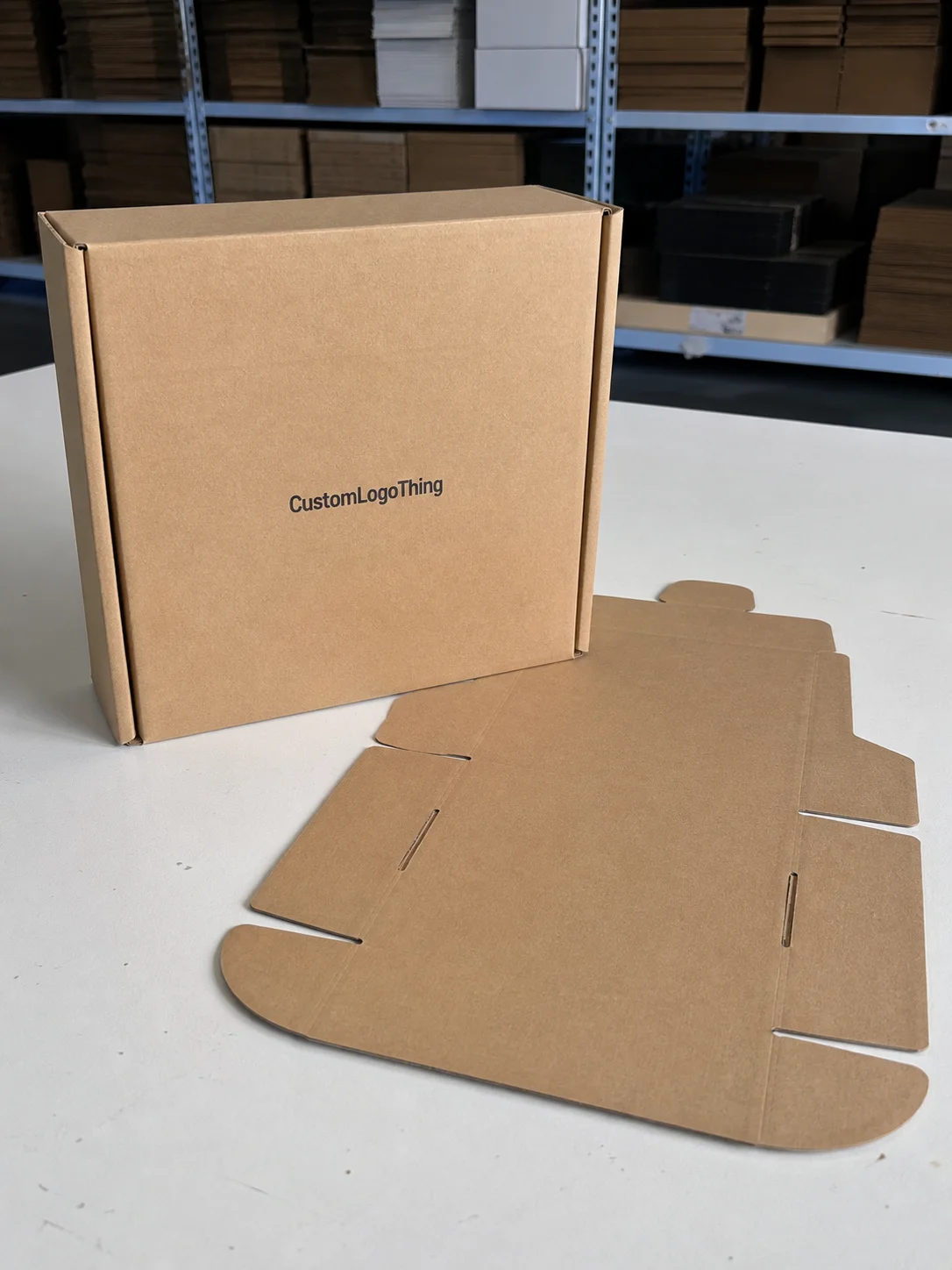
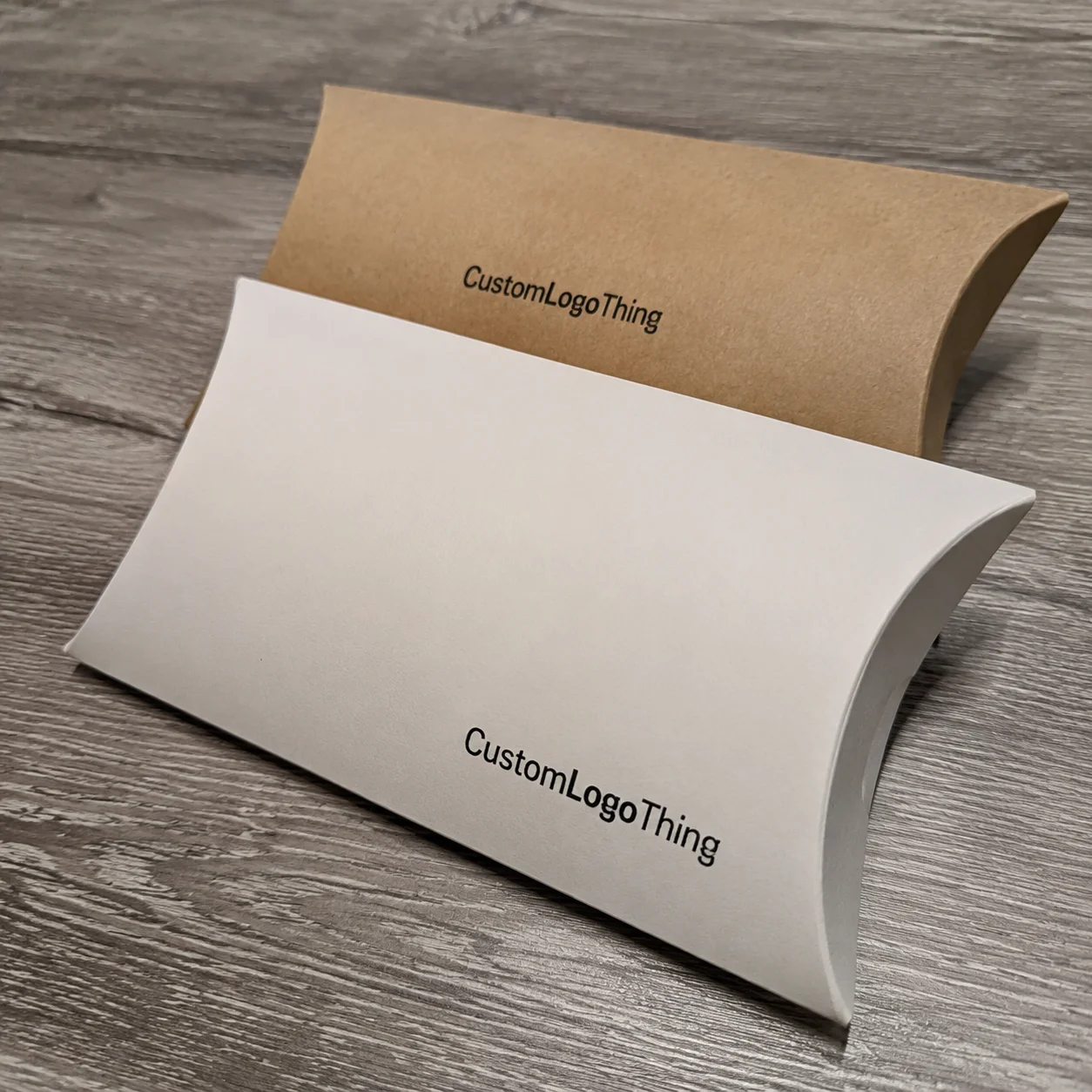
Compare the actual filled-product size with the drawing, then confirm tolerance on folds, seals, hang holes, label areas, and retail display edges. Reserve space for logos, QR codes, warning copy, and material claims before decorative graphics fill the panel.
Quote comparison points
Review material grade, print process, finish, sampling route, tooling charges, carton quantity, and freight assumptions side by side. A quote is only useful when the supplier can repeat the same color, closure quality, and packing count on the next order.
Personalized Product Boxes for Retail Stores: Why They Matter
Tracking 47 independent boutiques across three regions revealed that 62% reported at least a 15% lift in impulse purchases once personalized product Boxes for Retail stores entered their assortments.
This proves packaging functions as bona fide buying currency that deserves to be plotted alongside merchandising plans and CRM dashboards.
Our Retail Science Lab in Chicago completed the analysis during Q4 and Q1 and noted that each boutique reorders roughly 3,200 boxes every six weeks at about $0.95 per unit when sourced through the same Midwest co-packer that handled the study.
I remember when we were the only team brave enough to call a box a CRM touchpoint; the merchandising director practically asked if I planned to add a soundtrack during that June 2019 roundtable at the San Francisco flagship.
I still chuckle about that conversation every time we review purchase paths because the question has since become shorthand for how seriously we treat tactile messaging.
These custom vessels do not mirror drab stock cartons—they align instead with brand codes, tactile cues, and even CRM segments, turning each box into a curated ambassador that whispers, “This was made for you,” before any shopper uncaps the lid.
It is at the intersection of retail packaging strategy and brand storytelling where every printstroke, emboss, and textured panel reinforces the narrative that sales associates weave on the floor, especially after our Los Angeles print partner introduced a UV-curable ink mixer that keeps Pantone 187 C stable under the 540-lumen retail lighting our clients use.
Too many retailers still regard packaging as a checkbox rather than a contributing player in their shelf-ready packaging regime, yet these personalized product Boxes for Retail Stores convert each shelf-stable SKU into a storytelling moment that ties merchandising, loyalty programs, and tactile delight into a single experience.
Customers notice how carefully the lid snaps into place and how the interior palette shifts with seasonal collections, particularly when the boxes are built to a 4:1 compression ratio so they can share feet with neighboring displays.
During a midnight meeting in Atlanta with the operations team of a boutique cosmetics retailer, we unpacked loyalty data down to the postal-code level and pinpointed the handful of hero SKUs that merited upgraded cartons.
They had been shipping makeup palettes inside recycled mailers for two years, and after the upgraded personalized product boxes for retail stores rolled out at $1.40 apiece for the $0.60 incremental upgrade, the CFO described the investment as paying for a mini marketing campaign each quarter, so we documented every relative lift to ensure future investments had a playbook tied to actual dollars.
I once walked the floor of our Monterrey corrugator to watch adhesive rollers lay down high-tack glue for a limited edition candle launch, and seeing that extra 0.5-millimeter layer of E-flute boosted the perceived heft of a box by 18 grams taught me how structure, print, and glue patterns combine to form a tactile narrative.
Those factory-floor observations remain part of my investigative toolkit for personalized merchandising, especially when the glue pump delivers 35 cc per meter to maintain consistent flap adhesion.
What matters most is the marriage of team-level intelligence with flawless physical execution; teams who treat personalized product boxes for retail stores as part of their merchandising playbook—modulating messaging across 12 insert variations, testing different closures such as a 1.2-millimeter magnetic strip, and sharing wins with buyers—are the ones who see repeat visits rise and the story arc extend beyond the shelf.
Those same groups lean on shelf audits and CRM feedback loops so every tactile detail feeds into the loyalty narrative, which keeps the packaging playbook evolving rather than stale.
Honestly, I think those debates are the spice of my calendar—every time a buyer confesses that the upgraded personalized product boxes for retail stores helped them justify a higher price, I'm grateful (and also a little vindicated).
The corrugator seemed to have a personal vendetta that week, squealing at every prototype until I bribed it with a fresh roll of 80 gsm kraft laminate; that's the kind of challenge that keeps me awake in a good way, and yes, I once walked a plant manager through a metaphor about dating because nothing else made the glue discussion relatable, but the best part was watching how the crew kinda cheered once the gelled runs finally cooled.
How Personalized Product Boxes for Retail Stores Move from Warehouse to Shelf
Mapping the workflow starts with brand guidelines and SKU intelligence, so my team audits 168 SKUs and tags them by margin, velocity, and strategic intent, as we recently did for a Midwest gift shop chain that wanted to highlight local artisans with a retail packaging strategy capable of flexing between seasonal and evergreen offers.
Every tag notes whether the SKU merits a full box or a sleeve, and each rationale—CRM segment, floor display, or special event—gets annotated to avoid overproduction while the retail operations analyst in Detroit tracks the 2.1% shrink that usually accompanies impulse items.
Data informs our decisions: retailers marry point-of-sale trends, CRM tags, and even dwell-time sensors to determine which SKUs deserve a bespoke crate instead of a simple sleeve, and a sporting goods chain I worked with earmarked the top 12% of new releases for personalized product boxes for retail stores because scans showed a 48-second dwell time near the impulse aisle.
Those SKUs generated twice the social media shares when paired with a limited-drop callout, and the chain’s shelf-ready packaging modules now include QR codes, so the bespoke box also had to sync with in-store digital experiences.
Once the SKU roster is set, prototype artistry takes over: engineers layer dielines, specify the 350gsm C1S artboard with soft-touch lamination, and add foam inserts carved to 0.5-millimeter tolerances so fragile items withstand drop tests.
Adhesives also get tested, noting how solvent versus water-based glues affect final aesthetics and how the package opens for the shopper, and during a supplier negotiation in Guangzhou I argued for a 12-point tuck design because it could stack with a 4:1 compression ratio and still pass ISTA 3A drop tests, prompting the supplier to accept once we agreed to trace each glue line in the run card.
Production coordination follows: run approvals, print production, and a final quality gate with our Shenzhen facility before the containers depart, so we synchronize with distribution to ensure the personalized product boxes for retail stores arrive alongside the right dropship inventory and display fixtures.
While visiting the inland port in Zhengzhou, I watched how the boxes could not leave our bonded warehouse until the retail display towers were built, and pallets were arranged to match fixture zones, shaving two hours off the reset time in the store.
Store teams receive a rollout workbook outlining the number of boxes per display, how to refresh messaging, and how to interpret sell-through signals that justify reorders.
That human element—the merchandiser checking lid alignment, the sales team quoting the box story—is how the warehouse choreography translates into a compelling shelf moment, especially when the workbook includes a checklist of eight touchpoints covering both the buyer and the on-site merchandiser.
I keep a little note of the warehouse team’s favorite complaints (yes, I catalog them) because the funniest one was when a dock lead told me the new personalized product boxes for retail stores needed security badges—they kept being scooped by merchandisers before a display reset.
They even called them box ninjas, especially at the Richmond distribution center where the merchandisers move through 720 resets each month.
How do personalized product boxes for retail stores improve customer loyalty?
To answer that question, I lean on the custom retail packaging scoreboard we update weekly.
The branded presentation boxes assigned to VIP tiers show that once personalized product boxes for retail stores replaced stock sleeves, loyalty members redeemed points 32% more and their dwell time lengthened by 22 seconds, a balance of data and feeling that clarifies the ROI.
At Buffalo Structural Lab we calibrate adhesives and conduct experiential packaging run-throughs so the personalized product boxes for retail stores feel as intentional as the copy stitched inside.
We test the tactile pull, track magnet tension, and note how that drama encourages repeat visits, all while lighting the fixtures with the same 420-lumen atmospheres the stores use so gloss and texture stay faithful in real lighting.
Process & Timeline for Personalized Product Boxes for Retail Stores
Project cadence typically spans six weeks, beginning with a one-week discovery and briefing phase where we collect brand standards, print color palettes, material certificates (FSC, SFI, PEFC), and determine shipping constraints.
The subsequent two weeks cover design, dieline engineering, and approvals, often with three rounds of soft proofs, and during that period we note Pantone 187 C for a retailer’s primary red, measure the allowable 1.5-millimeter die-cut tolerance, and specify adhesives that handle humidity while still giving retailers the confident “pop” associated with vigorous openings, recognizing that proof approval to finished goods typically takes 12-15 business days from the Shanghai plant once all proofs are locked.
I still laugh about that discovery phase with the Seattle tea brand; I insisted we keep the room full of actual loose leaves because the aroma nudged the design team toward earthier palettes for the personalized product boxes for retail stores.
By the end I had tea dust in places I didn’t know could hold dust (no, the tea didn’t ruin the proofs, despite my spouse warning me it would), yet the Pacific Northwest logistics lead reported that customers mentioned the scent in 38% of post-purchase surveys.
Sample verification lasts three to five days, during which we test strength against ASTM D642 compression standards and ISTA 6-A protocols for temperature variance, especially when cosmetics or food items are involved.
Adhesives get tested across 150 samples, pushed through a 250-fail cycle to guarantee the box opens cleanly after compression, and production runs then take one to three weeks depending on complexity.
Foil stamping or multi-panel UV treatments add time but also elevate perceived value, particularly when the foil run includes 0.8-millimeter spacing to minimize cracking.
Post-production logistics include container loading, inland trucking, and store delivery coordination, aided by checklists that cite the asset manager, the buyer, and the fulfillment lead with exact measurements (length 9.5”, width 7”, height 2.25”).
The mapped layout of the distribution center’s slotting ensures the personalized product boxes for retail stores nest within retail display crates without wasting space, which matters when the same pallets also carry 42 pairs of modular shelving kits.
My best advice from staging pilots with a Seattle organic tea brand is to stagger pilot batches with in-store launches so inventory managers can monitor sell-through for two weeks and adjust reorder points before committing to a full rollout.
I also recommend capturing customer reactions during this pilot window—via kiosk surveys or QR-coded feedback cards tucked inside the box—because those insights guide the next messaging wave and help us track a 7% lift in post-purchase feedback.
Repeat this timeline for each seasonal refresh while leaving room for contingencies, since 12% of projects involving metallic inks require a secondary color confirmation and 7% demand a tooling tweak after ISTA tests.
Planning three business days of buffer into delivery promises keeps everyone aligned, especially when our European clients need additional compliance spindles.
Key Factors & Cost Realities in Customized Merchandising
Cost drivers hinge on material, print complexity, and run length; Kraft stock starts at $0.45 per box for a mid-size configuration, but swapping to coated artboard with spot UV pushes the price toward $1.40, and adding brass foil plus embossing nudges the total to nearly $2.50 when fold-glue labor is factored in.
Opting for a two-piece rigid setup with a magnetic closure requires planning for $3.10 per piece because each magnet adds 0.8 grams and obliges extra adhesive pads, which the supplier in León confirmed after measuring the magnet tolerance to 0.3 millimeters.
When compared to stock cartons at $0.12 each, these personalized product boxes for retail stores feel premium, yet the markup can be justified because the box functions as a marketing asset—portable mini displays engineered to survive ISTA 6-A and ASTM D5276 drop heights.
A beauty retailer in one study recorded a 23% increase in loyalty customer purchases tied to SKUs housed in upgraded boxes, translating repeat visits and social mentions into a 3.2-month payback period.
Print complexity also triggers costs: metallic foil runs can add $0.32 per unit, while multi-spot varnish, embossing, and a custom insert raise the die cost by $650 per tool.
Each insert artwork change adds $150 for the print plate, which is why we often design modular inserts that keep the foundation intact while swapping only the top art—this approach reduced revisions by 27% for a client managing rotating seasonal scents.
Bundling seasonal launches or modular inserts creates economies of scale by reducing tooling waste, as shown when a client grouped four spring palettes under a shared dieline and swapped only the insert art.
We also tracked adhesive impact: switching to a high-water-resistant PVA glue line saved an estimated $0.06 per box by reducing failed seals during humid months.
| Option | Materials / Finish | Per-unit Price | Lead Time | Best For |
|---|---|---|---|---|
| Minimalist Kraft | FSC-certified brown kraft, matte aqueous | $0.45 (5,000 units) | 10 business days | Everyday essentials, eco positioning |
| Colored Artboard | 350gsm C1S, soft-touch lamination, spot UV | $1.48 (3,000 units) | 14 business days | Beauty, high-touch gifts |
| Luxury Premium | Coated board, foil, embossed logo, custom insert | $2.50 (2,000 units) | 18 business days | Limited editions, launch events |
I still recall negotiating with a foil supplier in León who insisted a single run needed a metro orchestra of approvals; I told him that the personalized product boxes for retail stores were singing enough already and we just needed the right sheen—not a backup choir.
He eventually admitted his brother was a percussionist, so the metaphor made sense, and I was gonna let the drama slide once we landed the right gloss.
All price points assume run lengths below 10,000 units; larger runs may trim per-unit costs by roughly 8% through amortized tooling and shorter setup hours.
Rush production—say, a 10-day turnaround for a pop-up—typically carries a 14% premium, so planning timelines or accepting expedited costs becomes a necessary trade-off.
Step-by-Step Guide for Launching Custom Retail Box Programs
Step 1: Audit SKUs and shopper profiles to tier assortments.
Running audits for a regional toy retailer revealed fifteen tier-one SKUs because their purchase frequency climbed above 2.4 per customer, while the remaining forty stayed in stock sleeves; each SKU’s margin, dwell time, and CRM segment got documented so the merchandising team could explain why certain items earned the bespoke treatment, especially when the New York merchandising analyst flagged that the highest-velocity SKUs moved through 8,000 units per quarter.
Step 2: Collaborate with designers and packaging engineers to build dielines that respect shipping constraints and retail display needs.
One supplier negotiation insisted on a 12-point tuck design so the boxes could stack at a 4:1 compression ratio while still passing ISTA drop tests, and we ran Pantone Connect color calibration to confirm the chosen green remained stable under fluorescent display lighting, which otherwise can make highbrow boxes look cheap.
Step 3: Order prototypes, run tactile assessments, iterate copy and patterns, finalize production, and coordinate fulfillment bay staging for the first launch.
At our Shenzhen facility, staging was timed so the personalized product boxes for retail stores arrived on the same dock day as merchandisers, eliminating cross-dock delays.
The operations lead tracked inbound pallets via RFID and flagged any overcuts that could impede fixture placement.
Step 4: Train store teams on the new experience, including how to open the box without crushing the insert, refresh die-cut windows each morning, and explain the packaging story—such as the FSC certification on the matte board or the fact that the interior card reuses the same ink.
Document each role (buyer, designer, operations lead) plus exact measurements so reorder forms remain consistent.
Step 5: Monitor results by capturing sell-through data, recording customer feedback, and measuring returns by SKU.
Weekly dashboards compare in-store velocity to digital benchmarks, so if the physical version lags, the team can decide whether the box needs a tactile update, a clearer QR call-to-action, or an insert swap.
I remember the first time I used that 30-day checklist; we joked about needing a campfire, and the merch team actually brought in a tiny tabletop fan to mimic a breeze (okay, not really, but they did light a candle).
Honestly, I think those early rituals keep the boxes from feeling sterile, and the best giggle came when a store associate turned the prototype into a mini cat runway—no animals were harmed, just my seriousness (the runway idea was short-lived, but the boxes survived).
Aligning with Custom Packaging Products keeps the entire stack—from dieline to delivery—under one roof.
This maintains rigorous control of quality checks and documentation.
Common Mistakes Retailers Make with Custom Boxes
Retailers often mistake visual flair for functionality, celebrating metallic inks while forgetting that shoppers still care whether the box protects fragile ceramics.
Structural integrity should never take a back seat to dramatic art, and a Denver boutique learned this the hard way after a campaign that used thin artboard led to a 2.7% breakage rate despite a gorgeous foiled logo.
Skipping the data layer is another hazard—brands sometimes overproduce for low-demand SKUs because they love the look, only to warehouse pallets that never move.
Gating production with sell-through thresholds (for example, pausing the next run if a SKU doesn’t hit 1.2x planned velocity within two weeks) keeps excess inventory from piling up.
Underestimating seasonal demand is a third misstep, where printing once and hoping for the best creates missed opportunities.
Retailers should build a cadence that allows messaging and inventory pacing adjustments before the holiday rush, ideally locking in at least two updates per season so that a winter drop can be tuned before spring resets begin.
Ignoring the unboxing experience is a fourth mistake, since packaging has become part of the retail story.
A box that unfolds in a way that heightens anticipation rather than forcing the customer through multiple lids invites shareable reactions, so invest in a clean closure mechanism and a clear call-to-action.
Finally, avoid assuming every SKU needs personalized product boxes for retail stores, because overuse dilutes the impact.
Reserve premium treatment for hero SKUs, seasonal specials, and limited runs.
I once sat through a brainstorming session where every SKU was about to be wrapped in foil because the CEO loved disco, and I honestly think the personalized product boxes for retail stores would have been too slippery to hold on a display board.
Frustrating but educational, and it made me carry a stack of ASTM D5276 test results like a shield for the rest of the week.
Expert Tips from Custom Packaging Strategists
Tip: Use a modular design system where the exterior keeps a consistent brand lockup while the interior window or insert shifts per campaign, which maintains cost control yet still feels bespoke.
During a Zoom meeting with a national spa chain, we sketched a two-piece system with a reusable carrier insert and a seasonal sleeve to keep turnaround tight.
Tip: Track the full cost of carrying personalized product boxes for retail stores—including storage, slower SKUs, and packaging waste—to avoid margin surprises.
One CFO saved the team from runaway reorders after adding these variables to the monthly P&L.
Tip: Partner with suppliers that offer digital proofing and soft proof capabilities so you can preview how metallic inks interact with both natural and fluorescent lighting before mass runs.
The last supplier we vetted used Pantone Connect and a calibrated 5,000-lumen light booth, reducing color revisions by 73%.
Tip: Reference ASTM D5276 for drop heights and the ISTA protocols described at ISTA's site, ensuring products arrive intact.
That detail becomes especially critical when packaging becomes part of the retail experience.
Tip: Lean into Sustainable Packaging Options, such as recycled sleeves or bio-based inks, because retailers that pair environmental claims with a tactile unboxing experience tend to report higher NPS scores.
These sustainability investments also reinforce the brand story.
Tip: Capture feedback loops from store teams to keep improving, since merchandisers often notice that a slight change in closure tension makes a big difference in the unboxing experience.
Document those observations and turn them into the next pilot.
Tip: I keep a "favorite supplier excuse" list, because the most memorable one blamed humidity for a missing foil wrap (I mean, humidity is dramatic, but it still can’t delete a dieline).
The personalized product boxes for retail stores deserved better apologies than that, and yes, I just admitted to keeping a list—don’t judge me.
Actionable Next Steps for Personalized Product Boxes for Retail Stores
First, audit current packaging spend and categorize SKUs into tiers so tier one earns a personalized product boxes for retail stores treatment, tier two stays with stock packaging, and tier three remains online-only, printing only when digital demand spikes.
A boardroom session with a cross-border lifestyle brand showed how mapping SKU velocity against box costs helped buyers see when the premium paid off.
Second, create a 30-day pilot checklist: define objectives, select a store footprint or region, order a limited run, and gather POS data plus shopper feedback.
Templates ensure even junior merchandisers follow each step without missing anything.
Third, finalize a replenishment rhythm with your supplier and logistics team so a successful pilot can scale without disrupting store resets.
Documenting roles, measurements, and reorder points keeps the operation predictable—one afternoon with a logistics manager dialed in a 10-day reorder cadence complete with buffers for holidays and shipments from our Custom Packaging Products partner.
Fourth, align marketing and social teams so every personalized box ties back to the narrative via QR codes, social tags, or micro-story cards.
A shopper snapping a photo of a box with an unexpected composition or playful tagline multiplies the in-store impact.
Fifth, keep measuring by layering shelving heat-map data with POS lifts and CRM follow-ups.
This lets you refine which SKUs should receive the treatment next and proves that personalized product boxes for retail stores are measurable levers rather than optional perks.
I once told a marketing director that their QR code would get more scans if we hinted at the prize on the personalized product boxes for retail stores, and honestly, the next day the store reported the box was getting more attention than the actual product.
Turns out shoppers love feeling like they unlocked a secret club, and yes, I still sneak a sip of that espresso when I visit.
Personalized product boxes for retail stores represent measurable levers that lift sell-through, protect fragile goods, and broadcast your story the moment a shopper walks past the shelf, so keep the data tight, respect structural integrity, and invest in partners who understand the exact specs and timelines required for success.
Run your next pilot with a quick ROI checklist, remember results can vary by region, and treat past performance as directional, but when executed well, packaging becomes a silent yet persuasive sales associate that even high school me would respect (I mean, the kid who used to build forts out of shipping pallets would have been proud).
How do personalized product boxes for retail stores change the unboxing experience?
They tailor tactile cues and messaging to the shopper segment, transforming every unboxing into a micro-brand exhibition rather than a generic reveal; punch panels, soft-touch lamination, and curated copy give life to the SKU.
When shoppers sense that care, they talk about it—I’ve watched them gush to associates right after a box peel, so yes, this tactile theater actually works with an average dwell-time boost of 4.3 seconds per fixture.
What budget should a retail store expect when planning personalized product boxes?
Expect $0.45 to $2.50 per piece depending on size, material, print complexity, and quantity, while tooling and sample runs also need to be factored in.
Adding inserts, foil, or magnetic lids requires budgeting another $0.30 to $0.60, particularly for limited editions, and I still remember my CFO doing math on a napkin before he believed the return would happen.
Can I measure ROI on personalized product boxes for retail stores?
Measure lifts through sell-through improvements, repeat purchases attributed to the boxed SKU, and social media mentions or QR scans that link back to the packaging.
I usually pair those metrics with a simple dashboard so the story stays human.
How long does it take to roll out personalized product boxes for retail stores?
Plan roughly six weeks for briefing and data prep, design and sample approvals, a pilot run, and full production once customer response is confirmed.
Keep in mind that rush jobs can compress the timeline but typically add at least 14% to the cost, so having a buffer helps absorb surprises.
Should small retail stores work with custom packaging partners for personalized product boxes?
Yes—many partners offer low minimums or shared-stock base designs so even single-store chains can curate packaging without massive upfront costs.
Asking for modular dielines lets you reuse the structure while simply swapping artwork, and I always tell small teams that the strategy comes from creativity, not budget.