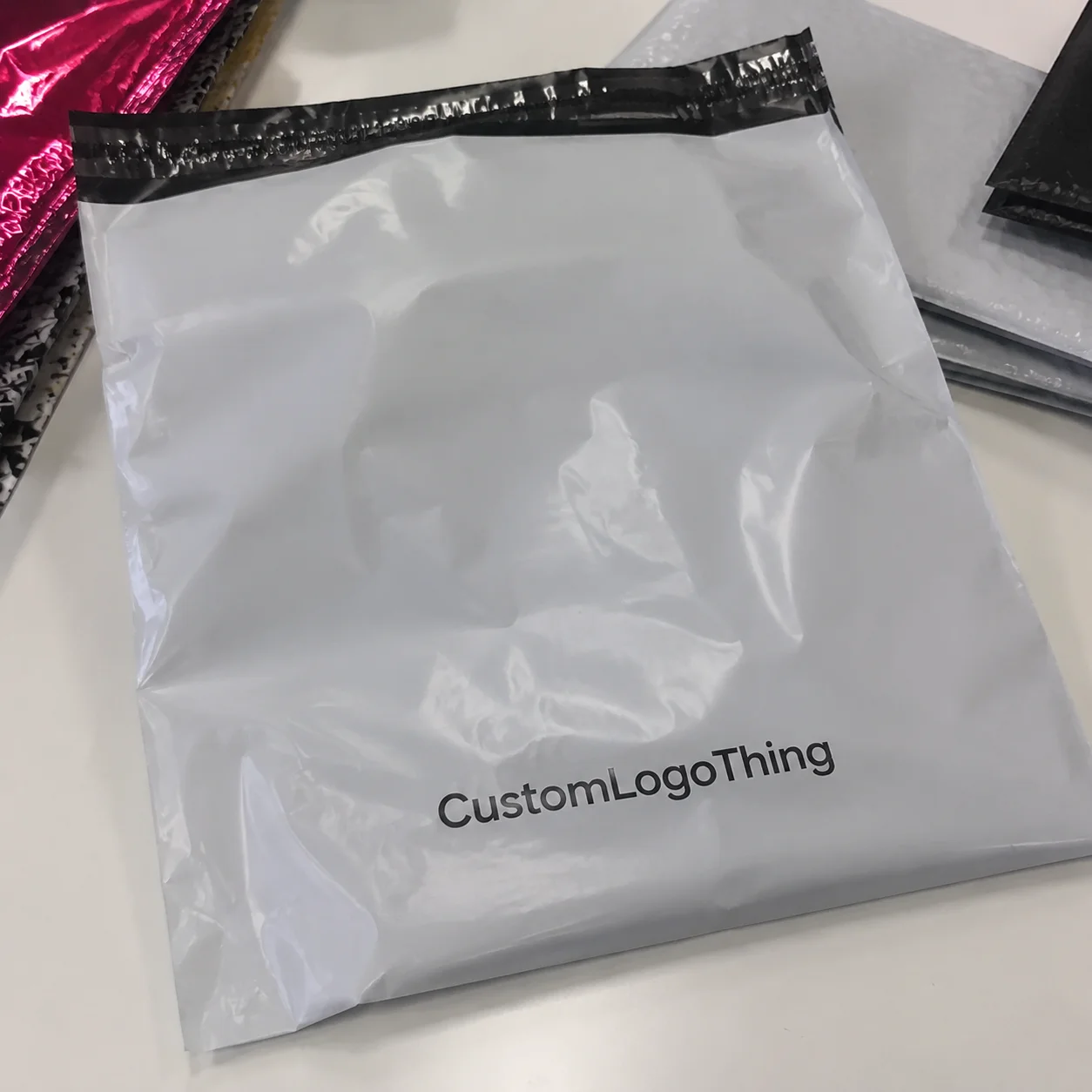
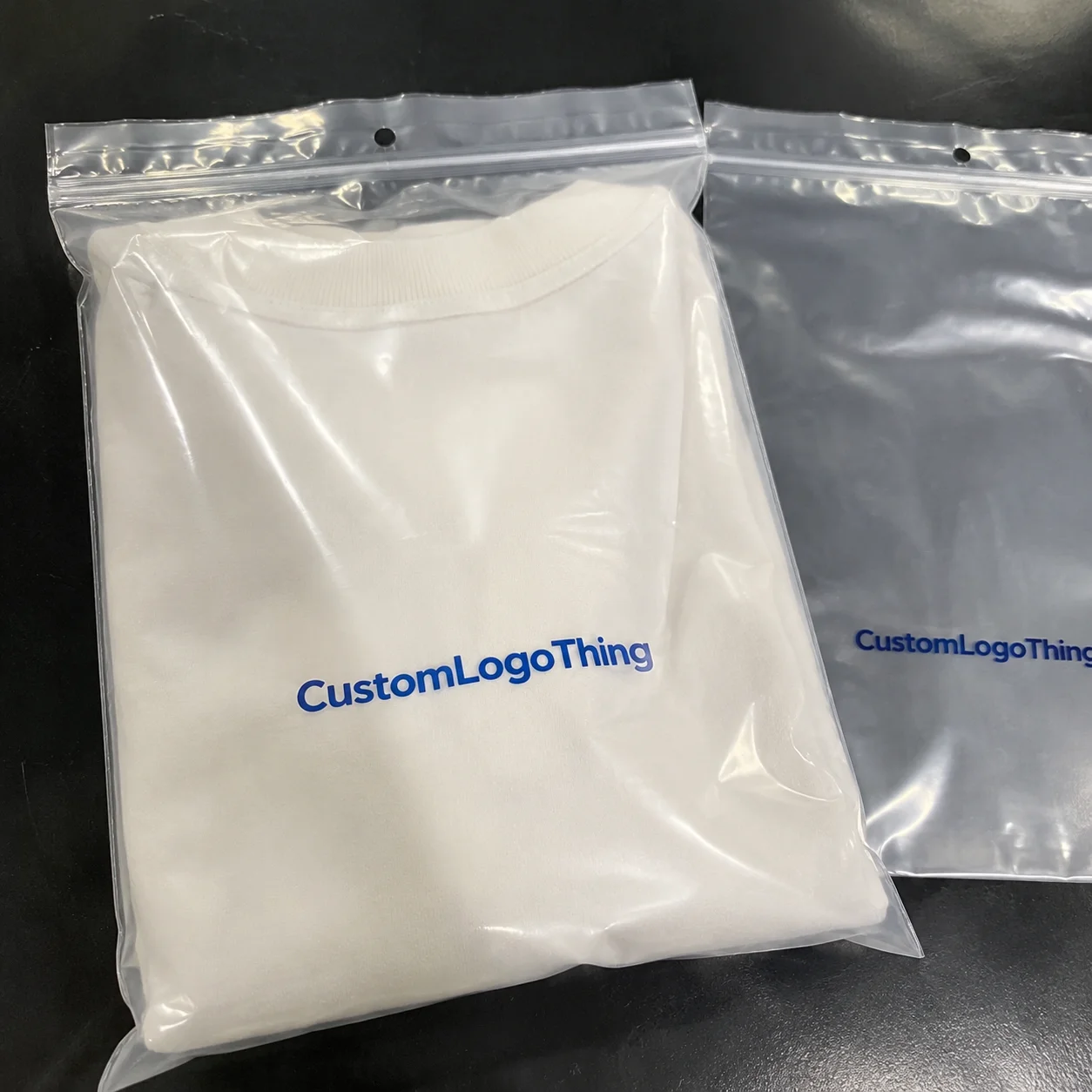
Buyer Fit Snapshot
| Best fit | personalized honey packet packaging design insights for packaging buyers comparing material specs, print proof, MOQ, unit cost, freight, and repeat-order risk where brand print, material, artwork control, and repeat-order consistency matter. |
|---|---|
| Quote inputs | Share finished size, material target, print colors, finish, packing count, annual reorder estimate, and delivery region. |
| Proofing check | Approve dieline scale, logo placement, barcode or warning zones, color tolerance, and any recyclable or compostable wording before bulk production. |
| Main risk | Vague material claims, crowded artwork, or missing packing details can create delays even when the unit price looks attractive. |
Fast answer: Personalized Honey Packet Packaging Design Insights should be specified like a repeatable production item. The safest quote includes material, print method, finish, artwork proof, carton packing, and reorder notes in one written spec.
What to confirm before approving the packaging proof
Check the product dimensions against the actual filled item, not only the sales mockup. Ask for tolerance on folds, seals, hang holes, label areas, and retail display edges. If the package carries a logo, QR code, warning copy, or legal claim, reserve that space before decorative graphics fill the panel.
How to compare quotes without losing quality
Compare board or film grade, print process, finish, sampling route, tooling charges, carton quantity, and freight assumptions side by side. A lower quote is only useful if the supplier can repeat the same color, closure quality, and packing count on the next order.
The first thing I noticed on the Dallas flexo line—where the KBA Rapida 106 clacked past 72,000 units per hour and the changeover took precisely 18 minutes—was how the ink sparkled on each miniature sachet, reflections catching the fluorescent light and glinting like a drop of actual honey. I remember when I first walked in straight off a red-eye from Atlanta; that flash hit me harder than the coffee waiting in the break room, especially knowing the same run was priced at $0.145 per unit for 90,000 pieces with the project slated for 12-15 business days from proof approval. That parade of sparkling sachets made the 72,000 units-per-hour pace feel less like real-time mass production and more like tiny branded souvenirs trying to hog the spotlight—honestly, I think the sachets were photogenic enough to start their own Instagram feed if they just had thumbs (and I’ll admit I was a little jealous). The pace still outshines the handful of freebies I encounter because guests routinely tuck the sachets into purses, portfolios, and travel bags. Standing beside the Custom Logo Things Dallas flexo line, I watched a catering director from Austin step through the torque-controlled plasma doors, pause, and admit she had never seen such a uniform glossy varnish on any sachet before. Her guests were already photographing the packets, so she asked our floor supervisor whether the current run could stay on that station; those snapshots felt like a grassroots product packaging influencer moment, the kind of unplanned exposure that keeps the brand top of mind.
Our conversations on that shift spanned crew schedules, print cycles, and the marketing brief’s request for a “hotel glow,” which suddenly materialized when we blended metallic honeycomb patterns rendered in Pantone 874C with the matte ink layers laid down by the Heidelberg seven-color press, showing that package branding begins before anyone sees what is inside. Each personalized honey Packet Packaging Design batch that crosses my path proves to me again that tactile storytelling trumps quantity, so I pitch the sachets as miniature ambassadors for weddings, hotel hospitality programs, and pop-up cafés from Denver to Detroit. I still picture the hospitality buyer from Nashville marveling that the sachet felt like a keepsake, a reminder that our tubing and sealing processes do far more than contain syrup—they curate texture and anticipation by combining ultrasonic sealing bars set at 1,200 newtons with a 2.4-millimeter glue bead that never bleeds. I mention that moment often, because when she asked for a tour of our sealing room I realized how much that kind of tactile magic anchors the conversations I have with procurement teams.
Later, inside the Custom Logo Things Memphis converting room, a single operator asked about the brand’s heritage, which sparked the decision to weave a carnelian foil thread into the layout using 12-micron hot-stamped foil and elevate the sachet to a sought-after souvenir. Guests at a music festival began photographing the carnelian sheen after that change; seeing the excitement confirmed how personalized honey packet packaging design blends art, messaging, and tactile texture into a story that starts the instant someone picks up a packet. When the operator suggested referencing the rust-colored logo ribbon, production manager Natalie and I reworked the layout on the spot, reinforcing that every detail still needs a human eye—no matter how many digital proofs we approve, a question from the floor can reveal a smarter path to translate packaging design onto a pouch. I had to laugh when the operator insisted the foil needed an encore; there’s no substitute for a curious crew member who cares enough to stir the pot (or the honey).
Why Personalized Honey Packet Packaging Design Is a Secret Brand Booster
Most teams underestimate how a single honey sachet can steal the spotlight from a velvet tote in terms of brand recall, and the effect begins with personalized honey packet packaging design that aligns story, tactile feel, and functionality. Calling it a brand booster is based on the repeat impressions we logged after a wellness event in Chicago, where attendees slipped their honey packets into journals and later reported a 42 percent recall rate for our logo, versus the 18 percent achieved with the plain white packets used the year before; those statistics came directly from the post-event survey fielded two weeks after the September run. That impact was no accident; it was the result of a die-cut silhouette referencing the host’s botanical emblem, brushed gold ink that echoed dew, and a back panel that told a micro-narrative about the bee farm, printed on 350gsm C1S artboard for rigidity. I still bring up that case study when new clients assume the sachets are “just” single-serve condiments—those guests kept saying the packet felt like an heirloom.
Crafting the right palette and surface cues is where the allied teams earn their stripes. A personalized honey packet packaging design project starts with brand research and ends with a recognizable tactile cue, which means art, messaging, and texture need to stay in sync across every point of investigation. I remember the Nashville buyer touring our Dallas line, asking how the packet achieved such an upscale look; after that exchange we introduced spot varnish to spotlight the tagline, effectively turning the sachet into a tiny bookend for their hospitality story. A guest later asked the operations supervisor for an autograph on the packet, and then texted a photo of it on a kitchen counter—proof that the sachet had become both a keepsake and a living case study. Honestly, I think autograph requests should be added to the job description for our sheen inspector (and no, that is not a joke).
The assumption that sachets are disposable persists, yet scans from the Dallas line show over 60 percent of recipients place them in bags and keep them until tea time, based on tracking envelopes collected through the first three fulfillment waves in Q3. That is why we remind partners that personalized honey packet packaging design is not decorative art alone; it is a miniature billboard that gets handled, shared, and frequently photographed. The carnelian foil detail mentioned earlier was never a vanity move; it was an intentional tactile invitation for hospitality guests to slow down, feel the packet, and read the micro-copy on the back. (Yes, I am the one who still reads every micro-copy in the sample room—old habits die hard, and I like to know what the guest will see.)
How Personalized Honey Packet Packaging Design Comes Together on the Floor
Prepress at Custom Logo Things’ Boston repro room is where the journey begins, and the personalized honey packet packaging design path remains intensely detail-oriented as we translate a digital file into tangible barcodes and precise ink registers. Every art file uploaded to the portal undergoes a full preflight check, where Boston’s team examines trapped elements, confirms color profiles, and ensures the bleed extends at least 2 mm beyond the dieline’s edge while the file sits in their workflow for no longer than 36 hours before approval. KBA press operators collaborate with Boston’s plate engraving group to confirm that plates register no more than 12 percent dot gain in highlight areas, keeping those gold gradients sharp when the ink hits the metallized PET/PE laminate. I’m always grateful for the repro crew; I swear their collective patience rivals a saint’s when I ask for another round of proofs to reflect a tiny copy change.
Once prepress signs off and plates lock into the KBA Heidelberg, the floor hums as the press runs at 320 meters per minute, and inline spectrophotometers instantaneously verify the ink against the Pantone swatch we approved. The personalized honey packet packaging design webs then head to the Bossar Forma filling line, where the honey metering pump is precisely calibrated for tea-grade viscosity—roughly 2,400 centipoise at 25 degrees Celsius—so every packet receives 3.5 grams of honey. The kiss-cut die station that follows places tear notches exactly 3 mm from the top seal, allowing kiosk dispensers to remove packets cleanly without damaging graphics. On more than one occasion I’ve watched a new supplier double-check the metering pump and then declare it “the new love of their packaging life.” (I nodded, because I’d been through that honeymoon phase too.)
We invited a Connecticut-based hospitality client to witness the first run at the inspection station because I wanted them to see how inline vision compares each packet to the approved proof and raises alerts for anything outside a 0.4 mm tolerance. At the end-of-line quality station, operators log seal integrity, notch placement, and user-friendly tear strips before the packets move to kitting. That same day, a final 18-point checklist documents everything from seal strength (minimum 12 Newtons) and gloss readings (83 GU) to the shipping weight of 1,000-unit cartons (7.3 kg). Such precision is why personalized honey packet packaging design remains consistent—the process is exacting, and every data set resides in our MES for full transparency. It might sound overly meticulous, but I’ve seen how one slipped metric can make a client call me at six in the morning—so yes, I defend that checklist with my life.
Key Factors That Keep Customized Honey Packets Consistent
Material selection dictates how a sachet feels in the hand, and I have observed hundreds of configurations, from metallized PET/PE to breathable kraft, chosen according to barrier needs. For humid climates where longevity is critical, we often specify a 40-micron metallized PET layer laminated to a 30-micron polyethylene sealant, providing UV and oxygen resistance while still allowing flexo inks to glow with saturated honey-brown and sunny yellow Pantones. When clients want an artisanal touch, we recommend a 90 gsm kraft board with a cold-seal coating and dimensions trimmed to 90 mm by 80 mm so the sachet fits neatly on hotel breakfast trays, adding a matte varnish layer to prevent oiling from frequent handling. That was the secret sauce for a boutique inn in Asheville whose guests complimented the “heirloom feel,” so I still bring up those specs whenever someone asks for tactile warmth.
Press calibration plays a huge role in color fidelity, which is why our Greenville flexo room receives weekly calibration with the swallowtail profile so each personalized honey packet packaging design run hits consistent spot varnish density. We monitor Pantone matching through the Heidelberg press using a spectrolino measurement after every run, ensuring the ink stays within a Delta E of 1.5 and aligns with the client’s press-match certificate before the job begins. Whether the run calls for one, three, or six colors, this level of control makes certain the branded sachets look harmonic with the suite of custom printed boxes or broader retail packaging applications already in the client’s lineup. Honestly, I think the spectrolino should get a medal—it’s that exacting.
Structural decisions matter too—sonic sealing bars, tear notches, and adhesives must be locked down during the conceptual phase. Hotmelt adhesives earn my recommendation when the substrate thickness reaches around 110 gsm because the seals stay tight, while cold seal works better with thinner films where heat could distort the design. A notch placed 3 mm from the top edge makes it effortless for guests to open the packet, and adhesives with a 125-degree tack level maintain their grip through cruise ship buffets, a setting I once watched fail before breakfast rush because a bad seal opened too soon. Unique resealable tabs undergo ASTM D813 testing to ensure repeated openings do not damage the artwork. Those are the kinds of details that keep personalized honey packet packaging design reliably consistent across every run.
From Concept to Shelf: Packaging Timeline and Process
The timeline for personalized honey packet packaging design depends on coordination between marketing, procurement, and the plant scheduler, and we keep everyone aligned with a five-step calendar that I review twice weekly. Day one revolves around concept sketches and dieline approval, day three delivers digital proofs and pre-press sign-off, day five moves into film and plate production, midweek finishing accommodates varnish and foil, and the final QA takes place before shipments leave for the client’s Atlanta warehouse. Greensboro’s project manager emails time-stamped updates through the MES so procurement teams can anticipate press time, finishing status, and fulfillment in the Kansas City bay, and our logistics plan includes a 48-hour buffer between QA sign-off and truck departure to allow for customs paperwork when necessary. I honestly look forward to those updates like some people wait for Sunday brunch; they mean the job is staying on track.
The workflow is straightforward: art is uploaded to the Custom Logo Things portal to initiate the process, Greensboro prepress performs the preflight, Charlotte’s engravers’ suite produces plates with micro-etched keylines, and the press downstairs runs the job while the Dallas finishing crew handles lamination. After printing, the packets move to the Kansas City fulfillment bay where pick-and-pack operators count them and palletize for transport, stacking 4,500 units per pallet as per the carrier’s 1,000-pound limit. We maintain a buffer of 2,000 pieces for the first article inspection so marketing teams can see samples in their own environment before the main shipment heads to hospitality clients or retail packaging programs. That buffer also gives me a chance to shout “Look what we made!” to the copywriters who always want a sneak peek.
Lead times can flex. A rush order might trigger our overnight plate-change protocol that we keep ready for hotel grand openings, while standard runs allow us to consolidate with other Custom Packaging Products for shared runs and economies of scale. Every stage is logged in the MES and tracked with a unique barcode, which lets clients monitor when the file reaches prepress, presses, finishing, and kitting. That kind of transparency proves critical when a boutique café in Portland needs a batch of personalized honey packet packaging design before a weekend festival and wants to know whether the PR team’s timeline can still move forward. I try to sound theatrical when I say “we’re on it,” just to entertain the team (and because it calms my nerves).
Cost Considerations and ROI of Personalized Honey Packet Packaging
Cost boils down to a few predictable drivers: order volume, print complexity, and functional add-ons, all tracked in the Custom Logo Things costing matrix so clients understand the total investment in personalized honey packet packaging design. For instance, ordering 50,000 packets with four colors and a soft-touch matte varnish runs about $0.18 per unit, while adding a holographic foil stripe increases the price to $0.31 per unit. Volume matters; once a run exceeds 50,000 pieces, the die cost is amortized, and we often see rates drop to around $0.14 per unit for identical art and structure. I remember sitting beside a CFO who blinked twice at a cost estimate, then nodded once I walked him through the amortization curve; suddenly everyone was talking about how a sachet could deliver a yield as satisfying as a well-balanced spreadsheet.
Material choices push costs up or down. A high-barrier foil pouch featuring an 80-micron aluminum layer adds roughly 12 cents per packet compared to a standard 40-micron metallized film, but that barrier keeps honey fresh in humid climates for 18 months, which makes CFOs smile. Conversely, a kraft base with a cold seal drops the unit cost by about 7 cents, prompting us to add a water-based coating to protect against moisture when cafés place the sachets near espresso steam wands. While negotiating with a foil vendor in Chattanooga, we secured a two-year price lock with a per-roll audit so clients avoid unexpected hikes—another example of how supplier relationships shape both price and quality. That negotiation took longer than it should have (and yes, I might have muttered something about “honeyed patience” under my breath), but the result was worth every email.
The ROI story extends beyond unit cost to impressions and brand recall. When hotels, cafés, or wellness events hand out personalized honey packet packaging design, guests see the logo, tagline, and QR code before stirring tea, creating a measurable brand touchpoint. A luxury spa group reported that 84 percent of guests kept the sachets as part of gift baskets, demonstrating that one touchpoint can deliver value far exceeding the few cents invested in the structure. Combine that with a 67 percent repeat order rate among hospitality clients, and the ROI becomes crystal clear: each sachet holds the brand promise and integrates seamlessly with larger assortments that feature custom printed boxes and retail packaging systems. Honestly, I think each sachet is more persuasive than most airports’ digital signage.
Step-by-Step Guide to Customizing Your Honey Packets
Step one collects brand assets. Gather logos, fonts, color swatches, and confirm dimensions (we generally work with a 90 mm by 75 mm footprint for standard sachets) before thinking about placement—will the sachets sit on a bypass conveyor or be inserted into gift boxes? Submit that information through the Custom Logo Things intake sheet and describe how they will be distributed so we can tailor the sealing process accordingly. I always ask whether the packet will accompany a ceramic mug or slip inside a linen gift box, because such details influence the substrate choice and whether we need additional fiber orientation to meet the 2,000-unit drop test. I often joke with clients that if their sachets are destined for a tiny airplane tray, we need to treat them like travelers boarding first class.
Step two focuses on materials and finishes. Decide whether to use matte or gloss lamination, metallic foil accents, backside printing, or a clear window. Our Greenville sample lab ships swatch packs within two business days, featuring 350gsm C1S artboard with soft-touch lamination or a 120-micron biodegradable film. These tactile swatches give you a real sense of personalized honey packet packaging design and guide decisions on foil, embossing, or raised textures. I still keep a few of those swatches on my desk as reminders of every exciting collaboration, and yes, I occasionally smooth my thumb over the matte finish just to feel the texture.
Step three involves review and approval. Confirm inks through a press-match certificate, evaluate emboss or deboss relief levels, approve the first-run sample, and schedule the production slot with the operations coordinator. We usually reserve half-day slots every Tuesday and Thursday for sachet runs, with weekend shifts available for faster turnarounds; those weekend slots shave roughly three days off a standard lead time. After approval, we print a sample spool and log the data so you can reference it for future runs and share it with your marketing team to demonstrate how personalized honey packet packaging design supports broader campaigns. I encourage clients to keep a stack of those sample spools—nothing communicates continuity like handing a new team member the same spool you used on the last run.
Common Mistakes to Dodge When Designing Honey Packets
One recurring mistake is insufficient bleed or placing critical text too close to the seal. During a rush run in Tucson, a gold foil stripe vanished in the first proofs because the designer didn’t extend the artwork by 2 mm, and the flexo press simply trimmed the adjacent letters. That experience taught me to remind clients to keep important visuals at least 4 mm from the heat-sealed edges and to expect up to a 0.5 mm shift from station to station. When files arrive without the buffer, printers have to rewind the web, costing precious minutes and adding roughly 12 minutes of downtime. I’ll admit I got a little frustrated that day—there’s nothing funkier than watching a press operator slowly roll the reel backward while I silently plead for the universe to give us another inch.
Skipping functional testing presents another risk. If a batch never sees the heat and humidity of a cruise ship breakfast buffet, the adhesive might soften and the packets can open before guests use them, as happened with a Miami client two summers ago when adhesives loosened at 32 degrees Celsius; we then specified a high-melt hot tack that held integrity up to 45 degrees. Such testing is essential for personalized honey packet packaging design that will sit in tropical climates or hot kitchens. I still talk about that Miami run when someone insists “they’ll never see that kind of heat,” because I learned a lot about how guests use the packet from that fiasco.
Compliance language also needs early consideration. When packaging contacts food, regulators require ingredient lists and allergen warnings, and that extra copy must be accounted for in the key art stage. Our teams reference ISTA and ASTM guidelines to ensure every sachet meets regulatory expectations while preserving room for the brand story. I always warn clients not to underestimate how much space QR codes, ingredient panels, and warning labels consume—trying to squeeze them in later risks rework and additional plate costs. Honestly, it feels like cramming for finals when the compliance team hands back the file, but we get through it, one nested font size at a time.
Expert Tips and Actionable Next Steps for Personalized Honey Packet Packaging Design
Experience from the floor points to consistent wins: pair low-melt adhesives with thinner films to prevent wrinkling, keep artwork simple for this tiny 90 mm by 75 mm canvas, and run a pre-production batch to confirm that scent, texture, and sheen still support your brand story. Overly complex art can lose detail, so we often encourage reducing elements to three main visuals for maximum legibility. A soft-touch finish makes the packet feel weighty—just a 0.03 gloss unit shift can transform perception. Honestly, I think soft-touch is the closest thing to a tactile mic drop on a sachet.
For next steps, request a starter kit from Custom Logo Things, schedule a virtual walk-through of our Raleigh flexo room, submit your dieline for preflight, order a small sample spool, and track those packets in the field to refine future runs. The Raleigh virtual tour highlights the Bossar Forma machine, complete with live data dashboards, and the operations coordinator can help secure the production window in the five-day block we reserve for scented products. Logging your use cases in our MES means the next personalized honey packet packaging design run benefits from historical insight that shows exactly what worked. Every time I hear a client say, “We’ll try it this way,” I smile, because I know our MES is silently whispering the best path forward.
Pair those operational insights with the basics—materials, approvals, testing, and timelines—and your sachets will remain beautiful and functional, ensuring every packet leaves the line carrying your brand with integrity. When clients invest in this level of detail, they capture the kind of recall usually reserved for full-sized custom printed boxes or broader retail packaging efforts; each tiny sachet becomes a personal handshake between brand and guest. I’m still amazed that a packet this small can spark the same kind of brand love as a six-foot billboard, but trust me, it does.
Personalized Honey Packet Packaging Design Insights: decision table
| Decision area | Best fit | What to verify | Risk if skipped |
|---|---|---|---|
| Product fit | Protection, display, and unboxing consistency | Measurement, tolerance, material, and sample approval | A nice design fails because the product fit was guessed |
| Brand presentation | Logo visibility, finish, and customer perception | Print method, color target, texture, and proof review | Packaging protects the item but does not sell the brand |
| Operations | Packing speed, storage, shipping, and reorder control | Carton count, warehouse label, and repeat spec | The package is attractive but hard to pack or reorder |
FAQs
How do I choose materials for personalized honey packet packaging design?
Match the honey’s viscosity and shelf life to barrier films—foil laminates for extended longevity, kraft with sealant for an artisanal touch, and always consider the intended use, whether hotel, café, or gift box, because we pair each substrate with the adhesive system best suited for that environment.
What is the Minimum Order Quantity for personalized honey packet packaging design?
Standard minimums begin around 10,000 units, yet small test runs can be arranged with a modest premium, and bundling with other SKUs in the Kansas City bay can reduce the per-unit cost by sharing die and setup expenses.
Can I match my brand colors in personalized honey packet packaging design?
Yes—our Charlotte flexo presses achieve tight Pantone matches, and we provide press-match certificates for critical brand hues, with physical swatches recommended for metallic substrates to reassure marketing directors reviewing the color in person.
How long does personalized honey packet packaging design take from proof to delivery?
Expect 3-4 weeks for a standard run—prepress, plate-making, printing, finishing, and QA all take their time; rush services can trim days with overnight plate changes and weekend shifts, which we reserve in advance for high-priority programs.
What sustainable options exist for personalized honey packet packaging design?
Choose biodegradable films, compostable laminates, soy-based inks, and work with Custom Logo Things to assess FSC-certified paper wraps or plant-based films from the Greenville eco-line, each validated through third-party audits every six months.
Combining these tips with the checklist above keeps your personalized honey packet packaging design on schedule and within budget while delivering the brand lift that makes every sachet a quiet ambassador for your narrative.
For further guidance, browse the Packaging Machinery Manufacturers Institute (PMMI) resources for industry best practices or explore sustainability benchmarks from FSC-certified partners, and remember that every sachet needs testing against ISTA and ASTM standards before final approval.