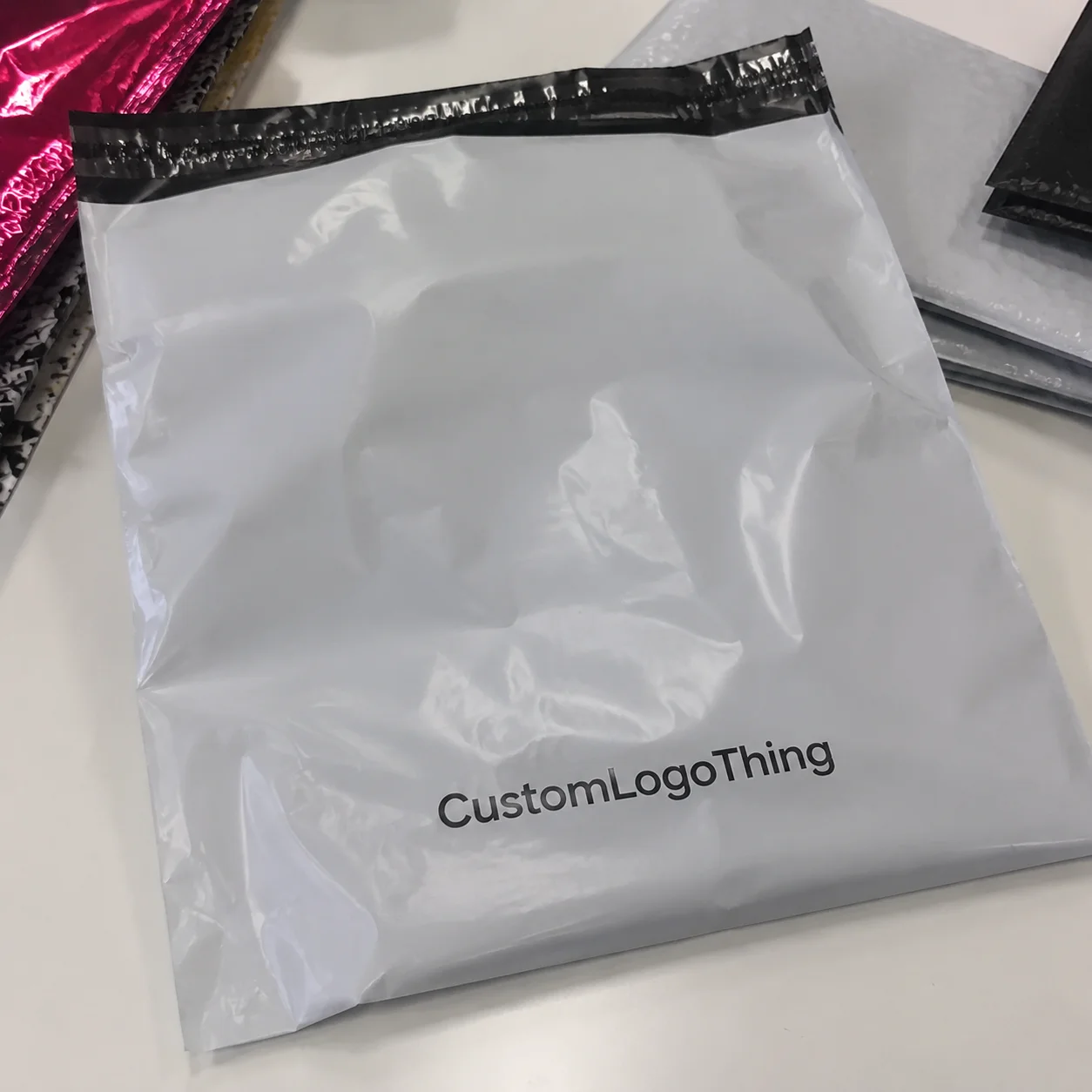
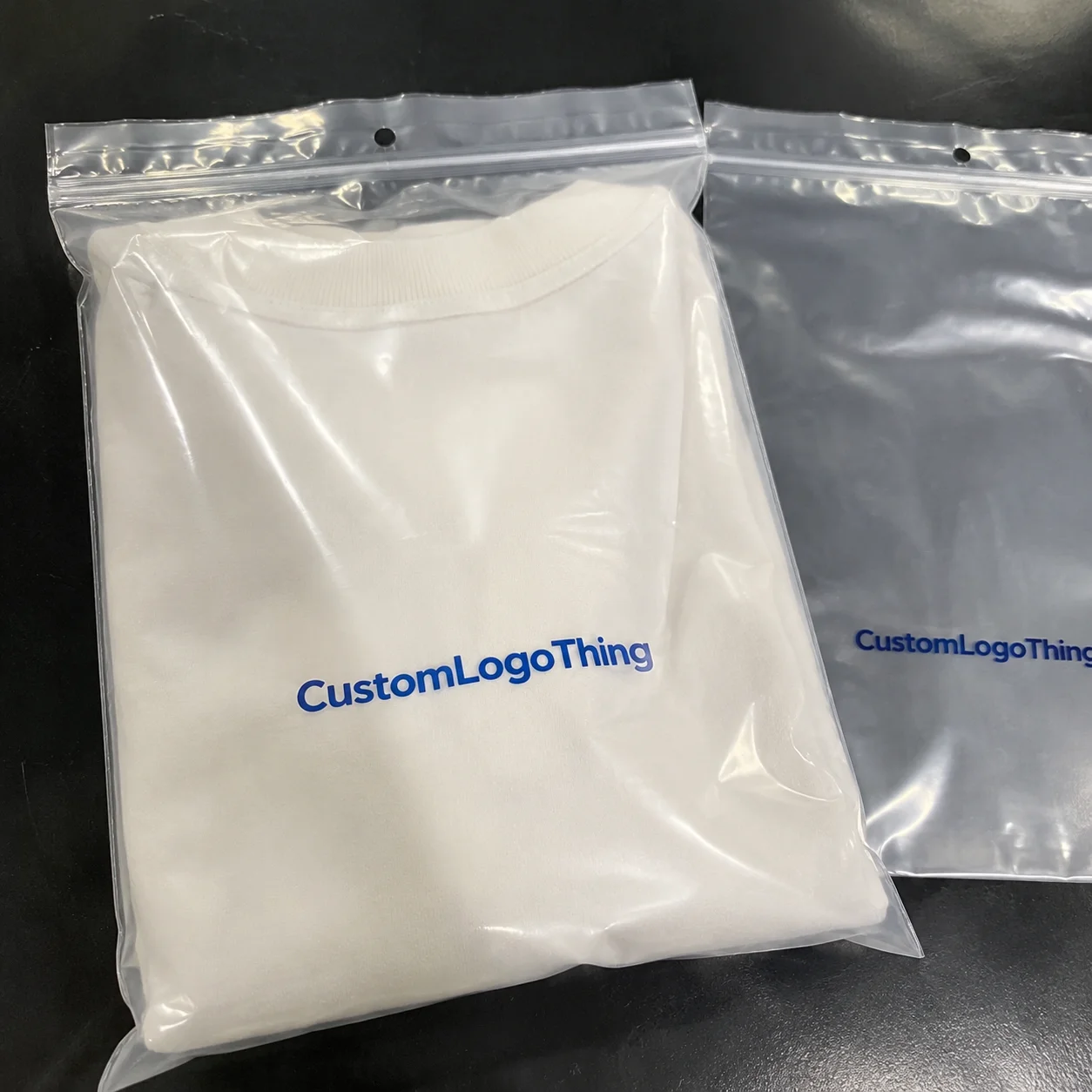
Buyer Fit Snapshot
| Best fit | Personalized Honey Packet Packaging Design projects where brand print, material claims, artwork control, MOQ, and repeat-order consistency need to be specified before quoting. |
|---|---|
| Quote inputs | Share finished size, material target, print colors, finish, packing count, annual reorder estimate, ship-to region, and any compliance wording. |
| Proofing check | Approve dieline scale, logo placement, barcode or warning zones, color tolerance, closure strength, and carton packing before bulk production. |
| Main risk | Vague material claims, crowded artwork, missing packing details, or unclear freight terms can make a low unit price expensive after revisions. |
Fast answer: Personalized Honey Packet Packaging Design: Material, Print, Proofing, and Reorder Risk should be specified like a repeatable production item. The safest quote records material, print method, finish, artwork proof, packing count, and reorder notes in one written spec.
Production checks before approval
Compare the actual filled-product size with the drawing, then confirm tolerance on folds, seals, hang holes, label areas, and retail display edges. Reserve space for logos, QR codes, warning copy, and material claims before decorative graphics fill the panel.
Quote comparison points
Review material grade, print process, finish, sampling route, tooling charges, carton quantity, and freight assumptions side by side. A quote is only useful when the supplier can repeat the same color, closure quality, and packing count on the next order.
I’ve spent enough time on packaging floors in New Jersey, Illinois, and Wisconsin to know one thing for certain: personalized honey Packet Packaging Design usually fails for mechanical reasons before it fails for branding reasons. One morning at a contract packing line in Edison, New Jersey, I watched a perfectly attractive honey packet start creeping honey into the seal area because the laminate and dwell time were not matched to the product’s viscosity at roughly 72°F. The print looked great. The seal told the truth. Honey is polite until it isn’t, which is often the moment a line operator notices a tiny smear on a jaw set that should have been set at 135°C and not 120°C.
That’s the part most people miss. personalized honey Packet Packaging Design is not just a small graphic exercise, and it is not the same thing as dressing up a label for a jar. It is a practical packaging system built around a sticky, temperature-sensitive food product that has to fill cleanly, seal tightly, travel well, and still look polished enough to carry your brand in a hotel breakfast tray in Orlando, a retail display in Chicago, or a promotional mailer headed to Phoenix. If you get the structure wrong, no amount of pretty artwork will save it. Honestly, I think that’s why so many packet projects get kicked back twice before anyone admits the real issue is the film spec and not the logo size.
At Custom Logo Things, the conversations I hear most often are about logo placement, color counts, and minimum order quantities. Those matter, of course, but I always steer people back to the basics first: what kind of honey, what fill weight, what filling machine, what shelf life, and what environment the packet will live in. A 7g breakfast packet packed on a horizontal form-fill-seal line in Atlanta does not need the same construction as a 14g sampler sold through a farm shop in Vermont. That’s the real core of personalized honey packet packaging design, and it sits right at the intersection of branding, converting, and food-safe manufacturing. Related concerns like single-serve sachet printing, food-grade film packaging, and custom honey sachets all come into play at this stage, especially when the product has to perform well on a real line rather than in a mockup.
What Personalized Honey Packet Packaging Design Really Means
In practical terms, personalized honey packet packaging design means customizing the entire packet system for a specific honey product and use case. That includes the outer appearance, material selection, seal structure, packet dimensions, tear notch placement, and the way the brand shows up on a very small printable surface. For some clients, that means a sleek retail sachet with bright shelf appeal and a 4-color flexographic print. For others, it means a simple hotel amenity packet that communicates cleanliness and reliability in a 2-inch-wide format and still reads clearly at arm’s length under a 3,000K breakfast-room light.
Generic sachets are built for general use. Personalized honey packet packaging design is built for a job. A foodservice packet for a diner tray in Dallas has different needs than a premium gift pack attached to a gourmet honey sampler sold in Napa Valley. Travel packs need puncture resistance. Hotel amenity kits need fast readability and easy opening. Promotional giveaways often need stronger brand recall than shelf drama. The same product can live in four channels, but the package decisions change in each one, from the film gauge all the way down to the tear notch radius.
Honey is forgiving in some ways and brutal in others. It does not behave like dry powder or water. Its viscosity changes with temperature, and that means the filling line has to work around a product that can slow down, smear, or creep into seal areas if the film structure and sealing profile are not chosen correctly. In personalized honey packet packaging design, you are not just designing for looks; you are designing for moisture barrier, puncture resistance, seal integrity, and compatibility with the actual fill equipment, whether that’s a 6-lane sachet machine in Ohio or a semi-automatic piston filler in Ontario.
“We can make it look premium, but if the seal is weak or the film is wrong, the packet becomes a liability. I learned that the hard way on a honey run where the winter shipping lane from Wisconsin exposed every tiny seal flaw.”
That quote could have come from a dozen plant managers I’ve worked with over the years, from Buffalo to Birmingham. The point is simple: personalized honey packet packaging design is packaging engineering dressed in branding clothes. When it’s done right, the customer gets a packet that opens cleanly, travels safely, and reinforces trust in the honey inside, even after three days in a refrigerated distribution case at 38°F.
For brands that also need broader product packaging support, I often recommend building the packet specs alongside other branded packaging assets so the visual system stays consistent across formats like cartons, sleeves, and Custom Packaging Products. When a brand uses the same tone, same palette, and same logo discipline across packets and custom printed boxes, the package branding feels intentional instead of stitched together, especially when the carton is printed on a 350gsm C1S artboard and the packet art is matched to that same PMS 165 orange or deep forest green.
How Honey Packet Packaging Is Designed and Produced
The workflow behind personalized honey packet packaging design usually starts with concept art, but it should not end there. A strong package goes from idea to press-ready artwork, then to lamination, slitting, sachet or pouch forming, filling, sealing, and final case packing. If you skip any one of those technical handoffs, you can end up with a packet that prints beautifully but runs poorly on the line, which is how a $0.15-per-unit quote can turn into a very expensive rework if the first run is not built around the machine’s actual dwell window.
In one supplier meeting I sat through in Aurora, Illinois, the buyer had approved an artwork layout with a beautiful metallic accent right across the seal zone. It looked elegant on screen. On the actual horizontal form-fill-seal line, the metallic treatment caused a minor but constant registration headache, and the operator spent half a shift chasing print-to-seal alignment. That’s why personalized honey packet packaging design has to start with the machine, not just the mockup. I remember thinking, very politely on the outside and less politely inside, “Well, that’s a lovely packet, if no one ever needs to manufacture it at 180 packets per minute.”
For small-format honey packets, common material structures include PET/PE, BOPP/PE, and foil-based laminates when oxygen and moisture protection are more critical. PET brings stiffness and print clarity. BOPP is often favored for cost efficiency and clean graphic reproduction. Foil structures can improve barrier performance, but they tend to cost more and can be less forgiving on certain equipment. The right choice depends on shelf life targets, filling speed, and the expected handling conditions after the packet leaves the plant, including whether the product will sit in a hotel dispenser in Tampa or be mailed in a corrugated shipper through Minnesota in February.
Seal testing matters more than most non-packaging teams realize. On a real line, technicians adjust seal temperature, dwell time, and pressure until the honey stops creeping into the seal area during production. Honey can be sneaky that way. It migrates slowly, then all at once, and if the seal jaw settings are too cool or the dwell time is too short, you get microleaks that show up later in transit. That is why personalized honey packet packaging design should be validated with actual product, not just dummy filler, and why a 15-minute test at room temperature in Los Angeles is not the same as a full shipping simulation after 72 hours in a 90°F trailer.
Die lines and cut tolerances also deserve real attention. The final packet needs registration marks, a clean trim path, and a tear feature that a customer can actually use with one hand. If the tear notch is placed too close to the seam, users fight the packet. If it is too far away, the opening becomes messy and uneven. I’ve seen both mistakes on the same job, usually when the artwork team in Toronto and the factory team in Shenzhen are not speaking the same language. Good personalized honey packet packaging design respects those constraints from the start, down to a trim tolerance that sits within roughly ±1.5 mm on a well-run sachet line.
The line matters too. A concept that looks polished in a PDF can fail on a horizontal form-fill-seal line, a multi-lane sachet machine, or a vertical fill process if the film gauge, seal profile, and cut geometry are not matched. That is why I always ask clients what equipment is actually filling the packet before I talk about finishes or print effects. The best personalized honey packet packaging design is the one that can be manufactured at speed without creating waste, whether that speed is 60 units per minute in a small plant in Ohio or 240 units per minute in a high-output facility in Guangdong.
For anyone wanting a deeper technical reference on packaging performance and materials, the Packaging Machinery Manufacturers Institute and ISTA both offer helpful standards and testing resources that connect well to this kind of project. And if your brand is serious about responsible material choices, the FSC framework is useful for related paper-based components in a larger packaging system, especially if you are pairing the packets with 350gsm C1S cartons or FSC-certified paper sleeves.
Key Design Factors That Affect Branding, Shelf Life, and Use
Material choice is the first big decision in personalized honey packet packaging design, because barrier performance affects how well the packet protects sticky syrup, natural honey, or blended honey products. If the laminate allows too much moisture transfer, the product can degrade in texture or consistency over time. If the film is too flimsy, punctures become more likely during shipping or when packets are tossed into dispensers and condiment bins. A 48-micron PET layer paired with a 60-micron PE sealant layer will behave very differently from a lighter 35-micron laminate, and that difference shows up fast in warehouse handling.
Size is the next major decision. A 7g or 10g single-serve packet does not need the same dimensions as a 14g promotional sample. Fill volume influences packet width, length, and seal margin, and those dimensions affect both shelf appeal and customer experience. In personalized honey packet packaging design, I always remind people that a packet should look full enough to feel valuable, but not so swollen that it strains the seals or looks inconsistent from unit to unit. A 10g packet that measures roughly 45 mm by 80 mm can feel tidy and premium, while a 14g packet may need a longer format to keep the fill profile comfortable.
Print quality is where branding either lands or slips. Flexographic printing is often chosen for larger runs because it can be efficient and clean when the art is well managed. Digital printing can be useful for shorter runs or variable artwork needs, especially if the brand wants to test several versions before committing to one look. At sachet size, however, readability is everything. A beautiful script font that works on a jar label can become unreadable on a 25 mm packet. Personalized honey packet packaging design should favor contrast, simple hierarchy, and artwork that can survive small-scale reproduction under 150-line-screen conditions or a crisp digital press profile.
Finishes change perception fast. A matte surface can feel more natural and artisan, which works nicely for raw honey, wildflower honey, or farm-branded product lines. Metallic accents can suggest premium gifting, but they need careful placement so they do not interfere with registration or legibility. Soft-touch coatings can feel elegant in hand, though they are not always the best choice for budget foodservice programs. A good designer knows that personalized honey packet packaging design is a balance between tactile appeal and manufacturing practicality, especially when a project has to stay close to a target like $0.22 per unit at 10,000 pieces.
Usability is where the customer makes their final judgment. Easy-opening corners, controlled tear paths, and leak-resistant seals all matter. If a guest at a hotel breakfast bar needs scissors to open the packet, that is a packaging failure, even if the print is gorgeous. If the packet bursts when squeezed in transit, that is a structural failure. The best personalized honey packet packaging design solves both problems without making the product look over-engineered, and it should do so with a tear force that feels natural to an adult hand rather than requiring a hard pinch or knife edge.
Pricing is tied directly to design choices. A 2-color flexo packet on a standard PET/PE structure will usually cost less than a foil laminate with a matte finish, custom tooling, and a special tear shape. Order quantity matters too. At 5,000 pieces, you might see a unit cost in the range of $0.15 to $0.34 per packet depending on structure, print method, and whether the job is running in Dongguan, Mexico City, or a domestic plant in Ohio. At 50,000 pieces, the per-unit cost can drop significantly because setup and converting overhead spread across more units. That is one reason personalized honey packet packaging design should always be planned with volume in mind.
Food-contact expectations are another serious layer. Inks, adhesives, and laminate components should be selected with migration safety and food packaging compliance in mind, especially if the packet will sit in hot cars, hotel carts, or shipping containers. I’m careful with this subject because regulatory needs vary by market and application, and not every supplier uses the same standards. Still, a responsible personalized honey packet packaging design process should always ask for food-safe materials, clean documentation, and proof that the construction fits the intended use, whether the end market is the U.S., Canada, or the EU.
One more point that gets overlooked: even the most attractive personalized honey packet packaging design has to work inside the larger packaging ecosystem. If the packets are being packed into display cartons, hotel amenity sleeves, or retail cartons, then your packet dimensions must align with the secondary packaging. That is where brands often find value in related items like Custom Packaging Products and even coordinated custom printed boxes for ship-ready presentation, especially when those boxes are specified in a 350gsm C1S artboard with a 1/8-inch score allowance for fold accuracy.
Step-by-Step Process for Creating Personalized Honey Packet Packaging
The cleanest way to handle personalized honey packet packaging design is to treat it like a defined production project, not a loose creative exercise. Here’s the sequence I’ve seen work best on factory floors and in buyer meetings when the goal is fewer surprises and fewer revisions, from a first PDF upload in Seattle to a packed master carton in a Memphis warehouse.
- Define the use case. Before any artwork starts, specify the target customer, sales channel, fill weight, shelf life expectations, and performance requirements. A foodservice honey packet for a diner in St. Louis and a retail sample packet for a farm brand in Lancaster are not the same thing, even if both contain 10g of honey.
- Choose the packet structure. Decide on dimensions, laminate, and sealing style based on viscosity, machine compatibility, and branding goals. This is where personalized honey packet packaging design becomes technical very quickly, especially if the factory is running a 3-lane or 12-lane system with fixed jaw widths.
- Build the artwork properly. Use the correct dieline, keep text inside safe zones, and allow for bleed. Barcode placement, ingredient text, and legal copy should all be reviewed before print approval. Tiny packets leave very little room for correction, and a 1 mm shift can be the difference between a clean edge and a cropped flavor callout.
- Prototype and test. Request samples or trial units and check opening feel, seal strength, and leak resistance under real handling conditions. I’ve watched teams do this with gloved hands, cold storage samples at 40°F, and tray service simulations, and those tests catch issues that artwork reviews never will.
- Lock production specs. Confirm materials, timeline, shipping method, and approval signoff. Do not assume the supplier is making the same assumptions you are. In personalized honey packet packaging design, clarity at this stage saves money later, especially when the plant schedules a print run 12 to 15 business days after proof approval.
- Inspect the first run. Compare the first production output against the approved proof. Check color fidelity, seal quality, fill consistency, and cut accuracy. If something looks off, correct it before future runs or reorders, because one bad master carton at the start can turn into 5,000 inconsistent packets by the end of the shift.
One client I met in a hospitality supply office in Irving, Texas had all the right ingredients for a successful launch except one: they had approved the artwork before they had actual packet samples in hand. The result was a lovely design that looked too dark in a dim breakfast room. We adjusted contrast, simplified the copy, and the next batch performed far better. That is a classic personalized honey packet packaging design lesson: the room where the packet is used matters almost as much as the packet itself, especially when the lighting is less than 300 lux.
If you need to coordinate the packet with broader product packaging or retail packaging, make the system speak the same visual language. That can mean a matching carton, an outer display shipper, or a companion insert. Done well, personalized honey packet packaging design becomes part of a stronger brand ecosystem instead of a one-off item, and it becomes much easier to scale the same brand story into Custom Packaging Products and coordinated retail packs.
Pricing, Minimums, and Timeline: What to Expect Before You Order
Cost in personalized honey packet packaging design comes from a few predictable places: printing method, laminate complexity, custom tooling, quantity, and finishing requirements. A simple two-color packet on a standard structure will usually be more economical than a multi-color print with matte coating, foil accents, or a custom die shape. If you want a special tear feature or a nonstandard packet size, expect additional setup costs, especially if the die has to be cut in a plant outside your region and shipped to the filling site in separate steps.
Minimum order quantity varies by production method. Digital production can often support shorter runs, which is useful for product launches, regional trials, or seasonal promotions. Flexographic and larger converting runs often perform better on price as volumes rise. That does not mean short runs are bad; it means personalized honey packet packaging design should be matched to business reality. A small gourmet brand may prefer 3,000 to 5,000 test units before scaling, while a hotel chain in Las Vegas or Miami may need tens of thousands immediately to keep breakfast bars stocked through a full tourist season.
Timelines usually move through a few phases: artwork setup, proofing, prototype approval, production scheduling, manufacturing, and shipping. Depending on complexity and supplier capacity, I often quote 12 to 15 business days from proof approval for straightforward jobs, with more time needed for custom tooling or material sourcing. If a client asks for a foil laminate that is temporarily backordered, the schedule can stretch, and that is not unusual. A realistic personalized honey packet packaging design plan includes room for supplier lead times and at least one approval round for sample review.
Delays usually happen for a handful of reasons. Artwork revisions are common, especially when legal text gets added late. Missing dieline information creates confusion. Material substitutions happen when a preferred film is not available. I once saw a run delayed by nearly a week because the buyer approved a sample with one laminate spec, then switched to another just before production in a plant near Monterrey. That is why I like to keep documentation tight and decision-making early in personalized honey packet packaging design.
Planning ahead matters even more for hospitality programs and seasonal retail promotions. If packets are needed for a spring opening, a summer tourism season, or a holiday gift set, start the process early enough to cover artwork, proofs, and shipping. In a warehouse outside Atlanta, I watched a buyer pay extra freight simply because they had under-estimated the prototype approval window by six days. That kind of miss is avoidable with a better calendar and a clean spec sheet for personalized honey packet packaging design.
A practical quote range I’ve seen for simple packet work is $450 to $1,200 for setup and prepress support, depending on supplier structure and artwork complexity. That number can move up if custom shapes, special finishing, or multi-version print sets are involved. Unit pricing should always be reviewed alongside the setup costs, because a cheap per-piece rate can still be a poor total buy if the approvals are messy or the film spec is wrong. For a straightforward 5,000-piece run, a supplier in the Midwest might quote $0.15 per unit, while a foiled premium packet in a higher-cost urban plant can push closer to $0.30 or more.
Common Mistakes to Avoid in Honey Packet Packaging Design
The biggest mistake I see in personalized honey packet packaging design is treating the packet like a tiny flyer instead of a food package. A flyer can tolerate loose layout choices. A packet cannot. The product has to hold, seal, travel, and open cleanly, which means the graphics must respect the mechanics of the format and the realities of a 7g or 10g fill moving through a machine at 120 units per minute.
Another common error is choosing a material because it feels premium in the hand, then discovering it fails under heat, compression, or long storage. I’ve seen lovely matte finishes scuff in bulk bags and delicate laminates wrinkle during transit. Premium should never come at the expense of performance. In personalized honey packet packaging design, the structure has to survive the real world, not just the sample table, whether that means 85°F summer trucks in Texas or cold-chain handling in Minneapolis.
Overcrowding the design is a classic problem too. People want the logo, product name, flavor note, ingredients, claims, website, and social handle all on a packet that may be only a few inches wide. The result is visual noise. Strong package branding uses hierarchy, white space, and contrast so the main message is readable from arm’s length. That principle applies to honey packets just as much as it does to custom printed boxes and larger product packaging, especially if your packet is only 30 mm wide after the seal margins are included.
Seal area mistakes can be expensive. If artwork extends too close to the edge, important elements may get cut off or compromised in sealing. If the seal zone is not respected, weak seals can form where ink, adhesive, or laminate layers interfere with bonding. I’ve seen buyers blame the filling line when the actual issue was artwork crowding. Good personalized honey packet packaging design always protects the seal zone, usually by holding critical copy at least 3 to 5 mm away from the seal area depending on the exact construction.
Skipping prototype testing is another one. It sounds efficient until the first customer complains that the packet is hard to open or leaks in a tote bag. I always prefer to test packets under real handling conditions: cold storage, warm storage, transit vibration, and repeated squeeze handling. Honey changes with temperature, so the packet should be tested in conditions that match the end use. If a supplier says the design is ready but has not tested it, I get cautious fast. That’s not a knock on the supplier; it’s just how food packaging behaves when it leaves a plant in Ohio and rides in a truck across three states.
One more detail that catches people off guard is fill behavior. Honey at 68°F does not move the same way as honey at 85°F. The pump, nozzle, and dwell settings all respond differently. If the packaging designer never asks about fill temperature, line speed, or equipment type, the project can drift into trouble. Personalized honey packet packaging design has to respect product physics, not just visual preference, and that includes knowing whether the product is run on a jacketed tank, a heated hopper, or a gravity feed system.
Expert Tips and Actionable Next Steps for Better Results
If you want better results from personalized honey packet packaging design, start with the filling line, not the logo. Ask what machine is doing the work, what lane count it runs, what film widths it accepts, and what seal window the operator trusts on a normal shift. That gives you a real foundation for the art and structure choices that follow, and it saves you from designing a beautiful packet that cannot be produced on a 140-mm web width.
Ask for samples of similar packet constructions and inspect them under bright, even light. Look at seal edges, print sharpness, packet stiffness, and how the tear behaves. A packet that looks strong in a sales photo may tell a different story in your hand. I’ve stood in enough packing rooms in Chicago and Richmond to know that lighting matters, and so does the human thumb test. Good personalized honey packet packaging design should feel easy to use before it ever gets shipped.
Keep branding simple and high-contrast. On hotel breakfast bars, condiment trays, and retail displays, the customer often sees the packet for just a second or two. That means the logo, product name, and a single support message should do most of the talking. If your brand language is strong, the packet does not need to shout. It just needs to be clear. That is one reason I like pairing personalized honey packet packaging design with a broader branded packaging system rather than building every piece separately.
Build in extra time for prototype review. Even a straightforward job can need a second look if you want custom dimensions, a special finish, or precise color matching. I usually tell clients to keep at least one extra approval window in reserve. That way, if the sample feels too glossy, too dark, or too hard to tear, there is time to adjust without putting the launch at risk, and a 2-day buffer can save a full week of expedited freight.
Before requesting quotes, create a short spec sheet. Keep it simple but specific. Include fill weight, target quantity, artwork files, preferred material, deadline, and any food-contact or regulatory expectations. If you can, add notes about the end use, such as hotel amenity, retail sample, or promotional giveaway. The more complete your brief, the more accurate your quote for personalized honey packet packaging design will be, whether the supplier is quoting from Shenzhen, California, or a regional converting plant in Tennessee.
- Fill weight: 7g, 10g, or 14g
- Material preference: PET/PE, BOPP/PE, or foil laminate
- Print style: flexographic or digital
- Quantity: 5,000, 10,000, 25,000, or more
- Target use: foodservice, retail, travel, hotel, or promotion
- Deadline: launch date, shipping cutoff, or event date
Then ask for a prototype or pre-production sample and check it against the approved proof. Confirm the color, the seal, the cut, the tear behavior, and the way the packet sits in a tray or display. If your packet still feels good after handling, storage, and transport, you are in a strong place. That is the real finish line for personalized honey packet packaging design, whether the final cartons are packed in 24-count trays or shipped in master cases of 500.
If you also need related packaging support, including branded inserts, retail cartons, or other coordinated formats, the internal range at Custom Packaging Products can help keep the visual system aligned across your line. In my experience, the best product packaging programs are the ones where the packet, carton, and shipper all look like they came from the same brand conversation, and where the carton stock is specified at 350gsm C1S artboard rather than guessed at after the fact.
My final advice: gather your product specs, choose the packet format, request a prototype, and verify print plus seal performance before full production. If you do that, personalized honey packet packaging design becomes a controlled process instead of a guessing game, and that’s how you get packets that look sharp, run well, and arrive ready for customers, whether they are headed to a breakfast bar in Nashville or a gift basket in San Diego.
Personalized Honey Packet Packaging Design: decision table
| Decision area | Best fit | What to verify | Risk if skipped |
|---|---|---|---|
| Product fit | Protection, display, and unboxing consistency | Measurement, tolerance, material, and sample approval | A nice design fails because the product fit was guessed |
| Brand presentation | Logo visibility, finish, and customer perception | Print method, color target, texture, and proof review | Packaging protects the item but does not sell the brand |
| Operations | Packing speed, storage, shipping, and reorder control | Carton count, warehouse label, and repeat spec | The package is attractive but hard to pack or reorder |
FAQs
What is personalized honey packet packaging design, exactly?
It is the custom planning of a honey packet’s size, structure, materials, printing, and usability so the package matches the brand and product. It covers both visual branding and technical performance, including seal strength, barrier protection, and opening experience, usually for formats like 7g, 10g, or 14g packets.
What materials are best for personalized honey packet packaging design?
Common choices include PET/PE, BOPP/PE, and foil-based laminates depending on shelf life, print needs, and moisture protection goals. The best option depends on whether the packets are for retail, foodservice, travel, or premium promotional use, and many suppliers will test the structure at 68°F and 85°F before approval.
How much does personalized honey packet packaging design usually cost?
Cost depends on order quantity, print method, material structure, finishing, and whether custom tooling or special shapes are needed. Higher volumes usually lower the per-piece price, while short runs can cost more per packet but reduce inventory risk; a 5,000-piece run may land around $0.15 to $0.34 per unit depending on the spec.
How long does the packaging process take from design to delivery?
The timeline typically includes artwork setup, proofing, prototype approval, production scheduling, manufacturing, and shipping. For straightforward jobs, production is often scheduled within 12 to 15 business days from proof approval, while custom tooling, film sourcing, or special finishes can add more time.
What should I check before approving a honey packet prototype?
Check seal strength, leak resistance, tear behavior, print clarity, barcode legibility, and whether the packet feels comfortable to use. Also confirm the dimensions, fill appearance, and whether the packet still looks sharp after handling and storage, ideally under the same temperature and lighting conditions where it will be used.