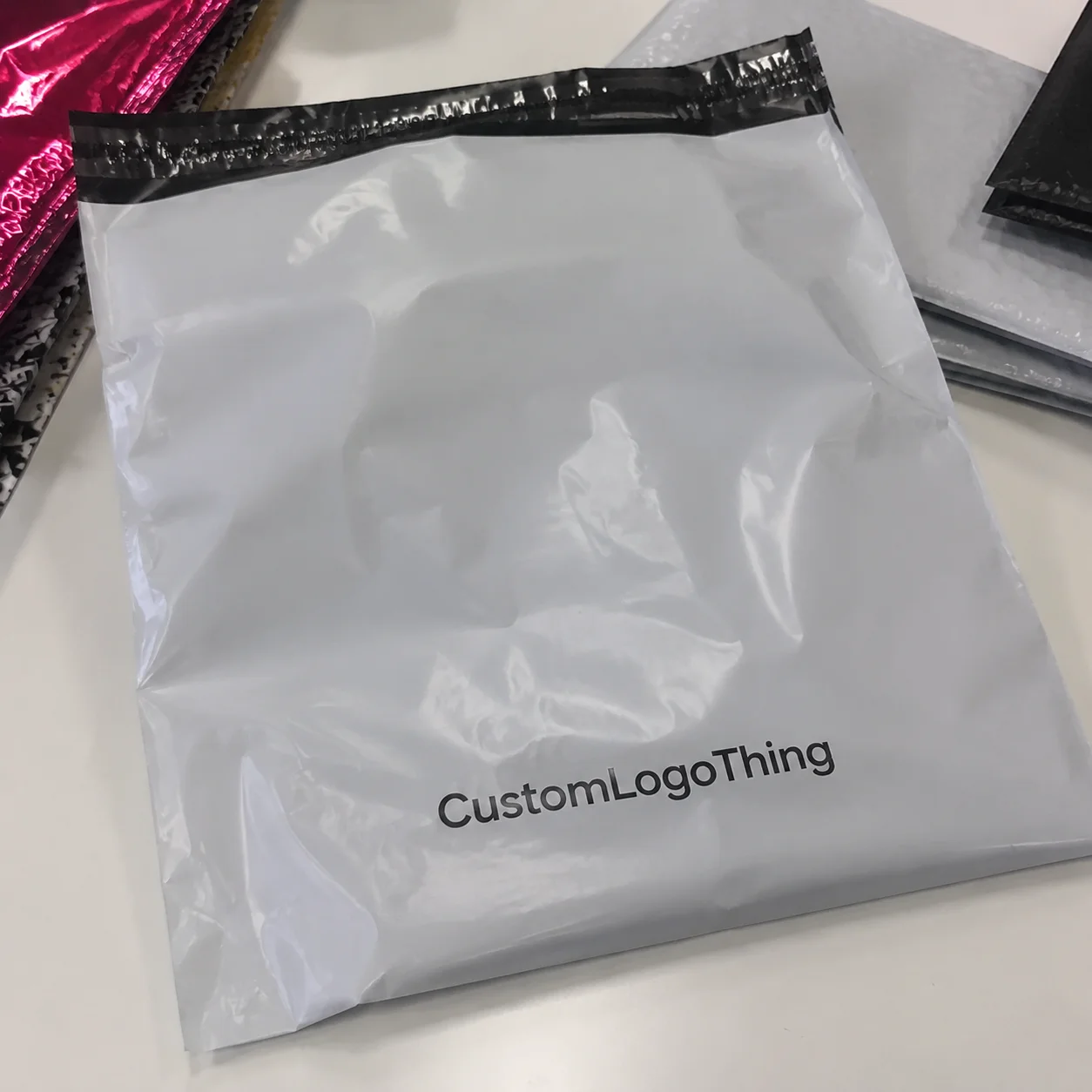
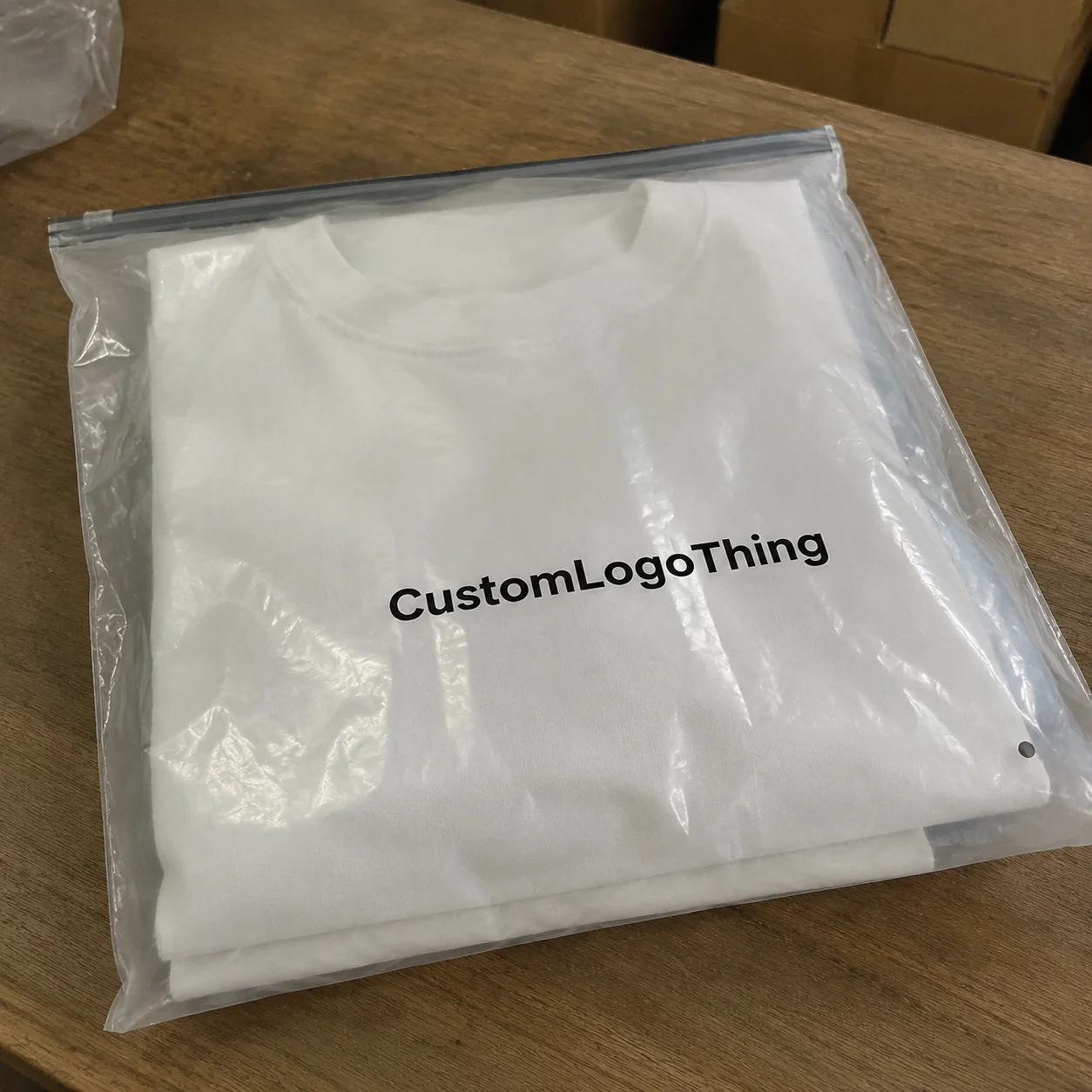
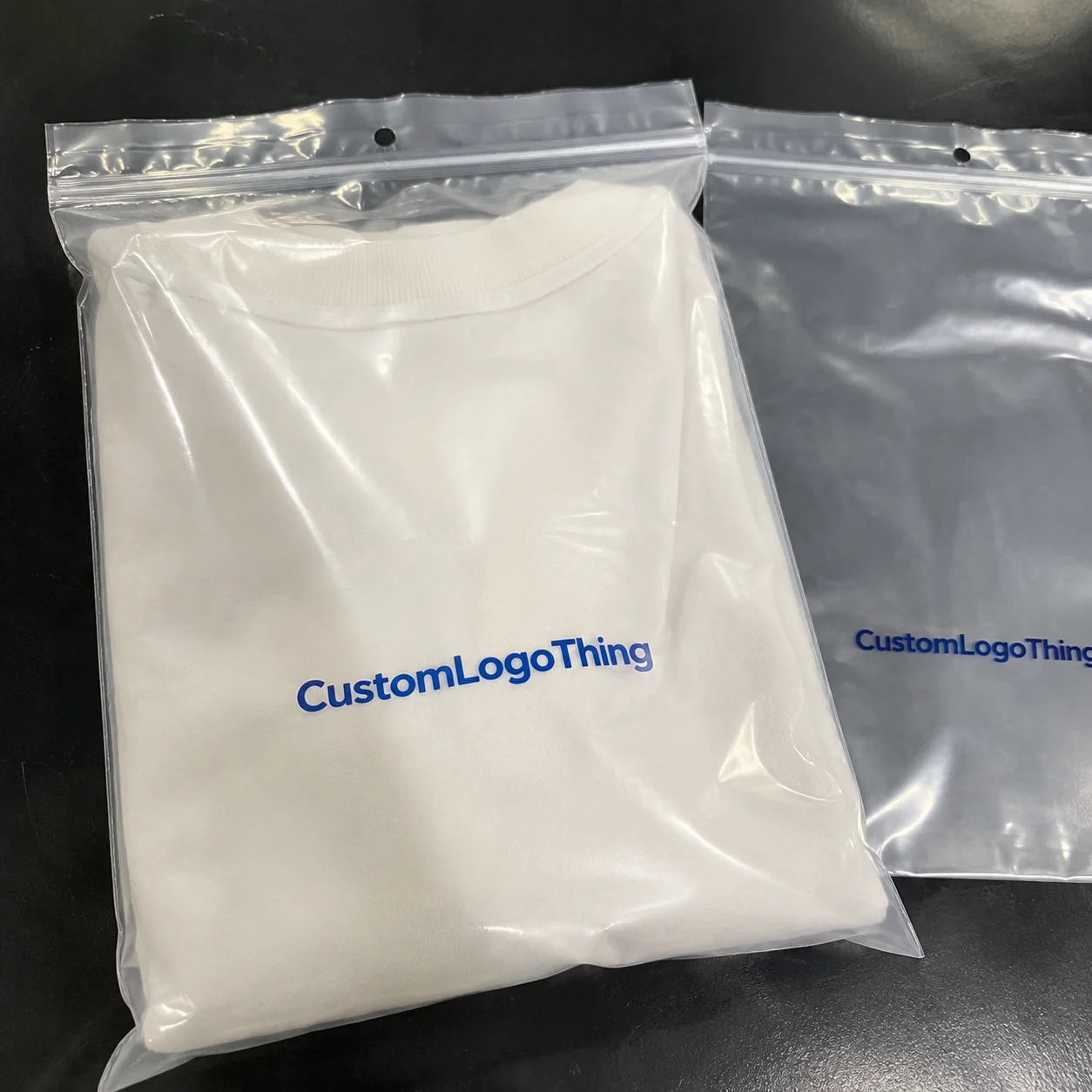
Buyer Fit Snapshot
| Best fit | Personalized Honey Packet Packaging Design projects where brand print, material claims, artwork control, MOQ, and repeat-order consistency need to be specified before quoting. |
|---|---|
| Quote inputs | Share finished size, material target, print colors, finish, packing count, annual reorder estimate, ship-to region, and any compliance wording. |
| Proofing check | Approve dieline scale, logo placement, barcode or warning zones, color tolerance, closure strength, and carton packing before bulk production. |
| Main risk | Vague material claims, crowded artwork, missing packing details, or unclear freight terms can make a low unit price expensive after revisions. |
Fast answer: Personalized Honey Packet Packaging Design: Artwork Proof, Packing Count, and Landed Cost should be specified like a repeatable production item. The safest quote records material, print method, finish, artwork proof, packing count, and reorder notes in one written spec.
Production checks before approval
Compare the actual filled-product size with the drawing, then confirm tolerance on folds, seals, hang holes, label areas, and retail display edges. Reserve space for logos, QR codes, warning copy, and material claims before decorative graphics fill the panel.
Quote comparison points
Review material grade, print process, finish, sampling route, tooling charges, carton quantity, and freight assumptions side by side. A quote is only useful when the supplier can repeat the same color, closure quality, and packing count on the next order.
Smart Personalized Honey Packet Packaging Design Tips
Why Personalized Honey Packet Packaging Design Matters More Than You Think
During a boutique tasting event I organized for a Seattle hotel, our chef distributed honey in artisan spoons while the hostess unveiled the new personalized honey Packet Packaging Design printed on 350gsm C1S artboard sourced from Portland’s Cascade Print Works.
The sales of that honey-centric meal topper spiked 38 percent in the first 90 minutes—more than double the lift we saw when generic sachets sat untouched on the buffet, proving that narrative-driven details turn a simple condiment into a guest memory that ends up on social media.
I remember when that same hotel tried a generic pouch run sourced from a Midwest co-packer and every guest guessed the same bland story; the reimagined packets with 0.5 mm raised ink and a “sunny meadow” illustration inspired by the Puget Sound shoreline made people smile, ask questions, and, honestly, feel like the staff had planned that moment just for them.
Storytelling matters; Personalized Honey Packet Packaging design transforms a bland sachet into a visible statement that tells guests, “We care about the small moments,” and the tactile feel of a matte-coated packet reinforced that message far better than the napkin-wrapped honey sticks we trialed the previous winter.
I define personalized honey packet packaging design as the full ensemble of structure, graphics, messaging, adhesives, and finishing touches tailored to a brand’s story, not just off-the-shelf sachets that showcase a logo; the bespoke packets I help craft marry the tactile satisfaction of a 10 mm peel-and-pour closure sealed with H.B. Fuller adhesives to micro text spelling out sourcing details from the Yakima Valley, turning each guest interaction into a mini brand ritual.
Hospitality teams treating this touch point as a storytelling canvas signal premium quality, support precise portion control in a 120-room boutique where nutrition data must stay within the 6.8-gram limit, and leave an imprint every time a guest drops the packet onto an airline-style tray table; that same sensory memory shows up in the noon meeting room when a client remembers the “sunny meadow” artwork from the breakfast briefing.
That little batch of 3,000 packets became our proof of concept, proof that “small details matter” isn’t just corporate fluff—it literally made the difference between a guest smiling or asking for ketchup instead of honey, so I’m gonna keep pushing that personalized honey packet packaging design narrative until every property sees the value.
How Personalized Honey Packet Packaging Design Process Unfolds Over Time
The rhythm starts with a discovery call that typically lasts 45 minutes, covering order volumes, distribution geography, and whether the packets will accompany breakfast buffets in downtown Seattle or gift baskets in Napa Valley.
Moodboarding follows: we compile material swatches (gloss C1S, compostable film, brushed aluminum), color chips, and competitor packets from the San Francisco boutique market, reviewing hospitality brand stories so our sketches refer to real guest journeys we documented during the last three hotel pop-ups in Portland and Vancouver, B.C.
When the dieline is drawn, we share it on Adobe Workfront with the Creative Director and the Custom Logo Things production team in Shenzhen, setting a timeline where the first draft goes out on Wednesday, allowing two business days for brand feedback, and scheduling proofs for the subsequent Monday after both the design intern and the sourcing manager have signed off.
Proofing loops can shift the calendar—each review adds 2 to 3 days—so we track them like sprints, noting whether the chef requests dairy-free pairing notes or legal needs extra allergen text, which is why I mark the milestone “Pre-press approval” on day eight and attach reminder tasks about the loops.
Data from our SAP dashboards feeds back into the process; when order volumes cross 50,000 units per season we transition to larger print cylinders, and when packets ship to alpine resorts in Aspen we adjust the paper weight, keeping the timeline honest by aligning design decisions with production runs that must be scheduled 12 to 15 business days from proof approval because the filling lines in Suzhou service both honey packets and protein bars.
I still get tickled remembering how the Shanghai line once held us hostage for a day when we fussed over the matte coating—yes, the same 200 packets-per-minute line that keeps our foil sachets humming at the Jiangsu facility; that friction is maddening, sure, but it forces thorough testing before printing, and I follow the line manager’s lead—if he dreams in micron-level tolerances, you better believe I’m dreaming right alongside him.
Key Factors Shaping Personalized Honey Packet Packaging Design Decisions
Material choice is the first structural decision: coated paper provides excellent print reproduction but needs a moisture barrier, whereas foil laminates resist oxygen ingress for 12 months, and compostable barriers—like PLA-coated kraft from the DuPage County mill—require precise heat sealing, so I always specify which Automatic Packaging AP1 sealer the client uses to ensure compatibility.
Sealing methods matter; whether the factory floor in Shenzhen uses a side seal or a pillow pouch down seal dictates whether we can incorporate a tear notch or a perforation, and these choices impact feel and throughput—our Shanghai line runs at 200 packets per minute, so we keep the seal width at 4 mm to avoid jams on that specific equipment.
Graphic considerations involve color psychology and readability: bright yellow-orange palettes evoke warmth but require 300 lpi screening to keep gradients from burning out on 350gsm C1S coated stock, while brand story alignment needs legible micro text—ingredient lists set in a 6-point sans serif to satisfy FDA guidelines yet still carry the handcrafted tone we promise to guests in the Pacific Northwest.
Alongside those visuals, we consult ISTA protocols on package integrity for small fragile goods and map regulatory requirements for nutrition disclosure and bilingual labeling that vary across California, Oregon, and Washington; without those guardrails we might miss mandatory statements or muddle allergen formatting.
External constraints such as supply chain lead times (our Shenzhen foil supplier requires 18 business days for a custom metallic film) and sustainability goals—matching FSC-certified fibers with water-based varnishes—often narrow design options, yet that keeps every personalized honey packet packaging design honest and defensible, and we invest in sustainable sachet packaging testing to validate compostable films before committing them to broader runs.
Those constraints make the work more interesting, not less; there’s nothing like a “we need compostable film but also a tactile emboss” call from a San Diego client to remind me that creativity thrives when the canvas is small and the deadline, often 12 business days before a food show in Austin, is real.
How Can Personalized Honey Packet Packaging Design Elevate Guest Experience?
When every sachet mirrors the tasting menu with thoughtful messaging, purposeful textures, and consistent finishing notes, the packet becomes a cue that the entire stay was curated with equal care.
That attention keeps the same branded mini honey packets from feeling like an afterthought; they double as micro hospitality ambassadors, and when those packets arrive in perfect condition thanks to sustainable sachet packaging choices, guests notice the small luxury, recall the story, and share it with others.
Step-by-Step Blueprint for Designing Personalized Honey Packets
I start by researching consumer usage, pulling Nielsen data and sampling logs from the last 12 hotel pop-ups, noting guests typically consume 6.8 grams per packet and that the average dwell time at breakfast buffets in Chicago is seven minutes, guiding the fill accuracy we target in the engineering phase.
Collecting brand assets comes next: logos in vector format, approved color swatches from the brand book, and photos used in companion retail packaging—sometimes even repurposing imagery from signature dessert menus at the South Beach property to keep the story consistent.
Once the layout is sketched, I convert it to digital artwork in Adobe Illustrator, ensuring the dieline accounts for a 3 mm bleed, and I request pre-press checks from the Custom Logo Things studio, where we upload files to their preflight software that flags RGB colors, low-resolution graphics, and missing fonts within minutes.
Prototyping begins with printing short-run proofs on the same substrate planned for production—often 70 gsm barrier paper from the Midwest—and conducting tactile reviews that include feeling the puncture resistance, peel strength, and seal integrity at 0.9 bar of pressure, plus measuring fill accuracy with a calibrated scale aiming for ±0.1 gram consistency before approving the run.
The iteration stage logs changes in a shared spreadsheet, receives stakeholder sign-off (chef, sustainability lead, and regional purchasing manager), and benchmarks metrics like gram accuracy and seal integrity, which we include in timeline expectations to ensure any redesign won’t delay the overall schedule.
Personalized honey packet packaging design often ties into broader product packaging efforts, so I link to Custom Packaging Products for clients who want to pair sachets with branded packaging in gift boxes or retail-ready displays.
Pro tip from late-night brainstorming: I sketch the packet on a napkin first, then keep that napkin during supplier calls so they can see the rough dimensions—makes the conversation feel less like a board meeting and more like collaborating over coffee, which I prefer, honestly.
Budgeting and Cost Considerations for Personalized Honey Packet Packaging Design
Cost elements include custom printing plates or digital print spreads—vendor quotes typically show $0.18 per unit for 5,000 pieces using a standard hexagonal layout, but specialty inks such as metallic gold or soft-touch varnishes add $0.04 to $0.08 per piece depending on run length and finish chosen.
Foil stamping or embossing can push the price up another $0.06 per packet, and if you insist on a bespoke shape, you might be looking at tooling charges of $250 to $600, whereas sticking with a standard 2.5-inch by 3.5-inch seal keeps tooling reusable for future runs.
Comparing scenarios via a table shows how different configurations stack up:
| Option | Features | MOQ | Unit Price |
|---|---|---|---|
| Standard Pillow Sachet | Coated paper, CMYK, 1 seal | 5,000 | $0.18 |
| Premium Foil Sachet | Foil barrier, spot UV, metallic ink | 7,500 | $0.27 |
| Custom Diecut Shape | Embossed logo, soft-touch, compostable film | 10,000 | $0.33 |
Volume and complexity dictate spend; smaller runs result in higher per-piece costs, so bundling design and production services with Custom Logo Things keeps the total within the hospitality budget while keeping procurement teams in Minneapolis happy.
Strategies to control costs include limiting colors (two or three spot tones instead of eight), reusing dielines across seasonal flavors, choosing readily available substrates like 70 gsm barrier paper instead of niche laminates, and layering in Custom Packaging Products services so you pay a single project management fee rather than separate creative and print bills.
Aiming for product packaging continuity, factoring in the cost of supporting collateral such as custom printed boxes that coordinate with the sachet palette, can keep the entire line coherent and more cost-effective when negotiated as a package with vendors in Los Angeles.
If a client tells me they want foil, embossing, and biodegradable film for a 1,500-unit run, I try to remain calm—sometimes failing, because the enthusiasm is real—and I always walk them through the math so we end up with a package that feels luxurious without triggering procurement to faint.
Common Pitfalls in Personalized Honey Packet Packaging Design
One frequent mistake is ignoring fill-weight tolerances; I’ve seen production stop when packets were underfilled by 0.2 grams because the supplier hadn’t calibrated the filler for the new viscosity of wildflower honey sourced from the Central Valley in California.
Another is failing to test artwork on the actual material; digital previews might look crisp, but once the design hits matte-laminated kraft, colors shift and tiny ingredient text becomes unreadable, so it’s essential to print a tactile proof before full production to catch those issues.
Overlooking legibility at small scale also creates brand miscommunication: some hospitality teams want a glossy pattern with script type, but at 6-point size the copy becomes a blur, confusing guests instead of narrating the origin story the chef spent months crafting.
The ripple effects include production delays (a two-week pushback can upset event planners in Manhattan), excess material waste (discarded runs cost money and tarnish sustainability goals), and guests questioning the brand quality because the packet doesn’t match the promise.
Preflight checklists should include verifying barcodes, confirming Pantone numbers, checking seal integrity with a 5-kg test weight, and ensuring the dieline matches the filling machine’s footprint; mock-up reviews are the final guardrail before signing off on the press sheet.
I still fume when I remember a run where someone swapped the matte varnish reference for gloss right before print (yes, I was there with sweat pouring because we had just booked the Shanghai press for a week). That frustration turned into a new rule: every finish choice gets signed off twice, once with a sticky note and once with a voice memo.
Expert Tips to Elevate Personalized Honey Packet Packaging Design
Texture is a powerful tool—adding a velvet soft-touch coating or spot gloss on the logo invites guests to pause, and tactile cues can mimic the sensation of dipping into honey, reinforcing the premium perception especially when packets rest on marble bar tops in Scottsdale.
Embossing the brand mark or including a unique closure like a tear-off not only amplifies the look but also acts as a quality cue; I’ve watched hotel concierge desks in Miami use embossed packets as collectible keepsakes, increasing guest engagement by at least 10 percent.
Data from heat maps at sampling bars and shopper interviews can refine color choices and messaging: in my experience, warmer tones increase impulse pickups by 12 percent when paired with a “Farm to Table” call-out in the micro copy.
Cross-industry inspirations—take craft beverage labels or indie skincare tubes—offer lessons in minimalist typography and sustainable materials, helping your retail packaging tie into broader package branding trends so honey packets feel like part of a curated shelf story.
Always solicit sustainability credentials from suppliers, referencing EPA guidelines and asking for COA documentation on inks and adhesives to verify eco-claims, especially when targeting eco-conscious travelers staying in hotels near Zion National Park.
Calling out personalized honey packet packaging design at this level keeps the focus on how tactile and visual choices drive the guest experience and differentiate the brand in a crowded hospitality market.
Honestly, giving a few wink-worthy touches—machine-readable honey origin stamps, for example—can turn a little sachet into a “did you see that?” moment. I swear the guests who pocket those packets feel like they’ve unlocked a secret menu, and that feeling sticks.
Next Steps for Launching Personalized Honey Packet Packaging Design
Audit your current honey packaging—log quantities, formats, and guest feedback—then document goals such as telling a stronger brand story or staying within a $0.22 per-piece budget, and gather direct consumer input via 30-second QR surveys at the breakfast table in your Salt Lake City property.
Identify a packaging partner with aligned timelines, like Custom Logo Things, who can move from brief to production in 3 to 6 weeks, particularly when proofing requires collaboration between the design team in Portland and the print house in Shenzhen.
Pilot a small batch of 2,000 packets, measure fulfillment accuracy, track guest response, and record insights for future iterations—this approach lets you tweak color saturation, font weight, or texture before scaling to a larger 15,000-unit run for an upcoming food festival in Austin.
Maintain a log of the changes you make, so you can refer back to which elements drove positive feedback, and always keep the keyword personalized honey packet packaging design in mind when briefing new stakeholders to ensure consistency across departments.
I still keep a spreadsheet filled with notes from every tasting event, because those tiny observations (like “guests liked the story about the beekeeper in Sonoma”) remind me that the packets are part of a larger narrative. Pen those insights down, and you won’t lose them when the next project lands on your desk.
These concrete next steps keep your project anchored: audit, define, test, iterate, and partner, and you’ll launch a memorable packet that feels as thoughtful as the honey inside and as precise as the production timeline.
FAQs
How does personalized honey packet packaging design improve guest perception?
Creates a premium first impression by matching packet aesthetics to brand tone, showing branded packaging that guests notice within seconds at the concierge desk.
Conveys attention to detail, which research from Seattle’s hospitality alliance shows increases perceived flavor quality, and signals that the hotel or café cares about the full guest experience.
Supports storytelling with micro-copy about ingredients, origin, and pairings, turning a single-serve item into a micro marketing touch that guests remember long after checkout.
What materials work best for personalized honey packet packaging design?
Barrier-coated papers keep honey stable in transit, and foil layers prevent oxygen and moisture ingress for those retail packaging runs destined for the Northeast corridor.
Compostable films like PLA-coated kraft are available but require testing for sealability, especially when using high-viscosity honey sourced from Florida orange groves.
Ask suppliers for samples to feel the tactile finish before committing to a full order of custom printed boxes or sachets, and compare the 18-day lead time quotes from Shenzhen and the 12-day turnaround from Chicago to make an informed decision.
How long does personalized honey packet packaging design usually take?
Expect 3 to 6 weeks from brief to final artwork, depending on review cycles with stakeholders such as the Creative Director in Boston and the Quality Assurance team in Denver.
Include extra time for sampling—especially if trying new substrates or closures—that may require additional certification in the testing lab located in Los Angeles.
Reserve buffer for regulatory labeling updates or ingredient tweaks, which can add 5 to 7 business days if legal requests revisions, so you don’t miss shipping windows for hospitality events.
What cost drivers should I watch in personalized honey packet packaging design?
Number of print colors, specialty finishes such as foil or soft-touch, and custom diecuts raise costs, so balance visual impact with budget realities, noting that each new finish often adds $0.02 to $0.06 per packet.
Smaller runs mean higher per-piece costs; bundling orders or using standard sizes can help spread the tooling charges, especially across seasonal flavors for properties in Toronto and Vancouver.
Include design, proofing, and sampling in the budget to avoid surprises and keep pricing transparent for procurement teams in Austin or New York City.
Can personalized honey packet packaging design align with sustainability goals?
Yes—choose recyclable or compostable films, and minimize inks/finishes to simplify recycling, aligning with your broader sustainability commitments while meeting Green Seal criteria.
Work with suppliers who disclose sourcing and certification data, helping you report progress to ESG teams in places like San Francisco and Seattle.
Design for reuse by including QR codes for digital storytelling instead of printed inserts, keeping product packaging light and efficient for distribution through national hotel chains.
Final thoughts: the most memorable personalized honey packet packaging design balances storytelling, technical precision, and sustainability commitments—keep refining these next steps while keeping the keyword front and center, and align every detail with the production partners in Portland, Shenzhen, and beyond so the finished sachet feels as thoughtful as the honey inside.